Best Footwear for a Fishing Boat: The Ultimate 2026 Guide for Inshore Anglers

Best Footwear for a Fishing Boat: The Ultimate 2026 Guide for Inshore Anglers

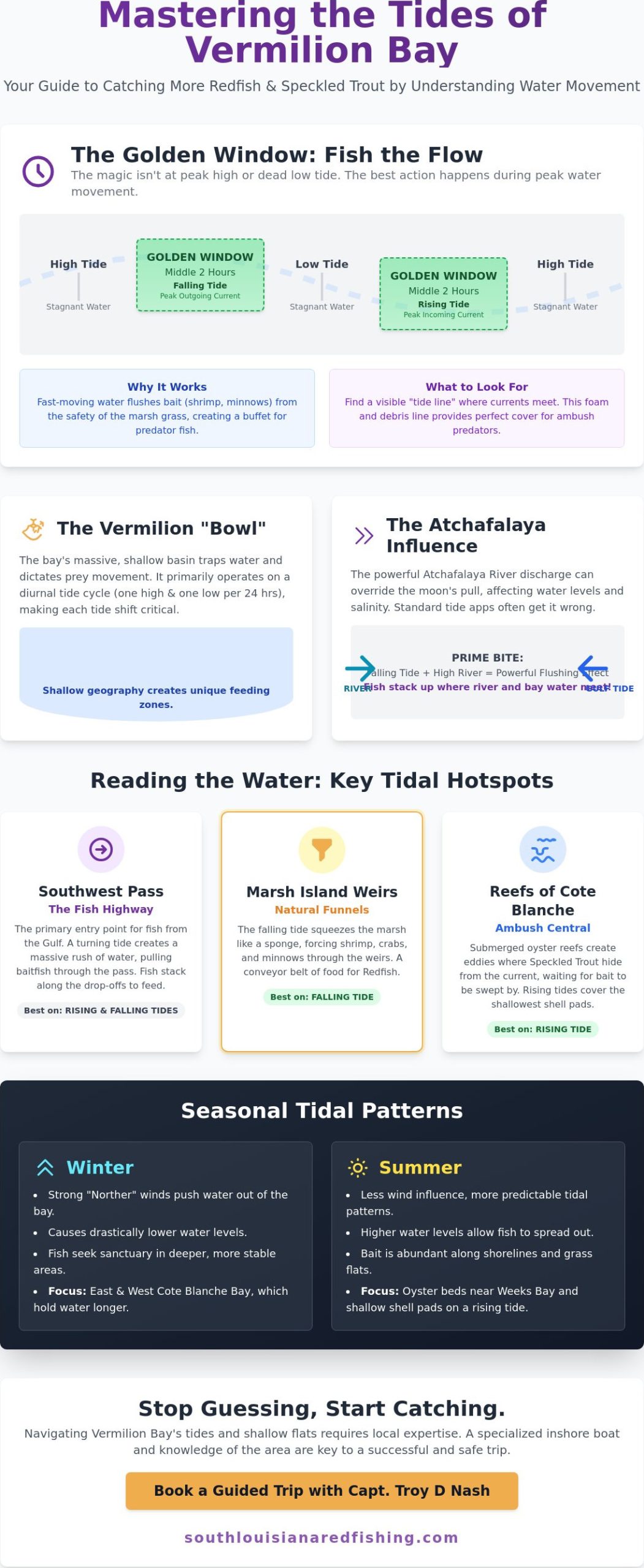
Imagine you are braced on the bow near Marsh Island, a trophy Redfish has just slammed your bait, and at the moment of truth, your foot slips on the wet fiberglass. It is a heart-stopping moment that proves why choosing the best footwear for a fishing boat is the most important gear decision you will make this season. We have all been there. Between the heavy humidity of the South Louisiana marsh and the constant salt spray, wet feet usually lead to nasty blisters and brutal fatigue before the noon sun even hits the water.

You deserve to focus on the fight, not your aching feet. Whether you are navigating the shallow flats of Cypremort Point or hitting the reefs near East Cote Blanche Bay, the right shoes keep you stable and dry. This guide promises to show you exactly how to achieve all-day comfort and professional-grade traction on any bay boat. We are breaking down the latest 2026 gear, from high-tech deck boots to breathable sneakers, so you can dominate the Vermilion Bay area with the confidence of a seasoned pro.

Key Takeaways

  • Master the science of razor siping to ensure you never lose your footing on a slick deck when a trophy Redfish is on the line.
  • Identify the essential drainage features that keep your feet dry and eliminate the fatigue caused by heavy, water-logged shoes.
  • Evaluate whether performance deck boots or athletic hybrids are the best footwear for a fishing boat during your next adventure in the South Louisiana marsh.
  • Prepare for the specific challenges of the Vermilion Bay environment, including intense summer deck heat and the muddy shorelines of Cypremort Point.
  • Learn how to coordinate your footwear with professional rain gear for a seamless, comfortable experience on your guided charter.

Why Proper Footwear is Critical for Your South Louisiana Fishing Charter

Selecting the best footwear for a fishing boat is about more than just looking the part. It is a fundamental safety decision. Specialized boat footwear is engineered for one primary purpose: keeping you upright on a wet, vibrating fiberglass deck while protecting that vessel from damage. In the winding bayous and expansive lakes of the South Louisiana marsh, your feet are your foundation. Sight-fishing for Redfish requires hours of standing on elevated casting platforms, often while the captain maneuvers the bay boat through tight cuts near Marsh Island or along the shorelines of East Cote Blanche Bay. Without the right gear, a sudden surge of the trolling motor or a slick spot from fish slime can send you overboard.

The Role of Stability in Fighting Inshore Giants

When you finally hook into one of those legendary Louisiana redfish, the real work begins. A 30 pound Bull Red does not just swim; it pulls with a raw power that tests every joint in your body. You need a solid base to leverage that fish away from oyster beds or weir structures. Many novice anglers make the mistake of wearing cheap flip flops, only to experience a “blowout” when the strap snaps during a high stakes hookset. Beyond the immediate danger of a fall, proper footwear with dedicated arch support prevents the dreaded “boat leg” fatigue. After eight hours of absorbing the chop in Vermilion Bay, your back and knees will thank you for choosing shoes designed specifically for the job.

Protecting the Deck: The Non-Marking Sole Rule

Experienced guides like Capt. Troy D Nash take immense pride in their equipment. Maintaining a clean, white fiberglass deck is not just about aesthetics; it is about professional standards. This is where “guide etiquette” plays a massive role. Traditional Boat shoes were originally designed with specific rubber compounds to prevent scuffing. A non-marking sole is a specialized rubber compound that leaves no scuffs or dark streaks on the boat surface. Black soled running shoes are the top enemy of charter captains across Lafayette and the surrounding coastal parishes. These soles leave permanent marks that require hours of scrubbing with harsh chemicals. You can test your shoes at home by dragging the heel across a kitchen tile. If it leaves a streak, leave them in the truck. Stick to these rules to ensure your trip is focused on the adventure:

  • Verify the Label: Always check the “non-marking” tag on the shoe box before you buy.
  • Avoid Mud Traps: Stay away from heavy lugs that trap mud from the Cypremort Point boat launch.
  • Heat Management: Prioritize light colored soles to minimize heat absorption during those blistering July days.

While other areas might be less strict about gear, a high end South Louisiana charter demands respect for the vessel. Pack the right shoes, grab some local Cajun food after the trip, and enjoy the premier fishing experience our coast offers.

Critical Features: What Makes a Shoe Boat-Safe in 2026?

The evolution of angler gear has reached a peak in 2026. Finding the best footwear for a fishing boat is no longer just about picking a pair of old sneakers. Modern deck shoes are highly engineered tools designed to handle the unique physics of a wet bay boat. In the humid environment of Vermilion Bay, where the temperature on the deck can soar, your shoes must perform multiple duties simultaneously. They need to grip like glue, drain like a sieve, and protect your skin from the brutal Gulf sun. These technical requirements are non-negotiable when you are balancing on a casting platform in the middle of the marsh.

Traction Technology: Beyond the Tread

Most people assume deep lugs provide better grip. On a muddy trail at Cypremort Point State Park, that is true. On a fiberglass deck, it is a recipe for disaster. Effective boat shoes utilize razor siping. These are thin, wavy slits cut into the rubber sole that expand when you step down. This action creates a vacuum effect, pushing water out from under the shoe and allowing the rubber to make direct contact with the surface. This is the same technology used in high-performance tires to prevent hydroplaning.

Unlike hiking boots that trap mud and slime, the flat soles of the Best Boat Shoes of 2026 maximize surface area. Soft rubber compounds are preferred because they conform to the micro-texture of the deck, though they wear down faster than hard-soled utility boots. When you are leaning over the gunwale to net a Redfish near Marsh Island, that micro-grip is the difference between a successful catch and a dangerous fall. Harder compounds might last longer, but they often turn into “skates” once a little fish slime hits the floor.

Materials and Breathability in High Humidity

South Louisiana is famous for its “marsh funk.” This is the result of extreme humidity and organic matter trapped in damp gear. Selecting the best footwear for a fishing boat means looking for anti-microbial treatments and advanced drainage systems. While neoprene is excellent for keeping feet warm in the winter, it is a dual-edged sword in the summer. It traps heat and moisture, which can lead to fungal issues after a full day on the water. Instead, look for mesh uppers or high-grade EVA foam with integrated ports.

  • Drainage Ports: These allow water to exit immediately, preventing that heavy, “soggy sock” feeling.
  • UV Protection: The top of your foot is a prime target for sunburn while you are on the poling platform. Look for materials with a high UPF rating.
  • Quick-Dry Tech: Synthetic mesh can dry in minutes rather than hours, keeping your feet comfortable as you move between the marsh and the dock.

If you are ready to put these features to the test, consider booking a guided trip to see how the pros gear up for the Louisiana heat. Protecting your feet from UV rays and moisture ensures you stay in the game from the first cast to the last. While other areas might offer different conditions, the intensity of our local marsh demands gear that can breathe as hard as you work.

Best Footwear for a Fishing Boat: The Ultimate 2026 Guide for Inshore Anglers

The Guides Hierarchy: Comparing Boots, Deck Shoes, and Sandals

Choosing the best footwear for a fishing boat often comes down to a high-stakes battle between protection and temperature control. Professional guides have a hierarchy of gear that shifts with the seasons and the specific Louisiana fish species they are targeting. If you are hunting monsters near the weirs of Marsh Island, your needs will differ wildly from a relaxed afternoon chasing Flounder along the shorelines of Cypremort Point. While other areas might allow for basic flip-flops, the dynamic environment of the South Louisiana marsh requires a more specialized approach to stay safe and productive.

The Classic Deck Boot: Pros and Cons

Brands like Xtratuf have become the unofficial uniform of the Gulf Coast for a reason. These boots offer total protection from the wash-down hose, stinging jellyfish, and the sharp dorsal spines of a thrashing Black Drum. They are the gold standard for messy marsh days when the deck is covered in bait and scales. However, the “hot foot” factor is real. During a sweltering July trip on Vermilion Bay, a rubber boot can feel like a portable sauna. Only pull these out when the forecast calls for rain or particularly messy conditions where foot protection is the top priority.

Athletic Hybrid Shoes: The Modern Standard

For most New Orleans day-trippers visiting Cypremort Point, the athletic hybrid is the best footwear for a fishing boat. These shoes combine the cushion of a high-end runner with the drainage ports and siped soles we discussed earlier. They are incredibly versatile. You can wear them to grab world-class Cajun food in Lafayette, hop on the boat for an eight-hour session, and never feel a moment of discomfort. Top brands in 2026 are focusing on lighter materials that don’t sacrifice that crucial lateral support needed for a high-stakes hookset when a Bull Red decides to run.

Sandals and Clogs: Proceed with Caution

We see plenty of technical sandals on the water, and while they offer maximum breathability, they come with significant trade-offs. The “Croc” debate is alive and well among captains. While they are easy to clean, they often lack the ankle support required for moving around a bay boat in a heavy chop. Exposed toes are also a liability when handling a toothy Flounder or a powerful Redfish. If you must wear sandals, stick to high-end technical models with enclosed toes and non-marking soles to keep your captain happy and your feet safe from accidental hook sets or fish spines.

Louisiana Marsh Conditions: Why Vermilion Bay Demands Specialized Grip

The South Louisiana marsh is a beautiful, productive, and occasionally punishing environment. When you are chasing Redfish through the winding canals of Marsh Island or the shallow flats of West Cote Blanche Bay, the environmental stressors are unique. You aren’t just dealing with water. You are managing high humidity, intense solar radiation, and the slick organic matter we call “marsh slime.” Finding the best footwear for a fishing boat in these specific conditions requires understanding how our local geography impacts your gear. A shoe that works on a dry pier in another state will fail you the moment a Speckled Trout thrashes on a wet deck in Vermilion Bay.

Inshore Comfort vs. Offshore Challenges

One of the greatest advantages of our local fishery is the accessibility and comfort of the water. Unlike the rough, unpredictable sea states found when heading out of other areas like Venice, our inshore and nearshore trips offer a much steadier platform. Bay boats are designed for stability in the shallow lakes and bayous surrounding Lafayette. Because you aren’t fighting 6 foot swells on a rolling deep-sea vessel, you don’t need heavy, restrictive offshore boots. Instead, you can prioritize lighter, more breathable options. This allows for better feel of the deck and less physical strain during those shorter runs to the closest oil rigs or oyster beds. The best footwear for a fishing boat in the marsh is one that lets you move quickly and safely without the bulk of heavy ocean gear.

The Mud-to-Boat Transition

The transition from the dock to the deck is where many trips hit a literal snag. The public launches at Cypremort Point State Park can be muddy, especially after a heavy Louisiana rain. Bringing that mud onto a clean boat is a major “no-no” in guide etiquette. Mud acts like sandpaper on fiberglass, and organic debris can clog up the drainage scuppers. Before you step onto the boat, take a moment to rinse your soles in the water or use a dockside hose. Always check your treads for gravel or shells that scratch gelcoat and cause permanent damage to the vessel. Capt. Troy D Nash keeps a pristine boat for his clients, and starting with clean soles ensures the deck stays safe and non-slip for everyone throughout the day.

  • Heat Management: Dark decks and dark shoes are a bad combo in July. Choose light-colored footwear to reflect the intense sun of the Louisiana coast.
  • Slime Control: Redfish and Sea Trout produce a thick protective slime. If you aren’t wearing siped soles, this slime turns a fiberglass deck into an ice rink.
  • Salt Protection: Even in the brackish waters of Weeks Bay, salt will degrade cheap adhesives. Stick to trusted marine brands.

If you are ready to experience the world-class fishing of the South Louisiana marsh, book your guided fishing trip today and put your new gear to the test. After a successful day on the water, you’ll be just a short drive away from the best Cajun food in Lafayette, making it a complete Louisiana adventure.

Final Preparation: Booking Your Trip and Exploring Beyond the Boat

Once you have invested in the best footwear for a fishing boat, you are nearly ready to hit the water with Capt. Troy D Nash. Gear preparation does not stop at the ankles, though. For a truly professional experience, your shoes need to work in synergy with your rain gear. High quality bibs should overlap your deck boots or hybrid shoes to ensure water runs off onto the deck rather than down into your socks. This small detail is what separates the comfortable veterans from the soggy rookies when a summer squall rolls across Vermilion Bay. Capt. Troy often recommends bringing a lightweight, waterproof shell even on clear days, as the spray from a fast run to the Marsh Island weirs can catch you off guard.

What to Pack for Cypremort Point

A successful day at Cypremort Point starts in your gear bag. While we have focused on the shoes themselves, don’t overlook your socks. Synthetic or wool blend socks are mandatory to wick away the intense Louisiana humidity. Cotton is your enemy here. Also, keeping a spare pair of “dry land” shoes and fresh socks in your truck at the boat launch is a massive game changer. There is no better feeling than peeling off your salt crusted boat shoes and stepping into clean sneakers for the ride back to Lafayette. This simple step protects your vehicle’s interior and keeps that “marsh funk” from following you home after a day of chasing diverse species like Redfish and Sea Trout.

Experience the Best of South Louisiana

Your guided trip is just the beginning of what this region has to offer. After a day of fighting powerful Redfish and Black Drum, you will have worked up a serious appetite. The Lafayette area is the heart of Acadiana, offering a cultural experience that other areas simply cannot match. From the boat deck to the best boudin in the state, the transition is seamless. There are countless things to do in Lafayette, Louisiana, from exploring local music venues to touring historic sites.

Ending your day with world class Cajun food and our legendary local hospitality is the ultimate reward for a hard day’s work on the water. This is not just a fishing trip; it is a significant life event that stays with you long after the cooler is empty. Book your South Louisiana adventure today and experience the premier inshore fishing destination in the Gulf. We have the gear, the knowledge, and the passion to make your 2026 season truly unforgettable.

Dominate the Marsh with the Right Foundation

Your journey through the winding bayous of Marsh Island and the productive flats of West Cote Blanche Bay starts from the ground up. By prioritizing razor siping for grip and advanced drainage systems for comfort, you ensure every hookset is stable and every hour on the water is enjoyable. Choosing the best footwear for a fishing boat isn’t just about personal safety; it’s about respecting the vessel and maintaining the professional standards that define our world class fishery.

When you step onto the deck with Capt. Troy D Nash, you are benefiting from 3rd Generation Guide Expertise and decades of professional tenure in Vermilion Bay. His specialized inshore knowledge of Redfish, Trout, and Flounder ensures you are always in the right spot at the right time. Don’t let a slip or sore feet cut your day short when the giants are running. The marsh is calling, and your gear is finally ready for the challenge.

Ready for a world-class Redfish adventure? Book your trip with Capt. Troy today! After we limit out, the vibrant culture and incredible Cajun food of Lafayette will be waiting for you. We’ll see you at the dock!

Frequently Asked Questions

Can I wear flip-flops on a fishing charter?

You should avoid flip-flops because they offer zero lateral support and poor traction on wet fiberglass. When you are fighting a powerful Redfish near Marsh Island, a strap “blowout” or a simple slip can lead to a serious injury. Stick to footwear with a secure heel strap and siped soles to stay upright and safe during the action.

What are non-marking shoes and why do I need them?

Non-marking shoes utilize a specialized rubber compound designed to leave no dark scuffs or permanent streaks on a boat’s white gelcoat. Charter captains require these to keep their vessels in top condition. Choosing non-marking options is a key part of finding the best footwear for a fishing boat while respecting the guide’s equipment.

Are Crocs good for boat fishing?

Crocs are popular for their breathability and ease of cleaning, but they often lack the technical grip needed for slick decks. They can be quite slippery when fish slime or sea spray covers the floor. If you choose them for the marsh, ensure they have a secure heel strap and be extra cautious when moving quickly.

Should I wear socks with my boat shoes?

Yes, you should wear moisture-wicking synthetic or wool-blend socks to prevent blisters and manage sweat in the Louisiana heat. Avoid cotton socks because they trap moisture and lead to discomfort. In the high humidity of Vermilion Bay, the right performance socks keep your feet dry and help prevent the dreaded marsh funk.

How do I clean my shoes after a day in the Louisiana marsh?

Rinse your footwear with fresh water immediately after returning to the dock at Cypremort Point to remove salt and mud. Use a soft brush and mild dish soap to scrub away stubborn fish slime or organic debris. Always air dry your gear in a shaded, well-ventilated area to prevent materials from becoming brittle or cracking.

What is the best footwear for hot summer fishing in Louisiana?

Breathable athletic hybrid shoes are the premier choice for sweltering July days in the marsh. They provide the necessary arch support for standing on a casting platform while allowing maximum airflow to cool your feet. This is the best footwear for a fishing boat when the summer sun makes the deck temperature climb.

Do I need waterproof boots for an inshore fishing trip?

Waterproof deck boots are excellent for rainy days or particularly messy conditions, but they are not mandatory for every inshore trip. Most anglers chasing Redfish prefer the mobility and lightness of a hybrid shoe or technical sneaker. Save the heavy rubber boots for winter trips or when the forecast calls for constant rain.

Will my sneakers get ruined on a fishing boat?

Standard gym sneakers often get ruined by salt water, mud, and fish blood because their adhesives and fabrics aren’t designed for marine environments. They trap odors and can fall apart after just a few trips. Investing in shoes built specifically for the water ensures your gear survives the unique challenges of the South Louisiana coast.

What to Wear on a Fishing Charter in Summer: The South Louisiana Guide

What to Wear on a Fishing Charter in Summer: The South Louisiana Guide

In the marshes of Vermilion Bay, your clothing is much more than a fashion choice. It’s a tactical cooling system that determines whether you land a limit of redfish or head back to the docks early with a painful sunburn. You probably already know that the South Louisiana sun is relentless, especially when it reflects off the flats near Marsh Island. Deciding exactly what to wear on a fishing charter in summer can be the difference between a legendary day on the water and a humid struggle against the elements. While other areas like Venice might get the headlines, our corner of the coast offers a world-class experience that requires the right preparation to truly enjoy.

We understand that nobody wants to spend their trip dealing with heat exhaustion or slippery shoes. This guide will help you master the humidity with an expert-approved gear list designed for the unique conditions of Cypremort Point and West Cote Blanche Bay. You’ll learn why UPF 50+ fabrics are non-negotiable for blocking 98 percent of UV radiation and which non-slip footwear keeps you steady on a wet deck. We’re going to cover everything from moisture-wicking hoodies to the right way to handle marsh bugs so you can look like a seasoned pro while staying perfectly comfortable.

Key Takeaways

  • Understand why cotton is your enemy in the Louisiana humidity and learn which technical fabrics actually promote airflow.
  • Discover the tactical advantage of UPF 50+ long sleeves over short sleeves to stay cooler while fishing the flats of Marsh Island.
  • Get the specific requirements for non-marking footwear to ensure safety and comfort on the boat deck.
  • Master your packing list with our expert advice on what to wear on a fishing charter in summer, including why polarized sunglasses are essential for spotting redfish.
  • Learn the best way to transition from a successful day on Vermilion Bay to a world-class Cajun dinner in Lafayette.

The Reality of South Louisiana Summer: Why Your Gear Matters

The South Louisiana marsh in July is often called the “Louisiana Steam Room” for a reason. When you’re out on Vermilion Bay, you aren’t just dealing with high temperatures; you’re battling humidity that regularly clears 90 percent. This creates a thick, heavy environment where standard summer clothes feel like a wet blanket. Understanding what to wear on a fishing charter in summer starts with realizing that your everyday cotton t-shirt is actually your worst enemy. Cotton is a thirsty fiber. It absorbs sweat and saltwater, holding it against your skin until it becomes a heavy, abrasive mess that leads to severe chafing and discomfort.

Successful anglers trade standard street wear for performance cooling systems. We prioritize UPF 50+ and moisture-wicking fabrics because they pull sweat away from the body, allowing it to evaporate even in our thick marsh air. This isn’t just about looking the part; it’s about safety. Mastering what to wear on a fishing charter in summer is your first line of defense against heat exhaustion, which is the number one trip-killer on the Gulf coast. When you stay dry and shielded from relentless UV rays, your core temperature stays regulated. This keeps you energized and sharp for when a trophy redfish finally hits your line near Marsh Island.

Vermilion Bay vs. Other Regions

Fishing the sheltered marsh of Weeks Bay or West Cote Blanche Bay is a different beast than heading into the open Gulf. While heavy gear is sometimes used for deep sea fishing, it is often too thick for our shallow inshore flats. In some regions like Venice, you might have hour-long boat runs to catch a breeze. Here, our runs from Cypremort Point are shorter and more efficient. This means you spend more time actively fishing in the “heat zone” without the cooling effect of a high-speed boat ride. You need gear that breathes while you’re standing still over a productive oyster bed.

The Role of Solar Reflection

The sun doesn’t just hit you from above; it attacks from every angle. Light bounces off the shallow mudflats and white-shell oyster reefs, creating intense glare. This reflection can burn the underside of your chin or the skin behind your ears even if you’re standing under a boat canopy. At Cypremort Point, the solar intensity is particularly high because the shallow, tea-colored water amplifies the rays. You need 360-degree protection to stay safe. Choosing the right technical layers ensures you’re shielded from the reflection coming off the water’s surface as much as the direct sun overhead.

The Tactical Layering System: UPF 50+ and Moisture Wicking

Many first-time anglers assume a tank top is the best choice for the marsh. That’s a mistake. Covering your skin with technical long sleeves is actually the most effective way to stay cool. These fabrics create a micro-environment that shields you from direct solar radiation while promoting evaporative cooling. Following official advice on preventing heat-related illness means choosing loose, lightweight clothing that allows your body to regulate its temperature. When deciding what to wear on a fishing charter in summer, think about your clothes as a piece of equipment, not just an outfit. Unlike the heavy gear sometimes used for deep-sea trips in Venice, our inshore gear needs to be exceptionally light and breathable.

Look for polyester and nylon blends. Polyester is king for moisture-wicking; it pulls sweat off your skin and moves it to the outer layer of the fabric. Nylon is often more durable and offers slightly better airflow. Both are superior to cotton. We also look for antimicrobial treatments. After a long day hauling redfish into the boat near Weeks Bay, you’ll appreciate gear that doesn’t hold onto the “marsh smell” during the drive back to Lafayette for a celebratory dinner.

Choosing Your Fishing Shirt

The sun hoodie has become the gold standard for inshore guides. These shirts offer a built-in hood that protects your ears and neck. These are areas that often get scorched by reflection off the water. If you prefer a traditional look, button-down “Guide Shirts” offer excellent venting across the back. Choose light grays or soft blues. While white seems cooler, it often shows every bit of mud and fish slime. Avoid bright yellows or oranges, which can actually attract certain marsh insects.

Bottoms: Shorts vs. Technical Pants

Lightweight, quick-dry shorts are great for mobility when you’re moving around the deck. However, many pros prefer technical pants. They provide total sun protection and act as a shield against the occasional marsh fly or “no-see-um” that might be buzzing around the weirs. Whatever you do, leave the denim and heavy canvas at home. These fabrics trap heat and stay wet for hours if they get splashed. Ready to test your gear? Book a guided trip and see how the right layers make the experience even better.

What to Wear on a Fishing Charter in Summer: The South Louisiana Guide

Footwear and Extremities: Protecting Your Foundation

Your connection to the boat starts at your feet. If you’re sliding around the deck while trying to net a redfish near the weirs of Marsh Island, you’re going to have a bad time. Captain Troy D. Nash requires non-marking soles on every trip for a simple reason: black rubber leaves permanent scuffs on a professional fishing deck. When you are deciding what to wear on a fishing charter in summer, look at the soles of your shoes first. If they aren’t labeled “non-marking,” leave them in the truck. You want a shoe that offers a firm grip on wet fiberglass, especially when the bay gets a little choppy near the East Cote Blanche reefs.

Safety and support go hand-in-hand. While flip-flops are the unofficial uniform of a Louisiana summer, they offer zero protection on a moving vessel. One wrong step during a hookset can lead to a stubbed toe or a nasty slip. Sandals with secure heel straps are a step up, but closed-toe deck shoes are the best choice. They protect your feet from heavy gear and provide the stability you need to fight a bull redfish. Believe it or not, lightweight technical socks are also a game changer. They prevent blisters from saltwater friction and protect the sensitive skin on the tops of your feet from the intense solar reflection we discussed earlier.

The Best Shoes for Vermilion Bay

The ideal footwear for our inshore trips is a breathable mesh deck shoe. These are designed to drain water instantly and dry quickly. Many anglers reach for “crocs” because they’re comfortable and easy to clean. They work well for casual days, but be careful; some models become incredibly slippery once the tread wears down or the deck gets slimy. If you’re moving around the boat to reach the best casting angles near the canals, you need a shoe with a dedicated siped sole for maximum traction.

Headgear and Face Protection

Protecting your face and neck is where you truly earn your “pro” status. A wide-brimmed straw hat provides the best shade, but it can be a liability during high-speed runs across West Cote Blanche Bay. Performance trucker caps are more secure, but they leave your ears and neck exposed. This is why a neck gaiter, or “Buff,” is essential. According to the Skin Cancer Foundation, Sun-protective clothing is the most effective way to prevent long-term skin damage. Pull that gaiter up over your nose and ears to eliminate the “goggle tan” and prevent painful burns from the light bouncing off the mudflats. It might feel strange at first, but once the midday heat hits, you’ll be the most comfortable person on the boat.

The Summer Charter Checklist: Essential Accessories

Beyond your technical layers, the small items in your bag determine how well you actually perform on the water. When people ask what to wear on a fishing charter in summer, they often forget that accessories are functional tools. In the shallow, brackish environments of Vermilion Bay, your vision is your greatest asset. High-quality polarized sunglasses are the difference between staring at a brown surface and successfully red fish fishing louisiana style. These lenses cut through the surface glare, allowing you to see tailing fish and underwater structure near the marsh edges.

Protecting your gear is just as important as protecting your skin. The humidity in South Louisiana is relentless. A simple dry bag is a lifesaver for keeping your phone, car keys, and wallet safe from salt spray and the heavy moisture in the air. Finally, never underestimate the power of hydration. While it’s tempting to pack sodas, water is the only thing that will keep you upright in the 90-degree heat. Drink early and often to stay ahead of the “Steam Room” effect we discussed earlier.

Lens Colors for the Marsh

Most beginners bring gray lenses because they’re great for open water. However, if you’re stalking redfish in the grass flats of Marsh Island, you need amber or copper lenses. These colors enhance contrast in brackish water, making it much easier to spot the bronze flash of a fish. Always use a lanyard or retainer. One quick move to net a fish could send your expensive optics straight into the bay, and they don’t float. Our inshore waters are productive, but they aren’t forgiving to dropped gear.

Sunscreen and Skin Care

Apply your first layer of sunscreen before you even arrive at Cypremort Point. This gives the cream time to bond with your skin before you start sweating. Captains generally hate spray sunscreens on the boat. The mist settles on the deck, making it dangerously slippery, and it can actually damage the boat’s upholstery and fishing line. Stick to creams for the boat and don’t forget SPF lip balm. Your lips will be the first thing to burn in the salt air. Ready to put this gear to the test? Book your summer adventure today and let’s get on the fish.

From the Marsh to the Table: Transitioning Your Look

Once the final redfish is in the cooler and we’re heading back to the docks at Cypremort Point, your adventure is really just beginning. One of the greatest advantages of fishing our inshore waters is how seamlessly you can move from the marsh to the dinner table. In South Louisiana, wearing your technical gear into a local restaurant isn’t just accepted; it’s practically the local uniform. You won’t feel out of place grabbing a post-trip meal in Lafayette while still wearing your performance sun hoodie and deck shoes. Determining what to wear on a fishing charter in summer isn’t just about the time on the boat; it’s about being ready for the full Acadiana experience without needing a complete wardrobe change.

The “Clean Shirt” trick is my top pro tip for the ride home. After a day battling the humidity of West Cote Blanche Bay, having a fresh, dry shirt waiting in the truck for the drive back to Lafayette makes a world of difference. It’s a simple luxury that makes the transition to land much more comfortable. If you have some extra time before dinner, a quick stop at Cypremort Point State Park is a great way to wind down and enjoy the view of the bay you just conquered. We pride ourselves on offering a premier, full-service experience that respects your time and your comfort from the first cast to the final bite of cracklin.

Cajun Hospitality and Tourism

Transitioning from catching redfish to eating them is one of the most rewarding Lafayette things to do. The right gear makes your whole vacation more enjoyable because you aren’t spending your evening nursing a sunburn or dealing with salt-chafed skin. Capt. Troy D. Nash always recommends gear that balances technical performance with a casual look. This allows you to jump straight into the local tourism scene, whether you’re visiting a nearby distillery or heading to a live Zydeco set, looking like a seasoned local rather than a tired tourist.

Booking Your Summer Adventure

Summer is the peak season for targeting trophy louisiana redfish in the shallow flats and around the marsh weirs. The fish are active, the bait is plentiful, and the bite is often explosive. Don’t let the heat intimidate you. We provide the local expertise, the professional-grade equipment, and the deep-rooted heritage to put you on the fish; you just need to bring the right clothes and a sense of adventure. Ready to experience the best inshore fishing the Gulf Coast has to offer? Book your South Louisiana Redfishing charter today!

Step Into the Marsh with Confidence

Success on the water starts long before your first cast. By mastering the South Louisiana heat with UPF 50+ fabrics and non-marking deck shoes, you’ve already won half the battle. We’ve explored why technical layers are non-negotiable and how polarized lenses help you spot a bronze flash in the grass. Now that you know exactly what to wear on a fishing charter in summer, it’s time to put that tactical gear to the test. Whether you’re navigating the weirs of Marsh Island or the oyster beds of Vermilion Bay, the right preparation ensures you stay focused on the fight rather than the humidity.

You don’t need a lifetime of experience to land a limit of reds. As a 3rd Generation Local Guide with deep-seated expertise in Vermilion Bay and Marsh Island, I’ve spent decades perfecting the art of the inshore strike. We provide the top-tier equipment and the local heritage; you just bring the right clothes and a drive for success. The marsh is calling, and the bite is on. Let’s get you out there for an adventure you’ll never forget.

Ready to hit the marsh? Book your summer Redfish charter now!

Frequently Asked Questions

Do I really need long sleeves if it’s 95 degrees outside?

Yes, high-performance long sleeves are actually cooler than short sleeves in the marsh. When you are deciding what to wear on a fishing charter in summer, these technical fabrics provide a physical barrier against direct UV rays and help your body regulate its temperature through moisture-wicking technology. When the sun reflects off the flats near Marsh Island, that extra fabric keeps your skin from cooking while allowing every breeze to cool you down.

Can I wear black or dark colors while fishing in the summer?

You should avoid black and dark colors whenever possible. Dark fabrics absorb the sun’s energy and trap heat against your body, which can lead to exhaustion quickly in our humid climate. We recommend light grays, soft blues, or sage greens. These colors reflect solar radiation and do a great job of hiding the inevitable mud and salt spray you’ll encounter while exploring the weirs and canals of Weeks Bay.

What kind of sunglasses are best for spotting fish in the marsh?

Polarized lenses with an amber, brown, or copper tint are the absolute best for our inshore environment. These specific colors increase contrast and allow you to see through the tea-colored brackish water to spot redfish stalking prey. While gray lenses are fine for open-water runs, they lack the depth perception needed for sight-casting in the shallow marshes and mudflats of West Cote Blanche Bay.

Are there specific shoes that Captain Troy D. Nash recommends?

Captain Troy D. Nash strongly recommends closed-toe, non-marking deck shoes for every trip. Non-marking soles are vital for keeping the boat’s deck in top shape, while closed toes protect you from heavy equipment or a stray hook. A shoe with a siped rubber sole provides the best traction on wet fiberglass, ensuring you stay steady while landing a trophy catch near the reefs or oil rigs.

Should I bring my own rain gear just in case of a summer storm?

Bringing a lightweight, breathable rain shell is a smart move for any South Louisiana trip. Summer afternoons often bring sudden, intense thunderstorms that pass quickly but can leave you soaked. A packable jacket doesn’t take up much room in your dry bag and provides a windbreak during the boat ride. Just make sure it’s breathable so you don’t feel like you’re in a sauna once the sun returns to Cypremort Point.

Is it okay to wear jewelry or watches on the boat?

It’s generally better to leave expensive jewelry and loose watches at home. Saltwater is highly corrosive to many metals, and shiny rings can actually attract predatory fish if your hand is near the water. If you must wear a watch, choose a rugged, waterproof model with a secure silicone or nylon strap that won’t slip off during a high-speed run across Vermilion Bay or while handling a fish.

What is the best way to stay hydrated during an 8-hour charter?

The most effective strategy is to drink small amounts of water constantly throughout the day. Don’t wait until you feel thirsty to start hydrating. When you are planning what to wear on a fishing charter in summer, think of your water bottle as part of your gear. We recommend avoiding heavy sodas or energy drinks, as the sugar and caffeine can actually accelerate dehydration when the Louisiana sun is at its peak.

Redfish vs. Black Drum: Identifying and Catching Louisiana’s Inshore Heavyweights

Redfish vs. Black Drum: Identifying and Catching Louisiana’s Inshore Heavyweights

What if that massive shadow charging your lure isn’t the redfish you’ve been dreaming of, but a heavyweight black drum ready to test your tackle to the breaking point? It’s a common scenario in the productive marshes of South Louisiana, where the redfish vs black drum debate often starts the moment the drag begins to scream. Whether you’re stalking the grass lines of Marsh Island or working the oyster reefs near Cypremort Point, knowing exactly what’s on the end of your line changes everything from your netting strategy to your dinner plans.

We understand the frustration of confusing a “puppy drum” for a redfish or using the wrong gear for a tackle-busting bull. You’re going to master the visual cues, gear requirements, and specific fight styles that define these two inshore titans so you can land more trophies with confidence. While other areas like Venice have their fans, nothing beats the authentic Cajun experience and world-class variety found right here in Vermilion Bay. We’ll preview the 2026 slot limits, the best local honey holes, and why both species deserve a spot in your ice chest this season.

Key Takeaways

  • Identify these marsh heavyweights instantly by checking for the redfish’s signature tail spot or the black drum’s unique chin barbels.
  • Master the tactical differences in a redfish vs black drum hookup, comparing the explosive surface runs of a red to the brute downward force of a big drum.
  • Pinpoint the best local honey holes across Vermilion Bay and Marsh Island where these species congregate around oyster reefs and weirs.
  • Learn why smaller “puppy drum” are the hidden gems of Cajun cuisine, offering a flavor profile that rivals the legendary blackened redfish.
  • Discover the advantages of launching from Cypremort Point for shorter boat rides and more productive fishing time than you’ll find in other areas.

The Drum Family: Why Redfish and Black Drum Rule the Marsh

Step onto the deck at Cypremort Point and you’ll feel the energy in the air. We aren’t just looking for fish; we’re listening for them. When you’re positioned over a productive oyster reef in West Cote Blanche Bay, that unmistakable “thump-thump-thump” coming through the hull tells you the school is beneath us. In the world of redfish vs black drum, these two species are the undisputed kings of the Louisiana marsh. They share a family tree, a vocal range, and a reputation for being some of the hardest-pulling fish in the Gulf. Whether you’re a seasoned pro or a first-timer, hearing that first drum beat through the floorboards is a major life event that signals the start of an unforgettable battle.

What is a Drum Fish?

The secret to their name lies in their anatomy. These fish belong to the Sciaenidae family, and they’ve evolved a clever way to make their presence known. By vibrating specialized sonic muscles against their swim bladder, they create a low-frequency drumming sound that can travel surprisingly far. They aren’t just making noise for fun; it’s a critical tool for territorial displays and finding a mate during the spawn. Beyond the noise, both the black drum and the Red Drum (Sciaenops ocellatus) share a rugged build. They have large, armor-like scales and broad, powerful heads designed for scouring the bottom for food. While they might look similar to the untrained eye at first glance, their personalities under the water are worlds apart.

Vermilion Bay: The Ultimate Drum Arena

Why is our corner of the state so special? It comes down to the habitat. While Venice or other areas might focus on long runs to deep water, Vermilion Bay and the surrounding Cote Blanche Bays provide a shallow-water paradise. Marsh Island serves as a protective barrier, creating a sanctuary of calm lakes and nutrient-rich canals. This ecosystem is a massive nursery where the mix of fresh and salt water creates a perfect environment for growth. Our local weirs and rock walls act as natural magnets, trapping baitfish and giving these drums a permanent place to feast. From the shallow mud flats to the hidden oyster reefs, this area is a high-density arena where you can experience the best inshore action Louisiana has to offer without the rough seas of a deep sea trek. It’s a world-class fishery right in our backyard, and we’re ready to show you why these heavyweights rule the marsh.

Visual ID Guide: Redfish vs. Black Drum Comparison

You’ve finally pulled the fish alongside the boat after a grueling fight in the marsh. Now comes the moment of truth. Identifying your catch quickly is essential, especially with the 2026 regulations requiring precise measurements. While they might seem similar when they’re splashing on the surface, the redfish vs black drum debate is easily settled once you know what to look for. Redfish are built for speed; think of them as the sleek, copper-colored torpedoes of the flats. In contrast, black drum are the heavy-duty bruisers of the bay, sporting a taller, “hump-backed” profile that makes them look much thicker than their red cousins.

The Tale of the Spot vs. The Stripes

The iconic black spot near the tail is the dead giveaway for a redfish. While most have one ocellated spot, it’s not uncommon to land “multi-spot” reds with dozens of dots along their bronze flanks. Young black drum tell a different story. Juvenile drum feature distinct vertical black bars, which often leads beginners to confuse them with sheepshead. As these drum mature and move toward the nearshore oil rigs or deeper reefs, those stripes fade into a solid, dark charcoal or dull grey. Staying informed on Red Drum management in Louisiana is vital for every angler visiting our waters, as it ensures we protect these beautiful fish for the next generation of Cajun sportsmen.

Mouths and Barbels: The Bottom Feeders’ Tools

Look closely under the chin. If you see a set of small, fleshy whiskers, you’re holding a black drum. These barbels act as sensory feelers, allowing the drum to “smell” and locate crabs or shrimp in the murky bottoms of Vermilion Bay or around Marsh Island. Redfish don’t have these whiskers. Instead, they use a powerful, down-turned mouth to vacuum up baitfish and crustaceans. While redfish have a more varied diet, black drum rely on heavy crushing plates in their throats to snap through hard shells. These physical traits are your best clues for choosing the right bait; if the barbels are out, it’s time to reach for the cracked crab. If you want to see these differences firsthand while filling the cooler, consider joining us for one of our guided fishing trips out of Cypremort Point.

Body color also provides a massive hint. Redfish usually glow with a vibrant copper or bronze hue, especially when they are fresh out of the saltier water near the Gulf. Black drum maintain a more industrial look, ranging from light silver to a deep, soot-colored black. Whether you’re working the weirs or the shallow mud flats, these visual cues will help you identify your trophy before the hook is even out of its mouth.

Redfish vs. Black Drum: Identifying and Catching Louisiana’s Inshore Heavyweights

Fighting Styles: Marsh Sprinters vs. Inshore Bruisers

The moment your line screams off the reel, the redfish vs black drum debate shifts from visual identification to pure adrenaline. Redfish are the high-speed sprinters of the Louisiana marsh. They don’t just take a bait; they attack it with a violence that leaves your heart pounding. In the shallow flats of Weeks Bay, you’ll often see their copper backs or “tailing” fins before you even make a cast. This is sight-fishing at its finest. When a red hits, expect a blistering first run that tests your drag and your nerves. They prefer the skinny water where they can use their speed to weave through grass and around oyster beds. For more on their biology and how they differ from their cousins, the FWC Red Drum (Redfish) Profile offers an excellent breakdown of their unique characteristics.

Chasing Redfish in the Skinny Water

There’s nothing quite like stalking a redfish in the grass. We love using light tackle because it lets you feel every head shake and every burst of speed. Gold spoons are a local staple for a reason. They flash like a wounded baitfish and can be pulled right through the thickest marsh vegetation. Soft plastics on a light jig head also work wonders when these fish are prowling the shoreline. It’s a game of precision and patience. You have to lead the fish, place the lure perfectly, and wait for that explosive surface strike that defines the species. It’s a thrilling, visual way to fish that keeps even the most seasoned anglers coming back for more.

Wrestling with Giant Black Drum

If redfish are the sprinters, black drum are the heavyweight wrestlers. They don’t usually go for the long, flashy runs. Instead, they “dog” it deep. They use their massive body weight and brute downward force to pin themselves to the bottom. Once a drum tops 40 pounds, we affectionately call them “Big Uglies.” Landing one of these giants in a deep canal hole or around a bridge piling is an endurance battle. You’ll need heavy-duty reels and a strong back to bring them to the surface. These bruisers aren’t picky, but they can’t resist a fresh cracked crab or a jumbo shrimp weighted right on the bottom. Unlike the long, bumpy rides required for deep sea trips, these inshore bruisers are just a short boat ride away from the dock.

While you might find similar action in other areas, the deep holes and weirs around Marsh Island provide a unique tactical challenge you won’t find anywhere else. Whether you’re looking for the fast-paced thrill of a red or the grinding power of a big drum, we have the expertise to put you on the fish. Launching from Cypremort Point puts us minutes away from these legendary battlegrounds. It’s a world-class experience that makes every trip feel like a major life event. After a day of wrestling with these heavyweights, you’ll understand why our marshes are the premier destination for serious anglers.

The Cajun Kitchen: Blackened Redfish vs. Puppy Drum

After the battle in the marsh is won, the real reward begins in the kitchen. In the redfish vs black drum culinary showdown, there’s a surprising amount of overlap that many visitors miss. While redfish gets all the glory on restaurant menus from Lafayette to New Orleans, a small black drum is often the secret weapon of Cajun home cooks. Both species offer a white, mild meat that serves as the perfect canvas for our bold local spices. Whether you’re docking at Cypremort Point or heading back to a camp on Marsh Island, knowing how to handle these heavyweights in the kitchen is the hallmark of a true sportsman.

Why Redfish is a Louisiana Icon

Redfish became a global superstar in the 1980s during the blackened fish craze that swept through the South. Its firm, flaky texture is unique because it doesn’t fall apart under the intense heat of a cast-iron skillet or a roaring grill. If you’re looking for the ultimate local experience, you have to try “Redfish on the Half-Shell.” By leaving the scales and skin on one side of the fillet, you create a natural bowl that protects the meat from the fire. This method allows the fish to simmer in its own juices while soaking up lemon, butter, and garlic. For more expert tips on cooking Louisiana fish, you need to understand how the oil content of each species reacts to the flame.

The Secret of the ‘Puppy Drum’

Don’t overlook the “puppy drum” in your cooler. These are the smaller black drum, typically those under 10 pounds, and their flavor is nearly indistinguishable from redfish. Local Lafayette chefs often seek them out for frying because the meat is sweet, tender, and light. However, there’s a strategic reason why we release the “Big Uglies” we discussed earlier. Once a black drum reaches a massive size, the meat becomes coarse and “woodier” in texture. These older fish also frequently carry harmless but unappetizing “spaghetti worms” in their tail sections. We prefer to keep the smaller, cleaner fish for the table and let the giants return to the oyster reefs to continue spawning.

Proper care starts the second the fish hits the deck. The Louisiana sun is relentless, so keeping your catch buried in crushed ice is non-negotiable to preserve that delicate flavor profile. When cleaning your drum, make sure to trim away the red meat along the lateral line. This simple step ensures a clean, mild taste that lets the natural sweetness of the fish shine through. Ready to stock your freezer with the best the Gulf has to offer? Book one of our guided fishing trips and let’s get to work filling that ice chest with the finest ingredients in Acadiana. It’s not just a fishing trip; it’s a culinary journey that ends with a world-class Cajun meal.

Book Your South Louisiana Adventure from Cypremort Point

Ready to put your new knowledge to the test? Cypremort Point is the ultimate gateway to the most productive marshes in the state. While Venice or other areas might require hours of travel through rough water, we launch you right into the heart of the action. Capt. Troy D Nash brings a multi-generational heritage to every trip, offering decades of professional tenure in the complex waters of Vermilion and Cote Blanche Bays. Whether you’re settling the redfish vs black drum debate with a double hookup or stalking a trophy red in the grass, you’re in the most capable hands in Acadiana. We take pride in our results-driven approach, ensuring every guest experiences the thrill of a world-class catch.

Why Vermilion Bay Beats the ‘Big Hubs’

Many anglers get caught in the crowds of the major hubs, but the real magic happens in our secluded marshes. One of the biggest advantages of fishing with us is the shorter boat ride to premier spots. You’ll spend more time with a tight line and less time burning fuel. Because our local weirs and shorelines see lower pressure than other areas, the fish are often more aggressive and willing to strike. We offer the kind of versatile red fish fishing Louisiana is famous for, but without the headache of navigating heavy boat traffic. From the pristine edges of Marsh Island to the hidden oyster beds near Weeks Bay, every spot we hit is chosen for maximum success and excitement.

Plan Your Visit to Acadiana

A trip with South Louisiana Redfishing is more than just a day on the water; it’s a full-immersion Cajun experience. We recommend starting your journey with a visit to Cypremort Point State Park, a beautiful spot to soak in the coastal atmosphere before or after your charter. Once we’ve filled the ice chest, head back toward Lafayette to enjoy the best Cajun food on the planet. There are so many things to do in Lafayette for the whole family, from touring historic sites to dancing at a local zydeco hall. We provide comprehensive preparation for every client, ensuring you have the right gear and the best local knowledge to make your adventure a major life event. Contact us today to secure your spot on the boat and experience the legendary variety of the Vermilion Bay marsh.

Master the Marsh and Claim Your Trophy

Landing a limit of heavyweights requires more than just luck. You now have the skills to settle the redfish vs black drum debate the moment a fish nears the boat. By identifying visual cues like tail spots and chin barbels, and understanding the unique “dogging” fight of a big drum, you’re ready for any challenge the Louisiana marsh throws your way. You’ve seen why the smaller “puppy drum” are a culinary secret and why the flats of Weeks Bay are a world-class arena for sight-fishing.

Don’t leave your adventure to chance. Capt. Troy D Nash is a 3rd Generation Local Guide who has been operating from Cypremort Point for decades. We offer expert knowledge of Vermilion Bay and Marsh Island that ensures you spend your time catching, not searching. We’re passionate about sharing this thrilling journey with anglers of all skill levels. Book Your South Louisiana Redfish & Drum Charter Now! We’ll handle the gear and the navigation so you can focus on the fight. Let’s get out on the water and make your next trip a legendary life event.

Frequently Asked Questions

Can you eat black drum?

Yes, smaller black drum known as “puppy drum” are delicious and highly prized in Cajun cooking. Fish under 10 pounds have a mild, sweet flavor and a firm texture that rivals redfish on the plate. We often target them around the oyster reefs of Vermilion Bay specifically for the table. Larger specimens aren’t as tasty and are better left for a catch and release battle.

Do black drum have spots like redfish?

Black drum do not have the signature black tail spots found on redfish. Instead, juvenile drum feature four or five vertical black stripes that fade as they mature into adulthood. Once they reach a larger size and move toward the nearshore rigs, they take on a solid charcoal or dark grey appearance. This is one of the easiest ways to tell them apart when comparing redfish vs black drum in the marsh.

Which fish is harder to catch, redfish or black drum?

Redfish are generally more aggressive and strike with more speed, while black drum require a more patient approach. Redfish will often chase down a moving lure in the shallow flats of Weeks Bay or Marsh Island. Black drum rely heavily on scent and are more likely to pick up a stationary bait on the bottom. Both offer a world class fight, but their feeding habits require different tactics.

What is the best bait for redfish vs black drum?

Redfish are suckers for gold spoons and soft plastics that mimic baitfish in the grass. When targeting black drum, natural bait is the king of the marsh. Cracked crab or fresh shrimp weighted to the bottom is the most effective way to tempt a big drum. While redfish are opportunistic hunters, drum are methodical scavengers that prioritize scent over movement during the hunt.

Are black drum and redfish found in the same spots?

Yes, these two species frequently school together in the same nutrient rich waters around East Cote Blanche Bay and our local weirs. They both thrive in the mix of salt and fresh water found in our local bays. It’s very common to hook into a redfish on one cast and a drum on the next while working the same oyster reef or shoreline.

What is a ‘Big Ugly’ in Louisiana fishing?

A “Big Ugly” is a local term for a massive, mature black drum that has grown past its striped juvenile stage. These fish can easily top 40 or 50 pounds, providing an incredible test of strength and endurance for any angler. You’ll often find these bruisers in the deeper canal holes or around bridge pilings where they use their bulk to pull hard toward the bottom.

Is a fishing license required for a guided trip?

Yes, every angler on the boat must have a valid Louisiana fishing license before we leave the dock. For the 2026 season, a resident saltwater license costs $32.00, while non residents can opt for a 3-day charter passenger license for just $20.00. You can easily purchase these through the Louisiana Department of Wildlife and Fisheries website before we launch from Cypremort Point for your adventure.

Best Lures for Redfish in Louisiana: The 2026 Expert Angler Guide

Best Lures for Redfish in Louisiana: The 2026 Expert Angler Guide

In the tea-colored waters of the South Louisiana marsh, a redfish doesn’t care about the flashy brand name on your lure’s packaging. It cares about the specific vibration hitting its lateral line and the contrast it sees against the silt. You’ve probably spent a small fortune on the wrong gear while searching for the best lures for redfish in Louisiana, only to have them fail in the murky flats of Vermilion Bay. It’s frustrating to lose a trophy fish because of poor rigging or a failure to match the hatch during a seasonal shift. We understand that frustration, and we’re here to help you trade those empty casts for heavy coolers.

This captain-tested guide reveals our top secrets for 2026, giving you the confidence to fish every weir, canal, and oyster reef from Cypremort Point to Marsh Island. You’ll master the mechanics of our unique coastal waters and learn exactly what to throw to land your four-fish limit within the current 18 to 27 inch slot. We’re diving into a curated list of high-performance spoons, soft plastics, and topwaters that turn a casual outing into a legendary adventure in the heart of Cajun country.

Key Takeaways

  • Learn why the brackish waters of Vermilion Bay and Weeks Bay require a unique approach to lure vibration and color contrast.
  • Discover the top-performing topwater plugs and soft plastic paddle tails that rank as the best lures for redfish in louisiana this year.
  • Master the use of gold spoons and spinnerbaits to effectively target trophy fish in thick marsh vegetation and murky shorelines.
  • Gain the technical knowledge to match the hatch and time your casts with the tides for consistent success across Marsh Island.
  • Understand how professional guidance from Capt. Troy D Nash at Cypremort Point can transform your fishing results through decades of local expertise.

Why Lure Selection is Different in South Louisiana’s Marsh

The marsh systems surrounding Cypremort Point and Vermilion Bay aren’t your typical clear-water flats. This is a dynamic, brackish environment where the Atchafalaya River’s influence meets the Gulf. Unlike the sight-fishing scenarios you might find in Venice or other areas, the waters here are often stained or “chocolate.” This means finding the best lures for redfish in louisiana requires a shift in strategy. You aren’t just matching the look of a baitfish; you’re matching the “feel” and the silhouette. In these nutrient-rich marshes, louisiana redfish tend to be far more aggressive than their cousins in other states. They don’t have the luxury of inspecting a lure for ten minutes. If it moves right and creates the right pressure wave, they’re going to inhale it.

Understanding Redfish Sensory Perception in Murky Water

The Red drum (Sciaenops ocellatus) is a master of its environment, relying heavily on its lateral line to detect minute vibrations. In the murky depths of Weeks Bay, a lure that “thumps” or “chatters” will outfish a silent one every time. Many anglers make the mistake of using bright, translucent colors in dark water. Experience shows that dark colors like purple and gold or black and chartreuse provide a much sharper silhouette against the stained background. You want to mimic the local buffet:

  • Blue crabs scuttling along oyster reefs and shorelines.
  • Finger mullet jumping in the canals and lakes.
  • Cocahoe minnows darting through the thick marsh grass.

The Advantage of Lures Over Live Bait

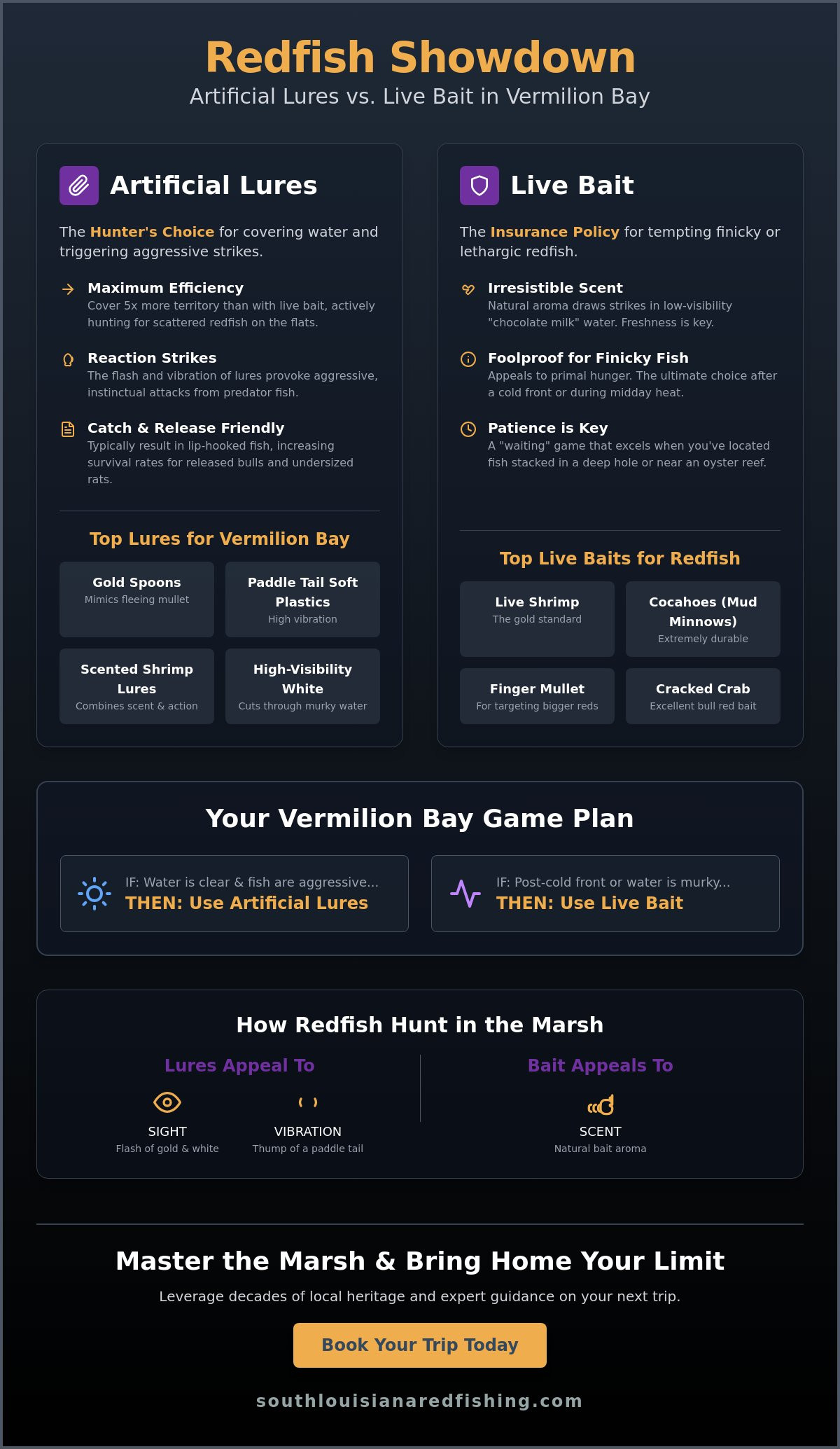
While some swear by market shrimp, seasoned pros know that high-quality lures offer a massive tactical advantage in the expansive reaches of East and West Cote Blanche Bay. Lures allow you to cover miles of shoreline, weirs, and flats in a single morning. You’re hunting for active fish, not waiting for them to find you. Reaction strikes are the name of the game. A fast-moving spinnerbait or a vibrating jig triggers an instinctive kill-drive in dominant redfish that live bait simply can’t match.

Using the best lures for redfish in louisiana also keeps you away from the hardhead catfish and stingray headache. You won’t waste your time unhooking “trash fish” every five minutes. This efficiency is exactly why booking a guided trip with Capt. Troy D Nash is the smartest move for anyone visiting Lafayette or staying at Cypremort Point State Park. After a day of landing bulls in the marsh, you can head back for some of the world’s best Cajun food, making the whole trip a legendary experience that far surpasses the logistical hurdles of trying to go it alone.

Topwater Lures for Heart-Pounding Redfish Strikes

There is no sound quite like the violent explosion of a bull red crashing a surface plug in the shallow marsh. While some anglers in Venice or other areas might settle for generic tactics, the specialized conditions of South Louisiana demand a more nuanced approach. When the sun begins to peek over the horizon at Weeks Bay, the water often turns into a literal mirror. In these slick conditions, walk-the-dog style lures are easily the best lures for redfish in louisiana. These lures create a rhythmic side-to-side “clack” that mimics a wounded mullet, sending out a dinner bell vibration that redfish can’t resist even in low visibility.

For the rugged shorelines of Marsh Island, popping plugs are your secret weapon. These lures feature a cupped face that displaces water with a distinct “blooping” sound. This specific frequency mimics the sound of a predator feeding, which often draws competitive redfish out from the thick grass to investigate. For your 2026 tackle box, keep your color palette simple but effective. Use Bone for low-light dawn starts, Chrome for high-sun mid-mornings, and Black/Gold when you’re working the stained, tannin-rich waters of the inner marsh.

Best Conditions for Surface Action

Timing is everything when you’re hunting for that surface strike. The “golden hour” just after sunrise near Cypremort Point State Park is the peak window for topwater success. Focus your efforts on the edges of submerged grass beds and shallow oyster reefs where baitfish seek cover. If a redfish “blows up” on your lure but misses the hooks, don’t stop your retrieve. It’s a common mistake to pause out of surprise. Instead, keep the lure moving or slightly twitch it; the fish is often still right there, and stopping the motion makes the bait look unnatural and suspicious.

Techniques for Maximum Surface Commotion

Your rod work dictates the lure’s effectiveness. Keep your rod tip pointed toward the water to maintain a sharp, downward snapping motion. This creates the tightest walk-the-dog action possible. During the cooler months, a “stop-and-go” retrieve works wonders for lethargic reds that need a little extra time to commit. One pro tip often overlooked is the use of a loop knot. By tying a non-slip loop knot instead of a tight clinch knot, you give the lure more freedom to swing, which significantly increases the “thump” and vibration. If you’re ready to experience these explosive strikes firsthand, consider joining a guided fishing trip to see these techniques in action on the water.

Best Lures for Redfish in Louisiana: The 2026 Expert Angler Guide

Soft Plastics and Jigs: The Year-Round Marsh Workhorses

Soft plastics are the undisputed champions of the Louisiana marsh. While topwaters offer the heart-pounding thrill, jigs and plastics get the job done when the sun is high and the fish are holding deep in the cuts. In the shifting tides of Vermilion Bay, these are easily the best lures for redfish in louisiana because of their sheer versatility. You can bounce them off oyster reefs, swim them through submerged grass, or jig them along the steep ledges of a marsh canal. They’re reliable, affordable, and effective in almost every scenario you’ll encounter between Cypremort Point and Burns Point.

Paddle tails are the go-to choice for most local experts. The thumping action of the tail creates a distinct vibration that redfish track through the thickest mud. Whether you’re using scented or unscented plastics, the key is the presentation. Scented versions often provide a slight edge in the dark waters of Weeks Bay, giving the fish a trail to follow when visibility is near zero. If you’re looking for a mixed bag, these plastics are also deadly on Speckled Trout. Check out our louisiana fish guide to see how to target multiple species in a single trip across our inshore waters.

Paddle Tails vs. Straight Tails

High-vibration paddle tails are your best friend in the muddy marsh. They move water and demand attention from aggressive predators. However, when the water clears up in the winter ponds near Cypremort Point, switching to a straight-tail finesse plastic can be the difference between a strike and a spooked fish. Straight tails offer a more subtle action that mimics a gliding shrimp or a dying minnow. When you’re fishing the heavy grass mats near Marsh Island, always rig your plastics weedless on a weighted swimbait hook to keep your lure clean and in the strike zone.

Choosing the Right Jig Head

Your jig head is the engine that drives your plastic. A 1/8 oz head is perfect for drifting over shallow flats without getting hung up on the bottom. When the tide starts ripping through the canal ledges or around the weirs, step up to a 1/4 oz head to ensure your lure stays in the strike zone. Don’t skimp on hook strength. A 30-pound bull redfish will straighten a flimsy hook in seconds. Stick with unpainted lead heads for a natural look, or go with chartreuse to add a pop of color in the chocolate water. This simple coordination ensures you’re ready for the power of a South Louisiana red.

Spinnerbaits and Spoons: Beating the Murky Water

When the Atchafalaya River pushes fresh silt into the Cote Blanche system, visibility can drop to just a few inches. In these conditions, the subtle wiggle of a plastic isn’t always enough to get noticed. You need something that creates a massive disturbance. Spinnerbaits and spoons are the heavy hitters in this category, relying on metallic flash and heavy vibration to announce their presence. While anglers in other areas might prefer clear-water sight fishing, the seasoned pros at Cypremort Point know that these are the best lures for redfish in louisiana when the water looks like chocolate milk. They allow you to cover vast stretches of shoreline and find active schools that are hunting by sound and feel rather than sight.

The Art of the Gold Spoon

Don’t let anyone tell you the gold spoon is outdated. In 2026, it remains a staple in every marsh veteran’s bag for one simple reason: it catches fish. The weedless gold spoon is the ultimate search bait for the thick grass beds surrounding Marsh Island. Its wobbling action sends out a unique low-frequency vibration that redfish can track from a distance. If the fish seem hesitant, try varying your retrieve speed. A slow, steady crawl that occasionally “ticks” the tops of the grass often triggers a strike. For extra bulk and a different profile, add a white or chartreuse plastic paddle tail as a trailer. This combo increases the lure’s buoyancy, allowing you to fish even shallower flats without getting bogged down in the mud.

Spinnerbaits for Reaction Strikes

If you’re fishing the weirs of the Cote Blanche system or the nearshore oyster beds, a spinnerbait is hard to beat. The “thump” of a large Colorado blade is essential in dirty water because it moves more water than the slimmer Willow leaf style. Safety-pin style spinnerbaits are perfect for dropping into deeper canal ledges where big reds often lurk. For the thickest vegetation, switch to an inline spinnerbait to avoid snagging. These lures are particularly effective along “dirty water lines,” where the saltier bay water meets the brackish marsh runoff. The contrast of the blades flashing through the silt creates an irresistible target.

Mastering these lures takes practice, but the rewards are massive. If you want to skip the learning curve and get straight to the action, the most efficient way to learn these waters is by getting on the boat with a pro. Book your guided fishing trip with Capt. Troy D Nash today to see exactly how we use these tools to pull trophy reds out of the murky marsh.

From Lures to Landing: Booking Your Cypremort Point Adventure

Having a tackle box filled with the best lures for redfish in louisiana is only half the battle. The South Louisiana marsh is a sprawling, shifting labyrinth of tidal ponds and hidden weirs where yesterday’s honey hole can be today’s dry flat. While solo fishing offers its own brand of quiet, it often involves hours of trial and error that eat into your precious time on the water. Professional guidance eliminates the guesswork. When you step onto the boat with Capt. Troy D Nash, you aren’t just hiring a boat captain. You’re gaining access to decades of professional tenure and a deep-rooted understanding of how the Vermilion Bay system breathes. We provide the top-tier tackle and the precise marsh knowledge needed to turn a “good day” into a legendary one.

Your journey doesn’t end when we hit the dock at Cypremort Point. One of the greatest advantages of fishing this region over Venice or other areas is the proximity to the heart of Acadiana. After a day of fighting bull reds, you’re only a short drive away from the world-class culture of Lafayette. We highly recommend pairing your fishing trip with some of the many Lafayette things to do, from exploring the historic streets to indulging in authentic Cajun cuisine. There is nothing quite like a dinner of fresh-caught seafood and spicy boudin to cap off a successful day in the marsh.

The Advantage of a 3rd Generation Guide

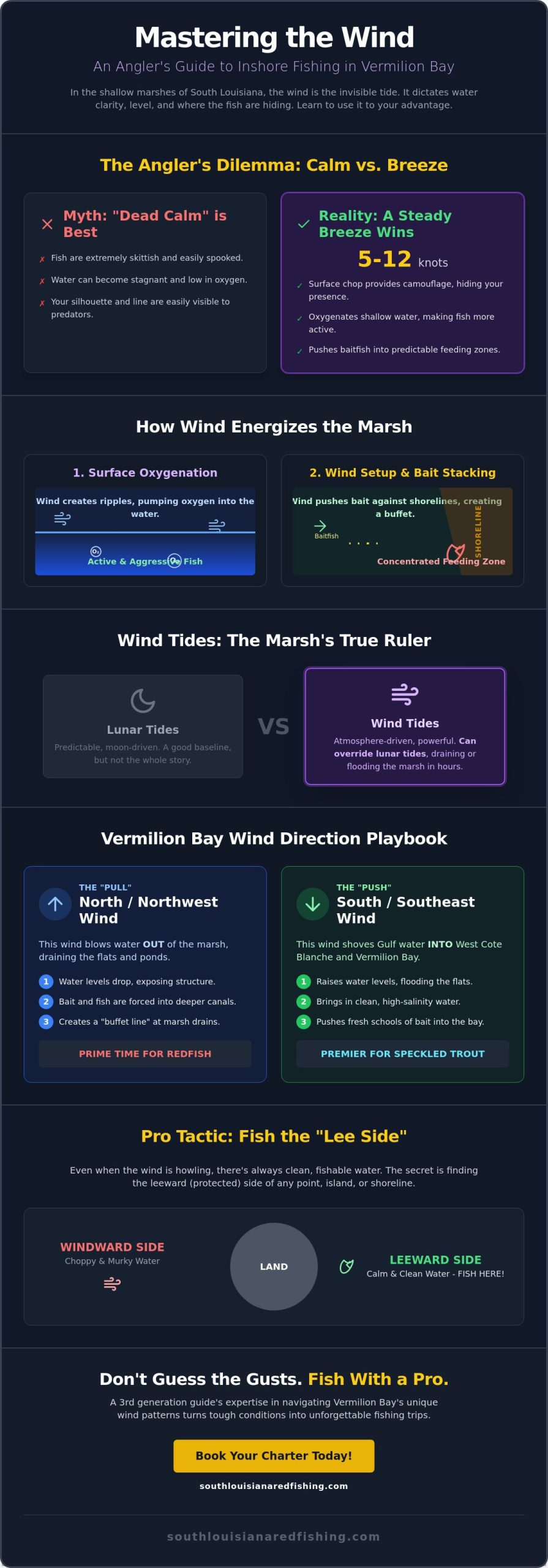
There is no substitute for multi-generational heritage. Capt. Troy D Nash utilizes a lifetime of observations to make real-time adjustments based on tide, wind, and moon phase. While other anglers might struggle with a sudden wind shift, we know exactly which protected shorelines in East and West Cote Blanche Bay will still hold active fish. This expertise ensures a stress-free experience for anglers of all skill levels. Whether you’re a seasoned pro looking for a trophy or a family introducing the kids to the sport, you’re in capable hands. We handle the rigging and the navigation so you can focus on the thrill of the strike.

Plan Your South Louisiana Fishing Trip

Departures are easy and convenient from Cypremort Point State Park, providing immediate access to the most productive inshore waters in the state. While we’ve focused on the best lures for redfish in louisiana, our trips often produce a spectacular mixed bag. Depending on the season, you can expect to encounter Speckled Trout, Flounder, and Black Drum alongside those hard-fighting reds. Our 2026 calendar is filling up quickly as more anglers discover the world-class potential of our nearshore reefs and marsh lakes. Don’t leave your adventure to chance. Book your guided fishing trip today and prepare for a memorable journey into the wild heart of the Louisiana coast.

Ready to Master the South Louisiana Marsh?

You now have the definitive blueprint for selecting the best lures for redfish in louisiana. Whether you are twitching a topwater plug in the glassy morning light of Weeks Bay or bouncing a paddle tail along a deep canal ledge, you are equipped to trigger those aggressive reaction strikes. Success in our unique brackish ecosystem requires more than just a full tackle box; it demands a deep understanding of how tides and water clarity dictate redfish behavior across Marsh Island and the Cote Blanche system.

While these tips will certainly improve your catch rate, nothing beats the precision of a 3rd Generation Local Guide. We offer expert knowledge of the Vermilion Bay system and provide all the professional-grade tackle you need for a world-class outing. Skip the trial and error and get straight to the heart-pounding action. Once the cooler is full, you are perfectly positioned to enjoy the world-famous Cajun cuisine and vibrant culture of nearby Lafayette.

Book Your South Louisiana Redfish Charter Today!

We can’t wait to get you out on the water for a legendary adventure you will never forget.

Frequently Asked Questions

What is the best all-around lure color for redfish in Louisiana?

Dark colors like purple and gold or black and chartreuse are the most effective options for the stained waters of Vermilion Bay. These high-contrast combinations provide a sharp silhouette that redfish can easily track through the silt. While natural colors might work in other areas with higher clarity, our local marsh demands these “bruiser” patterns. Stick to these dark shades to ensure your lure stands out against the muddy bottom and tannin-rich water.

Do I need to use a leader with lures when fishing the marsh?

You absolutely need a high-quality fluorocarbon leader when fishing the Louisiana marsh to prevent break-offs. A 20 to 30 pound test leader provides the necessary abrasion resistance against sharp oyster reefs and barnacle-encrusted pilings. Redfish aren’t usually line-shy in our murky water, but their powerful runs will shred standard monofilament in seconds. We recommend a 24-inch leader tied with a double uni-knot for maximum security during a heavy fight.

Can I catch redfish in Louisiana during the winter with lures?

You can certainly catch trophy redfish during the winter months using the best lures for redfish in louisiana. The key is to slow your presentation down significantly as the fish’s metabolism drops in the colder water. Focus on deeper holes in the canals or the sunny northern shorelines of West Cote Blanche Bay. A slow-crawled jig or a dead-sticked soft plastic will often trigger a strike from a lethargic winter bull.

What size spinning rod is best for throwing redfish lures?

A 7-foot medium-heavy spinning rod with a fast action is the ideal tool for the marsh. This setup gives you the backbone to pull a 20-pound redfish out of the thick grass at Marsh Island while remaining sensitive enough to feel subtle taps. Pair it with a 3000 or 4000 series reel and 30-pound braided line. This combination ensures you can cast light lures into the wind without sacrificing the pulling power needed for big reds.

Are gold spoons still effective for redfish in 2026?

Gold spoons remain one of the most lethal tools in an angler’s arsenal in 2026 because they perfectly mimic a wounded baitfish. Their unique combination of flash and low-frequency vibration is suited for the shallow, grassy flats near Cypremort Point. They are virtually weedless, allowing you to throw them deep into vegetation where other lures would snag. Don’t let their simple design fool you; they are still a staple for every seasoned guide in the bay.

What is the best lure for catching redfish in very muddy water?

A spinnerbait with a large Colorado blade is the best choice for extremely muddy water conditions. The rounded blade creates a heavy “thump” that redfish feel through their lateral line long before they see the lure. This vibration is essential when visibility is less than six inches in the inner marsh lakes. Use a slow, steady retrieve to give the fish plenty of time to hone in on the sound and strike aggressively.

How do I fish lures around oyster beds without snagging?

Using weedless rigging and weighted swimbait hooks is the most effective way to fish oyster beds without snagging your gear. These hooks keep the point tucked into the soft plastic, allowing the lure to bounce over the shells instead of digging in. You can also utilize floating topwater plugs to stay completely above the structure. This strategy is vital when fishing the productive reefs near Burns Point where redfish love to congregate and feed.

Should I use scented lures like Gulp! for redfish?

Scented lures provide a massive advantage in the brackish waters of South Louisiana by appealing to the fish’s sense of smell. Products that release a scent trail help redfish locate your lure in dark water where sight is limited. While unscented plastics work well for reaction strikes, a scented lure is often the best lures for redfish in louisiana when the bite is slow or the water is particularly chocolate.

How to Catch Flounder in Louisiana: A Beginner’s Guide to Mastering the Marsh

How to Catch Flounder in Louisiana: A Beginner’s Guide to Mastering the Marsh

What if you could land the most prized fillets in the Gulf without ever battling the heavy swells or the high costs of a deep sea expedition? Many anglers think they need a massive boat and expensive electronics to find success, but the real magic happens right here in the shallow flats and winding canals of the marsh. Learning how to catch flounder in louisiana is about mastering the rhythm of the tide and understanding the rugged terrain of places like Vermilion Bay. While other areas like Venice get plenty of attention, the local knowledge passed down through generations right here in Acadiana offers a truly unique adventure that is accessible to everyone.

It is easy to feel overwhelmed by the shifting tides or the fear of losing your best gear to a jagged oyster reef. We understand that frustration because we’ve spent decades navigating these shorelines; we know exactly where the big ones hide. This guide promises to unlock the secrets of the Southern Flounder, from the essential tackle you’ll need to the best honey holes near Cypremort Point. You’ll learn the vital regulations, like the 12-inch minimum size and the annual fall closure from October 15 to November 30, ensuring you fish responsibly. We’re going to walk you through the gear, the timing, and the specific spots that make this region the premier destination for a Cajun fishing experience you’ll never forget.

Key Takeaways

  • Learn why the shallow marshes of Vermilion Bay provide the perfect, safe environment for beginners to master inshore saltwater fishing.
  • Discover the essential “Marsh Setup,” including the ideal rod and reel combination to handle aggressive strikes without the complexity of heavy gear.
  • Master the secrets of how to catch flounder in louisiana by identifying bait movements and using tidal flows to your advantage.
  • Understand why Cypremort Point State Park and our local bays offer superior protection and accessibility compared to other areas like Venice.
  • Find out how booking a guided trip with a seasoned expert can fast-track your skills and save you months of trial and error on the water.

What is Saltwater Inshore Fishing? Mastering the Louisiana Flounder

Inshore fishing is the vibrant heartbeat of the Louisiana coast. It is defined by targeting world-class species in sheltered waters that are typically less than 30 feet deep. For the beginner, the marsh serves as the ultimate classroom because it offers protection from the elements and a high density of aquatic life. When you are learning how to catch flounder in louisiana, you aren’t just fishing; you’re participating in a heritage that stretches back generations. The winding bayous and shallow flats of Vermilion Bay provide a safe, high-energy environment where you can sharpen your skills without the stress of the open sea. It’s an accessible adventure that puts you right in the middle of the action within minutes of leaving the dock.

The star of this inshore show is the Southern Flounder. These fish are true biological marvels that demand respect from every angler. Flounders are a group of flatfish species that have perfectly adapted to life on the bottom. Their unique, compressed bodies and eyes located on one side of their head allow them to lie flat against the silt or sand. They are masters of disguise, waiting for a meal to swim by before striking with a sudden, violent burst of energy. While you’re hunting these flatfish, you’ll likely cross paths with other prized Louisiana fish like Red Drum and Speckled Trout, making every cast a potential surprise for your cooler.

Inshore vs. Offshore: Why Beginners Should Stay Close

Choosing the marsh over the deep blue is a smart move for anyone looking for a successful and comfortable day on the water. You’ll enjoy significantly lower costs because you don’t need massive fuel loads or heavy-duty tackle to find a limit. Protected areas like Weeks Bay offer calm sea states, which means you can leave the seasickness pills at home and focus on the fun. Best of all, the runs are short and efficient. From the boat launches at Cypremort Point, you can reach prime fishing grounds in just minutes, maximizing your time with a line in the water instead of burning daylight in transit.

The Biology of the Marsh: Why Flounder Thrive Here

The secret to our local success lies in the unique estuary system. Vermilion Bay is a massive mixing bowl where freshwater from the Atchafalaya meets the salty influence of the Gulf. This creates a nutrient-rich paradise where flounder grow quickly. They use oyster beds, grass flats, and hidden weirs as tactical ambush points to snag passing bait. Unlike other areas such as Venice, our local waters offer a more protected nursery environment where trophy-sized flatfish thrive on a steady diet of shrimp and finger mullet. Learning how to catch flounder in louisiana starts with understanding these natural features and knowing exactly where a predator is likely to hide in the shadows of the marsh.

The Flounder Starter Kit: Essential Gear for New Anglers

Gearing up for the marsh doesn’t require a second mortgage. It does require the right tools. To master how to catch flounder in louisiana, you need a setup that can handle the grit and grime of the Gulf coast. We recommend the ‘Marsh Setup’ as your primary weapon: a 7-foot medium-heavy spinning rod. This specific length and power give you the backbone to pull a stubborn flatfish out of thick grass while maintaining the sensitivity to feel a subtle strike. Pair this with a 3000 or 4000 series reel. Make sure it features a sealed drag system. Saltwater is relentless; if your gear isn’t built to keep the brine out, it won’t last a single season in Vermilion Bay.

Spool your reel with 20lb braided line. Braid is essential here because it slices through thick marsh grass where monofilament would simply stretch and break. Connect your braid to a 20lb fluorocarbon leader using a double uni knot. This setup provides the stealth needed for clear water days while offering the abrasion resistance required for scraping against jagged oyster reefs. For terminal tackle, keep your box simple. Stock up on 1/4 ounce and 3/8 ounce jig heads, a few popping corks, and plenty of confidence. Having the right gear means you can focus on the fish instead of worrying about your equipment failing at the moment of truth.

Rods and Reels: Your First Investment

Corrosion-resistant is the most important phrase for any Louisiana angler. The high salinity in our coastal marshes will eat cheap gear for breakfast. We always suggest beginners start with spinning gear rather than baitcasters. Spinning reels are much more forgiving, allowing you to focus on your casting accuracy instead of untangling ‘bird nests’ in the wind. Once you’re back at the dock, follow the ‘freshwater rinse’ rule. A quick spray with the hose removes salt crystals and protects your investment for years of service.

Baits and Lures That Never Fail

Success in the marsh often comes down to the ‘Big Three’ lures: Gulp! shrimp, gold spoons, and soft plastic paddle tails. These options are versatile and effective across all our local waters. If you prefer live bait, mud minnows and finger mullet are unbeatable choices, especially when the bite is slow. Understanding Southern Flounder biology and habitat helps you realize they are aggressive ambush predators. To trigger a strike, rig your jig head so it bounces along the bottom. This mimics the natural movement of prey and keeps your lure in the strike zone longer. If you want to see these tactics in action, consider booking one of our guided fishing trips to flatten the learning curve.

How to Catch Flounder in Louisiana: A Beginner’s Guide to Mastering the Marsh

Reading the Water: Techniques to Catch Your First Flounder

Finding fish in the vast Louisiana marsh can feel like searching for a needle in a haystack. However, the Golden Rule of the coast makes it simple: find the bait, and you’ll find the fish. Flounder are opportunistic predators that often share the same territory as Louisiana redfish. If you see finger mullet jumping or shrimp skipping across the surface near an oyster reef, drop your anchor. You’re in the right spot. Mastering how to catch flounder in louisiana requires you to look for these signs of life rather than just casting blindly into open water.

Once you locate the bait, you must master “The Tap.” Unlike the aggressive strike of a trout, a flounder often hits with a subtle, heavy thump. It feels like your lure snagged a wet sock. When you feel that pressure, stop. Count to three. Flounder need those extra seconds to turn the bait and get the hook in their mouth. If you swing too early, you’ll pull the lure right out of their jaws. Before you head out, make sure you’re familiar with the latest Louisiana flounder fishing regulations to stay legal on the water. Remember, the daily bag limit is 10 per person, and the fish must be at least 12 inches long.

Tidal Tactics for Beginners

Moving water is the engine that drives the marsh. If the tide isn’t moving, the flounder aren’t eating. A falling tide is particularly deadly because it flushes baitfish out of the shallow grass and into the deeper “drains” or marsh outlets. Position your boat just downstream of these outlets near Marsh Island. The flounder will be stacked up there, facing into the current, waiting for an easy meal to be delivered. This predictable behavior makes our local bays much easier to fish than the more complex, high-current systems found in other areas.

The Art of the Bottom Bounce

Your retrieve should be slow and methodical. Bounce your jig head along the floor to mimic a wounded baitfish. If you aren’t feeling the bottom, you aren’t catching flounder. Maintain strict noise discipline when you’re in two feet of water near the shoreline. Slamming a hatch or dropping a pair of pliers can spook a trophy fish instantly. Use a “tackle-saving” retrieve by lifting your rod tip high to hop over oyster shells, keeping your lure in the strike zone without snagging. Learning these nuances is the fastest way to understand how to catch flounder in louisiana while protecting your gear.

Why Vermilion Bay is the Ultimate Saltwater Classroom

Vermilion Bay stands as a premier destination for anyone eager to learn the ropes of the marsh. While other areas like Venice are famous for their vastness, they often come with the challenge of heavy winds and rough, exposed water that can intimidate a new angler. Our bay is different. It offers a protected environment where the sea states remain calm, making it the perfect arena to practice how to catch flounder in louisiana. You don’t need to worry about battling massive swells here; instead, you can focus on your technique and the thrill of the strike. The “inside” waters of Weeks Bay are a local secret, providing a reliable sanctuary where the fish are always biting, even when the wind picks up across the Gulf.

The beauty of this region is its accessibility. Cypremort Point State Park serves as the ultimate jumping-off point for both boaters and shore-bound anglers. You aren’t just limited to one type of habitat. Within a short run, you can explore deep canals, expansive lakes, and the nutrient-rich edges of the Gulf of Mexico. This diversity ensures that every trip is a new adventure, allowing you to see firsthand how different environments hold fish throughout the changing seasons. It’s a world-class experience that sits right in the backyard of Lafayette, combining elite fishing with the soul of Cajun country.

The Cypremort Point Advantage

Starting your journey at Cypremort Point gives you an immediate edge. You have instant access to the sprawling shorelines of East and West Cote Blanche Bay, which are legendary for their flounder production. If you don’t have a boat, don’t worry. Burns Point offers some of the best bank-fishing opportunities in the state. You can park your truck and be casting into prime flounder territory in seconds. These spots are beginner-friendly and provide the perfect setting to build your confidence before heading deeper into the marsh island network.

Beyond the Boat: The Cajun Fishing Experience

A trip to our coast is about more than just what you put in the cooler. It’s about the lifestyle. After a successful day on the water, you’re just a short drive away from an incredible array of Lafayette things to do Louisiana. The hospitality here is legendary; our local guides treat every guest like family, sharing stories and secrets that have been passed down for decades. You haven’t truly finished your fishing day until you’ve fueled up on the best boudin and cracklin in Acadiana. It’s this mix of world-class sport and rich culture that makes our region the top choice for anglers. If you’re ready to skip the trial and error and get straight to the action, come see us for one of our guided fishing trips and let a pro show you the way.

The Ultimate Shortcut: Learning from a Pro Guide

You can spend months staring at maps and watching DIY videos, but nothing replaces the real-world experience of being on the deck with a professional. While those videos make it look easy, they often underestimate the decade-long learning curve required to read local tides and shifting sandbars. Mastering how to catch flounder in louisiana is a craft that rewards local heritage and time on the water. A single day with a seasoned guide provides a massive shortcut, giving you the confidence to navigate the marsh with precision. Capt. Troy D Nash brings multi-generational expertise to every outing, ensuring you aren’t just catching fish but also understanding the ecosystem that makes Vermilion Bay so special.

During a Louisiana fishing trip, you’ll experience a total transition from being a passenger to becoming a confident angler. We provide everything you need, from high-end rods to the freshest bait, so you can focus entirely on your technique. You will receive personalized coaching that covers everything from safety protocols to the subtle nuances of “the tap” we discussed earlier. It is about more than just a limit of fish; it’s about the thrill of the hunt and the satisfaction of knowing exactly where to cast when you’re on your own.

What a Pro Guide Teaches You

Expect hands-on training that you simply can’t get from a screen. We walk you through real-time knot tying and lure presentations that are specifically designed for our local waters. You will also learn to read electronics like a pro. Even in the shallow marsh, understanding your depth finder and GPS is critical for finding those hidden oyster reefs and deep-water drains near Marsh Island. Finally, we emphasize the ethics of the marsh. We’ll discuss the importance of the 10-fish bag limit and the 12-inch minimum size to ensure that future generations can enjoy the same world-class fishing we have today.

Booking Your First Adventure

Preparing for your trip is simple. Bring your polarized sunglasses, plenty of sunscreen, and a high-energy attitude. We handle the heavy lifting, including the gear and the local knowledge. Cypremort Point serves as our primary launchpad because it offers the fastest access to the most diverse habitats in the region. Whether we are working the edges of West Cote Blanche Bay or the secret weirs deep in the marsh, you’ll be in the best position for success. Ready to skip the learning curve? Book your South Louisiana adventure today!

Start Your Marsh Adventure Today

You now have the foundation to find success in our rich coastal waters. From selecting the perfect 7-foot medium-heavy rod to mastering the patient rhythm of “The Tap,” you are well on your way to filling your cooler with the finest fillets in the Gulf. Learning how to catch flounder in louisiana is a rewarding journey that celebrates local knowledge and the unique rhythm of the tide. While other areas like Venice offer their own challenges, the protected flats of Vermilion Bay and the accessible shorelines of Cypremort Point remain the ultimate training ground for any beginner. You don’t have to struggle through months of trial and error on your own.

Take the ultimate shortcut to success by joining a 3rd-generation local guide who knows every oyster reef and marsh drain in Acadiana. We provide all the high-end gear and bait you need, ensuring you are equipped for a world-class experience from the first cast. Book Your First Saltwater Charter with Capt. Troy D Nash and experience the very best of our Cajun hospitality and elite inshore fishing. The fish are waiting for you in the shadows of the marsh, and we are ready to help you land your first trophy. Let’s get on the water and make some memories!

Frequently Asked Questions

Do I need a special license for flounder fishing in Louisiana?

Yes, you need both a Basic Fishing License and a Saltwater License to target flounder in our coastal marshes. Residents pay $17.00 for the basic and $15.00 for the saltwater permit. You also need a Recreational Offshore Landing Permit (ROLP) to possess flounder; this permit is free for all recreational anglers over the age of 18.

What is the best time of year to catch flounder in Louisiana?

The best time of year is during the spring and fall migrations when fish move through the passes and marsh drains. While you can find them year-round, the action peaks in late September before the annual season closure. Remember that the recreational season is closed from October 15 to November 30 to protect the spawning stock.

Is saltwater fishing harder than freshwater fishing for beginners?

Saltwater fishing in the marsh is very similar to freshwater bass fishing, making it perfect for beginners. You use similar casting techniques and gear, but the fish are often more aggressive and harder-fighting. Learning how to catch flounder in louisiana is an excellent way to transition because these fish rely on predictable ambush points just like freshwater predators.

What is the legal size and bag limit for flounder in Louisiana?

The legal daily bag limit is 10 fish per person with a minimum size of 12 inches total length. These regulations help manage the Southern Flounder population, which has seen some challenges in recent years. Adhering to these limits ensures we have a sustainable fishery for everyone to enjoy in Vermilion Bay.

Can I catch flounder from the shore at Cypremort Point?

Yes, you can definitely catch flounder from the shore at Cypremort Point State Park or nearby Burns Point. These locations offer great access to deep-water bulkheads and marsh edges where flounder wait for bait. It is a fantastic option for those who don’t have a boat but still want to experience the thrill of the marsh.

What happens if I catch a Redfish while fishing for flounder?

Catching a Redfish is a frequent and welcome surprise when you are hunting flounder. Both species love to hang out near oyster reefs and marsh drains to ambush shrimp and mullet. If you land one, just check the local regulations for size and bag limits before adding it to your cooler.

Do I need to worry about sharks or gators in the Louisiana marsh?

Alligators and sharks are part of the natural marsh ecosystem, but they rarely bother anglers on boats or shorelines. You might see a gator sunning on a bank or a small shark near the Gulf edge, but they generally keep their distance. Just stay aware of your surroundings and keep your hands and feet inside the boat.

How much does a basic beginner saltwater fishing setup cost?

You can get started with a quality rod, reel, and basic terminal tackle for a relatively modest investment. A durable 7-foot spinning combo and a box of jigs will typically cost between $150 and $250 at most local shops. This setup is versatile enough to handle everything from flounder to redfish throughout our local bay system.

What to Bring on a Louisiana Fishing Charter: The Ultimate Marsh Packing List

What to Bring on a Louisiana Fishing Charter: The Ultimate Marsh Packing List

What if your bucket-list trip to the legendary marshes of Vermilion Bay was ruined not by the fish, but by a simple forgotten license or a missing piece of gear? You’ve been dreaming of that explosive Redfish strike and the salt air at Cypremort Point, but figuring out what to bring on a louisiana fishing charter can feel like a puzzle. It’s natural to worry about the heat or whether you’ll have what’s needed to safely haul your limit home. Unlike a cramped offshore trip where you’re miles from help, our inshore adventures keep you close to the action and the comfort of the coast.

We’ve built the ultimate guide to help you master your marsh adventure with a pro-guide checklist. You’ll learn exactly what you need for a world-class day on the water, from 2026 licensing requirements to the specific gear that keeps you cool when the bite gets hot. We’re breaking down the “Marsh Essentials” so you can arrive at the dock with total confidence, knowing your Redfish haul will make it home safely while you enjoy the best of Cajun country.

Key Takeaways

  • Skip the heavy tackle and rely on Captain Troy’s high-end rods and reels, allowing you to travel light and stay agile on the water.
  • Learn exactly what to bring on a louisiana fishing charter to beat the marsh heat, including why a “Cajun Mask” is your best friend for sun defense.
  • Navigate licensing requirements with ease by securing the 3-day Charter Passenger option designed specifically for saltwater marsh adventures.
  • Implement the “Two Cooler” strategy to keep your refreshments cold on the boat and your fresh Redfish fillets safe for the drive home.
  • Plan the ultimate getaway by pairing your world-class fishing with the authentic Cajun flavors found only near Cypremort Point and Lafayette.

Essential Personal Gear for Your Vermilion Bay Adventure

Packing for a day on the marsh isn’t like prepping for a week-long vacation. Space on a high-performance inshore boat is a premium commodity. You want to be light, fast, and ready to move when the Redfish start schooling near the weirs of Marsh Island. When you’re deciding what to bring on a louisiana fishing charter, remember the golden rule: less is more. If you don’t need it to catch fish or stay safe, leave it in the truck at Cypremort Point. Captain Troy Nash provides the heavy hitters, including high-end rods, pro-grade reels, and the freshest bait, so you can focus on the fight instead of hauling a heavy tackle box.

One item you absolutely cannot leave behind is a pair of high-quality polarized sunglasses. These are your secret weapon for sight-fishing in the shallows of West Cote Blanche Bay. Without them, you’re just staring at the sun’s glare on the water. With them, you’re hunting. You’ll see the bronze flash of a Redfish or the subtle wake of a Speckled Trout before they even know you’re there. This visual advantage turns a good day into a legendary one.

The Captain’s Tackle vs. Your Favorites

We pride ourselves on using top-tier equipment that can handle the raw power of a Louisiana bull red. Recreational fishing in the marsh is demanding on gear, and salt spray can ruin cheap reels in a single afternoon. Our pro-grade setups are meticulously maintained to ensure your drag doesn’t fail when a trophy fish makes a run for the oyster beds. If you have a “lucky” rod you’ve used for decades, feel free to bring it along, but most clients find that our specialized marsh tackle outperforms their standard freshwater gear. Unlike the generic setups often found in other areas like Venice, our equipment is specifically tuned for the unique conditions of Vermilion Bay.

Protecting Your Electronics in the Marsh

The Louisiana marsh is a beautiful but harsh environment. Between the humidity and the occasional salt spray as we zip through the canals, your electronics are constantly under threat. Don’t bring a bulky backpack that takes up deck space and gets tripped over. Instead, opt for a small, high-quality dry-bag or a simple waterproof pouch for your phone and car keys. You’ll want your phone handy to capture that perfect trophy shot when you land a limit of Redfish, but you don’t want it sliding across a wet deck. A simple waterproof case with a lanyard is a smart move to keep your tech safe and your hands free for the rod.

The Marsh Uniform: Clothing and Sun Protection

Dressing for success on Vermilion Bay isn’t about looking like a catalog model; it’s about stamina and survival in the elements. The South Louisiana sun is a powerful force, reflecting off the glassy flats and the white decks of the boat with double the intensity. When you’re deciding what to bring on a louisiana fishing charter, your clothing is your primary shield. Leave the heavy denim and thick cotton shirts at home. Cotton is the enemy in our humidity. It absorbs sweat and moisture like a sponge, staying damp and heavy all day, which can lead to rapid overheating. Instead, choose lightweight, moisture-wicking synthetic fabrics that breathe and dry in minutes.

The “Cajun Mask,” or neck gaiter, is a non-negotiable piece of gear for any serious marsh angler. It protects your neck, ears, and face from the UV rays bouncing off the water near Marsh Island. Pair this with footwear that features non-marking soles. We take pride in maintaining a professional, clean deck for our guests, and dark rubber soles leave stubborn scuffs that are nearly impossible to remove. A pair of light-colored deck shoes or high-quality sandals with a solid grip will keep you stable when you’re leaning into a fight with a Bull Redfish. Don’t forget a packable rain jacket, either. A sudden afternoon squall is a staple of South Louisiana summers, and staying dry means staying comfortable for the ride back to Cypremort Point.

Sun Defense Beyond the Bottle

Sunscreen is a start, but it isn’t the whole solution. Use a broad-spectrum SPF 50 as your bare minimum, and reapply it every two hours. A wide-brimmed hat provides 360-degree protection for your face and the back of your neck, which a standard baseball cap simply can’t match. Perhaps the most forgotten item in any tackle box is lip balm with SPF. Chapped, sunburnt lips can turn a great afternoon into a painful evening. While you’re checking your gear list, make sure your logistics are squared away by securing your Louisiana fishing license through the official LDWF portal before arrival.

Layering for a 5:00 AM Launch

The temperature swing from a 5:00 AM launch at Cypremort Point to a high-noon bite in the marsh can be 20 degrees or more. Lightweight hoodies are the ultimate marsh fishing garment because they provide sun protection for your head and ears while keeping the early morning chill at bay. When choosing between shorts and pants, consider the bugs. If we’re fishing deep in the marsh canals where the wind is low, lightweight technical pants offer a vital barrier against biting flies. Preparing properly ensures you spend your energy on the fish, not the heat, so consider booking your next marsh adventure with a guide who knows how to keep you in the strike zone comfortably.

What to Bring on a Louisiana Fishing Charter: The Ultimate Marsh Packing List

Licensing, Logistics, and Fueling Your Body

Arriving at the dock with your legal paperwork squared away is just as critical as having a solid hookset. For our adventures, we typically meet at the Cypremort Point State Park boat launch. Aim to arrive at least 15 minutes before our scheduled departure. This gives us plenty of time to load your gear, go over a quick safety briefing, and head out toward the prime reefs and weirs while the morning bite is strongest. Knowing what to bring on a louisiana fishing charter extends beyond your physical gear; it includes having your digital credentials ready to go on your smartphone.

Hydration is your best friend in the marsh. The Louisiana heat is relentless, especially when you are focused on a schools of Redfish near Marsh Island. Plan to bring more water than you think you need. A good rule of thumb is at least one gallon per person. While we provide ice and storage on the boat, bringing your own small soft-sided cooler for personal drinks is perfectly fine. Just leave the heavy, oversized hard coolers in your truck. We need that deck space for moving around when the drag starts screaming.

Getting Your Paperwork in Order

Don’t let a simple oversight cut your trip short. Every angler 18 or older must have a valid license. As of June 2026, the Louisiana Department of Wildlife and Fisheries offers a 3-day Charter Passenger Saltwater License for just $20.00. This is the most cost-effective option for visitors and covers you for the duration of our trip. If you are a Louisiana resident, you’ll need your Basic Fishing License ($17.00) and your Saltwater License ($15.00). The LDWF now encourages the use of the LA Wallet app for digital licensing. It’s fast, convenient, and ensures you won’t lose a paper slip in the wind while crossing Vermilion Bay.

Marsh-Friendly Food and Drinks

When the bite is hot in the canals or along the oyster beds, you won’t want to stop for a full sit-down lunch. High-energy finger foods are the way to go. Think jerky, protein bars, or pre-made wraps that you can eat with one hand while keeping the other on your rod. Avoid glass bottles at all costs; they are a safety hazard on a moving boat. Also, a quick word of advice: leave the bananas at the dock. It’s an old maritime superstition that bananas bring bad luck to a fishing boat. Whether you believe it or not, most captains in this region, and even in other areas like Venice, prefer not to test the “banana curse” when we’re hunting for a limit of Redfish.

Post-Trip Prep: The Cooler Rule and Fish Transport

Landing a limit of bronze-backed Redfish is a rush like no other, but the work doesn’t end when the boat hits the trailer. To ensure your hard-earned catch tastes as fresh on your dinner table as it did in the marsh, you need a solid transport plan. When people ask what to bring on a louisiana fishing charter, they often forget the most important piece of gear: the transport cooler. We use a “Two Cooler” system to maximize efficiency and deck space. You’ll bring one small, soft-sided cooler on the boat for your drinks and snacks, while your large, heavy-duty transport cooler stays in your truck at the Cypremort Point launch. This keeps the boat clear for action and ensures your fish aren’t sitting in a hot trunk all day without a fresh ice top-off.

Managing your haul properly is the final step in a successful adventure. Unlike the generic advice you might find for other areas like Venice, we emphasize keeping the boat deck clear of bulky plastic boxes. By leaving your fish cooler in the vehicle, you have more room to move when a school of Speckled Trout starts feeding on the surface. Once we return to the dock, we transition from hunting to processing, ensuring every fillet is handled with the care it deserves.

Managing Your Catch at the Dock

Once we’re back at the landing, the real service begins. Captain Troy handles the professional cleaning and bagging of your catch, turning those Redfish and Trout into perfect fillets. While we handle the knives, you should be ready with your vehicle’s cooler. Proper ice management is the difference between a gourmet meal and a wasted trip. Always drain the excess water from your transport cooler before adding the fresh fillets, then bury them under a heavy layer of crushed ice. This prevents the fish from “swimming” in old meltwater, which can soften the meat. If you want to know more about the species we’re targeting, check out our Louisiana Fish: The Angler’s Ultimate Guide for details on limits and seasons.

Traveling with Louisiana Seafood

For our out-of-state guests flying out of Lafayette (LFT), transporting frozen fillets is easier than you think. Use a high-quality, rotomolded cooler to combat the intense southern heat during the drive. If you’re flying, ensure your fillets are vacuum-sealed and frozen solid before heading to the airport. Most airlines allow coolers as checked luggage, provided they are taped shut and don’t leak. Staying organized with your post-trip logistics ensures the excitement of the marsh stays with you long after you’ve left the bay. Ready to fill your freezer with the best the marsh has to offer? Book your guided fishing trip today and let’s get to work.

Beyond the Boat: Making the Most of Your Cypremort Point Trip

Cypremort Point is more than just a place to launch a boat; it’s the gateway to the “Real Louisiana.” When you wrap up a day chasing Bull Reds across the flats of West Cote Blanche Bay, you’re standing in the heart of Acadiana. The beauty of this region is that the adventure doesn’t stop at the dock. While you’ve already mastered what to bring on a louisiana fishing charter for your time on the water, you should also prepare for the world-class hospitality that waits on shore. From the quiet shorelines of Weeks Bay to the bustling culture of nearby Lafayette, this area offers an authenticity you won’t find anywhere else.

One of the biggest advantages of fishing Vermilion Bay is the efficiency of the trip. Unlike other areas like Venice, where you might endure grueling boat rides just to reach the marsh, our honey holes are often just a short run from the state park boat launch. This means less time burning fuel and more time with your lines in the water. You get a full day of action without the exhaustion of a long haul across open water, leaving you with plenty of energy to explore the local sights and flavors after we’ve cleaned your catch.

The Cajun Hospitality Experience

No trip to this part of the world is complete without diving into the local cuisine. Once your fillets are iced down in your truck cooler, head toward Lafayette for a true taste of the marsh. You haven’t lived until you’ve tried hot boudin and fresh cracklin from a local meat market. It’s the ultimate post-fishing fuel. If you’re looking to extend your stay, there are 21 unforgettable things to do in Lafayette that will round out your vacation, from live zydeco music to swamp tours through the ancient cypress trees. Exploring the shorelines of Cote Blanche and the surrounding bayous provides a deeper connection to the landscape we call home.

Ready for an Epic Adventure?

Choosing the right guide is the difference between a simple boat ride and a life-changing journey. Captain Troy D Nash represents a 3rd generation legacy of marsh expertise. His deep-rooted knowledge of the tides, weirs, and secret canals of Marsh Island ensures you’re always in the best position to succeed. We don’t just sell fishing trips; we share a heritage of passion for these waters. Secure your preferred dates during the peak Redfish season to ensure you don’t miss out on the best bite of the year. Book your South Louisiana redfishing charter now and experience the absolute best of the marsh!

Gear Up for Your Vermilion Bay Trophy Hunt

Success on the water starts long before the first cast. You’ve learned how to shield yourself from the intense Louisiana sun and why the two cooler rule is the secret to bringing home a pristine limit of Redfish. By focusing on lightweight gear and securing your digital license early, you’ve removed the stress from your morning launch at Cypremort Point. Now that you’re an expert on what to bring on a louisiana fishing charter, the only thing left is to step onto the deck and let the hunt begin.

Don’t settle for a generic outing. Fish with a 3rd generation legacy guide who possesses expert knowledge of Vermilion Bay and Marsh Island. We provide all the high-end gear and professional fish cleaning, ensuring your focus stays on the rod. Experience the raw beauty of the marsh and the legendary Cajun hospitality that makes this region world-class. Book Your Unforgettable South Louisiana Redfishing Trip Today! We’ll see you at the dock for the adventure of a lifetime.

Frequently Asked Questions

Do I need to bring my own fishing rod on a Louisiana charter?

You don’t need to bring any rods or reels because we provide top-tier tackle perfectly suited for the marsh. We use pro-grade equipment that can handle a heavy Bull Redfish without breaking a sweat. If you have a specific lucky rod, you’re welcome to bring it, but our specialized setups are already tuned for the unique conditions of Vermilion Bay.

What kind of fishing license do I need for a guided trip in Louisiana?

You’ll need a valid saltwater license, and for most visitors, the 3-day Charter Passenger Saltwater License is the most efficient choice. As of June 2026, this specific license costs $20.00 and can be purchased easily through the LDWF website or the LA Wallet app. Ensure you have your digital license ready on your phone before we leave the dock at Cypremort Point.

Should I bring a cooler on the boat with me?

Bring a small, soft-sided cooler for your personal snacks and drinks to save deck space. While we provide ice for the boat, your large transport cooler for the fish should stay in your vehicle. This strategy keeps the boat clear for moving around when the bite gets fast and furious in the canals or along the oyster beds.

Are children allowed on inshore fishing charters in Vermilion Bay?

Absolutely, we welcome anglers of all ages and skill levels on our guided trips. The marsh provides a much calmer environment for kids compared to the rougher waters of other areas like Venice. We love teaching the next generation how to hook into their first Redfish or Speckled Trout in the safety of our coastal bays and lakes.

What happens if it rains on the day of my scheduled fishing trip?

We fish in light rain, but the Captain will make the final call based on safety and lightning. If conditions are dangerous, we’ll work with you to reschedule for the next available opening. Your safety is our absolute priority while navigating the weirs and shorelines of the Louisiana coast. We want your experience to be thrilling, not hazardous.

Is tipping my fishing guide expected, and how much is standard?

Tipping is a standard practice in the charter industry and is greatly appreciated for the hard work put into your trip. A tip of 15% to 20% of the trip cost is the industry average for a successful and hard-working guide. This reflects the expert scouting, technical mastery of the equipment, and professional fish cleaning provided during your adventure.

Can I bring beer or alcohol on the fishing boat?

Moderate alcohol consumption is allowed, but we ask that you stick to cans rather than glass bottles for safety. Staying hydrated with water is vital in the Louisiana heat, so balance your beverages accordingly. When deciding what to bring on a louisiana fishing charter, remember that safety and coordination are key to landing that trophy fish.

What is the best footwear to wear for marsh fishing?

Non-marking, rubber-soled shoes are the best choice to keep you stable on a wet deck. Avoid black-soled boots or shoes that leave stubborn scuffs on the boat’s white surface. Light-colored deck shoes or high-quality sandals with a solid grip will keep you comfortable and secure while you are leaning into a fight with a powerful Redfish.

The Best Time to Fish Vermilion Bay: A Captain’s 2026 Inshore Guide

The Best Time to Fish Vermilion Bay: A Captain’s 2026 Inshore Guide

The most successful day of your life on the water doesn’t start with a tide chart; it starts with a north wind. While many anglers guess at the calendar, finding the best time to fish vermilion bay requires mastering the delicate balance between the Atchafalaya River levels and local weather patterns. It’s incredibly frustrating to haul the boat to Cypremort Point only to find muddy water or rough seas have ruined the Speckled Trout run. You want calm, family-friendly waters and a heavy cooler, not a day spent fighting the elements in open water.

This 2026 guide will give you the expert insight needed to navigate our marshes like a pro and time your trips with surgical precision. We’ll show you how to read the river and use Captain Troy Nash’s local knowledge to land your 15-fish limit of Speckled Trout. Unlike the high-pressure conditions often found in other areas, our corner of Louisiana offers a pristine escape. You’ll learn exactly when to hit the reefs and how to turn a simple trip into a full Cajun experience near Lafayette. Get ready to stop guessing and start catching.

Key Takeaways

  • Discover why the protected sanctuary of Vermilion Bay and Marsh Island offers calmer waters and shorter travel times than more expensive deep sea trips.
  • Master the Butte La Rose gauge to identify the best time to fish vermilion bay based on river levels and water clarity.
  • Learn to time the spring Speckled Trout return and summer topwater bites at elite spots like Southwest Pass and the nearest oil rigs.
  • Identify high-percentage ambush points like the Marsh Island weirs to target trophy Redfish on falling tides with surgical precision.
  • Gain the advantage of a third-generation guide’s expertise to ensure a productive and safe journey through the Louisiana marsh.

Why Vermilion Bay is Louisiana’s Premier Inshore Sanctuary

Vermilion Bay is a legendary stretch of water that feels more like a protected sanctuary than an open bay. It’s a massive, brackish estuary that serves as a high-production nursery for the Gulf’s most sought-after species. When you’re hunting for Redfish, Speckled Trout, Black Drum, or Flounder, you need an environment that holds fish year-round. This is exactly what we have here. Shielded by the massive landmass of Marsh Island, the bay stays protected from the heavy rollers that plague other areas. Cypremort Point acts as your strategic gateway, putting you minutes away from some of the most productive Cajun Coast honey holes in existence. Knowing the best time to fish vermilion bay starts with respecting this unique layout. It’s a place where the marsh meets the tide, creating a nutrient-rich playground for trophy-sized catches.

Inshore Calm vs. Offshore Chaos

Forget the two-hour bone-jarring hauls you might find in Venice. Inshore fishing here is about efficiency and comfort. Most of our prime spots are within a 15 to 20-minute run from the dock. This shorter distance means your day is spent with a line in the water, not burning through hundreds of dollars in fuel. Because we are tucked behind Marsh Island, the sea state stays manageable even when the Gulf is acting up. It’s the perfect environment for a family-friendly adventure where you can focus on filling the cooler without worrying about seasickness. You get world-class action without the deep-sea price tag or the physical toll of a long-distance run. We prioritize the hunt, ensuring you spend your time catching rather than traveling.

The Geography of Success

The success of this fishery is written in the map. Vermilion Bay is part of a complex system including Weeks Bay and West Cote Blanche Bay. These shallow flats and marsh edges are connected to the Gulf through Southwest Pass, a deep-water highway for migrating species. Marsh Island acts as a natural breakwater, filtering the water and providing miles of shoreline, weirs, and canals where Redfish love to ambush bait. Its proximity to Lafayette makes it an unbeatable day trip. You can hammer the trout in the morning and be back in town for a pile of boiled crawfish by late afternoon. This accessibility, combined with the rugged beauty of the Louisiana marsh, is why local experts prefer these waters over any other coast in the state. Determining the best time to fish vermilion bay often boils down to understanding how these water bodies interact to hold bait and predators alike.

The Atchafalaya Factor: The Secret to Timing Your Trip

Most anglers check the tide clock and call it a day. That’s a massive mistake in our waters. The Atchafalaya River’s influence is the true heartbeat of the bay. It dictates whether you’ll find gin-clear saltwater or a muddy mess. High river stages dump millions of gallons of freshwater into our system, which directly impacts where the fish hide. If the river is roaring, the Speckled Trout don’t just disappear; they relocate toward the Gulf beaches and Southwest Pass to find the salinity they crave. Finding the best time to fish vermilion bay means watching the gauges as much as the weather.

Understanding Water Salinity

Freshwater is lighter than saltwater. It often forms a “cap” on the bay. When river discharge is high, it pushes salt-loving species out of the northern reaches like Weeks Bay and Cote Blanche. This isn’t a bad thing if you know how to adapt. It simply narrows the search field. During these high-river periods, we focus our hunt on the southern shorelines of Marsh Island and the nearshore rigs where the water stays salty and productive. We track these shifts daily to ensure you’re always on the bite.

For peak inland trout fishing, you want the river stage at Butte La Rose to be dropping and ideally sitting below 8 feet.

Reading the Butte La Rose Gauge

The Butte La Rose gauge is your crystal ball for success. You can find this real-time river data online through the USGS or NOAA portals. A falling river is almost always better than a rising one. A falling river pulls that freshwater out, allowing the salty “green water” to move back into the bay. However, don’t let a screen tell the whole story. While the charts are great, they can’t account for a sudden shift in wind direction or local rainfall that affects clarity. This is why a local guided trip becomes your biggest advantage.

Unlike the deep-sea runs in Venice where you’re battling the open Gulf regardless of the river, our inshore sanctuary allows us to pivot. We use the river to our advantage to find the “Sweet Spot.” This is that magic window when the river is low enough for the salt to return but high enough to keep the nutrients flowing. That’s when the “limit-out” days happen and the ice chest gets heavy. We have eyes on the water every single day, seeing the clarity changes before the gauges even register them. Trust the boots on the deck over the data on the screen for the best time to fish vermilion bay.

The Best Time to Fish Vermilion Bay: A Captain’s 2026 Inshore Guide

Seasonal Breakdown: A Year-Round Guide to Success

Every month in our marsh offers a unique thrill, but identifying the best time to fish vermilion bay depends entirely on what you want to see at the end of your line. Spring is the great awakening. As the water warms in March and April, Speckled Trout migrate back into the bay from the deeper Gulf waters. They’re hungry and aggressive. This is the time to work the shorelines of Cypremort Point and the shell pads in East Cote Blanche Bay. You’ll find the fish moving with the bait, pushing into the shallower flats as the sun warms the mud. It’s an electric time to be on the water.

Summer Nearshore Opportunities

When the Louisiana heat cranks up in July and August, we shift our strategy. A 6 AM departure is non-negotiable to beat the midday sun and catch the early topwater bite. This is the season for nearshore excellence. We head to the closest oil rigs and oyster beds just outside the bay. These structures are magnets for Sheepshead and the elusive Tripletail. Calm summer mornings make the run to the rigs a breeze, offering a much smoother experience than the rough deep-sea hauls found in other areas. It’s high-intensity action that perfectly suits family trips.

The Legendary Fall Redfish Run

October and November are widely considered the “Golden Season” here. This is the absolute peak for trophy Redfish. As the first cold fronts push through, the water clears and the Bull Reds congregate in the deep currents of Southwest Pass. We use heavy jigs and cracked crab to target these giants in the pass’s moving water. In the shallower marsh, gold spoons and soft plastics are king. Before you head out, be sure to review the State Wildlife Refuge fishing regulations, as this area covers the prime southwestern shorelines where many of these reds roam. The cooling temperatures trigger a feeding frenzy that makes for some of the most memorable days of the year.

Winter doesn’t mean the action stops; it just moves. December through February is the time for “Yellowmouth” Trout. These larger Speckled Trout seek out the thermal protection of deep holes in the canals and bayous. We slow down our presentation, using suspending twitchbaits to entice lethargic fish. While other anglers are sitting at home, we’re finding limits in the protected cuts behind Marsh Island. It’s a game of patience and precision, but the rewards are massive. No matter the season, there’s always a trophy waiting in our waters if you know where to look. Finding the best time to fish vermilion bay is simply a matter of matching your technique to the temperature.

Top Spots: From Marsh Island Weirs to Nearshore Rigs

Knowing the best time to fish vermilion bay is only half the battle. You also need to know which structures are holding fish when the tide starts to move. Our backyard is a diverse landscape of shallow flats, deep passes, and structure-heavy nearshore rigs. From the grassy shorelines of Weeks Bay to the hard bottoms of West Cote Blanche Bay, each spot requires a specific approach. We don’t just guess where the fish are; we hunt them based on decades of experience in these specific coordinates. Whether you’re looking for the pull of a Bull Red or the fast-paced action of a Trout school, these honey holes deliver results.

Ambush Tactics at the Weirs

Marsh Island is a fortress for Redfish, and its weirs are the ultimate ambush points. When the tide starts falling, millions of gallons of water drain out of the interior marsh lakes, carrying shrimp and baitfish right into the mouths of waiting predators. We position the boat just off the current break to intercept these fish as they exit. It’s a high-energy game where you need to identify “live” water-look for swirls, bait crashes, or color changes. Stagnant water is a dead zone, so we stay on the move until we find the active flow. This tactical approach is the heart of a Louisiana Redfish Adventure.

Southwest Pass serves as the gateway to the Gulf and a highway for migrating species. This deep-water cut is where we find massive schools of Speckled Trout and Bull Reds during the seasonal runs. For anglers who want the thrill of big-game fishing without the massive fuel costs or the rough sea states of deep sea trips in other areas, our nearshore rigs are the perfect solution. These rigs are within sight of the coast, offering a calm and productive environment to target Tripletail and Sheepshead. You get the excitement of structure fishing with a much shorter run time from Cypremort Point.

Fishing the Shell Keys and Reefs

Submerged oyster reefs and shell keys are the hidden gold mines of Vermilion Bay. These structures provide the perfect habitat for Trout and Black Drum to congregate. We use a “pop and drop” technique, working a cork over the shell pads to trigger aggressive strikes. Burns Point and the various shell keys scattered throughout the bay are notorious havens for Black Drum, especially when the water clarity is just right. We use high-end electronics to scan the bottom of West Cote Blanche Bay, looking for the “live” bottom that indicates a healthy reef. Finding these subtle changes in structure is often what separates a mediocre day from a cooler full of fish. If you’re ready to experience these legendary spots firsthand, book your guided fishing trip today and let’s get on the water.

Book Your 2026 Adventure with Captain Troy Nash

The secret to an unforgettable day on the water is more than just knowing the best time to fish vermilion bay; it’s about who is at the helm. Booking a trip for the 2026 season means securing a spot with a professional who understands the shifting rhythms of the marsh. We don’t just take you for a boat ride. We provide a results-driven hunt for trophy Redfish and Speckled Trout. When you step onto the deck, you’re backed by top-tier professional gear and a captain who treats every client like family. Whether you’re a seasoned stick or a family looking for a calm day in the bay, we ensure you’re in capable hands from the first cast to the final fish cleaning.

Expertise That Spans Generations

Capt. Troy D Nash isn’t just another charter operator; he’s a third-generation guide with decades of professional tenure. This multi-generational heritage is your biggest asset for both safety and success. Vermilion Bay is famous for its shifting sandbars and unpredictable tides that can frustrate less experienced navigators. Troy has mastered these waters through a lifetime of experience, knowing exactly how a north wind or a rising river will move the fish. This deep-rooted local knowledge ensures that even on tough days, we find the “live” water that others miss. It’s this level of mastery that defines our Louisiana Fishing Trips.

The Full Cajun Experience

A trip to the Cajun Coast is about more than just the heavy cooler. It’s about the culture, the hospitality, and the legendary food. We recommend using Cypremort Point State Park as your ultimate basecamp for the weekend. It puts you right at the gateway to the bay and provides a beautiful setting for a family getaway. After we finish our hunt and clean your catch, the adventure continues just a short drive away in Lafayette. This region offers the most authentic Louisiana experience you can find, far removed from the commercialized feel of other areas.

You can cap off your day by visiting some of the best Cajun eateries in the state. From fresh-off-the-boat seafood to world-famous boudin, the culinary scene here is world-class. If you’re looking for more ways to explore the area, check out these Things to do in Lafayette. We take pride in sharing our craft and our home with visitors. Don’t leave your 2026 success to chance. Secure the best time to fish vermilion bay by booking your guided fishing trip today. Let’s head out to the marsh and make some memories that will last a lifetime.

Start Your 2026 Season on the Cajun Coast

Mastering the tides and the river is the difference between a muddy boat and a heavy cooler. You now have the blueprint for identifying the best time to fish vermilion bay by watching the Atchafalaya levels and timing the seasonal runs at Marsh Island. Whether you’re chasing Bull Reds in the deep currents of Southwest Pass or targeting Speckled Trout on the shell reefs, the Cajun Coast offers a world-class experience without the long runs or high costs found in other areas.

Don’t leave your next adventure to chance. Trust a 3rd generation local guide with decades of professional tenure to put you on the meat. We specialize in Redfish and Speckled Trout, ensuring every trip is a results-driven hunt tailored to current conditions. Combine your day on the water with the legendary food and culture of Lafayette for the ultimate Louisiana getaway. Book Your Vermilion Bay Adventure with Capt. Troy Nash Today!

The marsh is calling, and the bite is getting ready to turn on. Let’s get your 2026 trip on the books and put some fish in the boat!

Frequently Asked Questions

What is the absolute best month to fish Vermilion Bay?

October is the premier month for high-action trips. This is when the “Golden Season” kicks in, bringing massive Bull Reds into Southwest Pass and hungry Speckled Trout into the cove. The cooling water clarity makes it the best time to fish vermilion bay for those looking to fill a cooler quickly. You’ll experience aggressive bites and beautiful weather that beats the humid summer heat.

How do I check the Atchafalaya River level for fishing?

Monitor the Butte La Rose gauge using the USGS or NOAA official websites. We look for a falling river stage, ideally below 8 feet, to ensure the saltier “green water” pushes back into the bay. While the data is helpful, remember that wind direction often plays a bigger role in water clarity than the river stage alone. We track these changes daily to keep you on the bite.

Do I need a special license for a guided charter in Louisiana?

Yes, you’ll need a valid Louisiana fishing license, but the state offers a convenient 3-day Charter Passenger Saltwater License for $20.00. This is the easiest way for visitors to get legal without buying a full annual permit. You can purchase this online through the LDWF website before your trip. Always double check current 2026 regulations to ensure you’re fully covered before hitting the marsh.

Can I catch Redfish in Vermilion Bay during the winter?

Redfish are year-round residents and stay active even during the coldest months. In winter, we target them in the deeper canals and bayous where the water temperature stays more stable. These fish become very concentrated in deep holes, making for some high-volume days if you have the patience to slow down your presentation. It’s a great way to enjoy the sanctuary when other areas are too rough.

Is Vermilion Bay safe for family fishing trips with kids?

Vermilion Bay is one of the safest and most family-friendly fishing spots in Louisiana because it is shielded by Marsh Island. This natural barrier blocks heavy Gulf swells, keeping the water much calmer than the open-water runs found in other areas. Shorter travel times from the dock mean kids spend more time catching fish and less time getting bored or seasick. It is the perfect setting for making memories.

What species are most common near the Marsh Island weirs?

Redfish and Speckled Trout are the undisputed kings of the Marsh Island weirs. These structures act as natural funnels for bait, attracting predators like Flounder and Black Drum as well. When the tide falls, it creates a feeding frenzy that makes these spots some of the most productive in the entire region. It’s a high-energy environment where you never quite know what might hit your line next.

How far is Cypremort Point from Lafayette, Louisiana?

Cypremort Point is approximately 50 miles south of Lafayette, which is about a one-hour drive. This makes it an incredibly convenient day trip for anyone staying in the city or looking to enjoy Cajun hospitality after a day on the water. You can hammer the trout in the morning and be back in Lafayette for a world-class dinner by sunset. It’s the ultimate strategic location for a Louisiana adventure.

What should I bring on my South Louisiana fishing charter?

Pack polarized sunglasses, high-SPF sunscreen, and a hat to protect yourself from the Louisiana sun. We provide all the professional fishing gear, bait, and fuel, so you only need to bring your preferred snacks and drinks. Don’t forget to keep an ice chest in your vehicle to transport your cleaned catch home. Finding the best time to fish vermilion bay is easy when you arrive prepared for a full day of action.

Artificial Lures vs. Live Bait for Redfish: The Ultimate South Louisiana Guide

Artificial Lures vs. Live Bait for Redfish: The Ultimate South Louisiana Guide

The most expensive mistake you can make in the South Louisiana marsh isn’t a lost prop; it’s a hundred dollars’ worth of live shrimp that dies in the livewell before you even reach the first weir. While many anglers believe “real” bait is the only way to fill a cooler, the truth is that the right plastic can out-fish the real thing when conditions get tough. When you are deciding between artificial lures vs live bait for redfish, the winner is usually determined by the tide, the water clarity, and how much heat the day is packing. We have all been there, staring at murky water and wondering if a piece of “fake” hardware can actually trigger a strike from a trophy red.

This guide will give you the confidence to choose the right tackle for your next trip to Cypremort Point or the flats of Marsh Island. You will learn how a professional guide handles both methods to ensure every client has a shot at the current four-fish daily limit. I am going to show you exactly which lure colors cut through the silt of Vermilion Bay and how to stop wasting money on bait that can’t survive the Louisiana sun. Get ready for a clear strategy that turns confusion into a successful day on the water.

Key Takeaways

  • Master the “Scent Trail” strategy to lure trophy Redfish out of dense marsh grass and oyster beds using natural offerings.
  • Increase your efficiency by learning how to cover more water with technical lures to find active fish faster than traditional methods.
  • Resolve the artificial lures vs live bait for redfish debate by matching your tackle to the specific seasonal shifts in Vermilion Bay.
  • Discover why a 3rd generation guide carries both options to ensure success across the weirs and canals of Cypremort Point.
  • Learn to trigger aggressive predatory instincts using flash and vibration in the murky waters of the South Louisiana marsh.

The Great Redfish Debate: Artificial Lures vs. Live Bait in Vermilion Bay

Vermilion Bay is more than just a body of water; it’s a legendary redfish factory where the marsh meets the Gulf of Mexico. Every canal, lake, and shoreline from Cypremort Point to the vast flats of Marsh Island holds the potential for a career-defining catch. Anglers visiting this region often find themselves locked in a psychological battle. One side swears by the undeniable power of a natural scent trail to bring fish to the boat. The other side hunts for the adrenaline-pumping “thump” of an aggressive strike on a moving plug. Deciding between artificial lures vs live bait for redfish isn’t just about what’s on your hook. It’s about your personal fishing style and how you want to experience the wild beauty of South Louisiana.

The winner of this debate usually changes with the tide and the thermometer. When the water is pushing through the weirs or crashing against the oyster reefs, the ecosystem becomes a high-speed buffet. Success depends on your ability to adapt to the current conditions. Whether you are launching from Cypremort Point State Park or exploring the deep interior marshes, understanding the local environment is the first step toward a heavy cooler. After a long day of battling marsh monsters, there is nothing quite like returning to Lafayette for world-class Cajun food to celebrate a successful trip.

Understanding the South Louisiana Redfish Diet

The Red drum (Sciaenops ocellatus) is a master of opportunity. In our local canals and lakes, their diet is a rotating menu of blue crabs, cocahoe minnows, and finger mullet. The unique salinity levels of Vermilion Bay, often influenced by freshwater drainage, make these fish particularly hardy and aggressive. Unlike redfish in other areas like Venice, our local populations are forced to be less picky. They follow the seasonal migrations of baitfish religiously. When the blue crabs are shedding or the minnows are thick in the weirs, your choice of bait must reflect that abundance to stand a chance.

Matching the Hatch in Cypremort Point Waters

Matching the hatch is critical when you are working the murky shorelines near Weeks Bay or the reefs adjacent to the Gulf. In these turbid waters, redfish rely heavily on their lateral lines to detect vibration and their keen sense of smell to locate food. While live shrimp is a classic equalizer for families, artificial lures allow you to cover vast stretches of marsh grass quickly. Our “marsh monsters” are built for the fight; they are often broader and more powerful than fish found in more protected coastal zones. Capt. Troy D. Nash has spent decades tracking these patterns, ensuring that every guided trip uses the most effective method for the specific hour and location.

The Case for Live Bait: Why Natural Offerings Still Reign Supreme

Nothing beats the raw power of a scent trail when you’re hunting redfish in the thickest marsh grass of West Cote Blanche Bay. While high-tech plastics have their place, there is a reason the old-timers still reach for the bait bucket. Redfish are notorious scavengers that use their sense of smell to navigate the turbid waters of the South Louisiana marsh. When you are weighing the pros of artificial lures vs live bait for redfish, the “scent trail” is the undisputed heavyweight champion. A live shrimp or a cracked crab sends out a dinner bell that can pull a hungry red from deep inside an oyster bed or a dense stand of grass where a lure might never be seen.

Live bait is the ultimate equalizer for families and new anglers visiting Cypremort Point. It takes the pressure off the cast and the retrieve. You don’t need a professional’s “twitch” to find success; you just need to put the bait in the right zone and let the fish do the work. The classic popping cork strategy remains a staple here. That rhythmic “chug” mimics the sound of feeding trout or crashing baitfish, drawing reds in to investigate the easy meal dangling below. It is a high-energy, visual way to fish that keeps everyone on the boat engaged and excited.

Success with natural offerings does come with a price. With the number of licensed shrimpers in Louisiana dropping significantly over the last few decades, the cost of quality live bait has climbed. You also face the challenge of keeping your investment alive. Maintaining a healthy baitwell in 90-degree heat is a full-time job. If you want to skip the stress of the bait shop and get straight to the action, booking a guided fishing trip with a pro who handles all the preparation is the smartest move you can make.

Top Live Baits for Inshore Success

  • Live Shrimp: The gold standard for everything that swims in Vermilion Bay, including redfish and black drum.
  • Finger Mullet and Cocahoe Minnows: These hardy baits are perfect for targeting aggressive reds near the Gulf reefs and Marsh Island.
  • Cracked Crab: This is the secret weapon for landing heavy reds in the deeper canals and around the weirs.

When Live Bait is Non-Negotiable

There are days when the fish simply won’t chase. After a brutal Cajun winter cold front, redfish become lethargic and tuck deep into the mud. They won’t burn energy chasing a fast-moving spoon, but they can’t resist a piece of market shrimp sitting on their nose. Similarly, in heavily pressured areas near Cypremort Point State Park, fish can become “lure shy.” In these moments, or when a heavy rain turns the water to chocolate milk, the natural scent of live bait becomes your only reliable ticket to a four-fish limit.

Artificial Lures vs. Live Bait for Redfish: The Ultimate South Louisiana Guide

Mastering Artificial Lures: The Technical Edge for Aggressive Reds

While live bait relies on a redfish’s sense of smell, artificial lures weaponize their raw aggression. In the dynamic environment of Vermilion Bay, lures offer a technical edge that bait simply cannot match. It comes down to the “reaction strike.” When a flash of gold or a vibrating paddle tail darts past a redfish’s face, their predatory instinct takes over. They don’t have time to sniff the offering; they simply react. If you are debating artificial lures vs live bait for redfish, the winner is clear for those who want to actively hunt their target rather than waiting for the fish to find them.

Efficiency is the name of the game in the South Louisiana marsh. You can “burn” a bank with a spinnerbait or a spoon, covering miles of shoreline in the time it takes a bait-soaker to fish a single pocket. This high-speed approach allows you to locate active schools faster, which is critical when the tide is moving and the bite window is short. There is also a massive durability advantage. A single five-dollar soft plastic can survive twenty aggressive strikes. In contrast, ten dollars’ worth of live shrimp can be picked clean by bait-stealers in minutes, leaving you with an empty hook and a lighter wallet.

Soft Plastics and Topwaters: The Marsh Essentials

Success in Weeks Bay and Burns Point starts with the right profile. Matrix Shads and paddle tails are the versatile workhorses of our region. They mimic the erratic swimming motion of cocahoe minnows perfectly. Then there is the legendary gold spoon. This simple piece of hardware is a redfish’s worst nightmare in the shallow flats because it combines flash, vibration, and a weedless design. For the ultimate adrenaline rush, nothing beats a topwater plug. Watching a massive redfish “blow up” on a walk-the-dog lure through the early morning mist is a life-changing event for any angler.

Why Lures Win on Efficiency and Coverage

  • Massive Range: You can cover three miles of marsh shoreline while a boat using live bait is still stuck on their first three hundred yards.
  • Depth Control: By swapping jig head weights, you can target reds in the deep canals or the shallowest weirs with the same lure.
  • Weedless Performance: High-quality lures allow you to cast directly into the heart of the marsh grass where the biggest reds hide, a feat impossible with a live shrimp on a treble hook.

The satisfaction of fooled a trophy fish with a piece of plastic is unmatched. It turns a casual outing into a skilled pursuit. Whether you are navigating the intricate canals of Marsh Island or the reefs near Cypremort Point, mastering these tools ensures you are always the aggressor on the water.

Weather, Water, and Seasonality: Choosing Your Weapon in the Marsh

The weather in South Louisiana doesn’t just dictate your comfort; it dictates the entire food chain. In the unique, often turbid waters of Vermilion Bay, the “muddy water” conditions require a specific approach that generic fishing blogs often ignore. The Cajun winter is a total game changer for local anglers. During the “winter drawdown,” strong North winds push water out of the marsh, leaving redfish stacked in the deeper bayou bends and canal holes. This is lure heaven. When the water is low and clear, a slow-crawled plastic or a heavy jig becomes the most lethal tool in your boat. When you are deciding between artificial lures vs live bait for redfish, the thermometer often makes the choice for you.

As the calendar flips to spring and summer, the arrival of shrimp changes the landscape. This is the era of the popping cork. The rhythmic “chug” and the scent of a live shrimp are nearly impossible for a redfish to pass up as they move along the shorelines of Cypremort Point. However, the summer heat is a brutal enemy of the bait bucket. Keeping shrimp alive in 90-degree weather is a struggle that can cut a trip short. Lures don’t die in the box, and they allow you to keep hunting even when the sun is high. By the time the fall “Bull Red” run hits the mouth of the bay near Marsh Island, both methods work with high intensity, but your success depends on reading the wind and tide correctly.

High Water vs. Low Water Strategies

The tide is the heartbeat of the marsh. On a high tide, redfish push deep into the grass to feast on crabs and minnows. This is prime territory for a live bait under a cork, as it allows you to dangle a meal right at the edge of the vegetation. Conversely, a low tide concentrates those fish in the deeper bends of canals and weirs. This is where artificials shine. You can bounce a lure along the bottom of a bayou bend in East or West Cote Blanche Bay and pick apart a school of reds that have nowhere else to hide. The tide moves. The fish follow. You should too.

Seasonal Shifts: From Summer Shrimp to Winter Plastics

Matching your lure color to the water clarity is a skill that separates the pros from the amateurs. In the stained, silty water of a typical Vermilion Bay summer, high-visibility colors like chartreuse or “electric chicken” provide the silhouette reds need to strike. During the winter clear-water window, switching to natural, translucent plastics allows for effective sight-fishing on the flats. Unlike the deep river channels in Venice, our shallow marsh requires a stealthy, adaptable approach. Ready to master these seasonal patterns? Book your guided fishing trip today to see how we handle the marsh in every condition.

Experience the Best of Both Worlds with a Cypremort Point Pro

The debate over artificial lures vs live bait for redfish often ends the moment you step onto a professional’s boat. Capt. Troy D. Nash doesn’t leave the dock hoping the fish like what he brought; he carries both because the marsh is unpredictable. This versatility is the pro’s secret to ensuring no client ever comes home empty-handed. While a solo angler might spend hours second-guessing their tackle box, a 3rd generation guide uses decades of deep-rooted expertise to make the call in seconds. We handle the preparation, the bait, and the tackle. You simply handle the rod and the rush of a massive redfish taking line.

Choosing a professional guided trip removes the stress of the “what-ifs.” You don’t have to worry about the bait dying in the heat or whether your lure color matches the silt levels of the day. We provide a masterclass in versatility, shifting from burning banks with gold spoons to soaking live bait near a productive weir as the conditions shift. It is about more than just catching fish; it is about witnessing the mastery of the South Louisiana marsh from someone who has lived it for thirty years. Why spend your day struggling with the learning curve when you can be guided by the best in the business?

Why a Guided Charter Beats the Learning Curve

Learning to “read” the marsh takes a lifetime. A seasoned pro identifies the subtle signs of feeding reds, from oily slicks on the surface to the specific way birds hover over a canal entrance. On our guided fishing trips, you get hands-on instruction that you won’t find in a manual. You will master the exact retrieve needed for a vibrating jig and learn the precise timing of a cork set when a redfish is being finicky. Navigating the complex, shallow waters of Marsh Island and the surrounding reefs requires a confident hand at the helm, ensuring your trip is as safe as it is productive.

Beyond the Catch: Cajun Culture and Lafayette Hospitality

A trip to Cypremort Point is a major life event, not just a casual outing. Positioned as the premier gateway to the best inshore fishing in the world, Cypremort Point State Park offers a world-class starting point for your adventure. Many of our clients use nearby Lafayette as their home base, enjoying the city’s legendary hospitality before heading to the marsh. After a day of battling marsh monsters, there is no better reward than a plate of authentic Cajun food. From the first cast in Vermilion Bay to the last bite of cracklin’ in town, we provide the ultimate South Louisiana experience. Ready to see the difference a pro makes? Book your guided fishing trip and let’s get on the water.

Claim Your Trophy in the Louisiana Marsh

The debate over artificial lures vs live bait for redfish doesn’t have to be a guessing game. Success in the wild reaches of Vermilion Bay and Marsh Island comes down to reading the water and being ready to pivot. You now understand how the Cajun winter favors slow-moving plastics and how the summer heat makes the scent of live bait nearly irresistible. Whether you are burning a gold spoon across a shallow flat or soaking shrimp near a productive weir, the right choice is simply the one that puts fish in the boat right now.

Capt. Troy Nash is a 3rd Generation local guide specializing in the world-class redfish populations of Vermilion Bay and Cypremort Point. We take the stress out of your adventure by providing all the high-quality tackle and fresh bait you need for a successful day on the water. You don’t have to worry about the details; you just have to be ready for the strike. Book Your South Louisiana Redfish Adventure with Capt. Troy Nash Today!

The marsh is calling, and those trophy reds are waiting for you. Let’s get out there and make your next fishing trip a legendary one.

Frequently Asked Questions

Is live bait better than artificial lures for Redfish?

Neither is strictly better, as the choice depends on the specific conditions of the day. Live bait offers a massive scent advantage in low visibility, while lures allow you to cover ground faster. When deciding between artificial lures vs live bait for redfish, consider the activity level of the fish. Lures trigger reaction strikes from aggressive reds, whereas live shrimp can save a slow day when the fish are lethargic or heavily pressured.

What is the best lure color for Redfish in murky Louisiana water?

High-contrast colors like chartreuse, orange, and electric chicken are the top choices for the silty waters of Vermilion Bay. Darker silhouettes like purple or black also work well because they stand out against the muddy bottom. In the marsh, redfish rely on vibration and silhouette more than fine detail. If the water clears up near Marsh Island, switch to natural baitfish patterns or translucent plastics to avoid spooking the fish in the shallows.

Can I catch Redfish with dead shrimp?

Yes, fresh dead shrimp is an incredibly effective bait for redfish, especially when they are feeding by scent. Redfish are natural scavengers that will happily take a market shrimp off the bottom of a canal or weir. While live shrimp provides more movement to attract trout, a piece of fresh dead shrimp on a lead head jig or under a popping cork is often all you need to land a limit of reds.

What size hook should I use for live bait Redfishing?

A 2/0 to 4/0 circle hook is the standard for most redfish in the South Louisiana marsh. This size is large enough to handle a powerful slot red while ensuring the hook sets in the corner of the mouth for a safe release. When using larger finger mullet or cracked crab near the Gulf reefs, you might step up to a 5/0 hook to accommodate the bulkier bait and target the massive bull reds.

Do I need a different rod for lures vs. live bait?

A medium-heavy fast-action spinning rod is versatile enough to handle both methods effectively. For lures, you want a sensitive tip to feel the thump of a strike and a strong backbone to set the hook. This same setup works perfectly for casting a popping cork and live shrimp. While specialized rods exist for each technique, a quality 7-foot rod is the workhorse of the Cypremort Point fleet for any skill level.

When is the best time of year to fish for Redfish in Vermilion Bay?

Redfish can be caught year-round in Vermilion Bay, but the fall months offer the most consistent action. From September through November, the bull reds move into the passes to spawn. Unlike the deep river passes of Venice, our shallow bay and marsh systems offer year-round access to schooling fish. Spring and summer are equally productive for slot reds as they follow the shrimp migrations into the interior marshes near Weeks Bay.

How do I keep my live shrimp alive in the Louisiana summer heat?

Oxygenation and temperature control are the keys to keeping bait alive when the Louisiana sun is at its peak. Use a high-quality aerator and consider adding a small frozen water bottle to your livewell to keep the water temperature from spiking. Change the water frequently to remove ammonia buildup. If you want to avoid this hassle entirely, our guided fishing trips include a fully maintained bait system so your shrimp stay frisky all day.

Are artificial lures more expensive than live bait in the long run?

Artificial lures are generally more cost-effective because a single five-dollar plastic can catch dozens of fish before it needs replacement. Live bait requires a recurring investment every trip, and the price of shrimp can be volatile. While lures have a higher upfront cost, the durability and the ability to cover more water when comparing artificial lures vs live bait for redfish make them the budget-friendly choice for frequent anglers in the long run.

Best Bait for Redfish in Louisiana Marshes: A Captain’s 2026 Guide

Best Bait for Redfish in Louisiana Marshes: A Captain's 2026 Guide

What if I told you that those flashy, high-dollar lures in your tackle box are often the reason you’re coming home with an empty cooler? It’s a hard truth, but in the muddy, grass-choked waters of Vermilion Bay and around Marsh Island, redfish rely on their sense of smell and vibration long before they ever spot your bait. If you’ve been struggling to find the best bait for redfish in louisiana marshes, you aren’t alone. Nearly 30% of fishing charters in the Gulf target these bronze beauties, but many anglers waste their day getting snagged in thick vegetation or using “pretty” lures that just don’t work in our unique ecosystem.

I know how it feels to watch a perfect morning slip away because you’re constantly clearing grass off your hook. That’s why I’ve put together this 2026 guide to help you dominate the marshes from Cypremort Point to East Cote Blanche Bay. You’ll learn exactly which live baits are worth the effort, which durable soft plastics can survive dozens of strikes, and how to rig everything weedless to stay in the strike zone. We’ll cover the latest 2026 regulations, including the four fish daily limit, so you can head out with total confidence. Let’s get your lines tight and your cooler full.

Key Takeaways

  • Understand the redfish vacuum strike and why the Vermilion Bay ecosystem offers a richer forage base than other areas.
  • Learn when to use live bait as an insurance policy and when artificial lures are better for covering vast marsh flats.
  • Master seasonal shifts to ensure you always have the best bait for redfish in louisiana marshes during the spring and summer shrimp runs.
  • Discover pro rigging secrets like weedless setups and popping cork techniques to fish heavy cover without the frustration of snagging.
  • See how booking a guided trip provides a direct shortcut to local expertise and the exact tackle needed for success in the marsh.

Understanding the Redfish Diet in South Louisiana Marshes

Redfish are the undisputed kings of the Louisiana marsh. Scientifically known as the Red drum (Sciaenops ocellatus), these copper beasts are opportunistic feeders that don’t just nibble; they inhale. They use a powerful vacuum-style strike to suck prey right into their mouths. Whether they’re rooting through the mud for crabs or chasing down mullet, their goal is simple: maximum calories for minimum effort. Finding the best bait for redfish in louisiana marshes starts with understanding this aggressive, bottom-oriented feeding behavior.

While other areas like Venice get plenty of attention, the ecosystem around Vermilion Bay and Cypremort Point offers a significantly richer and more diverse forage base. The massive influence of the Atchafalaya River pumps nutrient-rich freshwater into our system, creating a crawfish and crab heaven that you won’t find in saltier, more stagnant marshes. This constant flow keeps the bait moving and the redfish hungry for a fight.

The Vermilion Bay Ecosystem: From Marsh Island to Weeks Bay

Our local waters are a complex maze of weirs, canal mouths, and ancient oyster reefs. From the rugged edges of Marsh Island to the shallow flats of Weeks Bay, the redfish here have a massive buffet at their disposal. The freshwater mixing with the Gulf tides creates a unique bait profile. You’ll find everything from blue crabs and mud minnows to finger mullet and menhaden. Along the Cypremort Point shoreline, the redfish often cruise the shell banks looking for anything that kicks. If you want to catch them, you have to match the local hatch. We look for active schools of baitfish or “crawling” grass to know exactly where the reds are staging.

Why Scent and Vibration Trump Visuals

Don’t get fooled by those flashy, hand-painted lures designed for crystal clear water. In the turbid, tea-colored water of our deep marshes, a redfish can’t see more than a foot or two in front of its face. They rely on their lateral line to detect vibrations and their keen sense of smell to track down a meal. This is why thump and stink are your best friends when choosing the best bait for redfish in louisiana marshes. A lure that moves water or a bait that leaks scent will out-fish a visual lure every single time. In the thick marsh grass, vibration is the dinner bell that brings the predators running. We focus on baits that create a disturbance, making it impossible for a hungry red to ignore the offering.

Success here isn’t about having the most expensive gear. It’s about knowing how to trigger those sensory responses. When you’re fishing the weirs or the mouths of the canals, you need a bait that says “I’m here and I’m easy to catch.” That’s the secret to consistent hookups in our neck of the woods.

Live Bait vs. Artificial Lures: Winning the Marsh War

Choosing the best bait for redfish in louisiana marshes often feels like a gamble. Do you spend the money on a live well full of shrimp, or do you trust your casting arm with a gold spoon? If the water looks like chocolate milk after a heavy rain, that live bait insurance policy is worth every penny. Redfish use their noses to find a meal when they can’t see clearly. Nothing smells better to a hungry red than a fresh, kicking shrimp or a cracked blue crab. While artificials allow you to cover more ground, live bait is what turns a slow day into a productive one when the fish are finicky.

Top Live Baits: Shrimp, Cocahoes, and Finger Mullet

Live shrimp is the gold standard. It’s the universal candy of the marsh. Whether you’re fishing a weir or a canal mouth, everything eats shrimp. If you want something tougher, grab some cocahoes. These mummichogs are nearly indestructible. They’ll stay alive on the hook all day, even in the punishing summer heat of the Gulf coast. By late summer, finger mullet become the heavy hitters. These are big fish magnets. When the redfish move into the deeper passes near Marsh Island, a live mullet is often the only thing they’ll touch. Don’t overlook the dead bait secret, either. Fresh cracked crab is an absolute game-changer in the deep marsh grass. The scent trail it leaves is massive, pulling slot-sized reds from dozens of yards away.

The Power of Artificials: Spoons, Plastics, and Spinnerbaits

When you need to cover water and find active schools, artificials win every time. A classic gold spoon is the ultimate search bait for West Cote Blanche Bay. It creates the perfect mix of flash and vibration that mimics a wounded baitfish. For the thick stuff, soft plastics like paddle tails are essential. We prefer durable materials like ElaZtech that can handle multiple strikes from aggressive fish without tearing. Rig them weedless to dance through the grass without snagging. This allows you to reach the fish hiding in the middle of the vegetation where others can’t cast.

Spinnerbaits are another marsh staple that every angler should carry. The heavy thump of the blade alerts redfish in low visibility, making it much easier for them to track your lure. It mimics the vibration of a fleeing baitfish perfectly. If you’re ready to see how we rig these for maximum success, joining one of our guided fishing trips takes the guesswork out of your day on the water. Artificials offer incredible convenience since you don’t have to worry about keeping bait alive. However, having a mix of both ensures you’re ready for whatever the Louisiana marsh throws at you.

Best Bait for Redfish in Louisiana Marshes: A Captain's 2026 Guide

Seasonal Bait Strategies for Vermilion Bay & Cypremort Point

The Louisiana marsh is a living, breathing thing that changes with the calendar. If you want to consistently find the best bait for redfish in louisiana marshes, you have to follow the food. Unlike some other areas where patterns stay stagnant, our ecosystem around Cypremort Point and Vermilion Bay is driven by the massive migration of shrimp and finfish. Mastering these seasonal shifts is the difference between a legendary day and a long boat ride. You’ve got to be ready to pivot as the water temperature and salinity levels fluctuate.

Spring and Summer: Chasing the Shrimp Run

When the water warms in the spring, the brown shrimp return to the marsh, triggering a literal feeding frenzy. This is the time to look for “shrimp jumps” near the weirs of Marsh Island. If you see shrimp skipping across the surface, the redfish are right underneath them. A popping cork is your most lethal weapon during this migration. The clicking sound mimics the snap of a shrimp, drawing reds in from the thick grass. As we move into summer and the white shrimp run begins, you’ll need to adjust. The shrimp grow larger as the season progresses, so don’t be afraid to upsize your bait to match what the fish are seeing. It’s high-energy fishing that requires quick reflexes and a full live well. We often find the most aggressive strikes happen right as the tide begins to fall, pulling bait out of the shallow flats.

Fall and Winter: Transitioning to Finfish and Crabs

Fall in South Louisiana is often called the “Gold Rush” for a reason. By October, the shrimp are moving out and the finger mullet become the dominant forage. Redfish stack up at the mouths of canals and along the shell banks of West Cote Blanche Bay to gorge themselves before winter. This is when big, vibrating baits and live mullet really shine. The fish are trying to pack on weight, so they’re looking for a substantial meal that’s worth the effort of the chase.

When the cold snaps finally hit in winter, the marsh goes quiet and the water clears up. This is the time to slow everything down. Redfish move into the deeper canals of East Cote Blanche Bay to find stable temperatures. If the bite gets tough, switching to dead bait like cracked crab or a piece of mullet on the bottom is a pro move. The fish are less active in the cold, so you have to put the scent right on their noses to trigger a strike. It’s a game of patience, but the rewards are massive slot reds that are thick and healthy. Don’t rush your retrieve; let the bait do the work for you in the deeper pockets of water.

Rigging Your Bait for Success in the Louisiana Marsh

Finding the best bait for redfish in louisiana marshes is only half the battle. If your presentation is sloppy or your rig is constantly buried in the grass, you aren’t going to see many hookups. In our unique ecosystem around Cypremort Point and the surrounding bays, the way you rig your tackle determines whether you’re fighting a fish or a pile of marsh vegetation. We use a combination of noise and stealth to trigger those aggressive vacuum strikes we discussed earlier. You’ve got to be proactive with your gear to stay in the strike zone.

High-quality hardware makes a massive difference when you’re targeting heavy reds. We always recommend using fluorocarbon leader material. It’s more abrasion-resistant than monofilament, which is crucial when a big red tries to wrap you around an oyster reef or a barnacle-encrusted weir. When it comes to hooks, use circle hooks for your live shrimp or cocahoes to ensure a solid corner-of-the-mouth hookup every time. If you’re throwing plastics, a stout jig head is great for open water, but you’ll need something different for the thick stuff.

Mastering the Popping Cork for Inshore Success

The popping cork is the most effective tool in any Louisiana angler’s arsenal. To use it correctly, give your rod a sharp, downward snap to make the cork “chug” or “pop” across the surface. This mimics the sound of a feeding trout or an escaping shrimp, which draws redfish in from a distance. The rhythmic ‘clack’ of the beads against the cork acts as a literal dinner bell for redfish cruising the shallow flats. For most of our marsh shorelines, setting your leader depth between 18 and 24 inches is the absolute sweet spot to keep your bait suspended just above the grass line.

Weedless Rigs for Grassy Shorelines and Weirs

When the redfish are buried deep in the vegetation along the weirs of Marsh Island, a standard jig head will snag on every single cast. This is where rigging your soft plastics “Texas style” becomes essential. By burying the hook point back into the body of the plastic, you can drag your lure through the heaviest grass without catching a single blade. Weighted swimbait hooks are often better than jig heads here because the weight is distributed along the belly of the hook, which prevents the bait from spinning and keeps it tracking straight through the weeds. For a deeper dive into the gear we use on our boats, check out Louisiana Redfish: The Ultimate Guide.

Mastering these rigs will give you the confidence to cast into the places other people avoid. If you want to see these techniques in action and skip the learning curve, come join us for one of our guided fishing trips. We provide all the top-tier tackle and perfectly rigged baits so you can focus on the fight instead of your knots.

Why a Guided Trip is the Ultimate Bait Shortcut

You can spend hours researching the best bait for redfish in louisiana marshes, but nothing replaces thousands of days on the water. Capt. Troy Nash brings three generations of local heritage to every trip, providing a level of insight that no YouTube video or GPS can match. While a digital map can show you a canal, it won’t tell you which weir is holding bait after a heavy north wind or which oyster reef is currently stacked with hungry reds. We take the guesswork out of your adventure by providing the exact rods, reels, and perfectly rigged baits mentioned in this guide. You save money on expensive tackle and spend more time actually reeling in fish.

After a successful day on the flats, the adventure doesn’t have to end at the dock. The area surrounding Cypremort Point is the heart of Acadiana. You’re perfectly positioned to enjoy authentic boudin, cracklins, and world-famous seafood in nearby Lafayette. We don’t just sell a boat ride; we offer a gateway to the unique culture that makes South Louisiana a premier destination. Whether you’re a seasoned pro or a first-timer, we ensure you feel like part of the family from the moment you step on the deck.

The Advantage of a 3rd Generation Guide

Decades of tenure in Vermilion Bay mean we know the secret spots that don’t appear on standard maps. When the marsh tide is too low or the water gets too fresh, we pivot to the nearshore rigs and submerged oyster beds where the big reds hide. We navigate the complex weirs and shorelines of Marsh Island and Weeks Bay with the confidence that only comes from a lifetime of experience. This adaptability is what sets a professional charter apart from a solo outing. Explore our Guided Fishing Trips: Your South Louisiana Adventure to see how we turn a simple day of fishing into a world-class event.

Planning Your Cypremort Point Adventure

Choosing Cypremort Point State Park as your launch pad is a strategic move. It’s far more accessible and convenient than the long, stressful drives required to reach other areas of the state. You’ll spend less time in your truck and more time with a bent rod. For your day with South Louisiana Redfishing, just bring your 2026 Louisiana fishing license, some sunscreen, and a large ice chest for your catch. We handle the rigging, the baiting, and the local knowledge. Ready to hit the water? Visit the South Louisiana Redfishing Home page to secure your dates for the upcoming season. Let’s go catch some reds.

Ready to Claim Your Spot in the Louisiana Marsh?

Mastering the flats requires more than just a lucky cast. You’ve seen how matching the hatch and prioritizing scent and vibration can turn a slow morning into a legendary haul. Whether you’re popping a cork over the grass beds of Marsh Island or dragging a weedless plastic through the weirs, success comes down to preparation. Finding the best bait for redfish in louisiana marshes isn’t a guessing game when you understand the seasonal rhythms of Vermilion Bay and Cypremort Point. It’s about knowing exactly what those bronze beauties are hunting for at any given moment.

Don’t waste another weekend struggling with tangles or empty hooks. Capt. Troy Nash is a 3rd Generation Local Guide who specializes in these world-class waters. We provide all the top-tier bait and tackle you need, so you can skip the tackle shop and head straight to the strike zone. Our trips offer a level of expertise you won’t find in other areas, pairing a thrilling day on the water with the best Cajun hospitality around. Book Your South Louisiana Redfish Adventure with Capt. Troy Nash Today!

The reds are waiting in the thick stuff. Grab your hat and get ready for the trip of a lifetime.

Frequently Asked Questions

What is the absolute best bait for redfish in Louisiana?

Live shrimp is the undisputed champion for most anglers because it’s the universal candy of the marsh. However, many pros consider fresh cracked crab the best bait for redfish in louisiana marshes when targeting larger slot fish. The massive scent trail it leaves in the water is irresistible to redfish cruising the shallow flats near Marsh Island or the shell banks of Cypremort Point.

Do I need live bait to catch redfish in the marsh?

You don’t strictly need live bait, but it acts as a powerful insurance policy when the fish are finicky. Artificial lures like gold spoons or paddle tails allow you to cover vast stretches of the marsh quickly to find active schools. If the water is murky or the bite is slow, switching to live bait provides the scent advantage needed to trigger those vacuum strikes.

What color lure works best in muddy Louisiana water?

Darker colors like “black and blue” or “purple” create the strongest silhouette in turbid water. This makes it much easier for a redfish to track your lure in the muddy reaches of West Cote Blanche Bay. Gold and chartreuse are also excellent choices because they mimic the natural flash and vibration of crabs or croakers that redfish hunt in low visibility.

Is a gold spoon still effective for redfish in 2026?

The gold spoon remains one of the most effective tools in 2026 because its combination of vibration and flash is unmatched. It’s the ultimate search bait for covering the shallow shorelines and flats near Cypremort Point State Park. Every serious redfish angler should have this classic in their tackle box to find active fish across the Vermilion Bay system.

How do I keep my bait from getting stuck in the marsh grass?

Use a weedless rig to keep your hooks clear of the thick vegetation. Rigging your soft plastics Texas-style or using a weighted swimbait hook allows the lure to slide right over the grass without snagging. This technique is essential for successfully fishing the weirs and grassy shorelines where the biggest reds love to hide and ambush prey.

What is the best time of day to fish the Louisiana marsh?

Moving water is the most important factor for success regardless of the hour. A falling tide is particularly effective because it flushes shrimp and minnows out of the shallow marsh and into the mouths of canals where redfish wait. Early morning is usually best during the hot summer months, while mid-day can be more productive during the cooler winter months.

Can I catch redfish in the marsh during the winter?

You can absolutely catch redfish in the winter by targeting deeper water. As the temperature drops, these fish move into the deeper canals and holes of East Cote Blanche Bay to find stable conditions. Slow your presentation down and use “stinky” baits like mullet or crab to entice them when they are less active in the cold.

Why should I book a charter instead of fishing the marsh on my own?

Booking a guided fishing trip gives you an immediate advantage through local knowledge and professional equipment. Capt. Troy Nash provides the best bait for redfish in louisiana marshes along with decades of experience navigating the complex Vermilion Bay system. You’ll skip the expensive learning curve and go straight to the most productive spots while enjoying a world-class Cajun adventure.

Best Way to Cook Speckled Trout: A South Louisiana Captain’s Guide for 2026

Best Way to Cook Speckled Trout: A South Louisiana Captain’s Guide for 2026

Most anglers treat a speckled trout like a common panfish, but that’s the fastest way to ruin a world-class delicacy from the waters of Vermilion Bay. You’ve spent your morning hitting the oyster beds near Marsh Island or the weirs along the shoreline to land your limit of 15 fish, so you’re likely searching for the best way to cook speckled trout to avoid a plate of mushy, over-seasoned meat. It’s a common frustration to see such a premium catch turn soft in the pan when you were expecting a restaurant-quality finish. You want that perfect, flaky texture that highlights the natural sweetness of the fish without drowning it in heavy batter.

I’m here to show you that the secret involves a precise three-step process: immediate icing, a quick brine, and high-heat cooking. Whether you’re launching from Cypremort Point or heading back to Lafayette, you deserve a meal that validates your hard work on the water. This guide walks you through the professional techniques and authentic Cajun recipes used by seasoned captains to transform your catch into a masterpiece. We’ll dive into proper cleaning, the legal 13-inch minimum size requirements for 2026, and the specific searing tricks that ensure your dinner is the highlight of your adventure.

Key Takeaways

  • Master the “Ice Slurry” secret and proper filleting techniques to eliminate the mud vein and preserve the buttery, delicate texture of your catch.
  • Learn why high-heat searing is the best way to cook speckled trout to ensure a flaky, restaurant-quality crust without overcooking the meat.
  • Elevate your meal by pairing fresh fillets with the Cajun “Holy Trinity” and authentic sides like dirty rice for a true South Louisiana culinary experience.
  • Discover how the short travel time from the reefs of Marsh Island to your kitchen gives inshore trout a massive flavor advantage over market-bought fish.
  • Understand how a professional guided trip ensures your trout are handled with expert care from the moment they leave the water until they reach your plate.

Why South Louisiana Speckled Trout is a Culinary Prize

Speckled trout is the undisputed heavyweight champion of the Louisiana dinner table. While many folks chase redfish for the brute strength on the line, the real prize is the Spotted Seatrout (Cynoscion nebulosus) when it’s time to fire up the stove. The meat is mild, slightly sweet, and carries a buttery finish that melts away. It’s a culinary experience that defines life on the Cajun Coast. Finding the best way to cook speckled trout starts with respecting the quality of the raw product. You won’t find this level of flavor at a supermarket. Market fish often sits for days, losing that signature sweetness that comes from our nutrient-rich marsh. When you pull a limit from the weirs or oyster beds near Marsh Island, you’re holding a premium ingredient that deserves a world-class preparation.

Don’t believe the myth that trout is “second-tier” to redfish or snapper. While redfish are great for the grill, the delicate profile of a speckled trout is far more sophisticated. It absorbs flavors beautifully and offers a light, airy texture that heavier species can’t match. The ecosystem surrounding Cypremort Point creates a perfect storm for meat quality. The mix of fresh water from the Atchafalaya and the salt from the Gulf produces a fish that is clean, vibrant, and free of the oily taste found in many other saltwater species. Get ready to elevate your kitchen game, because a fresh trout fillet is a blank canvas for true Cajun artistry.

The Texture Challenge: Delicate vs. Mushy

The biggest hurdle with trout is its high water content. Unlike the firm, muscular meat of a snapper, trout fillets are incredibly delicate. When you’re searching for the best way to cook speckled trout, you have to account for this fragile structure. If you don’t handle them right, they turn mushy before they even hit the pan. Natural enzymes in the meat begin breaking down the texture the moment the fish stops breathing. This is why speed and temperature control are your best friends. You have to treat these fillets like fine china. If you master the prep, you’ll see why many locals prefer this over any other species in the Gulf.

Vermilion Bay vs. Other Areas

Our local waters offer something you won’t find in other areas like Venice. The low-salinity environment of Vermilion Bay and West Cote Blanche Bay creates a unique flavor profile. The fish here aren’t as “salty” or “briny” as those caught in higher salinity zones. Instead, the nutrient density near Cypremort Point produces a cleaner, sweeter meat. It’s a consistent quality that makes our inshore trout a preferred choice for chefs in Lafayette and beyond. You get a better sea state and a shorter run to the dock, meaning your fish is in the pan just hours after the catch. That’s a level of freshness no commercial market can provide.

The 3 Best Ways to Cook Speckled Trout for Maximum Flavor

Every fish you pull from the reefs near Cypremort Point has a destiny. The size of your catch usually dictates the preparation. Smaller trout in that 13 to 15 inch range are the gold standard for a traditional fry. If you’ve landed a larger “gator” trout closer to the 20 inch limit, those thick fillets are perfect for searing or broiling. The best way to cook speckled trout always starts with the “Golden Rule”: never overcook. This is a lean, delicate white meat that can go from succulent to rubbery in thirty seconds. Beyond the taste, the nutritional value of speckled trout makes it a top-tier choice for a healthy, protein-packed meal.

You need the right tools for the job. A heavy cast iron skillet is the best for heat retention, while stainless steel works wonders when you’re making a pan sauce. Always use high-smoke point oils like avocado or peanut oil. These allow you to get that restaurant-style crust without burning the fat or tainting the fish’s natural flavor. If you want to see how the pros handle these fish before they hit the kitchen, consider spending a day on the water with Capt. Troy D Nash to learn the ropes.

Method 1: Pan-Seared Trout Meunière or Piccata

Pan-searing is arguably the best way to cook speckled trout if you want to highlight its natural sweetness. Start by patting the fillets bone-dry. Use a hot skillet with a thin layer of oil to get a golden, crispy exterior. The classic Louisiana Meunière sauce is a local favorite. It’s a simple but decadent mix of browned butter, fresh lemon juice, and chopped parsley. This method respects the delicate nature of the meat while adding a rich, savory finish that complements the mild flavor perfectly.

Method 2: The Ultimate Cajun Cornmeal Fry

You can’t talk about Louisiana cooking without a proper fry. The secret is a light, seasoned cornmeal coating. Don’t use heavy batters that mask the fish. Keep your oil temperature between 350 and 375°F. If the oil is too cool, the fish gets greasy; too hot, and it burns before it’s cooked through. Season the fillets directly with Cajun spices before dredging them in the cornmeal for the best flavor profile. This creates a crunch that contrasts beautifully with the buttery interior.

Method 3: Broiled Trout with Lump Crabmeat Topping

Broiling is the safest way to handle large fillets without them falling apart on a grill. Set your oven to high heat and cook the fish for about 5 to 6 minutes. To turn this into a world-class meal, top the fillets with fresh Louisiana lump blue crabmeat and a drizzle of melted butter during the last two minutes. It creates a rich, layered dish that rivals anything you’ll find in a New Orleans bistro. This method is fast, efficient, and keeps the moisture locked inside the fillet.

Best Way to Cook Speckled Trout: A South Louisiana Captain’s Guide for 2026

Pro-Tips for Handling and Prepping Your Fresh-Caught Trout

The journey from the reefs of Marsh Island to your kitchen table starts the second that fish hits the deck. If you let your catch sit in a dry bucket or a warm livewell, you’ve already lost the battle. The meat will turn soft and lose its integrity before you even reach the dock at Cypremort Point. The absolute secret to the best way to cook speckled trout is an immediate ice slurry. Mix two parts ice with one part salt water in your cooler. This creates a sub-freezing bath that shocks the fish, locking in the firm texture and preventing the enzymatic breakdown that ruins the meat. It’s a professional move that separates the seasoned experts from the casual weekenders.

Handling your catch with respect ensures the quality of the meal matches the excitement of the hunt. Once you’re back home, focus on precision. Every cut matters when you’re dealing with such a delicate species. Unlike tougher fish found in other areas, speckled trout requires a gentle touch and a razor-sharp blade. If you master the prep, you’re halfway to a world-class dinner that validates every cast you made along the weirs and shorelines.

Cleaning and Filleting Like a Pro

Removing the skin requires a steady hand. Start at the tail and keep your knife flat against the skin to avoid losing any of that sweet meat. Always look for the mud vein, which is the dark lateral line along the fillet. Trimming this away ensures a clean, mild flavor profile. Don’t forget to check for pin bones by running your finger along the center line; a pair of pliers makes quick work of removing them without tearing the flesh. If you aren’t eating your catch today, vacuum sealing is the only way to go. Traditional freezer bags allow air to touch the meat, which leads to freezer burn in just a few weeks.

The Quick Brine Method

Even with perfect icing, trout meat is naturally soft. A 20 minute salt brine is the professional secret to firming up the fillets. Mix one quart of ice-cold water with two tablespoons of sea salt and one tablespoon of sugar. Submerge your fillets for exactly twenty minutes. This process changes the cellular structure of the fish, drawing out excess moisture and tightening the protein fibers. Once the time is up, rinse the fillets under cold water and pat them bone-dry with paper towels. Moisture is the enemy of a good sear. If the fish is wet, it’ll steam in the pan rather than forming that golden crust. This preparation is the best way to cook speckled trout if you want that restaurant-quality flake every single time.

Pairing Your Trout with Authentic Cajun Sides and Flavors

You’ve done the hard work in the marsh. Now it’s time to build the plate. Understanding the best way to cook speckled trout means looking beyond the fish itself and focusing on the plate as a whole. Every great Cajun meal starts with the “Holy Trinity”: onions, bell peppers, and celery. Sautéing these until they’re soft and caramelized creates the aromatic base that elevates your trout from a simple catch to a culinary event. If you’re serving a seared fillet, a bed of dirty rice or spicy jambalaya is the traditional choice. The savory, earthy notes of the rice provide a sturdy foundation for the light, buttery fish pulled from the reefs of Vermilion Bay.

Don’t let a bland side dish ruin a world-class fillet. The delicate sweetness of speckled trout requires accompaniments that offer contrast without overstaying their welcome. Whether you’re cooking for family in Lafayette or hosting friends after a day at Cypremort Point, these pairings bring the authentic spirit of South Louisiana to your table. Pairing your catch with these bold, local flavors is the best way to cook speckled trout and celebrate our unique coastal heritage.

Classic Cajun Side Dishes

Maque choux is a local legend. This creamy corn medley, often featuring tomatoes and peppers, adds a sweet crunch that complements the trout’s texture. Always prioritize acidity. A splash of lemon or a side of smothered green beans with a hint of vinegar helps cut through the richness of the browned butter. Using fresh, local produce from the Lafayette area ensures your sides are as vibrant as the fish you just caught.

Homemade Remoulade and Tartar Sauces

Don’t settle for store-bought sauce. A Louisiana-style red remoulade is the gold standard, using Creole mustard, horseradish, and a heavy pinch of paprika for a kick that wakes up the palate. If you prefer a white tartar sauce, keep it chunky with plenty of capers and dill pickles. Mix your sauces 24 hours before dinner. This allows the flavors to meld and deepen, giving you that professional restaurant finish at home.

To wash it all down, grab a crisp Chenin Blanc or a cold local beer. The bright citrus notes in the wine or the clean finish of a craft lager will keep the meal feeling light and refreshing. Ready to stock your fridge with the freshest ingredients? Book a guided fishing trip today and let’s get those fillets on the table.

From Vermilion Bay to Your Plate: The Secret to the Freshest Trout

The absolute best way to cook speckled trout is to start with a fish that was swimming in the marsh just hours ago. You can follow every recipe in the book, but you can’t cook freshness into a fillet that has been sitting in a commercial supply chain for a week. When you book a trip with a professional guide, you’re bypassing the market entirely. You are securing a premium food source that is handled with expert precision from the moment it hits the net. Cypremort Point serves as the premier gateway to these nutrient-rich waters, offering immediate access to the reefs and weirs where the highest quality trout congregate. This proximity isn’t just about convenience; it’s about flavor preservation.

Captain Troy D Nash brings decades of local heritage to every trip, ensuring your catch is treated like the world-class delicacy it is. By the time you head back toward Lafayette, your limit of 15 fish is already properly chilled and ready for the pan. This hands-on approach eliminates the variables that lead to mushy meat. You get to witness the transition from the wild environment of Marsh Island to a restaurant-quality meal on your own table. It’s a full-circle experience that makes every bite taste better because you were there for the hunt.

The Inshore Advantage

Inshore fishing offers a massive culinary advantage over the logistics required for “other areas” or deep-sea trips. Because we’re fishing the canals, lakes, and flats of Vermilion Bay, our boat rides are short and efficient. Your trout doesn’t spend eight hours bouncing around in a box under the hot sun. Instead, it goes from the water to a sub-freezing ice slurry in seconds. This speed preserves the delicate cellular structure of the Louisiana fish we target, ensuring the meat stays firm and sweet. You won’t deal with the high costs or rough sea states of offshore excursions, yet you’ll walk away with a superior product for your kitchen.

Book Your ‘Catch and Cook’ Adventure

There is no reward quite like the “catch and cook” lifestyle. Experiencing the thrill of the strike near the oyster beds of West Cote Blanche Bay is only half the journey. The real magic happens when you apply the techniques you’ve learned here to a fresh 13-inch minimum trout you landed yourself. A 3rd generation guide knows exactly where the “sweet” trout are biting based on the tide and the season, giving you the best chance to stock your freezer. Visit Cypremort Point State Park and see for yourself why this region is a world-class destination for both sport and flavor. Don’t settle for a second-tier meal. Book your guided fishing trip today and discover the best way to cook speckled trout by catching the freshest fillets in South Louisiana.

Master Your Catch from the Marsh to the Table

You now have the professional blueprint for transforming a day on the water into a world-class culinary event. Success begins with an immediate ice slurry at the reefs and ends with a precise, high-heat sear in your own kitchen. By mastering the 20 minute brine and avoiding the trap of overcooking, you’ll ensure every fillet stays firm, flaky, and full of that signature sweetness. The best way to cook speckled trout is to prioritize freshness that only comes from a short run back to the dock at Cypremort Point. This ensures your catch maintains its delicate integrity from the moment it leaves the weirs until it hits the pan.

Don’t settle for market-bought fish when you can pull your own limit from the nutrient-rich waters of Vermilion Bay. As a 3rd generation local guide with decades of expertise, Capt. Troy knows exactly where the gator trout are hiding. Plus, expert fish cleaning and prep are always included to make your “catch and cook” experience seamless. You’ll head home with perfect fillets and the confidence to prepare them like a pro. Book Your South Louisiana Trout Adventure with Capt. Troy Today! Get ready to create memories on the boat and a masterpiece on the plate.

Frequently Asked Questions

How do I keep speckled trout from getting mushy when cooking?

High heat and short cook times are the keys to maintaining a firm texture. You must avoid crowding the pan, as too many fillets will cause the temperature to drop and lead to the meat steaming in its own juices. This results in the soft, unappealing texture that many anglers struggle with at home.

Always cook in small batches to keep your skillet screaming hot. This technique ensures a quick sear that locks in moisture while keeping the internal flakes intact. If you’re looking for the best way to cook speckled trout without the mush, focus on speed and high temperature.

Is it better to cook speckled trout with the skin on or off?

Skin-off is generally the preferred method for most South Louisiana recipes. Unlike redfish, trout skin is paper-thin and doesn’t provide a satisfying crunch when fried or seared. Removing the skin also allows you to trim away the mud vein and any remaining pin bones more effectively.

If you’re planning to grill your catch, leaving the skin on can act as a protective barrier to keep the delicate meat from falling through the grates. For almost every other preparation, a clean, skinless fillet will give you the most consistent restaurant-quality results.

What is the difference between speckled trout and redfish in terms of flavor?

Speckled trout is much milder and more delicate than the robust flavor of a redfish. While redfish has a heartier, coarser grain that stands up to heavy blackening spices, trout is prized for its buttery sweetness and light, airy flake. It’s often considered the “filet mignon” of the Vermilion Bay marsh.

Trout requires a more sophisticated touch in the kitchen to avoid overpowering its natural taste. Redfish is great for the grill, but the subtle profile of a trout is better suited for pan-searing or light frying where its clean finish can truly shine.

Can you freeze speckled trout, or does it ruin the texture?

You can freeze trout successfully if you remove every bit of air from the packaging. Because of the high water content in these fillets, air exposure leads to massive ice crystals that destroy the delicate meat fibers. A vacuum sealer is the only tool that truly preserves the quality for more than a few weeks.

If you don’t have a sealer, you can freeze the fillets submerged in a bag of water to create a solid block of ice. This method protects the fish from freezer burn and keeps the texture acceptable for up to three months.

What are the most common seasonings used for Louisiana trout?

Simple salt, cracked black pepper, and a light dusting of lemon pepper are the most common choices for local anglers. The best way to cook speckled trout involves using a light hand with spices so you don’t mask the buttery flavor of a fresh-caught fish from Cypremort Point.

Many cooks in the Lafayette area also use a mild Creole seasoning or a dash of cayenne for a subtle kick. The goal is always to enhance the natural sweetness of the meat rather than burying it under a mountain of salt or heavy breading.

How long does it take to cook a standard speckled trout fillet?

A standard trout fillet usually takes about 5 to 6 minutes total. Since most fish in our area fall within the 13 to 15 inch range, the fillets are relatively thin and cook through very quickly. You only need about 2 to 3 minutes per side in a hot skillet to achieve a perfect finish.

Watch for the meat to turn completely opaque and begin to flake easily when touched with a fork. Overcooking happens in a matter of seconds, so stay close to the stove and pull the fish the moment it looks done.

Is speckled trout safe to eat raw or as ceviche?

Speckled trout is safe and delicious for ceviche if it was handled with expert care on the water. The mild, clean flavor of a trout caught near Marsh Island makes it a fantastic candidate for citrus-based “cooking.” The acidity of the lime juice firms up the meat while highlighting its sweetness.

You must ensure the fish was placed in an ice slurry immediately after being caught to prevent any bacterial growth. When the quality is this high, raw preparations offer a refreshing way to enjoy your catch during the hot Louisiana summers.

What is the best oil to use for frying speckled trout?

Peanut oil is the gold standard for achieving a light, non-greasy fry. It has a high smoke point that allows you to reach the necessary 350 to 375 degree range without the oil breaking down or adding a burnt flavor to the fish. This ensures your cornmeal crust stays crispy and clean.

If you have a nut allergy, avocado oil or canola oil are reliable alternatives that also handle high heat well. Avoid using butter or olive oil for deep frying, as they will burn long before the fish is properly cooked.