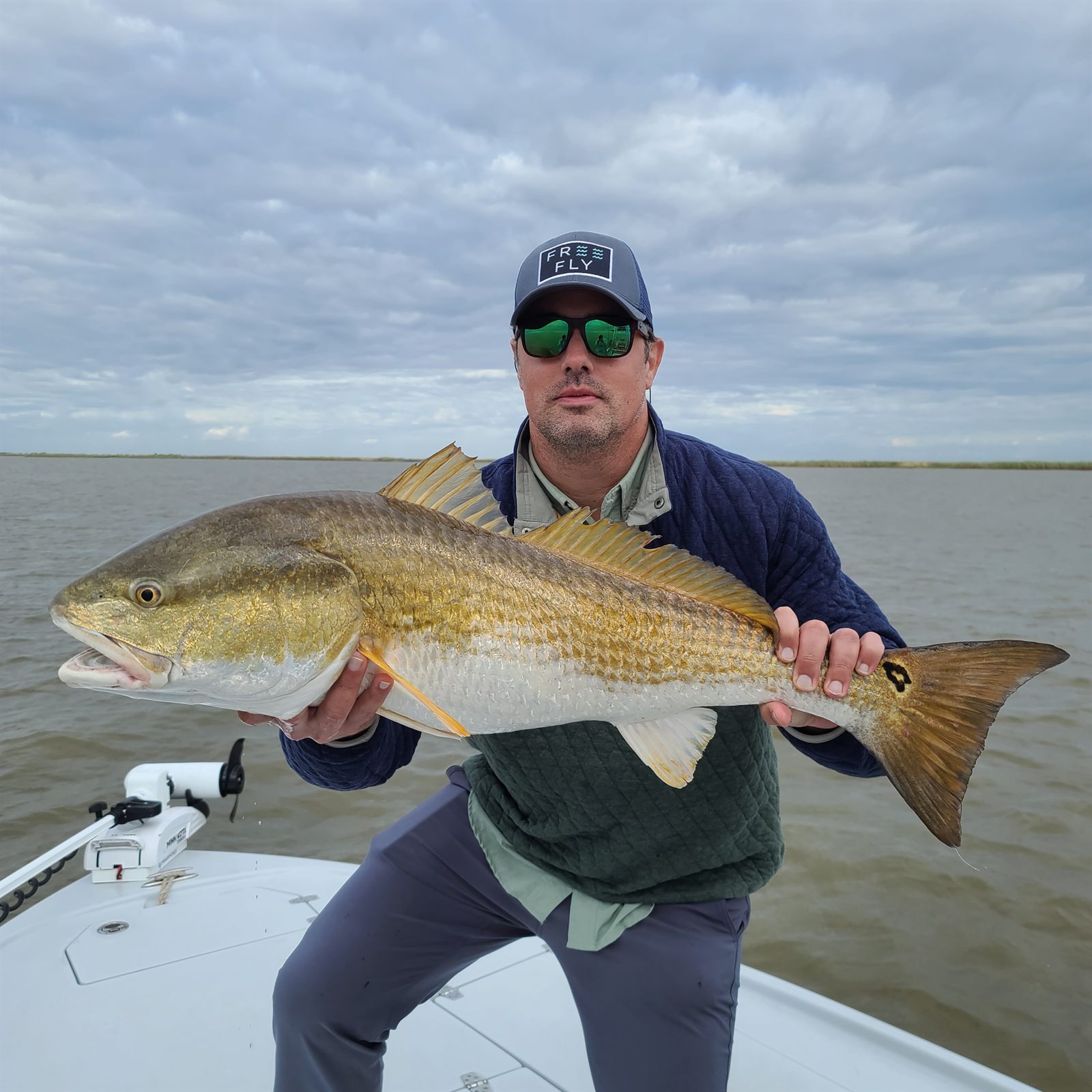
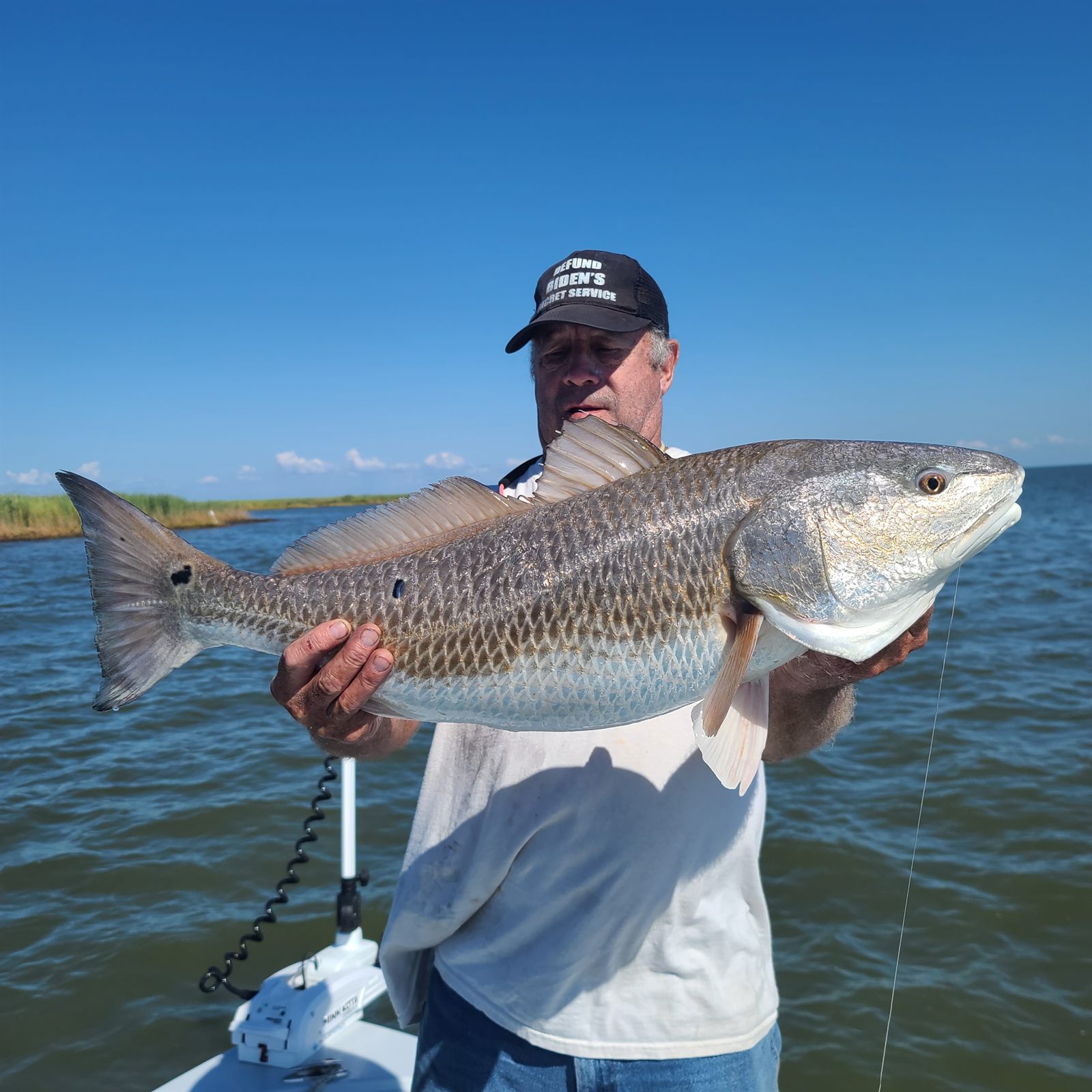
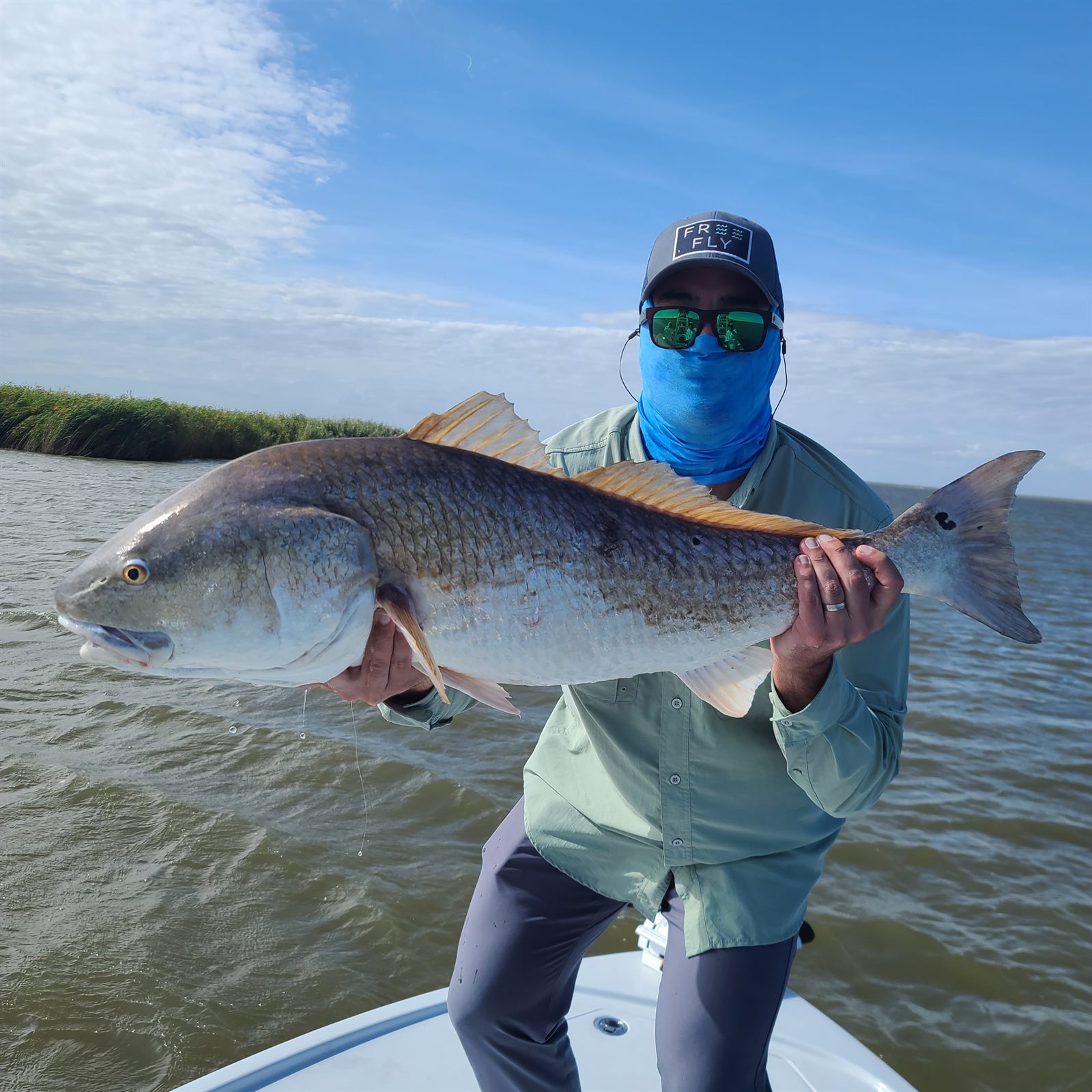
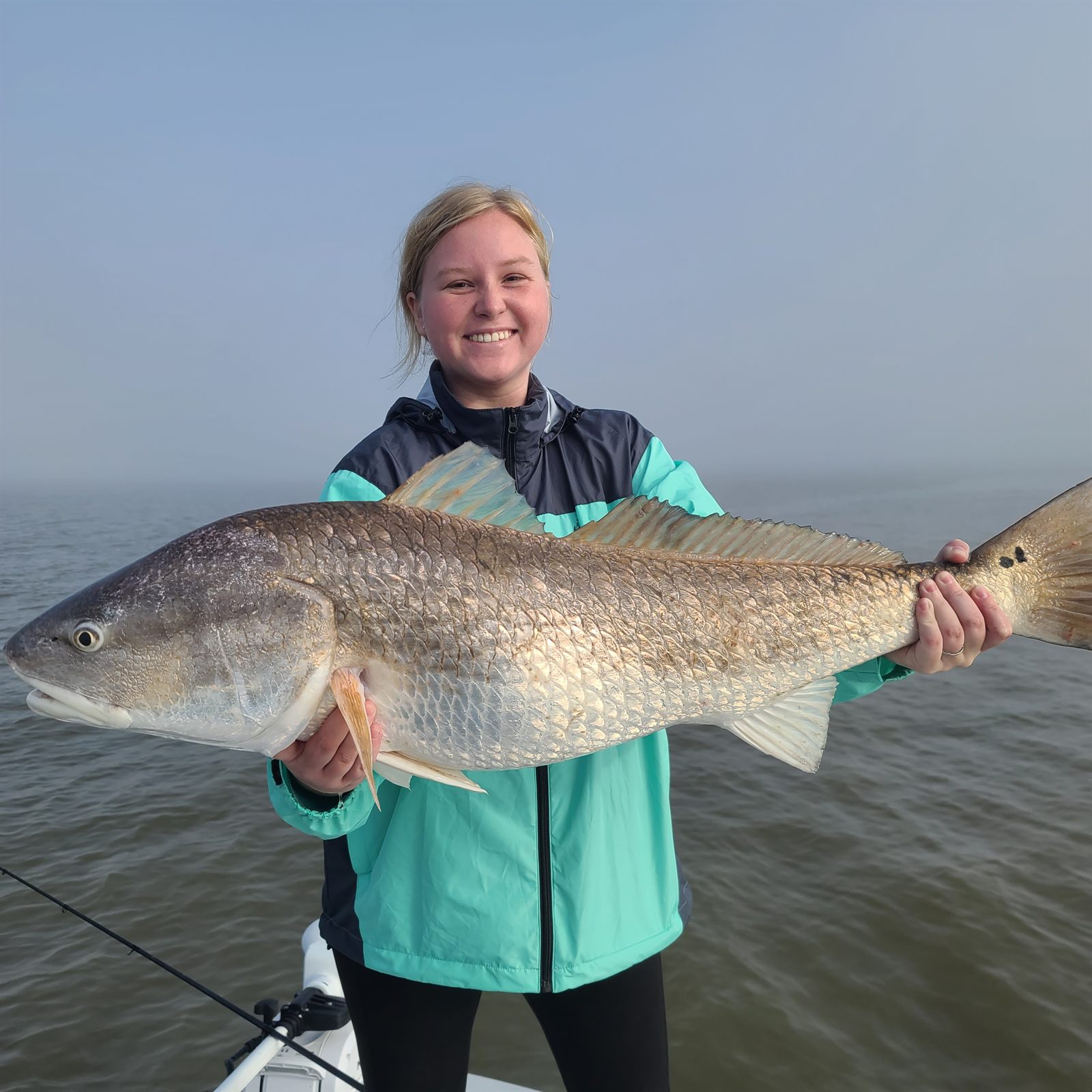
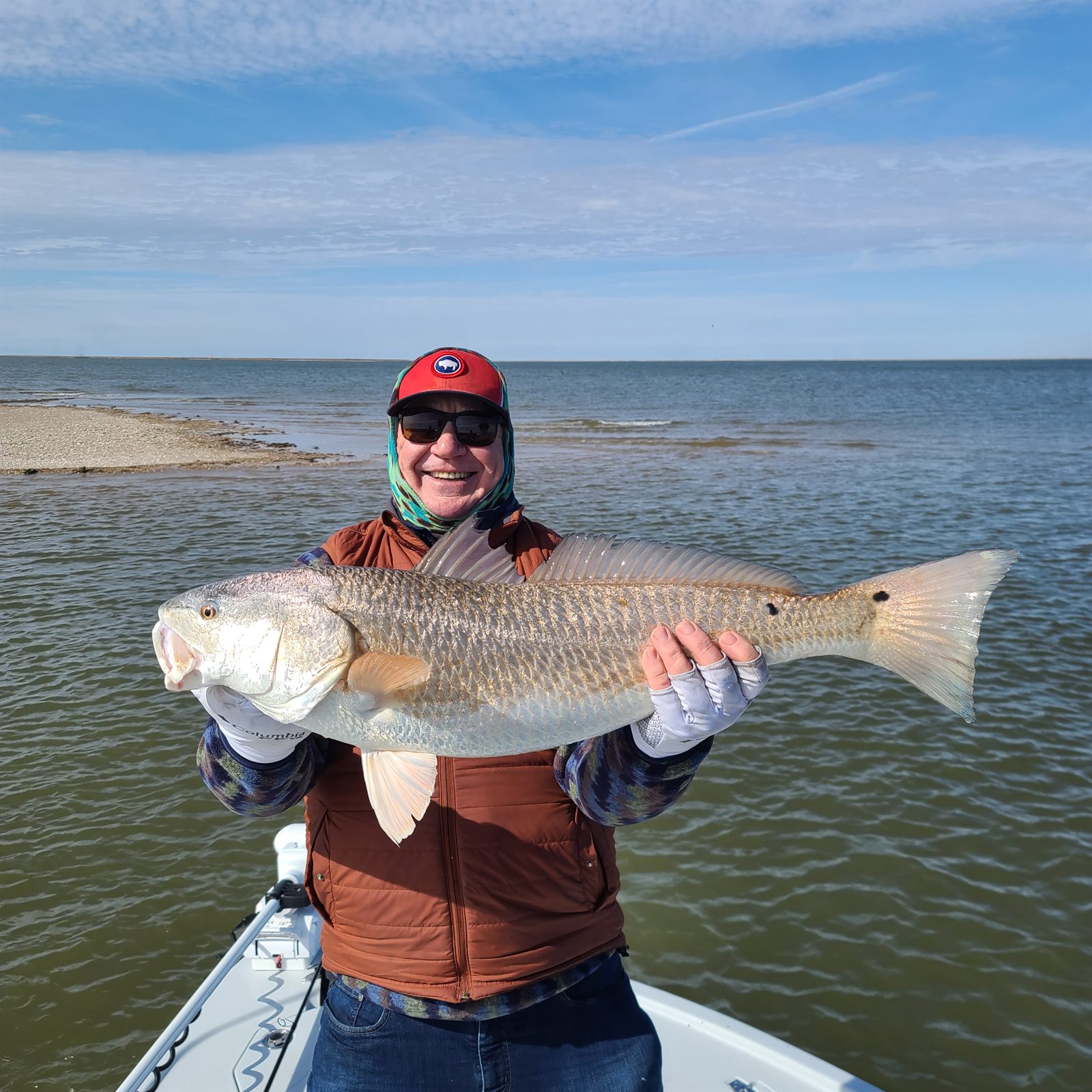
Most anglers treat a redfish like a standard speckled trout, but those thick, bronze scales will ruin a dull knife before you even reach the rib cage. Mastering how to clean a redfish is less about brute force and more about following the legendary Cajun techniques used by seasoned pros across Vermilion Bay. You’ve spent the day hauling in a limit of four fish between 18 and 27 inches, so the last thing you want is to waste that prime meat or struggle with a messy bloodline. Whether you’re coming off a high-energy trip with Capt. Troy D Nash or launching from Cypremort Point, you deserve a world-class meal to show for your effort.
This guide promises to turn you into a filleting expert, teaching you the iconic “on the half shell” method that makes South Louisiana’s seafood world-famous. You will learn the exact steps to produce clean, boneless fillets while avoiding the common mistakes that ruin a fresh catch. We will walk you through navigating the tough rib cage, removing the bitter red muscle, and keeping your haul ice-cold for the short ride back to Lafayette for a backyard fish fry.
Key Takeaways
- Select the right high-carbon or electric blades to easily penetrate the thick, armor-like scales found on redfish throughout the Vermilion Bay marsh.
- Learn the professional “behind the pectoral fin” cut to maximize your meat recovery and navigate the rib cage without wasting a single bite.
- Master the iconic Cajun “on the half shell” method to create a natural heat shield that keeps your fillets moist and flavorful on the grill.
- Discover the essential steps for how to clean a redfish while managing the messy bloodline and using an immediate ice bath to lock in freshness.
- Understand why the crab-rich diet of reds near Marsh Island produces a sweeter flavor and how to properly transport your haul back to Lafayette.
Table of Contents
Essential Tools for Cleaning Redfish in the Louisiana Marsh
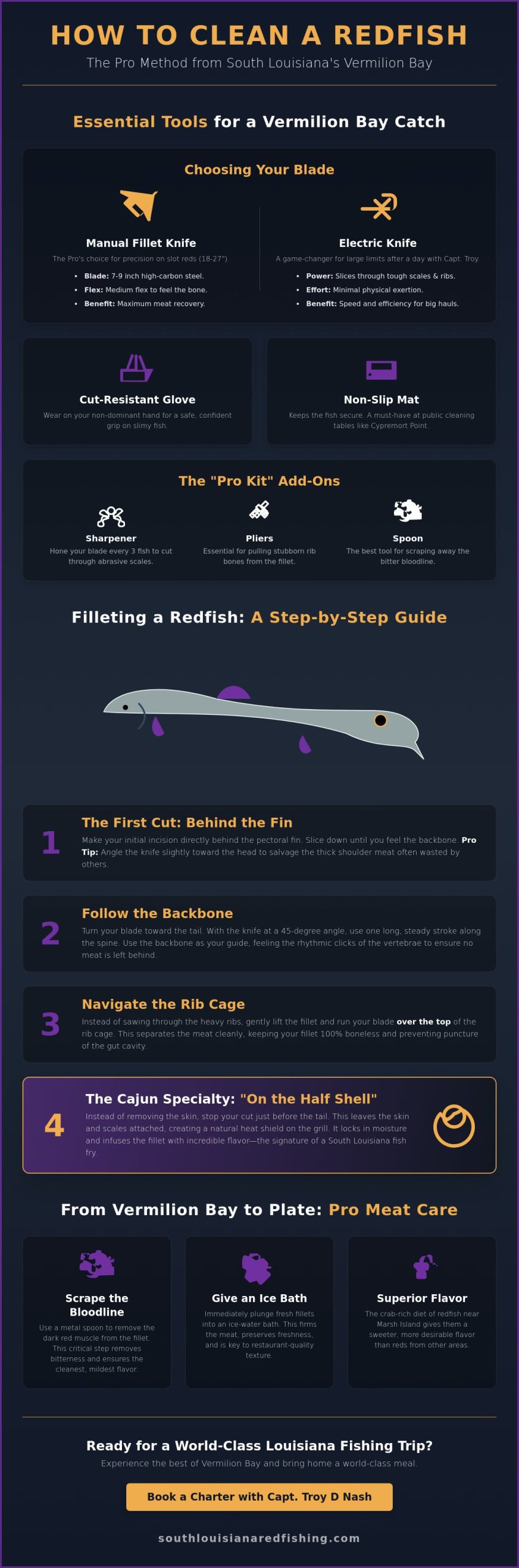
If you try to tackle a Marsh Island red with a standard kitchen knife, you’re bringing a toothpick to a gunfight. These fish are built like tanks. The bronze armor of the Red drum (Sciaenops ocellatus) is designed to protect them from predators in the shallow oyster reefs of Vermilion Bay, and those thick, overlapping scales will turn a dull blade into a safety hazard in seconds. A kitchen knife lacks the flexibility to contour around the spine and the backbone strength to pop through the heavy rib cage. To master how to clean a redfish without mangling the meat, you need a dedicated kit that respects the anatomy of the fish.
Safety starts with your grip. Redfish are notoriously slimy, and one slip can lead to a trip to the emergency room instead of the grill. Always wear a stainless steel mesh or high-performance polyethylene cut-resistant glove on your non-dominant hand. This gives you the confidence to apply the necessary pressure when making that initial cut behind the pectoral fin. Pair this with a sturdy, non-slip cleaning station. If you’re using the public tables at Cypremort Point State Park, bring a rubberized mat to keep the fish from sliding while you work through your limit.
Choosing Your Blade: Manual vs. Electric
The debate between manual and electric knives is a staple at every Louisiana boat launch. For the precision required to clean slot reds between 18 and 27 inches, a high-carbon steel manual fillet knife is often the superior choice. Look for a blade length between 7 and 9 inches with a medium flex. This allows you to feel the bone as you glide toward the tail, ensuring maximum meat recovery. However, if you’ve just finished a legendary day with Capt. Troy D Nash and have a full limit for a large group, an electric knife is a total game-changer. It powers through the heavy scales and rib bones with minimal physical effort, though it requires a steady hand to avoid overshooting the spine.
The “Pro Kit” Add-ons
Expertise is found in the details. Because redfish scales are so abrasive, you must hone your blade every three fish to maintain a lethal edge. Keep a ceramic sharpening stone or a handheld pull-through sharpener on your table. You’ll also want a pair of heavy-duty needle-nose pliers. These are essential for pulling stubborn rib bones or gripping the skin if you aren’t prepping your catch “on the half shell.” Finally, keep a large metal spoon in your kit. It’s the best tool for “scraping” the dark bloodline away from the white meat, a critical step in how to clean a redfish for the best possible flavor.
Step-by-Step Guide: How to Fillet a Redfish Like a Pro
You’ve conquered the flats of Weeks Bay and returned with a limit of four slot reds. Now, the real test begins at the cleaning table. Knowing how to clean a redfish properly is the difference between a world-class Cajun dinner and a wasted day on the water. Start by securing the fish firmly on your non-slip station. Make your initial cut directly behind the pectoral fin, slicing down until you feel the resistance of the backbone. Aim your blade slightly toward the head during this first cut to salvage the thick shoulder meat that most casual anglers toss away when fishing in other areas.
The Initial Entry and Spine Cut
Capture the abundance of the marsh by following the spine with total confidence. Once your knife is seated against the backbone, turn the blade toward the tail and begin a long, steady stroke. Position your blade at a steep 45-degree angle against the dorsal fin to stay flush with the spine and capture every ounce of meat. This technique ensures you don’t leave half the fish on the bone, which is a common mistake for those used to the softer scales of fish in other regions. Use the backbone as your guide, feeling the rhythmic click of the vertebrae as you move toward the tail.
Removing the Ribs and Skin
Navigating the rib cage requires a delicate touch to avoid puncturing the guts and spoiling the meat. Instead of sawing through the heavy bones, lift the fillet slightly and run your knife over the top of the ribs. This keeps your fillets 100% boneless, which is the gold standard for those famous fried redfish nuggets served in Lafayette. Once the fillet is detached, place it skin-side down. Grip the tail tightly and slide your knife between the skin and the meat. Use a slight sawing motion while keeping the blade angled downward to ensure a smooth, waste-free finish.
The final pro move is the “Zipper” technique to remove the dark lateral line. Many guides in other areas skip this, but leaving that bloodline results in a fishy taste that ruins the sweet flavor of Marsh Island reds. Make two parallel slices along the dark red muscle and lift the strip out entirely. This leaves you with pristine, white fillets ready for the skillet. If you want to skip the learning curve and see these techniques firsthand, book one of our guided fishing trips and let an expert show you the ropes. Finish by trimming any remaining silver skin or fat to ensure your catch is restaurant-quality before it ever hits the ice.
The Cajun Specialty: Cleaning Redfish “On the Half Shell”
If you ask a local at Cypremort Point how they want their catch prepared, nine times out of ten the answer is “on the half shell.” This isn’t just a fancy menu term; it’s a specific technique for how to clean a redfish that leaves the skin and heavy scales completely attached to the fillet. In the Cajun heartland, we view those thick scales as a gift from the marsh rather than a nuisance to be removed. By keeping the “armor” on, you create a natural vessel that protects the delicate white meat from the intense heat of a grill or campfire. It’s the ultimate way to honor a fish caught in the pristine waters of Vermilion Bay.
Why Scales Matter for Grilling
The heavy scales of a redfish are practically fireproof. While anglers in other areas might waste time scaling their fish, South Louisiana pros know that the scales act as a natural heat shield. This allows the meat to simmer in butter and its own natural juices without drying out or charring. During the cook, the thin layer of fat between the skin and meat renders down, infusing the fillet with a rich, savory depth that you simply can’t get with a naked fillet. This method aligns perfectly with the high Louisiana Redfish prep standards that prioritize flavor and moisture above all else.
Execution of the Half Shell Cut
To master this cut, follow the same initial steps of making the entry behind the pectoral fin and gliding along the spine as established in the previous sections. The critical difference in how to clean a redfish on the half shell is that you never separate the meat from the skin. Once the fillet is free from the carcass, your work with the knife is done. You should have a sturdy, scale-backed piece of meat that holds its shape perfectly. This “boat” shape is ideal for holding puddles of melted butter and seasoning without anything dripping into the coals.
Before you head back to Lafayette, take a moment to focus on the scale side. Use a pressurized hose or a stiff brush to remove any marsh slime, mud, or grit from the scales. You want the armor to be clean, but you must be careful not to lift or remove the scales themselves. Pat the meat side bone-dry with a paper towel before bagging it. This prevents the “fishy” flavor that occurs when marsh water or slime sits on the fillet during transport. This prep ensures that when you fire up the grill, the only thing you smell is the sweet aroma of fresh, crab-fed redfish.
Meat Care: From the Vermilion Bay to Your Freezer
The secret to world-class Cajun seafood doesn’t start at the stove; it starts the moment your redfish hits the deck. In the humid heat of the Louisiana marsh, meat quality degrades rapidly. Professional guides at Cypremort Point always use a “slush” ice bath, mixing crushed ice with a little saltwater to drop the core temperature of the fish instantly. This prevents the flesh from becoming mushy and ensures that when you begin the process of how to clean a redfish, the meat remains firm and easy to handle. If you let your catch sit in a dry cooler for hours, you’re already fighting a losing battle against the sun.
The Importance of the Bloodline
Even the most perfect fillet can be ruined by leaving the lateral line intact. This dark, reddish-brown muscle contains a high concentration of fat and blood, which spoils much faster than the surrounding white meat. If you’ve ever had redfish that tasted “fishy” or “muddy,” the bloodline is almost certainly the culprit. While some anglers in other areas might ignore this step, we prioritize a clean finish for every catch. Firmly press the edge of a heavy-duty metal spoon against the backbone and drag it from ahead toward the tail to scrape away the dark blood along the spine. This simple step ensures that your fillets from Marsh Island remain sweet and mild, regardless of how you cook them.
Long-term Storage Solutions
If you aren’t cooking your catch the same day, proper storage is vital to maintaining that fresh-from-the-bay texture. Vacuum sealing is the gold standard for Louisiana Fish because it removes all oxygen, preventing the freezer burn that ruins so many great meals. While some old-school locals still freeze fish in Ziploc bags filled with water, this can actually waterlog the meat and damage the delicate fibers. A vacuum-sealed fillet can stay fresh for up to six months, while a refrigerated fillet should be eaten within two days for the best quality.
- Label Everything: Use a permanent marker to record the date and the specific location, like “Vermilion Bay Reds.”
- Thaw Slowly: Never use a microwave or hot water. Place the sealed bag in the fridge 24 hours before you plan to cook.
- Dry Before Cooking: Pat the thawed meat with a paper towel to ensure a perfect sear or a crispy fry.
Mastering how to clean a redfish and caring for the meat ensures your hard work in the marsh pays off at the dinner table. If you want to spend more time catching and less time worrying about the details, come see how the pros do it. Book your guided fishing trip today and experience the best of the Cajun coast with an expert who handles the prep for you.
The Reward: Why Redfish from Cypremort Point Tastes Best
The ultimate prize for a day spent navigating the winding canals and weirs of the Louisiana marsh is a pile of sweet, white fillets. While mastering how to clean a redfish is a vital skill, the flavor of your meal is determined long before you pick up a knife. Redfish caught around Marsh Island and the shallow flats of Vermilion Bay have a distinct culinary advantage over fish found in other regions. These bronze beauties gorge themselves on a rich diet of blue crabs and grass shrimp. This crab-heavy diet infuses the meat with a natural sweetness that you won’t find in fish from deeper, saltier environments. It is a flavor profile that has made South Louisiana a global destination for seafood lovers.
From the Marsh to the Table
The secret lies in the unique salinity of our local waters. The mix of freshwater influence and the nutrient-rich marshes of West Cote Blanche Bay creates a perfect nursery. This environment produces a milder, cleaner taste compared to fish caught in high-salinity areas like Venice. Inshore fishing offers a level of freshness that simply cannot be matched by longer trips. Because you are often fishing just minutes from the dock at Cypremort Point, your catch goes from the water to a slush ice bath almost instantly. This rapid cooling preserves the delicate texture of the meat, ensuring it stays firm and delicious.
After you’ve finished the process of how to clean a redfish, the adventure continues in the kitchen. Many anglers take their fresh haul back to Lafayette, the heart of Cajun country. The city’s legendary culinary scene is filled with chefs who specialize in “Hook and Cook” experiences. They can take your pristine, half shell fillets and transform them with authentic spices and local techniques. Whether it is blackened, grilled, or fried, the quality of a Marsh Island red stands in a category of its own. It is a true “marsh to table” experience that celebrates the abundance of our coastline.
Book Your Next Adventure
Learning the intricacies of Cajun-style prep is a badge of honor, but sometimes you want to focus entirely on the thrill of the strike. When you book a guided trip with Capt. Troy D Nash, you are getting decades of local expertise and a commitment to excellence. We don’t just put you on the fish; we ensure your entire experience is world-class from the first cast to the final bag of fillets. Let us handle the heavy lifting while you enjoy the scenery and the fight. Experience the best Red Fish Fishing Louisiana has to offer. Ready to fill the cooler? Book your trip with Capt. Troy today!
Fire Up the Grill for a World-Class Cajun Feast
Mastering how to clean a redfish is the final step in becoming a true Louisiana angler. By using the right high-carbon blades and perfecting the “on the half shell” technique, you ensure every bite of your Marsh Island catch remains moist and flavorful. Remember that immediate temperature control and removing the dark bloodline are the secrets to preserving that sweet, crab-fed taste that makes our local reds famous. You’ve learned the steps to handle your own haul, but you don’t have to tackle the cleaning table alone on your next big adventure.
Experience the thrill of the strike without the stress of the mess. As a 3rd generation guide specializing in the pristine waters of Vermilion Bay and Cypremort Point, Capt. Troy D Nash provides a comprehensive outdoor experience. We include full-service fish cleaning on every trip so you can head straight to the kitchen. Focus on the fight and the legendary Cajun food waiting for you back in Lafayette while we handle the prep. Book Your Vermilion Bay Redfish Charter Now and discover why our inshore marsh is a premier destination. Your next trophy is waiting just past the reeds.
Frequently Asked Questions
Do I need to scale a redfish before filleting it?
No, you should never waste time scaling a redfish. Their scales are incredibly tough and act as a natural armor that protects the meat during the cleaning process. If you are preparing the fish “on the half shell,” the scales stay on to serve as a heat shield; if you want skinless fillets, you simply glide your knife between the skin and the meat to remove it all in one motion.
Is the “throat” of a redfish worth keeping and cleaning?
Absolutely, the throat is considered a hidden delicacy in the Cajun heartland. This cut is rich in fat and flavor, much like the collar of a yellowtail or the cheeks of a grouper. To clean it, cut a “V” shape behind the gills to remove the entire collar, then grill it alongside your fillets for a succulent treat that most anglers in other areas unfortunately throw away.
How do I get the “fishy” taste out of large redfish?
The key to a clean flavor is the immediate removal of the dark lateral line. While Louisiana regulations require you to release all “Bull Reds” over 27 inches, even a large 26 inch slot fish can have a strong taste if the bloodline isn’t managed. Scrape the blood along the spine with a spoon and “zipper” out the red muscle to ensure your fillets from the Cypremort Point marsh remain sweet and mild.
Can I clean a redfish with a regular kitchen knife?
You can try, but a standard kitchen knife will likely dull before you finish your first fish. Redfish scales are notoriously abrasive and require a high-carbon steel blade to maintain an edge. To truly master how to clean a redfish, you need a dedicated 7 to 9 inch fillet knife that offers the flexibility to navigate the spine and the strength to pop through the rib cage.
What is the “on the half shell” cleaning method?
This method involves removing the fillet from the carcass while leaving the skin and scales fully attached. It is the gold standard for grilling in South Louisiana because the scales create a natural boat that holds butter and seasonings. This technique prevents the meat from drying out over an open flame and is a favorite for those fishing the shallow flats of Vermilion Bay.
How long can redfish fillets stay in the freezer?
Vacuum-sealed redfish fillets will maintain their peak quality for up to six months. If you use a standard freezer bag with the water-immersion method, you should plan to eat your catch within three months to avoid texture changes. Always label your bags with the date and the specific catch location, such as “Marsh Island Reds,” to keep your freezer organized and your meals fresh.
Is it safe to eat the skin of a redfish?
It is perfectly safe, but most people find the skin far too leathery and tough to enjoy. Unlike the thin, edible skin of a speckled trout, redfish skin is thick and covered in heavy scales. Most Cajun recipes use the skin only as a protective barrier during the cooking process, allowing you to flake the tender meat away from the skin once it hits the plate.
What should I do with the redfish carcass after filleting?
Don’t let that flavor go to waste; use the head and bones to create a world-class seafood stock or court-bouillon. The carcass contains incredible depth that is perfect for Lafayette-style stews and gravies. Just be sure to remove the eyes and gills before boiling. If you aren’t a fan of stock, the remains make excellent bait for crab traps in the canals around Weeks Bay. Knowing how to clean a redfish means using every part of the bounty the marsh provides.