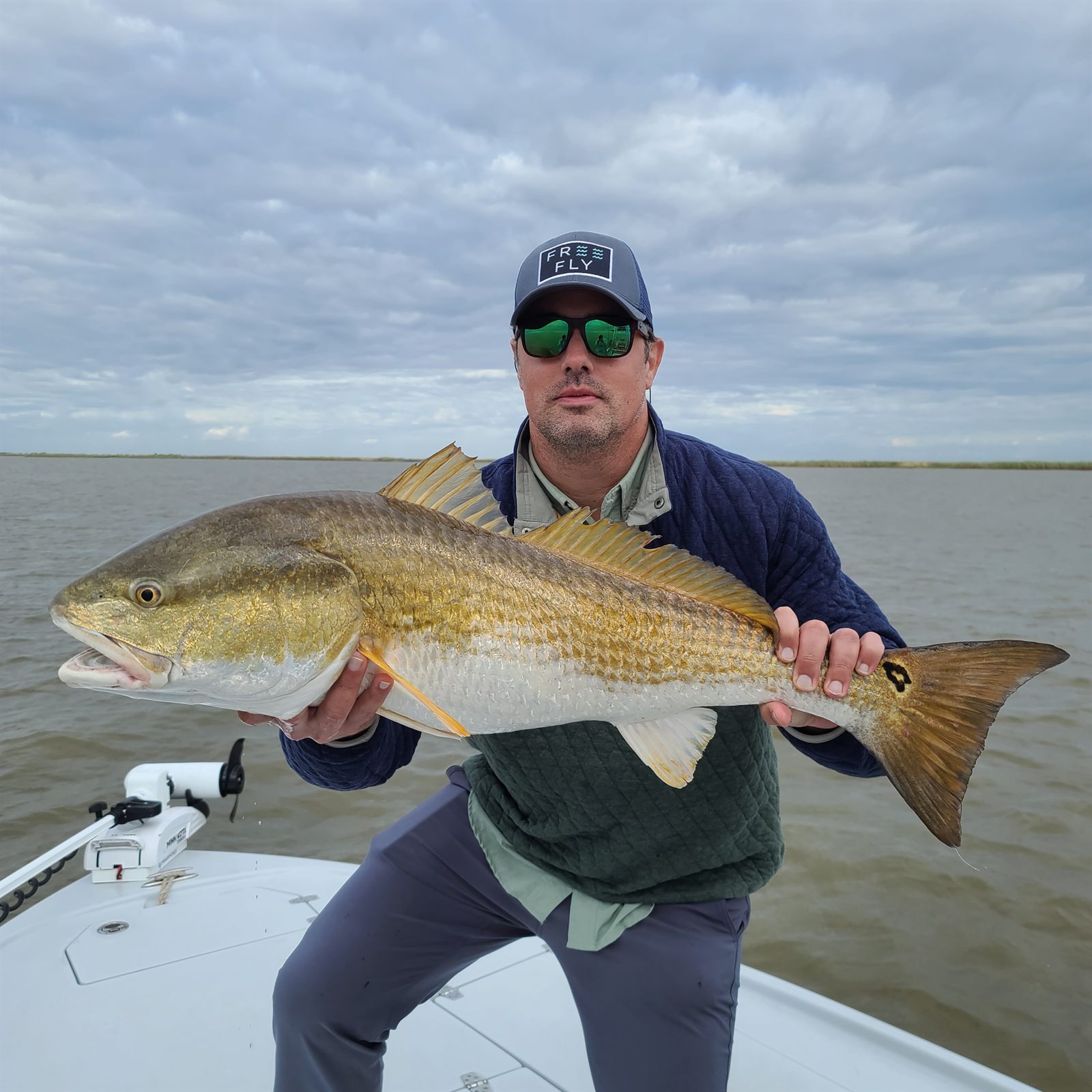
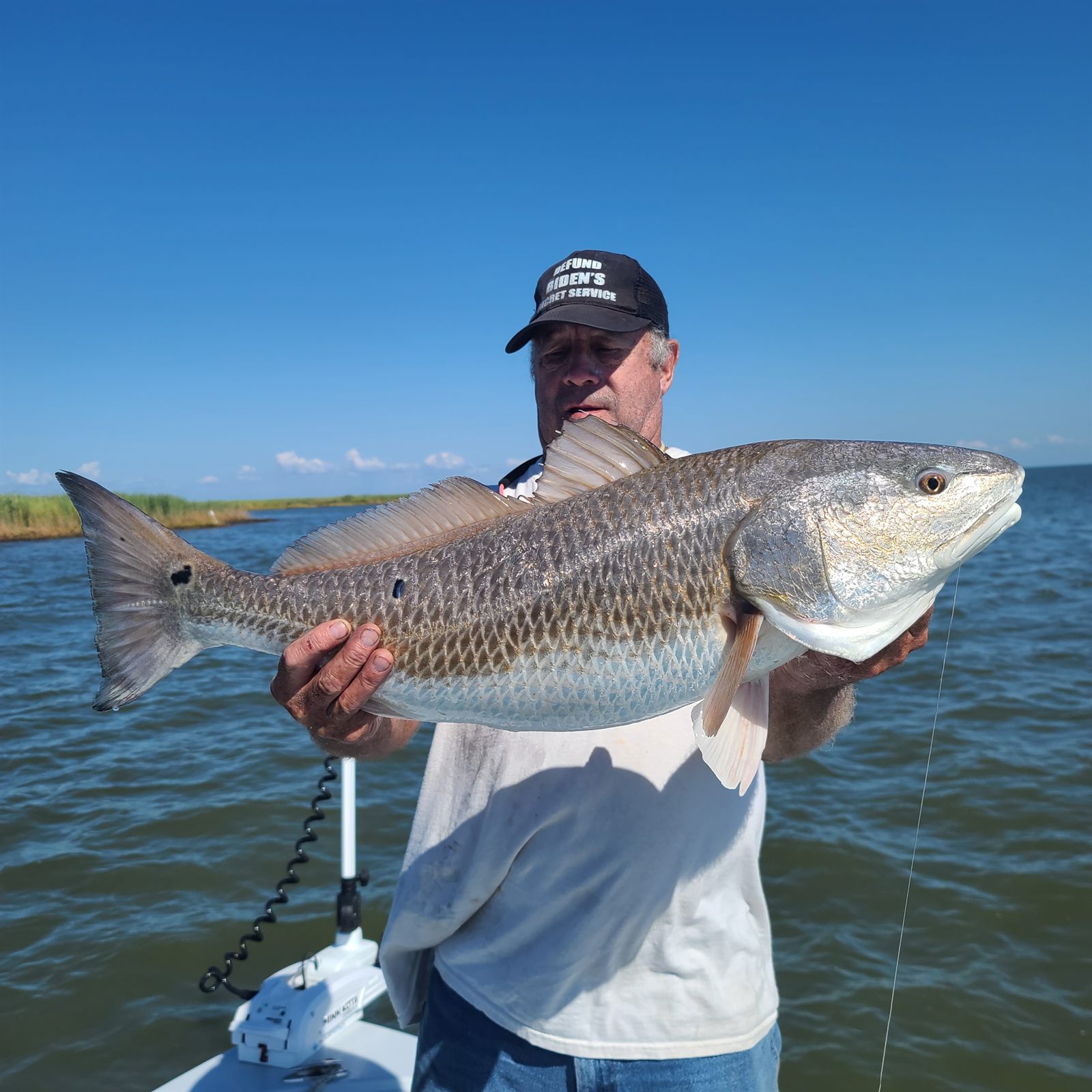
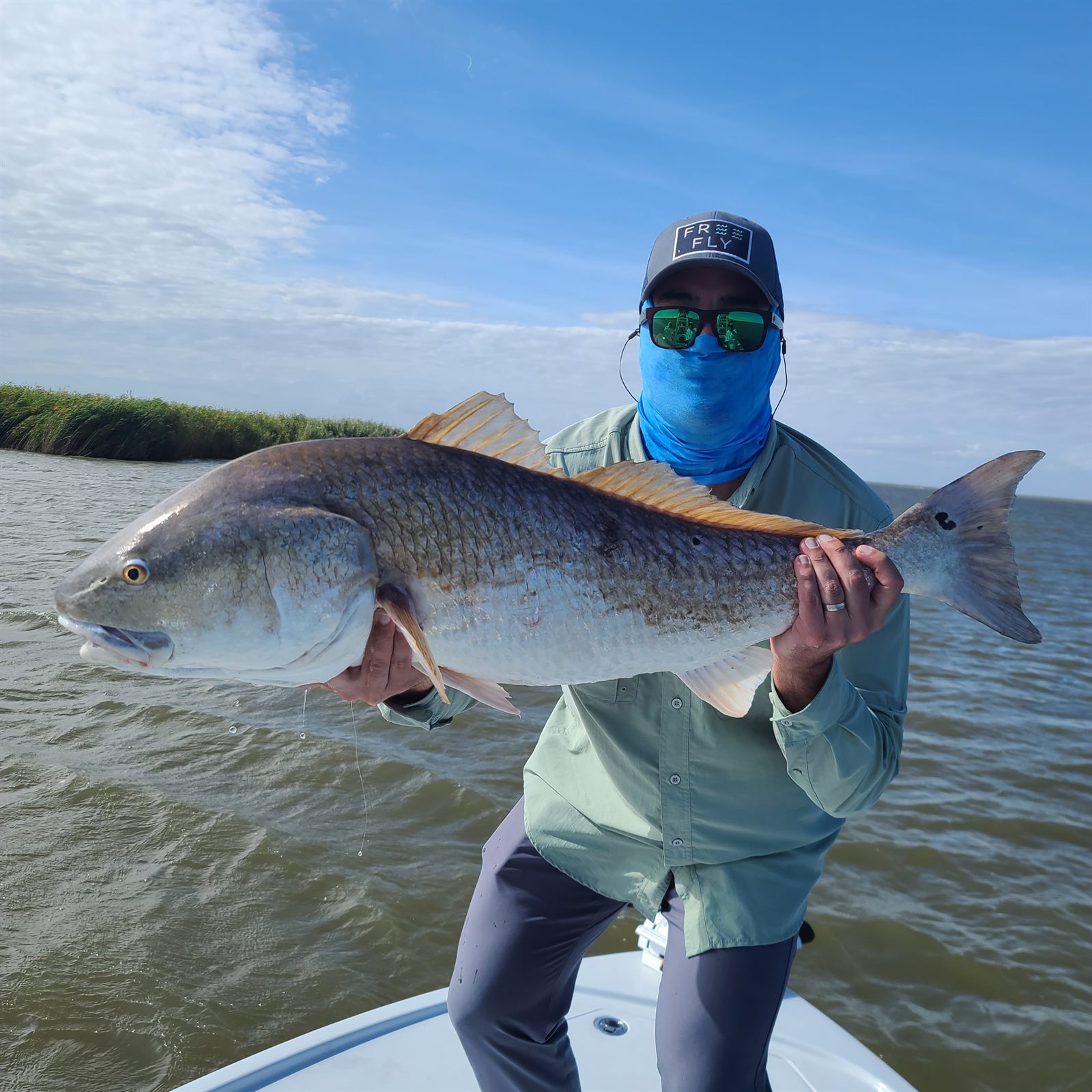
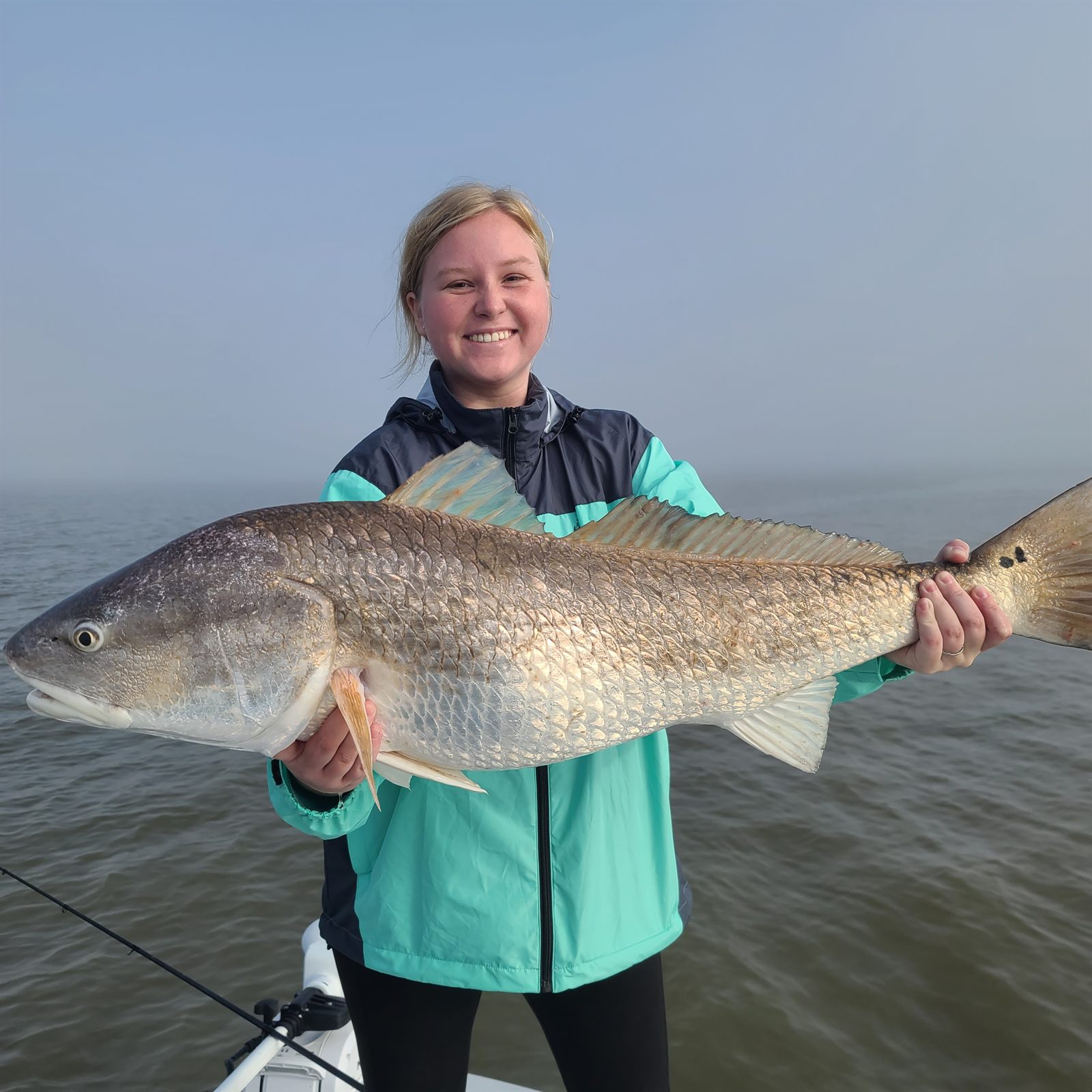
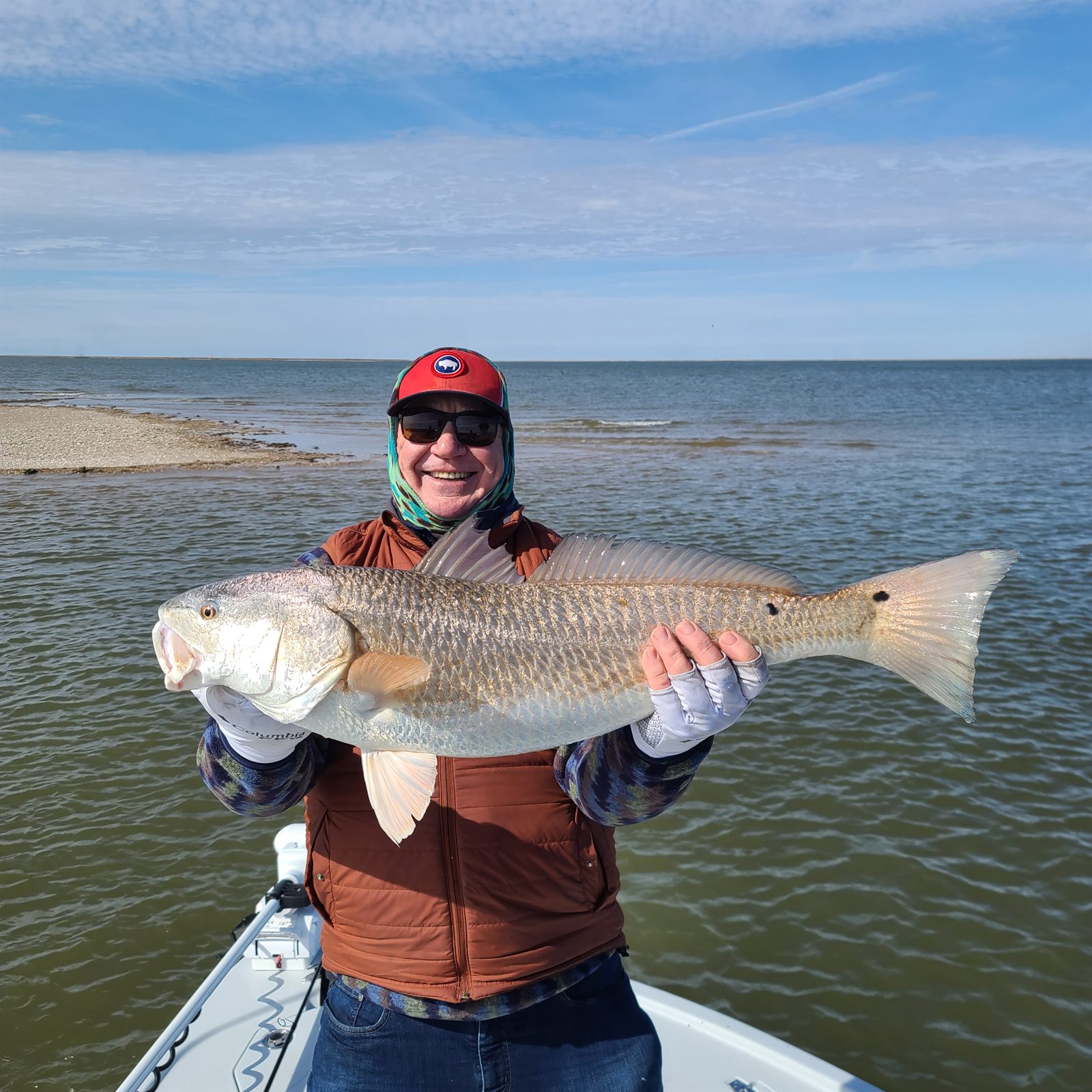
Most anglers think they are flounder fishing Vermilion Bay the right way, but they are actually just taking their lures for a walk across the mud. It’s one thing to cast a line; it’s another to feel that signature “thump” and have the discipline to let the fish eat. We know the frustration of losing a prize catch because of poor presentation or getting your boat pinned on a falling tide near Marsh Island. If you’ve ever struggled with the murky runoff from the Atchafalaya River, you are not alone.
This guide is your ticket to mastering the flats and bayous of Louisiana’s premier inshore destination. You will learn the “drag and pause” technique that triggers aggressive strikes and identify the exact shell-to-mud transitions where trophy fish hide. We are breaking down the seasonal patterns for 2026, from the shorelines of Cypremort Point to the hidden weirs of Weeks Bay. Get ready to gain the local expertise of a 3rd generation guide and turn your next trip into a legendary haul.
Key Takeaways
- Identify high-percentage ambush points like Southwest Pass and the Marsh Island weirs to intercept migrating flounder.
- Master the essential “drag and pause” retrieve to trigger more strikes while flounder fishing vermilion bay this season.
- Learn how to align your trips with the “Golden Months” of the fall run and the spring return to maximize your bag limit.
- Discover why specific lure colors and scent-heavy presentations are the secret to overcoming the Atchafalaya River’s murky runoff.
- See why a professional charter with Capt. Troy D Nash offers the ultimate shallow-water advantage compared to the rough conditions and high costs of deep-sea fishing.
Table of Contents
- Mastering the Marsh: What Makes Flounder Fishing in Vermilion Bay Unique?
- Prime Locations: Finding Flounder from Cypremort Point to Marsh Island
- Tactical Techniques: How to Catch More Flounder in the South Louisiana Marsh
- Timing the Run: Seasonal Patterns, Tides, and the Atchafalaya Influence
- Why Booking a Professional Charter with Capt. Troy D Nash is Your Best Bet
Mastering the Marsh: What Makes Flounder Fishing in Vermilion Bay Unique?
Flounder fishing vermilion bay is a tactical, bottom-oriented pursuit that focuses on specific ambush points and tidal transitions. It is a game of patience and precision. We primarily target the Southern Flounder, a master of camouflage that spends its life blended into the floor of our shallow marshes. Unlike the deep-sea fishing found in other areas, which often involves long boat rides and heavy tackle, our inshore hunt stays in accessible, protected waters. You won’t have to worry about massive swells or the high fuel costs associated with going “offshore.” Instead, you get a front-row seat to the most productive estuary in the South.
The secret ingredient to our success is the Atchafalaya River. The river’s freshwater runoff mixes with the salty tides of the Gulf to create a nutrient-rich “flounder highway.” This brackish environment is perfect for the Southern Flounder. While you may occasionally find a Gulf flounder species near the deeper passes, the Southern variety dominates our interior marshes. This unique ecosystem supports a massive amount of forage, keeping our fish fat and aggressive throughout the year.
The ‘Cajun Slam’ Foundation
In South Louisiana, the ultimate goal for many is the “Cajun Slam.” This means landing a speckled trout, a louisiana redfish, and a flounder in a single day. Each species requires a different approach. While trout often suspend in the water column, flounder are strictly bottom-dwellers. Targeting them in Vermilion Bay is far more accessible and cost-effective than making the long trek to Venice. We offer world-class fishing right here in Lafayette’s backyard, allowing you to spend more time with a tight line and less time burning gas. It’s the perfect way to experience the best of Acadiana without the logistical headaches of other regions.
Understanding the Mud-to-Shell Transition
Flounder are the ultimate ambush predators. They prefer to lie on the edges of oyster reefs where they meet soft mud bottoms. They bury themselves in the sediment and wait for the tide to deliver a meal. You can identify these high-percentage transitions by watching your depth finder for hard bottom returns or using a push pole to feel for the “crunch” of shells. Finding “clean” water is also vital. In a system influenced by river sediment, you don’t need a swimming pool, but you do need enough clarity for the fish to spot your lure. Look for the tidal lines where cleaner water from the Gulf pushes into the marsh, creating the perfect visibility for a strike.
Prime Locations: Finding Flounder from Cypremort Point to Marsh Island
Finding the right spot in this massive system is the difference between a full cooler and a long boat ride. Unlike the long, grueling runs required to reach the marshes of Venice or other areas, the hotspots of Vermilion Bay are right at your doorstep. Southwest Pass acts as the deep-water gateway to the Gulf. It’s the primary highway for flounder during their seasonal migrations. Because of the Atchafalaya Basin influence, this area stays rich with baitfish and nutrients. When the tide starts moving, the flounder stack up against the ledges, waiting for an easy meal to sweep past. Finding the right ledge is the key to successful flounder fishing vermilion bay.
Further into the marsh, the weirs at Marsh Island are absolute magnets. These man-made structures restrict water flow, creating concentrated current that flounder love. They sit right on the down-current side, tucked into the eddies. If you aren’t hitting the weirs, you’re missing out on some of the most consistent flounder fishing vermilion bay has to offer. While deep sea fishing requires heavy gear and expensive fuel, our inshore trip keeps the action close and affordable.
The Secrets of Marsh Island
Navigating the island requires local knowledge. The complex canal systems can be a maze, but the reward is worth the effort. Focus on the southern shoreline for the best nearshore opportunities. Look for ‘washouts’ where the tide has carved deep holes in the marsh floor. These depressions are prime real estate. Flounder sit in these holes to stay out of the main current while remaining in the strike zone. It’s a subtle pattern that most weekend warriors overlook.
Cypremort Point State Park and Surrounding Reefs
The ‘Rocks’ at Cypremort Point are a legendary producer. Both bank and boat anglers find success here by working the rock groins. You’ll need a light touch to avoid losing gear, but the fish are there. This area serves as the central hub for louisiana fishing trips because of its accessibility. Being so close to Lafayette and New Iberia makes it the premier day-trip destination. After a morning on the water, you’re just minutes away from world-class Cajun food.
Don’t ignore the Weeks Bay shorelines. The thick grass lines here are where juvenile shrimp seek refuge. Flounder know this and will patrol the edges of the vegetation during a rising tide. If you want to experience this firsthand, booking a trip with a seasoned pro ensures you spend your time at the hot spots rather than searching for them.
Tactical Techniques: How to Catch More Flounder in the South Louisiana Marsh
Mastering the art of flounder fishing vermilion bay requires a total shift in mindset. You aren’t chasing schooling trout or aggressive redfish. You’re hunting a patient predator that relies on stealth. The most common mistake anglers make is moving their bait too fast. If your lure isn’t in constant contact with the mud or shell bottom, you’re fishing for the wrong species. You need to keep it in the strike zone. Slow down. Then, slow down some more.
The “drag and pause” method is your secret weapon. Instead of the aggressive hopping motion used for other species, simply drag your lure slowly across the bottom for six inches and let it sit. This mimics a wounded baitfish or a crawling shrimp. Most strikes happen during the pause. When you feel that unmistakable “thump,” don’t react immediately. Use the five-second rule. Flounder often grab the tail of the bait first and need a moment to turn it in their mouths. Count to five, reel in the slack until you feel weight, and then set the hook with a firm, upward snap.
Lure selection is just as critical. In the stained waters typical of the Vermilion system, scent and vibration are king. Gulp! Swimming Mullet is the gold standard because of its massive scent trail. Matrix Shad is another heavy hitter that provides the right profile. To keep these lures pinned to the floor, use the lightest jig head possible. A 1/8 oz or 1/4 oz head is usually perfect for our shallow flats. It allows for a natural drift that doesn’t get buried too deep in the silt.
The Ultimate Flounder Rig
For most situations, a straight jig head is all you need. However, when the current is ripping through the weirs near Marsh Island, a Carolina rig is superior. It allows your bait to flutter naturally while the weight stays anchored. Use a 20lb fluorocarbon leader. It’s the sweet spot for abrasion resistance against sharp oyster shells without spooking the fish. Stick to high-visibility colors like Chartreuse, Pink, or White to cut through the unique tint of the bay.
Live Bait vs. Artificials
Artificial lures are fantastic for covering ground in East Cote Blanche Bay, but sometimes the fish are stubborn. That’s when you switch to live “finger” mullet or mud minnows. Hook them through the lips to ensure they swim naturally against the bottom. While artificials allow you to scout more territory quickly, live bait is often the only way to pull a limit out of a heavily pressured hole on a slow tide.
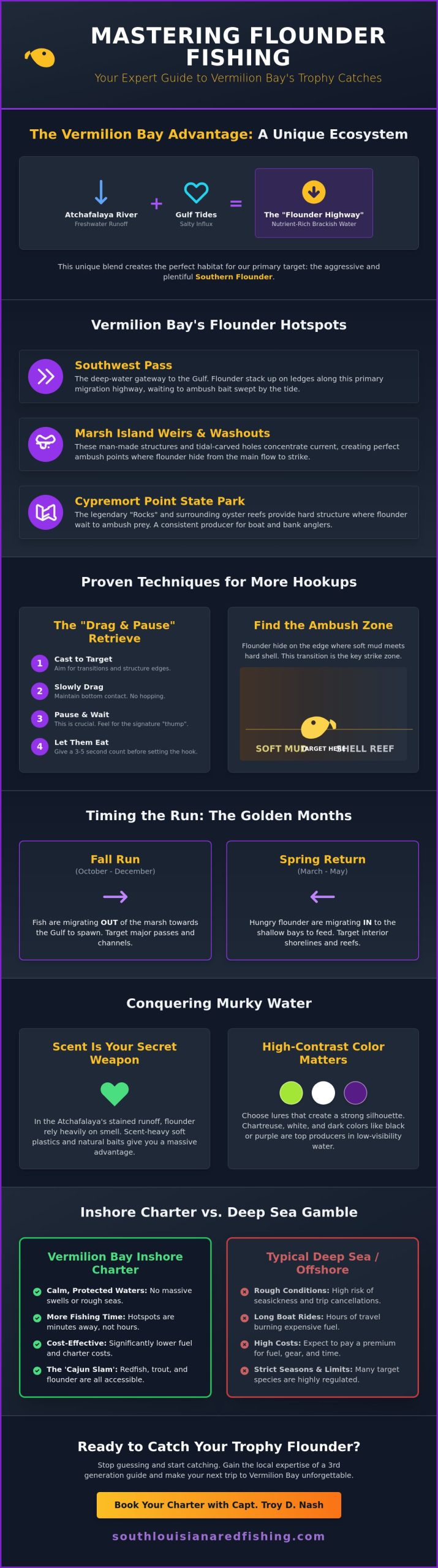
Timing the Run: Seasonal Patterns, Tides, and the Atchafalaya Influence
Timing the run in this region isn’t just about checking a calendar; it’s about reading the pulse of the Atchafalaya River. While other areas might rely solely on lunar cycles, flounder fishing vermilion bay is dictated by the river stages in Lafayette. When the river is high, it pushes freshwater and sediment deep into the bay, forcing flounder to seek higher salinity near Southwest Pass. When the river drops, the salt wedge moves back into the interior marshes of Weeks Bay and Cote Blanche. Understanding this balance is what separates the experts from the amateurs.
The transition months are when the action gets intense. The “Fall Run” starts in early October as fish begin their trek toward the Gulf. It’s important to remember that the recreational season closes from October 15 through November 30 to protect spawning females. This makes the first two weeks of October a high-stakes, high-reward window. Once the season reopens in December, the migration continues. Conversely, the “Spring Return” in March sees these fish move back into the shallow flats as the water warms. During these times, a falling tide is your best friend. As water drains out of the marsh, it pulls baitfish through canal mouths and weirs, creating a concentrated feeding zone where flounder lie in wait.
Reading the ‘Wind Tide’ at Cypremort Point
At Cypremort Point, the wind often matters more than the moon. A strong North wind can “blow the bay out,” dropping water levels and exposing the very mud flats where flounder hide. While this makes the fish easy to spot, it can make them hard to reach in a standard boat. On the flip side, a South wind “stacks” water against the shoreline. This extra depth allows us to navigate into the skinniest water where the biggest flounder patrol the grass lines. We adjust our strategy daily based on these shifts to keep you in the strike zone.
Moon Phases and Feeding Windows
Moon phases play a massive role in tidal volume. New and Full moons bring “Spring Tides” with aggressive water movement, which often triggers a feeding frenzy. During “Neap Tides,” the water moves less, which often leads to better clarity but requires much more precise lure placement. You have to be dead-on with your “drag and pause” technique. These windows are essential for targeting all louisiana fish, but they are critical for the ambush-heavy lifestyle of the flounder. If you want to take the guesswork out of your next adventure, it’s time to book a professional guided fishing trip and let us handle the logistics.
Why Booking a Professional Charter with Capt. Troy D Nash is Your Best Bet
Anyone can buy a boat and a box of lures, but mastering flounder fishing vermilion bay is a different story. Navigating the shifting sands and silty bottom of this complex system requires a lifetime of data. The bottom contour changes with every major storm and river surge. When you book a guided fishing trip with Capt. Troy D Nash, you aren’t just paying for a boat ride. You’re investing in decades of multi-generational expertise. We take the guesswork out of the equation. We move you from a frustrating day of “fishing” to an unforgettable day of “catching” in the heart of the Louisiana marsh.
Our operation uses professional-grade boats and equipment designed specifically for the shallow flats and nearshore rigs. We can reach the “secret” cuts in Marsh Island that don’t appear on any standard map or GPS chip. These are the spots where the water flows just right and the flounder stack up thick. While deep sea fishing often means battling heavy waves and long travel times, our inshore trips keep you in the action with minimal transit and maximum comfort. If you want a successful day of flounder fishing vermilion bay, you need a guide who knows where the fish sit when the tide turns.
The Capt. Troy Advantage
Learning the nuances of the Atchafalaya River’s influence is best done from a local master. As a 3rd generation guide, Capt. Troy anticipates fish movement based on 30 years of observed patterns. He knows exactly how a specific river stage in Lafayette will affect the bite at Weeks Bay three days later. Whether you’re an expert angler looking to hone your “drag and pause” technique or a family seeking a fun day on the water, our trips are customized to your skill level and goals. We provide the gear, the knowledge, and the passion to ensure your trip is a highlight of your year.
Cajun Hospitality in Lafayette and Beyond
Your adventure shouldn’t end when the boat hits the trailer. Cypremort Point is the premier gateway to the Gulf, offering a more authentic experience than the crowded, commercialized ports found in other areas. After a successful day on the water, you can head back to town and explore the best lafayette things to do louisiana. Many local establishments in the Acadiana area offer “cook your catch” services. There’s nothing quite like sitting down to a fresh flounder meal that you caught yourself, prepared with world-famous Cajun spices. It’s the ultimate way to cap off a legendary day in the marsh.
Claim Your Prize in the Vermilion Marsh
Success on these waters comes down to precision and local knowledge. You now have the tactical edge to master the “drag and pause” technique and identify the exact mud-to-shell transitions where predators hide. By understanding the massive influence of the Atchafalaya River and the seasonal patterns of the fall run, you are already ahead of the average angler. These are the technical secrets that turn a slow day into a legendary haul.
You don’t have to navigate the complex weirs of Marsh Island or the shifting currents of Southwest Pass alone. Whether you’re chasing a trophy or aiming for the prestigious Cajun Slam of redfish, trout, and flounder, we have the expertise to make it happen. Experience the best flounder fishing vermilion bay has to offer with a guide who has spent three generations learning these tides. Skip the high costs and rough seas of deep-sea trips and enjoy the world-class action right here in our backyard.
Book Your Vermilion Bay Flounder Charter with Capt. Troy D Nash Today!
The marsh is alive and the bite is on. We can’t wait to welcome you aboard for an adventure that will stay with you for a lifetime. Let’s go fishing!
Frequently Asked Questions
What is the best month for flounder fishing in Vermilion Bay?
October and March are the premier months for targeting these flatfish in our local waters. Early October represents the peak of the fall run just before the state-mandated closure begins on October 15. In March, the fish return from the Gulf to the interior marshes of Weeks Bay and Cote Blanche. These windows provide the most consistent action for anyone flounder fishing vermilion bay.
Do I need a special license for flounder in Louisiana?
You need both a Basic Fishing License and a Saltwater License to fish the bay legally. As of June 2026, the combined annual cost for Louisiana residents is $32.00. If you are booking a trip with a licensed guide, you can opt for a 3-Day Charter Passenger Saltwater License for just $20.00. This is a convenient and cost-effective way to get on the water without a long-term commitment.
What is the best bait for flounder in the marsh?
Gulp! Swimming Mullet in chartreuse or pink is the undisputed king of artificial lures in our brackish system. Its heavy scent trail is essential for helping fish locate your bait in the sediment-rich water. For live bait enthusiasts, small finger mullet or mud minnows are the top choices. Always hook them through the lips to ensure they swim naturally along the bottom where flounder lie in wait.
Is Vermilion Bay too muddy for flounder?
Not at all; Southern Flounder actually thrive in soft mud bottoms where they can easily bury themselves for camouflage. While the Atchafalaya River brings in significant sediment, you only need a few inches of visibility for a successful strike. Look for “cleaner” water pushing in on a rising tide or target the edges where mud meets oyster shell reefs for the best results.
Can you catch flounder from the bank at Cypremort Point?
Yes, the rock groins at Cypremort Point State Park offer excellent opportunities for bank anglers. You can effectively target fish by working a jig slowly along the base of the rocks where the structure meets the mud. It is a fantastic way to experience the area if you aren’t on a boat. Just be sure to bring extra tackle, as the rocks can be unforgiving on your gear.
What is the size limit for flounder in Louisiana in 2026?
There is currently no minimum size limit for Southern Flounder in Louisiana state waters. Anglers are allowed a daily bag limit of 10 fish per person to ensure a sustainable harvest. It’s vital to remember that the recreational season is closed entirely from October 15 through November 30. This closure is a direct effort to protect migrating females and help the population recover by 2028.
Does the tide matter for flounder fishing?
The tide is the most important factor for success in the marsh. A falling tide is generally the most productive because it flushes bait out of the shallow grass and into concentrated ambush points. Focus your efforts on canal mouths and the down-current side of weirs during these transitions. When the water is moving, the flounder are feeding.
What should I pack for a flounder fishing charter?
Pack high-quality sunscreen, a wide-brimmed hat, and polarized sunglasses to protect yourself from the Louisiana sun. We provide all the professional rods, reels, and bait you need for a world-class experience. Bring a small ice chest to transport your cleaned catch home and some snacks to stay fueled. We handle the heavy lifting so you can focus on the “thump” and the thrill of the catch.