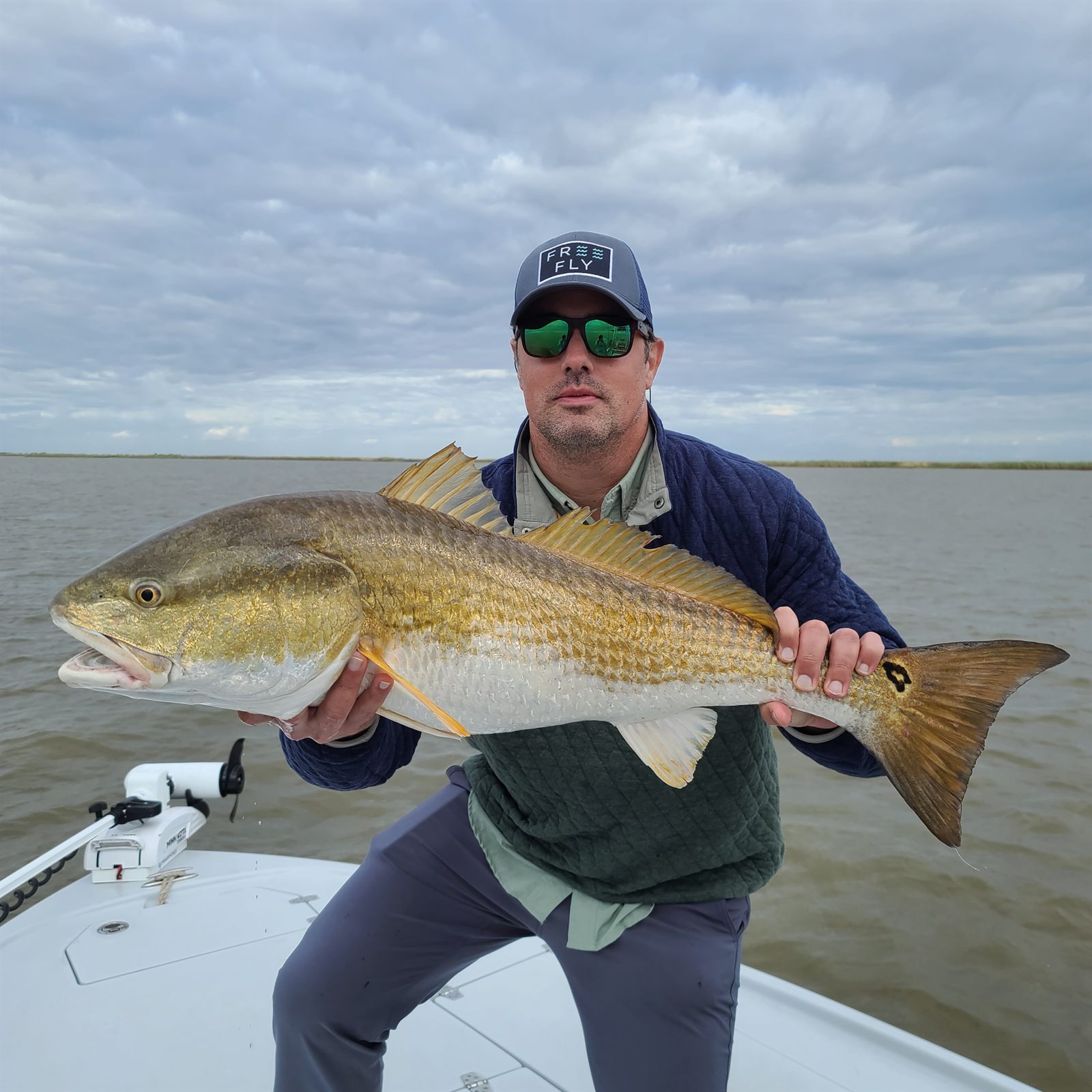
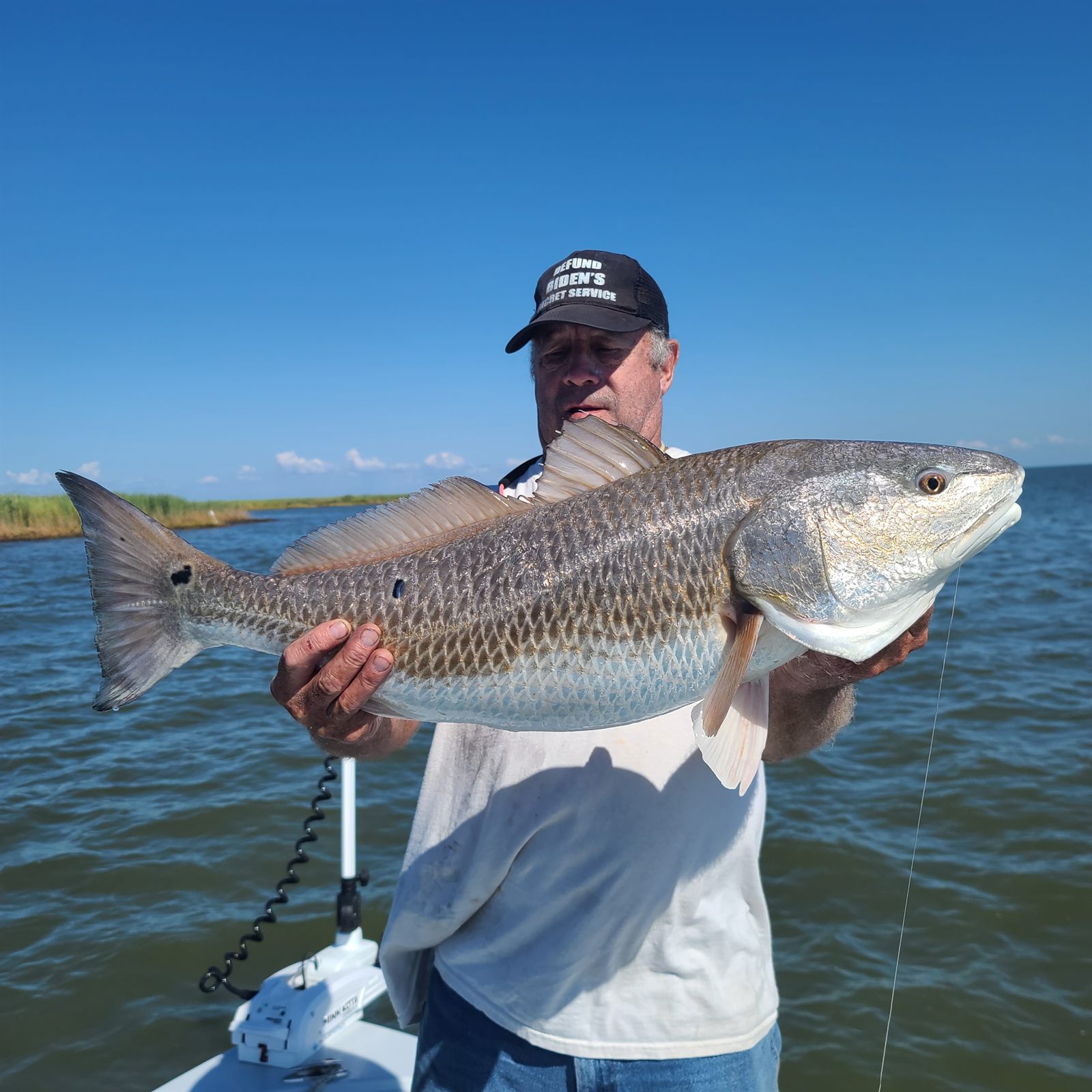
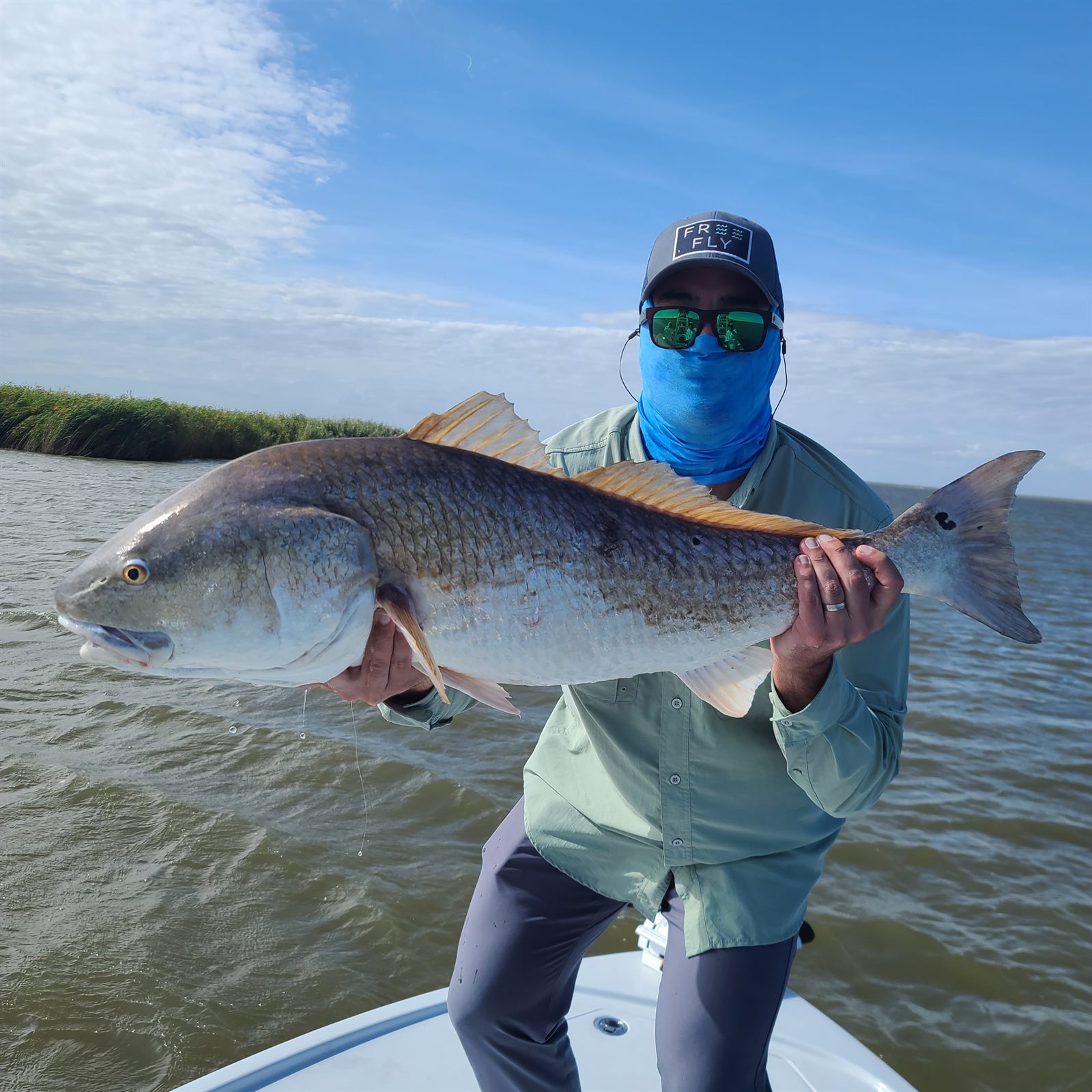
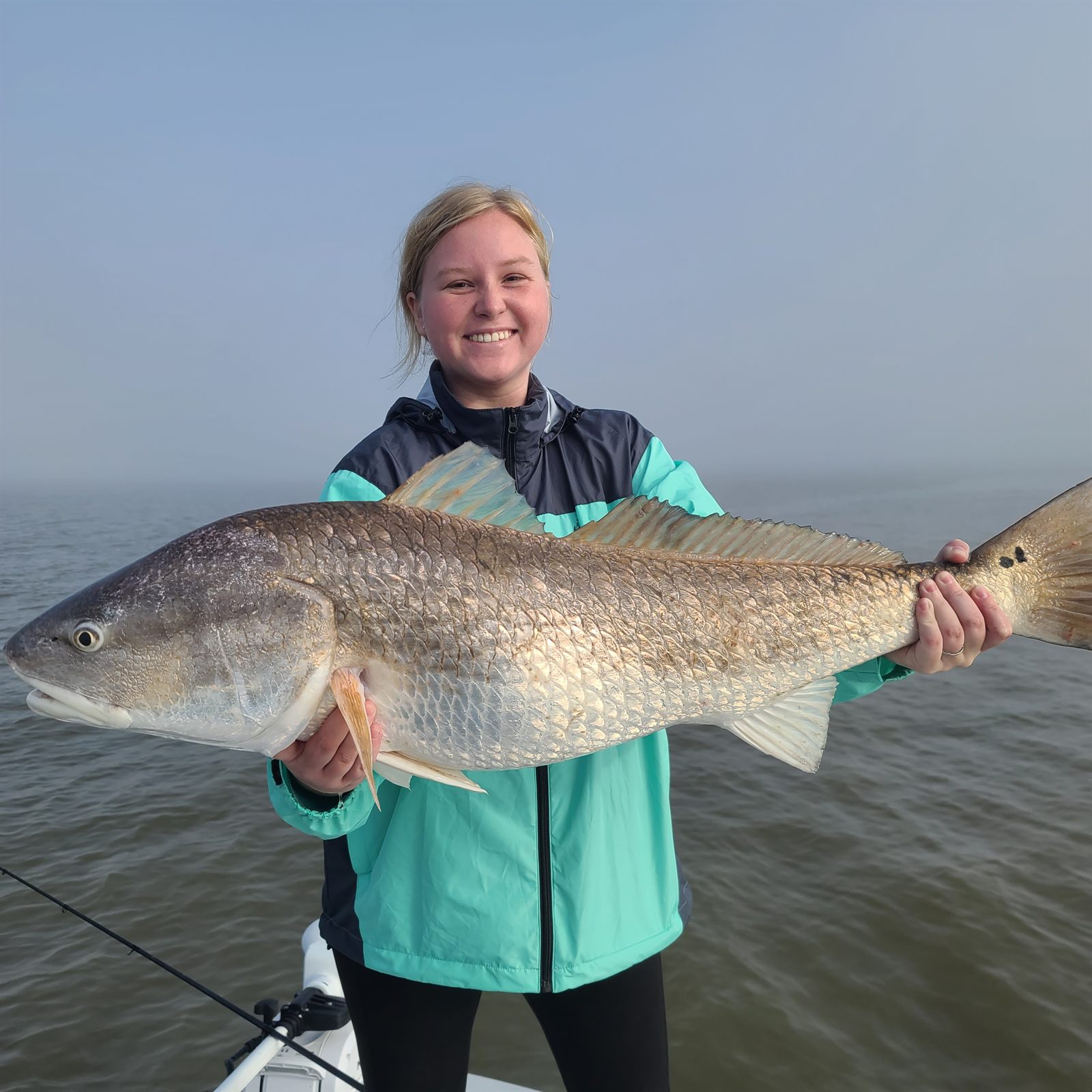
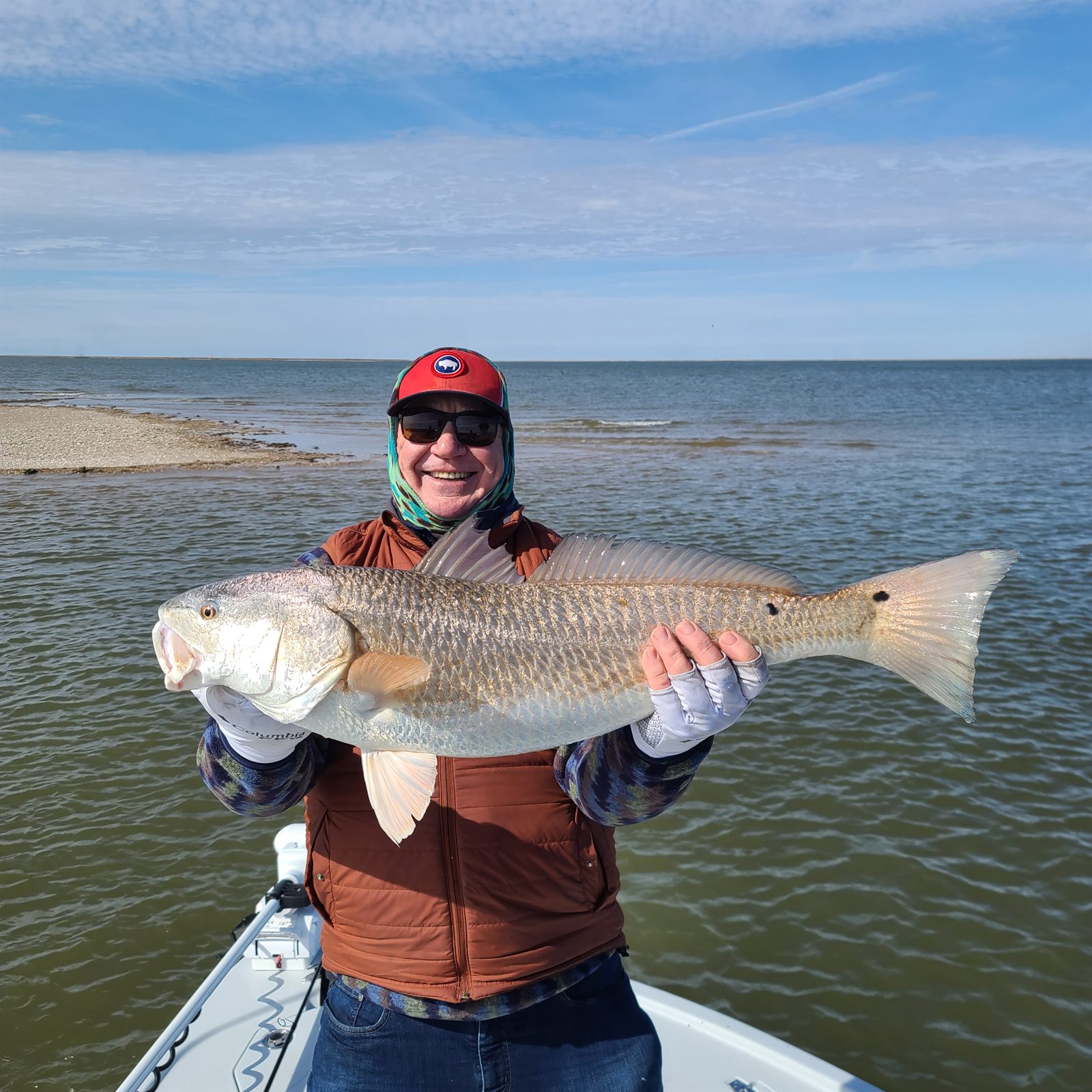
Most newcomers think the secret to a record-breaking catch is enduring the long travel distances and rough conditions of a deep sea trip, but the real monsters are lurking right here in the shallow grass of Vermilion Bay. It’s incredibly frustrating to lose your favorite lures to jagged oyster beds or watch your gear seize up from saltwater corrosion before you’ve even landed your first fish. We’ve all been there, and it’s easy to feel overwhelmed when you don’t know how the tides at Cypremort Point dictate where the Redfish are hiding.
You are about to transform your approach and master the marsh by sidestepping the common mistakes beginner anglers make that lead to empty coolers. Whether you’re launching from Lafayette or staying near Cypremort Point State Park, understanding the local environment is key to your success. This guide will show you how to read the water around Marsh Island and Cote Blanche Bay like a pro. We’ll cover everything from selecting the right tackle for our brackish lakes to the strategy needed for a full limit of Speckled Trout. Get ready to stop guessing and start fishing with the confidence of a seasoned Acadiana expert like Capt. Troy D Nash.
Key Takeaways
- Swap heavy gear for streamlined inshore tackle to avoid the fatigue and failure common in the shallow marsh.
- Master the “Deep Water Myth” by learning to hunt Redfish in the shallow flats of Cote Blanche Bay instead of seeking deep holes.
- Avoid common mistakes beginner anglers make by timing your trip with the tides to ensure bait is moving through the passes of Marsh Island.
- Guard your equipment against regional hazards like jagged oyster beds and hidden “Marsh Eyes” that can ruin a day on the water.
- Leverage the multi-generational heritage of a professional guide to gain a world-class advantage in the Vermilion Bay region.
Table of Contents
The Gear Trap: Overcomplicating Your Inshore Tackle
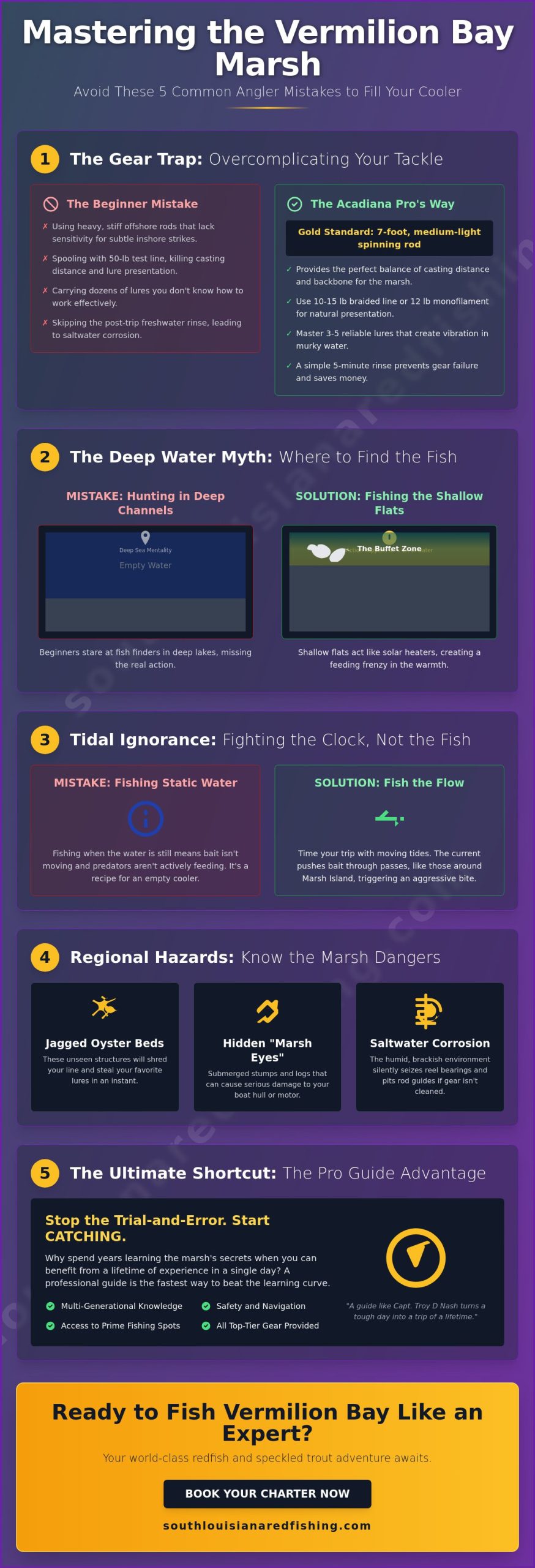
Stop dragging heavy offshore gear into the shallow grass. One of the most common mistakes beginner anglers make is assuming that “saltwater” automatically means “heavy duty.” Inshore tackle is a completely different beast designed for finesse, accuracy, and the specific physics of our brackish environment. While those stiff, heavy rods meant for the Gulf might look impressive, they’ll rob you of the sensitivity needed to feel a Speckled Trout’s subtle strike in the canals of Cypremort Point. Mastering angling techniques in the marsh requires gear that works with you, not against you.
Newcomers often fall victim to the “too many lures” syndrome. You don’t need a tackle shop’s worth of gear to be successful in East Cote Blanche Bay. Most pros will tell you that having three reliable lures you trust is better than fifty you don’t know how to work. Similarly, using the wrong line weight is a recipe for disaster. Spooling up with 50-pound test line for Redfish is overkill; it kills your casting distance and makes your lure look unnatural. Stick to 10 to 15-pound braided line or a quality 12-pound monofilament to get the best action out of your bait. A seven-foot, medium-light spinning rod is the undisputed gold standard for the Louisiana marsh because it provides the perfect balance of casting distance and backbone.
The Saltwater Maintenance Oversight
Lure Selection vs. Presentation
In the murky, tea-colored waters of the marsh, the “thump” of a lure is often more important than its color. Fish rely on their lateral lines to hunt in low visibility, so lures that move water or vibrate are highly effective. Don’t make the mistake of retrieving too fast during a South Louisiana winter; cold water slows a fish’s metabolism, requiring a much slower, more deliberate presentation. Before you head out, take some time to learn about the Louisiana fish you’ll be targeting, as knowing their habits is half the battle. Success in the marsh isn’t about the quantity of gear, it’s about the quality of your execution.
The Deep Water Myth: Where Beginners Lose the Game
Ditch the idea that you need a hundred feet of water to find a trophy. One of the most common mistakes beginner anglers make is bringing a “deep sea” mentality to the flats of Cote Blanche Bay. While deep sea trips involve long travel times and heavy costs to reach the fish, our world-class marsh fishing is accessible and immediate. In the open Gulf, you’re looking for structure deep below the surface; however, in our marshes, the action is often happening in less than a foot of water. A Redfish’s back might be sticking out of the grass while it hunts for shrimp in the shallows. If you’re staring at a fish finder in the middle of a lake, you’re missing the party happening right against the shoreline.
Learn to read the environment instead of relying solely on expensive electronics. You should look for “nervous water,” which is a ripple or shimmer that doesn’t match the surrounding wind patterns. This is often caused by a school of fish moving just below the surface. Following Louisiana’s Best Fishing Practices means training your eyes to spot these subtle signs. When you see that movement near the marsh grass, you’ve found the gold mine. Beginners who ignore these edges usually end up with empty coolers while the experts are hauling in limits.
Understanding the Marsh Thermocline
Water temperature is the engine that drives the marsh. In Vermilion Bay, the shallow flats act like a massive solar heater. The morning sun warms these areas quickly, sparking a feeding frenzy as baitfish become active in the heat. This is a massive departure from deep sea conditions where temperatures remain stable and fish are less influenced by the hourly sun. In the marsh, 12 inches of water is often better than 12 feet because that’s where the buffet is served. Understanding this thermal shift is crucial for success.
Finding the Honey Holes Near Cypremort Point
Newcomers often make the mistake of casting toward the middle of a lake, thinking more water equals more fish. In reality, you want to target the “pinch points” around Cypremort Point. Focus on weirs, canal mouths, and the tips of marsh points where the tide compresses bait into a small area. Understanding Louisiana redfish behavior patterns will show you that these fish are ambush predators. They wait for the current to bring dinner to them. If you want to see these patterns in action, booking a guided trip can cut years off your learning curve and put you on the fish immediately.
Tidal Ignorance: Fighting the Clock Instead of the Fish
Tides are the heartbeat of the Louisiana marsh. If the water isn’t moving, the fish aren’t eating. One of the most common mistakes beginner anglers make is fishing during “dead water,” also known as slack tide. When the current stops, baitfish stop moving, and the predators go dormant to conserve energy. You can have the most expensive tackle in the world, but if there’s no current to carry your lure’s vibration or scent, you’re likely just wasting your time. Success in our region requires you to sync your internal clock with the rhythm of the Gulf.
The passes around Marsh Island act like massive funnels for the entire ecosystem. As the tide shifts, it moves millions of shrimp, crabs, and cocohoe minnows through these narrow openings. A falling tide is a beginner’s best friend when hunting for Redfish. As the water drains out of the marsh grass, it flushes bait into the deeper bayous and canals where hungry predators wait in ambush. If you aren’t positioned to catch this “drain,” you’re missing the most productive window of the day. It is a world-class experience to watch the water boil with activity as the tide pulls dinner right to the fish.
However, ignoring the tide clock can lead to more than just an empty cooler. The shallow mudflats around Cypremort Point and West Cote Blanche Bay are notoriously unforgiving. If you venture too far into the backwater during a high tide and lose track of time, you might find your boat high and dry as the water recedes. Getting stuck on a mudflat is a long, hot, and potentially dangerous ordeal. Always check the local tide charts before you leave the dock at Cypremort Point State Park to ensure you have a safe exit route.
Reading the Current in Vermilion Bay
Positioning your boat correctly is a skill that separates the pros from the amateurs. You want to set up so the current brings the fish directly toward your lure. Never cast against the grain of the tide. This makes your presentation look unnatural and often results in your line getting snagged. Instead, cast up-current and let your lure drift naturally into the strike zone. Moving water is the single most important ingredient for success in the marsh.
The Moon Phase Connection
The moon dictates the intensity of the water movement on your weekend trip. During full or new moons, tides are much stronger and more aggressive. While this can trigger a massive feeding frenzy, it can also churn up the bottom and make the water too muddy for Speckled Trout. These fish are sight hunters and prefer clearer conditions. Planning your trip around a moderate tidal window ensures you have enough movement to trigger a bite without dealing with chocolate-colored water in the bay.
Regional Hazards: Oyster Beds and Marsh Eyes
Louisiana’s coastal landscape is a beautiful, shifting maze, but it’s also a minefield for the unprepared. One of the most common mistakes beginner anglers make is treating an oyster bed like a soft sandy bottom. These reefs are biological razors. They’ll shred a fiberglass hull or snap a 12-pound fluorocarbon leader in a heartbeat. Similarly, “Marsh Eyes” or submerged stumps are the ultimate threat to your lower unit. While deep sea fishing involves dodging massive swells, inshore navigation requires a constant, eagle-eyed focus on what’s lurking just inches below the surface. This is especially true near Burns Point, where the water can disappear faster than you can find the channel.
Etiquette is just as vital as navigation in our tight-knit community. A major blunder for newcomers is failing to respect “no-wake” zones in narrow Louisiana canals. Blasting past another boat at full throttle doesn’t just ruin their “bite” by spooking the fish; it’s a safety hazard that causes unnecessary erosion. When you see another angler, pull back the throttle and pass slowly. It’s the Cajun way, and it ensures everyone has a productive day on the water. If you want to skip the stress of navigating these hazards alone, book a guided fishing trip with an expert who has spent decades learning every hidden stump in the bay.
Navigating the Vermilion Bay Reefs
Identifying oyster reefs before you run aground is an essential skill. Look for areas where the water ripples differently or where white, bleached shells are visible at low tide. While these are dangerous for your boat, they are world-class hotspots for Black Drum and Speckled Trout. The “look but don’t touch” rule is your best friend here. Keep your big motor up and use a trolling motor or push pole to work the edges of the reef without making contact. This protects your equipment while putting your lure exactly where the trophies are feeding.
Marsh Etiquette and Safety
Safety in the marsh starts with preparation. The Louisiana sun is relentless, so high-SPF sunscreen and polarized sunglasses are non-negotiable pieces of gear. Beyond the sun, you must be aware of your surroundings to avoid ruining the experience for others. Give other boats plenty of space and never “crowd” a point that someone else is already fishing. Navigating the complexities of West Cote Blanche Bay requires deep-rooted expertise. This is why a local guide like Capt. Troy D Nash is vital. A pro doesn’t just find the fish; they ensure you navigate the hazards safely and return to the dock with your equipment intact.
The Ultimate Shortcut: Why a Pro Guide Beats the Learning Curve
The marsh is a beautiful but unforgiving classroom. You can spend three years failing the test on your own, or you can spend one day with a pro and graduate to trophy status immediately. Most of the common mistakes beginner anglers make stem from a simple lack of local context. You don’t just need a boat; you need a guide who understands the shifting sands of East Cote Blanche Bay and the specific weirs of Marsh Island. Hiring a professional is the ultimate shortcut to success. It turns a potentially frustrating outing into a legendary journey through the heart of Acadiana.
Success in the Cote Blanche Bays requires a specific kind of intuition that can’t be found in a manual. It is about knowing which canal mouth will hold bait on a falling tide and which shoreline will be protected from a stiff south wind. This 3rd generation knowledge is the secret weapon that turns a quiet morning into a high-energy feeding frenzy. While other areas might offer generic charters, our focus on the Vermilion Bay region ensures you are in the premier destination for Redfish and Speckled Trout. We don’t just find fish; we share the deep-rooted heritage of our coast with every guest.
The Captain Troy D Nash Difference
Capt. Troy D Nash provides the seasoned expertise that only comes from decades of professional tenure. He has navigated these waters since he was a boy, building a reliable understanding of the Vermilion Bay ecosystem. Why struggle with complex technical equipment or worry about saltwater corrosion on your own gear? A pro handles the preparation and mastery of every category of equipment so you can focus on the thrill of the strike. This local expertise is your best insurance against a wasted trip. You get to skip the trial and error and go straight to landing a limit of South Louisiana trophies.
Beyond the Boat: The Lafayette Experience
Your adventure doesn’t end at the dock. We believe Louisiana fishing trips should be complete cultural immersions that stay with you forever. After a successful day at Cypremort Point, head back to Lafayette to indulge in the world’s best Cajun food. From spicy crawfish boils to authentic boudin, the local flavors are as legendary as the fishing itself. There are so many incredible Lafayette things to do that your trip becomes a major life event for the whole family. Use Cypremort Point State Park as your base camp and launch into an unforgettable journey. Don’t wait for the season to pass you by. Secure your spot on the boat and book your guided trip today.
Conquer the Marsh and Land Your Trophy Today
Mastering the Louisiana marsh isn’t about expensive tackle or the long travel times associated with deep sea trips. It’s about respecting the tides and knowing exactly where the Redfish hide in the shallow grass of Cote Blanche Bay. You’ve learned how to sidestep the gear traps and regional navigation hazards that often derail a rookie’s weekend. By identifying the common mistakes beginner anglers make, you’ve already put yourself miles ahead of the average fisherman.
Now it’s time to put that knowledge into action with a world-class professional. Book Your South Louisiana Fishing Adventure with Capt. Troy Nash to experience the ultimate Acadiana journey. With decades of Vermilion Bay expertise and the heritage of a 3rd generation local guide, we ensure your trip is both safe and successful. We provide all the professional gear you need, so you can focus entirely on the excitement of the strike. The Redfish are waiting in the flats, and the perfect tide is just around the corner. We can’t wait to see you on the water!
Frequently Asked Questions
What is the most common mistake when casting for Redfish?
The most common mistake when casting for Redfish is failing to target the immediate shoreline or marsh grass edges. These fish are ambush predators that love to hide in less than 12 inches of water. If you’re casting into the middle of a deep canal, you’re likely missing the fish entirely. Aim your lure within inches of the grass to trigger a strike from a hungry Redfish waiting for bait to flush out.
Do I really need a guide for inshore fishing in Vermilion Bay?
While you can fish on your own, a guide is essential for navigating the complex oyster reefs and hidden stumps of Vermilion Bay. Newcomers often struggle to read the water and can easily damage their equipment or get lost in the winding canals. A professional like Capt. Troy D Nash provides the local expertise needed to find the fish safely, ensuring your trip is productive and stress-free.
Is saltwater fishing different from freshwater fishing for beginners?
Saltwater fishing differs from freshwater primarily because of the tidal influence and the corrosive nature of the environment. In the marsh, the water’s movement dictates when fish eat, which is a concept many freshwater anglers overlook. Additionally, saltwater gear requires immediate freshwater rinsing to prevent damage. Understanding these environmental shifts is one of the common mistakes beginner anglers make when transitioning from lakes to the coast.
What happens if I get my boat stuck on a mudflat in the marsh?
If you get stuck on a mudflat, you will likely have to wait several hours for the next high tide to lift your boat. This is a dangerous and exhausting situation that often happens when boaters ignore the tide clock near Burns Point. It’s much safer to follow a seasoned pro who knows the depths of every canal and can navigate the shallow bays without risk of grounding.
How much tackle should a beginner bring on a charter?
You don’t need to bring any tackle when you book a guided trip with us. We provide all the professional rods, reels, and lures specifically selected for the Vermilion Bay region. Carrying a massive tackle box is actually one of the common mistakes beginner anglers make, as it just gets in the way. Focus on bringing your sun protection and let the experts handle the technical gear.
Can I catch Redfish in the Louisiana marsh without a boat?
You can catch Redfish from the shore at locations like Cypremort Point State Park or the public piers near Burns Point. However, a boat is necessary to reach the premier honey holes around Marsh Island and the backwaters of Cote Blanche Bay. Accessing these secluded areas significantly increases your chances of landing a limit of Redfish or Speckled Trout compared to bank fishing.
What is the best time of day to avoid beginner mistakes and catch fish?
The best time to catch fish is during periods of moving water, regardless of the specific hour on the clock. While early morning often provides a great topwater bite, the incoming or outgoing tide is the real driver of activity. Beginners who fish during slack water often leave empty-handed. Always plan your trip around the tidal windows to ensure the bait is flushing through the marsh.
Is it better to fish inshore or offshore for my first Louisiana trip?
Inshore fishing is the superior choice for a first trip because it offers more action with less travel time and lower costs. Deep sea fishing often involves long, bumpy rides and can be ruined by rough sea conditions or seasonal closures. In the marsh, the water is calmer, the fish are abundant, and you can spend more time actually catching Redfish and Trout rather than just traveling.