Vermilion Bay Tide Chart Fishing: The Ultimate Guide to Timing Your Epic Catch

Last Friday, local angler Mike discovered that three inches of moving water at a Marsh Island weir is worth more than a full day of casting into a stagnant bayou. It’s a frustrating reality many face when they hit the water without a clear plan. You know the exhausting feeling of watching your bait sit motionless while the sun beats down on “dead” water. It’s the ultimate buzzkill for any trip. Mastering vermilion bay tide chart fishing is the absolute key to ensuring you don’t end up stuck on a mudflat while the Bull Reds are feeding elsewhere.

I’ve spent over 25 years as a 3rd generation guide learning these local rhythms, and I’m here to help you turn that data into an epic adventure. You’ll learn exactly how to predict the peak bite windows across Cypremort Point and the reefs of West Cote Blanche Bay. We’re diving into the specific tidal movements that trigger aggressive strikes so you can maximize every single minute on the water. From reading the weirs to timing the flats, he’s got you covered for your next legendary catch. Get ready to experience the thrill of a perfectly timed trip.

Key Takeaways

  • Master the unique diurnal cycle of Southwest Pass to understand how one high and one low tide per day dictates your success with vermilion bay tide chart fishing.
  • Learn to time the “Dinner Bell” effect by targeting marsh drains and bayou mouths as falling tides dislodge baitfish for hungry Reds and Trout.
  • Discover how South Louisiana winds can “stack” or “drain” the shallow bay, creating “wind tides” that are often more critical than the moon phase.
  • Pinpoint the best tidal windows to fish the “waterfall” effect at Marsh Island weirs and the deep-water superhighway of Southwest Pass.
  • Find out why a 3rd generation guide’s mental logs of water color and pressure offer a massive advantage over standard tide apps for your next epic adventure.

Decoding the Vermilion Bay Tide Chart for Fishing Success

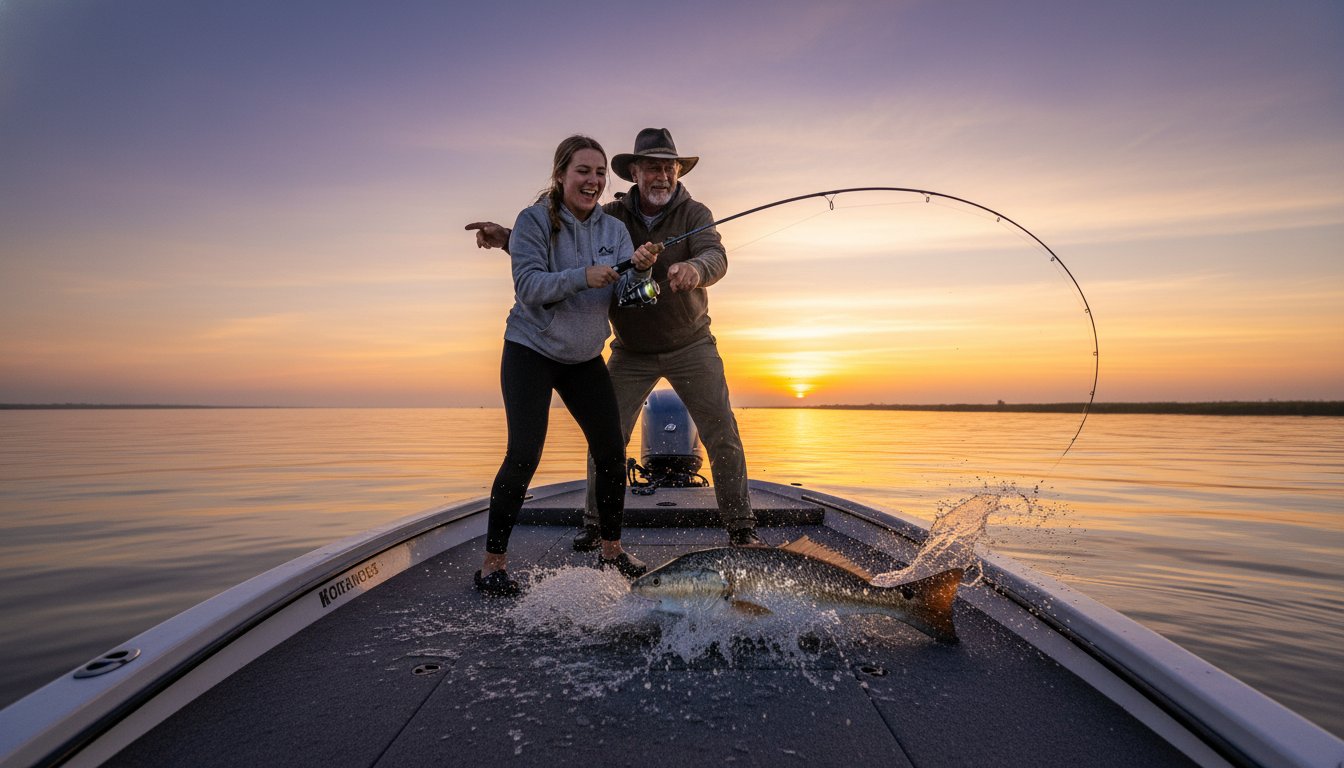
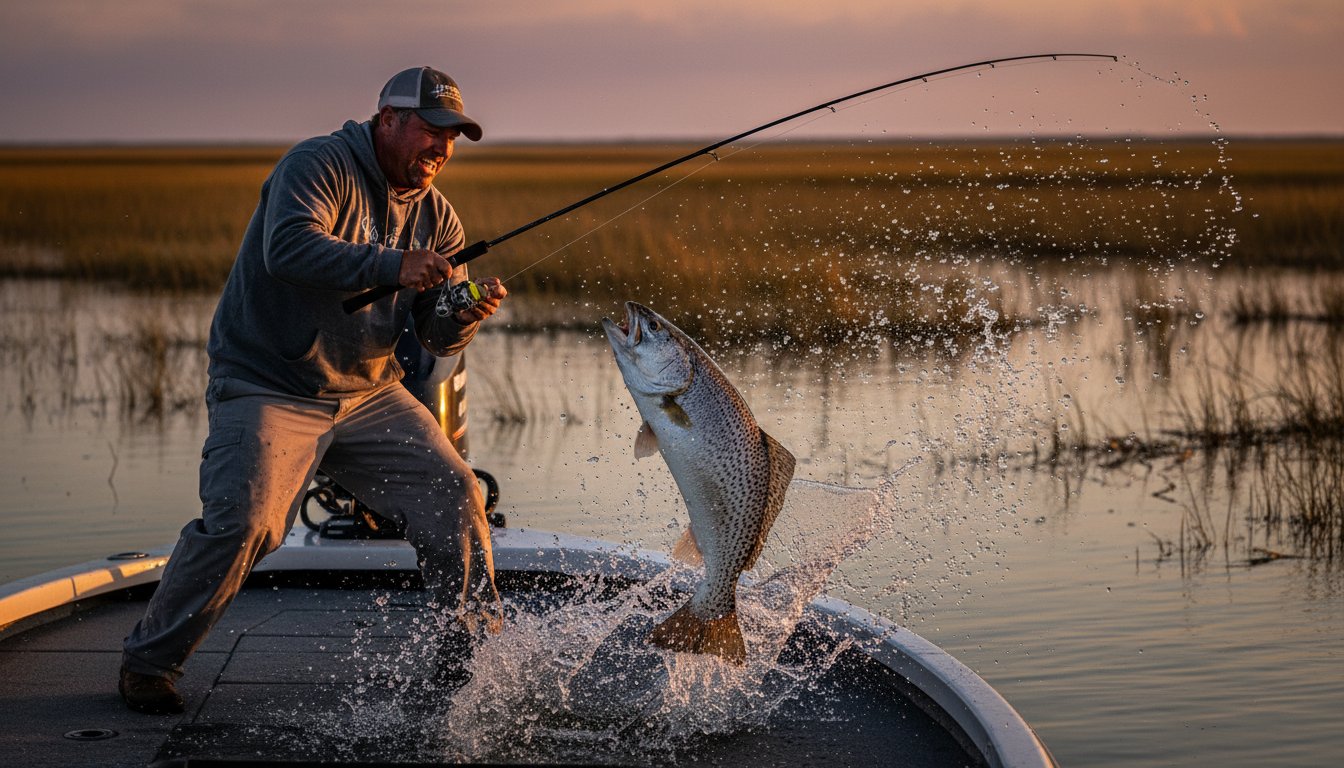
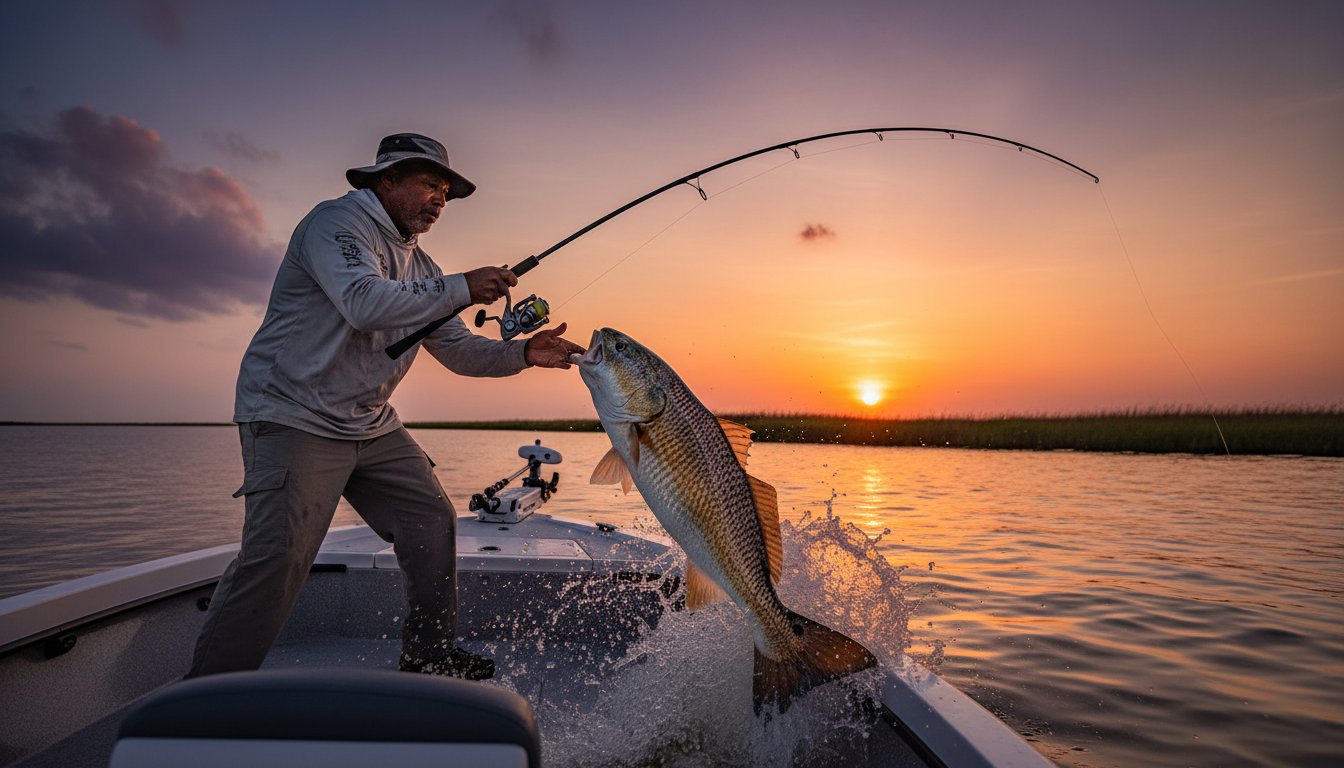
Experience the thrill of a screaming reel in the heart of the Louisiana marsh. To limit out on speckled trout or giant bull reds, you have to master the vermilion bay tide chart fishing data before you ever launch the boat. Most beginners look at a chart and only see high or low numbers. Expert guides with 25 years of experience know better. A tide chart represents the vertical rise and fall of water levels. However, the horizontal flow, or current, is what actually triggers a feeding frenzy. Understanding what causes tides through lunar gravitational pulls is the first step in predicting where those fish will stack up against the grass lines. Your epic adventure begins when you learn to hunt the current, not just the clock.

Vermilion Bay and the Southwest Pass operate on a unique diurnal tide cycle. This means the area typically sees one high and one low tide every 24 hours. This differs from the semi-diurnal cycles found in other areas like the Atlantic coast or even parts of the Florida Panhandle. Because you only get one major move per day, timing is everything. If you miss the window of moving water, you’re looking at “Dead Water.” Slack tide is the enemy of the inshore angler. When the current stops, baitfish stop moving, and predators like flounder and redfish hunker down. You want to be on your favorite oyster reef or weir when the water is pushing shrimp and mullet right into the strike zone.

To maximize your time on the water, use the rule of thirds. This rule states that in a typical tidal move, the current velocity isn’t consistent throughout the cycle. During the first hour of a move, about 12.5% of the water volume shifts. In the second hour, that jumps to 25%. By the middle two hours, 50% of the total volume of water is rushing through the passes. This is the peak velocity window where the bite usually turns on. Unlike the deep sea environments where current can be overwhelming, the 1.5 to 2.0 knots of flow in our bayous creates the perfect ambush scenario for trophy catches.

Reading Tide Heights: Mean Lower Low Water (MLLW)

The “zero” on your vermilion bay tide chart fishing app represents the Mean Lower Low Water. This is an average of the lowest daily tide recorded over a 19 year period. When you see a negative tide, such as -0.4 feet, you must use caution. In the shallow marsh ponds near Cypremort Point, a few inches of water is the difference between a successful day and a damaged prop. A 1.0 foot tide in our shallow bay is a massive volume of water, whereas in deep offshore canyons, it’s barely a ripple. Know your hull’s draft and watch the flats carefully.

Tidal Coefficients and Solunar Influence

The debate between Spring and Neap tides is constant among locals. During full and new moons, the gravitational pull is strongest, creating “Spring Tides” with 20% more range and faster currents. While more movement is usually better, too much can stir up silt in East Cote Blanche Bay, killing the water clarity. We use solunar major and minor periods to narrow the bite window even further. A major period lasting 120 minutes that aligns with a falling tide at a Marsh Island weir is a recipe for success. He’s got you covered with the local knowledge to pick the right moon phase for your trip.

How Tidal Movement Dictates Redfish and Trout Behavior

Successful angling in South Louisiana isn’t about luck; it’s about timing. When you’re working the marshes around Cypremort Point, mastering the vermilion bay tide chart fishing schedule is your ticket to success. Think of the tide as a dinner bell. As the water begins to move, it acts as a conveyor belt for the entire ecosystem. Moving water dislodges shrimp, cocahoes, and juvenile crabs from the safety of the thick marsh grass. This creates a feeding frenzy. Predators like Redfish and Speckled Trout know exactly where to wait for this easy meal. Understanding the science behind these shifts, such as the educational resources found at NOAA Tides & Currents, gives you the edge needed to predict exactly when the bite will turn on. While other areas like Venice offer different structures, our local bays rely heavily on these horizontal water movements to concentrate fish.

The Falling Tide: The Inshore Angler’s Best Friend

The first 120 minutes of a falling tide are often the most explosive for Bull Reds and heavy limits of keepers. As the water level drops, the marsh drains. This forces every living thing out of the shallow grass and into the deeper bayous. You want to position your boat at “ambush points” where canal intersections or marsh drains meet the main bayou flow.

  • The Strategy: Set your anchor or Power-Pole up-current from a drain. Cast your lure directly into the mouth of the run-out and let the current sweep it back naturally.
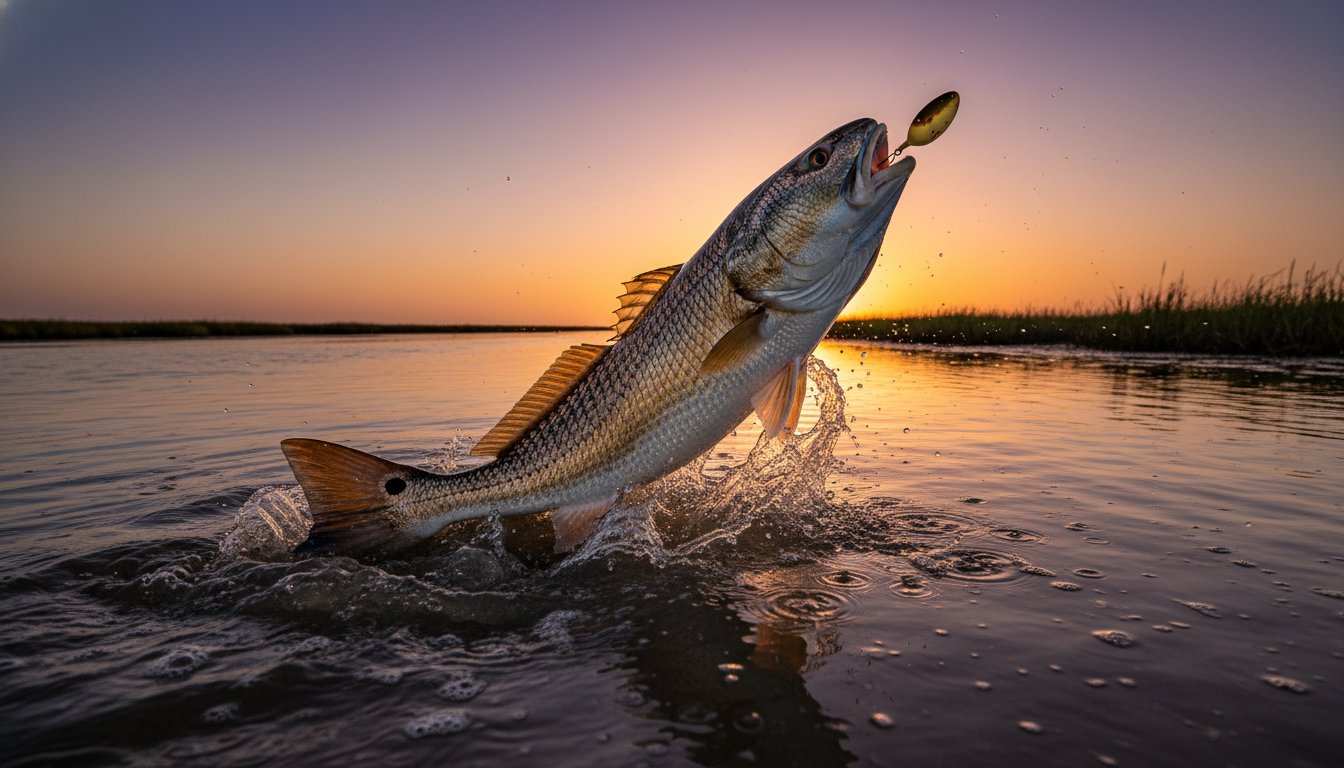
  • The Gear: 3.5-inch paddletails on a 1/4 oz jig head or a classic 1/2 oz gold spoon are legendary here. The vibration of a paddletail mimics a fleeing baitfish perfectly in the murky, moving water.
  • The Target: Focus on the swirling eddies created by the current hitting a point or a cluster of oysters.

The Rising Tide: Scouting the Flats

When the tide pushes back in, it brings life back to the shallows. This is the time to hunt the flats and oyster beds near South Marsh Island. Rising water allows Redfish to reach “virgin” grass beds that were high and dry just two hours prior. This provides an epic sight-fishing opportunity. Look for “crawling” reds with their backs or tails breaking the surface as they root for crabs in the newly flooded grass.

In the East and West Cote Blanche Bays, a rising tide often pushes in cleaner, high-salinity water from the Gulf. This clarity is vital for Speckled Trout, which prefer to hunt by sight. While Redfish stay tight to the grass, Speckled Trout usually hold in the slightly deeper water of the passes or over submerged reefs. They wait for the clean water to bring in schools of menhaden. Relying on a vermilion bay tide chart fishing plan ensures you’re in the right spot before the water gets too deep to spot the fish. If you want to see these patterns in action with a pro, you can always book an epic adventure to see how a veteran guide reads the water in real-time. Captains with 25 years of experience don’t just look at the clock; they look at the grass lines and the way the bait reacts to every inch of water movement.

The ‘Wind Tide’ Factor: Why the Chart Might Lie to You

Experience the thrill of a perfect morning on the water, but don’t let a standard vermilion bay tide chart fishing report be your only guide. Vermilion Bay is a unique beast. It functions like a massive, shallow bowl with an average depth of only 6 to 10 feet. Because the water is so thin, the wind often exerts more control over the water level than the moon’s gravitational pull. A seasoned guide knows that a “high tide” on paper can quickly become a “low tide” in reality if the wind isn’t cooperating.

South winds act like a giant plunger, shoving Gulf water through Southwest Pass and stacking it deep into East Cote Blanche Bay and Cypremort Point. This can create an artificial high tide that lasts for days. On the flip side, a strong North wind drains the bay like a pulled bathtub plug. During a winter “Norther,” you might see the muddy bottom of a canal that usually holds 4 feet of water. It’s a dramatic shift that catches many off-guard. A sustained 15mph North wind can negate a 1-foot lunar high tide.

Safety is the primary concern when these forces collide. When a stiff South wind pushes against a falling tide, it creates the “square wave” chop that Vermilion is famous for. This isn’t the rolling swell you find in other areas like Venice; it’s a tight, violent mess that can swamp a smaller bay boat. Your epic adventure depends on reading these conditions before you leave the dock at Cypremort Point State Park.

Calculating the ‘Real’ Water Level

Mastering the math of the marsh is essential for a successful day. You must combine the forecasted tide height with the wind’s speed and direction to find the “real” water level. If the chart predicts a 1.2-foot rise but a 20-knot North wind is howling, expect the water to actually drop. This creates dangerous trap scenarios. You might cruise into a back bayou near Burns Point on a rising lunar tide, only to find yourself high and dry two hours later because the wind shifted. The water can retreat 18 inches in a single afternoon, leaving you stuck until the wind dies down.

Strategic Adjustments for Wind-Driven Tides

When the wind picks up, your strategy must pivot immediately. Don’t fight the elements; use them. Look for leeward shorelines in Weeks Bay where the land provides a buffer against the gusts. These protected pockets often hold clearer water and calmer conditions. You can also use the wind to your advantage by fishing the windward banks of Marsh Island. A steady South wind pushes shrimp and menhaden directly against the grass lines, creating a buffet for predators. Understanding Redfish behavior helps you realize that these fish follow the bait regardless of what the lunar chart suggests. He’s got you covered if you know where the bait is stacking.

The biggest challenge with wind-driven tides is the “dirty” water factor. Strong winds churn up the soft, silty bottom of the bay, turning the water into something resembling chocolate milk. If your visibility drops below 6 inches, the bite will likely stall. Game fish like Speckled Trout and Redfish are sight hunters. You must hunt for “green” water, which is often found behind marsh weirs or inside protected coves where the grass filters out the sediment. Finding that pocket of clean water is often the difference between a slow day and limiting out on giants.

Top Locations to Fish the Tide in South Louisiana

Southwest Pass serves as the primary superhighway for massive schools of Redfish and Speckled Trout moving between the Gulf and the Bay. With depths reaching over 100 feet in the center of the pass, the current here moves with incredible force. You’ll want to consult your vermilion bay tide chart fishing data to time the first two hours of a falling tide. This is when bait gets sucked out of the bay toward the Gulf, creating a concentrated feeding frenzy that is hard to beat. He’s got you covered if you want to see how the big fish handle that heavy moving water.

The Marsh Island Weirs offer a unique tactical advantage for those seeking heavy Black Drum and Reds. As the tide drops, water pours over these structures like a literal waterfall. This process oxygenates the water and traps baitfish against the structure. On a 1.5-foot tide drop, these weirs become high-activity zones. You can often see 30-inch bull reds stacked up in the turbulence; it’s an incredible sight for any angler. It’s a localized phenomenon that requires perfect timing to witness the peak action.

Reefs in the Cote Blanche area require a more nuanced approach. Submerged oyster bars act as speed bumps for the tide. The sweet spot is usually the down-current side where the depth changes from 4 feet to 8 feet rapidly. Positioning your boat to cast across these transitions ensures your lure mimics a disoriented shrimp or minnow. This is where 25 years of local experience really pays off for our clients. We know exactly which oyster mounds hold fish when the water starts to move.

Weeks Bay and the Avery Island canals provide a different challenge due to lower salinity levels. These areas are influenced by freshwater runoff, making them prime territory for Redfish that prefer brackish environments. When using your vermilion bay tide chart fishing tools, look for the incoming tide to push saltier water into these canals. This movement often triggers a bite from fish that have been lethargic during the slack period. It’s a tactical game of following the salt.

Fishing the Marsh Island Shoreline

Focus your efforts on the prominent points where the current wraps around the island’s edge. The southern shoreline features numerous gaps and cuts that act as natural drainage pipes for the interior marsh. During a falling tide, these spots produce epic Redfish encounters. It’s common to find schools of hungry fish waiting at the mouth of a single 4-foot wide cut. This is where the thrill of sight-fishing truly comes alive for our guests.

The Oil Rigs and Reefs of the Nearshore Gulf

Transitioning to the nearshore rigs offers a different rhythm. Unlike the long travel times and high fuel costs associated with Venice or other distant deep-sea destinations, these rigs are just a short run from Cypremort Point. During slack water, visibility around the pilings improves significantly. This is the best time to target Tripletail and Sheepshead. Inshore tides are far more critical for success here than the deep-water drifts found in offshore territories. Captain Troy knows exactly which rig is holding fish based on the day’s flow.

Ready to experience the best Redfish fishing in the United States? Book your next epic adventure with a veteran guide who knows these tides inside and out.

Why an Expert Guide Beats a Tide Chart Every Time

A digital app can tell you when the water is supposed to move, but it’s blind to the actual conditions on the ground. If you rely solely on a vermilion bay tide chart fishing app, you’ll miss the fact that a 15-knot south wind just pushed a wall of chocolate-colored water into your favorite marsh drain. Apps don’t see water clarity, and they certainly don’t feel the barometric pressure drops that trigger a feeding frenzy. Captain Troy Nash brings a 3rd generation advantage to every trip. With over 25 years of full-time guiding experience, he’s built a mental log that no software can replicate. He understands how the Redfish and Speckled Trout react when the sky turns gray or the wind shifts unexpectedly.

Climbing aboard our boat means you can leave the charts at home. We handle the complex math of tide offsets and moon phases so you don’t have to. Success in the marsh requires more than just knowing when the tide is high. It requires knowing which specific oyster beds or weirs will hold bait when that water starts to recede. While “other areas” like Venice might require grueling boat rides to find clear water, we use our local knowledge to find the bite right here in our backyard. We’ve spent decades learning the nuances of Weeks Bay and East Cote Blanche Bay, ensuring you’re always in the right spot at the right time.

The thrill of the hunt often requires a mid-trip pivot. If the tide stalls or the wind picks up, we don’t just sit there waiting for the numbers on a screen to change. We move. We might shift from the interior grass flats of Marsh Island to the deeper nearshore oil rigs or rock piles. This flexibility is what separates a frustrating day on the water from an epic adventure. We’re constantly reading the birds, the bait movement, and the water texture to stay one step ahead of the fish. You won’t find that kind of real-time analysis on any free download.

The Value of Local Experience at Cypremort Point

Navigating the waters around Cypremort Point requires more than a standard GPS. Shifting sandbars and submerged hazards can ruin a lower unit in seconds for the uninitiated. A veteran guide knows the “hidden” paths through the shallows that don’t appear on any digital map. Even on “dead” tide days with minimal water movement, 25 years of experience helps us find the “bite” in narrow canals where the current is compressed. You can experience the thrill of a worry-free day where your only job is to focus on the rod and the next big strike.

Ready for Your Epic Adventure?

Every South Louisiana Redfishing charter is a fully equipped experience. We provide the high-quality rods, reels, and tackle needed to land giant bull reds and hard-fighting Black Drum. We even supply the bait and ice. When you book, we don’t just pick a random start time. We analyze the specific vermilion bay tide chart fishing data for your date to recommend the optimal launch window for success. Whether you prefer fly, spin, or baitcast, he’s got you covered for a world-class day on the water.

Book Your Epic Vermilion Bay Adventure Today!

Claim Your Prize on the Vermilion Bay Flats

Mastering vermilion bay tide chart fishing requires more than just reading a graph. You’ve got to account for the South Louisiana wind that can push water into the marsh or drain it faster than any printed table predicts. Success hinges on knowing exactly how the 2 daily tidal cycles interact with the 5 major weirs at Marsh Island and the shallow oyster beds near Cypremort Point. While a chart provides a baseline, it can’t account for the real-time shifts that trigger a massive Redfish feeding frenzy.

Don’t leave your 2026 trip to chance. Captain Troy Nash is a 3rd generation veteran guide with over 25 years of local experience navigating these specific bayous and shorelines. He’s got you covered with all the tackle and licensing guidance needed for an epic day on the water. You’ll spend your time catching fish rather than making the 60 mile boat runs common in other areas like Venice. It’s time to trade the guesswork for a guaranteed adventure in the heart of South Louisiana.

Experience the Thrill-Book Your 2026 Vermilion Bay Charter!

The bull reds are waiting for the tide to turn. We’ll see you on the boat!

Frequently Asked Questions

What is the best tide for redfish in Vermilion Bay?

A falling tide is the absolute best for catching bull reds in the Vermilion Bay marshes. As the water drops, it pulls shrimp and baitfish out of the grass into the deeper bayous where reds wait to strike. Look for a 0.5 to 1.0 foot drop over a six hour window for the most aggressive feeding. This movement creates a conveyor belt of food that helps you limit out quickly on an epic adventure.

Does the tide matter for fishing near the oil rigs?

Yes, the tide is critical when fishing the closest oil rigs in West Cote Blanche Bay because it dictates how fish position around the structure. You want a steady current of at least 0.3 knots to push bait against the legs of the rig. When the water moves, speckled trout and sheepshead stack up on the upcurrent side. Without that flow, the fish scatter, making it harder to find a concentrated school.

How do I know if the water is too low to get my boat into Marsh Island?

You’ll know the water is too low if the tide gauge at Cypremort Point reads below 0.2 feet during a north wind. Navigating the weirs and shallow canals of Marsh Island requires at least 18 inches of clearance for most bay boats. If you see mud flats exposed near the shoreline, it’s a signal to stick to the deeper passes. Always check your vermilion bay tide chart fishing data before heading into the interior ponds.

Is a rising tide better than a falling tide for speckled trout?

A rising tide is generally superior for speckled trout because it brings cooler, saltier water from the Gulf into the bay. This influx of clean water often triggers a feeding frenzy near oyster beds and reefs. Aim for a 0.8 foot rise to see the best results. While a falling tide works, the incoming push is when you’ll find those giant specks roaming the flats for a real thrill.

What happens to the fishing if the tide doesn’t move at all?

Fishing usually grinds to a halt when there’s a slack tide with zero movement for more than 45 minutes. Without a current, predatory fish like flounder and redfish stop patrolling the shorelines. You might catch a few, but it’s nothing like the action during a 1.2 foot tidal swing. If the water is stagnant, try moving to deeper channels where even a slight subsurface flow might still exist to find the bite.

How much does the wind affect the tide chart in Cypremort Point?

A strong north wind over 15 mph can push water out of the bay, making the actual level 1 foot lower than predicted on your vermilion bay tide chart fishing app. Conversely, a steady south wind piles water into the marsh, creating higher levels than expected. This wind factor is why local expertise is vital. Unlike deeper areas like Venice, our shallow bays are highly sensitive to these 24 hour weather shifts.

Can you catch fish during a negative tide in South Louisiana?

You can catch massive fish during a negative tide by targeting the deep holes in major bayous like those near Weeks Bay. When the tide hits -0.5 feet, fish are forced out of the shallow grass and into concentrated pockets of water. This is a prime time to find bull reds and black drum stacked in 6 to 10 feet of water. It’s a high stakes way to fish that often leads to success.

Where is the best place to launch a boat to access Vermilion Bay tides?

The Cypremort Point State Park boat launch is the premier spot to access the best tides in the region. It features 4 paved ramps and puts you within a 15 minute run of the best reefs and Marsh Island weirs. Launching here saves you time and fuel compared to other launches. It’s the perfect starting point for your epic adventure in South Louisiana’s most productive inshore waters today.
Best Redfish Lures for Louisiana: The Ultimate 2026 Guide to Vermilion Bay Success

Most anglers leave 40% of their tackle budget snagged on the oyster reefs of Vermilion Bay before they ever feel a thump on the line. It’s frustrating to cast expensive gear into turbid water only to have it disappear into the shell banks or get ignored by fish that simply can’t see it. You want a simplified tackle box that actually works when the tide starts moving through the weirs at Marsh Island. I’ve spent over 25 years as a 3rd-generation guide learning exactly which setups produce results. While other areas like Venice offer different challenges, our shallow flats require a specialized touch. I’ll show you why the best redfish lures for louisiana are the ones designed to navigate our unique inshore terrain.

We agree that nothing beats the thrill of a bull red exploding on an artificial, but you’re tired of the guesswork and lost gear. This guide will help you master the marsh with expert lure selections and the specific weedless rigging secrets I use every day to keep my clients hooked up. We’re diving into the top-performing artificials for 2026, including how to choose between topwater and subsurface options for the grass flats near Cypremort Point and Weeks Bay.

Key Takeaways

  • Discover why the gold spoon remains the undisputed king of the marsh and how to select the best redfish lures for louisiana to handle the unique, murky conditions of Vermilion Bay.
  • Learn the specific tactics for pulling bull reds out of the current at local weirs and navigating the rugged oyster beds of West Cote Blanche Bay without snagging.
  • Master marsh-proof rigging secrets, including the “Texas Rig” and specialized leader selection, to ensure your lure stays in the strike zone through the thickest grass.
  • Gain insider knowledge from a veteran guide on why vibration and durability are more critical in our local bayous than in the clearer waters of other areas like Venice.
  • Find out how 25 years of 3rd-generation experience at Cypremort Point helps you bypass the tackle shop guesswork for a truly epic fishing adventure.

Mastering the Vermilion Bay Arsenal: What Makes a Great Redfish Lure?

Experience the thrill of a screaming reel in the heart of the Louisiana marsh. Finding the best redfish lures for louisiana starts with understanding that our backyard isn’t a swimming pool. In the expansive 13,000-acre stretch of Vermilion Bay and the surrounding shorelines of Marsh Island, the “perfect” lure must survive a brutal environment. It needs three core traits: extreme durability, high vibration, and weedless capability. You’re hunting 30-pound bull reds that can crush cheap plastic in a single strike, so your gear must be as tough as the 3rd generation guides who fish here.

Vermilion Bay requires a specialized approach compared to other areas like Venice. While Venice often offers higher visibility, our local waters around Cypremort Point are frequently turbid. You can’t rely on a fish seeing your offering from 10 feet away. Instead, you need lures that displace water. This displacement allows the Red drum (Sciaenops ocellatus) to “hear” your lure through its sensory organs long before it sees it. It’s the difference between a successful limit and a quiet boat ride home.

As a veteran guide with over 25 years of experience, I’ve seen artificials out-fish live bait for bull reds time and again. Artificial lures allow you to cover 500% more water than a stationary cork. You’re actively searching for the schools rather than waiting for them to stumble upon a shrimp. This aggressive style is what turns a standard day into an epic adventure.

The Sensory World of a Louisiana Redfish

Redfish are biological machines designed to hunt in chocolate-colored water. They utilize a complex system of lateral lines to detect minute pressure changes and low-frequency sounds in the marsh. Vibration triggers the predatory strike reflex by mimicking the panicked movement of distressed prey. When selecting the best redfish lures for louisiana, “matching the hatch” is about more than just a pretty flake. It’s about the profile size. If the 5-inch finger mullet are running the weirs, don’t throw a 2-inch grub. Match the vibration and the silhouette to ensure the strike.

Color Theory for Turbid Waters

The “Dark Day, Dark Lure” rule is a law of the bayou for a reason. On overcast mornings in the Weeks Bay area, reach for dark purples, blacks, or “bruised” colors. These dark shades create a crisp, solid silhouette against the murky water, making it easier for a redfish to target the lure from below. In the oyster-rich waters near Burns Point, gold and chartreuse combinations dominate because they mimic the natural flash of a fleeing crab or croaker.

  • Weeks Bay: Stick to black/chartreuse or solid gold spoons for maximum contrast.
  • East Cote Blanche Bay: Use high-contrast “White Lightning” or pearl patterns when the tide pushes cleaner water over the reefs.
  • Marsh Island Shorelines: Root beer and copper flakes excel in the tea-colored water near the marsh drains.

Your epic adventure begins with the right choice at the end of your line. Don’t settle for generic gear when you’re targeting the giants of the Gulf. Get your tackle box ready, climb aboard, and prepare for some of the best redfish fishing in the United States.

The Top 5 Redfish Lures for South Louisiana in 2026

Selecting the best redfish lures for louisiana requires understanding the unique rhythm of our tides and the layout of our marshes. While anglers in Venice or other areas might rely on different tactics, the shallow estuaries of the Teche region demand a specialized approach. Whether you are targeting bull reds near the closest oil rigs or stalking the flats, your tackle box needs these five essentials to ensure an epic adventure on the water.

  • The Gold Spoon: The undisputed king of the Louisiana marsh. Its weedless design is perfect for the thick vegetation of Marsh Island.
  • Soft Plastic Paddle Tails: These offer incredible versatility. They work everywhere from the dead-end canals of Cypremort Point to the deeper structures of nearby reefs.
  • Inline Spinnerbaits: The ultimate search bait. When you need to cover miles of shoreline at Burns Point to find a school, the flash and thump of a spinnerbait are unbeatable.
  • Topwater Walk-the-Dog Plugs: Nothing matches the thrill of an early morning surface explosion. These plugs are deadly when the water is slick calm in East Cote Blanche Bay.
  • Vibrating Jigs (Chatterbaits): A secret weapon for muddy water. The intense vibration allows fish to find your lure even when visibility is less than 5 inches.

The Classic Gold Spoon: Weedless and Deadly

The gold spoon has remained a staple for over 50 years because it produces results in the toughest conditions. In the shallow, grass-choked ponds of Marsh Island, a 1/4 oz to 1/2 oz spoon is essential. Its heavy flash mimics a fleeing mullet, a primary food source for red drum. According to data from the LSU Sea Grant, these fish rely heavily on the protection of the marsh during their growth cycles, making weedless lures a necessity. To trigger more strikes, try fluttering the spoon over submerged oyster beds in West Cote Blanche Bay. A pro tip for 2026 is adding a small 2-inch plastic trailer to the hook. This adds extra scent and vibration, which is crucial when the water is stained.

Soft Plastics: The Matrix Shad and Beyond

Versatility is the name of the game when fishing the best redfish lures for louisiana. Soft plastics like the Matrix Shad allow you to adapt to changing depths instantly. When fishing the canals of Cypremort Point, selecting the right jig head is critical. Use a 1/8 oz head for shallow flats to keep your lure above the grass, but switch to a 3/8 oz head when fishing the bottom of weirs where the current is moving at 3 knots or faster. For sight-fishing the flats, choose natural shrimp imitations in “clear” or “sand” colors. These lures allow for a stealthy presentation that won’t spook a wary redfish in 12 inches of water. If you want to put these lures to the test, you can book your next trip with a veteran guide who has over 25 years of experience in these specific waters.

Vibrating jigs have become a dominant force in Vermilion Bay, especially when the Mississippi River influence creates murky conditions. The blade on a chatterbait creates a massive displacement of water, calling fish in from a distance. It’s a power-fishing technique that allows you to cover water quickly and find where the fish are holding along the endless banks and bayous of our coast. This combination of vibration and profile makes it a must-have for any serious inshore angler.

Selecting Lures Based on Structure and Conditions

Success in the marsh depends on your ability to read the water and adapt your tackle to the environment. When you’re fishing the weirs around Marsh Island, vibration is your best friend. These structures create a bottleneck where water pushes through at speeds often exceeding 3 knots. You need heavy-vibration lures like a 3/4 oz gold spoon or a bladed jig to pull aggressive reds out of that heavy current. The thumping action alerts fish to a meal even in the turbid, chocolate-milk water common after a summer thunderstorm. Choosing the best redfish lures for louisiana means matching the lure’s weight to the flow so it stays in the strike zone longer.

Oyster bed tactics in West Cote Blanche Bay require a different mindset. These reefs are legendary for holding fish, but they’re also graveyard for expensive tackle. Weedless rigging is non-negotiable here. A 1/8 oz or 1/4 oz weighted swimbait hook paired with a 4-inch paddle tail allows you to bounce over the shells without snagging. According to the Louisiana Department of Wildlife and Fisheries redfish profile, these fish primarily hunt for crustaceans and small finfish along the bottom. By using a weedless setup, you mimic a crab or cocahoe minnow scurrying through the reef, which is exactly what a hungry red is looking for.

Tidal movement dictates your success rate more than almost any other factor. During a high-flow falling tide, redfish stack up on the down-current side of points and drains. You’ll see a 20% increase in hookups by switching to a heavier 1/2 oz jig head to keep your bait pinned near the floor. During slack water, the bite often dies down. This is the time to downsize your profile and use a 1/16 oz unweighted plastic to create a slow, tantalizing fall that triggers a reaction from lethargic fish. While anglers in Venice might deal with deeper river channels, our shallow bays require this finesse approach to stay productive all day.

Tactics for the Marsh Island Shoreline

The shoreline of Marsh Island is a maze of grass and shallow “pockets” that hold massive fish. Targeting these pockets with unweighted soft plastics is a pro move. You want a lure that lands softly so you don’t spook a 10-pounder in 12 inches of water. Spinnerbaits are the best redfish lures for louisiana when you need to cover 5 or 10 miles of shoreline in a single morning. They allow you to identify “redfish highways,” which are the small depressions and cuts where fish travel between the inner marsh and the open bay. He’s got you covered with the right gear to find these honey holes.

Nearshore Reefs and Oil Rigs

Transitioning to the closest oil rigs near Cypremort Point changes the game entirely. You’re no longer looking for “pups” in the grass; you’re hunting for “Bull Reds” that can weigh over 25 pounds. Swap your 3-inch inshore plastics for 6-inch heavy-duty swimbaits on a 1 oz jig head. These larger profiles are necessary to reach the fish holding 15 to 20 feet deep near the rig legs. Safety is paramount when fishing these structures. Always approach from the downwind side and keep your engine idling if the seas are over 2 feet. Positioning your boat 30 feet from the structure allows you to cast into the shadows where the giants hide. Your epic adventure begins when one of these monsters hammers a deep-running swimbait.

Marsh-Proof Rigging: How to Keep Your Lure in the Strike Zone

Your choice of the best redfish lures for louisiana won’t matter if you’re constantly snagged on an oyster reef or buried in thick marsh grass. To land those giant bull reds, you need a rigging system that survives the rugged terrain of Vermilion Bay and West Cote Blanche Bay. The Texas Rig is your secret weapon here. By burying the hook point inside the plastic, you can bounce your lure off submerged shells without a single hang-up. For most South Louisiana flats, a 1/8 ounce or 1/4 ounce weight is the gold standard. This weight provides enough mass to hit 40-yard casts into the wind while maintaining a slow, 1-foot-per-second fall rate that looks natural to a hungry predator. It’s about finding that balance where the lure stays in the strike zone longer rather than plummeting into the mud.

Knot selection is just as critical as the lure itself. Don’t use a tight clinch knot that chokes the eye of the hook. Instead, tie a non-slip loop knot. This creates a small circle of line that allows the lure to pivot and swing freely. It increases the side-to-side action of your soft plastics by 25 percent, making your presentation irresistible in the murky waters around Marsh Island. Unlike the deep sea fishing trips where heavy tackle ignores finesse, inshore success depends on these small, tactical adjustments. A loop knot ensures that even the slightest rod twitch translates into life-like movement. This subtle vibration is often what triggers a strike when the water clarity is less than 12 inches.

The Ultimate Weedless Setup

Rigging a weedless swimbait requires precision. Push the hook point 1/4 inch into the nose of the plastic and pull it through. Rotate the hook 180 degrees and bury the point back into the belly so it sits flush against the top. Using a weighted swimbait hook instead of a traditional jig head keeps the center of gravity low. This prevents your lure from spinning and ensures it tracks straight through the thickest vegetation. A weedless setup is essential for fishing Louisiana weirs because it allows you to drag your lure directly over the structure where reds wait to ambush bait without losing your gear to the rusted metal or debris.

Leader and Line Essentials

South Louisiana marsh fishing demands 20lb to 30lb fluorocarbon leaders for 100 percent of your casts. While some anglers in other areas like Venice might use lighter tackle, the jagged oyster beds at Cypremort Point will shred 12lb test in seconds. Fluorocarbon is nearly invisible underwater and offers 30 percent more abrasion resistance than standard monofilament. Pair this with 30lb braided main line. Braid has zero stretch, which is vital for ripping a 15-pound redfish out of the grass before he wraps you up. Check your leader for nicks after every 3 or 4 encounters with an oyster bed. A single fray reduces line strength by 50 percent, and you don’t want to lose the fish of a lifetime because of a 10-second oversight. Experience the thrill of a successful haul by prepping your gear for the toughest conditions found in Weeks Bay and beyond.

Ready to put these rigging techniques to the test? Book your epic adventure and let a veteran guide lead you to the best redfish lures for louisiana action today!

Experience the Thrill: Why a Guided Trip Beats the Tackle Shop

You can spend hours researching gear or hundreds of dollars at a big-box retailer, but nothing replaces time on the water. Captain Troy Nash brings over 25 years of professional experience to every charter. He’s a 3rd generation guide who grew up navigating the complex systems of Vermilion Bay and Marsh Island. While scrolling through lists of the best redfish lures for louisiana is a great start, having a veteran captain who knows exactly how the tide affects a specific weir is the real secret to a heavy cooler. That level of intuition isn’t sold in a store; it’s earned over thousands of mornings on the marsh.

Forget about the stress of tackle prep. When you climb aboard with South Louisiana Redfishing, we supply everything for a successful day. You don’t need to buy a single jig head or gold spoon before your trip. We’ve spent decades testing every brand on the market to ensure we already have the best redfish lures for louisiana rigged and ready on the deck. Whether you prefer fly, spin, or baitcast, Captain Troy has you covered with premium equipment that won’t fail when a giant bull red starts a screaming run. We customize the experience for every angler, ensuring beginners feel confident and pros feel challenged.

The Value of Local Knowledge

Finding fish in the vast marshes of Cypremort Point and Weeks Bay requires more than a GPS. On days when the standard spots are empty, a local expert looks at water clarity, wind direction, and bait movement to find the schools. A solo trip often involves hours of trial and error; a charter puts you on the fish in minutes. Many anglers look toward Venice as a default destination, but that often involves 60-mile boat rides and intense boat traffic. Choosing Cypremort Point means shorter travel times to the marsh and significantly lower fishing pressure on the reefs and oyster beds. It’s a more relaxed, productive way to experience the Louisiana coast.

  • Unmatched Expertise: 25 years of tracking daily patterns and seasonal shifts.
  • Maximum Efficiency: Spend your time catching fish, not searching for them.
  • Zero Prep Required: We provide the rods, reels, bait, and fuel.
  • Exclusive Access: Navigate the “secret” weirs and back-country ponds that others miss.

Booking Your Epic Adventure

Your journey begins at the dock where we customize the day to your specific goals. We welcome everyone from families with young children to seasoned pros looking for a trophy bull. It’s not just about the redfish either. Depending on the season, you’ll target Speckled Trout, Flounder, Black Drum, and Sheepshead across the endless banks and bayous of East and West Cote Blanche Bay. We focus on inshore excellence, providing a world-class experience without the high costs and rough sea conditions associated with deep sea trips. It’s time to stop dreaming about the big one and start reeling it in.

Hook Into a Vermilion Bay Giant Today

You’ve now got the 2026 gear list and the marsh-proof rigging secrets needed to dominate the Louisiana flats. Success among the grass beds of Cypremort Point or the shell reefs near Marsh Island depends on matching your presentation to the shifting tides. While other areas like Venice often involve grueling travel times, our inshore honey holes in the Cote Blanche bays offer world-class action just minutes from the launch. Mastering the best redfish lures for louisiana gives you a massive advantage, but nothing replaces decades of local knowledge when the bull reds start schooling.

Captain Troy Nash is a 3rd generation veteran guide with over 25 years of experience navigating these winding bayous; he’s got you covered! He provides every piece of high-end tackle and the exact lures discussed in this guide, ensuring your gear never fails when a giant strikes. Why spend your morning at a crowded tackle shop when you can be reeling in a limit? It’s time to trade the research for the rod and experience the legendary fishing that makes this region a premier destination. Experience the Thrill: Book Your Epic Redfish Adventure Now!

The marsh is calling and the big fish are waiting for you.

Frequently Asked Questions

What is the absolute best color lure for redfish in Louisiana?

The absolute best color for redfish in the stained waters of Vermilion Bay is purple and gold or “black and chartreuse.” These dark silhouettes provide the highest visibility when water clarity drops below 12 inches. In the clearer waters near Marsh Island, 85% of successful anglers switch to “shrimp” or “pearl” patterns. Darker colors perfectly mimic the natural crabs and baitfish found along our muddy shorelines.

Can I catch redfish in Louisiana without using live bait?

You can absolutely catch a limit of redfish without using live bait by choosing the best redfish lures for louisiana. High-performance soft plastics and gold spoons account for over 75% of the catches on our guided trips. Artificial lures allow you to cover more water in the vast marsh of Cypremort Point. Unlike the long boat runs often required in Venice, our local spots are just minutes from the dock and packed with hungry fish.

What size jig head should I use for inshore redfishing in Vermilion Bay?

A 1/4 ounce jig head is the standard choice for the shallow 2 to 4 foot flats of Vermilion Bay. If you’re fishing the deeper 10 foot cuts or near the weirs at Marsh Island, you should upgrade to a 3/8 ounce head to reach the bottom quickly. This weight ensures your lure stays in the strike zone where 90% of redfish feed. It’s the perfect balance for our local tidal flows and current.

How do I stop my lures from getting snagged on oyster beds?

Switching to a weedless weighted swimbait hook is the most effective way to prevent snags on the jagged oyster beds near South Marsh Island. These hooks hide the point, reducing your hang-up rate by roughly 60% compared to traditional jig heads. You can bounce these through the roughest reefs without losing your gear. It’s a game changer for fishing the productive shell bottoms in East Cote Blanche Bay and Burns Point.

Are topwater lures effective for redfish in the Louisiana marsh?

Topwater lures are incredibly effective in the Louisiana marsh, especially during the first 3 hours of daylight. There’s nothing like the thrill of a 15 pound redfish exploding on a surface plug near the grass lines of Weeks Bay. Use walk-the-dog style lures when the water temperature is between 65 and 80 degrees. This technique triggers an aggressive predatory response that mid-water lures often miss during the morning feed.

What is the best time of year to use artificial lures for redfish in South Louisiana?

September 15th through November 30th is the peak season for using artificial lures for redfish in South Louisiana. During these months, cooling water temperatures drive fish into a feeding frenzy in the shallow bayous and lakes. While you can catch fish year round, the fall migration brings massive schools into the interior marshes. This inshore action is much more reliable than offshore trips that often face 5-foot seas and seasonal closures.

Do I need different lures for bull reds vs. slot-sized redfish?

You should use larger 5 to 7 inch lures for giant bull reds while sticking to 3 or 4 inch offerings for slot-sized fish. Bull reds weighing over 20 pounds prefer a substantial meal that mimics a large mullet or blue crab. In the shallow ponds of Cypremort Point, smaller plastics are better for the 16 to 27 inch slot reds. Matching your lure size to the target fish size increases your hook-up ratio by at least 40%.

What pound test line is best for redfishing in the Louisiana bayous?

A 20 to 30 pound braided line is the ideal choice for redfishing in the thick vegetation of Louisiana bayous. Braid has zero stretch, which gives you the power to pull a 12 pound redfish out of the grass near Burns Point. Pair this with a 2-foot leader of 20 pound fluorocarbon for the best results. This setup provides the strength needed for our rugged inshore environments without sacrificing your casting distance or stealth.

What to Bring on a Louisiana Fishing Trip: The Ultimate 2026 Packing Guide

A single forgotten item can transform an epic day on Vermilion Bay into a grueling battle against the elements. You’ve likely spent 14 days or more dreaming of those giant bull reds, yet the anxiety of being under-prepared for the intense Louisiana sun or a sudden shift in the marsh weather can dampen the excitement. Unlike a high-cost offshore run out of Venice, our inshore trips to the reefs of Cypremort Point require a specific, tactical approach to packing that prioritizes mobility and protection.

As a 3rd-generation veteran guide with over 25 years of experience on these waters, I’ve seen exactly how the right gear makes or breaks a trip. This guide will show you exactly what to bring on a louisiana fishing trip to ensure your adventure is comfortable and stress-free. We’ll break down the essential moisture-wicking apparel for the heat, the specific licensing you need for the weirs of Marsh Island, and the must-have items for a successful day chasing speckled trout in the canals of West Cote Blanche Bay. Get ready to climb aboard with confidence knowing you’re prepared for the thrill of the catch.

Key Takeaways

  • Learn how to secure the correct legal documentation and understand why a digital backup is essential for any LDWF check in the marsh.
  • Discover the “Marsh Camo” dressing philosophy to stay cool and protected against 90% humidity while avoiding the common pitfalls of cotton clothing.
  • Master your gear list by learning which high-end tackle is provided and exactly what to bring on a louisiana fishing trip if you want to use your own specialized rods.
  • Get expert advice on fueling your epic adventure, including the best hydration strategies for the South Louisiana heat and how to manage your cooler space.
  • Prepare for a seamless experience at Cypremort Point with professional tips on arrival logistics and what to expect during the final fish cleaning and bagging process.

Your epic adventure begins long before you cast a line into the fertile waters of Vermilion Bay. While you’re likely dreaming of battling giant bull reds or limiting out on speckled trout, the absolute first item on your list for what to bring on a louisiana fishing trip is your legal documentation. Louisiana Department of Wildlife and Fisheries (LDWF) agents frequently patrol the shorelines near Cypremort Point and the weirs of Marsh Island. They’re looking for compliance to ensure our fishery stays world-class for the next generation of anglers. He’s got you covered on the boat and gear, but the license is your responsibility.

Having your license ready is the difference between a legendary day and a costly citation that kills the mood. LDWF agents currently accept digital copies on your smartphone via the LA Wallet app or a clear PDF saved to your files. However, high humidity and 90-degree direct sun can drain phone batteries or cause devices to overheat while you’re navigating the canals near Weeks Bay. Carrying a laminated physical backup is a veteran move that ensures you’re always covered, even if your tech fails. It’s a small step that protects your investment in this experience.

A valid photo ID is mandatory for every person on the boat. Whether you’re targeting black drum in the marsh or hitting the oyster beds near East Cote Blanche Bay, you must prove your identity. This matches your license data and is required for the basics of angling legality in state waters. Unlike the massive fuel costs and long travel times associated with offshore trips in other areas like Venice, our inshore trips are fast and accessible, but the law remains just as strict. Don’t leave the dock without a driver’s license or passport for every adult in your group.

Securing Your Louisiana Fishing License

Visit the LDWF online portal to grab your credentials at least 48 hours before you arrive at the dock. For 2026, the updated system requires a verified email and a secondary form of identification to create your profile. You can choose a seasonal permit if you plan to return to our legendary marshes, but most visitors opt for the convenient 3-day charter passenger license. As of January 1, 2026, the specific cost for a non-resident 3-day charter passenger license is $20.00.

Identification and Waivers

Minors under age 18 don’t always need a license, but they should carry a birth certificate copy or state ID to verify their age if an agent requests it. For corporate groups or large family trips hitting the reefs near Burns Point, the trip organizer should keep a digital folder of all participant waivers and booking confirmations. Save your captain’s contact info as an offline contact before you leave the hotel. Cell service can become spotty once you’re deep in the West Cote Blanche Bay marsh, and you’ll want that number handy for last-minute coordination. Group leaders should verify that every guest has their digital documents downloaded for offline access to avoid delays at the boat ramp.

Climb aboard with confidence knowing your paperwork is squared away. When you’ve got your legal bases covered, you can focus entirely on the thrill of the hunt. The bull reds are waiting in the surf near Marsh Island, and your 3rd generation guide is ready to put you on the fish. This isn’t just a day on the water; it’s a professional operation where every detail matters for your success. Get your documents in order today so you can experience the thrill tomorrow.

Dressing for the Marsh: Protection Against Sun, Wind, and Water

The “Marsh Camo” philosophy isn’t about blending into the tall grass; it’s about surviving the brutal elements of the Gulf Coast. When you’re deciding what to bring on a louisiana fishing trip, leave the heavy denim and dark cotton shirts at home. In the 90% humidity of the Louisiana coast, cotton acts like a heavy sponge. It traps moisture against your skin, which leads to rapid overheating and painful chafing during a long day on the water. Instead, choose high-performance polyester or nylon blends. These technical fabrics pull sweat away from your body and dry in minutes. Stick to light colors like sky blue, seafoam, or light grey. These shades reflect the intense sun rather than absorbing it, keeping your core temperature stable while you hunt for Bull Reds.

Your feet need specialized gear to handle the environment of a professional bay boat. Non-marking soles are mandatory when stepping aboard a vessel designed for the shallow flats of Cypremort Point or the oyster beds of Weeks Bay. Black-soled sneakers or work boots leave permanent scuffs on a clean white gelcoat deck. Bring dedicated deck shoes or technical sandals with light-colored, slip-resistant bottoms. This keeps the boat in top shape and ensures you don’t lose your footing when a giant Redfish makes a powerful run under the hull.

Packing requirements change significantly with the calendar. A January morning on Vermilion Bay can start at a shivering 40 degrees, requiring windproof outer shells, while a July afternoon easily hits 95 degrees with a heat index well over 100. Before you head out to the weirs of Marsh Island, ensure you’ve checked the Louisiana fishing license requirements to stay legal. While other areas like Venice might offer different terrain, our local marshes demand a versatile wardrobe that can handle rapid shifts in wind and moisture.

Sun Protection Beyond Sunscreen

Sunscreen is only your first line of defense. Experienced anglers now rely on the “Buff” or neck gaiter for full-face protection. This simple tube of fabric provides 50+ UPF protection for your neck, ears, and face without the greasy mess of lotion that can ruin your grip on a rod. Pair this with high-quality polarized sunglasses. These aren’t just an accessory; they’re a critical tool for cutting through the surface glare to spot Redfish in the shallows. For headwear, a technical cap with a dark under-brim is better than a wide-brimmed straw hat. At boat speeds of 30 miles per hour, a floppy hat becomes a kite, but a structured cap stays put while you’re burning across East Cote Blanche Bay. When planning what to bring on a louisiana fishing trip, prioritizing eye and skin protection is the difference between an epic day and a week of recovery.

Layering for the Morning Run

Even in the peak of summer, that first 30-minute run to the honey hole feels surprisingly chilly. The wind chill at high speeds can drop your perceived temperature by 15 degrees instantly. A lightweight, breathable windbreaker is a non-negotiable item for the early hours. If the clouds roll in, a cheap plastic poncho won’t survive the marsh. It will shred in the wind or turn your clothes into a sauna. Invest in technical rain gear with sealed seams and breathable membranes. Moisture-wicking base layers are the foundation of all-day comfort in the marsh. They keep you dry, cool, and focused on the next big strike. If you’re ready to test your gear against some of the best Redfish in the country, book your epic adventure today.

Gear and Tackle: What We Provide vs. What You Can Bring

When you climb aboard with Captain Troy Nash, the “He’s Got You Covered” promise isn’t just a slogan. It’s a professional guarantee backed by over 25 years of guiding experience. We provide high-end rods and reels specifically selected to handle the explosive power of a giant bull redfish in the shallow marshes. You don’t have to worry about the technical details of what to bring on a louisiana fishing trip because our gear is tournament-ready and meticulously maintained for every guest.

Our Professional Grade Equipment

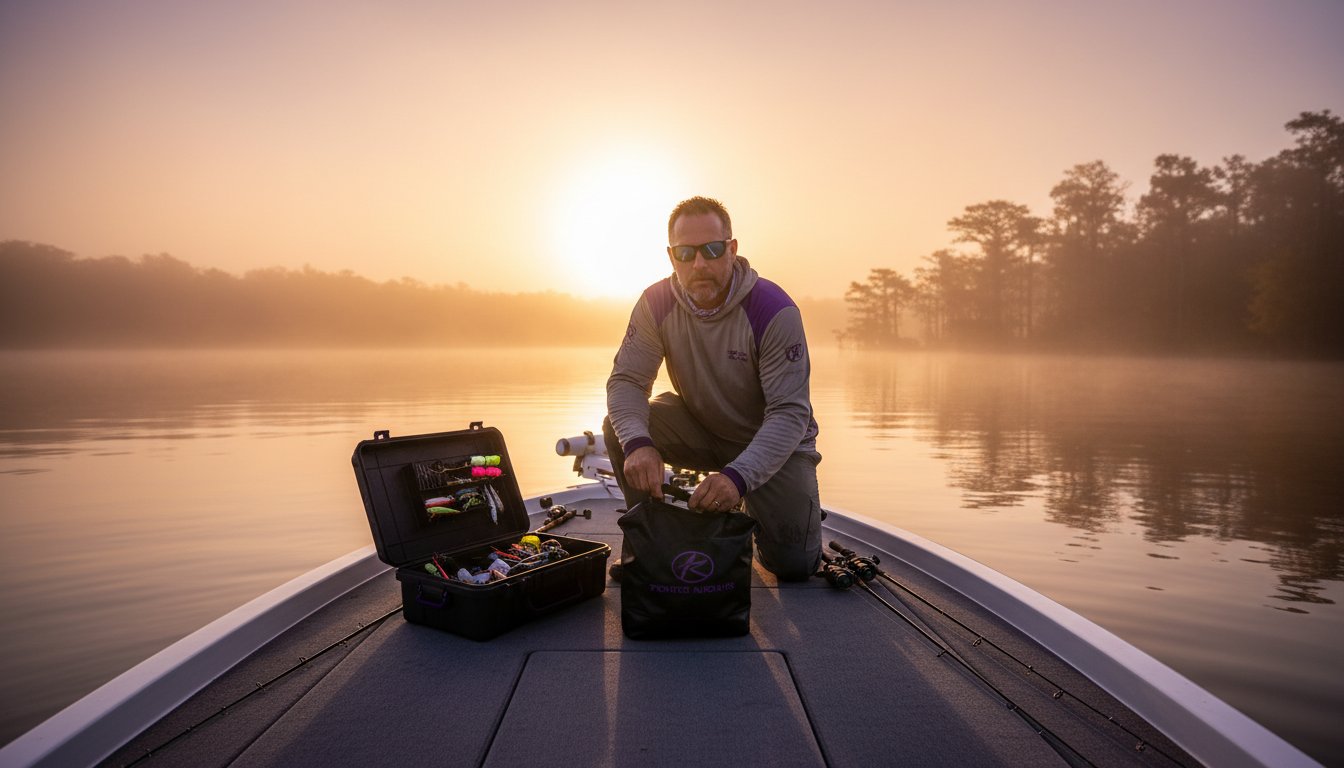
Captain Troy keeps a versatile arsenal of spin and baitcast setups on the boat at all times. We utilize high-quality braided lines, typically in the 30 to 50-pound test range, which is essential for pulling stubborn fish out of the thick grass near South Marsh Island. These lines offer zero stretch. This gives you the sensitivity needed to feel a subtle strike in the murky waters of East Cote Blanche Bay. Our tackle selection is the result of three generations of local knowledge. We use custom-picked lures, including specific soft plastics and topwater plugs, that are proven to trigger strikes from Vermilion Bay Redfish. These lures are weighted precisely for the shallow depths of the interior marshes, where a fraction of an ounce can be the difference between a trophy catch and a snagged oyster bed.

Personal Gear Guidelines

If you have a lucky baitcaster or a preferred 8-weight fly rod, you’re welcome to bring it along. However, space on a specialized bay boat is at a premium. We ask that guests limit personal tackle to one small soft-sided bag or a single 3600-series tackle box. For those traveling from New Orleans or Lafayette, packing light is the best strategy. Our inshore approach differs significantly from “other areas” like Venice, where heavy offshore gear is the norm. We focus on light, fast-action tackle that makes every catch an epic adventure. Before you head to the marina, make sure you have purchased your Louisiana fishing license through the Department of Wildlife and Fisheries. This is a non-negotiable requirement for every angler on board.

We focus our efforts on the canals, lakes, and weirs surrounding Cypremort Point and Weeks Bay. Because we fish the flats and nearshore reefs, you won’t need the bulky, expensive equipment required for deep-sea excursions. Our gear is optimized for the specific salinity and depth of the Acadiana coastline. This specialized focus ensures you spend more time casting and less time fighting with tangled lines or inappropriate gear.

One final, absolute rule for your trip: leave the bananas at home. This isn’t just a joke. It’s a deep-seated maritime tradition that spans centuries. Bringing a banana on the boat is considered a surefire way to kill the bite or cause mechanical failure. If you want to experience the thrill of a successful day on the water, keep the yellow fruit in your truck. We want nothing standing between you and a limit of Redfish, Flounder, or Black Drum.

Provisions and Comfort: Fueling Your Epic Adventure

Experience the thrill of a day on Vermilion Bay without the headache of a mid-day energy crash. To keep your edge while sight-casting for Bull Reds, you need a solid plan for provisions. Knowing exactly what to bring on a louisiana fishing trip transforms a good day into an epic adventure. Captain Troy Nash has seen it all over 25 years on the water, and he knows that a hungry or dehydrated angler loses focus exactly when the big hit happens.

He’s got you covered with a professional-grade marine cooler on the boat. This keeps the deck clear and provides a safe space for your drinks and sandwiches. Do not bring your own bulky coolers onto the boat. They take up valuable casting space and can become trip hazards when you’re moving quickly to net a giant Speckled Trout. Instead, keep a 65-quart rotomolded cooler in your truck at Cypremort Point. This ensures your fillets stay at a safe 34 degrees for the ride home while the boat stays organized and ready for action.

Hydration is your primary defense against the Louisiana sun. By 10:30 AM in July, temperatures on the marsh often hit 92 degrees with high humidity. While a cold soda feels good, it won’t sustain you. Drink 16 ounces of water for every hour you spend on the bay. If you feel thirsty, you’re already behind on your intake. We recommend a mix of plain water and electrolyte-heavy drinks to replace what you lose while working the banks of Weeks Bay.

Your “Boat Bag” should be a compact, soft-sided bag. It needs to hold your essentials without cluttering the floor. Pack items that won’t melt in 95-degree heat. Chocolate is a disaster in the marsh; stick to beef jerky, protein bars, or apples. These provide steady energy without the sticky mess. Keep your keys and wallet in a dedicated internal pocket so they don’t end up at the bottom of the bay during a hectic hookup.

Food and Drink Essentials

The best marsh-ready lunches are simple and durable. Pre-made sub sandwiches or wraps work better than delicate white bread that gets squashed. Avoid glass containers at all costs. Broken glass on a boat is a major safety risk. If you choose to bring alcohol, keep it moderate and respectful. Safety is the priority when we are navigating the narrow canals of East Cote Blanche Bay. Remember, the “land cooler” in your truck is for your limits of Redfish and Black Drum, keeping the boat cooler dedicated solely to fresh food.

The Dry Bag Checklist

A waterproof phone case is mandatory for those Bull Red photos. Even in the calm waters of Burns Point, a splash or a dropped phone can end a trip early. Pack personal medications and motion sickness preventatives like Bonine or ginger tablets. Even though inshore fishing is much smoother than the rough swells you’d find in offshore areas like Venice, the heat can sometimes trigger nausea. Finally, bring bug spray with at least 20% DEET. The no-see-ums at Marsh Island are legendary for their persistence, and you don’t want them ruining your concentration during a trophy hunt.

Ready to experience the best inshore fishing in the United States? Book your trip today and let a veteran guide show you the legendary waters of the Louisiana marsh.

Ready to Climb Aboard? Final Logistics for Your Trip

Your epic adventure begins the moment you step onto the dock at Cypremort Point. This legendary gateway to Vermilion Bay is where most of our trips kick off. You should plan to arrive at the public boat launch at least 20 minutes before our scheduled departure, which is typically 6:00 AM. This early start ensures we beat the heat and catch the most active morning bite. Parking at the state park or public launch is straightforward and secure, though you should bring a few dollars for the nominal daily launch fee. Captain Troy will have the boat fueled, iced down, and ready to go so we can head straight for the marsh.

Safety is the absolute priority for every outing. Captain Troy monitors local radar and wind speeds constantly to ensure conditions are safe for our inshore and nearshore routes. He makes the final “go or stay” call by 6:00 PM the evening before your trip. While our fishing grounds in the marshes and bayous are much more protected than the rough, open waters found in other areas like Venice, high winds can still churn up the water and shut down the bite. If the weather looks dangerous or unproductive, we’ll notify you immediately to reschedule your trip for the next available window.

When it comes to the etiquette of the trip, tipping your guide is a standard part of the fishing culture. A tip of 15% to 20% of the total trip cost is the industry standard for a full-time, veteran guide. This gesture shows your appreciation for the 25 years of experience Captain Troy brings to the table, along with the hours of boat maintenance and scouting required to find the bull reds. It’s a direct way to reward a successful day of limit-out fishing and expert service on the water.

Arrival and Departure

While Cypremort Point is our primary hub, we sometimes launch from Weeks Bay or Burns Point to stay closer to the hottest bite. We’ll provide exact GPS coordinates for these secondary locations 24 hours before your trip. When deciding what to bring on a louisiana fishing trip, remember to include a large 50-quart cooler to leave in your vehicle. You’ll need this to transport your fresh fillets home. We recommend lining your trunk with a heavy-duty plastic tarp or old towels to catch any condensation or stray moisture from the ice chest during the drive. For a deeper dive into our daily routine, check our What to Expect on Your Inshore Fishing Charter guide.

The Conclusion of Your Adventure

The thrill doesn’t end when the boat hits the dock. We handle the entire fish cleaning process for you. Captain Troy expertly fillets, skins, and bags your catch in high-quality freezer bags, ensuring your Redfish or Speckled Trout is ready for the grill. This is also the best time to plan your next visit. While the spring brings incredible trout action to the oyster beds, the fall months offer some of the most consistent bull red fishing in the country. We’ll help you identify the best moon phases and seasons to maximize your success on your next return. Ready for the thrill? Book Your Epic Adventure with Captain Troy Today!

Claim Your Spot on the Vermilion Bay Marsh

Your gear list is ready and your bags are nearly packed. You now know exactly what to bring on a louisiana fishing trip to stay dry and comfortable while targeting giant bull reds in the shallows. Ensure you’ve secured your 2026 saltwater license before arriving at the Cypremort Point boat launch. While other areas like Venice often require grueling runs to reach deep water, our inshore adventure focuses on the productive oyster beds and marsh shorelines of West Cote Blanche Bay. You’ll need your polarized glasses and seasonal layers, but don’t stress the heavy lifting. Captain Troy Nash is a 3rd generation veteran guide with over 25 years of local experience. He’s got you covered by supplying every rod, reel, and lure required for a successful day. We manage the logistics so you can focus entirely on the thrill of the strike. The trophy fish are waiting in the grass flats and weirs. Let’s get out there.

Book Your Epic South Louisiana Adventure Today!

Frequently Asked Questions

Do I really need a fishing license if I am on a guided charter?

Yes, every angler aged 18 or older must possess a valid Louisiana fishing license. You can easily purchase a 3-day charter passenger license for $20 through the LDWF website before we depart. While other areas like Venice might have different local crowds, our trips in Vermilion Bay require this specific permit to keep your adventure legal. It’s a quick process that ensures your epic day starts without any delays.

Can I bring my own fishing rod and favorite lures?

You’re welcome to bring your personal gear, although Captain Troy provides top-tier rods and reels for every guest. If you have a favorite baitcast setup for giant bull reds near Marsh Island, feel free to bring it along. Most clients find our professional equipment is perfectly tuned for the local oyster beds and weirs. Deciding what to bring on a louisiana fishing trip often comes down to personal comfort versus the convenience of our expert-selected tackle.

What kind of shoes should I wear on the boat?

Wear non-marking, rubber-soled shoes like deck shoes or sneakers to maintain grip and keep the boat clean. Avoid black soles that leave marks or flip-flops that offer no stability when you’re battling a 30-pound drum. A pair of waterproof boots is a smart choice for morning trips in the marsh. Proper footwear is a vital part of what to bring on a louisiana fishing trip to ensure you stay safe while the action heats up.

Are snacks and drinks provided on the trip?

We provide a large cooler with ice and bottled water, but you should bring your own snacks and lunch. Pack items that are easy to eat quickly so you don’t miss a strike while we’re navigating the canals of West Cote Blanche Bay. We recommend bringing 2 liters of water per person for a full 8-hour day to stay hydrated. Having your favorite fuel on hand helps you maintain energy for the entire adventure.

What happens if it rains on the day of my scheduled charter?

We fish in light rain, but the Captain will reschedule the trip if lightning or high winds make the bay unsafe. Safety is our 100% priority, and we monitor local radar every 15 minutes during stormy weather. If we must cancel due to a tropical system or severe front, we’ll work with you to find the next available date. Our goal is to ensure your experience is both thrilling and secure.

Is there a bathroom on the boat for inshore trips?

Most inshore bay boats don’t have a private restroom, but we are rarely more than 15 minutes from a facility or a secluded shoreline. We can quickly zip over to a dock at Cypremort Point or a quiet bank if nature calls. If a full cabin with a head is a requirement, you might look at expensive offshore charters, but you’ll miss the fast-paced action of our shallow-water flats and marshes.

How much should I tip my fishing guide in Louisiana?

A standard tip for a professional fishing guide is 15% to 20% of the total trip cost. For a $700 charter, a tip of $105 to $140 shows your appreciation for the Captain’s 25 years of expertise and 3rd generation knowledge. Your guide spends 2 hours cleaning the boat and prepping gear for every hour you spend fishing. This gesture is a great way to reward the hard work that goes into your successful trip.

Can I bring a cooler on the boat for my fish?

Leave your fish cooler in your vehicle and use our onboard ice chests to save space while we’re on the water. We have 2 dedicated 65-quart coolers to keep your Speckled Trout and Redfish ice-cold until we return to the dock. Once we’re back at Cypremort Point, you can transfer your cleaned catch into your personal cooler for the drive home. This keeps the deck clear for more fishing action.

Louisiana Flounder Gigging Trips: Your Ultimate 2026 Night Guide

Imagine stalking the shallows of Vermilion Bay under the stars, a powerful light cutting through the dark water to reveal the perfect silhouette of a flounder on the bay floor. This isn’t your typical cast-and-wait fishing trip; this is the heart-pounding thrill of the hunt. It’s the reason why premier flounder gigging trips Louisiana style are becoming legendary, offering an epic adventure you won’t find anywhere else.

But what if you’ve never held a gig? Or you’re worried about navigating the marsh at night? Forget the uncertainty. We’ve got you covered. This ultimate 2026 night guide is your roadmap, designed to take you from curious beginner to confident hunter. We’ll break down everything you need to know-from the essential gear and proven techniques to the best tides and times to hit the water around Cypremort Point and Marsh Island. Get ready to experience the coast in a whole new light!

Key Takeaways

  • Learn how flounder gigging is an active, visual hunt that feels more like stalking prey than traditional fishing.
  • Discover why Vermilion Bay’s vast, shallow flats provide the perfect conditions for a successful night on the water.
  • Get the inside scoop on the best seasons and what to expect on guided flounder gigging trips louisiana to ensure an epic adventure.
  • Understand the critical role a 3rd generation guide’s expertise plays in navigating the flats and locating fish after dark.

What is Flounder Gigging? Louisiana’s Ultimate Nighttime Hunt

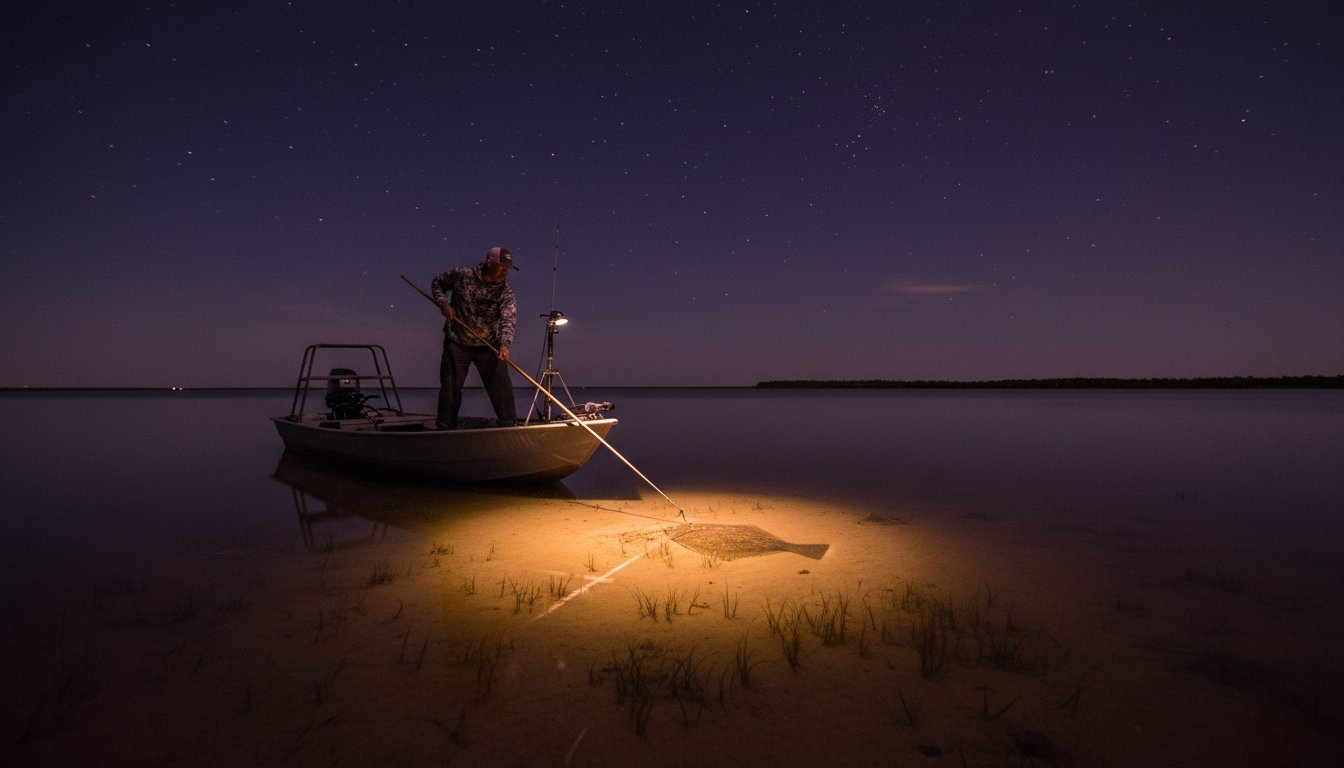
Forget everything you know about casting a line and waiting for a bite. Flounder gigging is an entirely different beast-an active, visual hunt that transforms the calm, shallow waters of Vermilion Bay and Cypremort Point into your personal hunting grounds. This isn’t fishing; it’s stalking. Under the cover of darkness, we pole through the flats, using powerful lights to cut through the water and spot our prey. It’s a primal, heart-pounding experience that combines the quiet focus of a hunt with the sudden, explosive thrill of the catch.

The magic happens in the silence of the night. The only sounds are the gentle lapping of water against the hull and the hum of the lights. Then, a shape appears-the distinct, flat outline of a flounder perfectly camouflaged against the bottom. The anticipation builds until the perfect moment for a swift, decisive strike. This electrifying action makes our guided flounder gigging trips louisiana an epic adventure for everyone, from first-timers looking for a unique thrill to seasoned anglers seeking a new challenge.

The Basics of Stalking Flounder

Southern Flounder are masters of disguise, burying themselves in the sand and mud of our coastal marshes and shorelines, waiting to ambush baitfish. Our specialized lighting systems are designed to penetrate the water and expose their tell-tale outline. For a deeper look into the tradition, you can explore the history of what is flounder gigging, a technique refined over generations. The moment of truth is a quick, confident strike with the gig, securing your prize in a splash of action that shatters the nighttime calm.

Why Go with a Guide?

Embarking on the best flounder gigging trips louisiana has to offer requires more than just a flashlight and a sharp stick. Success and safety depend on expert preparation. Here’s why a guided trip is essential:

  • Specialized Equipment: We run custom-built boats with powerful, above-water LED lighting systems and professional-grade gigs designed for maximum effectiveness and reliability.
  • Unmatched Local Knowledge: Knowing where flounder lie is key. We understand the tides, seasons, and bait movements in Weeks Bay and East Cote Blanche Bay, putting you directly over the most productive spots.
  • Safety First: Navigating the dark, shallow waters of the marsh at night is a serious business. With a seasoned captain at the helm, your only focus is on the hunt. He’s got you covered!

The Art of the Hunt: Gear, Techniques & The Perfect Night

Flounder gigging is a primal, exhilarating hunt that happens under the cover of darkness. It’s a silent stalk through the shallows, combining patience with a lightning-fast strike. On our guided flounder gigging trips louisiana, we transform this ancient art into an accessible adventure. Forget the guesswork and gear acquisition; Captain Troy provides a complete, top-tier arsenal designed for success in the marshes of Vermilion Bay and Cypremort Point.

Your epic night on the water is powered by highly specialized equipment:

  • The Specialized Boat: We run a custom shallow-draft vessel, built for incredible stability. This solid platform allows you to focus solely on the hunt as we glide silently over the flats and along the shorelines.
  • The Lighting System: Our rig is equipped with a bank of ultra-powerful LED lights. They cut through the darkness, illuminating the bay floor and turning the murky bottom into a vibrant aquarium.
  • The Gig: You’ll wield a perfectly balanced, multi-pronged gig. This isn’t just any spear; it’s a tool engineered for a swift, clean, and ethical harvest, ensuring your catch is secured effectively.

Decoding the Flounder’s Hideout

Spotting a flatfish is a skill honed over decades. Flounder are masters of camouflage, burying themselves in sand or mud, leaving only a faint “imprint” of their body. Captain Troy’s expert eye can distinguish that subtle outline from a patch of mud or a submerged log in an instant. A slow, silent approach is critical; any sudden noise or vibration will send them scattering. His expertise is your ultimate advantage, but for those who love to study the craft, Louisiana Sportsman provides excellent flounder gigging tips to help train your eye.

Ideal Conditions for a Successful Trip

The perfect night for a flounder gigging trip is a blend of science and nature. Calm winds and clear water are your greatest allies, providing glass-like conditions for maximum visibility. We strategically hunt a falling tide, as the receding water pulls flounder from the deep marsh and concentrates them along drains and shorelines. Finally, a darker night, especially around a new moon, enhances the power of our lights, creating stark contrast and making the flounder pop against the bottom. It’s under these ideal conditions that the hunt truly comes alive.

Why Vermilion Bay is Louisiana’s Premier Gigging Destination

When it comes to unforgettable flounder gigging trips louisiana, not all water is created equal. Vermilion Bay stands alone as the state’s premier destination for one simple reason: it offers the perfect storm of conditions for an epic night on the water. Its vast, shallow flats stretch for miles, offering the crystal-clear visibility that is absolutely essential for spotting those well-camouflaged flatfish. This isn’t just a body of water; it’s a thriving, healthy ecosystem where the unique marsh and bayou shorelines create the ideal ambush habitat for flounder. Understanding the Southern Flounder biology and habitat is key to success, and this area provides exactly what they need to flourish in huge numbers.

Hotspots Near Cypremort Point

Our trips launch you into the absolute heart of the action. We navigate the productive waters around Marsh Island, explore the accessible sandbars of Vermilion Bay, and capitalize on the unique opportunities in East and West Cote Blanche Bays. These legendary hotspots are teeming with life, offering endless banks and shorelines that are tailor-made for gigging success and putting you on the fish fast.

The Advantage Over Other Louisiana Locations

While other Louisiana regions can be productive, they simply can’t match the clarity and accessibility of Vermilion Bay. We enjoy significantly less boat traffic at night compared to more crowded ports, giving us undisturbed waters to hunt. This isn’t just another fishing spot; it’s the authentic heart of Cajun country’s inshore scene, offering a pristine and thrilling experience you won’t find anywhere else.

This combination of pristine habitat, abundant flounder, and less pressure is what makes our flounder gigging trips a cut above the rest. Forget the crowds and murky water. Here, your adventure is about clear sightlines, quiet marshes, and the heart-pounding thrill of spotting your target. We put you in the best possible position to limit out and create a memory that will last a lifetime.

Planning Your Trip: What to Expect on a Guided Adventure

Your epic adventure begins as the sun dips below the horizon over Vermilion Bay. You’ll meet your guide at a designated launch near Cypremort Point, get a quick briefing, and climb aboard a custom-built boat designed for stalking the shallows. We’ll then glide into the calm, clear waters of the marsh, where powerful lights illuminate the bay floor, revealing the masters of camouflage hiding in the sand. The hunt is on for several thrilling hours before we return to the dock under the stars.

While flounder can be gigged year-round, the action truly explodes in the fall. From October through December, a massive migration pushes flounder through the canals and shorelines of Weeks Bay and West Cote Blanche Bay, creating the opportunity to limit out. On any of our flounder gigging trips louisiana, your safety is paramount. With a 3rd generation, veteran guide navigating, you can relax and focus on the hunt, knowing you are in the hands of an expert who knows these waters like the back of his hand and is equipped for any situation.

We handle all the details so you can have all the fun. All required gear and even your fishing license for the trip are included. For your awareness, Louisiana’s recreational limit is currently 10 flounder per person, per day, with a 12-inch minimum size, but we always stay on top of the latest LDWF regulations. Ready to plan your trip? Learn more about our guided adventures at southlouisianaredfishing.com.

What to Wear and What to Bring

Dressing for success on the water means preparing for changing temperatures. We recommend wearing light layers you can add or remove as the night air cools. Essential items include:

  • Non-slip, closed-toe shoes for secure footing on the boat deck.
  • A camera or smartphone to capture the unique nighttime action.
  • A small cooler with any personal drinks or snacks you’d like.

Forget the rest-from the gigs to the lights and the license, he’s got you covered!

From a Flounder on the Bottom to Dinner on the Table

The thrill of spotting and gigging a flounder is just the beginning. Once your fish is in the boat, your guide takes over, expertly handling and storing your catch. Back at the dock, we provide professional cleaning and filleting services, preparing your flounder for the cooler and the kitchen. There is simply no substitute for the fresh, delicate taste of a flounder you caught yourself. Its mild, flaky white meat is a coastal delicacy, perfect for frying, baking, or grilling.

Book Your Epic Flounder Gigging Trip with a 3rd Gen. Guide

When the sun sets over Vermilion Bay, a different kind of hunt begins. To succeed, you need more than just a boat and a light; you need knowledge that runs as deep as the bayous themselves. Captain Troy Nash brings three generations of local expertise to every trip. This isn’t knowledge from a book-it’s a lifetime spent reading the tides, understanding the seasons, and knowing exactly where flounder hide along the shorelines of Cypremort Point and Marsh Island.

Stalking the clear, shallow flats at night is the ultimate coastal adventure. Captain Troy’s guidance transforms the challenge into pure thrill, putting you in the perfect position to spot and stick these elusive flatfish. He provides the strategy and insight that make our flounder gigging trips in Louisiana a truly unforgettable experience. This is more than fishing; it’s about embracing the quiet intensity of the hunt under the stars.

What’s Included in Your Charter

We believe in all-inclusive, hassle-free adventures. Just show up ready for the action-Captain Troy has you covered. Your epic night on the water includes everything you need for a successful and comfortable trip.

  • Custom flounder gigging boat with powerful LED lights
  • All fuel and oil for the trip
  • High-quality gigs and all necessary equipment
  • Ice-filled coolers for your catch and drinks
  • Expert fish cleaning and bagging service

Our trips typically last around 5 hours and the boat can accommodate up to 3 giggers, ensuring a personalized experience with one-on-one instruction.

Reserve Your Spot for a Night Adventure

The thrill of the hunt awaits, but spots are limited. Our specialized night charters are in high demand and fill up fast, especially during peak season. Don’t miss your chance to experience one of the most exciting flounder gigging trips Louisiana has to offer. Secure your date and prepare for an incredible night on the water.

Ready for the hunt? Book Your Epic Adventure Today!

Your Epic Night Hunt on Vermilion Bay Awaits

As the Louisiana sun sets, an entirely different kind of hunt begins. We’ve explored how flounder gigging transforms the shallow flats into a thrilling nighttime arena and why the pristine waters of Vermilion Bay offer an unparalleled experience. Success in this unique sport isn’t just about luck; it’s about deep local knowledge and having the absolute best equipment for the job, ensuring you can spot and spear your prize with confidence.

When you’re ready to experience one of the most memorable flounder gigging trips louisiana has to offer, you need a guide whose expertise runs generations deep. Climb aboard with a 3rd generation, veteran fishing guide who specializes in stalking flounder across the shallows of Vermilion Bay. With all custom equipment provided for a successful trip, you’re set for an epic adventure from the moment you step on the boat.

The flats are calling, and the flounder are waiting. Don’t just read about the adventure-live it.

Book Your Nighttime Hunt on the Water Today!

Frequently Asked Questions About Flounder Gigging

Is flounder gigging legal in Louisiana?

Absolutely! Flounder gigging is a legal, time-honored, and thrilling way to fish in Louisiana’s coastal waters. This nighttime adventure is fully regulated by the Louisiana Department of Wildlife and Fisheries to ensure a sustainable fishery for generations to come. When you climb aboard with an expert guide, you can be confident that your trip is conducted safely and completely within state guidelines, letting you focus solely on the hunt for that doormat flounder.

What is the best time of year for a flounder gigging trip?

The absolute prime time for flounder gigging is during the fall, especially from October through November. This is when flounder begin their annual migration from the marshes of Vermilion Bay and West Cote Blanche Bay towards the Gulf. This seasonal movement concentrates the fish in predictable shallow areas, making for an epic night of action. Booking one of our flounder gigging trips in Louisiana during this peak season gives you the best shot at limiting out.

Do I need a special fishing license for gigging?

You don’t need a special gigging-specific permit, but you will need a valid Louisiana saltwater fishing license. This is a standard requirement for anyone taking or possessing fish in state saltwater areas. Getting your license is simple and can be done online through the Louisiana Department of Wildlife and Fisheries website. Our captain can always advise you on the exact license you’ll need before your trip to ensure you’re ready for action.

How many flounder can you legally keep in Louisiana?

In Louisiana, the daily recreational bag limit for flounder is 10 fish per person. There is currently no minimum size limit, which means every flounder you stick is a keeper. Our goal on every trip is to put you on the fish and give you the opportunity to reach that limit. Captain Troy’s deep knowledge of the shorelines and weirs around Marsh Island and Cypremort Point is your ticket to a successful and full ice chest.

Is it difficult to gig a flounder for a beginner?

Not at all! Flounder gigging is one of the most exciting and beginner-friendly fishing adventures you can experience. Your guide handles navigating the boat through the shallows and managing the powerful lights, so your job is to spot the fish and make the stick. With a little instruction from a seasoned pro, most first-timers are gigging flounder like experts within minutes. It’s a team effort that delivers an incredible thrill when you land your first fish.

What happens if the weather is bad on the night of my trip?

Your safety is our absolute top priority. The captain continuously monitors the weather leading up to your trip. If conditions like high winds, heavy rain, or lightning make the trip unsafe or unproductive, the captain will make the final call. In this event, we will work with you to reschedule your adventure for the next available date that fits your schedule. We want your trip to be both successful and safe, creating an epic memory.

Can I bring my own gear on the trip?

We’ve got you covered! We provide all the top-of-the-line gear you need for a successful night on the water, including custom gigs, powerful underwater lights, and a specialized boat built for stalking the shallows. This ensures you have the best equipment for the job. You just need to bring your excitement and a desire for adventure. If you have a personal item you’d like to bring, just check with the captain beforehand.

Are kids allowed on flounder gigging trips?

Yes, kids are definitely welcome! A flounder gigging trip is an unforgettable nighttime adventure that children find incredibly exciting. Stalking fish under the lights creates a unique experience they will talk about for years. It’s a fantastic way to introduce them to the thrill of the hunt in a safe, guided environment. We recommend discussing the ages of your children with the captain when booking to ensure the trip is perfectly tailored for your family’s epic night out.

Beginner Fishing Trips in Louisiana: Your Guide to an Epic First Adventure

Ever dreamed of battling a giant redfish in the Louisiana marsh, but stopped short because you don’t own a rod and the thought of ‘technical jargon’ makes your head spin? You’re not alone. The thrill of the catch isn’t just for the experts, and that’s where the magic of guided beginner fishing trips in Louisiana comes in. You don’t need a boatload of expensive gear or years of experience to have an incredible, successful day on the water. You just need the right guide to show you the way.

Forget the stress and uncertainty. This guide is your roadmap to an epic first adventure. We’re breaking down everything you need to know, from choosing the perfect charter captain who has you covered, to what to wear, bring, and expect on the boat. Get ready to leave your worries on the shore, learn the ropes from a seasoned pro, and feel the adrenaline rush of reeling in your first Louisiana trophy. Your adventure starts right here!

Key Takeaways

  • Learn why a guided charter eliminates all the stress and startup costs of your first trip, letting you focus purely on the thrill of the catch.
  • Discover the critical difference between inshore and offshore trips and why one is the undisputed best choice for a comfortable, action-packed first adventure.
  • Understand the entire step-by-step process for successful beginner fishing trips in Louisiana, from leaving the dock to landing your first fish.
  • Get a simple, pro-level checklist of what to wear and bring, ensuring you’re perfectly prepared for a full day on the water.

Why a Guided Charter is the Perfect Choice for Your First Louisiana Fishing Trip

Thinking about your first fishing trip in the Sportsman’s Paradise? The endless maze of bayous and rich coastal waters can seem intimidating, but your epic adventure is just one step away. A guided charter is, without a doubt, the ultimate way to dive in. For the best beginner fishing trips Louisiana has to offer, hiring a pro transforms a potentially confusing day into pure, heart-pounding excitement. You get to skip the steep learning curve and jump straight to the thrill of the catch. Forget the stress of planning; your only job is to show up ready for action.

No Gear, No Experience, No Problem

Step aboard with nothing more than a positive attitude and a desire for adventure. We’ve got you covered! A professional charter includes all the high-end, perfectly maintained rods, reels, and tackle you’ll need to battle a monster redfish or a limit of speckled trout. This means you avoid the hefty up-front investment and overwhelming confusion of standing in a tackle shop. Your guide handles everything-from tying the right knots to baiting the hook-so you can focus purely on the fishing.

Expert Instruction on the Water

Imagine feeling that first powerful tug on the line and knowing exactly what to do. With a seasoned captain by your side, you’ll get immediate, one-on-one coaching that turns novices into confident anglers in minutes. Learn how to cast like a pro, feel the subtle bite, and properly fight and land your fish without losing it. This isn’t a crowded classroom; it’s personalized, hands-on learning in the best environment possible. Ask anything you want-your guide’s passion is sharing their knowledge and helping you succeed.

Safety and Local Knowledge are Paramount

Louisiana’s waters are as complex as they are beautiful, and navigating them safely requires years of hard-won experience. Your licensed captain possesses intimate knowledge of every channel, oyster reef, and secret honey hole that holds giant fish. This expertise is crucial for productive beginner fishing trips Louisiana anglers dream of, from the shallow inshore marshes to the incredible offshore structures created by initiatives like Louisiana’s Rigs-to-Reefs program. With a constant eye on the weather and a deep understanding of the tides, your guide handles all the logistics, letting you focus on the fun and excitement of the fight.

What to Expect on Your First Charter: A Step-by-Step Walkthrough

Stepping onto a charter boat for the first time can feel like entering a new world, especially in a place where fishing is more than a sport-it’s a way of life. This adventure is your chance to become part of Louisiana’s fishing heritage, and we’re here to make it an unforgettable experience. Forget any first-timer nerves; a guided charter is the absolute best way to dive in. We break down the entire day so you can focus on the thrill of the catch. This is what makes for epic beginner fishing trips louisiana style.

Arrival and Getting Started

Your epic adventure begins the moment you arrive at the dock. There’s no complicated checklist or confusing process-just pure excitement. Here’s how we get things rolling:

  • Meet Your Captain: You’ll meet your guide at a legendary marina like Cypremort Point, ready to climb aboard.
  • Safety First: We’ll start with a quick, clear safety briefing and an overview of the boat so you feel comfortable and secure.
  • The Game Plan: Your captain will discuss the day’s plan, the weather conditions, and the target species, whether it’s giant Bull Reds or hard-fighting Speckled Trout.
  • The Ride Out: Sit back and enjoy a stunning boat ride through the endless bayous as we head to the first fishing hotspot.

Learning the Ropes and Fishing

Never held a rod before? No problem. This is where a seasoned guide makes all the difference. We’ll turn you into a confident angler in no time. Your guide will demonstrate how to properly use the rod and reel and give you expert feedback as you practice casting. Then, get ready for that heart-pounding moment when you feel the tug and the line goes tight. Your captain will be right there, coaching you on how to fight the fish and reel in your trophy catch.

The End of the Trip

The action doesn’t stop when the last fish is in the boat. We’ll take plenty of photos of you with your catch to capture the memory forever. As you head back to the dock with stories to tell, your guide will expertly clean and bag your fish. You’ll leave not just with an epic experience but with fresh, delicious fillets ready for the dinner table-the perfect end to one of the best beginner fishing trips louisiana has to offer.

Ready to experience this firsthand? Book your epic adventure!

Choosing the Right Beginner-Friendly Trip: Inshore vs. Offshore

When it comes to planning the best beginner fishing trips Louisiana has to offer, the first major decision you’ll make is where to wet a line: inshore or offshore. While the deep blue sea has its allure, the answer for your first epic adventure is clear and simple. Inshore fishing is the undisputed champion for new anglers, delivering all the thrill with none of the hassle. It’s where you’ll build confidence, learn the ropes, and get hooked on the sport for life.

Why Inshore Fishing is Ideal for Beginners

Forget the long, bumpy rides into the open Gulf. Inshore fishing puts you right in the heart of Louisiana’s legendary coastal ecosystem. You’ll be casting lines in calm, protected waters where the action is fast and the scenery is breathtaking. It’s the perfect recipe for a successful and comfortable day on the water.

  • Calm Waters: Fish in protected bays, marshes, and bayous, dramatically reducing the chance of seasickness.
  • More Fishing Time: Shorter boat rides mean your line is in the water longer, maximizing your opportunity to catch fish and limit out.
  • Incredible Scenery: Louisiana’s coast is teeming with wildlife. Expect to see dolphins, pelicans, and alligators in their stunning natural habitat.

Best Louisiana Fish for First-Timers

The goal of your first trip is to feel that electrifying tug on the line, and Louisiana’s inshore waters are packed with aggressive fish perfect for new anglers. These species are abundant and provide a thrilling challenge that will get your adrenaline pumping.

  • Redfish: The icon of Louisiana. These powerful “bull reds” are famous for their bulldog-like fights and can be caught year-round.
  • Speckled Trout: Often found in large schools, these aggressive predators make for fast and furious action on light tackle.
  • Black Drum & Sheepshead: These tough cousins to the redfish are strong fighters and a blast to catch around structures and oyster reefs.

What Makes a Guide ‘Beginner-Friendly’?

The right guide transforms a good day into an unforgettable adventure. A beginner-friendly captain is more than an expert angler; they’re a patient teacher and a passionate host. Before you book, ask a few key questions to ensure they’re the right fit for your crew. A great guide will have a “no-stupid-questions” attitude and a passion for sharing their knowledge.

Key questions to ask your guide:

  • Do you enjoy teaching new anglers and families?
  • What is your approach to safety on the boat?
  • Can you help me understand the official Louisiana fishing license requirements before the trip?
  • Is all gear and bait provided, and is it suitable for beginners?

Your First Trip Checklist: How to Prepare for Success

Your epic adventure on the Louisiana coast is booked! While your captain provides all the top-tier rods, reels, and bait you’ll need, a little personal preparation will transform a great day into an unforgettable one. Proper planning is the secret to the most successful beginner fishing trips louisiana has to offer. Here’s your simple checklist to ensure you’re ready for the thrill.

What to Wear on the Water

Louisiana weather can change in a heartbeat. Dressing smart means you stay comfortable from the cool morning launch to the warm afternoon sun, letting you focus on fighting those giant reds. Comfort is key to endurance on the water.

  • Layers are Key: Start with a light, long-sleeve performance shirt over a t-shirt. You can easily adapt as the temperature changes throughout the day.
  • Sun-Protective Clothing: Light-colored, breathable fabrics with a UPF rating are your best friend against the southern sun.
  • A Lightweight Rain Jacket: A sudden shower can pop up at any time. It’s better to have a packable rain jacket and not need it than to be caught without one.
  • Proper Footwear: Non-slip, closed-toe shoes with a light-colored sole are a must for safety and stability on a wet deck. Please leave the flip-flops at home.

What to Pack in Your Bag

Beyond your clothes, a few key items in a small bag or backpack will make your day on the water much more comfortable. Think sun, hydration, and personal needs. Your guide has the rest covered!

  • Polarized Sunglasses: This is non-negotiable. They cut the harsh glare off the water, reduce eye strain, and are a game-changer for spotting fish beneath the surface.
  • Sun Protection Arsenal: Pack a wide-brimmed hat or ball cap, a high-SPF sunscreen (at least 30+), and an SPF lip balm. The sun’s reflection off the water is intense.
  • Personal Items: Bring any necessary medications you may need during the day, plus a camera or phone in a waterproof case to capture the action.
  • Your Cooler: Pack your favorite drinks (water is a must!) and any snacks you’d like to enjoy between bites.

Essential Paperwork and Mindset

With your gear ready, there are just a few final details to lock in. This is the easy part that ensures a smooth, stress-free adventure from the dock to the honey hole.

  • Louisiana Fishing License: You will need a valid Louisiana fishing license. You can easily purchase a 3-Day Charter Passenger License online from the Department of Wildlife & Fisheries website before your trip.
  • Cash for a Tip: It is customary to tip your guide 15-20% of the trip cost for excellent service. They work incredibly hard to put you on the fish!
  • An Adventurous Spirit: Come ready to learn, have fun, and embrace the experience. Remember the old saying: it’s called fishing, not catching! The thrill is in the hunt.

Why Captain Troy is the Perfect Guide for Your First Trip

You’ve learned the basics, and now it’s time to choose the person who will turn that knowledge into an unforgettable experience on the water. For beginner fishing trips in Louisiana, your guide is the single most important factor for success and enjoyment. Captain Troy Nash isn’t just a guide; he’s a mentor dedicated to making your first trip an epic adventure.

He understands that a great first trip is about more than just catching fish-it’s about feeling confident, learning new skills, and having a fantastic time. This is your chance to learn from a true master of the craft in a relaxed, supportive environment.

A Legacy of Experience and Patience

Fishing isn’t just a job for Captain Troy-it’s in his blood. As a 3rd generation, full-time veteran fishing guide with over 25 years of experience, he possesses a deep, instinctual knowledge of these waters. He specializes in welcoming novice anglers, patiently teaching the techniques that get results. His passion is contagious, creating a fun and exciting atmosphere on the boat. From tying the perfect knot and baiting your hook to expertly filleting your catch at the end of the day, he’s got you covered every step of the way.

The Ideal Location: Calm Waters of Vermilion Bay

Your classroom will be the legendary inshore waters of Vermilion Bay. Fishing out of Cypremort Point, you’ll explore protected, scenic marshes and bayous teeming with life. This area is famous for its incredible populations of redfish, speckled trout, and flounder, offering you a prime opportunity to land a trophy catch. More importantly for a beginner, the calm waters provide the perfect environment to learn casting, fighting, and landing fish without being overwhelmed by rough seas. It’s the ultimate setting to build your confidence and experience the thrill of the bite.

Stop dreaming and start fishing. Your epic Louisiana journey begins here. Climb aboard and let a true pro show you the ropes!

Your Epic Louisiana Fishing Adventure Begins Now

You now have all the tools to turn your dream fishing trip into a reality. Remember, the secret to the best beginner fishing trips louisiana isn’t knowing everything; it’s about having an expert guide who does. A guided charter eliminates the guesswork, provides all the necessary gear, and puts you right where the giant redfish are biting. It’s the ultimate shortcut to success and an unforgettable day on the water.

Don’t let inexperience hold you back. With a 3rd generation, veteran captain like Troy Nash at the helm, you’re in the best hands. With over 25 years of experience, he specializes in creating fun, successful trips for beginners and families. He’s got you covered-all you need to do is show up ready for the thrill. The water is calling, and your first big catch is waiting.

Your Epic Louisiana Fishing Adventure Awaits! Book Your Beginner Trip Today.

Frequently Asked Questions About Louisiana Fishing Trips

Do I need to get a Louisiana fishing license before my trip?

No, you don’t need to worry about it! When you book with a licensed charter captain, their boat license covers everyone on board. This means you can step on the boat and get right to the action without any extra paperwork. We handle all the licensing requirements so you can focus on the thrill of the catch. It’s all part of the seamless, epic adventure we provide for our guests.

Can I bring my kids on a beginner fishing trip?

Absolutely! We love introducing the next generation to the sport. Our charters are family-friendly and perfect for creating lasting memories. Your captain is an expert at teaching kids the basics, ensuring they have a safe, exciting, and successful day on the water. A family outing is one of the best ways to experience beginner fishing trips in Louisiana, turning a simple day out into an unforgettable adventure for everyone.

What happens if the weather is bad on the day of my charter?

Your safety is our number one priority. The captain constantly monitors the weather leading up to your trip. If conditions are deemed unsafe (like high winds or lightning), he will make the call to cancel. In this situation, we will work with you to reschedule for the next available date that fits your schedule. If rescheduling isn’t possible, you will receive a full refund of your deposit. Your adventure should be thrilling, not dangerous.

Can I keep the fish I catch, and what do I do with them?

You bet! As long as your catch is of legal size and within the daily bag limits, it’s yours to keep. The best part? You don’t have to worry about the messy work. After your trip, your guide will clean, fillet, and bag your fish for you right at the dock. All you need to do is bring a cooler to take home your fresh, delicious catch, ready to be cooked and enjoyed.

How much should I tip the fishing guide?

Tipping is a customary way to show appreciation for your guide’s hard work and expertise. While not mandatory, a tip of 15-20% of the charter price is the industry standard for a great day on the water. Your guide works tirelessly to put you on the fish, handle all the gear, and ensure you have an epic and successful trip. Your generosity is always greatly appreciated and helps them continue their passion.

Is it okay if I’ve literally never held a fishing rod before?

It’s more than okay-it’s what we specialize in! Our beginner fishing trips in Louisiana are designed for people with zero experience. Your captain is a patient teacher who will show you everything, from how to hold the rod to how to reel in a giant bull red. We provide all the top-tier gear and expert instruction. You just bring your enthusiasm, and we’ll get you hooked on the thrill of the fight!

Louisiana Speckled Trout Fishing: An Expert Guide’s Secrets

Dreaming of that epic day on the water, battling a giant ‘gator’ trout, but unsure where to even begin? The vast Louisiana marsh is a world-class fishery, but its endless bayous can be overwhelming. Finding the right speckled trout fishing guide in Louisiana is your first step toward success, but what if you could learn the very secrets they use to consistently limit out? This isn’t just about booking a trip; it’s about preparing for an unforgettable adventure and gaining the confidence to land the fish of a lifetime.

Forget the guesswork and frustration. In this expert guide, we’re pulling back the curtain on decades of on-the-water experience. You will learn the peak seasons for targeting trophy trout, discover the hidden hotspots most anglers overlook, and master the proven techniques that trigger aggressive strikes. It’s time to stop hoping and start catching. Get ready to transform your next Louisiana fishing charter into the story you’ll be telling for years to come.

Key Takeaways

  • Learn how a seasoned speckled trout fishing guide Louisiana uses seasonal changes and weather patterns to time your trip for peak action.
  • Go beyond basic tactics by learning the pro techniques a top speckled trout fishing guide Louisiana employs to adapt to changing tides, water clarity, and weather conditions.
  • Discover Louisiana’s legendary hotspots and see why hiring the right speckled trout fishing guide Louisiana is the key to an epic adventure on the water.
  • Learn the crucial questions to ask before booking, ensuring you partner with a top-tier speckled trout fishing guide Louisiana who can deliver a successful trip.

Why Louisiana is a World-Class Speckled Trout Paradise

When anglers dream of bent rods and screaming drags, they dream of Louisiana. This isn’t just another fishing spot; it’s the undisputed epicenter for speckled trout, a place where legends are born and personal bests are shattered. The secret lies in the incredible fertility of our coastal ecosystem, a rich gumbo of nutrients that fuels an explosive food chain. This environment creates the perfect conditions for the Spotted Seatrout (Cynoscion nebulosus) to not only survive but to thrive in staggering numbers and grow to epic proportions.

The sheer abundance of food is the engine that drives this world-class fishery. Every tide pushes a buffet of bait into the marshes and bays, providing an endless feast for hungry trout. This includes:

  • Shrimp: The lifeblood of the estuary, providing a constant source of protein.
  • Mullet: Schools of these baitfish create feeding frenzies in the fall.
  • Menhaden (Pogy): Oily and rich, these are the fuel for growing giant trout.

The Perfect Habitat: Marshes, Bays, and Barrier Islands

Louisiana’s coastline is a complex and dynamic maze of prime trout habitat. The endless brackish marshes serve as a massive nursery, protecting juvenile trout and providing them with their first meals. As they grow, they move into areas with more structure, like the thousands of oyster reefs that act as magnets for bait and predators alike. Finally, our barrier islands form a critical line of defense, creating current rips and ambush points where hungry trout stack up to feed.

Chasing Giants: The Hunt for ‘Gator’ Trout

While catching a limit of school-sized trout is a thrill, the ultimate prize in Louisiana is the legendary ‘gator’ trout. This is the title reserved for a true trophy, a speckled trout measuring over 25 inches and often tipping the scales at more than five pounds. Our waters consistently produce these giants because the year-round supply of high-protein bait allows them to reach their maximum genetic potential. The heart-stopping thump of a gator trout inhaling your lure is a moment you’ll never forget.

A Year-Round Fishery for Every Angler

Unlike other destinations, the action here never stops. Speckled trout are a reliable target all 12 months of the year, making this the perfect place for an epic adventure anytime. Their patterns simply shift with the seasons-from the shallow flats in spring and fall to deeper channels in the winter. This incredible consistency is why an experienced speckled trout fishing guide in Louisiana can put you on fish no matter when you climb aboard. Your trip of a lifetime is always waiting.

Prime Time: When to Book Your Louisiana Speckled Trout Charter

In Louisiana, the speckled trout action never truly stops-it just changes locations and intensity. Understanding the seasonal migration of these prized fish is the key to planning your epic adventure. As a veteran speckled trout fishing guide in Louisiana, I’ve mastered these patterns, ensuring you’re in the right place at the right time. From the shallow flats to the deeper channels, the bite is dictated by temperature and the movement of baitfish. While we chase trophy trout year-round, it’s always wise to be familiar with the current Louisiana fishing regulations to know the latest size and creel limits for your trip.

Spring Frenzy (March – May)

Get ready for non-stop action! As the waters warm, speckled trout explode into the shallow bays and estuaries, feeding aggressively after a long winter. This is prime time for catching incredible numbers of hungry fish. The unmistakable sound of a popping cork getting yanked underwater is the theme song of spring, and with live shrimp on the hook, you’ll be set for one of the most exciting bites of the year.

Summer Topwater Action (June – August)

If the thrill of a surface explosion gets your heart pounding, summer is your season. We beat the heat by hitting the water at dawn, targeting aggressive trout with topwater lures. Watching a giant gator trout demolish a lure on the surface is a memory you’ll never forget. During these months, we find fish ambushing bait around coastal islands, beaches, and oyster reefs, providing an incredible visual fishing experience.

Fall Transition (September – November)

Many local experts agree: fall is the absolute best time to fish in Louisiana. The weather is perfect, and the trout are in a feeding frenzy, gorging on shrimp migrating out of the marshes. This season offers the perfect storm for anglers, delivering both trophy-sized trout and the potential to limit out with impressive numbers. It’s the ultimate combination of comfort and world-class fishing.

Winter Patterns (December – February)

While the action can be slower, winter is when true giants are caught. Speckled trout seek refuge from the cold in deeper, warmer waters like inland canals and deep holes. The bite is more subtle, requiring patience and technique. By working slow-sinking soft plastics deliberately through the water column, you have the best chance of hooking into the monster trout of a lifetime-a true Louisiana trophy.

Top Techniques for Landing Louisiana Specks Like a Pro

Forget luck-landing monster speckled trout in the Louisiana marsh is all about strategy and presentation. With over 25 years of experience on these waters, I’ve learned that the smallest details make the biggest difference. It’s about matching your technique to the conditions and understanding what makes these aggressive predators strike. Here’s a look at the pro-level tactics we use to consistently put giant specks in the boat.

Your foundation for success starts with the right gear. You don’t need a dozen rods, just one reliable setup:

  • Rod: A 7-foot, medium-light to medium action spinning rod offers the perfect blend of sensitivity and backbone.
  • Reel: A 2500 or 3000-series spinning reel spooled with 10-15 lb braided line.
  • Leader: Always use a 2-3 foot section of 20 lb fluorocarbon leader for near-invisibility in the water.

Live Bait Essentials: Shrimp and Croakers

There are days when nothing out-fishes live bait. A live shrimp under a popping cork is the classic Louisiana setup for a reason-it works! The key is the presentation: a sharp pop of the cork mimics fleeing shrimp, followed by a pause to let the bait settle. For targeting true gator trout, a live croaker is the secret weapon. Hooked through the back, its frantic croaking sends out vibrations that big, territorial trout can’t resist. Remember, lively bait gets bit, so a properly aerated livewell is non-negotiable.

Mastering Artificial Lures: Soft Plastics and Hard Baits

When the bite is hot, artificials let you cover more water and dial in the pattern. Soft plastic paddle tails and shrimp imitations in natural colors are go-to lures. The most critical factor is jig head weight; use the lightest you can get away with while maintaining bottom contact-typically 1/8 oz in shallow ponds and up to 3/8 oz in deeper, fast-moving channels. In cooler, clearer water, a suspending twitch bait like the MirrOlure MirrOdine, worked with a twitch-twitch-pause retrieve, is absolutely deadly.

Reading the Water: Tides, Bait, and Birds

The best anglers are expert observers. We live by the motto, “no flow, no go.” A moving tide concentrates baitfish along points, oyster reefs, and channel edges, triggering a predictable feeding window. Always be scanning for signs of life: nervous water, showering mullet, or the subtle flick of a shrimp. The easiest sign to spot? Diving birds. They are your eyes in the sky, pinpointing schools of feeding trout from a mile away. An experienced speckled trout fishing guide in Louisiana knows how to turn these signs into an epic day on the water.

Louisiana’s Trout Hotspots: Where the Epic Adventures Happen

Louisiana’s coastline is a legendary battleground for anglers chasing speckled trout. From one end of the state to the other, world-class fisheries offer the thrill of a screaming drag and the promise of a hefty ice chest. But not all hotspots are created equal, and knowing where to go-and who to go with-is the secret to turning a good fishing trip into an epic adventure.

From Lake Pontchartrain to Calcasieu Lake: An Overview

When anglers talk Louisiana trout, names like Hopedale, Grand Isle, and Venice always dominate the conversation. These areas are famous for good reason, offering vast marsh systems and deep-water access that consistently produce impressive catches. Likewise, Lake Pontchartrain and Calcasieu Lake have earned their reputations for holding giant “gator” trout. While these fisheries are undeniably productive, their fame often brings heavy fishing pressure, making it harder to find those untouched, gold-mine spots.

The Vermilion Bay Advantage: Our Home Turf

This is where we stake our claim. Nestled in the heart of Acadiana and easily accessible from Lafayette, Vermilion Bay offers a different kind of thrill. It’s a massive, dynamic system that combines the best of all worlds: endless shallow marshes, expansive open bays, and the nearshore oil rigs of South Marsh Island. This unique blend of habitats means we can find aggressive trout year-round, often with far less competition. It’s a true angler’s paradise and the prime territory for our South Louisiana Redfishing charters.

Why a Local Guide Makes All the Difference

A legendary fishery is just a patch of water without an expert who knows its secrets. Tides, wind, and seasonal patterns transform the landscape daily, and what worked yesterday might not work today. This is where a veteran speckled trout fishing guide in Louisiana becomes your most valuable asset. We don’t just take you to a public hotspot; we take you to the exact spot within the hotspot-the hidden drains, submerged oyster reefs, and subtle points that hold trophy fish.

Forget the guesswork and the crowds. Climb aboard and experience the thrill of fishing with a 3rd generation guide who has spent over 25 years mastering these waters. Let us show you the hidden gems of Vermilion Bay!

Choosing Your Guide: What Separates a Pro from the Pack

Your Louisiana fishing trip will be defined by one thing above all else: the captain at the helm. Choosing the right guide is the single most important decision you’ll make. It’s the difference between a frustrating day on the water and an epic adventure filled with screaming drags and heavy ice chests. Don’t settle for just anyone with a boat; demand a professional who lives and breathes these legendary marshes.

Experience and Local Knowledge are Non-Negotiable

When you hire a professional speckled trout fishing guide in Louisiana, you’re paying for expertise you can’t find on a map. Look for a full-time, veteran guide-not a part-timer trying to make a weekend buck. A true pro possesses deep, multi-generational knowledge of the tides, seasons, and bait movements. They don’t just know spots; they understand the patterns that put you on gator trout day after day, in any condition. This instinct is earned over decades, not downloaded from an app.

The Right Boat and Gear for Success

A top-tier guide invests heavily in their tools, because your success and safety depend on them. You should expect to climb aboard a clean, well-maintained bay boat specifically designed for navigating the shallow flats and choppy bays of South Louisiana. The best guides provide high-quality rods, reels, and tackle that won’t fail when you hook into a monster. Most importantly, their commitment to safety should be obvious. A professional charter will always have:

  • Up-to-date, USCG-approved safety equipment
  • Properly fitting life vests for all passengers
  • A reliable VHF radio and emergency communication devices
  • A fully stocked first-aid kit

A Day with South Louisiana Redfishing: What to Expect

Climb aboard with Captain Troy Nash and you’ll immediately see the difference a pro makes. As a 3rd generation, full-time guide with over 25 years of experience, fishing isn’t just his job-it’s his legacy. He has spent a lifetime mastering the waters around Vermilion Bay and Cypremort Point. A trip with Captain Troy is more than just a charter; it’s a masterclass in Louisiana fishing, focused on putting you on the fish, sharing a few laughs, and creating memories that last a lifetime. He’s got you covered. Ready for an epic adventure? Book your trip today!

Turn Knowledge Into Your Next Trophy Catch

Louisiana’s reputation as a world-class speckled trout paradise is no accident. From the endless, nutrient-rich marshes to the year-round opportunities, the stage is always set for a legendary day on the water. You now have the secrets: knowing the prime seasons, mastering proven techniques, and targeting hotspots are the pillars of success. But the ultimate advantage is putting that knowledge into action with a top-tier speckled trout fishing guide louisiana anglers trust.

That’s where Captain Troy Nash comes in. As a 3rd generation, full-time veteran captain, he brings over 25 years of hard-won experience on the legendary waters of Vermilion Bay to every charter. Climb aboard his top-of-the-line boat, use the best fishing gear provided, and get ready to hunt for trophy specks. Whether you’re a seasoned pro or a first-timer, he’s got you covered.

Ready to experience the thrill for yourself? Stop dreaming about giant gator trout and let’s go catch them. Book Your Epic Speckled Trout Adventure! The fish are biting, and your unforgettable trip awaits.

Frequently Asked Questions

What is the legal size and daily limit for speckled trout in Louisiana?

Staying legal on the water is our top priority. The current Louisiana regulation for speckled trout is a daily limit of 15 fish per person. There’s also a “slot” limit, meaning fish must be between 13 and 19 inches total length to be kept. You are allowed to keep two speckled trout over 19 inches as part of your 15-fish daily limit. Your captain is always up-to-date on the latest regulations, ensuring your epic adventure is a compliant one.

Do I need to buy a Louisiana fishing license for a guided charter?

Yes, every angler 18 years of age or older must have a valid Louisiana fishing license. For out-of-state guests, the most convenient option is the 3-Day Charter Passenger License, which is designed specifically for trips like this. You can easily purchase it online from the Louisiana Department of Wildlife and Fisheries website before your trip. It’s a quick step to ensure you’re ready for a fantastic day on the water with us!

What is the best all-around lure for catching speckled trout in Louisiana?

While the “best” lure changes with conditions, you can’t go wrong with a soft plastic paddle tail on a jighead. Lures like the Matrix Shad in shrimp creole or avocado are local legends for a reason! For pure heart-pounding thrills, nothing beats a topwater bite on a Zara Spook or a MirrOlure She Dog early in the morning. Don’t worry about bringing your own-we provide the proven gear that gets the job done and puts you on the fish.

What should I bring with me on my guided fishing trip?

We’ve got the boat, bait, and all the high-quality fishing gear covered! You just need to bring your personal items for a comfortable day. We highly recommend polarized sunglasses to spot fish, a hat, and sunscreen for protection. Dress in layers as the weather can change quickly. Feel free to bring your favorite snacks and drinks, and don’t forget a camera to capture the memories of your epic adventure on the Louisiana coast!

Is speckled trout a good fish to eat, and will the guide clean our catch?

Absolutely! Speckled trout is a premier inshore game fish prized for its mild, white, flaky meat. It’s fantastic fried, grilled, or broiled. The best part of a successful day is the fresh fish dinner that follows. After we get back to the dock, your guide will expertly clean, fillet, and bag your catch for you. It’s all part of the first-class service you can expect when you book a trip with a top-tier speckled trout fishing guide in Louisiana.

What is the difference between a speckled trout and a sand trout?

It’s an easy mistake for newcomers, but there are clear giveaways. A true speckled trout has distinct black spots that extend all the way down to its tail fin and features two prominent canine teeth in its upper jaw. A sand trout (or “white trout”) has much fainter, smaller spots that are only on its upper back, and it lacks those signature canine teeth. Your expert guide will be sure to show you the difference firsthand out on the water!

Cypremort Point, Louisiana: Your Ultimate Fishing & Recreation Guide

Planning a fishing trip to Vermilion Bay but feeling lost in a sea of questions? Where do you launch? What’s biting? And what’s the real deal with Cypremort Point? It’s time to trade confusion for confidence. Your epic adventure begins right here with the ultimate guide to cypremort point louisiana-a legendary hotspot where giant bull reds patrol the endless banks and speckled trout explode on topwaters.

We’re cutting through the noise to give you the insider knowledge you need for a thrilling day on the water. This guide is your complete game plan. Discover the best boat launches, pinpoint prime fishing zones, and get the scoop on target species for every season. Forget the guesswork and get ready to limit out. We’ve even got the key to connecting with a veteran local guide who can put you on the fish of a lifetime. Let’s get you rigged for success!

Key Takeaways

  • Pinpoint Cypremort Point’s strategic location on Vermilion Bay to unlock the most productive fishing grounds in the marsh.
  • Discover the unique blend of marsh and open water that makes sycamore point louisiana a legendary battleground for giant redfish and speckled trout.
  • Get the essential logistics for your trip, including public boat launch locations and key amenities, to ensure a smooth day on the water.
  • Understand how a guided charter transforms your trip into an epic adventure by leveraging a captain’s expert knowledge to find where the fish are biting.

What & Where is Cypremort Point, Louisiana?

When you picture a premier Louisiana fishing trip, you might think of crowded destinations and long, grueling drives. It’s time to think differently. Nestled on the edge of America’s coastal heartland, Cypremort Point is the strategic launchpad for your next epic adventure. While many anglers know the name Cypremort Point, only true veterans understand that Cypremort Point, Louisiana, is the specific jewel within it-a perfectly positioned outpost on the shores of the legendary Vermilion Bay. Located just a short, scenic drive from Lafayette, it’s the ultimate getaway for anyone craving world-class inshore action without the hassle and crowds. This isn’t just a spot on a map; it’s your express ticket to the wild, untamed Louisiana marsh.

The Gateway to Vermilion Bay

Vermilion Bay isn’t merely a body of water; it’s a sprawling, vibrant ecosystem that acts as a massive nursery for the Gulf of Mexico. This vast inshore fishery, constantly enriched by the Atchafalaya River and protected by coastal barriers like Marsh Island, is a powerhouse for trophy Redfish, Speckled Trout, and Flounder. From Cypremort Point, you have immediate, direct access to this aquatic battleground. Forget long, winding boat rides that eat into your fishing time. Here, you launch straight into the action-the endless bayous, productive oyster reefs, and shallow grass flats where giant bull reds and gator trout are waiting to test your gear and your will. It’s the ultimate strategic advantage for any serious angler.

Cypremort Point State Park: More Than Just a Launch

Your epic trip doesn’t have to begin and end at the boat ramp. One of the biggest advantages of launching here is the adjacent Cypremort Point State Park, a destination that transforms a hardcore fishing trip into a full-blown family vacation. While you’re out chasing limits, your family can relax on the beautiful half-mile man-made beach, enjoy the shaded picnic areas, or cast a line from the 100-foot fishing pier. With six deluxe cabins available for overnight stays, it provides the perfect, comfortable basecamp. This unique combination of raw fishing access and family-friendly amenities makes Cypremort Point, Louisiana the smarter, more versatile choice for anglers who want to share their passion.

The Main Event: World-Class Inshore Fishing

Forget what you know about crowded spots. This is where your epic adventure begins. Launching from cypremort point louisiana puts you at the epicenter of a pristine fishing paradise where the endless labyrinth of coastal marsh collides with the rich, open waters of Vermilion Bay. This dynamic ecosystem creates a fishery that offers explosive, year-round action for anglers of every skill level. This isn’t just fishing; it’s an immersive experience in one of the most productive estuaries on the planet.

Target Species: What You’ll Catch

The sheer variety of hard-fighting gamefish is what makes this area legendary. While you can never be sure what will crush your lure next, these are the heavy hitters you’ll be targeting:

  • Redfish (Red Drum): The undisputed king. From feisty slot-sized reds perfect for the grill to giant, line-peeling bull reds that will test your gear and your will.
  • Speckled Trout: Aggressive and abundant, these “yellowmouths” are a light-tackle favorite, often schooling up and providing non-stop, thrilling action.
  • The “Big Three” Bonus: Don’t be surprised to hook into doormat Flounder, powerful Black Drum, or bait-stealing Sheepshead.

The Fishing Grounds: Marsh vs. Bay

Your strategy changes with the tide, but the opportunities are endless. On calm days, we’ll push deep into the shallow marsh ponds, sight-fishing for tailing redfish in crystal-clear water-a heart-pounding visual hunt. This incredibly fertile environment is a direct result of the health of Louisiana’s coastal wetlands, which serve as a vital nursery for the entire fishery. When conditions are right, we’ll head into the bay to drift over oyster reefs, targeting aggressive schools of speckled trout.

Proven Techniques for Success

The guides launching from Cypremort point louisiana are masters of all styles. We’ve got you covered with the right gear and techniques to limit out.

  • Spin Fishing: A popping cork paired with a soft plastic is the go-to setup for both reds and trout-the “pop” is a dinner bell they can’t resist.
  • Fly Fishing: The shallow, protected marsh offers a world-class playground for fly anglers looking to stalk redfish on the flats.
  • Natural Bait: When targeting giant bull reds or stubborn black drum, nothing beats fresh cracked crab or shrimp soaked on the bottom.

Planning Your Trip: Access, Amenities, and Logistics

Your epic adventure in Vermilion Bay begins with solid planning. Unlike the often-congested scene at Grand Isle, gearing up for a trip here is straightforward, getting you on the water and into the action faster. Here’s everything you need to know to prepare for a successful day chasing giant redfish and speckled trout.

For the best experience with fewer crowds and incredible fishing, plan your trip for a weekday during the spring or fall. The milder weather and reduced boat traffic create perfect conditions for an unforgettable day on the bay.

Boat Launches and Marinas

The primary gateway for accessing the prime fishing grounds near Cypremort Point, Louisiana, is the well-regarded Quintana Canal Boat Launch. This public launch offers multiple lanes, ample parking for your truck and trailer, and convenient fish cleaning stations. While there is a small fee for launch use, it provides direct access to the best redfish and speckled trout spots. For those seeking other options, Cypremort Point State Park also offers a public boat launch with similar amenities, though it may be a slightly longer run to reach the immediate Cypremort Point area. Smaller, more rustic launches can also be found deeper in the marsh for experienced anglers looking for secluded spots.

What to Pack for Your Fishing Adventure

Coming prepared ensures you can focus on the thrill of the fight. While a guided trip covers the essentials, DIY anglers should pack smart. We’ve got you covered with this checklist:

  • Essential Tackle: Medium to heavy action rods paired with quality spinning or baitcasting reels. Top local lures include gold spoons, popping corks with soft plastic shrimp, and topwater plugs for explosive morning bites.
  • Safety Gear: A PFD for every person on board is non-negotiable. Also include a first-aid kit, a throwable flotation device, and a reliable communication tool like a VHF radio, as cell service can be spotty.
  • Comfort on the Water: The Louisiana sun is intense. Pack high-SPF sunscreen, a wide-brimmed hat, polarized sunglasses to spot fish, and lightweight rain gear. Don’t forget plenty of water and snacks to stay fueled.

Of course, to skip the guesswork and guarantee you have the right gear for the day’s conditions, booking a trip with a veteran guide is your ticket to success.

Louisiana Fishing License Requirements

Don’t leave the dock without a valid Louisiana fishing license! Every angler aged 16 and over is required to have one. The process is simple and can be done online in minutes. The Louisiana Department of Wildlife & Fisheries website has all the information for both residents and non-residents, including options for 3-day charter passenger licenses that are perfect for visitors. Get yours ahead of time to ensure you’re legal and ready to fish.

Maximize Your Day: Why a Guided Charter is Your Secret Weapon

You’ve decided to explore the world-class fishery of Vermilion Bay. Now, how do you guarantee a successful, thrilling day on the water? The answer is simple: you hire an expert. A guided fishing charter isn’t just a boat ride; it’s your secret weapon for unlocking the full potential of this legendary Louisiana marsh. It’s the difference between hoping to find fish and knowing exactly where the giant bull reds are waiting.

Forget the stress of planning, navigating, and guessing. A charter trip is about one thing: the pure, unadulterated thrill of the catch. Climb aboard and let a seasoned pro handle the details while you make epic memories.

The Local Knowledge Advantage

The marsh is a complex, ever-changing puzzle. A veteran guide holds the key. They know the seasonal patterns, the subtle tide movements, and the hidden honey holes that casual anglers miss. Instead of spending hours searching, you’ll head directly to the most productive spots, maximizing every minute of your fishing time. This deep-rooted expertise is essential for safely navigating the endless bayous and flats around hotspots like Cypremort point louisiana.

Everything Is Included

Show up ready for an adventure, because we handle the rest. A professional charter with South Louisiana Redfishing means you get access to the best without the expense or hassle. Leave your worries-and your old gear-at the dock. We provide:

  • Professional-Grade Equipment: Top-tier rods, reels, and tackle for fly, spin, or baitcasting.
  • A Fully-Equipped Bay Boat: A safe, comfortable, and specialized vessel designed for these waters.
  • All Bait and Safety Gear: We’ve got the live bait fish crave and all the USCG-approved safety equipment needed for a secure trip.

Meet Your Expert: Captain Troy Nash

When you fish with Captain Troy Nash, you’re fishing with a legacy. As a 3rd generation, full-time veteran guide, he brings over 25 years of experience navigating these exact waters. His passion isn’t just fishing; it’s putting you on the fish of a lifetime. From the shorelines of Cypremort Point to the remote marsh near cypremort point louisiana, Captain Troy’s unparalleled knowledge and dedication ensure every client has an incredible and successful day on the water.

Ready for a hassle-free day of catching? Book an epic adventure!

Your Epic Louisiana Fishing Adventure Begins Here

Cypremort Point is more than just a destination; it’s the launchpad for a world-class angling experience. We’ve covered how its rich waters offer some of the best inshore fishing you can find, and why a guided charter is your secret weapon for success. The takeaway is simple: for an unforgettable day battling giant redfish, nothing beats local expertise. A trip to Cypremort point louisiana is your chance to write an epic fish story.

Stop dreaming and start fishing. When you climb aboard with a 3rd generation veteran captain with over 25 years of local experience, you’re not just getting a guide-you’re getting a master of these waters. With a top-of-the-line boat and all the gear provided, he’s got you covered. Your only job is to reel in the giants.

Experience the thrill of Louisiana fishing. Book Your Trip Today!

Your next great adventure is just a click away.

Frequently Asked Questions

Is there a public boat launch at Cypremort Point?

Absolutely! Your epic adventure begins at the Quintana Canal Boat Launch, located right at Cypremort Point. This well-maintained public launch provides direct, easy access to the legendary fishing grounds of Vermilion Bay and the surrounding marshes. It’s the perfect starting point to get you on the water quickly, so you can spend less time launching and more time chasing giant bull reds. This is the primary access point for anglers visiting Cypremort point louisiana.

What is the best time of year to fish at Cypremort Point?

While the fishing in Vermilion Bay is thrilling year-round, certain seasons truly shine. Fall, from September through November, is prime time for battling giant bull reds near the shorelines. Spring offers fantastic action for speckled trout and flounder as they move into the bay. No matter when you come, a veteran guide knows exactly where the fish are hiding, ensuring you have a successful and memorable trip out on the water.

Can you fish from the shore at Cypremort Point State Park?

You bet! Cypremort Point State Park features a fantastic 100-foot fishing pier that extends into Vermilion Bay, making it an excellent spot for shore-bound anglers. It’s perfect for a family outing or for anyone wanting to cast a line without a boat. You can expect to reel in redfish, speckled trout, flounder, and black drum right from the pier. Just bring your gear and get ready for some incredible action.

Do I need a special saltwater fishing license for Vermilion Bay?

Yes, you do. To fish the saltwater paradise of Vermilion Bay, anglers 16 years of age or older must have a valid Louisiana Basic Fishing License and a Saltwater License. These are easily purchased online through the Louisiana Department of Wildlife and Fisheries website. If you book a charter with an experienced guide, they will ensure you have all the correct permits before you leave the dock. He’s got you covered!

How far is Cypremort Point from Lafayette?

Getting to the heart of the action is quick and easy. The drive to cypremort point louisiana from Lafayette is only about 45 miles and typically takes just under an hour, depending on traffic. This makes it the perfect destination for a thrilling day trip. You can leave the city behind in the morning and be on the water, hooked into a monster redfish, before you know it. Your epic adventure is closer than you think!

Are there places to stay overnight near Cypremort Point?

Of course! If you want to turn your fishing trip into a multi-day adventure, you have great options. Cypremort Point State Park offers waterfront cabins for rent as well as campsites for a more rustic experience. For more traditional lodging, the nearby towns of New Iberia and Franklin have a variety of hotels and motels, putting you just a short drive away from the boat launch and another day of incredible fishing.

Grand Isle Fishing: A Captain’s Complete Guide

Dreaming of that epic Louisiana fishing trip but getting tangled in the details? You’re not alone. Planning the ultimate Grand Isle fishing adventure can raise a lot of questions. When’s the best time to go? Should you chase giant Bull Reds inshore or battle Yellowfin offshore? Pier, surf, or charter? Choosing the right path and the right guide can feel as vast as the Gulf itself, turning excitement into uncertainty.

Stop guessing and start planning. This is your captain’s playbook, packed with the insider knowledge only a veteran guide can provide. We’ll break down everything you need to know: the top species for every season, the secrets to inshore vs. offshore success, and how to choose the right approach for your crew. Whether you’re a seasoned pro or a first-timer, we’ve got you covered.

Get ready to experience the thrill. By the end of this guide, you’ll have the confidence to plan a successful trip, limit out, and create a fishing story you’ll tell for years. Your epic adventure begins right here.

Key Takeaways

  • Learn how Grand Isle’s unique geography gives you direct access to three epic fishing zones-the Gulf, the bay, and the marshes.
  • Discover the prized species you can target, from hard-fighting Bull Reds in the surf to monster Speckled Trout in the backwaters.
  • Find the right approach for your skill level by comparing the pros and cons of the top 3 ways to experience Grand Isle fishing.
  • Unlock the captain’s seasonal calendar to time your trip perfectly and maximize your chances of landing your target species.

Why Grand Isle is a Legendary Louisiana Fishing Destination

For generations of anglers, the name Grand Isle has been synonymous with epic fishing adventures. There’s no denying its legendary status in Louisiana’s vibrant angling culture. As a unique barrier island, Grand Isle, Louisiana, stands as a sentinel between the rich, brackish waters of Barataria Bay and the deep blue expanse of the Gulf of Mexico. This prime geography creates a sportfisher’s paradise, offering an incredible variety of ecosystems packed into one accessible location.

From the endless coastal marshes teeming with life to the deepwater structures just offshore, Grand Isle is a hub for every type of angler. It’s a place where fishing is woven into the fabric of the community, famously hosting historic tournaments that draw crowds from across the nation. The reputation is well-earned; the sheer abundance and diversity of species make any grand isle fishing trip a potential story for the ages.

Inshore Fishing Paradise: The Marshes and Bayous

The lifeblood of Grand Isle’s inshore scene flows through its calm, shallow marshes and bayous. These nutrient-rich waters act as a massive nursery, creating an explosive food chain that supports staggering populations of redfish and speckled trout. This protected environment is perfect for sight-fishing tailing reds in skinny water, providing heart-pounding action that is available year-round. It’s a classic Louisiana experience, and for many, it’s the pinnacle of inshore angling.

Gateway to the Gulf: Nearshore and Offshore Action

For those with an appetite for bigger game, Grand Isle provides an unrivaled launchpad into the Gulf of Mexico. The easy access to deeper water means you’re just a short boat ride away from oil rigs that serve as massive artificial reefs. These structures are magnets for hard-fighting species like red snapper, grouper, cobia, and even pelagics like tuna and wahoo. The thrill of hooking into a deep-sea giant so close to shore is a key part of the grand isle fishing allure.

The Prized Catches of Grand Isle: What to Target

Grand Isle is a legendary name in Louisiana fishing for a reason. Its unique position, where rich coastal marshes collide with the open Gulf of Mexico, creates a world-class fishery teeming with bucket-list species. The sheer variety is what makes grand isle fishing an epic adventure for any angler. Whether you’re stalking the backwaters or pushing offshore for blue-water trophies, your trip begins with knowing what to target.

Inshore Powerhouses: Redfish and Speckled Trout

The inshore scene is dominated by two titans. Battling a bronze-backed Redfish in the shallow marshes is a pure thrill, from feisty ‘slot’ reds perfect for the table to the drag-screaming power of a giant ‘bull red’ that will test your tackle and your will. Equally prized, Speckled Trout are famous for their aggressive strikes and signature head-shaking fights, often ambushing bait in schools for fast and furious action. The marshes also hold other favorites like hard-fighting Black Drum, tasty Flounder, and the notorious bait-stealing Sheepshead.

Captain’s Tip: To target trophy Speckled Trout, focus on points with moving tides. A live croaker or shrimp fished under a popping cork is an irresistible presentation that often triggers an explosive strike. Be ready for the “thump!”

Nearshore and Offshore Trophies

Venture beyond the jetties, and the game changes completely. The most sought-after prize is the iconic Red Snapper, a hard-fighting reef dweller that promises an incredible battle from the depths. Because Red Snapper season is federally managed and can change annually, it’s essential to check the latest rules and ensure your Louisiana fishing licenses are in order before you go. The deepwater structures accessible during a grand isle fishing trip also hold bruisers like the powerful Cobia (lemonfish), stubborn Grouper, and acrobatic King Mackerel. This offshore arena requires stepping up your gear-heavy-duty rods and a battle-ready mindset are non-negotiable.

Grand Isle Fishing Seasonality at a Glance

Species Peak Season Good Season Off Season
Redfish (Bull Reds) Fall / Winter Spring Summer
Speckled Trout Spring / Fall Summer Winter
Red Snapper Summer (Check Regs) N/A Fall / Winter / Spring
Cobia Summer Late Spring Winter

How to Fish Grand Isle: Your Top 3 Options

Grand Isle offers a legendary saltwater experience, but knowing how to approach its diverse waters is key to a successful trip. Whether you’re a seasoned angler or a family looking for fun, understanding your options is the first step. When it comes to grand isle fishing, these are the three proven ways to get on the bite and make unforgettable memories.

Hiring a Fishing Charter: The Ultimate Experience

Want to guarantee a productive day on the water? Hiring a professional charter is the #1 way to find fish and learn the area. A charter isn’t just a boat ride; it’s an all-inclusive, no-hassle adventure. Your captain provides the boat, high-quality gear, bait, and most importantly, a lifetime of local knowledge. They know where the fish are hiding and how to get them to bite. When choosing a guide, look for a veteran with deep roots in the local marsh and a passion for putting clients on trophy fish. Ready for an epic adventure? Explore our guided trips!

Pier and Bridge Fishing

For anglers who prefer to keep their feet on solid ground, pier and bridge fishing is a fantastic and highly accessible option. Spots like the public fishing pier at Grand Isle State Park are famous for producing sheepshead, black drum, speckled trout, and redfish. It’s simple, effective, and perfect for families or anyone without a boat. Before you go, make sure you have the basics and are compliant with local laws. It’s always a good idea to review the latest Louisiana fishing licenses and regulations to ensure a smooth trip.

  • Essential Gear: Medium spinning tackle, live shrimp or cracked crab for bait, and a pier net to hoist your catch.

Surf Fishing From the Beach

There’s a unique thrill that comes from casting your line directly into the Gulf of Mexico, and Grand Isle’s beaches offer miles of opportunity. This is your chance to battle hard-fighting species like pompano, bull reds, and speckled trout right from the sand. For the best results, learn to read the waves to find troughs and cuts where fish ambush their prey. Concentrate your efforts during the early morning and late evening hours when predators are most active. It’s a rewarding style of grand isle fishing that connects you directly with the power of the Gulf.

A Captain’s Guide to the Seasons: When to Plan Your Trip

While many anglers plan their trips around popular destinations, understanding the seasonal rhythms for successful grand isle fishing can also inform your choices for other incredible fisheries. For a uniquely protected and productive experience, consider the vibrant waters of Vermilion Bay. Timing your trip here is the first step to an epic adventure, as your target species and overall experience will change dramatically with the seasons. Knowing what to expect ensures you’re ready for the fight you came for, no matter when you visit.

Spring and Summer: Peak Action

As the waters warm from March through May, Vermilion Bay’s vast marsh system truly comes alive. This is a prime time for inshore anglers as robust redfish and speckled trout push into the shallow bays and estuaries to feed aggressively. When summer arrives (June-August), the action remains intense. While Grand Isle might be known for its Tarpon Rodeo, Vermilion Bay’s nearshore waters and protected marshes are teeming with life, offering consistent action for a variety of species. Be prepared for hot, humid days, often with a pop-up afternoon shower, but the consistent bite makes it all worthwhile.

  • Speckled Trout: Abundant and aggressive throughout the bay, providing fast action.
  • Redfish: Strong fighters found in the marshes and nearshore areas.
  • Flounder: Seek them around coastal structures and passes.
  • Black Drum: Another powerful inshore species, especially in warmer months.

Fall and Winter: Trophy Fish Season

For many seasoned anglers, this is a highly anticipated time for exceptional fishing in Vermilion Bay. The fall months (September-November) trigger a fantastic “bull” redfish run, with giant reds schooling up in the bay’s passes and nearshore waters, offering the fight of a lifetime. This period also coincides with the flounder migration, creating an incredible opportunity for a diverse catch. Winter brings cooler, clearer water to Vermilion Bay, making it the perfect season for sight-fishing monster redfish in shallow ponds and protected marsh areas. You’ll often find fewer crowds and some of the most beautiful, crisp days on the water—a perfect setting for hunting a true trophy with South Louisiana Redfishing.

While every season in South Louisiana offers its own thrill, knowing where to be and when is what separates a good day from a legendary one. For unparalleled year-round action away from the typical crowds, experience a guided epic adventure in Vermilion Bay with South Louisiana Redfishing.

Beyond Grand Isle: Explore Louisiana’s ‘Cajun Riviera’

Grand Isle is, without a doubt, a legendary name in Louisiana fishing. It’s a true gem on a coastline packed with treasure, and for many, the grand isle fishing experience is a rite of passage. But what the most seasoned anglers understand is that the Louisiana coast is a vast, interconnected fishery. The same giant bull reds that cruise the passes of Grand Isle have countless cousins patrolling the endless marshes just a little further west, often with far less pressure from other boats.

This is where your next epic adventure begins. Instead of following the crowds, it’s time to discover Louisiana’s best-kept secret-a legendary and less-pressured alternative for redfish known as the ‘Cajun Riviera’ of Vermilion Bay and Cypremort Point.

Discovering Vermilion Bay’s Endless Marshes

Picture a massive, protected inshore ecosystem-a sprawling labyrinth of salt marsh, winding bayous, and rich oyster reefs absolutely teeming with life. That’s Vermilion Bay. This legendary fishery is renowned not just for a few good spots, but for its incredible and consistent numbers of hard-fighting, slot-sized redfish. Here, you’re not just fishing; you’re immersing yourself in the heart of authentic Cajun country. With significantly less boat traffic than more famous destinations, you can experience the pure thrill of sight-casting to schools of tailing reds in near-solitude. It’s an unforgettable experience that’s becoming harder and harder to find.

Why a Regional Expert Matters

A truly elite guide isn’t tied to a single island or a single game plan. A veteran captain with deep roots in the region knows the entire coast is their office. They understand that weather, tides, and seasonal patterns dictate where the bite will be hottest on any given day. This expertise gives you the ultimate advantage: the flexibility to launch where the fish are, whether that means chasing bull reds along the beaches of Marsh Island or stalking hungry slot reds deep in the protected shorelines of Vermilion Bay. This adaptability is the difference between a good day and a legendary one. Don’t limit your adventure to the same waters everyone else is fishing. Fish with a 3rd generation guide who has dedicated his life to mastering this entire fishery. Book your epic trip today!

Your Epic Grand Isle Fishing Adventure Awaits

Grand Isle is more than just a destination; it’s a legendary fishery offering year-round opportunities to battle Louisiana’s most prized catches. From the inshore marshes teeming with redfish to the nearshore rigs holding monster speckled trout, you now have the captain’s inside knowledge on where, when, and how to find them. This guide has armed you with the strategy, but the real thrill comes from the fight.

Are you ready to turn that knowledge into an unforgettable memory? Experience premier grand isle fishing with a 3rd generation, full-time veteran guide who brings over 25 years of expertise to every trip. We’ve got you covered-all the premium gear, bait, and tackle are provided for a successful day on the water. All you need to do is climb aboard and get ready for the action.

Ready for your epic adventure? Book Your Trip Today!

Your next trophy catch is just a cast away.

Frequently Asked Questions About Louisiana Fishing

Do I need a fishing license to fish in Grand Isle?

Yes, absolutely! Every angler aged 18 or older needs a valid Louisiana fishing license to fish anywhere in the state. For charter trips, you can purchase a special 3-day charter passenger license, which is convenient for visitors. Getting licensed is a crucial first step for any grand isle fishing adventure, ensuring you’re compliant with state regulations and helping support our incredible fisheries for generations to come. Your guide can help you figure out exactly what you need.

What is the best bait to use for redfish and speckled trout in Louisiana?

To land those giant Louisiana redfish and speckled trout, live bait is king. Live shrimp, croakers, and pogies (menhaden) are almost irresistible to these aggressive predators and will get you the most bites. For artificial lures, you can’t go wrong with soft plastic cocahoe minnows on a jighead or topwater plugs for those explosive, heart-pounding strikes. Your expert guide will always have the freshest, most effective bait ready for your trip.

What should I bring on a guided fishing charter?

We’ve got the boat, tackle, and expert knowledge covered! All you need to bring for an epic day on the water are a few personal items. We recommend polarized sunglasses to cut the glare, a hat, and sunscreen for sun protection. Also, pack any food and drinks you’d like in a small cooler. Don’t forget your camera to capture the thrill of your catch and, of course, a valid Louisiana fishing license.

Can you keep the fish you catch on a charter trip?

You bet! Part of the thrill is taking home a delicious, fresh-caught meal. You can absolutely keep your catch, as long as it meets the size and bag limits set by the Louisiana Department of Wildlife and Fisheries. At the end of your epic adventure, your captain will clean and bag your fish for you, ready for you to take home and enjoy. It’s the perfect end to a successful day on the water.

Is Grand Isle good for family fishing trips?

While Grand Isle offers fishing, the sheltered, less-crowded waters of Vermilion Bay are often a better choice for families, especially those with younger anglers. The calmer inshore environment provides faster action, keeping kids engaged and excited as they reel in fish after fish. It’s the perfect setting to create lasting memories without the long boat rides or rougher open water, ensuring a fun and comfortable adventure for everyone aboard.

How much does a Grand Isle fishing charter typically cost?

The cost for a grand isle fishing charter can vary, but you can generally expect to pay between $700 to $1,200 for a full-day, inshore trip for a small group. Prices depend on the guide’s experience, the boat’s size, and the trip’s duration. While it’s an investment, a charter provides all the gear, bait, fuel, and expert knowledge needed to limit out and experience the fishing adventure of a lifetime.

Red Fish Fishing Louisiana: The Ultimate Guide to an Epic Adventure

Dreaming of battling a giant bull redfish, but feeling lost in the endless maze of seasons, locations, and gear? You’re not alone. The sheer scale of world-class opportunities for red fish fishing Louisiana can be overwhelming, leaving even seasoned anglers wondering where to cast their line first. But your epic adventure is closer than you think, and it starts right here.

This is your ultimate guide to the thrill of the chase. Forget the guesswork. We’re diving deep into the secrets of the Sportsman’s Paradise, revealing the absolute best seasons to visit, the legendary honey holes where monster reds patrol, and the proven techniques that guarantee a screaming reel. We’ll even show you exactly what to look for in a veteran guide who can put you on the fish, no matter your experience level.

Get ready to trade confusion for confidence. By the end of this guide, you’ll have a clear roadmap to landing the bronze-backed monster of your dreams. Let’s get you on the water!

Key Takeaways

  • Understand what makes Louisiana’s unique marsh ecosystem the undisputed world-class destination for catching giant redfish.
  • Discover the best season to plan your trip for targeting trophy bull reds and learn the patterns for year-round action.
  • Master the pro-approved techniques and top hotspots for a successful red fish fishing louisiana adventure, even if you’re a beginner.
  • Get the essential checklist for choosing the right fishing guide-the single most important decision for your epic trip.

Why Louisiana is the Undisputed Redfish Capital of the World

When serious anglers talk about the ultimate inshore battle, one fish stands above the rest: the Redfish. Known for its brute strength and signature tail spot, the Red drum is the king of the coastal flats, and Louisiana is its undisputed kingdom. There’s a reason why fishermen from across the globe flock here. Fueled by the nutrient-rich sediment of the mighty Mississippi River Delta, our coastline is a sprawling, fertile estuary that produces redfish in staggering numbers and of epic size. This isn’t just seasonal action; it’s a world-class, year-round fishery that consistently delivers thrilling results.

The Perfect Habitat: A Redfish Paradise

Imagine endless miles of coastal marshland, a complex labyrinth of winding bayous, oyster reefs, and shallow-water flats. This unique environment is a five-star buffet for redfish, teeming with the shrimp, crabs, and baitfish they need to thrive. Unlike the more defined, sandy coastlines of other states, Louisiana’s marsh provides unparalleled protection and feeding grounds. This constant supply of calories means our redfish grow bigger and faster, creating the ultimate opportunity for any angler looking for an epic adventure.

More Than a Fish: The Culture of Redfishing in Louisiana

Here in South Louisiana, fishing isn’t just a hobby-it’s woven into the very fabric of our culture. The thrill of chasing giant ‘bull reds’ through the marsh during the fall run is an experience passed down through generations. A successful day of red fish fishing louisiana style is about more than just the catch; it’s about the misty sunrise over the bayou, the camaraderie on the boat, and the adrenaline-pumping fight that leaves you breathless. It’s an adventure you feel in your soul, an experience that hooks you for life.

This powerful combination of a world-class habitat and a deep-rooted passion for the sport is what makes Louisiana stand alone. Now that you know why this is the place to be, let’s get you geared up for success. We’ll dive into the top 5 lures guaranteed to get those bronze brutes to bite.

Louisiana’s Top Redfish Regions: Where to Find the Giants

Louisiana is a redfish paradise, a sprawling coastline of marsh and bayous where bronze-backed giants hunt for their next meal. The opportunities for world-class red fish fishing louisiana are endless, but knowing where to go can make the difference between a good day and an epic adventure. While the entire coast is governed by the same Louisiana fishing regulations, each region offers a completely unique battlefield. Let’s break down the state’s most legendary redfish hotspots.

The Famed Venice and Mississippi River Delta

Known as the “end of the road,” Venice is a world-renowned fishing hub for one simple reason: giant bull redfish. The nutrient-rich waters of the Mississippi River Delta create an incredible food chain that supports a staggering population of trophy-sized reds. It’s a remote, wild frontier where anglers go to battle the biggest fish of their lives in the vast outer marshes and open bays.

Grand Isle and the Barataria Estuary

A favorite destination for anglers coming from New Orleans, Grand Isle offers incredible diversity. The Barataria Estuary is a complex network of marshes, bays, and barrier islands that provides a perfect mix of inshore and nearshore action. Here, you can hunt for slot reds in the shallow ponds one day and target schools of bull reds near the passes and islands the next.

The Sweet Spot: Vermilion Bay & Cypremort Point

This is where our epic adventures begin! Vermilion Bay is the sweet spot-a massive, shallow estuary with an endless marsh system that holds huge numbers of hungry redfish. Unlike the more crowded destinations, it offers a more pristine experience with less pressure. Its strategic location near Cypremort Point provides easy access for anglers coming from Lafayette and the surrounding areas, meaning less time driving and more time fishing. From sight-casting in calm ponds to working the open bay shorelines, this area is the heart of prime red fish fishing louisiana and our home turf.

When to Plan Your Trip: A Seasonal Guide to Louisiana Redfishing

One of the biggest questions we get is, “When is the best time for red fish fishing Louisiana?” The honest answer? Any time you can get on the water! Louisiana’s incredible marsh is a year-round fishery, offering a unique and thrilling adventure in every season. The key is understanding how redfish behavior changes with the temperature and tides.

While you can find success any day of the year, each season brings its own epic opportunities. Here’s a breakdown of what to expect, so you can plan your ultimate fishing trip.

Spring (March – May): Waking Up the Marsh

As the weather warms, the marsh comes alive. Redfish push into the shallow ponds and flats, aggressively feeding on shrimp and crabs. This is a prime time for sight-fishing, where you can watch a bronze-backed redfish track and smash your lure in just a few feet of water. The pleasant conditions make for a perfect day to experience the thrill of the hunt.

Summer (June – August): Early Bites and Deeper Waters

The Louisiana heat is no joke, but the fishing stays hot! We just adapt our strategy. The action is incredible during the early morning and late evening hours when the sun is low. As the day heats up, redfish move to slightly deeper, cooler holes and channels where they are still ready to eat. Summer is a fantastic time to bring the family for a memorable adventure on the water.

Fall (September – November): The Legendary ‘Bull Red’ Run

This is it-the season that puts Louisiana on the map. Fall marks the legendary “bull red” run, when giant, spawning-size redfish congregate in massive schools. There is nothing like the thrill of hooking a 30 or 40-pound monster that peels drag off your reel. These giants stack up in the passes and bays to spawn, and before targeting them, it’s always wise to be familiar with the current Louisiana redfish regulations to ensure a great day for both you and the fishery.

Winter (December – February): Clear Water and Sight-Fishing

Don’t overlook winter! This season often provides the clearest water of the year, creating some of the best sight-fishing conditions imaginable. Redfish school up tightly in shallow, clear marsh ponds, making them easy to spot. Watching dozens of bronze backs push a wake toward your lure is a sight you’ll never forget. It’s a true test of casting skill with a massive reward.

No matter the season, the fish are here. A veteran guide knows exactly where they’ll be and what they’re eating. He’s got you covered, turning any time of year into the right time for your epic adventure.

Pro Techniques for Landing Louisiana Redfish

Louisiana’s legendary marshes offer a dynamic playground for anglers, with multiple proven methods for targeting trophy redfish. Whether you’re a seasoned pro or have never held a rod, you’re set for an epic adventure. On a guided charter, you don’t need any prior experience-all the premium tackle is provided for you. A veteran guide’s job is to read the water, understand the conditions, and put you right on top of the action. This is what makes red fish fishing Louisiana an accessible thrill for everyone.

Sight-Fishing: The Ultimate Thrill

There’s nothing more exhilarating than spotting your target before you cast. Your guide will expertly pole the boat through the shallow, clear waters of the marsh, searching for the tell-tale sign of a “tailing” redfish. This heart-pounding method, perfect for fly fishing and light spin tackle, is a true test of an angler’s skill and nerve. The moment a giant red explodes on your perfectly placed lure is a memory that lasts a lifetime.

Bait Fishing: The Can’t-Miss Method

When you want guaranteed action, nothing beats the appeal of live or fresh bait. Using shrimp, crab, or mullet is a can’t-miss method that redfish find irresistible. It’s an incredibly effective technique for anglers of all skill levels, especially when targeting schools of fish holding in deeper channels or around structures like oyster beds. Just cast it out, let it soak, and get ready for the rod to double over.

Lure Fishing: Covering Water for Aggressive Bites

For anglers who love to stay active, lure fishing is the key to finding aggressive fish fast. Casting and retrieving proven winners like spinnerbaits or soft plastic paddle tails allows you to cover vast stretches of water quickly. This tactic is all about triggering a redfish’s predatory instinct, and the result is often an explosive, arm-jolting strike you won’t soon forget. It’s a hands-on approach to finding hungry bull reds.

The best part? You don’t have to be the expert. With over 25 years of experience, a veteran guide knows which technique will produce the best results on any given day. They handle the strategy so you can focus on the thrill of the fight. Ready to experience the best red fish fishing Louisiana has to offer? Climb aboard and let a pro lead the way to your next trophy catch.

Booking Your Charter: How to Choose the Right Guide

You can have the best lures in the world, but the single most critical factor for a successful day on the water is the person at the helm. Your guide is your key to unlocking the legendary marsh, turning a simple fishing trip into an epic adventure. They don’t just take you to the fish; they bring decades of knowledge, instinct, and passion to ensure you have the thrill of a lifetime.

Experience and Local Knowledge are Key

When you’re planning a trip for red fish fishing Louisiana, look for a full-time, veteran guide-not a weekend warrior. The difference is immense. A multi-generational guide, whose family has fished these waters for decades, possesses an intimate knowledge of the tides, weather patterns, and secret spots that can’t be learned from a map. This deep-rooted expertise means they can find biting fish in nearly any condition, any day of the year.

The Right Boat and Gear

Professionalism extends to the equipment. Ensure your guide runs a proper, well-maintained shallow-water boat designed specifically for the Louisiana marsh. Just as important, confirm that they provide high-quality rods, reels, and tackle. Having top-tier gear that’s perfectly suited for fighting giant bull reds means you’re not just fishing-you’re fishing to win. It removes all the guesswork and equips you for success from the moment you step aboard.

What’s Included in Your Trip?

Clarity is crucial for a stress-free day. Before booking, always ask what the charter fee covers and what you need to bring. A great guide is transparent and has you covered. Look for charters that include:

  • All necessary rods, reels, tackle, and bait
  • Fuel and ice for the day
  • Professional fish cleaning and bagging after your trip

Typically, you’ll be responsible for your own valid Louisiana fishing license, as well as any food, drinks, and sun protection you’ll need for the day.

The best spots and guides get booked months in advance, especially during the peak spring and fall seasons. Don’t wait to lock in your date on the water. Ready for an epic adventure with a 3rd generation guide? Book now!

Your Louisiana Redfish Adventure Awaits

You now have the ultimate guide to an epic angling trip. From understanding why Louisiana’s vibrant marshes are the undisputed redfish capital to knowing the best seasons and pro techniques for landing giant bulls, you’re ready for action. The key takeaways are clear: timing is everything, the right location is paramount, and expert knowledge turns a good day into a legendary one.

The only thing left to do is experience the thrill of red fish fishing louisiana for yourself. Stop dreaming and start fishing. Climb aboard with a 3rd generation, full-time veteran captain who has dedicated his life to mastering the world-class waters of Vermilion Bay. Forget the hassle; all high-quality fishing tackle and gear are provided for your trip. Whether you’re a seasoned pro or a first-timer, he’s got you covered. The fish are biting, and an unforgettable story is waiting to be written.

Experience The Thrill! Book Your Louisiana Redfish Charter Today!

Frequently Asked Questions About Louisiana Redfish Fishing

Do I need a fishing license for a guided trip in Louisiana?

You’re in luck! When you book an epic adventure with a licensed Louisiana charter captain, your guide’s license has you covered. You can simply show up and fish without worrying about purchasing your own basic license. We handle all the details so you can focus on the thrill of the chase and landing that trophy redfish. It’s all part of the seamless, action-packed experience we provide for every angler who steps aboard our boat.

What is the difference between a ‘slot’ redfish and a ‘bull’ redfish?

A ‘slot’ redfish is a fish that falls within Louisiana’s legal keep-size, which is between 16 and 27 inches. These are the perfect size for a fantastic dinner. A ‘bull’ redfish is a true giant-any redfish measuring over 27 inches. These are the trophy catches that create legendary stories and an unforgettable fight. While we release these magnificent breeders to fight another day, the photo and the memory are yours to keep forever!

Is red fish fishing good for beginners and families?

Absolutely! Redfish are aggressive fighters, which makes for an exciting trip for anglers of all skill levels. A seasoned guide makes the experience welcoming and fun for everyone, from young kids on their first trip to experienced anglers looking for a new challenge. We provide all the gear and guidance needed to make your family outing a safe, successful, and truly epic adventure on the water. Get ready to create some incredible memories together!

What should I bring on my Louisiana redfish fishing charter?

We’ve got the boat, bait, and all the high-quality fishing gear covered! You just need to bring your personal items for a comfortable day. We highly recommend polarized sunglasses to spot fish, sunscreen, a hat or visor, and a camera to capture the action. Dress in light layers, as the weather can change. Don’t forget any snacks or drinks you’d like. We’ll take care of the rest to ensure your trip is a massive success.

How many redfish can I keep in Louisiana?

The regulations for red fish fishing in Louisiana are designed to keep our fishery world-class. The current daily bag limit is five redfish per person. Each of these fish must fall within the legal ‘slot’ size of 16 to 27 inches. This ensures a healthy population for future generations of anglers. Our goal is to put you on the fish to limit out, giving you an action-packed day and a delicious meal to take home.

What is the best time of year to catch a giant bull red?

If you’re chasing the thrill of a lifetime, the fall and winter months are your prime time. From late September through February, giant bull reds migrate inshore in massive numbers, creating the best opportunity to battle a true trophy fish. The cooler weather brings aggressive feeding and some of the most intense fishing action you can imagine. This is your chance to experience the raw power of a Louisiana bull red and start your own epic fishing tale.

Louisiana Tide Charts for Fishing: A Captain’s Guide to More Bites

Ever felt like you’re just guessing out on the water? You’ve got the best gear and the perfect spot, but the fish just aren’t cooperating. You glance at a jumble of numbers and lines, wondering if ‘slack tide’ is a good thing or a bad thing, and if you should be fishing the incoming or outgoing push. The truth is, mastering louisiana tide charts for fishing isn’t just helpful-it’s the secret weapon that separates a good day from an epic one in our legendary coastal marshes.

Forget the confusion. This isn’t some dry, scientific manual. This is a captain’s guide, forged from over 25 years of chasing giant redfish and speckled trout. I’m pulling back the curtain to show you exactly how I read the water’s rhythm to predict where the fish will be and, more importantly, when they’ll be feeding. We’ll break down the terminology and translate that chart data into a real-world strategy for success.

Get ready to turn an average trip into an unforgettable adventure. By the end of this guide, you’ll confidently plan your trips around the most productive tides, understand how water movement triggers the bite, and start putting more fish in the boat. It’s time to stop hoping and start hunting. Let’s get you on the fish!

Key Takeaways

  • Understand why moving water is the secret to the Louisiana marsh, acting as a dinner bell that triggers epic feeding frenzies.
  • Learn to read a tide chart like a veteran guide, instantly identifying the peak bite windows based on tidal height and water flow.
  • Master the different strategies for incoming vs. outgoing tides, and see how the pros use Louisiana tide charts for fishing to consistently find trophy redfish and trout.
  • Discover how to use wind and weather to your advantage, predicting how these factors will change the tide and concentrate baitfish for a successful trip.

Why Tides are the Secret Weapon for Louisiana Inshore Fishing

Forget the latest high-tech lures and secret GPS coordinates for a moment. The single most powerful weapon in your arsenal for an epic day on the water is understanding the tide. Here in the vast Louisiana marsh, moving water is the lifeblood-the powerful engine that drives the entire ecosystem. While the celestial mechanics creating them are complex (Wikipedia offers a comprehensive overview of tides), their effect on our fishery is beautifully simple: they tell the fish when it’s time to eat. A day with strong tidal movement is a world apart from a dead, slack tide. One is an all-you-can-eat buffet for giant redfish and speckled trout; the other can feel like a ghost town. Learning to read louisiana tide charts for fishing isn’t just a helpful tip-it’s the key to unlocking consistent success.

The ‘Dinner Bell’: How Water Movement Gets Fish Biting

Imagine a giant dinner bell ringing across the marsh-that’s a rising or falling tide. This powerful current acts like a natural conveyor belt, flushing vulnerable bait out from their hiding spots in the dense cordgrass. This moving water creates an irresistible, can’t-miss opportunity for hungry predators. Here’s why it’s so effective:

  • The Ambush is Set: Bull reds, hungry speckled trout, and flounder instinctively know where to be. They stack up at the mouths of drains, points, and cuts, waiting to hammer the shrimp and baitfish being swept into their path.
  • Energy to Burn: Moving water is richer in dissolved oxygen. This biological boost revs up a fish’s metabolism and triggers aggressive feeding behavior. They aren’t just eating; they’re actively hunting.

This is the magic window when the explosive feeding frenzies you dream about ignite. The fish are active, concentrated, and ready to strike nearly anything that moves.

Louisiana’s Marsh: A Unique Tidal Environment

Our tidal environment isn’t like the wide-open beaches of other coasts. Here, the entire force of the Gulf’s tide is funneled through an endless labyrinth of bayous, cuts, and channels. This unique geography acts like a nozzle on a hose, concentrating the flow and creating predictable, high-action hotspots. A seemingly insignificant six-inch drop in water can completely drain a shallow backwater pond, forcing every last baitfish through a single, narrow exit. That pinch point becomes a five-star restaurant for predators. This is precisely why mastering louisiana tide charts for fishing transforms your approach from hopeful guessing to strategic hunting. You’re no longer just looking for fish; you’re predicting exactly where the buffet line will form and getting there first.

How to Read a Louisiana Tide Chart Like a Pro

Don’t let a chart full of numbers intimidate you. Think of it as the ultimate cheat sheet for your next trip into Vermilion Bay. Mastering louisiana tide charts for fishing is the difference between a good day and an epic adventure where you’re battling giant bull reds all day long. Let’s break it down so you can use it like a seasoned pro.

Decoding the Key Elements: High, Low, and Everything In-Between

At first glance, it’s just a grid. But every number tells a story about where the fish are and what they’re doing. Imagine you’re looking at a chart for a hotspot like Cypremort Point.

[Image: Sample tide chart for Cypremort Point, LA, showing the wavy line of tide heights, with clear labels for high and low tide times and heights for a specific day.]

These figures aren’t just guesses; they are precision-engineered using data from the most reliable sources, like the official NOAA Tides and Currents predictions, which provides the foundation for most charts. Here’s what to focus on:

  • High & Low Tide: These are the absolute peak and bottom of the water level. The entire feeding schedule of the marsh revolves around these two events.
  • Tide Height (in feet): This tells you how much water is actually present. A low of 0.2 ft and a high of 1.8 ft means a significant push of water is coming.
  • Time: The exact moment the high or low is predicted to occur. Your plan should be built around being in the right spot before these peak times.
  • Date: The most basic element, but crucial for planning that trip weeks or even months in advance.

Understanding Tidal Range: Spring Tides vs. Neap Tides

The “secret sauce” is the tidal range-the difference in height between high and low tide. A bigger range almost always means a better bite. This is dictated by the moon.

Spring Tides happen during a new or full moon when gravitational forces align, creating supercharged currents and a huge tidal range. This is the dinner bell. All that moving water stirs up bait, triggering an aggressive feeding frenzy. These are the days you dream of.

Neap Tides occur during quarter moons. The gravitational pull is weaker, resulting in a small tidal range and lazy, slow-moving water. The bite can be tough. When you have a choice, always pick a day with a big tidal swing for your best shot at success.

What is ‘Slack Tide’ and Why It’s Usually a Waste of Time

In between the rush of an incoming or outgoing tide, there’s a brief pause where the water barely moves. This is slack tide, and for an angler, it’s often the dead zone. When the current dies, the bait stops moving, and predator fish take a break. Don’t waste your best lure during this lull. Use this time to re-tie your leader, move to your next spot, or grab a sandwich. The action will fire back up the moment the water starts ripping again!

Incoming vs. Outgoing Tide: The Great Debate for Redfish & Trout

Ask ten Louisiana anglers which tide is best, and you might get ten different answers. But here’s the truth: there is no single “best” tide. The real secret to using louisiana tide charts for fishing isn’t just knowing when the tide moves, but understanding how to use that movement to your advantage. Both incoming and outgoing tides can produce an epic day on the water, but they create entirely different scenarios. Once you grasp the basic science behind tides, you can turn that knowledge into your ultimate secret weapon.

The Case for the Falling (Outgoing) Tide

For many local veterans, a strong falling tide is the dinner bell. This is when the marsh literally drains, pulling countless shrimp, crabs, and baitfish out of the protective grasses. This tidal flow creates a concentrated buffet line at the mouths of drains, cuts, and bayous. Giant redfish stack up at these ambush points, waiting for an easy meal to be delivered right to them. The water clarity often improves as it filters out of the marsh, making for an explosive bite.

When to Fish the Rising (Incoming) Tide

Don’t sleep on the rising tide! As clean, salty water from the Gulf pushes into the estuary, it brings hungry predators with it. Redfish will use the higher water to patrol shallow flats and poke along flooded grass lines, hunting for crabs and other prey. This is a prime opportunity for sight-fishing in clear ponds, where you can watch a bull red charge your lure. On an incoming tide, fish will often position themselves on the down-current side of points and oyster reefs, facing the flow and waiting for bait to be swept past.

Matching the Tide to Your Target Species

Different species react to tidal flow in unique ways. Your success depends on putting the right bait in the right place at the right time. Here’s a quick guide to get you started:

  • Redfish: They are structure-oriented ambush predators. Target the mouths of drains on a hard falling tide. On a rising tide, look for them pushing water on shallow flats.
  • Speckled Trout: Specs often prefer moving water over structure. Fish for them on points, over submerged oyster reefs, and along current rips where bait is being swept by on either tide.
  • Flounder: These masters of camouflage lie flat on the bottom, waiting for a meal. They almost always position themselves facing into the current, so cast your bait up-current and let it drift naturally over their ambush zones near drains and drop-offs.

Advanced Tidal Strategies: Wind, Weather, and Solunar Theory

Ready to move from apprentice to master? A printed tide chart is your starting point, but a true marsh veteran knows it’s just one piece of the puzzle. The most accurate louisiana tide charts for fishing are useless if you can’t read the real-world conditions that can rewrite the script in a hurry. This is where experience separates the pros from the pack.

How a Strong Wind Can Wreck a Perfect Tide Chart

In Louisiana, the wind is the ultimate wild card. A screaming 20-knot north wind, especially after a cold front, can literally blow the water out of a shallow bay. This creates an abnormally low tide that can leave you high and dry, but it also concentrates giant reds into deeper holes. Conversely, a hard south wind acts like a bulldozer, pushing Gulf water into the marsh and holding the tide high for hours, completely stalling the outgoing flow you were counting on. You must check the wind forecast and be ready to adapt your plan on the fly.

Using Solunar Tables with Tide Charts

Think of solunar tables as a secret weapon for stacking the odds in your favor. Based on the moon and sun’s position, these tables predict major and minor feeding periods. While a tide chart tells you when the water will move, a solunar table suggests when the fish are most likely to feed. The magic happens when you align these two powerful forces. A major feeding period that overlaps with strong tidal movement is the recipe for an epic bite and the key to turning a good day into a legendary one.

Putting it All Together for an Epic Day

A captain’s pre-trip checklist isn’t just one chart; it’s a synthesis of data that paints a complete picture. Here’s how we find the action:

  • Tide First: We identify the strongest incoming or outgoing flow for the day. This is our foundation.
  • Wind Second: We analyze the forecast. Will the wind accelerate the tide, stall it, or muddy our target area? This dictates which banks and bayous will be fishable.
  • Solunar Last: We overlay the major feeding times onto our tidal window to pinpoint the absolute peak time to have lines in the water.

This is how you turn a good day into an unforgettable adventure. It’s the difference between hoping for a bite and knowing exactly where the thrill is waiting. Tired of guessing? Fish with a guide who lives by the tides.

Top Tide Charts for Vermilion Bay and South Louisiana

You’ve learned how to read the tides, now it’s time to find the best data. Knowing where to look is half the battle, and a reliable forecast is the foundation for an epic day on the water. While there are dozens of resources out there, a seasoned guide knows which ones to trust. Here are the go-to tools we use to plan our attacks on the giant bull reds of Vermilion Bay and beyond.

Our Go-To Tide Station: Cypremort Point, Vermilion Bay

For anyone fishing our home waters, the tide station at Cypremort Point is the single most important data source. It’s the heartbeat of the bay, providing the baseline prediction that dictates water movement throughout the surrounding marsh and bayous. We start every trip plan by analyzing this data, knowing it gives us the most accurate picture of the major and minor feeding windows.

Pro Tip: A guide’s real expertise comes from adjusting this raw data. Based on wind speed, direction, and our deep knowledge of the marsh, we can predict how the tide will behave several miles inland, where the fish are really hiding. That’s the kind of local insight that turns a good day into a legendary one.

Reliable Websites and Apps for Louisiana Tides

Having the right app on your phone makes checking conditions a breeze. Whether you’re targeting Vermilion Bay, Calcasieu Lake, or the marshes around Hopedale, these are the best louisiana tide charts for fishing that you can count on. Arm yourself with the right information and get ready for the thrill of the chase.

  • NOAA Tides & Currents: The official source. It’s the most accurate, no-frills data you can get. We trust it as our baseline for all trip planning.
  • Tides4Fishing: A fantastic resource built for anglers. It includes solunar tables, bite-time ratings, and weather data all in one place, making it a powerful tool.
  • US Harbors: Offers clean, easy-to-read charts and includes local weather and news. Their 7-day forecasts are great for planning your trip in advance.

These tools give you a powerful advantage, but nothing beats decades of on-the-water experience. When you’re ready to see how a pro puts this knowledge into action to limit out on Redfish and Speckled Trout, book your epic adventure with Captain Troy. He’s got you covered!

From Charts to Cheers: Your Louisiana Fishing Adventure Awaits

You now hold the keys to unlocking the full potential of Louisiana’s legendary inshore waters. Remember, the tide is your ultimate guide-its constant ebb and flow dictates exactly where hungry redfish and speckled trout will be feeding. Truly understanding the louisiana tide charts for fishing, and not just glancing at them, transforms a good day on the water into an unforgettable battle with trophy fish. It’s about casting with confidence and purpose every single time.

But reading the water is an art form perfected over generations. Why spend your precious time deciphering data when you can fish with a master who lives by it? Climb aboard with a 3rd generation, veteran Louisiana captain who has over 25 years of experience turning tidal knowledge into screaming reels right here in Vermilion Bay. We don’t just follow the tides; we anticipate them. Our mission is simple: we put you on the fish when they’re biting.

Stop studying and start experiencing the thrill. Let an expert handle the tide charts. Book your epic adventure today!

Your next giant redfish is just one tide away.

Frequently Asked Questions About Louisiana Tides

What is the best tide to fish for redfish in Louisiana?

Moving water is everything! A strong falling (outgoing) tide is the gold standard for targeting redfish. This current pulls baitfish, like shrimp and crabs, out from the marsh grasses, creating a natural buffet line at choke points and drains. Hungry bull reds stack up and ambush their prey. A strong incoming tide can also trigger an epic bite, especially on shallow flats, but for consistent action, you can’t beat a hard-falling tide.

How much does the tide typically change in the Louisiana marsh?

The tidal range in our coastal marshes is typically between one and two-and-a-half feet. While that might not sound like much, in our shallow-water paradise, it’s a game-changer. A single foot of water can completely drain a productive pond or flood a new flat, concentrating fish in predictable areas. This is why understanding the tide’s movement is absolutely critical for a successful trip and finding those giant redfish.

Does a full moon really make fishing better?

A full moon-and a new moon-creates stronger spring tides with higher highs and lower lows. This powerful water movement can definitely ignite an incredible feeding frenzy as bait gets flushed around aggressively. The one catch is that redfish may feed heavily at night under the bright moon. This can make the daytime bite tougher, but it also means the action is concentrated into intense windows when they decide to eat. It’s high-risk, high-reward fishing!

Can you still catch fish during a neap tide?

Absolutely! Don’t ever let a neap tide keep you off the water. While the weaker currents mean fish won’t be concentrated at choke points, it just calls for a change in strategy. During neap tides, we focus on structure like oyster reefs, rock piles, and deeper holes where fish hold tight. The bite might be more subtle, but with over 25 years of experience, we know exactly where to find them. The hunt is just different.

How far in advance can I check the tide charts for my trip?

The great thing about astronomical tide predictions is that they are incredibly accurate and can be checked a year or more in advance. This makes planning your epic adventure easy. However, remember that weather is the ultimate wild card. Strong north winds can blow water out of the marsh, while a hard south wind can push it in, overriding the prediction. Always check the louisiana tide charts for fishing a day or two before your trip to compare with the forecast.

What’s more important for fishing: the tide or the time of day?

In the Louisiana marsh, the tide is king. While an early morning bite at sunrise can be fantastic, a slack tide during that “golden hour” will almost always be out-fished by a strong moving tide in the middle of the afternoon. Moving water triggers feeding instincts-it’s that simple. We plan our entire charter around the tide’s schedule to ensure you are in the most productive spots when the dinner bell rings for the redfish.