You can have the most expensive lure in the shop, but if the water isn’t moving, the fish simply aren’t biting. It’s a hard truth that every seasoned angler eventually learns the hard way. There is nothing more frustrating than wasting a whole Saturday casting into dead water while the sun beats down on a quiet marsh. Mastering the art of fishing the tides in Vermilion Bay is the only way to stop guessing and start catching. Most folks get confused by how the Atchafalaya River messes with local currents or, worse, they find themselves high and dry on a mud flat when the tide drops out. We’ve all been there, but it doesn’t have to be your story.
You’re about to learn the Cajun way of reading the marsh so you can predict exactly where Redfish and Speckled Trout are schooling. This guide breaks down how to time your runs to the weirs of Marsh Island and the oyster reefs near Cypremort Point. We’ll show you how to use the tide chart to hit your limit and navigate the complex waters of East Cote Blanche Bay like a seasoned pro. It’s time to turn those confusing tidal movements into your greatest advantage on the water.
Key Takeaways
- Discover how the unique “bowl” geography of the region traps water and creates specialized feeding zones for hungry Speckled Trout.
- Identify the critical role of Southwest Pass as the primary highway for fish entering the bay from the Gulf.
- Master fishing the tides in vermilion bay by learning to predict how winter winds and summer heat shift fish behavior.
- Learn the exact “match the hatch” tactics for tidal drains near Marsh Island to ensure you hit your limit of Redfish.
- Find out why a specialized inshore boat and local expertise are the keys to safely navigating the shallowest mud flats during a falling tide.
Table of Contents
Understanding Vermilion Bay Tides: More Than Just High and Low
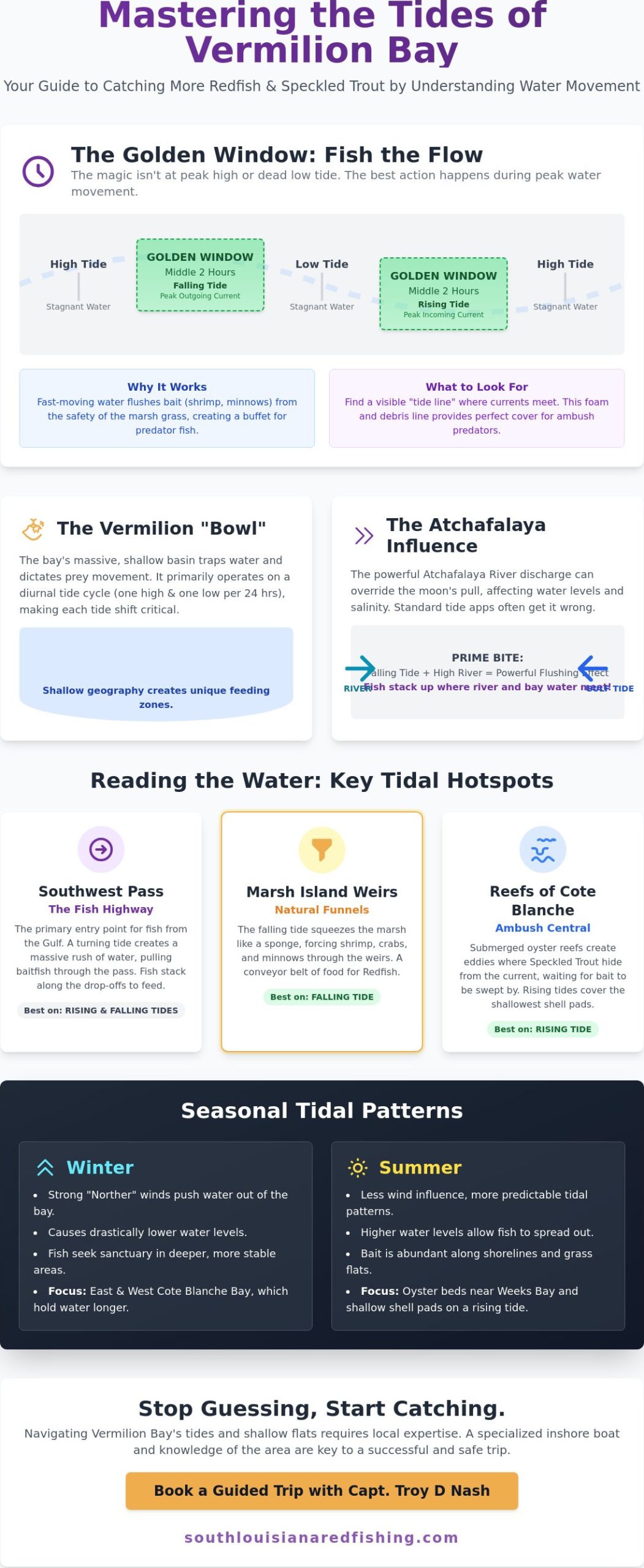
Success in these waters starts with a basic realization: the tide isn’t just about how deep the water is. In the shallow estuary of Vermilion Bay, the geography acts like a massive, shallow basin. This “bowl” shape traps water and dictates exactly how prey moves through the system. Unlike the Atlantic coast which often sees semi-diurnal tides, our corner of the Gulf primarily operates on a diurnal cycle. This means you usually get one big push and one big pull every twenty four hours. When you’re fishing the tides in vermilion bay, you have to make that single movement count. If the water is stagnant, the Redfish and Trout go into a lockjaw state. No movement means no dinner bell for the predators we’re after.
The “Moving Water” Rule
Don’t get obsessed with the peak high or the dead low. The real magic happens during the middle two hours of the change. This is the golden window where current velocity peaks and the marsh truly comes alive. Fast moving water forces shrimp and cocahoe minnows out of the safety of the grass and into the open. Predators wait at the mouth of drains and along the points of Cypremort Point to intercept them. A tide line is the visible boundary where two different water masses or currents meet, often collecting foam and debris that provide perfect cover for ambush predators. If you find a hard tide line near a reef, get your bait in there immediately.
The Atchafalaya Influence
Most generic tide apps fail because they don’t account for the Atchafalaya River. When river stages at Simmesport climb, a massive volume of fresh water pushes into the bay and can override the moon’s pull. This discharge can keep water levels high even during a predicted falling tide, which can be dangerous if you’re navigating shallow mud flats. It also drops the salinity, which shifts where the schools congregate. However, a falling tide combined with high river stages creates a powerful flushing effect. This is prime time for targeting various louisiana fish like Bull Reds and big Trout. They stack up exactly where the murky river water meets the cleaner bay water, waiting for the current to deliver a meal. Mastering this river effect is what separates the weekend warriors from the successful captains.
Reading the Water: Where the Tides Move the Fish
To truly master fishing the tides in vermilion bay, you have to think like a predator. While the bay itself is a massive basin, Southwest Pass serves as the primary highway for every Speckled Trout and Redfish entering from the Gulf. This deep water canyon is the lifeblood of the entire system. When the tide turns, it creates a massive rush of water that pulls baitfish through the pass and into the waiting mouths of schools stacked along the drop-offs. It’s high-speed action that requires a captain who knows exactly how to position a boat in the heavy current without spooking the school.
On a rising tide, your focus should shift toward the oyster beds near Weeks Bay and the shallow shell pads of Cypremort Point. These areas come alive as the saltier Gulf water pushes inland, bringing clarity and life to the shoreline. However, when the wind shifts to a “norther” in the winter, the water levels can drop drastically. During these times, East and West Cote Blanche Bay often hold water longer than the main bay. This provides a sanctuary for fish and a golden opportunity for anglers who don’t want to get stuck in the mud while the rest of the bay is draining out.
Fishing the Marsh Island Weirs
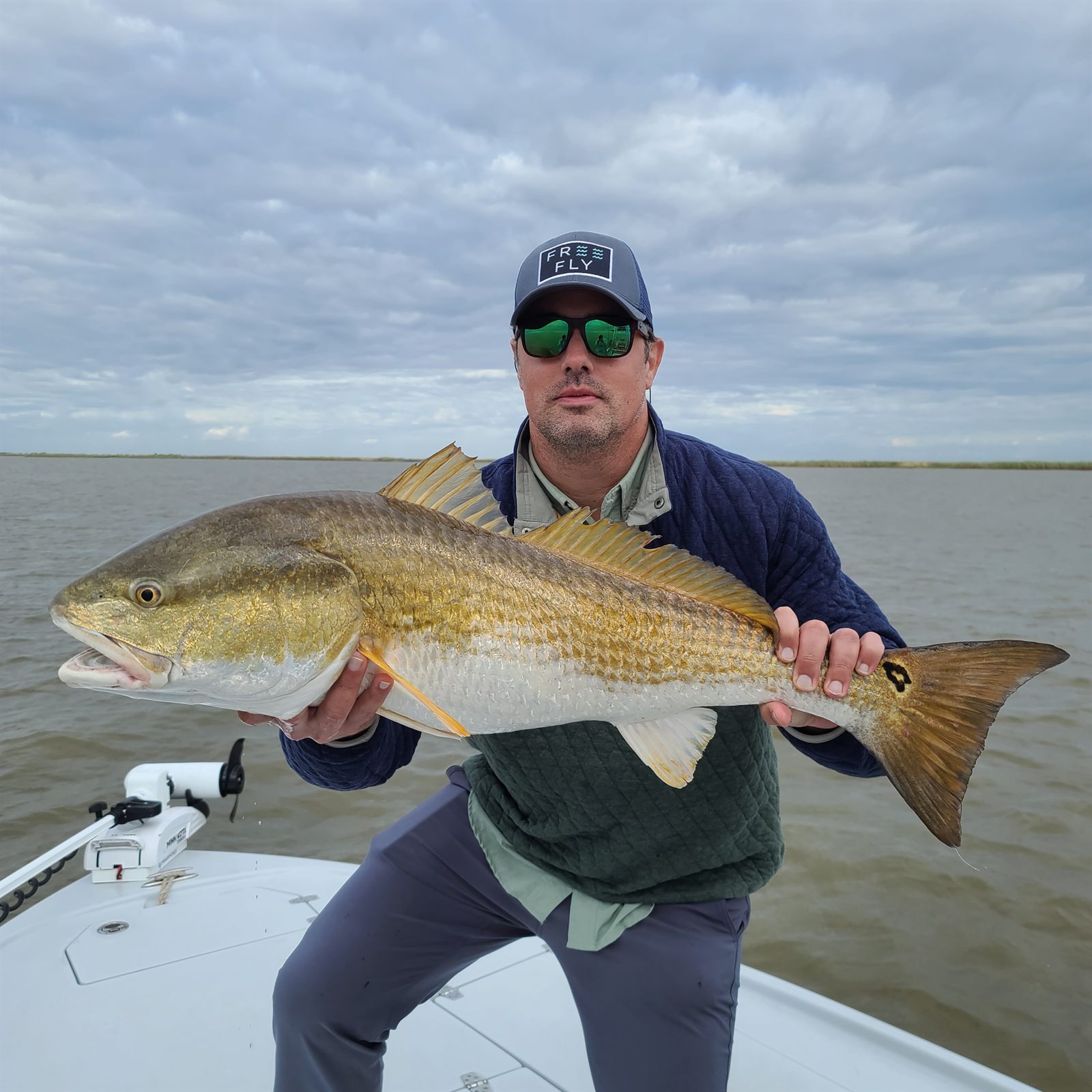
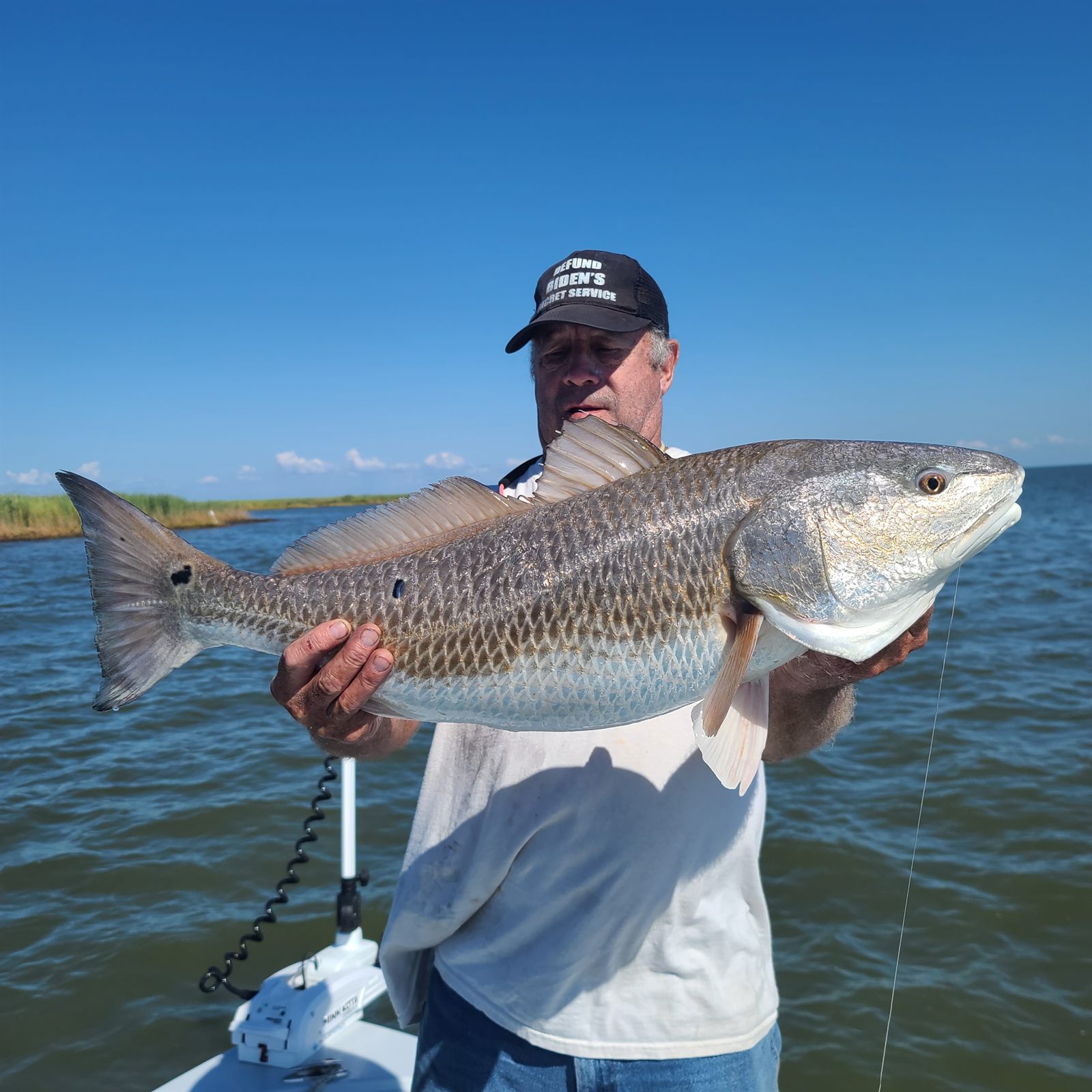
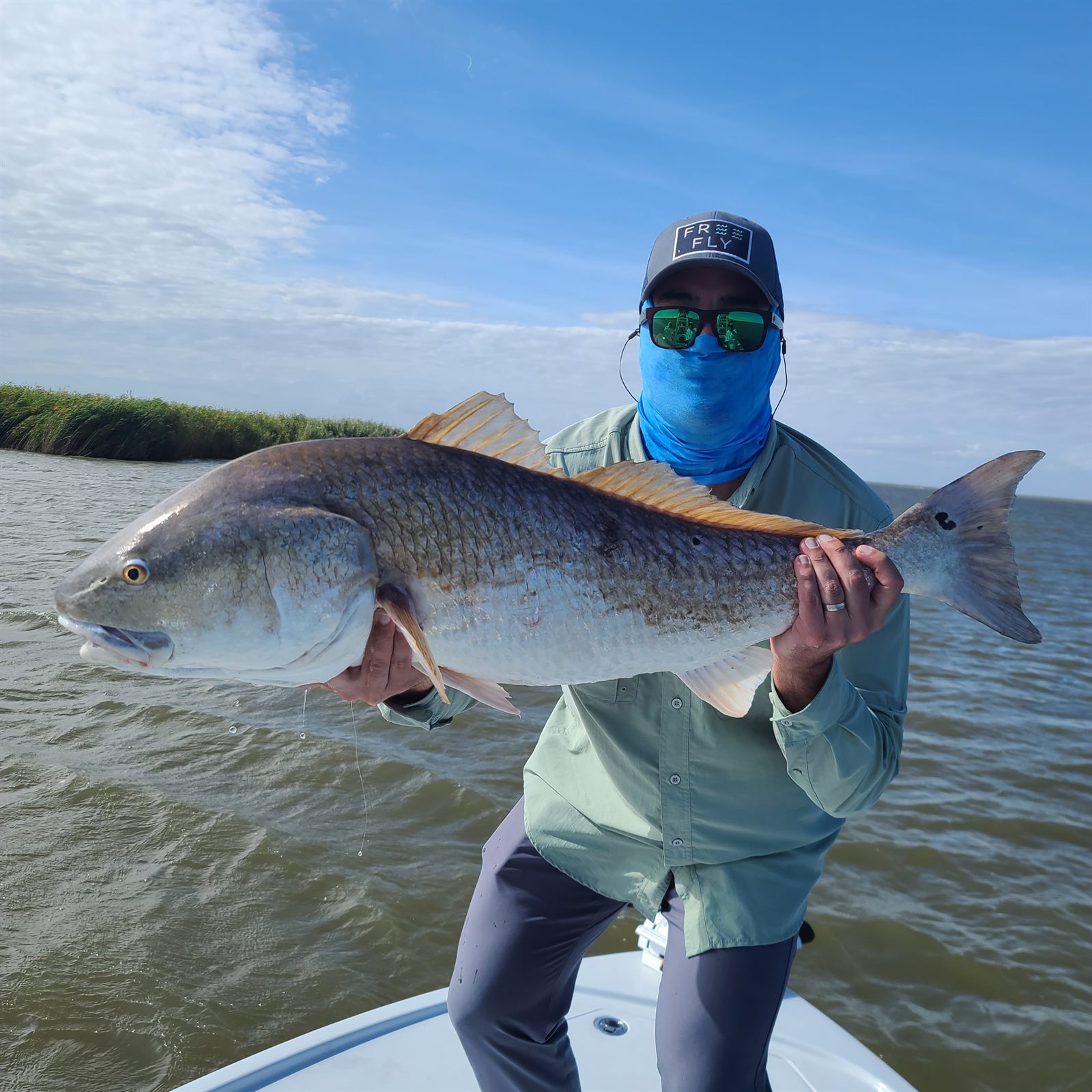
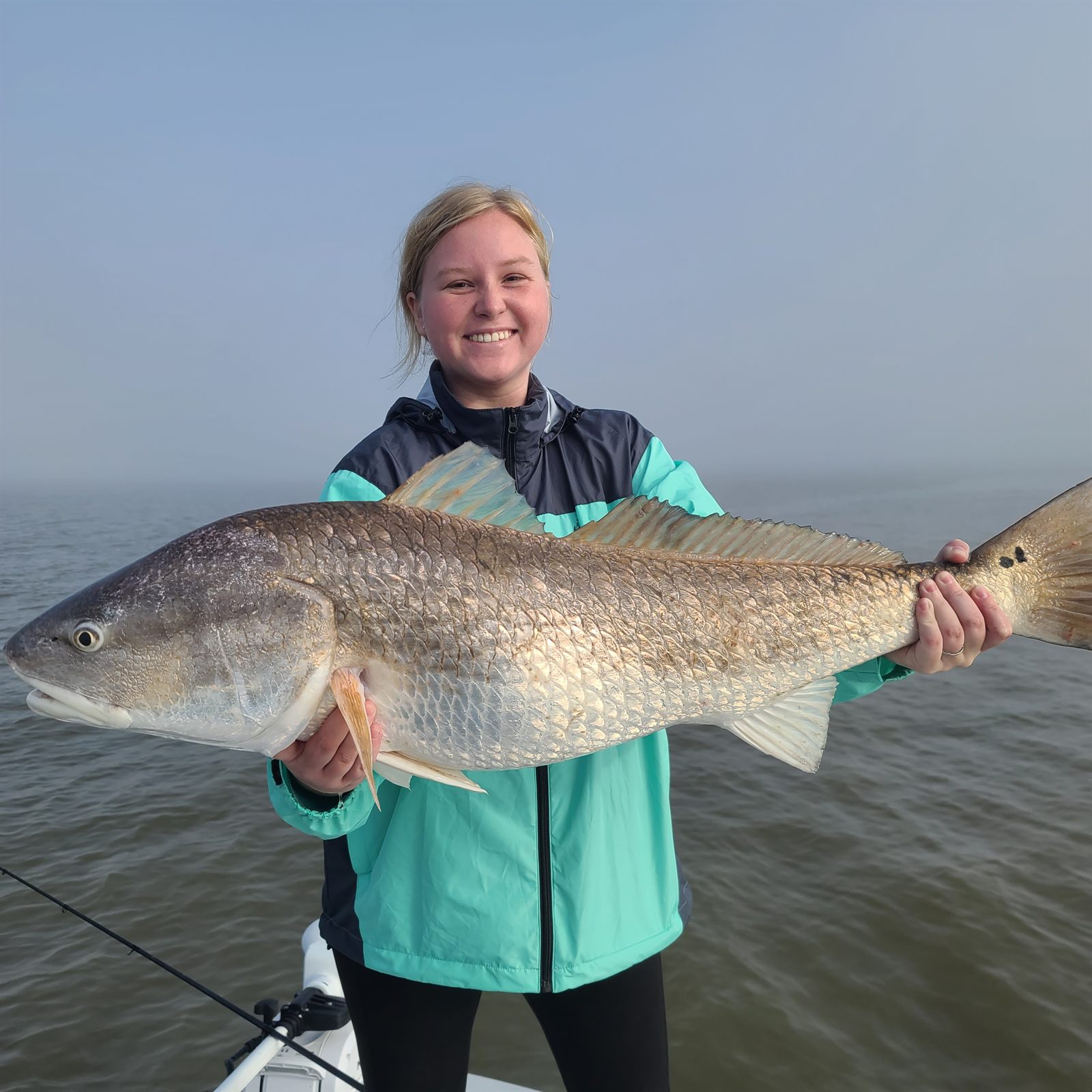
The weirs along the State Wildlife Refuge at Marsh Island are legendary for a reason. As the tide falls, the marsh acts like a giant sponge being squeezed. This drainage effect pulls shrimp, crabs, and glass minnows through the weirs, creating a natural funnel. You want to position your boat just off the current rip, casting back into the moving water. This is the ultimate setup for targeting hungry louisiana redfish as they sit on that conveyor belt of food. If you’re ready to experience this high-energy bite firsthand, booking a guided trip is the fastest way to learn these secret spots without the trial and error.
The Reefs of Cote Blanche
Submerged reefs in the Cote Blanche bays are ambush central. The uneven bottom creates eddies where Trout hide from the main current while waiting for bait to be swept past. Rising tides are generally superior here because they cover the shallowest shell pads, allowing you to drift over areas that are inaccessible at low tide. Always keep a close eye on your depth finder. Navigating these shallow flats during a negative low tide is a recipe for a long day on a sandbar if you aren’t careful. Stick to the known channels and watch the water color to stay in the safe zones where the big fish play.
Seasonal Tidal Patterns: Winter Lows vs. Summer Floods
A generic tide app might tell you one thing, but a 20-knot North wind will tell you another. In our region, wind direction often dictates the actual water level more than the lunar cycle. State officials have spent years Understanding Vermilion Bay’s Tidal Fluctuations to protect our coastline, and as an angler, you must do the same. Seasonal shifts change the entire playing field for fishing the tides in vermilion bay. You can’t fish the same spots in January that you hit in July and expect to see the same results. Success requires adjusting your strategy to match the seasonal “push and pull” of the Gulf.
Winter Northers and the “Mud Out”
Cold fronts are absolute game changers in the bay. When a strong North wind hits, it literally pushes the water out of the marsh and into the open Gulf. The flats around Cypremort Point and Weeks Bay can go bone dry in a matter of hours. When this happens, the fish don’t just vanish. They retreat to the deepest holes in the canals and the protected bends of the Intracoastal Waterway. This “mud out” is actually a blessing for the observant angler. When the water is gone, the bay’s hidden structure, like oyster lumps and deep washouts, is revealed for the first time. Use this time to scout and mark the spots that will hold fish when the water returns.
Summer Highs and Grass Beds
Summer brings the opposite challenge. The “Summer Doldrums” often feature slow tidal movement and soaring water temperatures that can make the bite sluggish. High summer tides allow Redfish to penetrate deep into the marsh grass of Marsh Island where they’re incredibly hard to reach. You’ll often see them tailing in the shallows of East Cote Blanche Bay during these extreme high water events. To beat the Louisiana heat, focus your efforts on the early morning incoming tide. This brings cooler, oxygen-rich water into the bay, triggering an aggressive feeding window before the midday sun shuts everything down. If the tide isn’t moving by noon, it’s time to head in for some Cajun food in Lafayette and wait for the evening shift.
As we transition into the fall, the Bull Red run begins. These massive fish follow specific tidal shifts into the deeper passes. This is the peak of the season, where the right tide can lead to a limit of fish in record time. This is where the decades of experience from a guide like Capt. Troy D Nash come into play. He knows when to ignore the digital chart and trust the feel of the wind and the smell of the marsh.
Tactical Gear and Bait for Tidal Fishing
Moving water is your best friend, but it’s also your biggest challenge. When fishing the tides in vermilion bay, your tackle box needs to be as dynamic as the current. You can’t just throw the same lure all day and expect the same results as the water speed fluctuates. Success comes from understanding how to present your bait so it looks like a natural, struggling meal being swept along the marsh edges. If your lure isn’t reaching the right depth or moving at the right speed, the fish will ignore it every time.
Lures for Moving Water
In the heavy currents of Southwest Pass, you’ll need to beef up your presentation. A 1/2 oz or even 3/4 oz jig head is often necessary to get your plastic down to the strike zone where the big Trout are holding. Conversely, when you’re working the shallow drains of Marsh Island on a falling tide, a lighter 1/4 oz jig allows for a more natural flutter that mimics a dying shrimp. For the tea-colored water typical of a falling marsh tide, reach for darker plastics with plenty of flake or high-visibility chartreuse tails. A classic gold spoon is the go-to for red fish fishing louisiana style because it creates the flash and vibration needed to trigger a strike in murky conditions.
Popping corks are another essential tool in your arsenal. They keep your bait suspended at a specific depth, preventing it from getting snagged on oyster shells while the current carries it over the reef. The loud clack of the cork mimics the sound of a shrimp popping on the surface. This draws predators in from a distance, even when visibility is low. It’s a simple but deadly effective way to use the tide to your advantage.
Live Bait Strategies
When the tide is pushing hard, live bait requires a delicate touch. If you’re using live shrimp in a fast-moving rip, hook them through the horn or the tail. This ensures they swim naturally against the flow rather than spinning uncontrollably. For Redfish patrolling the shorelines of Cypremort Point, finger mullet are nearly unbeatable during a strong incoming tide. These hardy baitfish can handle the turbulence and stay active much longer than shrimp.
Holding your position is just as important as your bait choice. Whether you use a traditional anchor or a Power-Pole, staying stationary allows you to fan-cast a specific rip or eddy until you find the school. Don’t let the current push you past the fish. If you’re ready to see these tactics in action, book one of our guided fishing trips today and let a pro show you how to work the tides like a master.
Master the Bay with Capt. Troy D Nash
A tide app can give you numbers, but it can’t give you twenty five years of time on the water. Capt. Troy D Nash is a third generation guide who has spent his life fishing the tides in vermilion bay. He reads the subtle ripples on the surface and the scent of the marsh to find where the schools are hiding. When the digital charts say one thing and the Atchafalaya River says another, that heritage of local knowledge makes the difference between a long boat ride and a heavy cooler. We provide a complete, no-hassle adventure. We bring the top-tier gear, the local secret spots, and a specialized inshore boat designed to skim across the shallowest mud flats where the big Reds live. You just show up ready for the thrill of the strike.
The Cypremort Point Advantage
Choosing Cypremort Point as your home base means you spend less time traveling and more time casting. We are minutes away from the premier reefs and the legendary weirs of Marsh Island. Compare this to the high costs and grueling travel distances of deep sea or offshore fishing. While those trips often involve battling rough sea conditions and long runs to reach the fish, our inshore charters offer a high-action, family-friendly alternative. You get world-class results without the adverse conditions or seasonal closures often found in the open Gulf. It’s a focused, efficient way to experience the best of the Louisiana coast. We keep you in the “bite zone” longer, ensuring your time on the water is spent catching, not just riding.
Cajun Hospitality in Lafayette
Your adventure doesn’t have to end at the boat dock. Many of our guests choose to stay at Cypremort Point State Park to stay close to the action and enjoy the coastal scenery. You can easily pair your fishing trip with the incredible food and lafayette things to do louisiana. From authentic boudin to live Zydeco music, the local culture is just as vibrant as the fishing. This region is the heart of Cajun country, offering a total experience you won’t find anywhere else. Whether you’re a seasoned pro looking for a personal best or bringing the kids for their first big catch, we ensure every detail is handled with professional care. Ready to hammer the reds? Book your Vermilion Bay charter today! and let’s get out on the water.
Claim Your Limit on the Next Tide
Mastering water movement is the ultimate secret to consistent success on the coast. You now have the blueprint for identifying high-traffic highways like Southwest Pass and the natural conveyor belts created by the Marsh Island weirs. Whether you are navigating a winter “mud out” or chasing summer Redfish deep in the marsh grass, the key is staying adaptable. Understanding the unique bowl geography of the region ensures you never waste another minute fishing dead water.
Don’t leave your success to a generic digital chart that can’t feel the wind or smell the marsh. When you are fishing the tides in vermilion bay, there is no substitute for a 3rd Generation Local Guide with decades of professional tenure. Capt. Troy D Nash brings specialized inshore expertise that turns a simple boat ride into a masterclass in Cajun angling. We provide the gear, the knowledge, and the specialized boat to get you into the tightest spots where the big fish hide.
Book Your Vermilion Bay Adventure with Capt. Troy D Nash
The marsh is calling, and the tide is finally starting to move. Grab your hat and get ready for a world-class experience right here in South Louisiana!
Frequently Asked Questions
What is the best tide for redfish in Vermilion Bay?
A falling tide is the absolute best for targeting Redfish in our marsh. As the water level drops, it forces the Reds out of the safety of the thick grass and into the deeper drains and oyster-lined bayous. This movement creates a concentrated feeding zone. You can sit right at the mouth of a marsh drain and catch them hammering bait as it gets sucked out of the flats.
How does the Atchafalaya River affect the tides at Cypremort Point?
High river stages can effectively trap water in the bay, preventing a predicted low tide from actually dropping. This river push also lowers salinity levels, which often moves the schools toward the saltier water found near Southwest Pass. Successful anglers always check the river gauges at Simmesport because a massive freshwater surge can completely override the moon’s influence on the local current and water clarity.
Can I fish Vermilion Bay on a “dead” tide with no movement?
You can certainly fish during a dead tide, but you’ll need to change your tactics to find success. Without current to move the bait, fish tend to scatter rather than stack up in predictable ambush spots. Focus your efforts on deeper structure or nearshore oil rigs where a slight current might still exist. It’s the most challenging time for fishing the tides in vermilion bay, so be prepared to work much harder.
Is an incoming or outgoing tide better for speckled trout?
An incoming tide is generally superior for Speckled Trout because it brings in clearer, saltier water from the Gulf. Trout are sight predators and prefer the cleaner water that pushes past the reefs of Cypremort Point during the rising cycle. This influx of high-salinity water often triggers an aggressive feeding frenzy as the schools follow the clean water line inland toward the interior oyster beds and shallow shell pads.
What happens to the tide during a strong North wind?
A strong North wind acts like a giant broom that sweeps the water right out of the bay. This can cause a negative tide where water levels drop much lower than any chart predicts. While it makes navigation tricky, it also reveals the hidden bottom structure of the bay. Many local pros use these extreme lows to scout new oyster lumps and washouts that are usually hidden under several feet of water.
Where are the best tidal “funnels” for fishing near Marsh Island?
The man-made weirs along the shoreline of Marsh Island are the premier tidal funnels in the region. These structures create high-velocity current rips that act like a dinner bell for every predator in the area. Additionally, the deep-water canyon of Southwest Pass serves as a massive natural funnel, directing the entire volume of the bay’s tidal exchange through one narrow opening, creating a world-class ambush point for Bull Reds.
Do I need a special boat to fish the tides in the shallow bay?
A specialized inshore bay boat with a shallow draft is essential for safely navigating our waters. The bay is notoriously shallow, and a falling tide can quickly leave a heavy boat stranded on a mud flat. Our professional charters use boats specifically designed to skim across six inches of water while still being stable enough to handle the bay chop. This versatility allows us to reach the fish regardless of the tide.
How far in advance should I check the tide charts before booking a charter?
You should start looking at tide charts a few weeks out, but don’t finalize your game plan until 48 hours before your trip. Local weather and river discharge levels can shift the actual tide significantly from the predicted chart. When you book with a seasoned pro, we handle all this monitoring for fishing the tides in vermilion bay. We track wind and river trends daily to ensure you hit the moving water window.