Louisiana Marsh Fishing Guides: The Ultimate 2026 Adventure Guide

Louisiana Marsh Fishing Guides: The Ultimate 2026 Adventure Guide

The most legendary redfishing in the United States isn’t found in the overcrowded boat lines of Venice; it’s waiting in the untouched, quiet expanses of Vermilion Bay. You probably feel that finding a productive spot without bumping boat trailers is getting harder every year, especially when you’re trying to avoid the high costs and unpredictable weather of a deep sea trip. You want to spend your time casting near fertile oyster beds rather than guessing at seasonal limits. By partnering with elite louisiana marsh fishing guides, you can trade the chaos for a focused, high-action day on the water.

We’ll show you why these marshes offer the best redfishing in the country and how to book an epic adventure that delivers results. You’ll get a look at the secret weirs of the 125,000-acre Marsh Island, the prime shorelines of Cypremort Point, and how 3rd generation veteran Captain Troy Nash uses 25 years of expertise to ensure he’s got you covered. Get ready to explore the best of Acadiana, from the hard-fighting bull reds to the world-famous Cajun flavors waiting for you at the dock.

Key Takeaways

  • Discover why the untouched marshes of Vermilion Bay and Weeks Bay serve as the ultimate “nursery” for trophy-sized Redfish and Speckled Trout.
  • Learn why choosing the less-pressured waters of South Louisiana offers a superior, more secluded alternative to crowded fishing hubs like Venice.
  • Book an epic adventure with expert louisiana marsh fishing guides to target legendary “Bull Reds” in the shallow flats and hidden weirs of the coast.
  • Simplify your 2026 planning with logistics for staying near Cypremort Point State Park, where world-class fishing meets authentic Cajun culture and cuisine.
  • Gain a competitive edge by tapping into the 25+ years of local expertise offered by a veteran, 3rd-generation guide who knows every secret canal.

What Makes Louisiana Marsh Fishing World-Class?

Your epic adventure begins in the sprawling estuary system of South Louisiana. This isn’t just a day on the water; it’s an immersion into a 7,000 square mile labyrinth of bayous, lakes, and grass flats. For those seeking the best louisiana marsh fishing guides, the 2026 season promises unparalleled access to the “nursery of the Gulf.” This massive ecosystem provides the perfect habitat for Redfish and Speckled Trout to thrive. Unlike the volatile conditions of the open sea, the marsh offers a stable environment where your success doesn’t depend on a lucky break. He’s got you covered with deep local knowledge that ensures you find the fish every time.

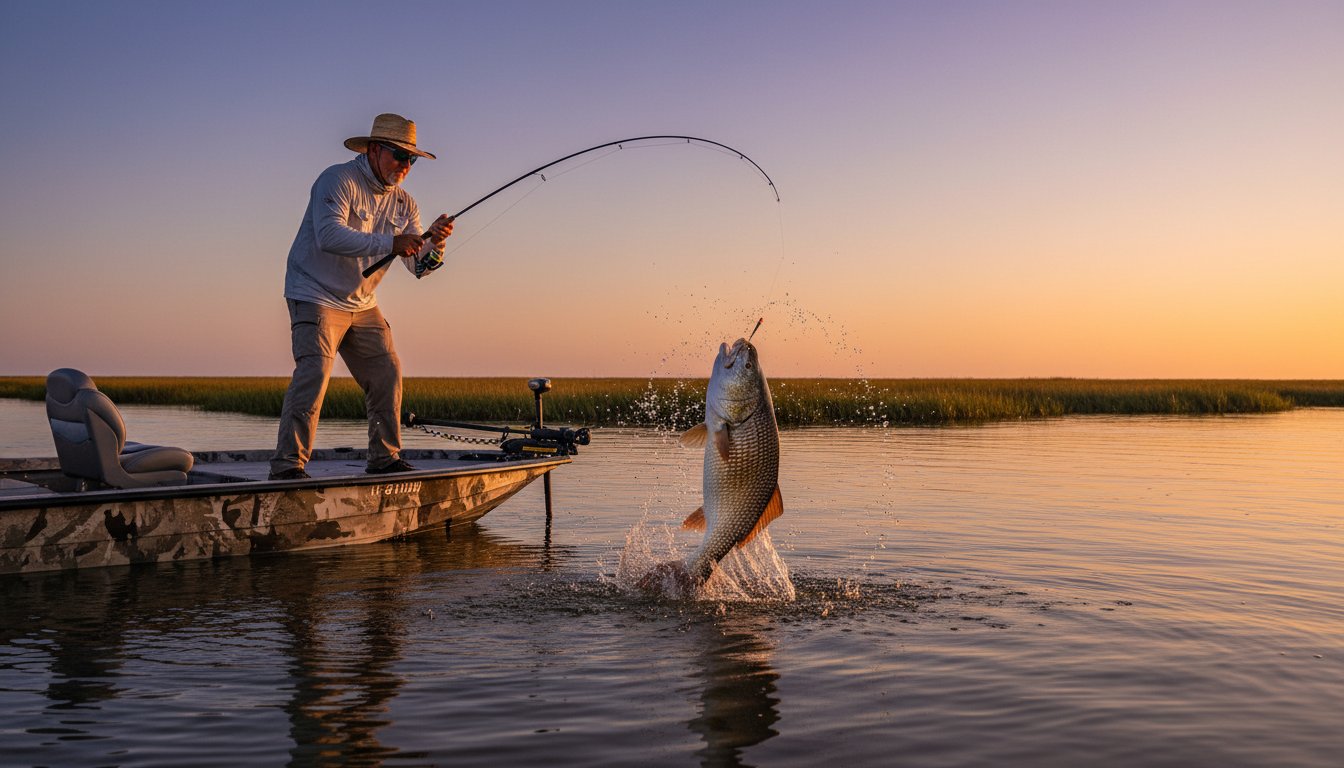
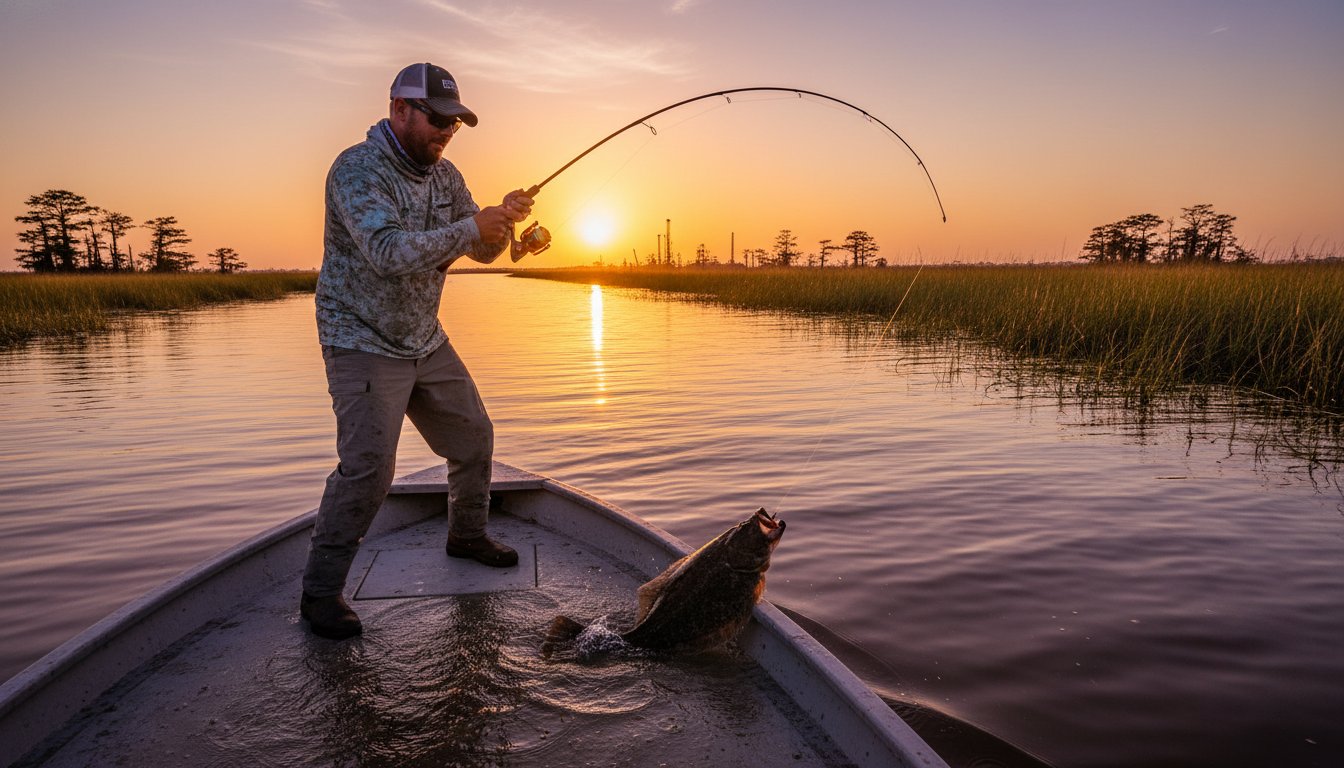
One of the most thrilling aspects of this region is the ability to engage in sight-fishing. In the shallow grass flats of Marsh Island and Cypremort Point, you’ll see the bronze backs of bull reds breaking the surface before you even cast. It’s a visual, heart-pounding style of fishing that requires precision and the steady hand of a 3rd generation veteran guide like Capt. Troy D Nash. Experience the thrill of watching a giant redfish inhale your lure in just inches of water.

The Magic of the Inshore Estuary

The waters surrounding Vermilion Bay and West Cote Blanche Bay are incredibly nutrient-rich, supporting massive populations of forage like shrimp and menhaden. These estuaries are managed with care by the Louisiana Department of Wildlife and Fisheries to ensure the sustainability of the ecosystem. Unlike open-water bay fishing where you’re often fighting wind and heavy chop, the marsh provides endless banks, weirs, and canals that act as natural windbreaks. You’ll find a diverse variety of species here, including:

  • Redfish: The undisputed kings of the shallow flats and grass lines.
  • Speckled Trout: Found in the deeper canals and over submerged oyster reefs.
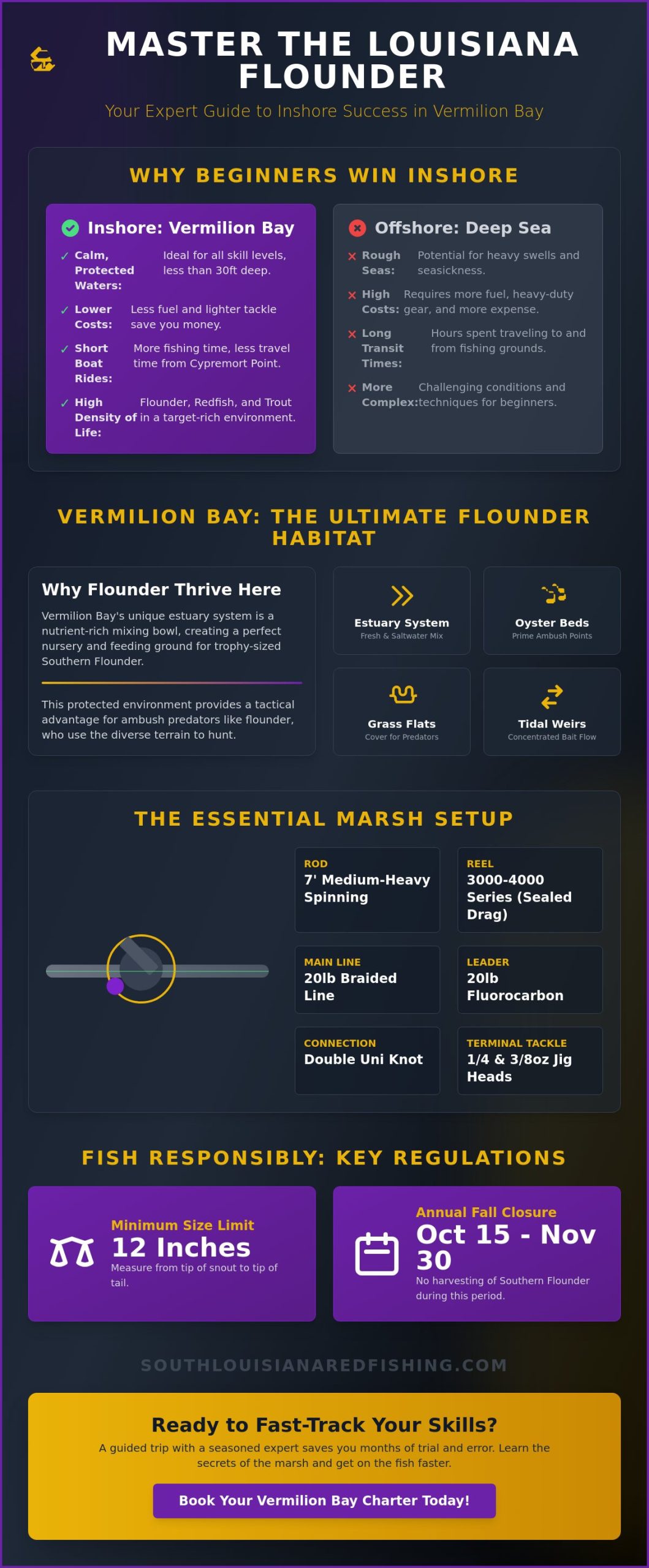
  • Flounder: Hiding near the sandy bottoms and marsh drainage points.
  • Black Drum: Hard-fighting giants that frequent the shorelines and shell banks.

Inshore vs. Offshore: Why the Marsh Wins

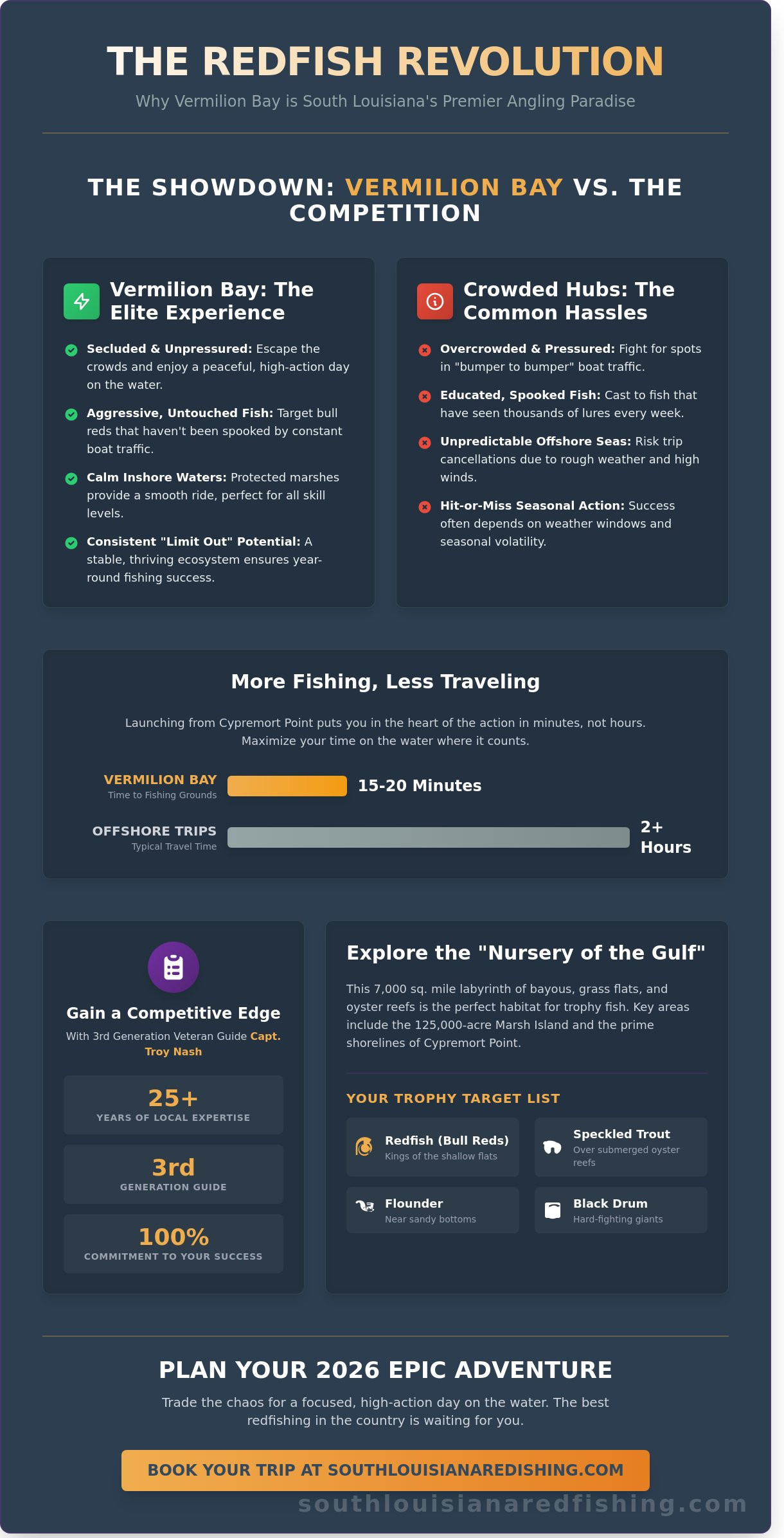
Choosing louisiana marsh fishing guides over offshore charters saves you both time and money while offering a more relaxed environment. While deep-sea trips often require two-hour runs to reach the fishing grounds, our trips from Cypremort Point State Park put you on the fish in as little as 15 to 20 minutes. The sea state in the marsh remains calm, making it the perfect choice for all skill levels. While other areas like Venice can be hit-or-miss due to seasonal volatility and rough weather, the marsh offers consistent “limit out” potential throughout the year. After a successful day of catching bull reds, you’re just a short drive from the world-famous Cajun food in Lafayette, making this the ultimate Louisiana experience.

Why Vermilion Bay is the Premier Choice for Marsh Anglers

Experience the thrill of a lifetime in a place where the fish outnumber the boats. While many anglers flock to Venice and find themselves bumper to bumper with other charters, the western marshes offer a secluded paradise. Vermilion Bay stands as the ultimate destination for those seeking an authentic, less pressured experience. This massive estuary system, including Weeks Bay, East Cote Blanche Bay, and West Cote Blanche Bay, provides a diverse playground for every skill level. It is where your epic adventure begins.

Launching from Cypremort Point gives you a massive strategic advantage. You aren’t wasting hours burning fuel to reach the fish. Instead, a quick 15 minute run puts you right in the heart of the action. This proximity to the Gulf of Mexico creates a unique hybrid fishery. You get the protection of the marsh with the hard pulling strength of nearshore species. It is the best of both worlds without the high costs or rough seas often associated with deep sea trips. For those looking for the best louisiana marsh fishing guides, this region offers a level of solitude you won’t find anywhere else.

Escaping the Crowds of Eastern Louisiana

The difference in fishing pressure between the eastern hubs and Marsh Island is night and day. In Venice, fish see thousands of lures every week. In our western bayous, the redfish are aggressive and the strikes are violent. You’re hunting for giant bull reds that haven’t been spooked by constant engine noise. Navigating these complex waters requires more than just a GPS; it takes a veteran’s touch. As a 3rd generation guide with over 25 years of experience, Capt. Troy Nash knows these shifting banks like the back of his hand. He’s got you covered whether you want to toss topwaters or soak bait in a hidden cove.

Key Landmarks: From Marsh Island to Burns Point

The geography here is legendary. Marsh Island is famous for its intricate network of weirs and canals that act as natural funnels for baitfish. When the tide moves, these spots become buffet lines for trophy sized trout and redfish. Our louisiana marsh fishing guides specialize in hitting these specific tidal windows to ensure a heavy cooler.

  • Burns Point: This area offers rugged shoreline fishing where redfish prowl the grass lines in search of crab and shrimp.
  • Oyster Beds: Local reefs near Cypremort Point attract massive schools of speckled trout during the spring and summer months.
  • Weeks Bay: A prime nursery area where you can often limit out on flounder and black drum.

After a successful day on the water, you’re just a short drive from Lafayette. The surrounding area is famous for world class Cajun food and vibrant tourism. Your epic fishing adventure is waiting in the heart of Acadiana. Don’t settle for a crowded boat launch when you can have the entire marsh to yourself.

Louisiana Marsh Fishing Guides: The Ultimate 2026 Adventure Guide

Targeting Trophy Species: Bull Reds, Trout, and Beyond

Every trip with professional louisiana marsh fishing guides focuses on the “Big Three”: Redfish, Speckled Trout, and Flounder. These species are the heart of the Cajun coast. You’ll find them patrolling the endless banks of Vermilion Bay and the secluded weirs of Marsh Island. The thrill of the hunt is real here. You might spend your morning casting into the grass lines for a limit of Flounder and your afternoon battling a prehistoric-looking Black Drum. It’s an epic adventure that changes with every tide and season.

The Hunt for Bull Redfish and Gator Trout

A Bull Red is a mature Red Drum that exceeds 27 inches in length. These giants are the undisputed kings of the marsh. The best times to target these massive fish in the shallow flats are from September through November. During these months, the water clears and the big reds move into the shallows to feed before spawning. Our tactical approach involves sight-fishing in the clear-water flats near Cypremort Point. You’ll stand on the bow, scanning the surface for a copper flash or a waking fish. It’s a high-stakes game of precision. Gator Trout, which are Speckled Trout reaching over 20 inches, are also a primary target. These trophy trout frequent the oyster reefs and shell pads during the spring peak in April and May. Captain Troy Nash uses his 25 years of experience to put you exactly where the big ones bite.

Nearshore Opportunities: Oil Rigs and Reefs

While other areas like Venice require long boat rides to reach productive water, our nearshore trips offer a faster path to the action. We target the closest oil rigs and reefs in the Gulf of Mexico, often just a few miles from the shoreline. These steel structures serve as massive artificial reefs. They are magnets for unique species like Tripletail and Cobia during the summer months. Tripletail are famous for floating near surface debris and rig legs from June to August. Fishing these rigs provides a distinct advantage: shorter runs and better weather windows. You don’t have to worry about the rough conditions often found in deep sea fishing. Nearshore rigs also provide incredible action for Sheepshead and heavy Black Drum during the winter. These fish stay stacked around the pilings, offering consistent rod-bending fun even when the marsh is quiet.

To ensure a successful trip, we provide all the necessary gear. Whether you’re a fan of Fly, Spin, or Baitcast setups, he’s got you covered! You’ll use professional-grade tackle designed to withstand the power of a 30-pound Bull Red or the delicate strike of a trophy Trout. This ensures every angler, from the novice to the seasoned pro, has the right tools for a legendary day on the water.

Planning Your Epic Louisiana Fishing Adventure in 2026

Planning a trip to the Louisiana coast requires more than just showing up at the dock. To experience the thrill of the marsh, you need a solid game plan that starts months before you hit the water. Your first step is to secure a louisiana fishing license online through the LDWF website. It’s a quick process that ensures you’re legal before you ever step foot on the boat. Unlike Venice or other crowded hubs, the Vermilion Bay area offers a more secluded, authentic experience that feels like stepping back in time.

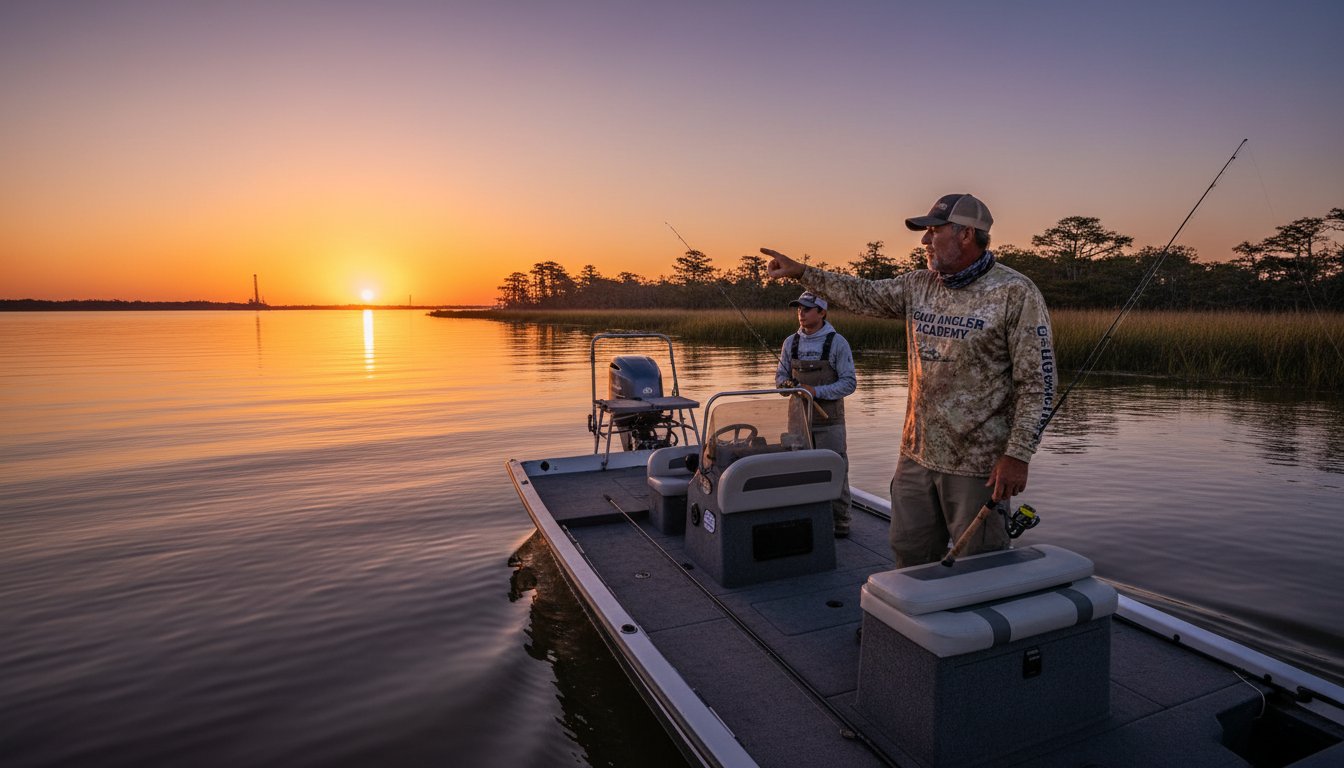
Booking the right help is the most critical decision you’ll make. You want one of the premier louisiana marsh fishing guides who knows these waters like the back of their hand. Capt. Troy Nash is a 3rd generation, full time veteran guide with over 25 years of experience. He’s got you covered, whether you’re targeting giant bull reds or looking to fill the cooler with speckled trout and flounder. Choosing a veteran guide means you aren’t just paying for a boat ride; you’re investing in decades of local knowledge and a proven track record of finding fish in any weather condition.

Lafayette: The Gateway to the Marsh

Lafayette serves as the perfect base camp for your 2026 excursion. It’s a short 45 to 60 minute drive from the city center to the boat launch at Cypremort Point State Park. You can find a range of lodging options, from high end hotels in Lafayette to rustic waterfront rentals right at Cypremort Point. After a long day on the water, you’ll want to dive into the world class Cajun food scene. There are 21 unforgettable things to do in Lafayette that make this more than just a fishing trip. From live Zydeco music to legendary boudin stops, the culture here is as rich as the fishing in South Marsh Island.

What to Bring on Your Charter

Your guide provides all the high end tackle, fresh bait, and fuel. You just need to bring your personal essentials to stay comfortable. Pack polarized sunglasses to spot those reds waking in the shallows of West Cote Blanche Bay. Bring plenty of sun protection, including wide brimmed hats and breathable long sleeve shirts. The Louisiana sun is intense, so don’t skimp on the SPF. Since the goal is often to limit out, bring a large ice chest. You’ll leave it in your vehicle to transport your cleaned, bagged catch home after the trip. Your epic adventure begins the moment you step onto the deck.

Ready to experience the best redfish fishing in the United States? Book your trip with Capt. Troy Nash today and start your 2026 adventure.

Experience the Thrill with South Louisiana Redfishing

Capt. Troy D Nash isn’t just a guide; he’s a 3rd generation local expert with over 25 years of full-time experience on these waters. When you’re searching for the best louisiana marsh fishing guides, you want someone who knows every secret canal and weir that holds the giant fish. Troy’s “He’s got you covered!” philosophy means every detail is handled. Whether you’re a first-timer or a seasoned pro using fly, spin, or baitcast gear, the boat is ready for you. Booking now for the 2026 season is essential because the best dates for those legendary bull reds fill up fast. You don’t want to miss your chance at an epic adventure in the legendary Vermilion Bay. Troy’s deep roots in the area mean he has seen the marsh change over decades, giving him an edge that newer guides simply can’t match.

Why a Veteran Guide Makes the Difference

Local knowledge turns a slow day into a massive success. Troy understands how specific wind patterns and tides push bait into the marsh. He knows exactly where the Redfish, Flounder, and Speckled Trout hide when the water moves. Unlike a crowded party boat, a private charter offers a personalized experience focused on your goals. You’ll spend less time searching and more time reeling. Safety is always the priority, ensuring you feel confident while navigating the endless bayous and South Marsh Island territory.

Your Adventure Starts at Cypremort Point

Cypremort Point serves as the perfect launchpad for your trip. It offers immediate access to prime louisiana redfish territory without the long boat rides found in other areas. You’ll find yourself casting near reefs and weirs within minutes. Inshore fishing provides better sea state conditions and more favorable species limits than deep sea trips. This epic adventure promises giant fish and great company. After the trip, enjoy world-class Cajun food in nearby Lafayette or visit Cypremort Point State Park.

On your 2026 louisiana marsh fishing guides trip, you can expect to target a variety of hard-fighting species:

  • Redfish: The hard-pulling kings of the marsh.
  • Speckled Trout: Plentiful in the bays and near oyster beds.
  • Flounder: Found along the bottom of secret canals.
  • Black Drum and Sheepshead: Great fighters that love the local weirs.

The 2026 season is already seeing high demand from anglers looking for the best inshore action in the United States. Don’t wait until the prime months are gone. Secure your spot on the boat today and prepare for a day of bent rods and big smiles.

Book Your Epic Louisiana Marsh Adventure Today!

Your Epic 2026 Adventure Starts at Cypremort Point

The legendary waters of Vermilion Bay and Marsh Island offer more than just a day on the water; they provide a world-class pursuit of giant bull reds and speckled trout. While other areas like Venice often require longer boat rides and higher costs, our local marsh and nearshore reefs keep you in the action quickly. Capt. Troy Nash brings over 25 years of full-time experience to every trip. As a 3rd generation veteran guide, he knows every weir, canal, and oyster bed from Cypremort Point to South Marsh Island. He’s got you covered with deep-rooted expertise and a passion for these coastal banks. Choosing the right louisiana marsh fishing guides makes the difference between a simple outing and a record-breaking trip. You’ll find everything needed for success, whether you prefer fly, spin, or baitcast gear. The 2026 season is already shaping up to be legendary. After a day of limiting out, you can enjoy the incredible Cajun food and tourism around Lafayette. Don’t wait to secure your spot on the boat. It’s time to climb aboard and see why this region is the premier choice for marsh anglers.

Experience the Thrill—Book Your 2026 Louisiana Marsh Fishing Trip!

Frequently Asked Questions

What is the best time of year for marsh fishing in Louisiana?

Marsh fishing in Louisiana is a year-round pursuit, but the fall months from September through November offer the most consistent action for bull reds. During this 90 day window, cooler water temperatures push fish into the shallow ponds of Marsh Island. You’ll also find excellent Speckled Trout fishing in the spring, specifically from March to May, as they move into the reefs of Vermilion Bay. Our louisiana marsh fishing guides track these patterns daily to ensure your trip hits the peak bite.

Do I need a fishing license for a guided marsh trip in Louisiana?

You must have a valid Louisiana fishing license before stepping on the boat. For most guided trips, out of state anglers choose the 3-day Charter Passenger License, which cost $20 in 2024. You can purchase this through the Louisiana Department of Wildlife and Fisheries website or their mobile app. It’s a quick process that ensures your epic adventure stays legal and stress-free while exploring the weirs and canals around Cypremort Point.

What fish can I expect to catch in Vermilion Bay?

Anglers in Vermilion Bay can expect to catch a diverse range of species including Redfish, Speckled Trout, Flounder, Black Drum, and Sheepshead. The bay’s unique mix of freshwater from the Atchafalaya River and salt from the Gulf creates a nutrient-rich habitat. You’ll often find giant bull reds patrolling the shorelines near South Marsh Island or schools of trout congregating around oyster beds in East Cote Blanche Bay during the summer months.

Is marsh fishing suitable for beginners or children?

Marsh fishing is the perfect environment for beginners and children because the waters remain calm and protected from heavy swells. Unlike offshore trips that involve long, bumpy rides, our inshore trips stay in the shallow flats and bayous where sea sickness is rarely an issue. Capt. Troy Nash is a 3rd generation expert who loves teaching kids how to cast. He’s got you covered with all the gear needed for a successful day on the water.

How much does a Louisiana marsh fishing guide cost?

The cost of hiring louisiana marsh fishing guides depends on the length of the trip and the number of people in your party. While rates vary, the price typically covers the boat, fuel, high-end tackle, and expert navigation through the complex marsh systems. Booking a local charter in Vermilion Bay is often more cost-effective than deep sea trips because we use less fuel and reach the fishing grounds in under 30 minutes.

What happens if the weather is bad on the day of my charter?

If the weather is unsafe, the captain will make the final call to reschedule or cancel the trip. Safety is the top priority when navigating the lakes and canals around Weeks Bay. High winds or lightning are the primary reasons for cancellations. If a trip is called off due to weather, we’ll work with you to find the next available date for your adventure or provide a refund per our booking policy.

Can we keep the fish we catch during the trip?

You are welcome to keep any fish that meet the legal size and bag limits set by the Louisiana Department of Wildlife and Fisheries. For example, the current daily limit for Speckled Trout is 15 fish per person in this region. After a successful day at the weirs or reefs, your guide will clean and bag your catch at the dock. It’s the perfect way to bring a taste of the Cajun coast home with you.

What is the difference between inshore and marsh fishing?

Marsh fishing specifically targets the shallow ponds, grass flats, and narrow bayous found within areas like Marsh Island. Inshore fishing is a broader term that includes those marshes plus larger bodies of water like West Cote Blanche Bay and nearshore reefs. Both styles offer better sea conditions and more fishing time than offshore excursions. You’ll spend your day casting near shorelines rather than staring at a blue horizon for hours.

Fishing Guide School Louisiana: How to Master the Marsh Like a Pro

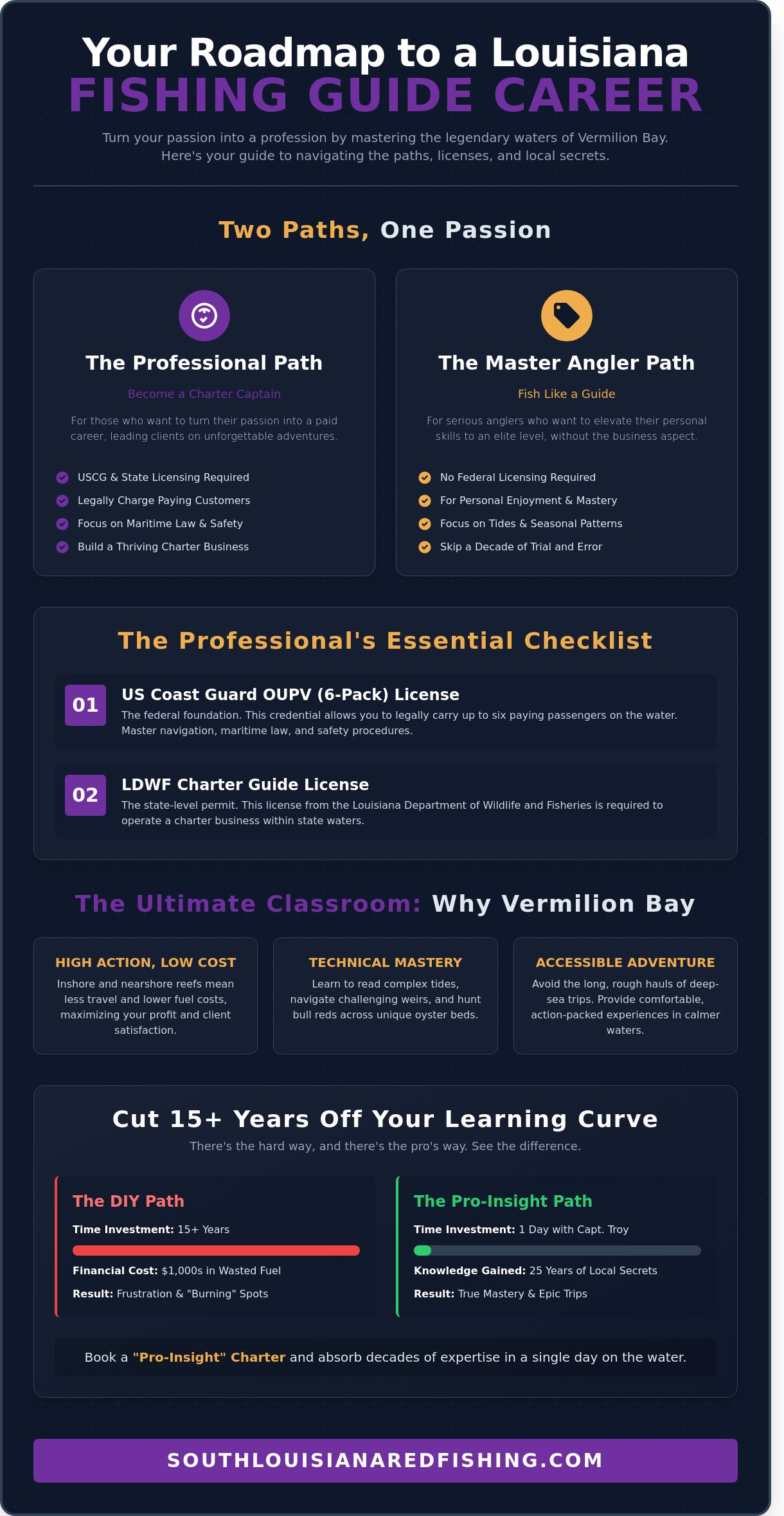
Most dedicated anglers spend over 15 years and thousands of dollars in wasted fuel trying to decode the complex tides of the Louisiana coast, yet they still end up “burning” their best spots on a single slow Saturday. You already know that the difference between a casual weekend warrior and a legendary professional is more than just a lucky lure; it’s a deep, technical understanding of the water. If you’re ready to turn your passion into a career, attending a fishing guide school louisiana is the fastest way to bridge that gap. We promise to show you exactly how to navigate the USCG licensing maze while mastering the legendary banks of Vermilion Bay like a seasoned pro.

While other areas like Venice offer different challenges, nothing compares to the technical skill required to hunt bull reds and speckled trout across the oyster beds of Cypremort Point. You’ll gain a clear roadmap to earning your stripes, from understanding the business side of charters to learning the secret patterns of the South Marsh Island weirs. We’re breaking down the exact steps to help you launch an epic adventure business that thrives on the unique charm and world-class fishing of Cajun country.

Key Takeaways

  • Understand the two distinct paths of a fishing guide school louisiana, whether you’re chasing a professional USCG license or simply want to master the complex marsh like a local veteran.
  • Get a clear, step-by-step checklist for securing your LDWF Charter Guide License and Coast Guard credentials to start your career on the water.
  • Master the art of reading tides and navigating the legendary weirs of Vermilion Bay and Marsh Island, the most challenging and rewarding classroom in the world.
  • Learn how to cut years off your learning curve by booking a “Pro-Insight” session with Capt. Troy, a 3rd-generation expert who shares 25 years of local secrets in a single day.
  • Discover why the nearshore reefs and oil rigs of Cypremort Point offer more action and accessibility than the long, expensive hauls found in other areas.

What is a Louisiana Fishing Guide School?

A fishing guide school louisiana is not a traditional classroom with four walls and a chalkboard. It is a rigorous, dual-track education that blends strict federal regulations with the raw, on-the-water mastery required to survive the “school of hard knocks” in the marsh. You cannot simply buy a bay boat and start charging for trips. True guide schools provide a roadmap for navigating the complex legalities of the U.S. Coast Guard while teaching you the secrets of the Vermilion Bay ecosystem. This isn’t just about catching fish. It’s about understanding how a 15-knot south wind pushes water into the weirs of Marsh Island or how a falling tide in October triggers a feeding frenzy on the oyster beds of Cypremort Point.

The difference between a casual weekend workshop and a professional mentorship is massive. A workshop might teach you a knot or a specific lure choice. A professional mentorship under a veteran like Capt. Troy Nash, a 3rd generation guide with over 25 years of experience, teaches you how to read the water. You learn to anticipate fish movement across East and West Cote Blanche Bay before you even launch the boat. This level of expertise is what separates the experts from the amateurs. It turns a frustrating day of searching into an epic adventure where you limit out on Redfish and Speckled Trout.

The Professional Path: Becoming a Charter Captain

If you want to charge customers for the thrill of the hunt, you must go pro. This starts with the Merchant Marine Credential, specifically the OUPV or “Six-Pack” license. This federal requirement allows you to carry up to six paying passengers. Most prospective guides attend a USCG-approved captain’s course to master navigation, maritime law, and emergency deck procedures. It’s a demanding process that ensures safety on the water. Beyond the federal level, you must also secure the proper permits from the Louisiana Department of Wildlife and Fisheries. This state agency manages the resources that make our region a world-class destination.

Choosing to guide in the Vermilion Bay area offers distinct advantages over other areas like Venice. Our inshore and nearshore trips focus on the vast network of canals, lakes, and reefs. You don’t have to run 50 miles into the Gulf to find giants. By staying inshore, you avoid the heavy sea states of the open ocean and the high fuel costs of deep-sea fishing. This makes the business side of being a guide much more sustainable. It also keeps your clients happy and comfortable in the calm waters of Weeks Bay or the shorelines of South Marsh Island.

The Master Angler Path: Leveling Up Your Skills

Not everyone attending a fishing guide school louisiana wants to run a business. Many serious anglers seek this training to “fish like a guide” for their own enjoyment. This path skips the maritime law and focuses entirely on advanced marsh reading and seasonal patterns. You learn to analyze tide charts with precision. You’ll discover why the bull reds stack up near specific oil rigs in the nearshore areas during the summer months. Learning from a veteran guide is the fastest way to skip a decade of trial and error.

This path is about efficiency and results. Instead of guessing, you’ll know exactly which canal to hit when the water clarity changes. You will master the transition from spin to baitcast or even fly fishing depending on the conditions. Once the day is done, you’re only a short drive from the incredible Cajun food and culture of Lafayette. It’s about turning every trip into a successful, high-action experience that matches the legendary reputation of the Louisiana coast.

The Essential Checklist for Your Louisiana Charter License

Turning your passion for giant bull reds into a career requires more than just a lucky bait. You’re stepping into a professional world where safety meets the thrill of the marsh. Before you can lead a group through the endless banks of Vermilion Bay, you must check every box on the legal list. This isn’t just paperwork; it’s your badge of authority. It proves to every client that they’re in the hands of a seasoned expert who knows these waters like the back of his hand.

Your journey to becoming a pro begins with a specific set of credentials. You’ll need to master the following requirements:

  • US Coast Guard OUPV (6-Pack) or Master License: The federal foundation for any paid captain.
  • LDWF Charter Guide License: The state permit that legalizes your business in Louisiana waters.
  • TWIC Card: A federal security clearance for maritime workers.
  • Liability Insurance: Minimum coverage of $250,000 is mandatory.
  • Drug Testing Consortium: Enrollment in a random testing program.

USCG Requirements: The ‘Six-Pack’ License

The OUPV license allows you to carry up to six passengers on uninspected vessels. To qualify, you must document 360 days of sea service. At least 90 of those days must have occurred within the last three years. You’ll also need to pass a physical exam, a drug test, and hold current CPR/First Aid certifications. Enrolling in a fishing guide school louisiana captains trust is the most efficient way to study for the rigorous four-part exam. This test covers the Rules of the Road, Navigation, Deck General, and Safety protocols. Mastering these subjects ensures you can handle any situation near the reefs of South Marsh Island or the canals of Weeks Bay.

LDWF State Requirements

Once your federal credentials are set, you must meet the Louisiana charter license requirements. For locals, the Resident Professional Fishing Guide permit is the goal. This permit must be renewed annually by December 31. You’re also required to participate in the LA Creel program. This involves reporting your catch data to help manage the state’s legendary fisheries. While other areas like Venice often require grueling offshore runs, our local waters near Cypremort Point offer world-class fishing just minutes from the dock. This makes the state reporting process much simpler for inshore guides focusing on speckled trout and flounder.

Safety is the top priority for any 3rd generation guide. You must outfit your boat with all USCG-required safety equipment, including Type I wearable life jackets for every passenger, fire extinguishers, and visual distress signals. You’ll also need to pass the TWIC (Transportation Worker Identification Credential) background check. This process costs approximately $125.25 and involves a trip to an enrollment center for fingerprints and a photo. It’s a small price to pay for the ability to operate professionally across the Gulf Coast.

Operating out of Cypremort Point State Park or Lafayette provides a unique advantage. You can offer your clients an epic adventure that combines the best redfish fishing in the United States with world-famous Cajun food and hospitality. The calm, shallow flats of West Cote Blanche Bay are far more inviting for families than the rougher seas found in deep sea environments. If you want to see how a pro handles these waters, you can learn from a veteran guide who has spent 25 years perfecting the craft. He’s got you covered, from the first cast to the final weigh-in.

Mastering the Marsh: The Real ‘School’ of Guiding

The South Louisiana marsh isn’t just a fishing destination; it’s a 7,000 square mile labyrinth that serves as the most demanding fishing guide school louisiana has to offer. While classroom sessions cover the basics, the true education happens in the winding canals and expansive lakes of Vermilion Bay. Here, the environment changes by the hour. A veteran guide with over 25 years of experience, like Captain Troy Nash, knows that a 15-knot south wind can push two extra feet of water into Cote Blanche Bay, completely altering where the fish hold. Mastering this terrain requires a 3rd generation understanding of how the Mississippi River and Atchafalaya River influence our local water chemistry.

Developing the “Guide Mindset” means staying one step ahead of the crowd. When the popular reefs near Cypremort Point get congested on a Saturday morning, a pro doesn’t panic. They lean on their deep-rooted expertise to find isolated schools in the “inner marsh” near Weeks Bay or Burns Point. This ability to find fish in high-pressure situations is what separates a hobbyist from a professional. Before you can lead clients to an epic adventure, you must master the Louisiana charter license requirements and prove you can handle the responsibility of a commercial vessel. Safety is the ultimate priority when navigating shallow mudflats where the water depth can drop to six inches without warning. Striking a hidden oyster reef at 30 miles per hour can end a trip instantly, so learning to read the surface ripples is a survival skill every guide needs.

Reading Tides and Water Clarity

In the Vermilion Bay complex, water clarity is the “holy grail” for success. The Atchafalaya River’s discharge levels at the Butte La Rose gauge, often exceeding 10 feet in the spring, dictate where the clean salt water resides. You must learn to identify “green” water versus “chocolate” water. Finding the interface where these two meet is often where the most aggressive Redfish and Speckled Trout feed. Unlike the deep water runs found in other areas like Venice, our inshore trips focus on navigating the weirs and cuts around Marsh Island. A shift in wind direction can turn a honey hole into a muddy mess in less than 60 minutes, so a guide must always have a backup plan in a different bay.

Seasonal Patterns for Redfish and Trout

Success in this fishing guide school louisiana environment depends on following the bait. During the winter, fish retreat into 15-foot deep holes in the dead-end canals to find stable temperatures. As the marsh warms in April, the action shifts to the shallow flats. The fall “Bull Red” run is the highlight of the year, where 30-pound giants move toward the nearshore rigs and oyster beds. Positioning your boat 50 yards up-current of a submerged reef allows your bait to drift naturally into the strike zone. This seasonal transition between the marsh and the Gulf of Mexico provides a year-round opportunity to limit out on Redfish, Flounder, and Black Drum. After a successful day on the water, nothing beats returning to Cypremort Point for some authentic Cajun food and the world-class hospitality of the Lafayette area.

Why Vermilion Bay is the Ultimate Training Ground

Experience the thrill of the Cajun Coast. While Venice often grabs the headlines, Cypremort Point is where real captains are forged. Choosing a fishing guide school louisiana in this region gives you a tactical advantage. You aren’t just learning to follow a GPS track. You’re learning to read a complex, living ecosystem. Cypremort Point offers a diversity of habitat that you won’t find in other high-traffic hubs. It’s a place where you can master multiple disciplines in a single afternoon.

The geography here is legendary. You have the 200,000 acre expanse of Vermilion Bay protected by the massive 70,000 acre Marsh Island. This setup creates a diverse classroom. You can fish the shallow marsh in the morning and hit the nearshore rigs by noon. Because these waters see roughly 45% less boat pressure than eastern hubs on average weekdays, the fish are less spooky. You’ll find it much easier to produce consistent limits of bull reds and speckled trout for your future clients. This lower pressure leads to higher rewards and better learning opportunities for a student guide.

Location is everything for a growing charter business. Being just 45 minutes from Lafayette means your clients have access to the best Cajun food and music in the state. It’s an easy sell for a weekend getaway. You’re providing an epic adventure that goes beyond the water. When you train here, you’re learning to market a total Louisiana experience. Capt. Troy Nash has built a legacy on this, and he’s got you covered with over 25 years of local expertise.

Key Locations for On-the-Water Learning

Weeks Bay and West Cote Blanche act as a massive nursery for redfish. In these 2 to 4 foot depths, you’ll learn to work the shorelines and grass lines where the giants hide. The oyster beds and reefs of Vermilion Bay provide a masterclass in structure fishing. You’ll learn how to position the boat to account for the tide and wind perfectly. Marsh Island is the crown jewel. Navigating its endless canals and weirs teaches you the precision boat handling that every veteran guide needs to master.

Nearshore Opportunities: The Oil Rig ‘Classroom’

Don’t get distracted by expensive deep-sea dreams that eat up your margins. The real money for a new guide is inshore and nearshore. The closest oil rigs, sitting just 5 to 12 miles from the coast, are teeming with Tripletail and Sheepshead. These trips offer shorter runs that save you up to 60% on daily fuel costs compared to long-distance runs. You’ll enjoy better sea states and significantly fewer weather cancellations. It’s a smarter, more results-driven business model that keeps your boat in the water and your bank account healthy. Training in these waters ensures you understand how to maximize profit while delivering a world-class experience.

Ready to start your journey on the water? Book your training trip today and see why our waters are the best in the state.

Learn from a Pro: Book a ‘Pro-Insight’ Charter with Capt. Troy

Stop reading about regulations and start casting into the marsh. You’ve learned the legal requirements for your license, but the real education happens on the deck of a boat. Capt. Troy Nash offers a 3rd generation advantage that no classroom can replicate. He’s spent over 25 years uncovering the secrets of Vermilion Bay and the surrounding reefs. This isn’t just a fishing trip; it’s a fast-track masterclass in coastal success. You’ll absorb two decades of local knowledge in a single eight-hour session, saving you years of trial and error on the water.

Capt. Troy is a full-time, veteran guide who understands the nuances of the Louisiana coast. While a formal fishing guide school louisiana provides the theory, this pro-insight charter provides the reality of the job. You’ll see how a professional manages a vessel, handles clients, and adapts to changing weather patterns in real-time. It’s the most logical next step before you invest in your own commercial gear. You need to experience the thrill and the workload of a successful charter before you start your own journey.

Telling your Captain you want to ‘go to school’ changes the dynamic of the day. Capt. Troy will explain the ‘why’ behind every move he makes. He’s got you covered with professional tackle, a high-performance bay boat, and the local expertise required to find fish when others come home empty-handed. Everything is provided, so you can focus entirely on the mechanics of the trade. You’ll leave the dock with more than just a bag of fillets; you’ll leave with a professional perspective on the industry.

What You’ll Learn on a Guided Pro Trip

Stealth is your greatest weapon in the shallow flats of South Marsh Island. You’ll learn boat positioning techniques that keep you within casting range without spooking a school of Redfish. Capt. Troy demonstrates how to use wind and tide to drift silently over oyster beds. You’ll also master the exact lures and retrieval speeds needed for ‘limiting out’ on Speckled Trout and Redfish. This isn’t about luck; it’s about the precise application of 25 years of data.

Marsh navigation is a critical skill for any aspiring guide. You’ll see how a veteran uses electronics to navigate the complex weirs and canals of East and West Cote Blanche Bay. Learning to read side-scan sonar in three feet of water is a game-changer. Capt. Troy shows you how to identify underwater structures that hold Black Drum and Sheepshead, ensuring you can provide a diverse catch for your future clients. Mastering these tools is essential for safety and success in the Louisiana backcountry.

Planning Your Epic South Louisiana Adventure

Your journey begins at Cypremort Point, the premier gateway to some of the best Redfish fishing in the United States. Logistics are simple; bring your sun protection and a desire to learn. The point is located just 45 minutes from Lafayette, making it easy to incorporate world-class Cajun food and tourism into your trip. After a day on the water, you can explore the local culture that makes this region a top destination for anglers worldwide.

Unlike the high-pressure environment of Venice, the waters around Cypremort Point State Park offer a diverse range of inshore and nearshore opportunities. You’ll spend more time fishing and less time running to the Gulf. This efficiency is what makes a career in this specific region so rewarding. Ready to take the leap from student to professional? Experience the Thrill-Book Your Pro-Insight Charter Today!

Take the Helm and Master the Vermilion Bay Marsh

You’ve discovered that becoming a professional isn’t just about passing a test; it’s about understanding the rhythm of the tides and the 1000s of hidden oyster beds around Cypremort Point. While some anglers flock to other areas like Venice, they miss out on the incredible inshore diversity and world-class Cajun food found right here in the Lafayette area. True mastery comes from time spent on the water, navigating the specific weirs and shorelines that hold giant bull reds, speckled trout, and flounder. This 1-on-1 training is the most effective way to learn the local secrets of the marsh.

Choosing a fishing guide school louisiana experience with a seasoned mentor is the fastest way to sharpen your skills. Captain Troy Nash is a 3rd generation veteran guide with over 25 years of local experience. He’s got you covered, whether you’re learning to read the flats near Marsh Island or targeting fish around the 5 closest nearshore oil rigs. Stop guessing and start catching. Experience the thrill of the hunt with a pro who knows these waters better than anyone else.

Book Your Epic Adventure with Captain Troy Nash!

Your seat on the boat is waiting.

Frequently Asked Questions

How long does it take to become a licensed fishing guide in Louisiana?

It takes roughly 3 to 6 months to complete the full licensing process. You’ll spend 80 hours in a classroom for your USCG OUPV license and wait about 15 days for the Louisiana Department of Wildlife and Fisheries to process your professional guide permit. This timeline accounts for gathering 360 days of sea service and passing your mandatory physical and drug tests. It’s a rewarding journey that turns your passion for the marsh into a professional career.

Do I need my own boat to attend a fishing guide school?

You don’t need to own a boat to enroll in a fishing guide school louisiana program. These schools provide the necessary vessels for your practical training and testing in the classroom or on the water. While owning a 22 foot center console is vital for starting your business in Vermilion Bay, the school focuses on teaching you navigation and safety rules first. You can focus on learning the ropes before making a major financial investment.

What is the difference between a 6-pack license and a Master license?

The OUPV or 6-pack license limits you to carrying 6 passengers on uninspected vessels, while a Master license allows you to operate inspected boats carrying more than 6 people. Most guides in Cypremort Point opt for the 6-pack because it’s perfect for small groups chasing bull reds in the bayous. If you plan to run larger tours out of Cypremort Point State Park, the Master upgrade requires extra sea time and a more rigorous 50 question exam. He’s got you covered regardless of which path you choose!

Can I make a full-time living as a fishing guide in South Louisiana?

Yes, a dedicated guide in the Vermilion Bay area can earn between $50,000 and $95,000 annually by running 150 to 200 trips per year. Success depends on your local knowledge of the marsh and your ability to find fish when conditions get tough. By offering trips near Cypremort Point, you’ll save on the high fuel costs found in other areas like Venice while providing clients with a high volume of Speckled Trout and Redfish. Your epic adventure as a business owner starts with consistent results.

What is the best time of year to take a ‘learning’ charter in Vermilion Bay?

The months of October and November offer the best learning opportunities because the fish are highly active in the marshes and bayous. During this 60 day window, the cooling water temperatures push giant bull reds into the shallow flats near Marsh Island. You’ll see how a veteran like Capt. Troy Nash tracks bait movement and reads the tides. It’s the perfect season to witness the abundance of the Louisiana coast firsthand and master the local patterns.

Do I need a special license to fish with a guide in Louisiana?

You only need a 3 day Charter Passenger License which costs $20 for both residents and non-residents. This specific permit covers you while you’re on a boat with a licensed captain in areas like West Cote Blanche Bay. It’s a much cheaper alternative to a full season non-resident license. Your guide usually helps you secure this online in under 5 minutes before you hit the water for your epic adventure. This ensures you’re legal while you experience the thrill of the catch.

How much does it cost to get all the necessary guide licenses?

Expect to invest approximately $2,200 to $2,500 to cover all your initial professional certifications and state permits. A reputable fishing guide school louisiana course costs about $800, while the Louisiana resident professional guide license is $1,000 annually. You’ll also need to budget $200 for your TWIC card and $150 for your USCG application fees. It’s a small price to pay to join the ranks of elite Cajun coast experts and start your own legacy.

What are the most important fish species to master for a Louisiana guide?

You must master the “Big Three” which are Redfish, Speckled Trout, and Flounder to satisfy 90 percent of your clients. In the waters around Cypremort Point, knowing where the Black Drum and Sheepshead hide during a cold front is also a vital skill. Learning the patterns of these species in the local weirs and oyster beds ensures your boat limits out consistently. Providing this kind of action is what builds a 25 year reputation in the legendary Vermilion Bay area.

Black Drum Fishing Charters in LA: Catch a Marsh Monster

Forget the long, punishing offshore runs and the gamble of a deep-sea trip. Leave the confusing regulations and the fear of an empty cooler behind. Here in the endless banks and bayous of Vermilion Bay, an epic adventure awaits. We’re talking about a battle with one of Louisiana’s true marsh monsters: the Black Drum. These brutes pull with legendary power, and our black drum fishing charters la are your ticket to the fight. We specialize in turning a good day into an unforgettable one, putting you right on the giants without the long boat ride or the rough seas.

Climb aboard and let’s get into it. In this guide, you’ll discover the secrets our veteran captain uses to target massive “Bull Drum” in the rich waters around Marsh Island and Cypremort Point. We’ll show you exactly how our expert-led trips deliver a stress-free, successful day on the water, proving why the biggest thrills are found right here in the inshore marsh. Your epic adventure begins now.

Key Takeaways

  • Learn why Black Drum are called “marsh monsters” and how their unique, brute-force fighting style provides an unmatched inshore challenge.
  • Pinpoint the key structures in Vermilion Bay, from oyster reefs to hidden weirs, where giant Black Drum congregate away from heavy fishing pressure.
  • Understand why successful black drum fishing charters la leverage local knowledge to find fish faster and provide more time with your line in the water.
  • Discover the specific tactics and tackle a veteran guide uses to consistently land these powerful fish, turning a tough fight into a successful catch.

What Makes Black Drum Fishing in Louisiana So Epic?

When you hear that deep, resonant thumping sound from below, you know you’re in the right place. That’s the signature call of the Black Drum (Pogonias cromis), the largest and most powerful member of the drum family found in the Louisiana marsh. These brutes are the unsung heroes of our inshore waters, from the endless banks of Vermilion Bay to the oyster-rich flats around Marsh Island. Known for their sheer power and bulldog-like fights, they are a staple of any South Louisiana fishing adventure.

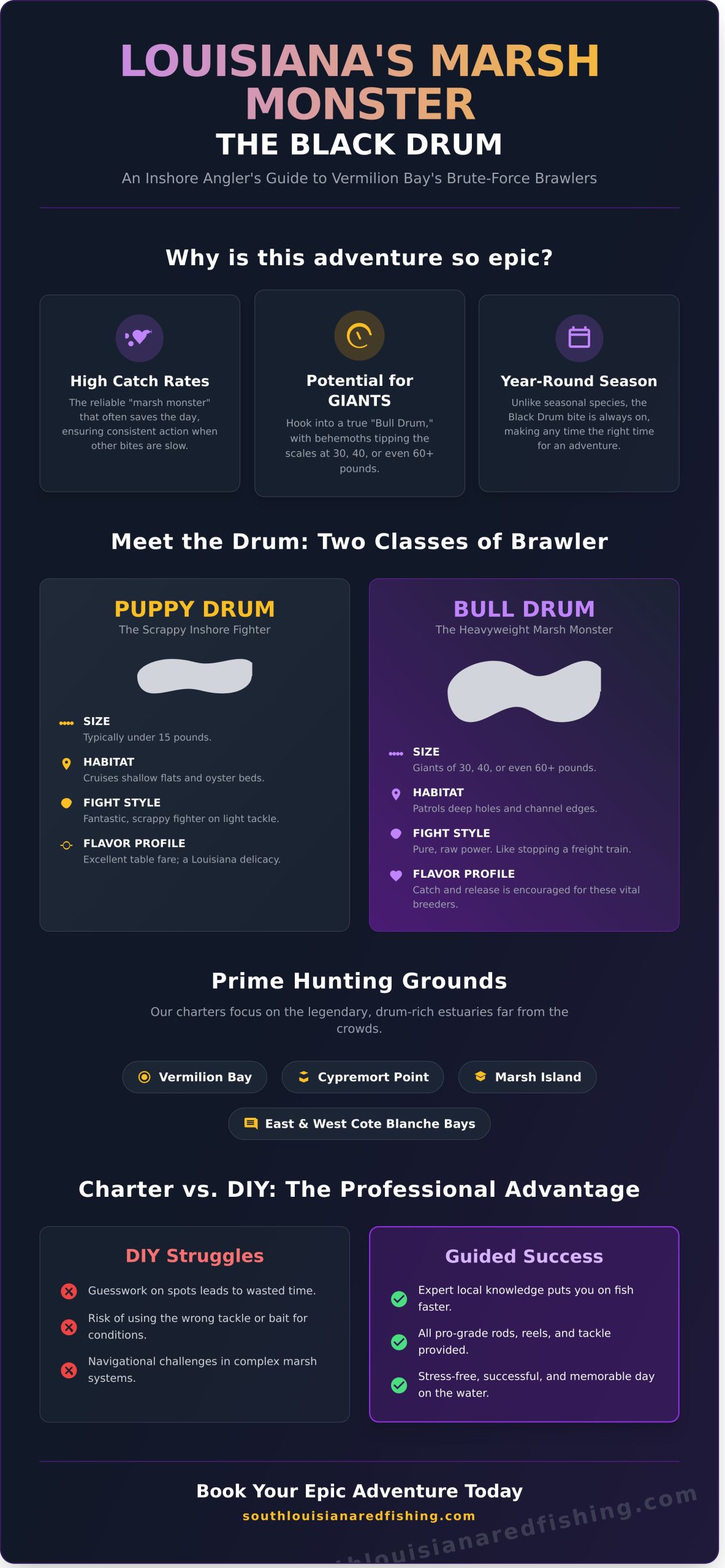
While some species can be fickle, the Black Drum is the reliable “marsh monster” that often saves the day. Anglers target them for three key reasons: incredibly high catch rates, the potential to hook into a true giant, and year-round availability. Unlike seasonal fish that require perfect timing, the drum bite is always on. This reliability and brute strength make them a premier target on our black drum fishing charters in LA, guaranteeing an action-packed day on the water when other bites are slow.

The “Bull Drum” vs. “Puppy Drum” Distinction

In Louisiana, we separate these fish into two classes. “Puppy Drum” are the smaller, scrappy fish, typically under 15 pounds. Found cruising the shallow flats and oyster beds of Weeks Bay, they are fantastic fighters on light tackle and prized for their excellent table fare. The “Bull Drum” are the giants of the species, tipping the scales at 30, 40, or even 60+ pounds. These behemoths patrol deep holes, channel edges, and nearshore rigs. For a 3rd-generation guide, there’s nothing that matches the pure, rod-bending thrill of hooking into a giant Bull Drum.

Why Anglers Choose Louisiana for Drum

Our corner of Louisiana is a paradise for these powerful bottom-feeders. The fertile crescent of marshland encompassing East and West Cote Blanche Bays provides the perfect habitat, rich with the crabs, shrimp, and oysters they feast on. This unique ecosystem, with deep canals just a short run from shallow flats, allows us to switch up tactics for a diverse fishing experience all in one trip. With a year-round season, there is never a bad time to book one of our black drum fishing charters in LA and experience this epic adventure for yourself.

The Fight and the Flavor: Why You Should Target Drum

Forget finesse. When you hook into a giant Black Drum in the marshes of Vermilion Bay, you’re in for a pure test of will and tackle. These fish are notorious for their brute force fighting style. They don’t make acrobatic leaps; they dig down deep, using their powerful bodies and the current to create a stubborn, line-peeling battle. Hooking a 40-pounder feels less like fighting a fish and more like trying to stop a freight train. It’s this raw power that makes our black drum fishing charters la an epic adventure you won’t forget.

Battling these giants requires the right equipment, and Captain Troy Nash comes prepared. He’s got you covered with heavy-duty rods and reels spooled with tough line, ensuring you have the upper hand. The action can be fast and furious, and it’s not uncommon to experience the thrill of a “double hookup” when we get on a school of hungry drum. It’s a moment of pure chaos and excitement that our clients talk about for years!

Are Black Drum Good to Eat?

Absolutely! While the giant “Bull” Drum are incredible fighters, the smaller “Puppy” Drum (under 15 pounds) are a true Louisiana delicacy. They are a local favorite for grilling on the “half-shell” with butter and Cajun spices. We encourage catch and release for the larger breeders to protect the health of our fishery; understanding the Black Drum life cycle highlights their importance. Don’t worry about the prep work-we handle all the cleaning and bagging for your keeper-sized fish as part of your trip.

A Reliable Adventure for All Skill Levels

Black Drum are the perfect target for anglers of all abilities, making them ideal for family trips with kids or beginners. Their aggressive feeding habits mean they aren’t shy, and our seasoned guides will teach you how to feel the distinct “thump” of a drum take. We make sure everyone on the boat gets in on the action, experiences the thrill of the fight, and has a chance to land their own marsh monster. It’s a fantastic way to build fishing confidence and create lasting memories.

Prime Locations: Vermilion Bay and Cypremort Point

While other coastal areas see heavy boat traffic, we focus our efforts on the legendary waters of Vermilion Bay. This vast, drum-rich estuary is our playground, offering an authentic Louisiana fishing experience far from the crowds. Your epic adventure begins at Cypremort Point, the ultimate “jumping-off” spot for targeting giant black drum inshore and nearshore. This isn’t just about dropping a line; it’s about leveraging deep local knowledge to navigate the intricate canals and hidden bays where monsters lurk. When you book one of our black drum fishing charters LA, you’re getting a master key to the most productive waters in the state.

Our strategy is simple: fish the structure. We know every inch of this system, from the shallow flats to the deeper channels. The biggest drum don’t just swim anywhere-they hold to specific geographic features. We put you right on top of them.

  • Prolific Oyster Beds: Natural feeding grounds that attract and hold huge schools of hungry drum.
  • Strategic Weirs: We fish these choke points during tidal movements to ambush fish as they move in and out of the marsh.
  • Productive Shorelines: We target the undercut banks and marshy edges where giant drum patrol for crabs and shrimp.

Marsh Island and the Shell Keys

The endless banks and bayous surrounding Marsh Island are a trophy hunter’s paradise. We explore this pristine wilderness, targeting the massive oyster reefs that act like magnets for schools of drum. Near the Shell Keys, timing is everything. Captain Troy’s expertise shines as we position the boat to capitalize on powerful tidal shifts, turning a quiet day into an aggressive bite you won’t forget.

Weeks Bay and Cote Blanche Bay

For consistent, hard-fighting action, East and West Cote Blanche Bay are proven hotspots. This area offers a unique opportunity to fish the closest oil rigs and reefs, delivering a thrilling “nearshore” experience without the long boat rides or high price tag of a true offshore trip. We also hit local honey holes like Burns Point-a hidden gem known for producing some of the region’s biggest black drum.

Charter vs. DIY: Why a Professional Guide is Essential

The Louisiana marsh is a vast, beautiful, and incredibly complex labyrinth of bayous, canals, and flats. For the unprepared, getting lost is easy, but finding fish is hard. While the allure of a DIY trip is strong, navigating the endless shorelines of Vermilion Bay and Marsh Island requires more than just a map-it demands decades of on-the-water experience. A professional guide turns a day of hopeful casting into an epic adventure of tight lines and screaming drags.

Many anglers ask, “Can’t I just fish from the bank?” While you might find a few schoolie drum near a weir or shoreline, the giant, bronze-backed bull drum patrol specific oyster reefs and deep channels inaccessible from land. To chase the fish of a lifetime, you have to go where they live, and that means getting on a boat with a captain who knows their every move.

Our inshore trips also offer a smarter value proposition than long offshore runs. Instead of spending hours traveling, you get more “fishing time” and less “travel time.” A trip with us avoids the massive fuel bills and the risk of rough seas often associated with deep-water trips out of other areas. It’s this focus on action and value that makes our black drum fishing charters la the ultimate inshore experience.

Equipment and Versatility

Forget the hassle of packing, rigging, and buying bait. We provide a complete, no-stress guarantee. Captain Troy has a full arsenal of high-end gear, whether you prefer fly, spin, or baitcast. More importantly, his boat is equipped with specialized electronics essential for locating drum schools in the murky marsh water. From tackle to navigation, he’s got you covered!

Navigating Local Regulations

Louisiana’s size and bag limits for Black Drum are in place to protect our incredible fishery. As your guide, Captain Troy ensures your trip is not only successful but also fully compliant with all state regulations. While other coastal areas face different pressures, our bays remain a stronghold for healthy, thriving drum populations. We focus on a sustainable catch so you can focus on the thrill of the fight.

When you’re ready to stop guessing and start catching, book one of the premier black drum fishing charters la has to offer. An investment in a guided trip is an investment in success, safety, and memories that will last a lifetime.

Book Your Epic Adventure with South Louisiana Redfishing

The search for the ultimate black drum fishing charters la has to offer ends here. Experience the difference that comes from fishing with a 3rd-generation, full-time veteran guide. With over 25 years of experience navigating the intricate marshes and bays around Vermilion Bay and Cypremort Point, Captain Troy Nash has the deep-rooted knowledge to put you on giant Black Drum. This isn’t just a job for him; it’s a lifelong passion.

We believe your focus should be on the thrill of the fight, not the logistics. That’s why our all-inclusive charters cover everything you need for a successful day on the water:

  • Fuel for the boat
  • All bait and tackle
  • Ice-cold storage for your catch
  • High-quality rods and reels
  • Expert instruction and fish cleaning

Your journey starts here. Your unforgettable day awaits.

Planning Your Trip

Your adventure begins at our dock in Cypremort Point. All you need to bring is your sunscreen, favorite snacks and drinks, and a valid Louisiana fishing license. Want to mix it up? We can customize your trip to combine the pursuit of Black Drum with a hunt for bull Redfish or Speckled Trout. We proudly cater to all anglers, from seasoned pros looking for a new challenge to family groups creating lifelong memories.

Ready to Climb Aboard?

The waters of Vermilion Bay are calling. We don’t just take you fishing; we deliver an epic adventure you’ll talk about for years. Dates for the 2026 season are filling up fast, so now is the time to secure your spot. Contact us today to check availability and plan your trip with one of the best black drum fishing charters in LA.

Book Your Black Drum Charter Today!

Your Epic Black Drum Adventure Awaits!

The rich, nutrient-filled waters of Vermilion Bay and Cypremort Point are calling. We’ve explored why Louisiana is the ultimate destination for battling giant black drum-these marsh monsters offer a powerful fight you won’t soon forget. While going it alone is an option, the local knowledge of a seasoned guide turns a good fishing trip into a legendary one. The best black drum fishing charters la unlock the full potential of these incredible fisheries, putting you on the fish safely and efficiently.

Climb aboard with South Louisiana Redfishing and let Captain Troy Nash-a 3rd generation veteran guide with over 25 years of experience-lead the way. He supplies everything for a successful trip, from top-tier gear to invaluable local insight. Your only job is to reel in your trophy. Are you ready to feel the thrill?

Experience The Thrill – Book Your Black Drum Charter Today!

The marsh monsters are waiting.

Frequently Asked Questions

Is a Black Drum the same as a Redfish?

While they are cousins in the drum family, they are two distinct species. The easiest way to tell them apart is that a black drum has whisker-like barbels on its chin, while a redfish has a signature spot (or spots) on its tail. Both offer a powerful fight and patrol the same productive waters of Vermilion Bay, but they are definitely not the same fish. Get ready to target both on your epic adventure!

What is the best time of year for Black Drum fishing in Louisiana?

You can find incredible black drum action year-round in our South Louisiana marshes! However, for the thrill of landing a giant “bull” drum, the peak season is late winter through early spring (February-April) when they school up near passes. For consistent action on delicious, smaller “puppy drum,” any time is a great time to explore the endless bayous and shorelines around Marsh Island and Cypremort Point.

Do I need a special license for a Black Drum charter?

Yes, all anglers 16 years of age and older are required to have a valid Louisiana fishing license. For out-of-state guests, the most popular and convenient option is the 3-Day Charter Passenger License, which can be purchased online before your trip. Your captain’s license covers the boat and safety gear, but you are responsible for your personal fishing license. It’s a quick step to ensure you’re ready for a great day!

Can we catch other species like Redfish on a Drum charter?

Absolutely! That’s the thrill of fishing the fertile waters of Vermilion Bay and West Cote Blanche Bay. The same oyster reefs and marshy shorelines that hold black drum are also prime habitats for hard-fighting redfish, speckled trout, and sheepshead. We are always prepared to target what’s biting best, giving you the chance to experience a true inshore grand slam. Your line will stay tight all day!

How much does a Black Drum fishing charter cost in LA?

The investment for premier black drum fishing charters in LA can vary, but a full-day trip in the Cypremort Point area typically ranges from $700 to $900 for up to three anglers. This price includes your expert 3rd generation guide, the boat, fuel, all high-quality tackle, bait, and professional fish cleaning services. It’s an all-inclusive price for an unforgettable day of world-class fishing action.

What happens if the weather is bad on my scheduled trip date?

Your safety on the water is our top priority. The captain makes the final call on all trips and constantly monitors marine forecasts. If conditions are deemed unsafe due to high winds, lightning, or other hazardous weather, we will cancel the trip. In that case, you will have the option to reschedule for a future date or receive a full and immediate refund of your deposit. No hassle, no risk.

Are Black Drum hard to catch for beginners?

Black drum are a perfect target for anglers of all skill levels! While the giant bull drum offer a powerful, thrilling fight that tests any angler, the more common smaller drum are aggressive eaters and great for beginners. With Captain Troy’s expert guidance, he’ll have you casting like a pro and setting the hook in no time. We welcome first-timers and love sharing the excitement of that first catch!

What should I bring on my South Louisiana fishing charter?

We provide all the essential fishing gear, but you should bring a few personal items for comfort. This includes a valid LA fishing license, polarized sunglasses, sunscreen, a hat, and weather-appropriate clothing (layers are best). Don’t forget your camera to capture the action! You can also bring a small cooler with any personal snacks and drinks you’d like for the day.

Louisiana Redfish: The Ultimate Guide to an Epic Fishing Adventure

Staring at a map of Louisiana’s endless marshes, dreaming of that epic tug-of-war with a giant bull red? You’re not alone. The sheer scale of the fishery can be intimidating, but it’s precisely what makes the louisiana redfish experience the undisputed best in the world. It’s a maze of endless banks and bayous, a legendary place where bronze-backed fighters patrol the shallows, ready for a challenge. But knowing where to start, when to plan your trip, or what lure to throw can turn that dream into a frustrating puzzle.

This guide is your roadmap to an epic adventure. Forget the confusion and uncertainty. We’re cutting through the noise to give you the seasoned, insider knowledge needed to plan a successful trip with total confidence. You’ll discover the absolute best times of year to target giant bull reds, the can’t-miss pro techniques for mastering the marsh, and the specific lures and gear that will have you limiting out. Get ready to experience the thrill of the fight and create memories that will last a lifetime. Your journey starts right here.

Key Takeaways

  • Discover why the Mississippi River Delta’s unique geography makes it the undisputed Redfish Capital of the World.
  • Learn the seasonal patterns of redfish to perfectly time your trip for targeting specific sizes, from schooling pups to giant bull reds.
  • Master the essential techniques for catching louisiana redfish, and learn how to adapt your strategy to any marsh condition for guaranteed action.
  • Get our expert gear checklist to ensure you arrive prepared for your guided charter and ready for an epic day on the water.

Why Louisiana is the Redfish Capital of the World

When serious anglers dream of screaming drags and bronze-backed bruisers, their minds inevitably drift to one place: Louisiana. This isn’t just another fishing spot; it’s the undisputed Redfish Capital of the World, a title earned through an unparalleled combination of geography and biology. The secret lies in the mighty Mississippi River, which for millennia has unleashed a torrent of nutrients into the Gulf, creating a sprawling, labyrinthine delta. This unique landscape is an endless maze of marshes, bayous, and estuaries-the perfect habitat for a thriving, year-round louisiana redfish fishery that promises an epic adventure every time you hit the water.

The Magic of the Marsh Ecosystem

This isn’t just any water; it’s a perfect engine for growing giant redfish. The brackish mix of fresh and saltwater creates a massive, fertile nursery where juvenile redfish can thrive in safety. Towering stands of spartina grass and sprawling oyster beds provide critical cover from predators while creating perfect ambush points for hunting. This rich environment fuels a massive population of shrimp, crabs, and baitfish-a veritable buffet for the voracious Red drum (Sciaenops ocellatus). Unlike other coastal areas that see seasonal fluctuations, Louisiana’s marsh offers remarkable stability, ensuring that from shallow-water pups to giant bull reds, the fish are here, they are healthy, and they are always hungry.

More Than Just a Fish: The Redfish Culture

In Louisiana, the redfish is more than just a target species; it’s woven into the very fabric of our culture. It’s the star of legendary Cajun and Creole dishes, from Paul Prudhomme’s blackened redfish to a classic courtbouillon, celebrated on tables across the state. For local anglers, chasing these powerful fish is a passion passed down through generations-a tradition built on deep respect for the marsh and the pure thrill of the fight. When you book a trip here, you’re not just going fishing. You’re stepping into a rich cultural experience, sharing the water with guides whose knowledge runs as deep and winding as the bayous they call home. It’s an authentic taste of Louisiana life.

Understanding the Louisiana Redfish: From Pups to Bulls

To truly master the hunt for louisiana redfish, you need to know more than just what they look like-you need to understand their story. Known scientifically as Sciaenops ocellatus, this iconic fish goes by many names: Red Drum, Spottail Bass, or simply, the Red. Its defining features are a stunning bronze-to-copper color and one or more distinct black spots on its tail, a brilliant piece of natural camouflage designed to confuse predators. But for anglers, these details are just the beginning of an epic pursuit.

The Redfish Life Cycle for Anglers

A redfish’s behavior, diet, and location change dramatically as it grows. Knowing these stages is your key to finding fish year-round.

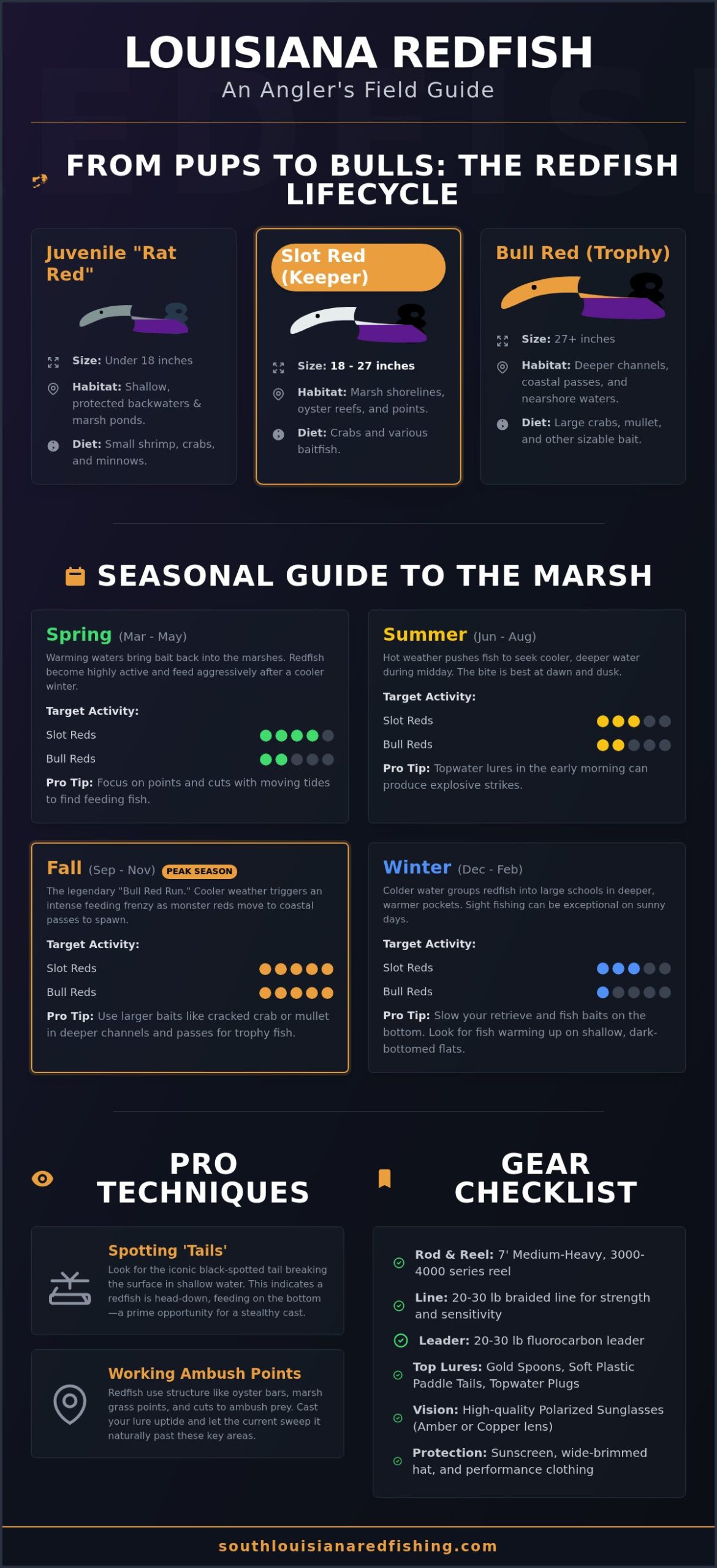
  • Juvenile ‘Rat Reds’: These small but aggressive fish live in the shallow, protected backwaters and marsh ponds. They feast on small crabs, shrimp, and minnows, making them prime targets for light tackle in the skinny water.
  • Slot Reds (18-27 inches): This is the prized ‘keeper’ size and the most common target for an unforgettable day on the water. They patrol marsh shorelines, oyster reefs, and points, ambushing bait with impressive force.
  • Bull Reds (27+ inches): The giant, breeding-age fish of a lifetime. These brutes move to deeper channels, coastal passes, and nearshore waters to spawn. Hooking into a bull red is a true test of will and tackle.

Decoding Redfish Behavior

Translating redfish biology into angling intelligence is what separates a good day from a legendary one. Watch for the famous ‘tailing’ behavior, where a redfish tips down to feed on the bottom in shallow water, exposing its spotted tail. This is your signal to make a perfect cast! They are masters of the ambush, using tidal currents to their advantage by staging near points where moving water flushes baitfish and crabs right to them. In the quiet of the marsh, you might even hear the distinct ‘drumming’ sound that males make during spawning season-a dead giveaway that fish are nearby. Changing weather, especially an approaching cold front, can trigger an intense feeding frenzy you won’t want to miss.

Louisiana Redfish Regulations: Fish Responsibly

Keeping this world-class fishery healthy for future generations is a shared responsibility. The state manages this incredible resource with a protective slot limit, designed to let juvenile fish grow and ensure the giant breeders can reproduce. As of 2024, the daily bag limit is three fish per person within an 18-to-27-inch slot. To ensure you are always compliant, you must consult the official and most current Louisiana redfish regulations from the Department of Wildlife and Fisheries. Anglers are not allowed to keep any redfish over 27 inches. Before you ever make a cast, make sure you have a valid Louisiana fishing license. Fishing responsibly ensures this epic adventure continues.

The Angler’s Calendar: Best Seasons to Target Redfish

One of the greatest thrills of fishing in Louisiana is that there is no “off-season.” Redfish are here and ready to fight 365 days a year. But true masters of the marsh know that each season offers a unique challenge and an epic reward. Understanding their seasonal patterns is the key to unlocking consistent success. Whether you’re a seasoned pro or planning your first trip, we’ve got you covered with this insider’s guide to the calendar.

Spring (March-May): The Marsh Comes Alive

As winter’s chill gives way to warm sunshine, the shallow marshes explode with life, and the redfish go on a feeding frenzy. Warming waters make them incredibly aggressive as they hunt for their favorite meals: shrimp and crabs. This is a prime time for sight-casting in shallow, clear ponds where you can watch a hungry redfish charge and smash your lure. Expect fast action and high numbers of hard-fighting, slot-sized reds.

Summer (June-August): Early Bites and Deeper Water

The summer heat doesn’t stop the bite-it just changes the game. The most productive trips happen at first light or in the late evening when the temperatures are cooler. During the midday heat, redfish often retreat to the comfort of deeper channels, shady banks, and cooler drop-offs. Live bait like shrimp and croakers can be irresistible to summer reds looking for an easy meal. The action is still fantastic; you just have to adjust your tactics.

Fall (September-November): The Bull Redfish Run

Ask any local guide, and they’ll tell you: fall is what legends are made of. This is the season for giants. Massive bull reds, some exceeding 40 pounds, migrate from the Gulf into the coastal passes and bays for their annual spawn. To understand what drives these giants, you can learn more about the biology of red drum and their incredible life cycle. These trophy fish gorge on mullet and shrimp fleeing the cooling marshes, offering you the best shot at landing a true monster. This is the heavyweight championship of louisiana redfish fishing.

Winter (December-February): Clear Water Sight-Fishing

When the water temperature drops, the marsh transforms into a sight-fisherman’s paradise. The water becomes gin-clear, and the redfish stack up in large, tightly packed schools in deeper, sun-warmed ponds and bayous. This is the ultimate season for stalking fish with light tackle, soft plastics, or a fly rod. With fewer boats on the water, you’ll experience the serene beauty of the marsh and the heart-pounding thrill of watching a school of reds turn on your lure.

Essential Techniques for Conquering the Marsh

The key to consistently catching louisiana redfish is versatility. A successful angler knows that what worked yesterday might not work today. Tides, water clarity, and weather all dictate the best approach. Mastering a few core techniques ensures you’re always ready to battle these bronze bruisers, no matter what the marsh throws at you.

Casting with Artificial Lures

For the angler who loves the thrill of the hunt, nothing beats the aggressive strike on an artificial lure. These are the proven workhorses for covering water and triggering explosive bites in the endless Louisiana bayous.

  • Soft Plastic Paddle Tails: A soft plastic on a 1/4 oz jighead is the undisputed marsh staple. It perfectly mimics the baitfish redfish feed on and is effective in almost any condition.
  • Topwater Lures: Experience the heart-stopping thrill of a giant redfish demolishing a topwater plug at dawn. There is simply no substitute for that visual, explosive strike.
  • Spoons: The flash and wobble of a gold or copper spoon is a classic method for finding fish. It’s an ideal search bait for combing shorelines and attracting reds from a distance.

Fishing with Live and Natural Bait

When the bite gets tough or you’re targeting the biggest fish in the school, you can’t beat the real thing. Using natural bait is a surefire way to get hooked up when artificials just won’t cut it.

  • Live Shrimp & Popping Cork: This is arguably the deadliest combination in coastal fishing. The sound of the cork mimics feeding activity, calling reds in to investigate and find your irresistible shrimp.
  • Cracked Crab: If your mission is to land a giant bull red, your bait of choice should be a chunk of fresh cracked blue crab fished on a simple Carolina rig in deeper channels.
  • Live Mullet or Menhaden: Big baits catch big fish. Freespooling a live mullet or pogy along a current seam is a proven tactic for tempting a true trophy-class redfish.

The Thrill of Fly Fishing for Reds

The vast, shallow flats of the Louisiana marsh are a world-class destination for fly anglers. This is the ultimate sight-fishing game-stalking tailing reds in skinny water and making the perfect cast. It’s a challenge that demands a stealthy approach and pinpoint accuracy, but the reward is an epic battle on the fly.

  • Go-To Fly Patterns: Your fly box should be stocked with shrimp patterns, crab imitations, and a few baitfish patterns like the Seaducer or Clouser Minnow.
  • Proper Gear: A fast-action 8 or 9-weight fly rod is essential for punching flies through the coastal wind and having the backbone to fight these powerful fish.

Learning when and where to apply each technique is the mark of a seasoned angler. Not sure which style is for you? We’ve got you covered!

Gearing Up for Your Epic Adventure

The thrill of the fight is just around the corner! Preparing for your trip is simple, especially since a top-tier guide handles all the heavy lifting. For many anglers, knowing what to pack is the final step before hitting the water. This checklist is designed to answer your questions and get you ready for an unforgettable day chasing giant louisiana redfish. Focus on your personal comfort, and let us handle the rest.

What to Wear for a Day on the Water

Louisiana’s weather can change in a heartbeat, so dressing in layers is always the best strategy. A lightweight, moisture-wicking base layer, a fleece or hoodie, and a waterproof outer jacket will keep you comfortable from a cool morning launch to a warm afternoon. Most importantly, don’t forget these essentials:

  • Polarized Sunglasses: This is non-negotiable. They cut through the glare, protect your eyes, and are crucial for sight-fishing redfish in the shallows.
  • Sun-Protective Gear: A wide-brimmed hat, a face gaiter (like a Buff), and a long-sleeved performance fishing shirt will shield you from the intense sun.
  • Non-Skid Shoes: Deck shoes, boat-friendly sneakers, or rubber boots with good traction are essential for staying safe and stable on a wet boat deck.

Essential Gear to Bring Along

While your captain provides all the fishing gear, a few personal items will make your day even better. Pack a small bag with the following to ensure you’re comfortable, hydrated, and ready to capture the moment.

  • Sunscreen and any personal medications you may need.
  • A small waterproof bag or case for your phone, keys, and wallet.
  • Your favorite snacks and drinks to stay energized. Water is a must!
  • A camera or smartphone to capture high-quality photos of your trophy catch.

What Your Charter Captain Provides

This is the easy part-we’ve got you covered! A professional charter is an all-inclusive experience designed for success. You can step aboard with confidence, knowing that everything you need for a productive day of targeting louisiana redfish is already there. Your captain provides:

  • All high-quality rods, reels, and terminal tackle.
  • All the proven lures, live bait, and ice to keep your catch fresh.
  • The boat, fuel, and decades of expert local knowledge.
  • All U.S. Coast Guard-required safety equipment.

Ready for your adventure? Book a trip with a 3rd generation guide!

Your Epic Louisiana Redfish Adventure Awaits!

You now know why Louisiana is the undisputed Redfish Capital and what it takes to succeed here. From understanding the seasonal patterns to mastering the essential techniques for the marsh, you’re armed with the knowledge to turn a good fishing day into a legendary one. The only thing left is to feel that line-stripping pull for yourself.

Transform that knowledge into the thrill of the catch. Experience world-class louisiana redfish fishing with a guide whose expertise is generations deep. Guided by a 3rd generation, full-time veteran captain with over 25 years of experience on Vermilion Bay, your trip is in the best hands. We supply everything for a successful trip, so all you have to do is show up ready for the fight. Book Your Epic Redfish Adventure Today!

The trophy bull red of a lifetime is waiting.

Frequently Asked Questions About Louisiana Redfish

What do Louisiana redfish taste like?

A fresh Louisiana redfish is a culinary prize! It has a mild, sweet flavor with firm, white flesh that flakes beautifully when cooked. It’s not an overly “fishy” tasting fish, making it a favorite for many. Its flavor profile is often compared to red snapper. Younger “slot” reds are particularly tender, while the larger bull reds are still delicious. A classic preparation is grilling them “on the half shell,” which steams the meat to perfection.

What is the official state record for redfish in Louisiana?

The bar is set high for a record-breaking redfish in Louisiana! The official state record is a giant 61-pound bull red caught by David Weber way back in June 1992. While fish of that magnitude are rare, the coastal marshes are legendary for producing monster bull reds in the 30- to 40-pound class. Every cast during the fall run gives you a shot at landing your own personal best and experiencing that epic thrill.

Can you catch redfish from the shore in Louisiana?

Absolutely! Wade and shore fishing are fantastic ways to target redfish along the Louisiana coast. Areas like Grand Isle State Park, coastal rock jetties, and accessible marsh banks can be incredibly productive. You can catch plenty of slot-sized reds perfect for dinner. However, for a true epic adventure and the best chance at hooking into the giant bull reds that roam the outer bays and islands, booking a trip with an experienced guide is your ultimate ticket.

What’s the difference between a redfish and a black drum?

While they are cousins and often found in the same waters, there are clear differences. A redfish boasts a distinct copper-bronze color and one or more black spots on its tail. A black drum is typically silver or gray and has whisker-like barbels on its chin for bottom-feeding. Young black drum have vertical black stripes that fade with age. A redfish has a more horizontal mouth for chasing prey, while the drum’s mouth is downturned.

How much should I tip my fishing guide in Louisiana?

Tipping your guide is a standard practice and a great way to show appreciation for their hard work and expertise. A typical tip for a fishing guide in Louisiana is 15-20% of the total charter price. Your guide works tirelessly to put you on the fish, handle the boat, tie rigs, and often cleans and bags your catch at the end of the day. A generous tip reflects a memorable and successful trip on the water.

Do I need a special license to fish in saltwater in Louisiana?

Yes, you do. To fish in Louisiana’s coastal waters, anglers age 16 or older must have a Basic Fishing License as well as a Saltwater License. These can be easily purchased online from the Louisiana Department of Wildlife and Fisheries (LDWF) website or from various authorized vendors. Always confirm with your charter captain, as some guide services may have a license that covers their clients, but it’s always best to be sure before you go.