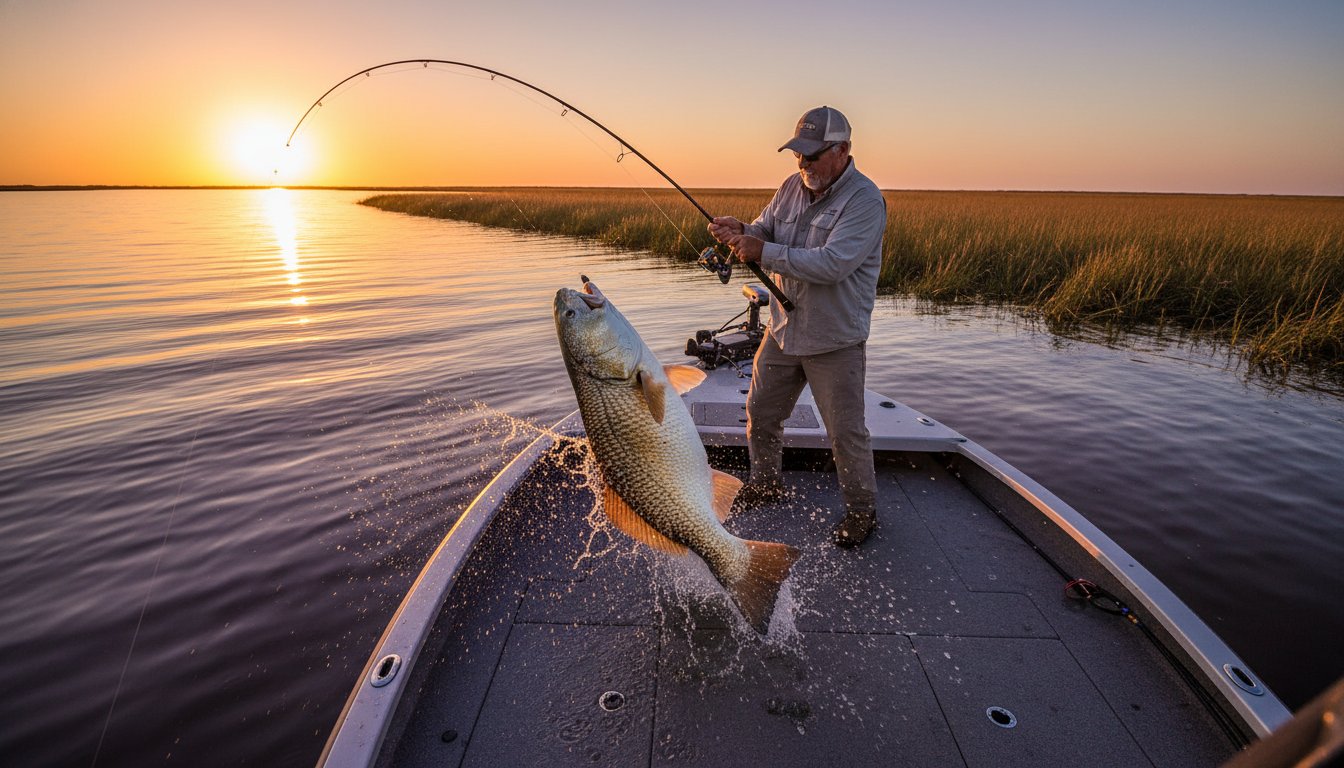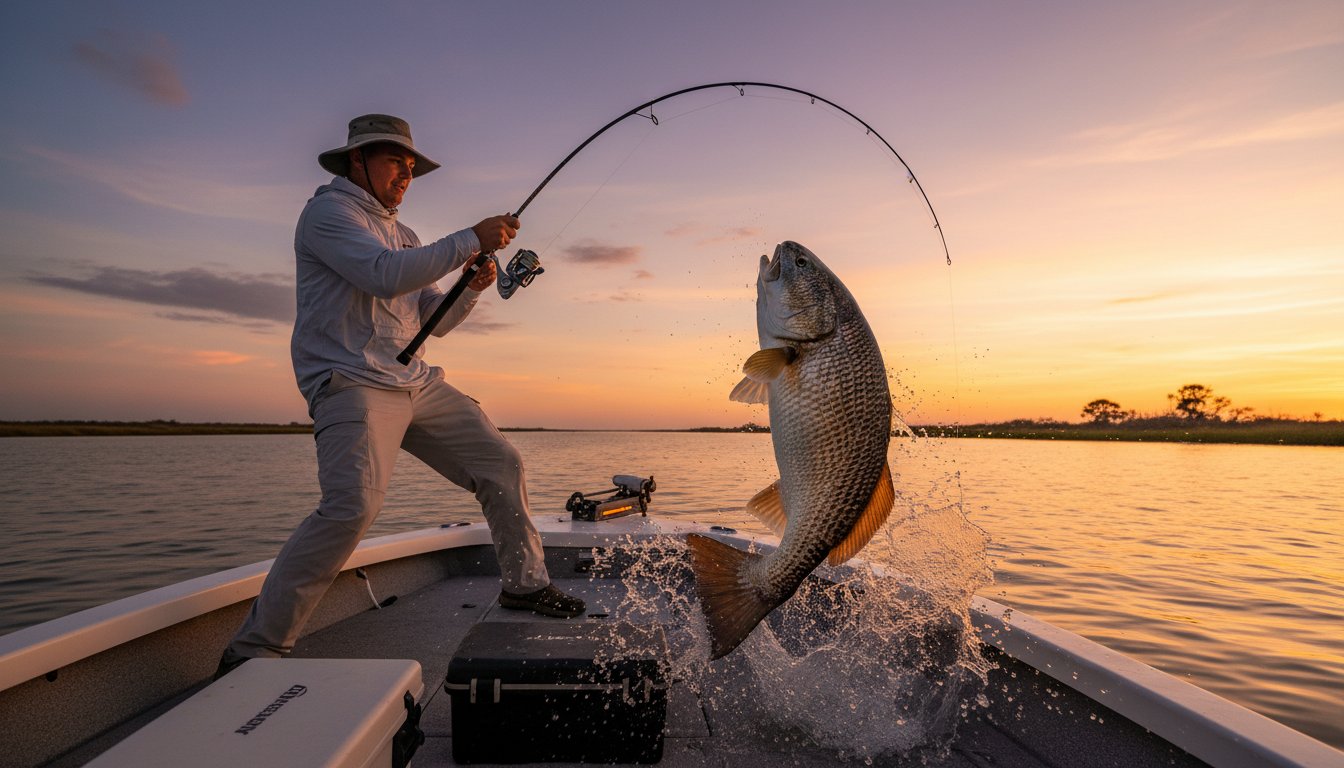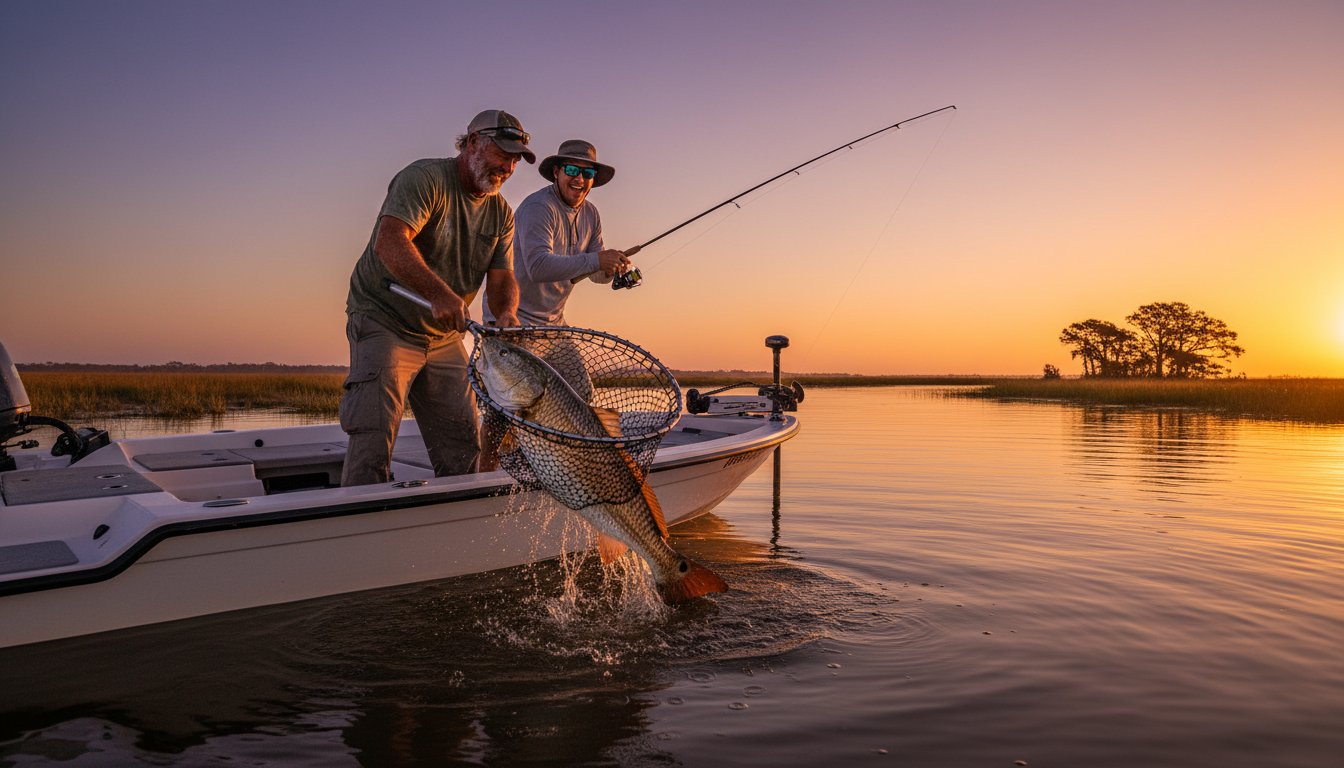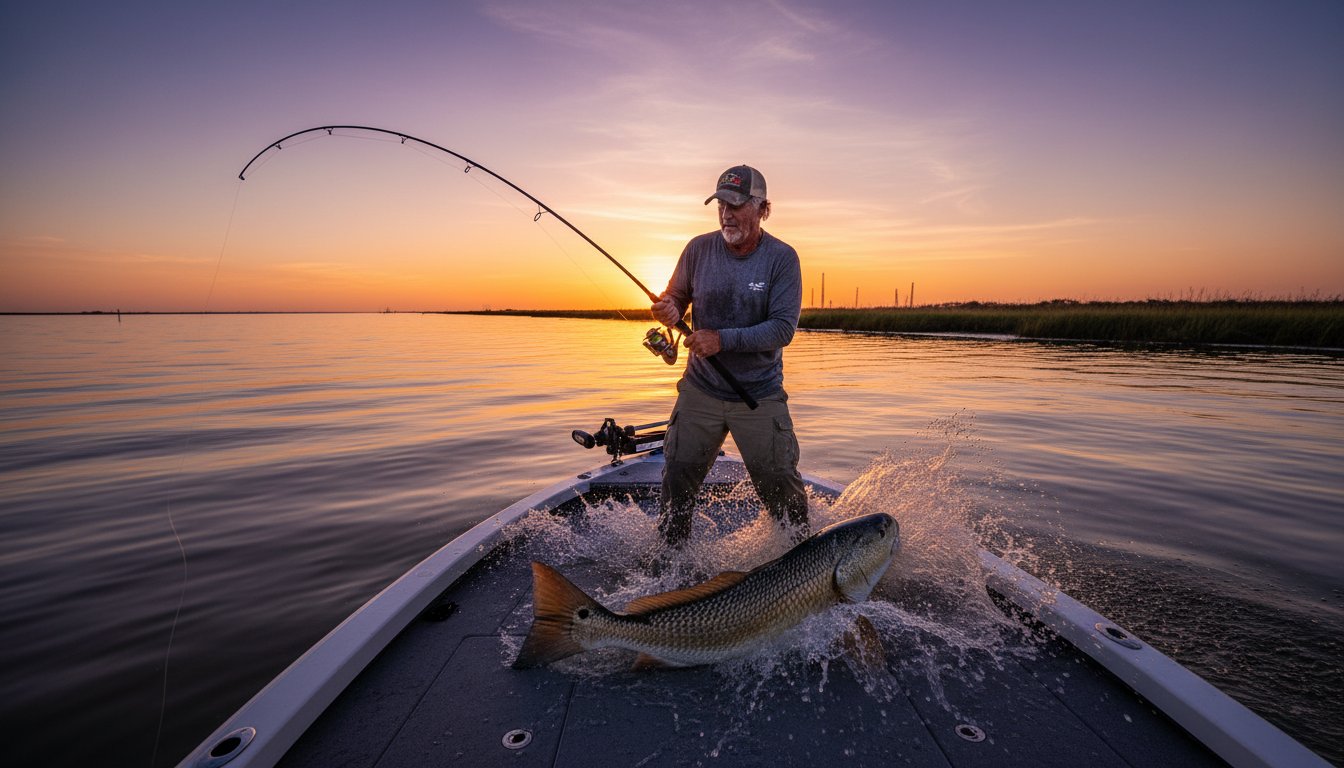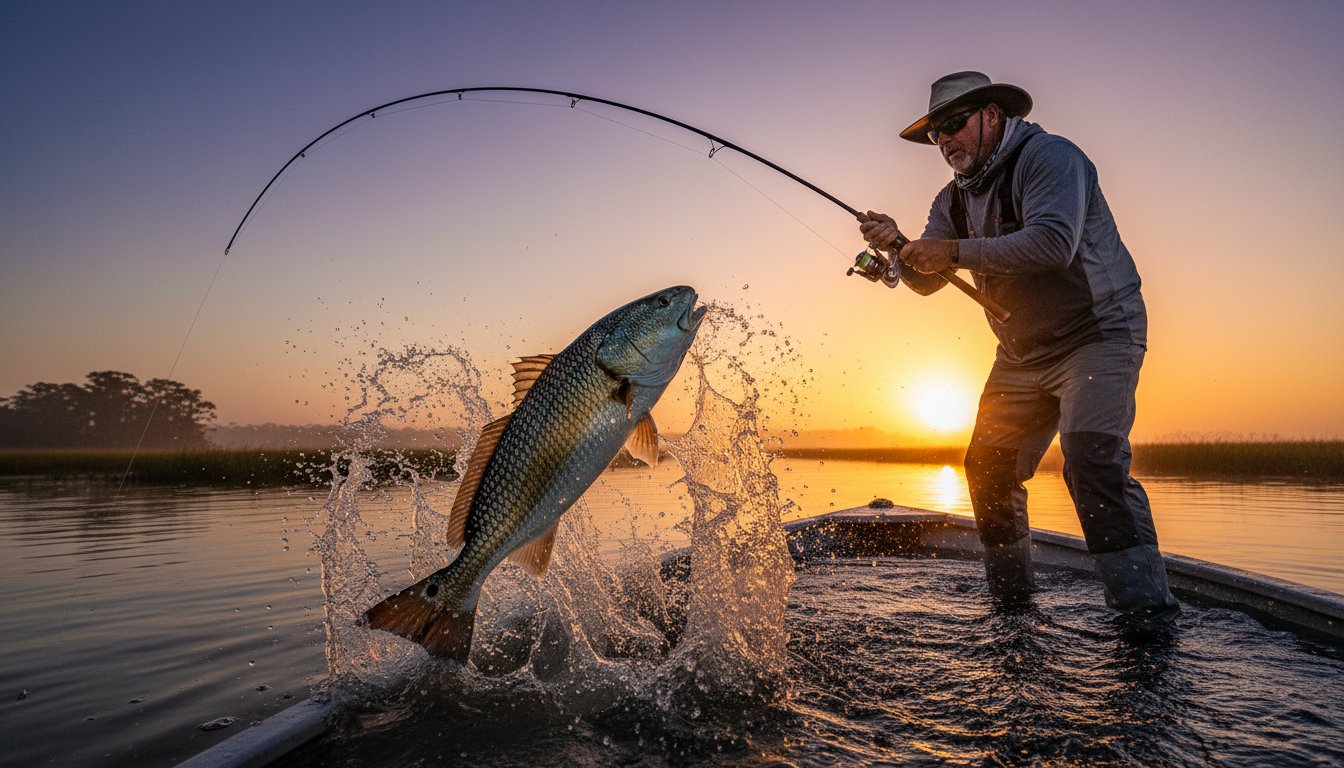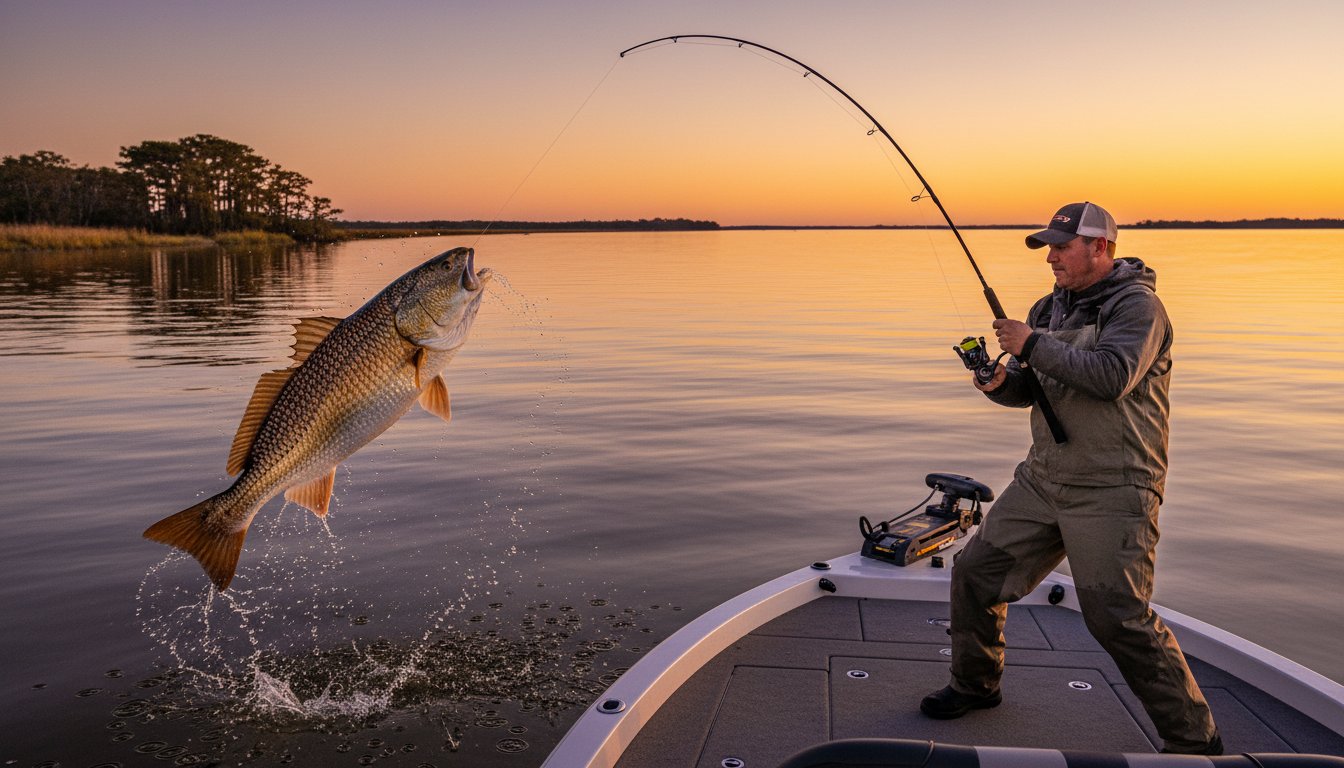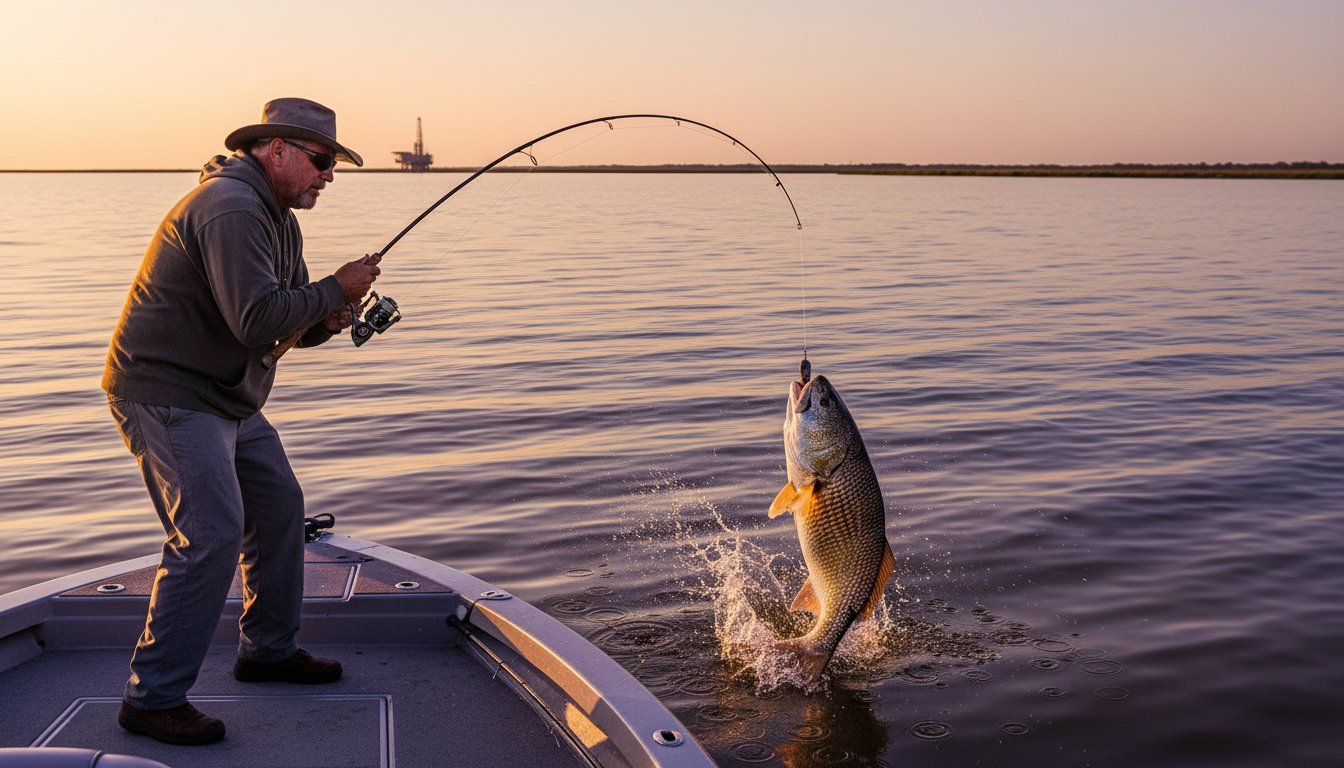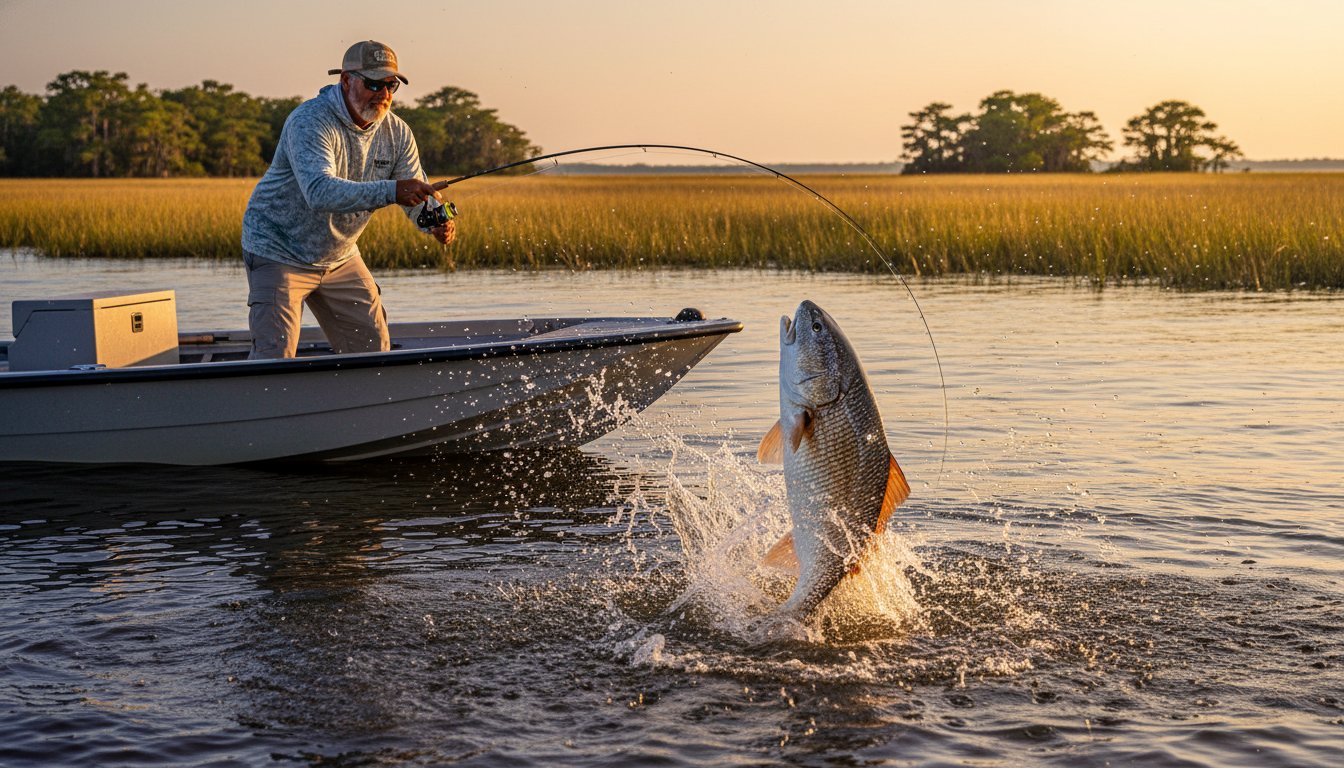
Last October, a group of three anglers from Lafayette hit the Cypremort Point marsh at dawn and limited out on slot reds before the coffee in their thermos even went cold. You likely know that feeling of intense anticipation when you book a trip, but you also know the fear of ending up on a “dud” charter with a guide who doesn’t understand the shifting tides. It’s a common worry when you’re searching for the best red fishing in Louisiana among a sea of confusing options. You want a sure thing, not a gamble on the water.
We promise that the sheltered flats of Vermilion Bay and West Cote Blanche Bay provide a more consistent, accessible experience than the rough, expensive offshore trips you might find out of places like Venice. In this 2026 guide, you’ll discover how Captain Troy Nash uses his 25 years of expertise as a 3rd generation guide to put you on trophy Bull Reds. He’s got you covered from the oyster reefs to the hidden weirs of Marsh Island. We’ll preview the prime seasonal windows and show you how to pair your epic adventure with the finest Cajun boudin and hospitality in Acadiana.
Key Takeaways
- Experience the thrill of the Mississippi River Delta’s unique geography and find out why these endless bayous serve as the world’s premier redfish nursery.
- Discover why the uncrowded marshes of Vermilion Bay provide the best red fishing in louisiana, offering a more authentic experience than high-traffic areas like Venice.
- Learn the strategic advantages of inshore fishing at Cypremort Point, where shorter runs and calmer waters mean more time catching bull reds and less time fighting seasickness.
- Plan your epic adventure around peak seasons and local Cajun culture to ensure your trip is as much about the legendary food as it is about the trophy fish.
- Understand the value of a 3rd-generation veteran guide who’s got you covered with over 25 years of local expertise for a stress-free day on the water.
Why Louisiana is the Undisputed Redfish Capital of the World
Louisiana’s coastline isn’t just a fishing destination; it’s a biological powerhouse fueled by the massive nutrient discharge of the Mississippi River. This unique geography creates over 15,000 square miles of fertile wetlands that serve as a permanent nursery for red drum. While other Gulf states have seen fluctuating populations, the sheer volume of habitat in the Pelican State ensures a density of fish that is unmatched anywhere else on the planet. You’ll find that the best red fishing in louisiana happens where the fresh river water meets the salty tide of the Gulf. This creates a brackish soup teeming with blue crabs and shrimp, the primary fuel for record-breaking redfish growth.
The geography here is vastly different from the sandy beaches of Florida or the deep-water passes of other areas. In the marshes surrounding Vermilion Bay and West Cote Blanche Bay, thousands of miles of shoreline provide endless opportunities to find fish. This abundance means you aren’t just looking for one or two schools; you’re surrounded by them. Accessibility is a major factor here. You can leave a dock at Cypremort Point and be on a productive oyster reef or a secluded marsh pond in less than 20 minutes. It’s a high-octane environment where the quantity of fish is only matched by their aggressive nature.
What Makes a ‘Bull Red’ vs. a ‘Slot Red’?
Understanding the redfish lifecycle is key to planning your epic adventure. Redfish spend their first three to five years in the shallow marsh ponds and bayous. These are the “slot reds,” named for the 18 to 27-inch size limit mandated by Louisiana’s 2026 regulations. Anglers are allowed a daily limit of 4 fish within this slot, and the law currently prohibits keeping any fish over 27 inches to protect the spawning stock. These slot fish are the ultimate table-fare goal because their meat is firm and flaky, perfect for a traditional Cajun half-shell preparation. Once they outgrow the marsh, they head to the nearshore oil rigs and reefs, becoming the “bull reds” that can weigh over 30 pounds and provide the heart-pounding battles every angler craves.
The Legend of the Louisiana Marsh
The Louisiana marsh is a 7,700-mile tidal playground. This labyrinth of bayous, lakes, and hidden ponds near Marsh Island protects fish from heavy fishing pressure and provides a stable environment even during cold fronts. Success in this environment relies on understanding the relationship between tides and water clarity. A falling tide acts like a dinner bell, pulling baitfish out of the grass and into the mouths of waiting predators. When you find that perfect mix of moving water and clear visibility over an oyster bed, the best red fishing in louisiana becomes a reality. After a day on the water, many visitors head back to Lafayette to enjoy the world-class Cajun cuisine that makes this region a premier tourism destination. Captain Troy D Nash brings over 25 years of experience to these waters, ensuring you’re always in the right spot at the right time. He’s got you covered, whether you want to sight-cast on the flats or grind it out along the grass lines.
The Vermilion Bay Advantage: Finding the Best Red Fishing in Louisiana
The Vermilion Bay area provides a distinct advantage over crowded hubs like Venice. You get a raw, authentic marsh experience without the chaotic boat traffic found in other parts of the state. Cypremort Point serves as your strategic gateway to the Gulf. It’s located just 45 minutes south of Lafayette. You’ll hit the fishing grounds within minutes of leaving the dock. The geography here is a major plus. Even when 20-knot winds howl from the north, the maze of bayous and protected shorelines keeps the water calm. You won’t lose a single day of your trip to rough seas. From the shallow flats of Weeks Bay to the deep cuts of the Intracoastal, this region offers the best red fishing in louisiana for those who want variety and results.
Key Hotspots: Marsh Island and East Cote Blanche Bay
Marsh Island spans over 71,000 acres of pristine marsh. It’s a redfish paradise. Focus on the weirs along the south side of the island. These water-control structures create massive current breaks where trophy reds wait for bait. When the tide drops, it’s like a dinner bell ringing for every predator in the area. In East Cote Blanche Bay, the shoreline grass beds are magnets for redfish. These fish hunt the edges for blue crabs and shrimp. During the seasonal transitions in late October, the shell banks near Burns Point become a primary highway for migrating bulls. Capt. Troy Nash uses his 25 years of experience to track these movements daily. He’s been navigating these specific waters since 1999, ensuring you stay on the bite.
Nearshore Opportunities: Rigs, Reefs, and Oyster Beds
You don’t need an expensive offshore vessel to find giant fish. The “closest rigs” sit only 3 to 5 miles outside the bay. These structures hold massive bull reds and hard-fighting Sheepshead year-round. Oyster beds are the primary feeding grounds here. These natural reefs provide the structure and food sources that sustain our world-class fishery. From May through September, you’ll also find Tripletail hovering near buoy lines. It’s an accessible way to experience the best red fishing in louisiana without the high costs of deep-sea charters. After you limit out, you’re just minutes away from the world-famous Cajun cuisine of New Iberia. Your epic adventure begins with a 3rd generation guide who knows every secret of the bay.
- Marsh Island: 71,000 acres of protected habitat.
- Cypremort Point: Gateway to the Gulf just 45 minutes from Lafayette.
- Nearshore Rigs: Only 3 to 5 miles from the shoreline.
- Seasonal Variety: Bull reds, Sheepshead, and Tripletail.
Inshore vs. Offshore: Why the Marsh and Bayou Win
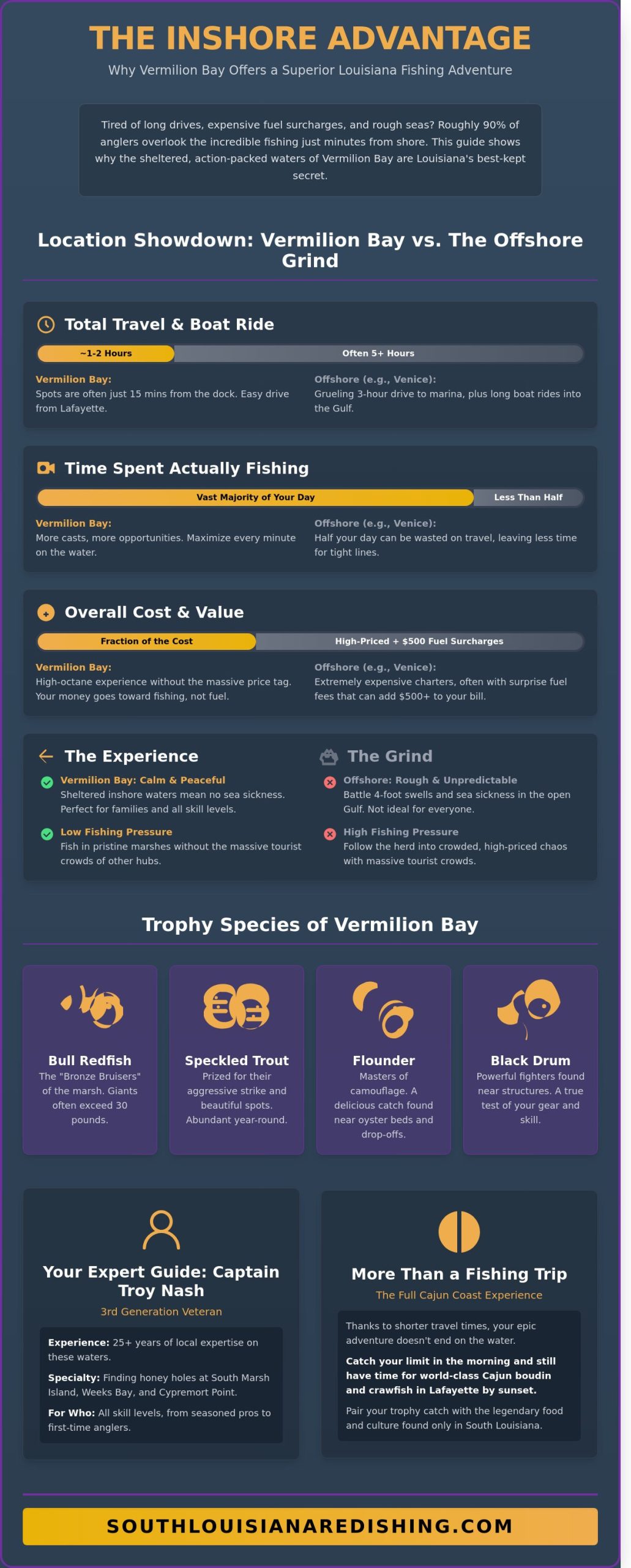
Choosing between an inshore marsh trip and a deep-sea excursion comes down to a simple calculation of time and money. Offshore runs from spots like Venice often require two hours of travel just to reach the first rig. In contrast, your epic adventure in Vermilion Bay starts almost immediately. You’ll reach prime honey holes near Cypremort Point in about 20 minutes. This efficiency means you spend 90 percent of your day with lines in the water rather than burning 200 gallons of expensive diesel. It is easily the best red fishing in louisiana for anglers who value action over long boat rides.
Comfort is the other major factor. The protected waters of the bayou and the interior lakes of Marsh Island stay calm even when the Gulf of Mexico is churning with six-foot swells. You won’t have to worry about seasickness or keeping your balance on a rocking deck. This stability makes inshore trips the premier choice for families with young children or corporate groups looking for a relaxing but productive day. You get the adrenaline of a heavy strike without the physical toll of a high-seas battle.
Accessibility defines the South Louisiana experience. You can target “big fish” thrills at nearshore oil rigs and oyster beds that sit in less than 10 feet of water. These locations offer the same rod-bending power as deep-sea species but at a fraction of the charter price. After the trip, you are just a short drive from Lafayette, where the best Cajun food in the world waits to cap off your day.
The ‘Grand Slam’ Potential of South Louisiana
The “Inshore Slam” is the gold standard for local anglers. It requires landing a Redfish, a Speckled Trout, and a Southern Flounder in a single outing. Capt. Troy Nash uses his 25 years of experience as a third-generation guide to track these species across the weirs and grass lines of West Cote Blanche Bay. While offshore boats are often grounded by high winds, the marsh provides endless tucked-away spots that stay fishable 365 days a year. This variety ensures that every cast holds the potential for a different species, keeping the excitement high from the first light until the final haul.
Lowering the Barrier to Entry
You don’t need a 50-foot sportfisher or heavy-duty winches to land a 30-pound Bull Red. Shallow water fishing allows for a more intimate connection with the environment. Whether you prefer the precision of Fly fishing, the ease of Spin casting, or the control of a Baitcast reel, he’s got you covered. This approach makes the best red fishing in louisiana accessible to everyone regardless of their skill level. For a deeper look at the tactics used in these shallow flats, read Louisiana Redfish: The Ultimate Guide to prepare for your next trip. The marsh is waiting, and the giants are closer than you think.
Planning Your Epic Adventure: Seasons and Cajun Culture
Planning an epic adventure in the Louisiana marsh requires more than just a rod and reel; it is about timing the tides and the seasons to perfection. To experience the best red fishing in louisiana, you need to know when the marsh ecosystem is firing on all cylinders. While other areas like Venice often require long, expensive runs to reach the fish, our home waters in Vermilion Bay and West Cote Blanche Bay offer world-class action just minutes from the dock. Capt. Troy Nash uses over 25 years of experience to track these fish as they move through the seasons, ensuring you are always where the bite is hottest.
The Angler’s Calendar: When to Book
The marsh changes month to month, and your strategy should change with it. March through May represents the spring transition. As water temperatures climb into the 68 to 72 degree range, redfish emerge from winter patterns and begin prowling the shallow flats near Marsh Island. September through November is the legendary fall run. This is arguably the most productive window of the year. The cooling water triggers a feeding frenzy in Vermilion Bay, making it the prime time to limit out on aggressive reds. During the summer, we focus on 5:30 AM starts to beat the heat. The topwater action during these early hours is explosive and provides some of the most heart-pounding strikes you’ll ever see.
- Winter Bull Reds: When north winds push water levels down in December and January, the giants concentrate in deeper holes and around oyster beds.
- Spring Sight Fishing: Clearer water in the marsh ponds makes this the best time for fly fishing enthusiasts.
- Fall Consistency: Stable weather patterns in October make for the most reliable fishing days of the year.
Beyond the Boat: The Lafayette and Cypremort Point Experience
Your trip doesn’t end when we tie up the boat. The Acadiana region offers a cultural experience that you won’t find anywhere else in the world. Lafayette serves as the perfect home base for your stay. You can find the best boudin in the state at local spots like Billy’s or Best Stop, located just a short drive from the water. If you’re traveling with family, Cypremort Point State Park provides a complete getaway with beach access and cabins right on the edge of the marsh. You should explore these 21 unforgettable things to do in Lafayette to round out your vacation with authentic Cajun music and world-class dining.
Before you hit the water, make sure your logistics are squared away. You can purchase your Louisiana fishing license online through the LDWF website in under five minutes. It’s a simple step that ensures your focus remains on the best red fishing in louisiana once you step aboard. Whether you want to chase bull reds in the nearshore reefs or sight fish the grass flats, Capt. Troy Nash has you covered with everything you need for a successful day. He provides the gear, the knowledge, and the passion to make your 2026 trip a legendary success.
Booking with a Pro: Why a 3rd Generation Guide Matters
Capt. Troy Nash brings a level of expertise you won’t find with part-time outfits. As a 3rd generation, full-time veteran guide with over 25 years of experience, he knows every oyster bed, weir, and secret canal from Vermilion Bay to Marsh Island. Choosing a guide with this much heritage means you aren’t just hiring a boat; you’re accessing decades of localized wisdom. He provides everything for a successful trip, including high-quality rods, reels, and fresh bait. This all-inclusive approach reduces your stress and ensures you’re using the right gear for the best red fishing in louisiana.
Customization is the hallmark of a professional charter. Whether you’re a fly fishing expert looking to sight-cast to tailing reds or a parent planning a family-friendly outing at Cypremort Point, he’s got you covered. The trips are designed to be results-driven and customer-focused. After you finish your day on the water, you’re perfectly positioned to enjoy the legendary Cajun food and culture of nearby Lafayette. This combination of world-class angling and local tourism makes the experience a complete adventure rather than just a day on the lake.
The South Louisiana Redfishing Difference
Expertise in sight-fishing is what separates a good day from a legendary one. There is a specific thrill in seeing a copper-colored back cruising the grass lines of South Marsh Island before you even make your cast. Capt. Nash offers incredible versatility, accommodating fly, spin, or baitcast styles with ease. You’ll fish from a professional, well-maintained boat built to handle the shallow flats and bayous. This inshore focus provides a much more stable and comfortable environment than the choppy waters often found in deep sea or offshore excursions. You spend more time with your line in the water and less time battling heavy swells.
Ready to Experience the Thrill?
Planning your 2026 trip starts with a direct conversation with Capt. Nash. He takes the time to understand your goals, whether you’re hunting giant bull reds or looking to limit out on schoolies. Because the prime Spring and Fall windows are the most popular times for the best red fishing in louisiana, booking early is vital. Many peak dates are reserved 6 to 12 months in advance by returning clients. Secure your spot now to ensure you get the best tides and the most productive moon phases for your marsh adventure.
Contact Capt. Nash today to begin planning your personalized itinerary. Your epic journey through the endless banks and bayous of South Louisiana is just a click away.
Start Your 2026 Vermilion Bay Adventure Now
Your 2026 trip to the Louisiana coast shouldn’t just be another day on the water; it’s time to experience the true thrill of the marsh. While other areas like Venice often require long boat rides, Vermilion Bay offers immediate access to endless banks and productive bayous. You’ll target giant bull reds across Marsh Island and the fertile oyster beds near Cypremort Point State Park. Booking with a 3rd Generation Veteran Guide like Captain Troy Nash ensures you’re leveraging 25+ Years Local Experience. He’s got you covered by providing all gear and bait included for a successful day. After you limit out on redfish and speckled trout, you can enjoy the legendary Cajun food and culture in nearby Lafayette. This region truly offers the best red fishing in louisiana for anglers seeking a world class experience. Don’t settle for less when you can fish with a pro who knows every weir and canal in the bay. The marsh is calling, and the bull reds are waiting for your line.
Book Your Epic South Louisiana Redfishing Adventure Today!
We can’t wait to see you on the boat and help you land the catch of a lifetime.
Frequently Asked Questions
When is the absolute best time to catch redfish in Louisiana?
September through January offers the absolute peak for catching giant bull reds in the Vermilion Bay marsh. While you can find slot reds year-round, the cooling water temperatures between September 1st and January 15th trigger an aggressive feeding frenzy. This is the prime window to experience the best red fishing in louisiana as fish move into the shallow lakes and weirs around Marsh Island.
Do I need my own gear for a Louisiana redfish charter?
You don’t need to bring any specialized gear because Captain Troy Nash provides everything required for a successful day on the water. Whether you prefer fly, spin, or baitcast styles, the boat is stocked with high-quality rods and reels tailored for 20-pound bull reds. Simply climb aboard; he’s got you covered with all the tackle and fresh bait needed to limit out on your epic adventure.
How much does a guided redfishing trip in South Louisiana cost?
A professional guided redfishing trip in the Cypremort Point area typically costs between $700 and $1,100 depending on the number of anglers in your party. This price usually covers up to 4 people and includes fuel, ice, and professional fish cleaning services. Choosing an inshore marsh adventure is much more affordable than offshore trips in Venice, which often exceed $2,500 plus high fuel surcharges.
Can I catch redfish in Louisiana without a boat?
You can definitely catch redfish from the shore at locations like Cypremort Point State Park or the public piers at Burns Point. The state park features a half-mile stretch of accessible shoreline and rock groins where redfish frequently patrol for bait. While a boat allows you to reach the deeper reefs of West Cote Blanche Bay, shore-bound anglers often land 27-inch slot reds using simple bottom rigs.
What is the difference between inshore and offshore fishing in Louisiana?
Inshore fishing focuses on the shallow marshes, bayous, and bays like Vermilion Bay, offering calmer waters and shorter travel times than offshore excursions. You’ll spend just 15 to 20 minutes reaching the fishing grounds rather than trekking 50 miles into the Gulf. This proximity makes inshore trips the best red fishing in louisiana for families who want to avoid heavy seas while still targeting trophy-sized bull reds.
Is a fishing license required for a guided charter at Cypremort Point?
Every angler 18 years or older must possess a valid Louisiana fishing license, even when fishing with a veteran guide at Cypremort Point. The most convenient option is the 3-day Charter Passenger License, which costs exactly $20 and covers all your needs during the trip. You can purchase this online from the Louisiana Department of Wildlife and Fisheries website 24 hours a day to ensure your trip starts smoothly.
What happens if the weather is bad on the day of my fishing trip?
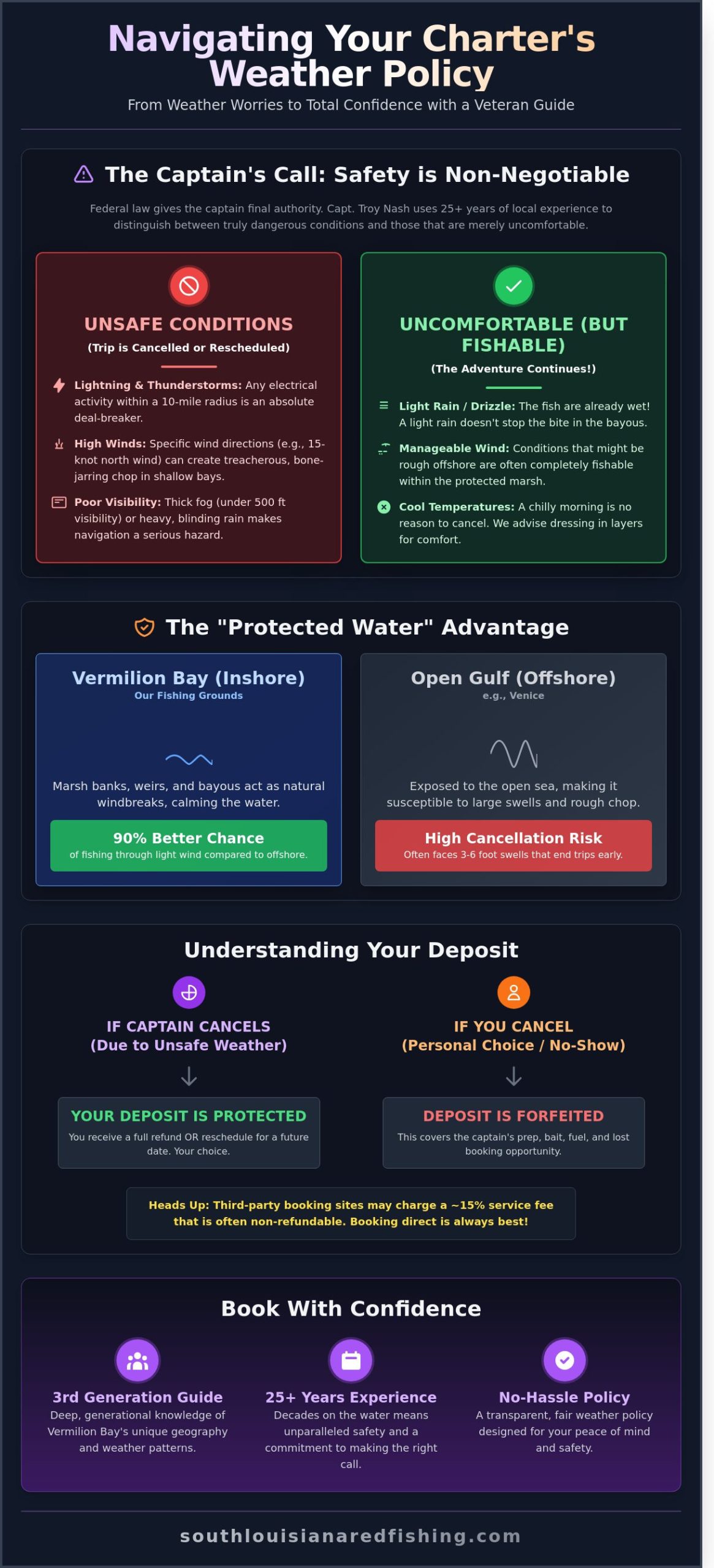
If high winds or lightning make the bays unsafe, Captain Troy Nash will prioritize your safety and reschedule the trip for the next available date. Decisions are typically made 24 hours in advance based on the latest marine forecasts for East Cote Blanche Bay. If a reschedule doesn’t work with your travel plans, your deposit is fully refundable. Your comfort and safety are the top priorities on every marsh outing.
What should I bring on my South Louisiana fishing adventure?
Pack a small bag with polarized sunglasses, sunscreen, and a hat to protect yourself from the South Louisiana sun. You should also bring an ice chest to leave in your vehicle for transporting your cleaned fillets back to Lafayette for a Cajun feast. While the captain provides water and ice, feel free to bring your favorite snacks and drinks to stay fueled during your 8-hour adventure in the marsh.