
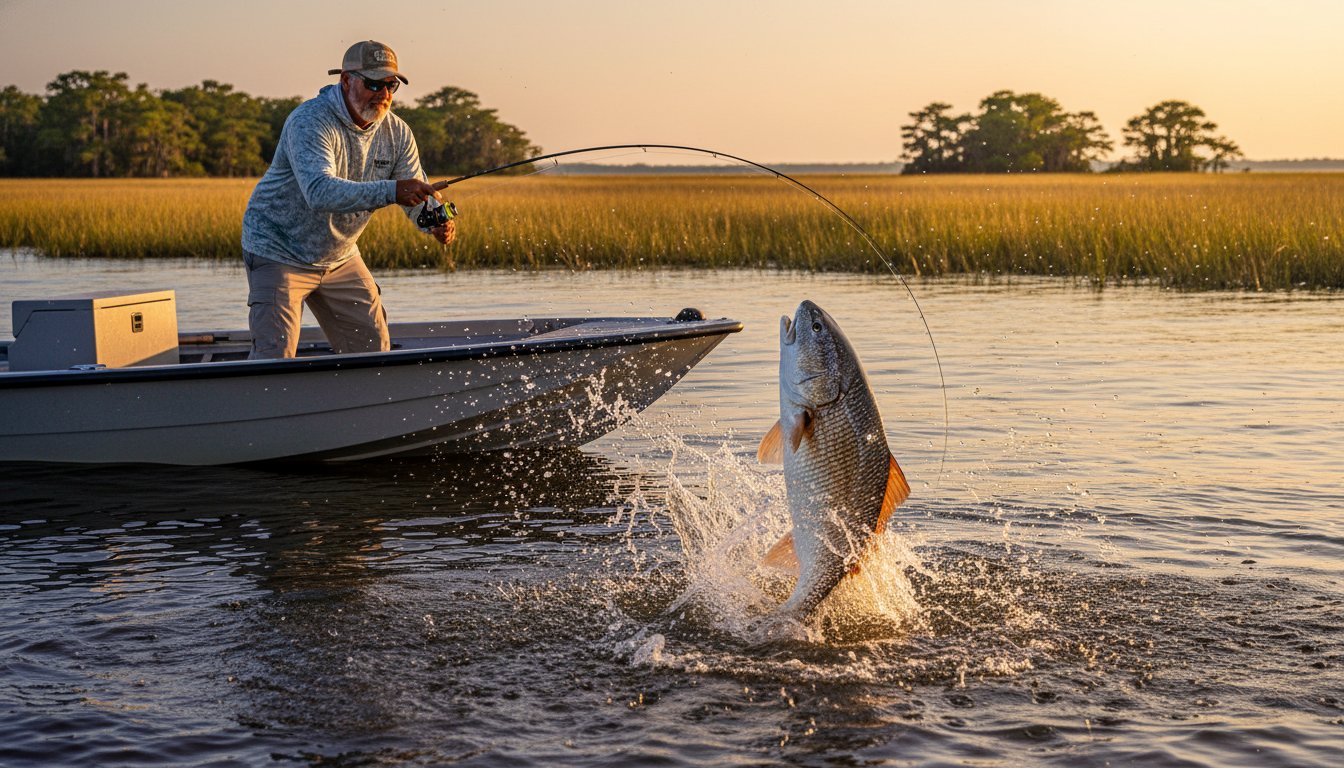
Best Red Fishing in Louisiana: The Ultimate 2026 Angler’s Guide

Best Red Fishing in Louisiana: The Ultimate 2026 Angler’s Guide

Last October, a group of three anglers from Lafayette hit the Cypremort Point marsh at dawn and limited out on slot reds before the coffee in their thermos even went cold. You likely know that feeling of intense anticipation when you book a trip, but you also know the fear of ending up on a “dud” charter with a guide who doesn’t understand the shifting tides. It’s a common worry when you’re searching for the best red fishing in Louisiana among a sea of confusing options. You want a sure thing, not a gamble on the water.

We promise that the sheltered flats of Vermilion Bay and West Cote Blanche Bay provide a more consistent, accessible experience than the rough, expensive offshore trips you might find out of places like Venice. In this 2026 guide, you’ll discover how Captain Troy Nash uses his 25 years of expertise as a 3rd generation guide to put you on trophy Bull Reds. He’s got you covered from the oyster reefs to the hidden weirs of Marsh Island. We’ll preview the prime seasonal windows and show you how to pair your epic adventure with the finest Cajun boudin and hospitality in Acadiana.

Key Takeaways

  • Experience the thrill of the Mississippi River Delta’s unique geography and find out why these endless bayous serve as the world’s premier redfish nursery.
  • Discover why the uncrowded marshes of Vermilion Bay provide the best red fishing in louisiana, offering a more authentic experience than high-traffic areas like Venice.
  • Learn the strategic advantages of inshore fishing at Cypremort Point, where shorter runs and calmer waters mean more time catching bull reds and less time fighting seasickness.
  • Plan your epic adventure around peak seasons and local Cajun culture to ensure your trip is as much about the legendary food as it is about the trophy fish.
  • Understand the value of a 3rd-generation veteran guide who’s got you covered with over 25 years of local expertise for a stress-free day on the water.

Why Louisiana is the Undisputed Redfish Capital of the World

Louisiana’s coastline isn’t just a fishing destination; it’s a biological powerhouse fueled by the massive nutrient discharge of the Mississippi River. This unique geography creates over 15,000 square miles of fertile wetlands that serve as a permanent nursery for red drum. While other Gulf states have seen fluctuating populations, the sheer volume of habitat in the Pelican State ensures a density of fish that is unmatched anywhere else on the planet. You’ll find that the best red fishing in louisiana happens where the fresh river water meets the salty tide of the Gulf. This creates a brackish soup teeming with blue crabs and shrimp, the primary fuel for record-breaking redfish growth.

The geography here is vastly different from the sandy beaches of Florida or the deep-water passes of other areas. In the marshes surrounding Vermilion Bay and West Cote Blanche Bay, thousands of miles of shoreline provide endless opportunities to find fish. This abundance means you aren’t just looking for one or two schools; you’re surrounded by them. Accessibility is a major factor here. You can leave a dock at Cypremort Point and be on a productive oyster reef or a secluded marsh pond in less than 20 minutes. It’s a high-octane environment where the quantity of fish is only matched by their aggressive nature.

What Makes a ‘Bull Red’ vs. a ‘Slot Red’?

Understanding the redfish lifecycle is key to planning your epic adventure. Redfish spend their first three to five years in the shallow marsh ponds and bayous. These are the “slot reds,” named for the 18 to 27-inch size limit mandated by Louisiana’s 2026 regulations. Anglers are allowed a daily limit of 4 fish within this slot, and the law currently prohibits keeping any fish over 27 inches to protect the spawning stock. These slot fish are the ultimate table-fare goal because their meat is firm and flaky, perfect for a traditional Cajun half-shell preparation. Once they outgrow the marsh, they head to the nearshore oil rigs and reefs, becoming the “bull reds” that can weigh over 30 pounds and provide the heart-pounding battles every angler craves.

The Legend of the Louisiana Marsh

The Louisiana marsh is a 7,700-mile tidal playground. This labyrinth of bayous, lakes, and hidden ponds near Marsh Island protects fish from heavy fishing pressure and provides a stable environment even during cold fronts. Success in this environment relies on understanding the relationship between tides and water clarity. A falling tide acts like a dinner bell, pulling baitfish out of the grass and into the mouths of waiting predators. When you find that perfect mix of moving water and clear visibility over an oyster bed, the best red fishing in louisiana becomes a reality. After a day on the water, many visitors head back to Lafayette to enjoy the world-class Cajun cuisine that makes this region a premier tourism destination. Captain Troy D Nash brings over 25 years of experience to these waters, ensuring you’re always in the right spot at the right time. He’s got you covered, whether you want to sight-cast on the flats or grind it out along the grass lines.

The Vermilion Bay Advantage: Finding the Best Red Fishing in Louisiana

The Vermilion Bay area provides a distinct advantage over crowded hubs like Venice. You get a raw, authentic marsh experience without the chaotic boat traffic found in other parts of the state. Cypremort Point serves as your strategic gateway to the Gulf. It’s located just 45 minutes south of Lafayette. You’ll hit the fishing grounds within minutes of leaving the dock. The geography here is a major plus. Even when 20-knot winds howl from the north, the maze of bayous and protected shorelines keeps the water calm. You won’t lose a single day of your trip to rough seas. From the shallow flats of Weeks Bay to the deep cuts of the Intracoastal, this region offers the best red fishing in louisiana for those who want variety and results.

Key Hotspots: Marsh Island and East Cote Blanche Bay

Marsh Island spans over 71,000 acres of pristine marsh. It’s a redfish paradise. Focus on the weirs along the south side of the island. These water-control structures create massive current breaks where trophy reds wait for bait. When the tide drops, it’s like a dinner bell ringing for every predator in the area. In East Cote Blanche Bay, the shoreline grass beds are magnets for redfish. These fish hunt the edges for blue crabs and shrimp. During the seasonal transitions in late October, the shell banks near Burns Point become a primary highway for migrating bulls. Capt. Troy Nash uses his 25 years of experience to track these movements daily. He’s been navigating these specific waters since 1999, ensuring you stay on the bite.

Nearshore Opportunities: Rigs, Reefs, and Oyster Beds

You don’t need an expensive offshore vessel to find giant fish. The “closest rigs” sit only 3 to 5 miles outside the bay. These structures hold massive bull reds and hard-fighting Sheepshead year-round. Oyster beds are the primary feeding grounds here. These natural reefs provide the structure and food sources that sustain our world-class fishery. From May through September, you’ll also find Tripletail hovering near buoy lines. It’s an accessible way to experience the best red fishing in louisiana without the high costs of deep-sea charters. After you limit out, you’re just minutes away from the world-famous Cajun cuisine of New Iberia. Your epic adventure begins with a 3rd generation guide who knows every secret of the bay.

  • Marsh Island: 71,000 acres of protected habitat.
  • Cypremort Point: Gateway to the Gulf just 45 minutes from Lafayette.
  • Nearshore Rigs: Only 3 to 5 miles from the shoreline.
  • Seasonal Variety: Bull reds, Sheepshead, and Tripletail.

Inshore vs. Offshore: Why the Marsh and Bayou Win

Choosing between an inshore marsh trip and a deep-sea excursion comes down to a simple calculation of time and money. Offshore runs from spots like Venice often require two hours of travel just to reach the first rig. In contrast, your epic adventure in Vermilion Bay starts almost immediately. You’ll reach prime honey holes near Cypremort Point in about 20 minutes. This efficiency means you spend 90 percent of your day with lines in the water rather than burning 200 gallons of expensive diesel. It is easily the best red fishing in louisiana for anglers who value action over long boat rides.

Comfort is the other major factor. The protected waters of the bayou and the interior lakes of Marsh Island stay calm even when the Gulf of Mexico is churning with six-foot swells. You won’t have to worry about seasickness or keeping your balance on a rocking deck. This stability makes inshore trips the premier choice for families with young children or corporate groups looking for a relaxing but productive day. You get the adrenaline of a heavy strike without the physical toll of a high-seas battle.

Accessibility defines the South Louisiana experience. You can target “big fish” thrills at nearshore oil rigs and oyster beds that sit in less than 10 feet of water. These locations offer the same rod-bending power as deep-sea species but at a fraction of the charter price. After the trip, you are just a short drive from Lafayette, where the best Cajun food in the world waits to cap off your day.

The ‘Grand Slam’ Potential of South Louisiana

The “Inshore Slam” is the gold standard for local anglers. It requires landing a Redfish, a Speckled Trout, and a Southern Flounder in a single outing. Capt. Troy Nash uses his 25 years of experience as a third-generation guide to track these species across the weirs and grass lines of West Cote Blanche Bay. While offshore boats are often grounded by high winds, the marsh provides endless tucked-away spots that stay fishable 365 days a year. This variety ensures that every cast holds the potential for a different species, keeping the excitement high from the first light until the final haul.

Lowering the Barrier to Entry

You don’t need a 50-foot sportfisher or heavy-duty winches to land a 30-pound Bull Red. Shallow water fishing allows for a more intimate connection with the environment. Whether you prefer the precision of Fly fishing, the ease of Spin casting, or the control of a Baitcast reel, he’s got you covered. This approach makes the best red fishing in louisiana accessible to everyone regardless of their skill level. For a deeper look at the tactics used in these shallow flats, read Louisiana Redfish: The Ultimate Guide to prepare for your next trip. The marsh is waiting, and the giants are closer than you think.

Planning Your Epic Adventure: Seasons and Cajun Culture

Planning an epic adventure in the Louisiana marsh requires more than just a rod and reel; it is about timing the tides and the seasons to perfection. To experience the best red fishing in louisiana, you need to know when the marsh ecosystem is firing on all cylinders. While other areas like Venice often require long, expensive runs to reach the fish, our home waters in Vermilion Bay and West Cote Blanche Bay offer world-class action just minutes from the dock. Capt. Troy Nash uses over 25 years of experience to track these fish as they move through the seasons, ensuring you are always where the bite is hottest.

The Angler’s Calendar: When to Book

The marsh changes month to month, and your strategy should change with it. March through May represents the spring transition. As water temperatures climb into the 68 to 72 degree range, redfish emerge from winter patterns and begin prowling the shallow flats near Marsh Island. September through November is the legendary fall run. This is arguably the most productive window of the year. The cooling water triggers a feeding frenzy in Vermilion Bay, making it the prime time to limit out on aggressive reds. During the summer, we focus on 5:30 AM starts to beat the heat. The topwater action during these early hours is explosive and provides some of the most heart-pounding strikes you’ll ever see.

  • Winter Bull Reds: When north winds push water levels down in December and January, the giants concentrate in deeper holes and around oyster beds.
  • Spring Sight Fishing: Clearer water in the marsh ponds makes this the best time for fly fishing enthusiasts.
  • Fall Consistency: Stable weather patterns in October make for the most reliable fishing days of the year.

Beyond the Boat: The Lafayette and Cypremort Point Experience

Your trip doesn’t end when we tie up the boat. The Acadiana region offers a cultural experience that you won’t find anywhere else in the world. Lafayette serves as the perfect home base for your stay. You can find the best boudin in the state at local spots like Billy’s or Best Stop, located just a short drive from the water. If you’re traveling with family, Cypremort Point State Park provides a complete getaway with beach access and cabins right on the edge of the marsh. You should explore these 21 unforgettable things to do in Lafayette to round out your vacation with authentic Cajun music and world-class dining.

Before you hit the water, make sure your logistics are squared away. You can purchase your Louisiana fishing license online through the LDWF website in under five minutes. It’s a simple step that ensures your focus remains on the best red fishing in louisiana once you step aboard. Whether you want to chase bull reds in the nearshore reefs or sight fish the grass flats, Capt. Troy Nash has you covered with everything you need for a successful day. He provides the gear, the knowledge, and the passion to make your 2026 trip a legendary success.

Experience the thrill of the marsh for yourself and book your epic redfish adventure today!

Booking with a Pro: Why a 3rd Generation Guide Matters

Capt. Troy Nash brings a level of expertise you won’t find with part-time outfits. As a 3rd generation, full-time veteran guide with over 25 years of experience, he knows every oyster bed, weir, and secret canal from Vermilion Bay to Marsh Island. Choosing a guide with this much heritage means you aren’t just hiring a boat; you’re accessing decades of localized wisdom. He provides everything for a successful trip, including high-quality rods, reels, and fresh bait. This all-inclusive approach reduces your stress and ensures you’re using the right gear for the best red fishing in louisiana.

Customization is the hallmark of a professional charter. Whether you’re a fly fishing expert looking to sight-cast to tailing reds or a parent planning a family-friendly outing at Cypremort Point, he’s got you covered. The trips are designed to be results-driven and customer-focused. After you finish your day on the water, you’re perfectly positioned to enjoy the legendary Cajun food and culture of nearby Lafayette. This combination of world-class angling and local tourism makes the experience a complete adventure rather than just a day on the lake.

The South Louisiana Redfishing Difference

Expertise in sight-fishing is what separates a good day from a legendary one. There is a specific thrill in seeing a copper-colored back cruising the grass lines of South Marsh Island before you even make your cast. Capt. Nash offers incredible versatility, accommodating fly, spin, or baitcast styles with ease. You’ll fish from a professional, well-maintained boat built to handle the shallow flats and bayous. This inshore focus provides a much more stable and comfortable environment than the choppy waters often found in deep sea or offshore excursions. You spend more time with your line in the water and less time battling heavy swells.

Ready to Experience the Thrill?

Planning your 2026 trip starts with a direct conversation with Capt. Nash. He takes the time to understand your goals, whether you’re hunting giant bull reds or looking to limit out on schoolies. Because the prime Spring and Fall windows are the most popular times for the best red fishing in louisiana, booking early is vital. Many peak dates are reserved 6 to 12 months in advance by returning clients. Secure your spot now to ensure you get the best tides and the most productive moon phases for your marsh adventure.

Contact Capt. Nash today to begin planning your personalized itinerary. Your epic journey through the endless banks and bayous of South Louisiana is just a click away.

Book Your Epic South Louisiana Redfishing Adventure Today!

Start Your 2026 Vermilion Bay Adventure Now

Your 2026 trip to the Louisiana coast shouldn’t just be another day on the water; it’s time to experience the true thrill of the marsh. While other areas like Venice often require long boat rides, Vermilion Bay offers immediate access to endless banks and productive bayous. You’ll target giant bull reds across Marsh Island and the fertile oyster beds near Cypremort Point State Park. Booking with a 3rd Generation Veteran Guide like Captain Troy Nash ensures you’re leveraging 25+ Years Local Experience. He’s got you covered by providing all gear and bait included for a successful day. After you limit out on redfish and speckled trout, you can enjoy the legendary Cajun food and culture in nearby Lafayette. This region truly offers the best red fishing in louisiana for anglers seeking a world class experience. Don’t settle for less when you can fish with a pro who knows every weir and canal in the bay. The marsh is calling, and the bull reds are waiting for your line.

Book Your Epic South Louisiana Redfishing Adventure Today!

We can’t wait to see you on the boat and help you land the catch of a lifetime.

Frequently Asked Questions

When is the absolute best time to catch redfish in Louisiana?

September through January offers the absolute peak for catching giant bull reds in the Vermilion Bay marsh. While you can find slot reds year-round, the cooling water temperatures between September 1st and January 15th trigger an aggressive feeding frenzy. This is the prime window to experience the best red fishing in louisiana as fish move into the shallow lakes and weirs around Marsh Island.

Do I need my own gear for a Louisiana redfish charter?

You don’t need to bring any specialized gear because Captain Troy Nash provides everything required for a successful day on the water. Whether you prefer fly, spin, or baitcast styles, the boat is stocked with high-quality rods and reels tailored for 20-pound bull reds. Simply climb aboard; he’s got you covered with all the tackle and fresh bait needed to limit out on your epic adventure.

How much does a guided redfishing trip in South Louisiana cost?

A professional guided redfishing trip in the Cypremort Point area typically costs between $700 and $1,100 depending on the number of anglers in your party. This price usually covers up to 4 people and includes fuel, ice, and professional fish cleaning services. Choosing an inshore marsh adventure is much more affordable than offshore trips in Venice, which often exceed $2,500 plus high fuel surcharges.

Can I catch redfish in Louisiana without a boat?

You can definitely catch redfish from the shore at locations like Cypremort Point State Park or the public piers at Burns Point. The state park features a half-mile stretch of accessible shoreline and rock groins where redfish frequently patrol for bait. While a boat allows you to reach the deeper reefs of West Cote Blanche Bay, shore-bound anglers often land 27-inch slot reds using simple bottom rigs.

What is the difference between inshore and offshore fishing in Louisiana?

Inshore fishing focuses on the shallow marshes, bayous, and bays like Vermilion Bay, offering calmer waters and shorter travel times than offshore excursions. You’ll spend just 15 to 20 minutes reaching the fishing grounds rather than trekking 50 miles into the Gulf. This proximity makes inshore trips the best red fishing in louisiana for families who want to avoid heavy seas while still targeting trophy-sized bull reds.

Is a fishing license required for a guided charter at Cypremort Point?

Every angler 18 years or older must possess a valid Louisiana fishing license, even when fishing with a veteran guide at Cypremort Point. The most convenient option is the 3-day Charter Passenger License, which costs exactly $20 and covers all your needs during the trip. You can purchase this online from the Louisiana Department of Wildlife and Fisheries website 24 hours a day to ensure your trip starts smoothly.

What happens if the weather is bad on the day of my fishing trip?

If high winds or lightning make the bays unsafe, Captain Troy Nash will prioritize your safety and reschedule the trip for the next available date. Decisions are typically made 24 hours in advance based on the latest marine forecasts for East Cote Blanche Bay. If a reschedule doesn’t work with your travel plans, your deposit is fully refundable. Your comfort and safety are the top priorities on every marsh outing.

What should I bring on my South Louisiana fishing adventure?

Pack a small bag with polarized sunglasses, sunscreen, and a hat to protect yourself from the South Louisiana sun. You should also bring an ice chest to leave in your vehicle for transporting your cleaned fillets back to Lafayette for a Cajun feast. While the captain provides water and ice, feel free to bring your favorite snacks and drinks to stay fueled during your 8-hour adventure in the marsh.
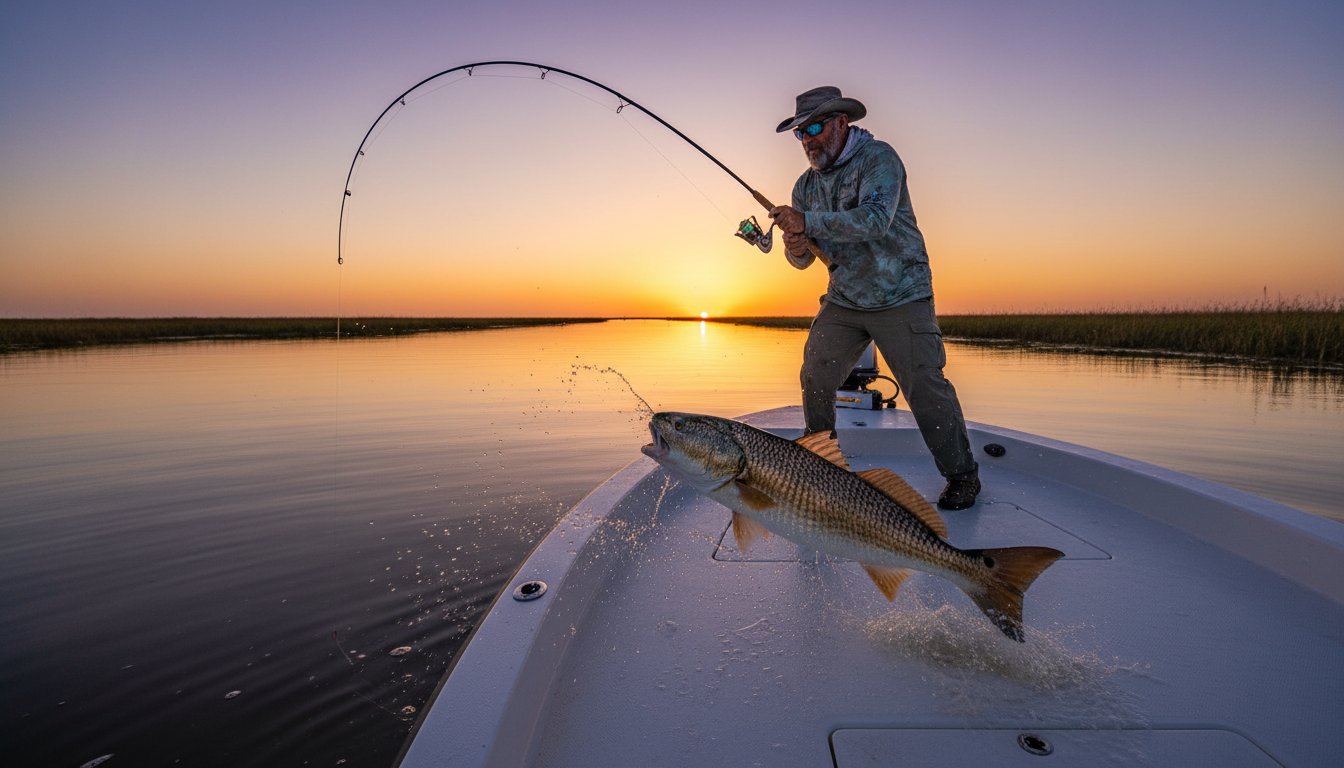
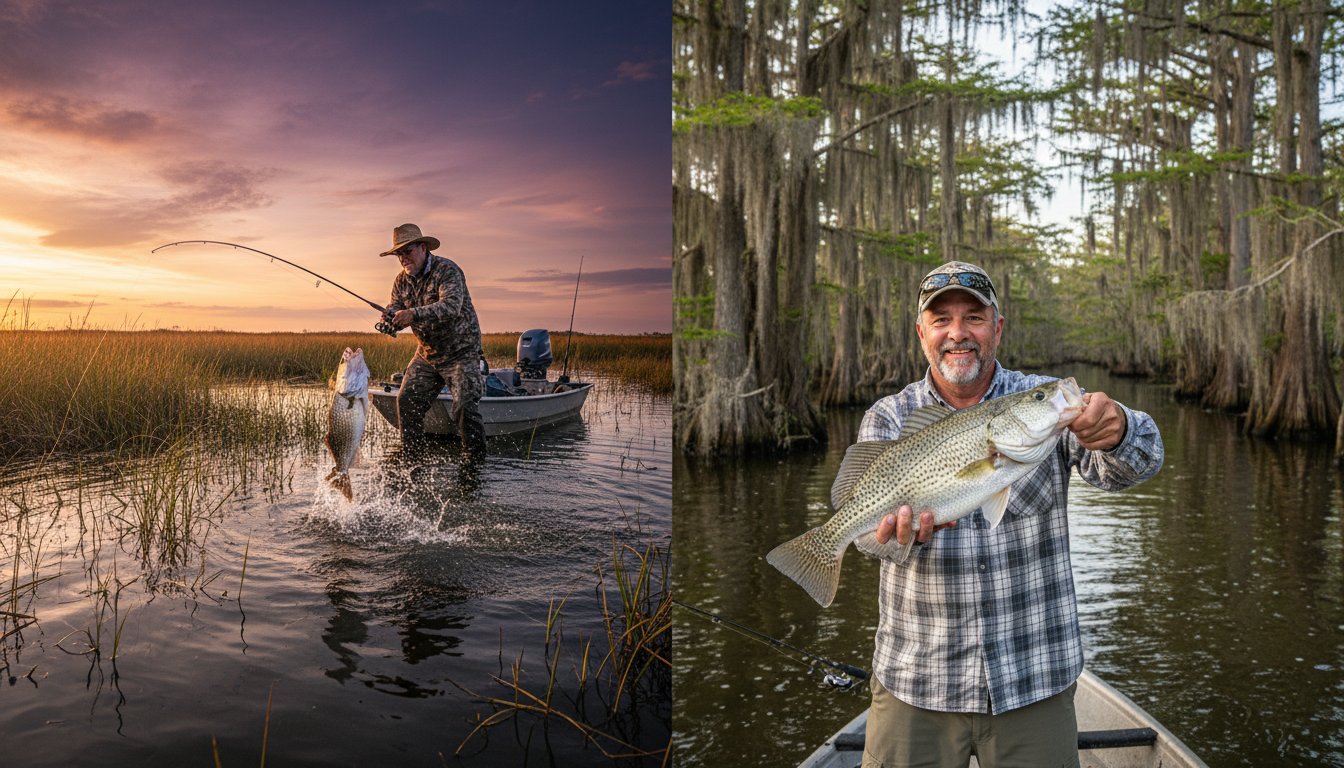
Louisiana Fish: The Angler’s Ultimate Guide to the Top Inshore & Offshore Species

Feeling the pull of Louisiana’s legendary fishing, but not sure where to drop your line? The sheer variety can be overwhelming. From the endless, shimmering marshes to the deep blue of the Gulf, the options are as vast as the water itself. You’ve heard the stories of giant Bull Reds and screaming reels, but knowing which species to target-and when-is the key to an unforgettable trip. This is your ultimate guide to the absolute best louisiana fish, designed to turn confusion into a concrete game plan for your next epic adventure.

Get ready to experience the thrill. We’ll break down the most sought-after inshore trophies like Redfish, Speckled Trout, and Flounder that you can land right from the bayous. Then, we’ll push offshore to uncover the deep-sea monsters that make Louisiana a world-class destination. You’ll learn the difference between inshore and offshore targets, discover the peak seasons for each species, and get the expert tips you need to limit out. By the end, you won’t just be dreaming of the catch-you’ll be ready to make it happen.

Key Takeaways

  • Master the shallow-water marshes to experience the non-stop, year-round thrill of battling Louisiana’s legendary inshore species.
  • Prepare for an epic offshore adventure by understanding the different boats and tackle required to conquer the giants of the Gulf.
  • Discover which powerful but often overlooked louisiana fish share the same waters as Redfish and Trout, giving you more targets for your trip.
  • Learn the seasonal patterns of Louisiana’s top game fish to perfectly time your trip and maximize your chances of landing a trophy.

The Kings of the Marsh: Louisiana’s Prized Inshore Fish

Welcome to the shallow-water battlegrounds of the Louisiana coast. This is where the real action happens, in the endless maze of bayous, marshes, and flats that make our fishery legendary. Fed by the Mississippi River, Louisiana’s vast coastal marsh and swamp ecosystems create a nutrient-rich paradise, offering anglers epic, non-stop battles year-round. These prized species are the primary targets for our inshore charters launching from Cypremort Point, where every trip is an adventure.

Get ready to master the art of light tackle fishing. The thrill of sight-fishing for trophy-class predators in the calm, shallow waters of Vermilion Bay is an experience you’ll never forget. Whether you’re a seasoned pro or new to the sport, these are the iconic louisiana fish that define our inshore experience.

Redfish (Red Drum): The Icon of Louisiana

Nothing compares to the raw power of a giant ‘bull red’ peeling drag from your reel. These bronze-backed bruisers are the undisputed kings of the marsh, known for their aggressive feeding and bulldog tenacity. You’ll find them cruising shallow marsh edges, tailing on flats, and ambushing prey around oyster reefs. They are a true test of an angler’s skill and a rewarding catch every time.

  • Best Baits: Live shrimp, cracked crab, and fresh mullet.
  • Top Lures: Gold spoons and soft plastic cocahoe minnows are local favorites.

Speckled Trout (Spotted Seatrout): The Elusive Gator Trout

Famous for their beautiful spots and aggressive nature, Speckled Trout deliver explosive topwater strikes that will get your heart pounding. The hunt for a trophy ‘gator trout’ is one of the ultimate inshore challenges. We find these elusive predators ambushing bait over oyster beds and along points with moving water. A popping cork with a live shrimp is a combination they simply can’t resist. For the best action, target them in shallower water during the spring and fall.

Flounder: The Ambush Predator of the Flats

Don’t underestimate the Flounder. Catching these masters of camouflage is a unique challenge that rewards patience and a delicate presentation. They lie perfectly still on sandy or muddy bottoms, waiting to ambush unsuspecting prey near marsh drains and along jetty rocks. The key is a slow, methodical approach, dragging your bait right in front of them. While you might be targeting other louisiana fish, a hefty Flounder is always a delicious bonus for the dinner table.

The reward of a fresh catch is a fantastic meal. While many anglers enjoy cooking their fish fresh, Louisiana’s French culinary heritage also embraces the art of preserving the harvest. This tradition is perfected by artisans like Conserverie Maison Marthe, who create gourmet canned goods that capture the flavors of the sea for enjoyment anytime.

Beyond the Coast: Louisiana’s Hard-Fighting Offshore Fish

Venture beyond the endless banks and bayous, and you enter a different realm: the deep, blue waters of the Gulf of Mexico. This is where legends are made. Targeting offshore louisiana fish species is an epic adventure that demands bigger boats, heavier tackle, and long runs into the open sea. The reward? A battle with some of the most powerful and sought-after game fish on the planet. While our heart lies in the inshore mazes of Vermilion Bay, understanding these Gulf titans is key to appreciating the full, incredible scope of Louisiana’s marine ecosystem.

Red Snapper: The Gulf’s Most Popular Reef Fish

Instantly recognizable by their brilliant red hue, Red Snapper are the undisputed kings of the reef. Prized for their firm, delicious meat, they are a favorite for anglers and chefs alike. You’ll find them schooling around offshore structure like oil rigs, artificial reefs, and underwater wrecks. These fish are subject to strict management, so it’s crucial to check the current Louisiana fishing regulations before you go. Anglers typically drop heavy jigs or baited hooks with squid or pogies to lure them out of their structure.

Cobia (Lemonfish): The Curious Brown Brawler

Get ready for a street fight. Cobia are pure muscle, known for their brute strength and stubborn refusal to give up. These curious fish often shadow larger sea creatures like sharks and manta rays, or follow boats right up to the transom. They patrol weed lines and offshore structures, ready to ambush nearly any offering, from live eels and jigs to large topwater plugs. Hooking a big Cobia is a true test of an angler’s stamina and the quality of their tackle.

Yellowfin Tuna: The Ultimate Big Game Challenge

For many, this is the pinnacle of Louisiana sportfishing. The Yellowfin Tuna is a chrome-plated torpedo built for speed and power, providing a reel-screaming thrill that is simply unmatched. These pelagic predators are found far offshore, often congregating around deepwater oil rigs or legendary spots like “The Lump.” Battling these giants requires specialized gear and proven techniques like trolling, chunking, or casting massive topwater poppers into a feeding frenzy. This is the ultimate big game challenge, an expedition best led by an experienced offshore captain.

Often Overlooked Trophies: Black Drum, Sheepshead & Tripletail

While redfish and speckled trout steal the spotlight, some of the most thrilling battles in the marsh come from a trio of powerful contenders. Often found in the very same spots as their more famous cousins, these species offer an incredible fight and add unforgettable variety to your inshore adventure. Targeting this powerful lineup of louisiana fish will test your skills and make you a more complete and successful angler, turning a great day on the water into an epic one.

Black Drum: The Redfish’s Uglier, Stronger Cousin

Don’t let their grumpy appearance fool you; the black drum is a heavyweight brawler. The massive ‘bull’ drum that patrol our waters can exceed 50 pounds, using sheer brute strength to peel drag on deep, powerful runs that will test your gear and your grit. Target them with cracked crab or fresh shrimp fished on the bottom near bridge pilings and deep holes. While the giants are a pure sport catch, their smaller ‘puppy drum’ counterparts are fantastic on the dinner table.

Sheepshead: The Convict Fish

Named for their bold black-and-white stripes and human-like teeth, the sheepshead is a notorious bait thief. These structure-loving fish have earned the nickname “convict fish” for their uncanny ability to steal your bait right off the hook. The challenge is what makes them so rewarding! You’ll find them nibbling on barnacles around any hard structure-jetties, docks, and rig legs are prime real estate. The key is using small, sharp hooks and tempting them with fiddler crabs or small pieces of live shrimp.

Tripletail: The Floating Surprise

Catching a tripletail is an experience you’ll never forget. This unique, prehistoric-looking fish has a bizarre habit of floating on its side near the surface, perfectly mimicking a piece of floating debris along weed lines or near channel markers. This behavior creates one of the most exciting visual challenges in fishing: sight-casting. A perfectly placed, free-lined live shrimp is almost impossible for them to resist. While tripletail offer a unique challenge close to the coast, Louisiana’s waters are also famous for a diverse range of powerful offshore fish species that draw anglers from around the world.

Planning Your Trip: Louisiana Fishing Seasons & Regulations

In Louisiana, the fishing season never truly ends. Our rich coastal estuaries offer incredible, world-class action 365 days a year, making it a premier destination for anglers. The key to an epic adventure is understanding the seasonal patterns that dictate fish behavior. Knowing when and where to find your target species is the difference between a good day and a legendary one.

A Season-by-Season Guide to Louisiana Fishing

While you can catch redfish year-round, certain seasons offer unique opportunities to target specific trophy louisiana fish. Here’s a quick breakdown of what to expect:

  • Spring: As the marsh comes alive, so do the fish. This is prime time for chasing trophy speckled trout as they move into the interior bays to spawn. Redfish are aggressive and hungry after the winter, making for explosive fights.
  • Summer: Beat the heat with thrilling early morning and late evening trips. The topwater bite is on fire, with redfish and trout smashing lures on the surface. It’s pure adrenaline.
  • Fall: This is what legends are made of. The cooler weather triggers the legendary “bull red” run, as massive schools of giant redfish swarm the coastal passes and bays. This is your chance to land a fish of a lifetime.
  • Winter: Don’t sleep on winter fishing. The water becomes crystal clear, creating the perfect conditions for sight-fishing. We stalk massive schools of redfish in shallow ponds-an unforgettable experience for spin and fly anglers alike.

Licenses and Limits Made Simple

Navigating regulations can seem daunting, but we make it easy. To fish in our coastal waters, you’ll typically need a basic fishing license and a saltwater license. These can be purchased easily online directly from the Louisiana Department of Wildlife and Fisheries.

But here’s the best part: when you fish with us, you don’t have to worry about the details. Your captain is a full-time, veteran guide who is always up-to-date on the latest size and bag limits for every species. He’s got you covered, ensuring your trip is 100% legal and focused entirely on the thrill of the catch.

Let us handle the details. Book an epic trip today!

Your Louisiana Fishing Adventure Awaits

From the legendary Bull Reds stalking the inshore marshes to the powerhouse Tuna patrolling the deep blue, Louisiana’s waters are teeming with world-class opportunity. This guide has armed you with the essential knowledge of what to target and when to plan your attack. The sheer diversity of louisiana fish makes every cast a new possibility, and now it’s time to turn that knowledge into an unforgettable experience.

Why leave your trip to chance? Climb aboard with Captain Troy Nash, a 3rd generation, veteran fishing captain who specializes in unlocking the secrets of the legendary Vermilion Bay. With decades of experience, he knows exactly where the giants are hiding. All premium rods, reels, and tackle are provided for your trip-you just bring the excitement. He’s got you covered!

Ready for an epic adventure? Book Your Trip with Captain Troy!

The trophy catch of a lifetime is waiting for you in the Sportsman’s Paradise.

Frequently Asked Questions About Louisiana Fishing

What is the most popular fish to catch in Louisiana?

Hands-down, the most popular inshore fish to catch in Louisiana is the legendary Redfish, also known as the Red Drum. These powerful fish are famous for their thrilling fight and stunning bronze color. Anglers love targeting them in the shallow marshes and bays year-round, especially the giant ‘bull reds’ that put up an epic battle. Speckled Trout are another top contender, prized for their aggressive strikes and delicious flavor, making for an unforgettable day on the water.

What is the best month to go fishing in Louisiana?

While you can find an epic fishing adventure in Louisiana any time of year, the fall months-especially October and November-are considered the absolute best. During this time, the weather is perfect, and the marshes are teeming with hungry Redfish and Speckled Trout preparing for winter. Spring, from March through May, is another fantastic season, offering explosive topwater action as the fish become more active after the cooler months. You can’t go wrong either way!

Do I need a fishing license to fish with a guide in Louisiana?

Yes, every angler 16 years of age or older needs a valid Louisiana fishing license, even when fishing with a licensed guide. The good news is that it’s simple to get. For a guided trip, you will need to purchase a 3-Day Charter Passenger License. This can easily be done online through the Louisiana Department of Wildlife and Fisheries website before your trip. Your guide can point you in the right direction to get it handled quickly.

What is the difference between inshore and offshore fishing?

Inshore fishing takes place in the calmer, shallower waters close to the coastline, like Louisiana’s endless banks, bayous, and marshes. Here, we target incredible species like Redfish, Speckled Trout, and Flounder. Offshore fishing, or deep-sea fishing, happens far out in the open waters of the Gulf of Mexico. This is where anglers pursue giant pelagic species like Tuna, Wahoo, and Marlin in deep water, often requiring a much longer boat ride and heavier tackle.

Can you fish in Vermilion Bay year-round?

Absolutely! Vermilion Bay is a premier, year-round fishing destination that offers incredible action in every season. The species we target might change, but the bite is always on. Fall is legendary for giant bull reds, while spring and summer bring aggressive Speckled Trout. Even in the winter, you can have a fantastic day catching Sheepshead and Black Drum. It’s a dynamic fishery that always has a trophy-worthy Louisiana fish waiting for you.

What is a ‘Louisiana Slam’ in fishing?

A ‘Louisiana Slam’ is a badge of honor for any inshore angler! This thrilling achievement means catching the ‘big three’ of Louisiana’s inshore species-a Redfish, a Speckled Trout, and a Flounder-all in a single day’s trip. It requires skill, a bit of luck, and a deep knowledge of the local waters. Landing a slam is the ultimate goal for many visiting anglers and makes for an unforgettable story from their epic adventure on the water.

Louisiana’s Two State Fish: A Complete Angler’s Guide

Ask any angler in the Sportsman’s Paradise what the official state fish is, and you might get two different answers. And here’s the secret: they’re both right. Louisiana is a state so rich in fishing heritage that it couldn’t settle for just one champion. It proudly honors two incredible species as the official louisiana state fish—one for its legendary freshwater bayous and another for its bountiful saltwater marshes. This dual designation often leaves anglers searching for the full story, but don’t worry. We’ve got you covered.

Get ready for an epic deep dive. This isn’t just a trivia answer; it’s your complete angler’s guide to the White Crappie and the hard-fighting Speckled Trout. We’re revealing the history behind their selection, the best spots to find them, and the pro techniques you need to experience the thrill of the catch. By the time you’re done, you’ll not only know the story behind these iconic fish but have the confidence to target them on your next adventure.

Key Takeaways

  • Louisiana is unique in honoring both a freshwater (White Crappie) and saltwater (Speckled Trout) champion, giving anglers twice the opportunity for an epic adventure.
  • Learn the key physical differences to confidently distinguish the White Crappie, or ‘Sac-à-lait,’ from its look-alike cousin, the Black Crappie.
  • Discover the pro tactics for targeting legendary Speckled Trout and experience the thrill of landing a true “gator” trout in the coastal marshes.
  • Get a complete angler’s playbook with proven strategies and current regulations for catching both official Louisiana state fish.

Louisiana’s Unique Honor: Two State Fish for an Angler’s Paradise

When it comes to legendary fishing, Louisiana doesn’t just meet expectations—it shatters them. Most states honor a single fish, but the Pelican State doubles down, celebrating two distinct species that define its epic angling culture. This unique distinction isn’t just for show; it’s a powerful symbol of Louisiana’s incredible ecological diversity, from the cypress-choked bayous of the heartland to the endless saltwater marshes of the Gulf Coast. For any serious angler, this means one thing: double the adventure.

These two champions represent the very soul of fishing in this sportsman’s paradise. One is a freshwater phantom prized for its delicate flavor, while the other is a coastal brawler famous for its explosive fight. Let’s meet the official symbols of Louisiana’s world-class fisheries.

The Freshwater Champion: White Crappie (Pomoxis annularis)

Deep in Louisiana’s tranquil inland waters lives the first of its celebrated fish. Designated in 1993, as confirmed on the official List of U.S. state fish, the White Crappie is a true freshwater icon. Known affectionately by locals as “White Perch” or the Cajun French “Sac-à-lait” (sack of milk), this fish is a beloved target for its delicious white meat. It perfectly embodies the spirit of the state’s countless lakes, rivers, and slow-moving bayous, offering a classic and rewarding fishing experience.

The Coastal King: Speckled Trout (Cynoscion nebulosus)

Representing the state’s saltwater supremacy, the Speckled Trout was officially named the state saltwater fish in 2001. This is no passive catch. Known for its aggressive strikes and hard-fighting nature, the “Speck” is the ultimate inshore prize for anglers stalking the coastal marshes and barrier islands. Landing a trophy Speckled Trout is a rite of passage, a thrilling battle that represents the wild, untamed energy of Louisiana’s world-renowned Gulf fishery.

Together, these two species tell the complete story of angling in the Bayou State. Understanding the official Louisiana state fish is your first step toward planning an unforgettable trip. Whether you’re chasing Sac-à-lait in a hidden bayou or battling trophy Specks in the marsh, your epic adventure starts here.

Meet the Freshwater Icon: The White Crappie (Sac-à-lait)

Get ready to chase a true Louisiana legend. Known locally as the Sac-à-lait, the White Crappie is more than just a popular panfish—it’s an icon of our inland waters and one half of the official louisiana state fish designation. Prized for its delicate white meat and its willingness to put up an epic fight on light tackle, this fish offers a thrilling experience for anglers of all skill levels. Mastering the art of catching Sac-à-lait means understanding exactly what you’re looking for and where to find it.

Identification and Appearance

Don’t get the White Crappie confused with its cousin, the Black Crappie. While they look similar, the key differences are your ticket to a positive ID. The White Crappie boasts a beautiful, silvery-white body marked with 5-10 faint, dark vertical bars. The most definitive tell? Count the sharp spines on the dorsal fin. A White Crappie will always have 5 or 6 spines, whereas a Black Crappie has 7 or 8. Most anglers in Louisiana can expect to reel in fish ranging from 10 to 12 inches, but don’t be surprised to find trophy-sized “slabs” pushing well over two pounds.

Habitat and Behavior

White Crappie are masters of ambush, preferring to hide near submerged structures where they can surprise their prey. Your prime targets should be areas with:

  • Submerged timber and fallen trees
  • Man-made brush piles
  • Bridge pilings and dock structures
  • Edges of dense vegetation

One of their greatest advantages in Louisiana is their tolerance for murky or turbid water. This resilience is a major reason why the White Crappie thrives in our diverse waterways and was designated as Louisiana’s freshwater state fish, a title it proudly represents. Their behavior is driven by the seasons; in the spring, they famously move into shallow waters to spawn, making them highly accessible. As ambush predators, they feed primarily on small minnows and insects, so matching your bait to their diet is a surefire path to success.

Get to Know the Saltwater Legend: The Speckled Trout

While the Largemouth Bass holds the freshwater title, the Speckled Trout, or ‘Speck,’ reigns supreme in our coastal waters. Officially designated as the saltwater louisiana state fish, this aggressive, hard-fighting predator is the prize many anglers dream of. There’s nothing quite like the explosive strike of a big trout, and the thrill of landing a monster ‘gator’—a fish topping five pounds—is an experience that defines Louisiana inshore fishing. But the Speck is more than just a trophy; it’s a vital indicator of the health of our entire coastal ecosystem.

Identification and Appearance

You’ll know a Speck when you see one. They have a sleek, elongated, silvery body, often with a golden or purple sheen along their back. Their most defining feature is the scattering of prominent black spots across their back, dorsal fin, and tail. Look inside their mouth, and you’ll find a pair of distinctive, sharp canine-like teeth in the upper jaw, built for ambushing prey. While a keeper-sized trout is a great catch, the true legends are the ‘gator’ trout that push the scales past five pounds and beyond.

Habitat and Behavior in Louisiana’s Marshes

Speckled Trout are masters of the inshore environment. You’ll find them ambushing prey along shallow bays, oyster reefs, and submerged grassy flats where they can find cover and food. As top-tier predators in the marsh, their diet consists mainly of shrimp, mullet, and other small baitfish, a fact explored in this detailed Spotted Seatrout profile from the Florida Museum. Their behavior is tied to the seasons; they move into deeper channels during the cold of winter and patrol the shallow flats in the warmth of spring and summer. This deep connection between the health of our marshes and the abundance of this incredible louisiana state fish cannot be overstated—thriving estuaries create trophy trout.

Why Vermilion Bay is a Speckled Trout Hotspot

Here on our home turf, Vermilion Bay offers the perfect recipe for a world-class Speckled Trout fishery. The bay’s unique ecosystem provides an ideal mix of salinity from the Gulf of Mexico and freshwater from the Atchafalaya Basin. This, combined with endless oyster reefs, sand flats, and marshy shorelines, creates a five-star hotel for baitfish—and the giant trout that hunt them. It’s the perfect storm for growing true gators. Ready for an epic adventure? Let’s go find some gator trout!

Angler’s Playbook: How to Target Louisiana’s State Fish

Knowing the facts is one thing, but the real thrill comes from the chase. It’s time to move from the books to the bayous and bays. This is your playbook for turning knowledge into action, breaking down the pro-level strategies you need to successfully target each official louisiana state fish. Whether you’re stalking freshwater structure or hunting giants in the salt marsh, your epic adventure starts now.

Techniques for Catching White Crappie

Locals call them “sac-a-lait,” and catching a limit is a Louisiana tradition. Success isn’t about luck; it’s about location and presentation. Modern electronics are a game-changer for finding the submerged brush piles and laydowns where these fish school up. Once you’ve marked the spot, the fun begins.

  • Best Baits: You can’t go wrong with the classics. A live shiner hooked under a slip cork is deadly, but don’t overlook small jigs (1/32 to 1/16 oz) in white, chartreuse, or pink.
  • Gear Setup: Light to ultra-light spinning tackle with 4-6 lb test line gives you the sensitivity to feel the slightest bite and makes for an incredible fight.

A Captain’s Guide to Catching Speckled Trout

Out on the coast, the Speckled Trout is the prize. These aggressive predators are a blast to catch, and finding them means reading the water like an expert. Look for signs of life: nervous baitfish on the surface, diving birds, or shimmering slicks that indicate feeding activity below. The best action is almost always during the low-light hours of early morning and late evening when the biggest trout are on the prowl.

  • Top Lures: For heart-stopping action, throw a topwater plug like a MirrOlure She Dog. Otherwise, versatile soft plastics on a jig head or a suspending bait like a Corky Fat Boy are proven winners.
  • Live Bait Tactics: Nothing gets a big trout’s attention faster than a live shrimp fished under a popping cork. The sound mimics other feeding fish, creating a dinner bell that draws trout in from a distance.

Mastering these techniques will put you on the path to limiting out on these saltwater trophies. If you’re ready to experience the thrill of a full-scale coastal assault, booking an epic adventure with a seasoned guide is your ticket to the action. Captain Troy has you covered!

Records, Regulations, and Fishing with Respect

Chasing a record is the ultimate thrill, but every epic adventure on Louisiana’s waters comes with a responsibility to the resource. Landing a giant is about more than just luck; it’s about preparation, skill, and a deep respect for the fishery. Here’s what you need to know to fish legally, responsibly, and maybe even land a fish for the ages.

Louisiana State Fishing Records

The stories of record-breaking catches are legendary in Louisiana. These are the giants that inspire us to make one more cast. The benchmark for the Speckled Trout is a monster that has stood the test of time: a 12.38-pound behemoth caught by Leon Mattes way back in 1950. For freshwater anglers, the top-tier White Crappie, or “sac-a-lait,” is a more recent 3.80-pound slab pulled from Poverty Point Reservoir in 2017 by Lettie Robertson. Think you have what it takes to put your name in the books?

Know Before You Go: Limits and Licensing

A successful trip starts before you even leave the dock. Knowing the current regulations is crucial for protecting our world-class fisheries for future generations. While these are the general statewide limits, remember that rules can change seasonally and vary by location.

  • Speckled Trout: The current statewide daily limit is 15 fish per person, with a minimum size of 12 inches total length.
  • White Crappie (Sac-a-lait): The statewide daily limit is a generous 50 fish per person, with no statewide minimum length on most bodies of water.

Always confirm the latest rules before you launch. Get your license and the most up-to-date regulations directly from the Louisiana Department of Wildlife and Fisheries. They’ve got you covered!

Fishing with respect ensures that the thrill of targeting either louisiana state fish remains for decades to come. By practicing catch and release with trophy fish and keeping only what you need, you become a steward of these incredible waters. Ready to create your own legendary story with an expert guide who respects the resource? Book your epic adventure today and experience the best of Louisiana fishing.

Your Louisiana State Fish Adventure Starts Now

Louisiana stands alone as an angler’s paradise, uniquely honoring both a freshwater and saltwater champion. From the elusive White Crappie in the cypress-studded bayous to the hard-fighting Speckled Trout patrolling the coastal marshes, each official louisiana state fish offers a distinct and thrilling challenge. Mastering the techniques for each and respecting the regulations ensures that these incredible fishing traditions continue for generations to come, providing unforgettable action for all who cast a line in these bountiful waters.

While the Sac-à-lait offers freshwater fun, the thrill of battling a trophy Speckled Trout is an epic adventure you’ll never forget. Stop dreaming and start fishing! Climb aboard with a 3rd generation, full-time veteran captain who targets trophy Speckled Trout in the legendary Vermilion Bay. Everything you need for a successful trip is provided—all you have to do is show up ready for a fight.

Experience the thrill of catching Louisiana’s state saltwater fish! Book your epic adventure today!

The water is calling, and a legendary catch has your name on it.

Frequently Asked Questions About Louisiana’s State Fish

Are Speckled Trout actually a type of trout?

Don’t let the name fool you! Speckled Trout are not related to freshwater trout at all. They are actually saltwater members of the drum family, which also includes other Louisiana legends like Redfish and Black Drum. This is why you’ll find them crushing baits in the same coastal marshes and bayous. Their name comes from their trout-like body shape and distinct black spots, but their fight is pure saltwater muscle.

What is the best time of year to fish for Speckled Trout in Louisiana?

For an epic adventure, plan your trip for the spring or fall. The action is incredible from April through June as big “gator” trout move into the shallow marshes to spawn. The bite fires up again from September through November when they feed aggressively before winter. While you can find them year-round, these peak seasons give you the best shot at limiting out on some true trophy fish.

What does ‘Sac-à-lait’ mean and why is it called that?

This name is pure Louisiana heritage! “Sac-à-lait” is French for “sack of milk,” a name given to the White Crappie by the state’s early French settlers. It’s a perfect description of the fish’s pearly white, sweet, and incredibly delicious flesh. It’s a testament to how prized this fish has been on the dinner table for generations. One bite of a fried filet, and you’ll know exactly why.

Can you catch Speckled Trout and Redfish on the same trip?

Absolutely! This is the thrill of Louisiana inshore fishing. Targeting both species on the same day is not only possible but a common goal for a successful trip. They often patrol the same marshy shorelines, oyster reefs, and grass beds, ambushing baitfish. Landing a limit of both powerful Redfish and trophy Speckled Trout is the ultimate “inshore slam” and an experience you will never forget.

Are both Louisiana state fish good to eat?

Without a doubt, both of the Louisiana state fish are prized for their exceptional flavor. The freshwater Sac-à-lait (White Crappie) offers a sweet, delicate white meat that is a local favorite for a classic fish fry. The saltwater Speckled Trout has a clean, mild flavor with a slightly firmer texture, making it perfect for grilling, blackening, or baking. You can’t go wrong with a cooler full of either one.

Do I need a different license for freshwater and saltwater fishing?

Yes, this is a critical detail for any angler. Louisiana requires separate licenses to fish in freshwater and saltwater. A basic fishing license will cover you for freshwater species like the Sac-à-lait. To legally target Speckled Trout, Redfish, and other coastal species, you must also purchase a saltwater fishing license. Always check the official Louisiana Department of Wildlife and Fisheries (LDWF) website for current regulations.