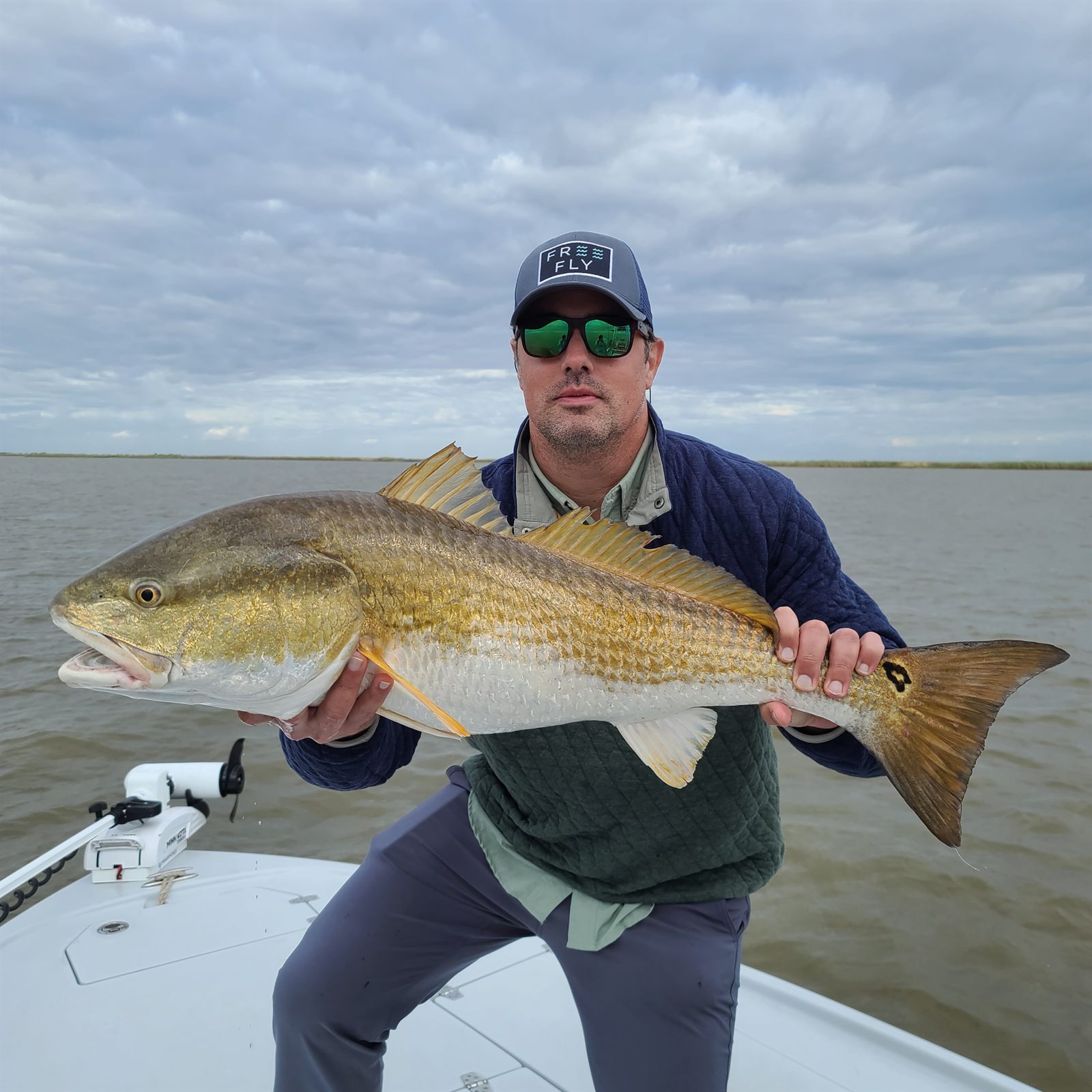
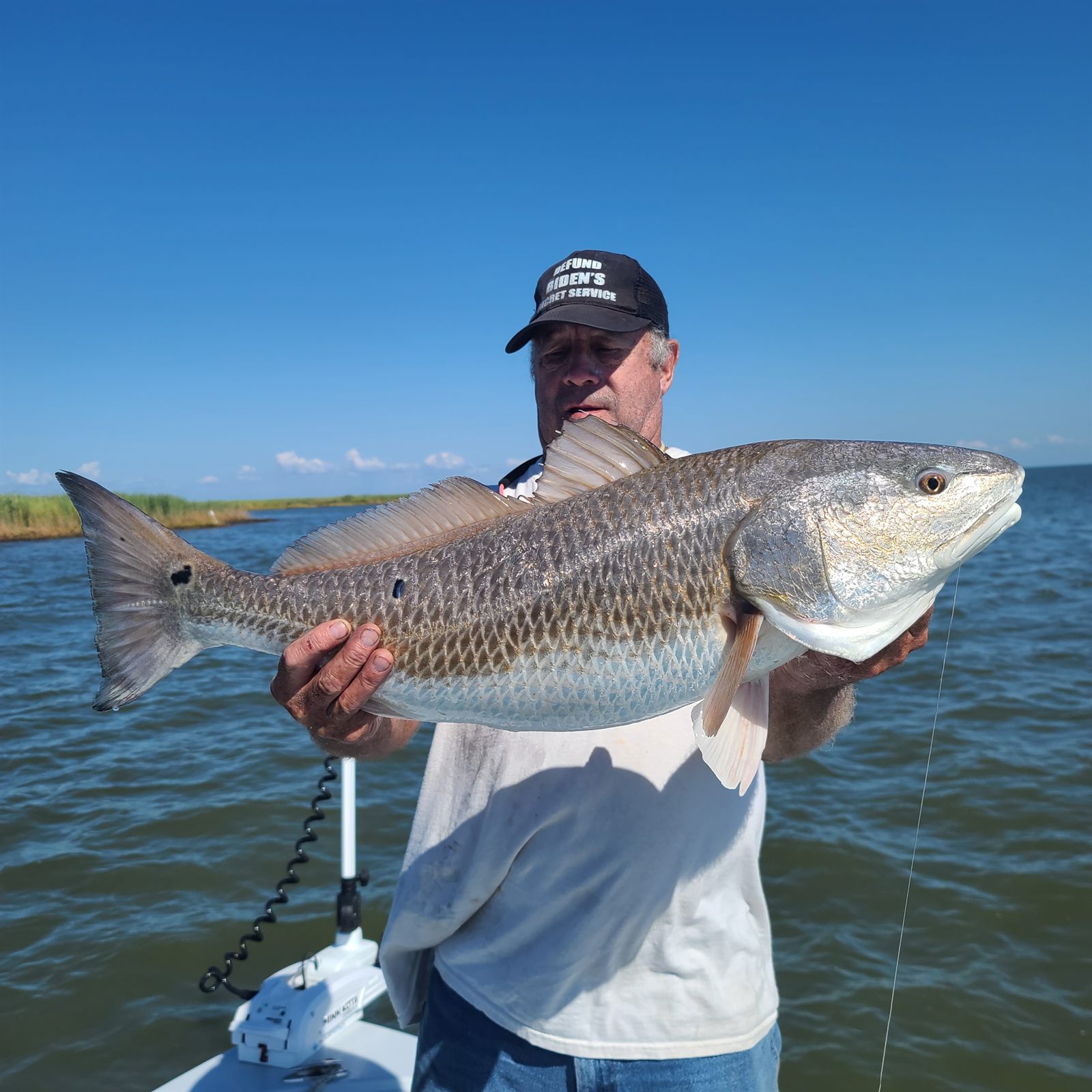
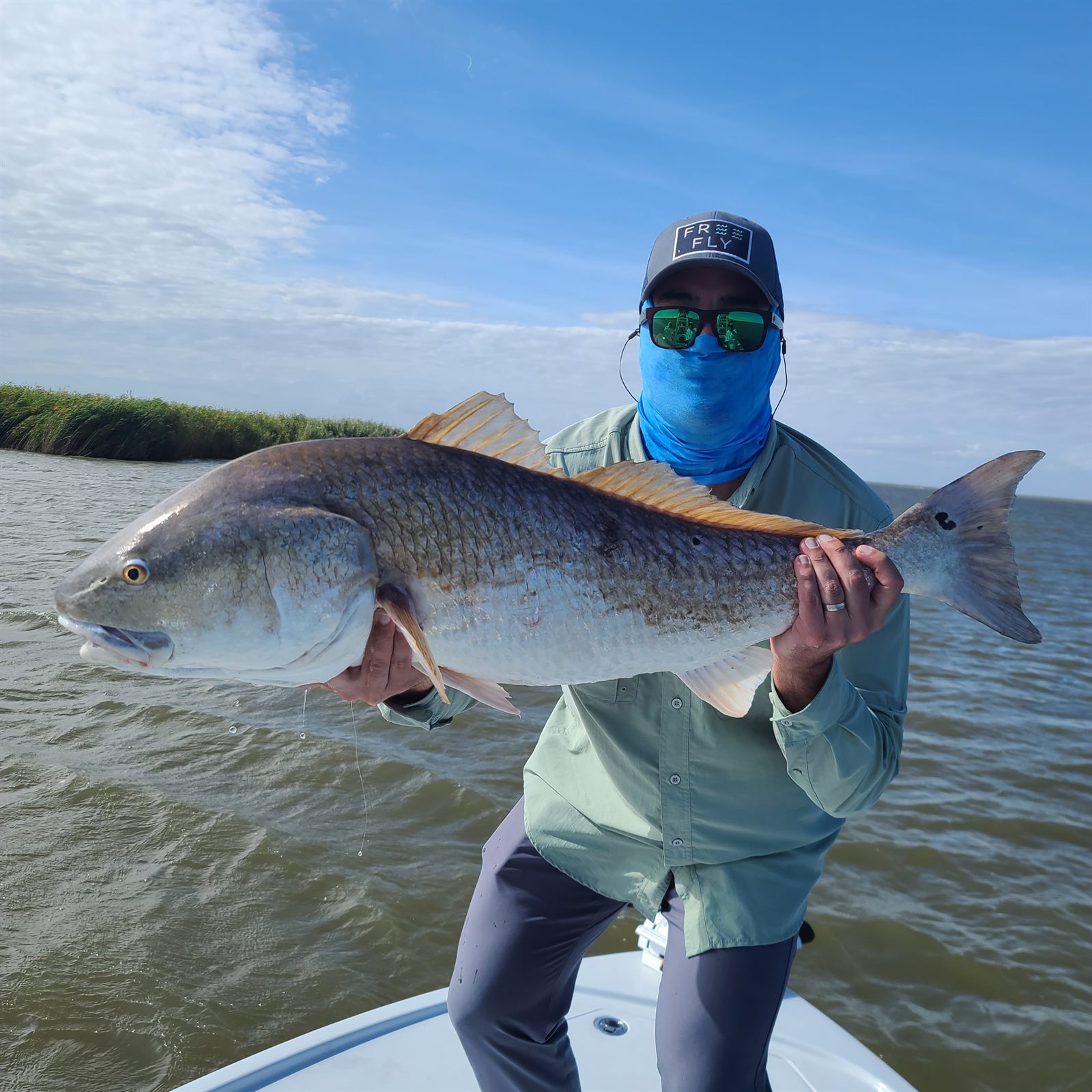
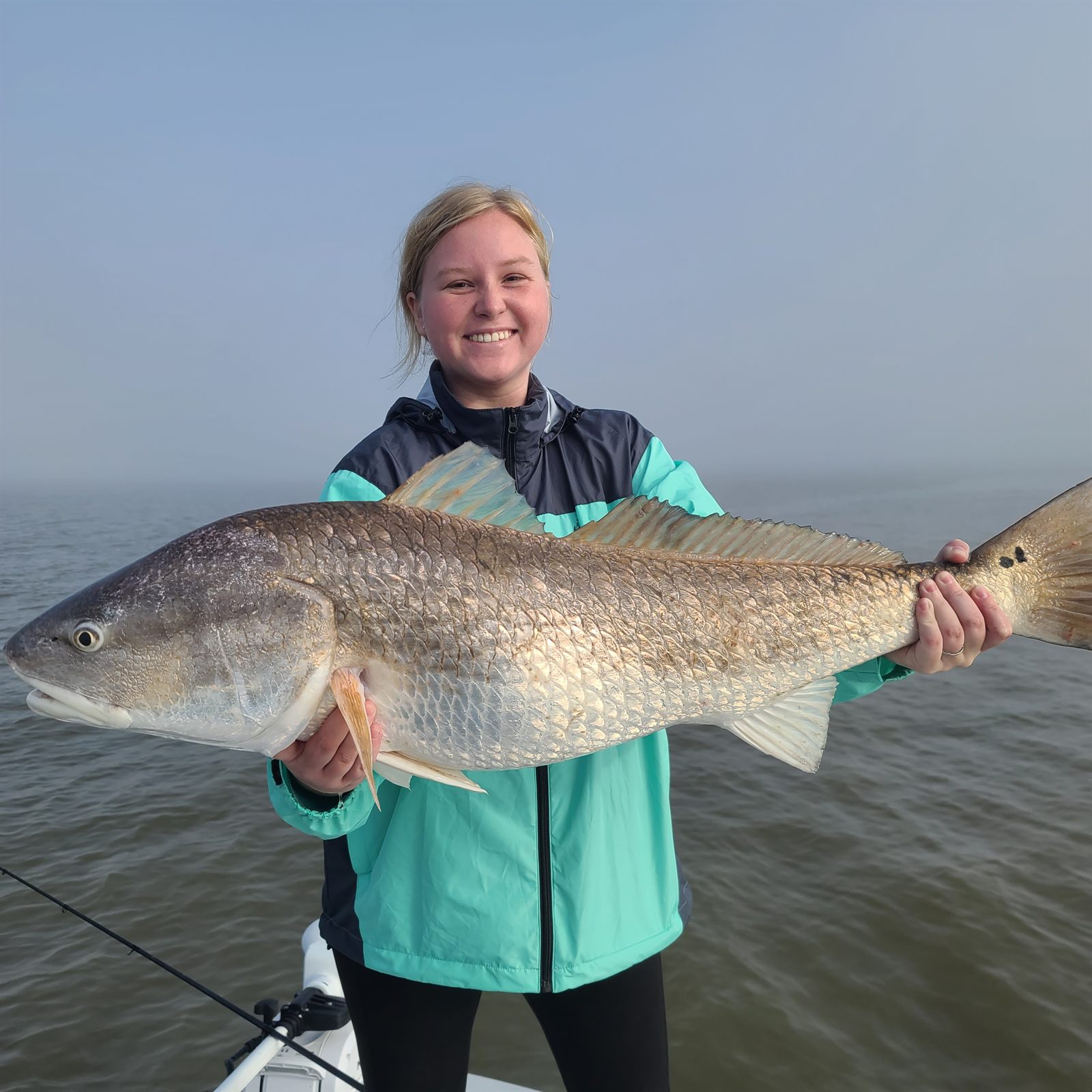
Is that bucket of live shrimp actually your ticket to a limit, or is it just an expensive snack for the crabs while the Louisiana sun bakes them alive? The debate of artificial lures vs live bait for redfish is as old as the Cajun traditions here in Cypremort Point, and getting it wrong often means the difference between a heavy cooler and a long, quiet boat ride home. We’ve all been there, watching the water temperature hit 74 degrees while your bait dies in the well or struggling to make a soft plastic look natural in the muddy marsh water. It’s frustrating to miss the bite because your presentation didn’t match what the fish wanted.
You’re about to discover the ultimate breakdown of when to use natural bait versus artificial lures to dominate the redfish in Vermilion Bay. I’ll show you exactly how to choose your strategy based on water clarity and tide, giving you the confidence to work the marsh like a seasoned pro. We’ll cover everything from gold spoons to scented shrimp so you can enjoy a successful, high-action trip every time you launch near Marsh Island. Get ready to master the marsh and bring home your four-fish limit with total confidence.
Key Takeaways
- Learn how to analyze water clarity and tidal movement at the Marsh Island weirs to make the right call between artificial lures vs live bait for redfish every morning.
- Understand why live bait serves as your essential insurance policy during difficult conditions like post-cold front high pressure in West Cote Blanche Bay.
- Explore how artificial lures help you cover significantly more territory and trigger aggressive reaction strikes from redfish in the shallow flats.
- Discover the specific lure colors and presentations that cut through the “chocolate milk” water often found in the Vermilion Bay marsh.
- Leverage decades of local heritage and expert guidance to transform your approach to the marsh and ensure a successful, high-action fishing trip.
Table of Contents
The Redfish Debate: Choosing Your Weapon in the Louisiana Marsh
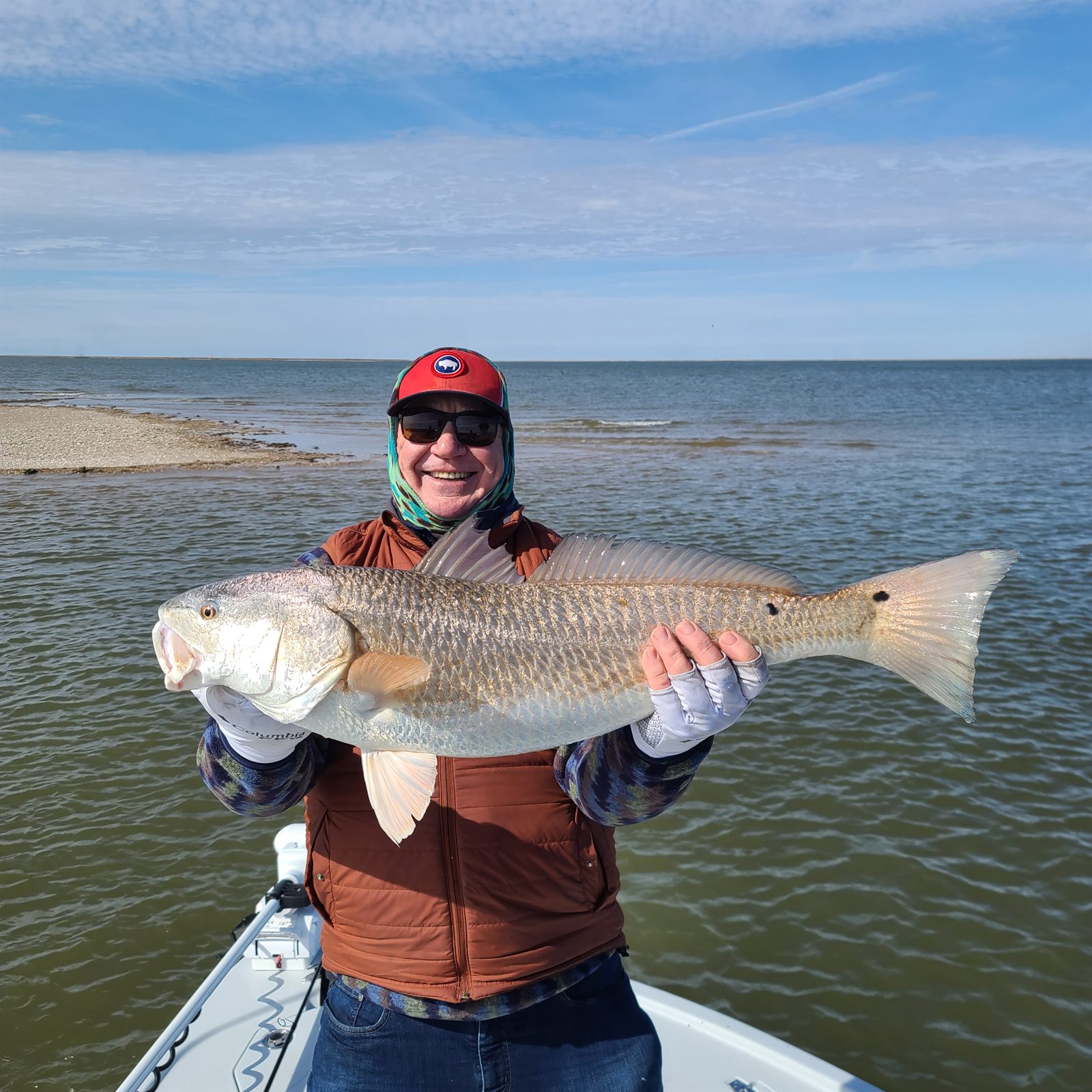
The Red drum (Sciaenops ocellatus) is the undisputed king of the South Louisiana marsh. These bronze-backed bruisers dominate the shallow flats and winding canals of Vermilion Bay, offering a fight that keeps every angler coming back for more. Whether you’re poling through the grass near Marsh Island or working a shoreline in West Cote Blanche Bay, you’ll eventually face the big question. Should you go with the natural approach or trust a technical lure? The debate over artificial lures vs live bait for redfish is a legendary one among locals at Cypremort Point. There isn’t a wrong choice, but there’s always a better one for the specific conditions you’ll face today.
Vermilion Bay serves as a world-class testing ground for both methods. One hour you might be sight-casting to a tailing red in inches of water, and the next you’re hunkered down near a weir waiting for the tide to turn. Both schools of thought have their place. Live bait offers a safety net that’s hard to beat, while lures provide an efficiency that can transform a slow day into a high-action haul. Understanding the nuances of each will make you a more versatile and successful angler in our unique coastal environment.
Why the Choice Matters for Inshore Success
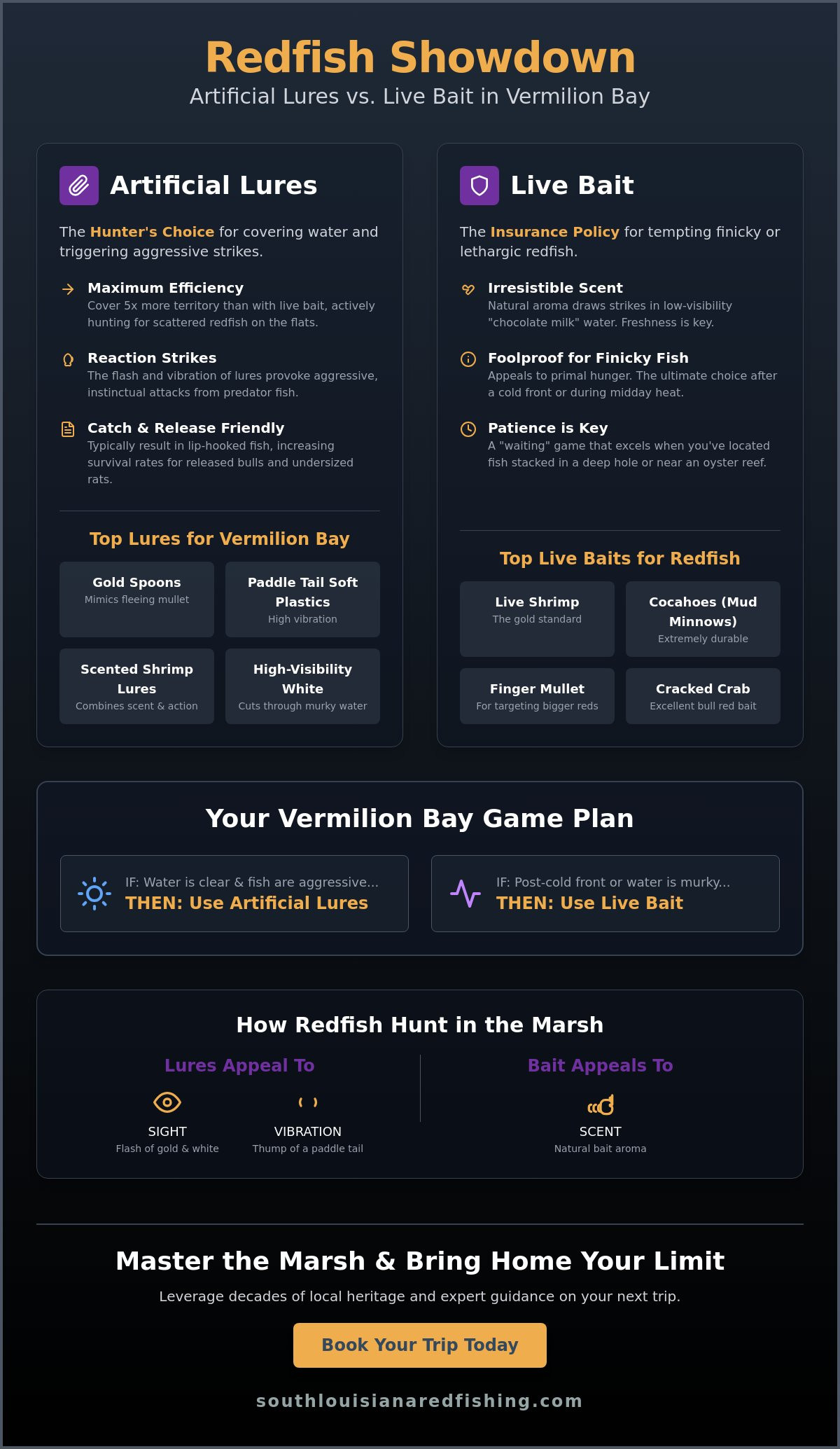
Your choice of bait dictates your entire strategy on the water. If you’re using live shrimp or cracked crab, you’re playing a game of patience. You’re waiting for the fish to find you. This works wonders when you’ve located a school stacked in a deep hole or near an oyster reef. However, if the fish are scattered, artificial lures give you the mobility to hunt them down. You can cover five times more water with a gold spoon or a paddle tail than you can with a popping cork. This shift from “waiting” to “hunting” changes the psychological energy of the trip. It also improves catch-and-release survival rates. Lures typically result in lip-hooked fish, making it easier to return those over-sized bulls or under-sized rats safely to the water.
Understanding the Redfish’s Sensory World
Redfish are highly evolved predators that don’t just rely on their eyes. In the often murky “chocolate milk” waters near Marsh Island, their lateral lines are their primary tools. They feel the vibrations of a vibrating jig or the thumping tail of a soft plastic long before they see it. Scent also plays a massive role. In low-visibility conditions, the natural aroma of live bait or scented artificials can draw a strike from distance. When the sun does peek through, visual triggers become vital. This is why gold and white dominate the local palette. A flash of gold mimics a fleeing mullet, while high-visibility white stands out against the dark marsh bottom. Mastering these sensory triggers is the key to dominating the Vermilion Bay redfish population.
Sometimes the fish just aren’t in the mood to chase. When the barometer spikes after a brutal cold front or the midday sun turns the marsh into a sauna, the debate of artificial lures vs live bait for redfish usually ends with a trip to the bait shop. Think of live bait as your ultimate safety net. It’s the most reliable way to ensure a bent rod when the bite turns finicky. While lures require the fish to be aggressive, natural bait appeals to their primal hunger. According to research from Texas Parks and Wildlife, redfish are opportunistic feeders that rely heavily on their sense of smell to locate prey like shrimp and crabs.
Freshness is everything in the South Louisiana heat. Frozen bait might work in a pinch, but it lacks the lively vibration and potent scent trail that a kicking shrimp provides. If your bait isn’t jumping, it isn’t working. In the shallow flats of Weeks Bay, rigging is the difference between a catch and a snag. We often use a light popping cork to keep the bait suspended just above the submerged grass, or we go weightless to let a minnow swim naturally through the pockets of the marsh.
Top Live Baits for Vermilion Bay Redfish
- Live Shrimp: The undisputed gold standard. If it swims in the marsh, it eats shrimp. It’s the most versatile choice for any season and works in almost every canal.
- Cocahoes (Mud Minnows): These are the marathon runners of the bait world. They survive the hottest days in the live well and stay active on the hook longer than anything else.
- Finger Mullet and Cracked Crab: When you’re targeting the heavy hitters near the Marsh Island weirs, these big baits are essential. They offer the massive protein boost that bull reds crave.
The Pros and Cons of Using Natural Bait
Using natural bait has its trade-offs. The pros are obvious: a massive scent trail and a presentation that even the laziest trophy fish can’t resist. However, you have to deal with the cost of bait and the constant maintenance of your live well. You’ll also attract “trash” fish like hardhead catfish that can become a nuisance. While some charters in other areas like Venice might burn through massive amounts of bait in a single day, our approach in Vermilion Bay is more tactical. We use bait precisely where it counts to maximize your time on the water. If you want to see this strategy in action, consider booking a guided trip with a local pro who knows these waters intimately.
The Strategy of Artificial Lures: Efficiency and Excitement
While live bait acts as your insurance policy, artificial lures are the high-performance engine of a world-class fishing trip. The biggest advantage here is raw efficiency. When you’re hunting redfish across the vast shorelines of West Cote Blanche Bay, you need to find the fish before you can catch them. You can cover five times more water with a lure than you can with a stationary cork. Instead of waiting for a redfish to wander past your boat, you’re actively taking the fight to them. This proactive approach turns a slow morning into an adrenaline-fueled search for the next big thump on your line.
Artificials also trigger what we call a “reaction strike.” Redfish are aggressive predators by nature. Even when they aren’t actively looking for a meal, a gold spoon flashing past their face can trigger an instinctive attack. This behavior is backed by the scientific breakdown of the red drum’s diet, which shows they are built to crush anything that mimics the vibration and movement of fleeing prey. Plus, lures offer incredible durability. You can often catch ten fish on a single high-quality soft plastic, whereas ten shrimp might only last you ten minutes if the “bait stealers” are out in force. When the debate of artificial lures vs live bait for redfish comes up, the pro’s answer usually involves the speed and precision that only a tackle box can provide.
Why Pros Often Reach for the Tackle Box First
Seasoned guides in the Vermilion Bay region often skip the bait shop entirely to maximize their time on the water. Every minute spent waiting in line for shrimp is a minute you aren’t casting into a productive drain or marsh pocket. Lures also allow you to match the “hatch” perfectly. As the seasons shift, redfish focus on different prey, from tiny grass shrimp to large mullet. With a well-stocked tackle box, you can swap colors and profiles in seconds to give the fish exactly what they’re looking for. Weedless rigging is another game-changer. It allows you to throw your lure deep into the thickest marsh grass where the biggest reds hide without worrying about snagging every cast.
Essential Artificials for the Cypremort Point Angler
- Soft Plastic Paddletails: These are the versatile workhorses of our marsh. The vibrating tail creates a signature that redfish can feel through their lateral lines even in muddy water.
- Gold Spoons: A classic for a reason. The flash and wobble are irresistible to redfish cruising the shallow flats near Marsh Island.
- Topwater Plugs: There is nothing like the heart-stopping explosion of a redfish hitting a surface lure in the early morning mist.
A popping cork serves as a brilliant hybrid tool, allowing you to add the clicking sound of a shrimp to your artificial lures while keeping them at a precise depth above the oyster beds.
Vermilion Bay Conditions: Deciding What to Throw Today
Success in the Louisiana marsh isn’t just about what you have in your hand; it’s about reading the water before you make your first cast. Vermilion Bay presents a unique challenge with its brackish, often turbid environment. We call it the “chocolate milk” factor. When the Atchafalaya River discharge is high, visibility can drop significantly, sometimes down to 14 inches or less. This is where the tactical decision of artificial lures vs live bait for redfish becomes critical. In low-visibility water, the heavy scent trail of a live cocahoe or a cracked crab can be the only way to get a redfish’s attention. If you’re sticking with lures, you need high-contrast silhouettes like “Electric Chicken” or “LSU” purple and gold to stand out against the murk.
The weirs at Marsh Island are the ultimate proving ground for your strategy. These structures create massive tidal movement, turning the surrounding canals into “fish highways” as reds wait for bait to be swept through. When the tide is ripping, lures like vibrating jigs or heavy gold spoons can be retrieved quickly to trigger reaction strikes. If the wind picks up and makes the bays choppy, the inshore advantage shines. Unlike “offshore” or “deep sea” trips that get canceled for six-foot swells and require long, expensive runs, our marshes and shorelines between Cypremort Point and Burns Point stay fishable and productive. You don’t need a massive vessel to find world-class action here.
Water Clarity and Tides: The Deciding Factors
Moving water is the lifeblood of the marsh. During a falling tide, redfish stack up in the drains leading out of the grass flats. If the water is stained, reach for dark-colored soft plastics. They create a sharper silhouette that fish can track more easily than translucent colors. If the discharge from the river has pushed the salinity low, live bait often outperforms artificials because the scent compensates for the lack of visibility. Identifying these patterns is what separates a lucky day from a consistent haul.
Seasonal Shifts in the Marsh Island Ecosystem
- Spring: The return of the shrimp makes the popping cork a deadly tool near the oyster beds of Weeks Bay.
- Summer: The bite moves early and late. Topwater plugs are king at sunrise, but as the sun climbs, switch to live bait in deeper holes where the water stays cooler.
- Fall: The “Redfish Run” is in full swing. This is the prime time for gold spoons along the windward shorelines of West Cote Blanche Bay.
Ready to experience the best of the bay? Book your guided redfish adventure today and let’s get on the water.
Mastering the Marsh with South Louisiana Redfishing
Settling the debate of artificial lures vs live bait for redfish is much easier when you have a 3rd generation guide standing next to you on the casting deck. Capt. Troy D Nash brings decades of professional tenure to every trip, transforming a simple day on the water into a masterclass in marsh fishing. Trial and error can be expensive and frustrating, especially when the summer heat is rising and the fish are being picky. By stepping onto a professional charter, you skip the learning curve and go straight to the action. You’ll explore the premier shorelines of West Cote Blanche Bay and the hidden drains of Marsh Island with someone who has spent a lifetime learning these tides.
The “Cajun Experience” is about more than just a heavy cooler. It’s a significant life event that combines world-class sport with the legendary hospitality of Acadiana. While other areas might offer a generic fishing trip, a journey into Vermilion Bay is a deep dive into a unique culture. We don’t just show you where the fish are; we show you how to dominate the marsh. From the moment you launch at Cypremort Point, you’re part of a heritage that values skill, local knowledge, and the thrill of the hunt.
Why a Guided Trip is the Ultimate Classroom
A guided trip serves as the ultimate classroom for any angler looking to sharpen their skills. You’ll receive hands-on instruction for perfecting your lure retrieval techniques, learning exactly how to make a paddletail dance or a gold spoon flutter in our brackish water. We’ll take you beyond the crowded spots to secret honey holes near Marsh Island and the closest nearshore rigs that most casual boaters miss. If you want to dive deeper into the biology and seasonal habits of these fish, check out our comprehensive resource on Louisiana Redfish: The Ultimate Guide.
Planning Your Cypremort Point Adventure
Logistics are simple when you’re fishing the heart of South Louisiana. Our trips depart from Cypremort Point, which is just a short, scenic drive from Lafayette. This allows you to integrate your fishing adventure with the world-famous Cajun food and vibrant music scene of the city. After a high-action day on the water, there’s nothing better than a plate of hot crawfish or a bowl of gumbo in the “Happiest City in America.” For more ideas on how to round out your stay, explore our list of 21 Things to Do in Lafayette. Whether you are exploring Cypremort Point State Park or hitting the marsh, your adventure starts here.
Ready to Dominate the Vermilion Bay Marsh?
Mastering the debate of artificial lures vs live bait for redfish is your first step toward a legendary day on the water. You now know that while live shrimp offers a reliable safety net in stained water, technical lures allow you to hunt down active fish across the vast flats of West Cote Blanche Bay. The real secret to success isn’t just what’s on your hook; it’s the local knowledge that tells you exactly where to cast. Capt. Troy D Nash brings 3rd generation local expertise to every trip, specializing in the unique weirs and shorelines of Marsh Island. We provide all the professional gear and deep-rooted insight you need for a world-class hunt.
Don’t waste another weekend guessing in the marsh. Book Your Vermilion Bay Redfish Adventure with Capt. Troy D Nash Today! Your limit of bronze-backed bruisers is waiting for you just a short drive from the world-famous Cajun food in Lafayette. Let’s get out there and make some memories in the heart of the Louisiana marsh.
Frequently Asked Questions
Is it better to use live shrimp or plastic lures for redfish?
It depends on your goal for the day. Live shrimp is the most reliable way to get a bite when fish are finicky, but plastic lures allow you to cover more ground and find active schools. In the debate of artificial lures vs live bait for redfish, many pros start with a lure to locate fish and switch to bait only if the bite is slow or the water visibility is extremely poor.
Do redfish eat dead bait or does it have to be live?
Redfish are opportunistic feeders that will absolutely eat dead bait. While a kicking live shrimp is hard to beat, cracked crab and cut mullet are highly effective, especially for larger bull reds near the Marsh Island weirs. These baits put off a massive scent trail in the water, making them perfect for redfish that are hunting by smell in the brackish canals of Vermilion Bay.
What is the best color lure for redfish in Louisiana?
Gold and white are the legendary choices for our region. A gold spoon provides the perfect flash and vibration for the shallow flats, while white or pearl paddle tails mimic the local baitfish. In muddy chocolate milk conditions, high-contrast colors like Electric Chicken or LSU purple and gold create a sharper silhouette that helps redfish track your lure through the turbid marsh water.
Can I catch redfish in Vermilion Bay without a boat?
You can definitely find success without a boat. Cypremort Point State Park offers a dedicated fishing pier and rock groins that hold redfish, especially during a moving tide. Burns Point is another great shore-based option. While a boat gives you access to the deeper marsh and nearshore rigs, these public access points provide a great entry into the world-class fishing Vermilion Bay is known for.
How do you rig a live shrimp for redfish in the marsh?
A popping cork is the most popular way to rig live shrimp in the South Louisiana marsh. This keeps your bait suspended above the oyster beds and grass while the clicking sound of the cork mimics a shrimp’s snap. You can also fish them weightless or on a light jig head. Hook the shrimp through the head just behind the horn or through the tail to keep it swimming naturally.
What happens if the water is too muddy for artificial lures?
When the water turns muddy, you must rely on scent or vibration. This is a situation where the choice between artificial lures vs live bait for redfish leans heavily toward natural bait like cracked crab. If you prefer lures, choose something that moves a lot of water, like a vibrating jig or a paddle tail with a heavy thump. Darker colors like black or dark purple also stand out better in low-visibility water.
Do I need different tackle for live bait vs. artificials?
You can use the same medium-heavy spinning or baitcasting tackle for both methods, but your terminal tackle will change. For live bait, we recommend using a circle hook to ensure the fish is hooked in the corner of the mouth, which is better for catch-and-release. For artificials, you’ll typically use a jig head or a weedless weighted hook to navigate the thick marsh grass without snagging.
What is the best time of day to fish for redfish in South Louisiana?
Early morning and late evening are the prime windows for redfish, especially during the hot summer months. Redfish move into the shallow flats near Cypremort Point to feed when temperatures are cooler. Once the midday sun hits, they often retreat to deeper holes or the shade of the nearshore oil rigs. Always try to time your trip with a moving tide, as stagnant water usually means a slower bite.