Shallow Water Fishing Louisiana: The Ultimate Guide to Vermilion Bay & Cypremort Point

The most famous “fishing capitals” in the world might actually be the worst place to launch your boat this weekend. While massive crowds swarm the boat ramps in Venice, savvy anglers know the real magic happens in the glass-calm marshes of the Teche Ridge. You shouldn’t have to battle 6 foot swells or burn 100 gallons of fuel to find a bull red. If you’re tired of high costs and bone-jarring boat rides of the deep sea, you aren’t alone. That is why shallow water fishing Louisiana in Vermilion Bay is the gold standard for those who value tight lines over rough water.

In this guide, you’ll discover why the canals around Cypremort Point and the hidden weirs of Marsh Island offer some of the best Redfish fishing in the United States. Captain Troy Nash, a 3rd generation guide with over 25 years of experience, is ready to show you these legendary waters. He’s got you covered! We’ll cover everything from hitting oyster beds at South Marsh Island to finding Speckled Trout in Weeks Bay. You’ll finish this article with a roadmap for an epic adventure that ends with a limit of fish and authentic Cajun food in Lafayette.

Key Takeaways

  • Discover why the 6-inch to 4-foot depths of the South Louisiana marsh act as a world-class nursery for giant Red Drum and Speckled Trout.
  • Learn to navigate the vast Vermilion Bay system and Marsh Island, which offer a productive, low-pressure alternative to crowded hubs like Venice.
  • Master the essential techniques for shallow water fishing louisiana to maximize your time catching fish while avoiding the seasickness and long travel times of the open Gulf.
  • Identify the specific seasonal patterns at Cypremort Point to ensure your adventure aligns with peak topwater action and the return of Speckled Trout to the flats.
  • Find out how to book an epic adventure with a 3rd generation veteran guide who handles all the gear and local expertise for a successful day in the marsh.

Mastering Shallow Water Fishing in Louisiana’s Coastal Marshes

Experience the thrill of the hunt in the fertile estuaries of the Gulf Coast. In these parts, shallow water fishing louisiana style means stalking predators in depths ranging from a mere 6 inches to 4 feet. This isn’t just fishing; it’s a tactical mission. The massive influence of the Mississippi River pushes nutrient-rich water through the system, creating a biological engine that fuels an explosion of shrimp, crabs, and menhaden. This abundance makes the local marsh a world-class nursery for Red Drum and Speckled Trout. Unlike the rough, expensive days spent in deep sea or offshore waters, our inshore trips offer calm conditions and consistent action just minutes from the dock.

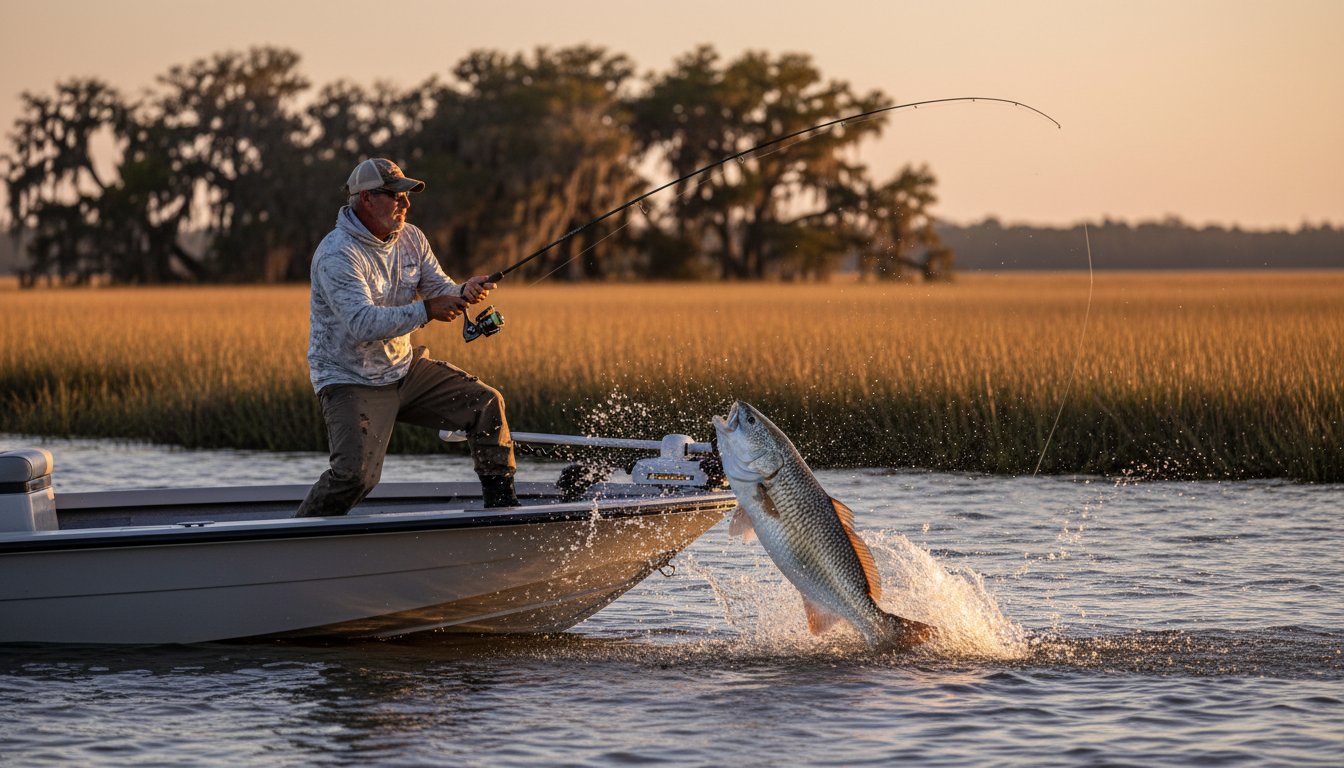
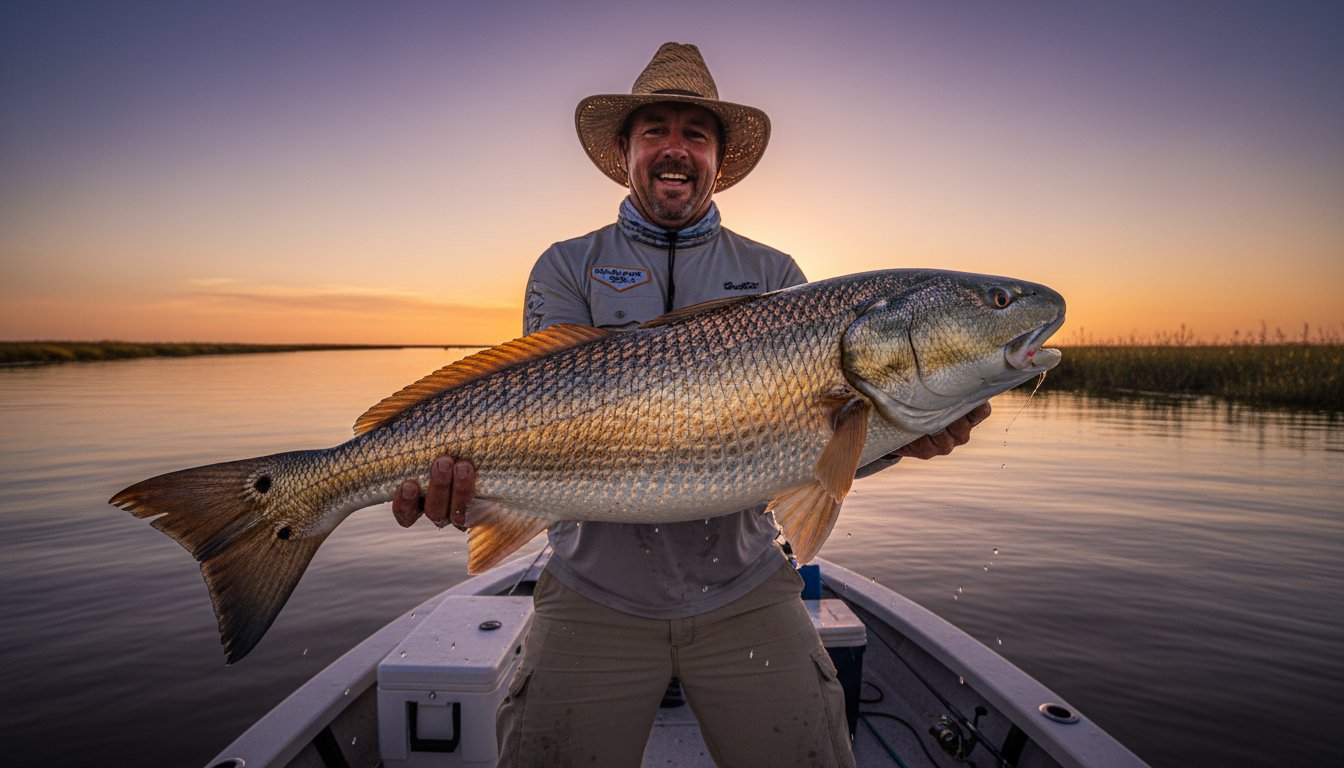
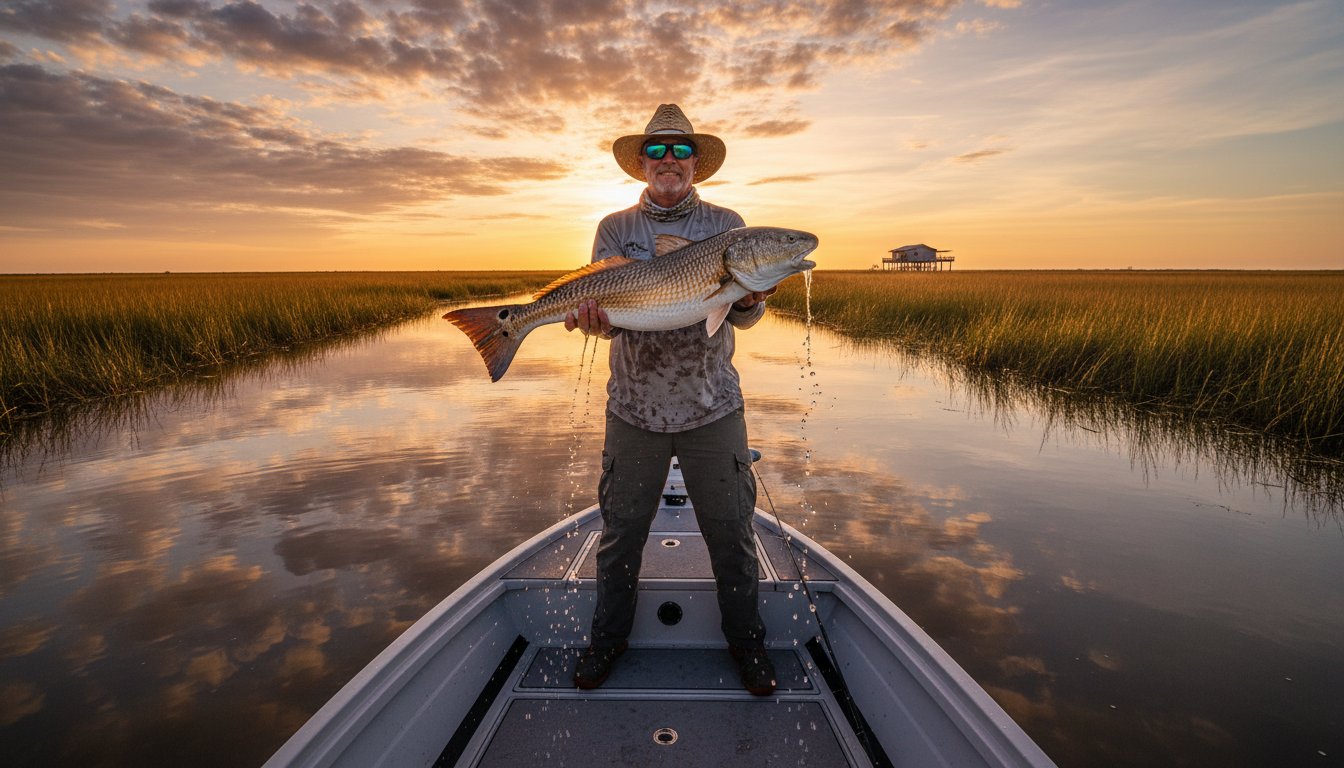
You’ll see the wake of a cruising Redfish or the “tailing” of a hungry drum before you ever make a cast. It’s an intimate game of cat and mouse. Capt. Troy Nash, a 3rd generation veteran guide with over 25 years of experience, knows exactly how to position the boat for that perfect shot. While other areas like Venice might get the headlines, the pristine flats around Vermilion Bay and Cypremort Point offer a more secluded, authentic Cajun experience without the crowds. Every cast is a chance to connect with a giant in water so skinny you can see the spots on their tails. It’s some of the best Redfish fishing in the United States, and your epic adventure begins the moment we leave the launch.

The Magic of the Marsh and Bayou

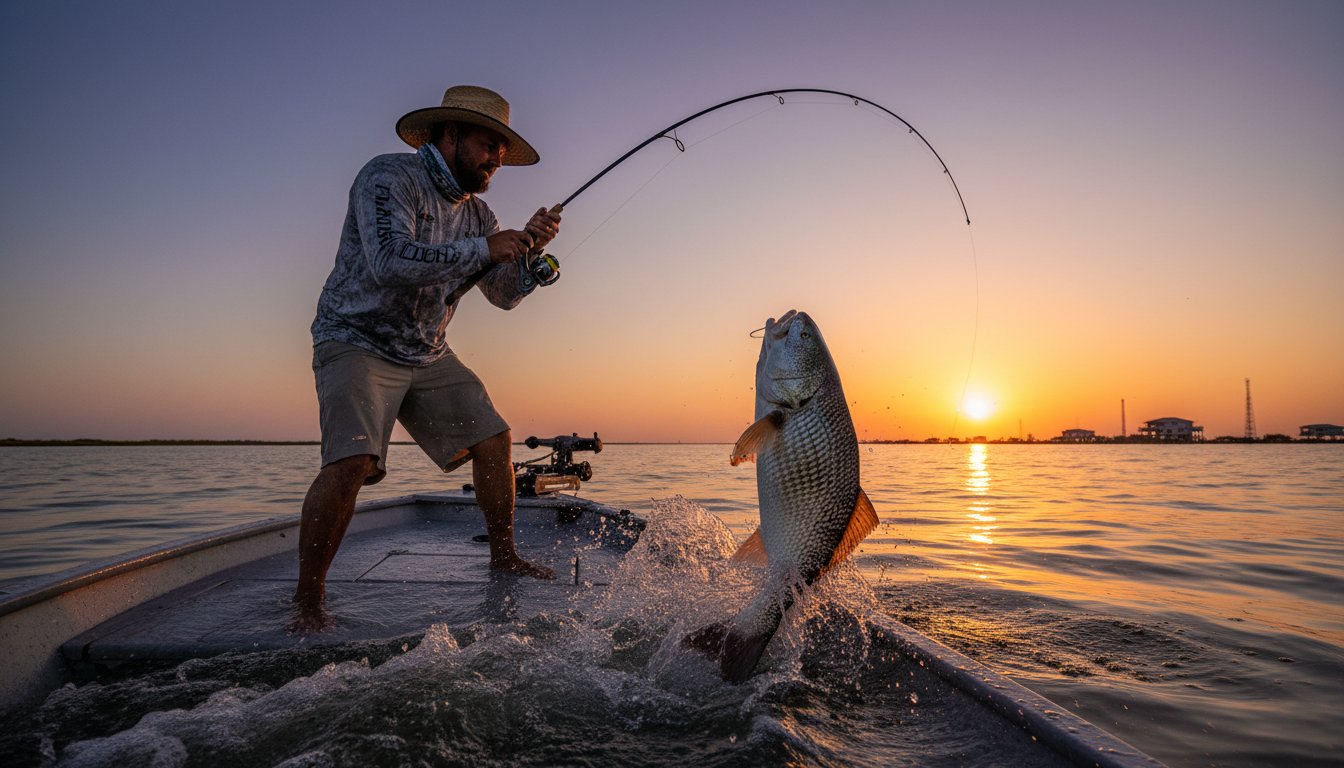
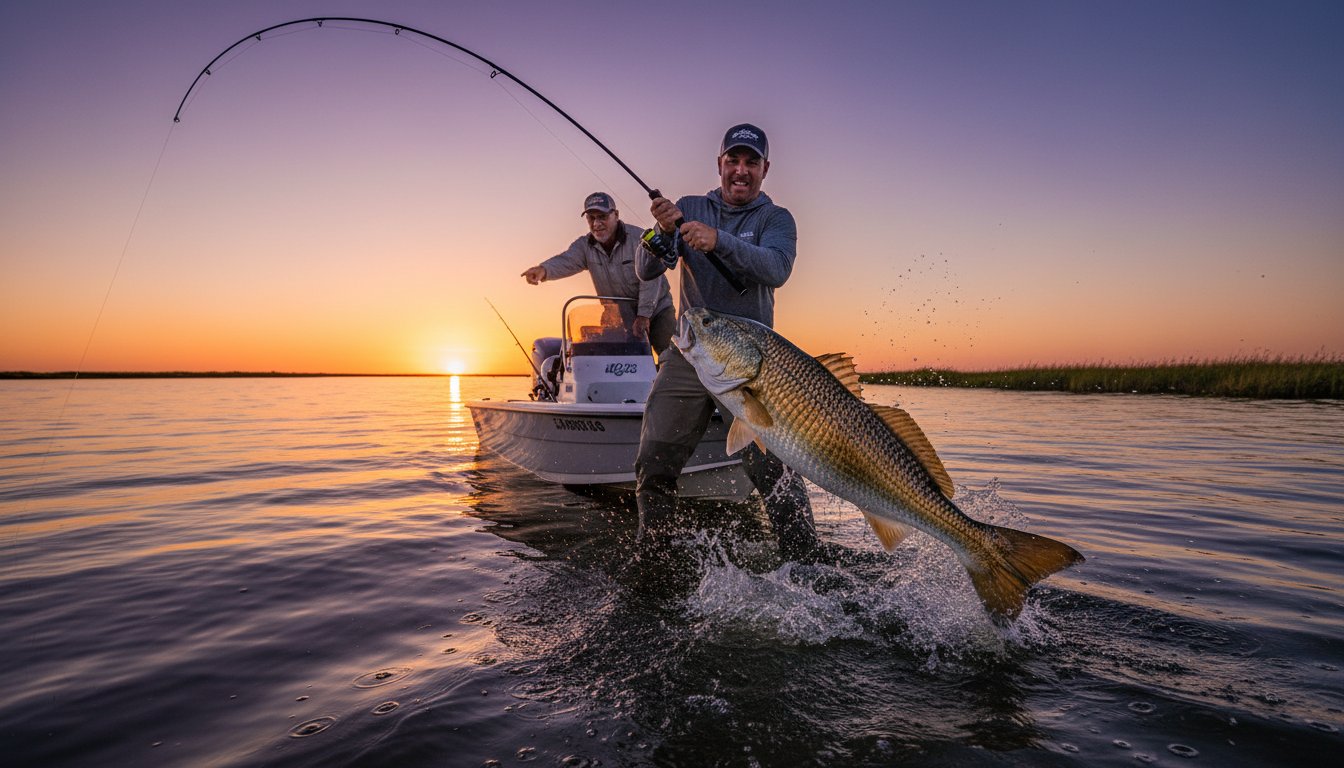
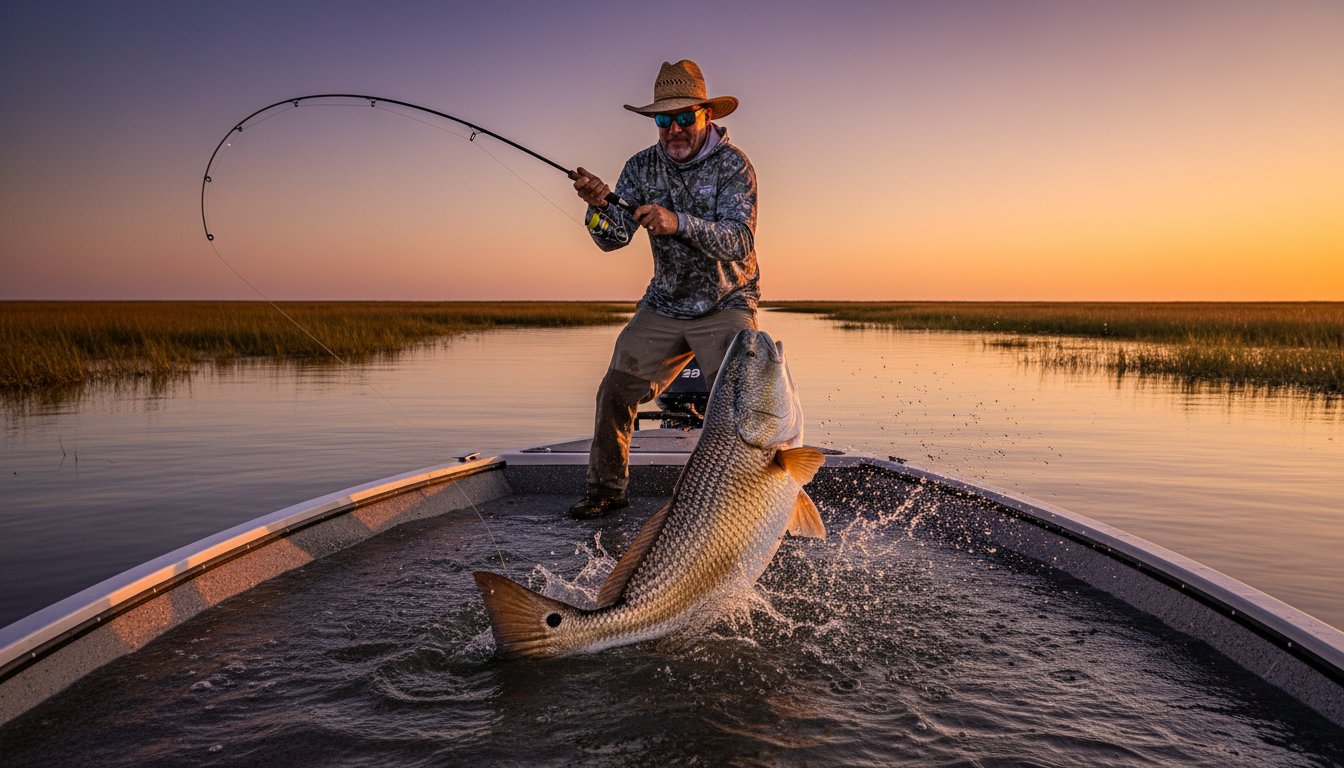
Navigating the maze of grass flats, oyster beds, and winding bayous requires local expertise. These shallow environments provide a tactical advantage for the angler who enjoys precision. There’s nothing quite like the adrenaline spike of a massive “blow-up” on a topwater lure in only 8 inches of water. The sound of a 10-pound Redfish crushing a surface plug echoes across the quiet grass flats, creating a memory that lasts a lifetime. It’s a visual sport that demands focus and rewards accuracy. Whether we’re working the shorelines of Marsh Island or the weirs near Cypremort Point, the intimacy of the marsh makes every hookset feel personal. You’re not just dropping a line; you’re engaging with a complex ecosystem where every oyster reef tells a story.

Species You’ll Encounter in the Shallows

Our “Big Three” targets are the legendary Redfish (Red Drum), Speckled Trout, and Southern Flounder. You’ll also run into hard-fighting Black Drum, Sheepshead, and the occasional “floating” Tripletail near the structures. Each species requires a slightly different approach, but Capt. Troy has you covered whether you want to fly, spin, or baitcast. The variety ensures that you can often limit out on one species and then spend the rest of the day hunting for a trophy. A “Bull Red” is specifically defined as a redfish exceeding 27 inches in length and 15 pounds in weight. These giants move into the shallows to feed, providing an epic battle for anyone on the boat.

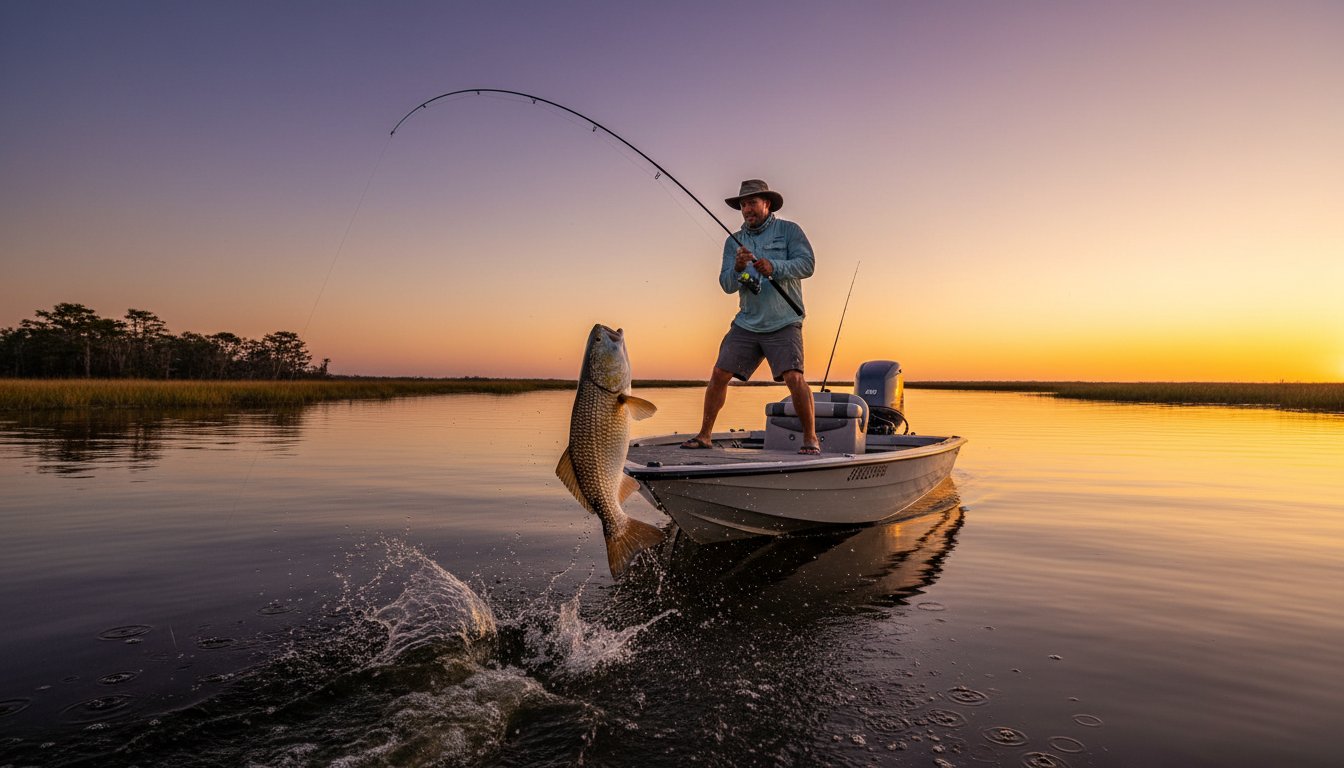
  • Redfish: The bronze-backed king of the marsh, known for relentless pulls.
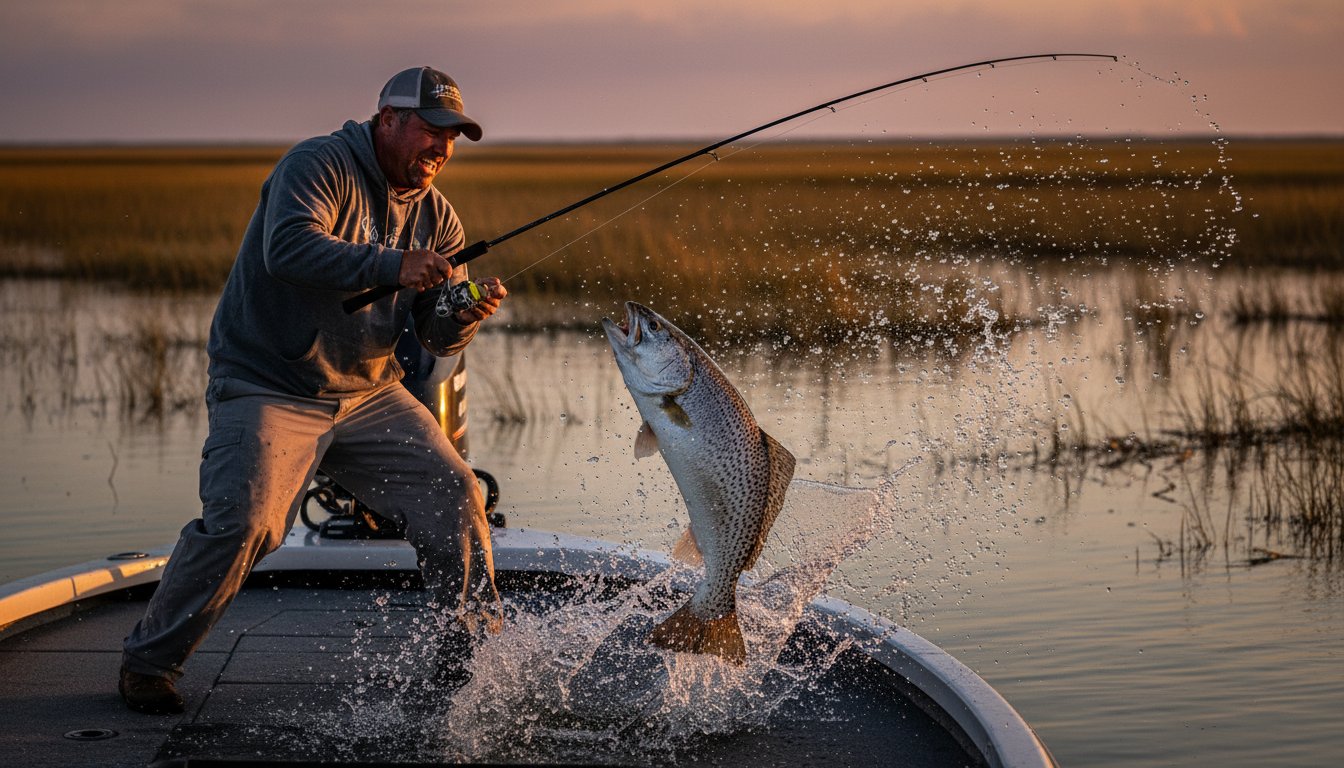
  • Speckled Trout: Aggressive predators that strike hard and fast.
  • Flounder: The masters of camouflage hiding near the bottom of bayou cuts.
  • Black Drum: Powerful fighters that love the local oyster beds.
  • Sheepshead: Clever bait-stealers that provide a fun challenge for any skill level.

Shallow water fishing louisiana trips are about more than just the count; they’re about the quality of the experience. After a successful day on the water, you’re only a short drive from some of the best Cajun food in Lafayette. This region offers a complete tourism package that combines world-class angling with legendary hospitality. Don’t settle for a basic boat ride when you can climb aboard for a professional, results-driven excursion that puts you right in the middle of the action.

Vermilion Bay is the crown jewel of the Acadiana coast. It offers a rugged, authentic experience that stands in stark contrast to the high-pressure crowds found in Venice. This region is the beating heart of Cajun culture, where the marshes are as rich in history as they are in redfish. For those seeking the best shallow water fishing louisiana has to offer, this complex provides a diverse playground of oyster reefs, mudflats, and grass-lined bayous.

Cypremort Point State Park serves as the primary gateway to this system. It’s one of the few places in the state where you can drive right to the edge of the Gulf. Captain Troy Nash, a 3rd generation veteran guide with over 25 years of experience, knows these waters are special because of their unique geography. The mix of freshwater from the Atchafalaya Basin and salt from the Gulf creates a nutrient-rich environment where speckled trout and flounder thrive. Understanding the seasonal fishing patterns is vital here, as the water clarity and salinity levels shift with the local river stages.

Prime Spots: Weeks Bay and Cote Blanche

Weeks Bay is a localized treasure for anglers who prefer targeting structure. The network of man-made canals and natural lakes provides consistent action even when the wind kicks up on the main bay. These deeper cuts, often reaching 12 feet in the center, offer refuge for fish during cold snaps. Moving east, the shorelines of East and West Cote Blanche Bay feature numerous weirs and rock piles. These structures act as natural funnels for baitfish, making them prime real estate for hungry predators. If you want to target nearshore reefs, Burns Point is your strategic jumping-off spot. It’s a short run to the shell pads where bull reds and black drum congregate in massive numbers. He’s got you covered with the local knowledge to find these hidden honey holes.

Marsh Island: The Redfish Capitol

Marsh Island is a 71,000-acre wildlife refuge that acts as a massive natural barrier between the bay and the open Gulf. This island is a sanctuary for redfish. The remote southern shorelines are exposed to the Gulf of Mexico, providing a wild environment where you can target giant reds in the surf. During a falling tide, the “mouths of the bayous” along the island’s perimeter become buffet lines. As water drains from the interior marshes, it carries shrimp and crabs directly to the waiting fish. This is shallow water fishing louisiana at its finest; you’ll often see tails waving in less than 12 inches of water.

The island also serves a practical purpose for the boat captain. It protects the inner bay from heavy Gulf swells, ensuring calmer water for a more comfortable ride. This allows for productive fishing days even when the offshore conditions are too rough for larger vessels. You can experience the thrill of sight-casting to trophy fish without the long, grueling runs required in other coastal areas. If you’re ready to see why this is considered some of the best redfish habitat in the country, it’s time to book your epic adventure and hit the marsh with a pro who knows every cut and cove.

Inshore vs. Offshore: Why the Marsh Wins for Most Anglers

Experience the thrill of the Louisiana coast without the brutal pounding of the open ocean. For most folks, the choice between heading 50 miles out or staying in the protected marsh is an easy one. Shallow water fishing Louisiana style means you spend your day casting at bull reds, not clinging to a T-top while fighting a 6-foot swell. The sea state in our inshore honey holes like Weeks Bay and West Cote Blanche Bay is a total game changer. You won’t need a motion sickness patch or a handful of pills to keep your lunch down here. We trade the “washing machine” of the deep Gulf for the glassy surface of the bayous and lakes.

Travel time efficiency is another massive win for the inshore angler. A typical offshore run to reach the “blue water” can take 2 to 3 hours each way. That is 4 to 6 hours of your day spent sitting in a beanbag chair. When you climb aboard with a veteran guide at Cypremort Point, your first cast often happens within 15 to 20 minutes of leaving the dock. More time fishing equals more fish in the cooler. This efficiency also hits your wallet in a good way. Lower fuel consumption allows for much more affordable charter rates compared to the $2,000 plus price tags of deep-sea trips. Plus, our species are reliable. While offshore tuna runs can be hit or miss depending on water temperature and currents, our Redfish and Speckled Trout are consistently ready to play.

The Advantage of Nearshore Oil Rigs and Reefs

You don’t have to travel to the horizon to find big-water action. Our unique geography allows us to target the “closest rigs” and shell reefs just a short hop from the coast. These structures are magnets for Silver Trout, Sheepshead, and even the occasional giant bull red. The role of oyster beds and artificial reefs in the Vermilion Bay ecosystem provides the perfect habitat for baitfish, which brings in the predators. While other areas like Grand Isle often require much longer runs to reach similar structures, we have world-class fishing right in our backyard around South Marsh Island. These nearshore spots offer the bite of the Gulf with the safety of the bay.

Comfort and Accessibility for All Skill Levels

The marsh is the perfect environment for a family-friendly epic adventure. It’s a safe, calm space where kids and first-time anglers can learn the ropes without the stress of heavy seas. Whether you prefer the finesse of fly fishing or the reliability of traditional spin and baitcast gear, he’s got you covered! Success rates are incredibly high here. It’s common for our guests to “limit out” on slot-sized reds before the sun is even high in the sky. To ensure you stay within the legal limits, always check the latest Louisiana fishing regulations before your trip. This high-action environment keeps everyone engaged. It ensures your day on the water is a total success. Some of the best shallow water fishing Louisiana provides is found right here in these endless banks and bayous.

  • No Seasickness: Calm, protected waters keep everyone feeling great.
  • More Fishing Time: Reach the best spots in under 20 minutes.
  • Lower Costs: Spend your money on Cajun food and local fun, not boat fuel.
  • Consistent Success: High population density of Redfish and Drum year-round.

Choosing the marsh means choosing more action and less hassle. It’s why seasoned pros and families alike flock to Cypremort Point for their fishing fix.

Seasonal Patterns: When to Catch Bull Reds and Speckled Trout

Timing your trip is the first step toward an epic adventure on the Gulf Coast. In the Vermilion Bay complex, the fish follow a strict calendar dictated by water temperature and bait migration. Captain Troy Nash uses his 25 years of experience to track these movements, ensuring you’re always where the action is hottest. Unlike the crowded waters of Venice, our local marshes offer a secluded paradise where you can truly experience the thrill of the hunt.

Spring marks a massive transition from March through May. As water temperatures climb above 65 degrees, Speckled Trout migrate from deep winter bayous back to the shallow flats and oyster reefs. This is a prime time for shallow water fishing louisiana style, as hungry trout look to regain weight after the lean winter months. You’ll find them patrolling the shorelines of Marsh Island and the shell pads in West Cote Blanche Bay.

Summer brings the heat, but the fishing stays fire if you start early. From June to August, we focus on the first three hours of daylight. This is the peak of topwater season. There’s nothing like seeing a giant Redfish wake behind your lure before a massive explosion. Once the sun climbs high, we often move to nearshore rigs located just 3 to 5 miles off the coast. These structures hold massive schools of fish looking for cooler, oxygen-rich water.

Fall is arguably the most legendary season in South Louisiana. From September to November, the “Bull Red” run takes over the passes. These giants, often exceeding 30 inches and 20 pounds, move inshore to spawn. We target them in the deeper cuts and passes leading into Vermilion Bay. When winter arrives in December, the pace slows down. We transition to slow-rolling plastics in deep dead-end canals and bayous where the water stays a few degrees warmer. It’s a game of patience, but the rewards are often the largest trout of the year.

Tides and Water Clarity: The Secret Sauce

Success in the marsh depends on understanding the “falling tide.” As water exits the marsh, it carries shrimp and minnows directly into the mouths of waiting predators. We look for “washes” or “cuts” where the current is strongest. Water clarity is also heavily influenced by the Atchafalaya River. A veteran guide knows that when the Morgan City river gauge rises above 10 feet, we must move further west toward Cypremort Point to find the saltier, clearer water that Speckled Trout crave.

The Best Lures for Louisiana Shallow Water

We keep the tackle simple but effective. Topwater plugs are essential for that visual strike every angler dreams about. For covering vast amounts of water, a soft plastic paddletail on a 1/4 ounce jig head is the gold standard. However, the legendary “popping cork” rig remains a staple. The clicking sound mimics a shrimp popping on the surface, drawing Redfish from 20 feet away. Whether you’re a pro or a beginner, Captain Troy Nash has you covered with the right gear for the day’s conditions.

Ready to experience the best Redfish fishing in the United States? Book your epic adventure with Captain Troy Nash today!

Planning Your Epic Adventure with South Louisiana Redfishing

Capt. Troy D. Nash isn’t just a guide. He’s a 3rd generation veteran of these marshes with more than 25 years of full-time experience. This isn’t a hobby for him; it’s a lifelong passion rooted in the mud and grass of Vermilion Bay. When you book a trip, you aren’t just hiring a boat. You’re gaining access to decades of local knowledge that ensures you find the fish even when the conditions are tough. He’s got you covered on every front. The charter includes the boat, all fuel, top-tier tackle, and plenty of ice to keep your drinks cold and your catch fresh. This level of service removes the stress of planning, letting you focus entirely on the tug at the end of your line. Whether you prefer fly, spin, or baitcast gear, the equipment is ready and waiting for you. It’s the most efficient way to enjoy shallow water fishing louisiana without the overhead of owning and maintaining your own specialized rig.

Choosing Cypremort Point as your basecamp provides a strategic advantage over other areas like Venice. You’ll find shorter boat runs and more protected waters, which means more time spent casting into the shadows of the marsh. Our local waters, including West Cote Blanche Bay and the fertile reefs around Marsh Island, offer a target-rich environment that is often overlooked by the big crowds. We focus on the productive oyster beds and secret canals that hold giant bull reds and limits of speckled trout. It is a world-class fishery located right in the backyard of the most vibrant culture in the South.

The Full Acadiana Experience

Your trip is more than a day on the water. It’s an entry point into the real Cajun way of life. After docking at Cypremort Point State Park, take the 45-minute drive into Lafayette for a true post-trip feast. Forget the tourist traps in New Orleans. Here, you get the real deal. Stop by local favorites for a pound of spicy boudin or a tray of hot boiled crawfish. If you want a break from the boat, visit Avery Island. Located just 20 miles away, it’s the home of Tabasco. You can explore the factory and the 170-acre Jungle Gardens in a single afternoon. This combination of world-class angling and deep-rooted culture makes our location the ultimate Louisiana destination.

Booking Your Charter: Next Steps

Demand for the 2026 season is already building. We suggest looking at the calendar at least 90 days out to grab the best tidal windows for your trip. Capt. Troy handles the heavy lifting, but you’ll need a few essentials for a successful day of shallow water fishing louisiana. Make sure you have the following items ready before you arrive at the dock:

  • Louisiana Fishing License: A three-day charter passenger license currently costs $17.50 and is available through the LDWF mobile app.
  • Polarized Sunglasses: These are essential for cutting water glare and spotting redfish in the shallows.
  • Sun Protection: High-SPF sunscreen and a wide-brimmed hat are mandatory for the intense Louisiana sun.
  • Ice Chest: You can leave this in your vehicle to transport your cleaned fillets safely back home.

Booking a trip with a veteran guide is the smartest way to master the marsh while enjoying the comforts of a professional operation. Don’t leave your big adventure to chance. Secure your spot on the boat and get ready to see what the Vermilion Bay area has to offer.

Launch Your Vermilion Bay Adventure Today

The winding bayous and expansive reefs of Cypremort Point offer a level of excitement that offshore trips simply can’t match. You’ll spend less time traveling and more time reeling in giant bull reds and limits of speckled trout. While other areas like Venice require grueling boat rides, our local marsh systems provide immediate access to productive weirs and oyster beds. You’ll experience the absolute best shallow water fishing louisiana provides, all while staying close to the world-class Cajun culture and food in Lafayette.

Capt. Troy Nash is a 3rd generation veteran guide with over 25 years of local expertise on these waters. He’s got you covered with all-inclusive professional tackle and a deep knowledge of seasonal patterns that ensures your success. Whether you want to fly fish the flats or cast bait into the cuts, your trip is designed for maximum action. Don’t leave your memories to chance when you can fish with a local legend who knows every secret hole from Marsh Island to Weeks Bay.

Book Your Epic Louisiana Fishing Adventure with Capt. Troy Nash and get ready to feel the pull of a trophy redfish. The marsh is calling, and your spot on the boat is waiting!

Frequently Asked Questions

What is the best month for shallow water fishing in Louisiana?

October and November are the peak months for shallow water fishing in Louisiana. During this 60 day window, cooling water temperatures drive Redfish and Speckled Trout into the marshes of Vermilion Bay. Capt. Troy Nash sees the highest success rates during these fall months as fish stack up in the shallow flats to gorge. You’ll find aggressive bites along the shorelines and weirs when the transition begins.

Do I need a fishing license for a guided charter in Vermilion Bay?

Yes, you must purchase a 3 day Charter Passenger License for $20 before arriving at the dock. This specific permit is required for all anglers fishing with a licensed guide in Louisiana waters. You can easily buy it online through the LDWF website or at local shops in Lafayette. Capt. Troy Nash ensures every guest is legal before heading out to the oyster beds and reefs around Marsh Island.

Can we catch Bull Reds in shallow water, or are they only offshore?

You can absolutely catch giant Bull Reds in the shallow flats and passes of Vermilion Bay. While many people think these 30 to 40 pound bruisers only live in deep sea environments, they frequently move into the shallow water fishing louisiana marshes to feed. Unlike expensive offshore trips that require hours of travel, our nearshore reefs offer world class Redfish action just 15 minutes from the launch at Cypremort Point.

Is shallow water fishing suitable for children and beginners?

Shallow water fishing is the perfect choice for children and novice anglers because the water is calm and the action is fast. Since we stay in the protected bayous and lakes of West Cote Blanche Bay, there’s zero risk of seasickness that often ruins deep sea trips. Capt. Troy Nash has 25 years of experience teaching 5 year old kids and first timers how to land their first giant Redfish.

What happens if the weather is bad on the day of my charter?

If the wind exceeds 20 knots or lightning is present, Capt. Troy Nash will reschedule your trip or provide a full refund. Safety is the top priority for our 3rd generation guide service. Because we fish the inland canals and marshes near Cypremort Point, we can often find protected water even when it’s too rough for boats in other areas like Venice. He’s got you covered regardless of the forecast.

How far is Cypremort Point from Lafayette, Louisiana?

Cypremort Point State Park is exactly 45 miles south of Lafayette, which is about a 55 minute drive. This proximity makes it the most convenient launch point for visitors staying in the city to enjoy authentic Cajun food and culture. After your epic adventure on the water, you can be back in town for a world class crawfish boil by 6:00 PM. It’s the perfect day trip for any traveler.

What is the difference between inshore and nearshore fishing?

Inshore fishing takes place in the marshes, canals, and shallow bays, while nearshore fishing targets structures like oil rigs and reefs within 5 miles of the coast. Both options are more affordable and accessible than offshore excursions. In Vermilion Bay, you’ll target Speckled Trout in the inshore grass flats or hit the nearshore oyster beds for Black Drum and Sheepshead without the long, bumpy boat rides.

Should I bring my own fishing gear or is it provided?

Capt. Troy Nash provides all the professional grade rods, reels, and tackle you need for a successful day. Whether you prefer fly, spin, or baitcast gear, he’s got you covered with the best equipment for shallow water fishing louisiana. You only need to bring your own food, drinks, and a 48 quart ice chest to transport your processed catch home after your epic adventure concludes at the dock.
How Much Does a Louisiana Fishing Charter Cost? 2026 Pricing & Value Guide

What if the most expensive part of your fishing trip isn’t the booking fee, but the hidden fuel surcharges you didn’t see coming? You’re looking for an epic adventure, not a confusing math problem. You want to know exactly how much does a louisiana fishing charter cost in 2026 before you commit your hard earned money. It’s frustrating to plan a day at Cypremort Point only to find out your ‘all inclusive’ rate has more fine print than a rental car agreement. While offshore trips in areas like Venice can easily double your budget due to massive fuel burns, inshore trips offer a more predictable and often more rewarding experience for your wallet.

We agree that transparency is the foundation of a great day on the water. This guide breaks down current market rates for the legendary banks of Vermilion Bay and Marsh Island. You will learn how to maximize your investment by booking with a veteran guide who has over 25 years of experience. We’re providing a complete checklist of standard inclusions and tipping etiquette so you can climb aboard with total confidence. Get ready to focus on landing those giant bull reds without worrying about the bill.

Key Takeaways

  • Learn exactly how much does a louisiana fishing charter cost in 2026 and explore the price differences between half-day and full-day inshore trips.
  • Get a transparent breakdown of what your fee covers, from fuel and maintenance to the professional-grade tackle provided for your marsh adventure.
  • Discover why inshore fishing in areas like Vermilion Bay offers a superior “cost-per-fish” value compared to the long travel times of expensive offshore runs.
  • Budget effectively for your entire experience by understanding local tipping etiquette and the current costs for resident and out-of-state fishing licenses.
  • Find out how booking with a 3rd generation veteran guide like Captain Troy Nash ensures your epic adventure is tailored for maximum success on the water.

What is the Average Cost of a Louisiana Fishing Charter in 2026?

Experience the thrill of the Louisiana coast with a veteran guide who knows these waters like the back of his hand. If you’re planning your 2026 budget, knowing how much does a louisiana fishing charter cost is your first step toward an epic adventure. For the upcoming 2026 season, a standard inshore charter in the Vermilion Bay area typically ranges from $600 to $1,200. This price range depends on group size, trip duration, and your target species. With over 25 years of experience, a seasoned captain ensures every dollar spent translates into a successful day on the water.

Choosing Cypremort Point or Weeks Bay offers a distinct financial advantage. Unlike the high fuel costs associated with Venice or other deep sea hubs, our inshore runs are short and efficient. You spend more time with a tight line and less time burning expensive diesel. A half-day trip, usually lasting four hours, starts around $600. If you want to limit out on Redfish and Speckled Trout, a full-day eight-hour excursion is the gold standard, typically priced between $850 and $1,100. These rates generally include your fuel, ice, bait, and tackle. He’s got you covered so you can focus on the fight.

Most guides in South Louisiana utilize a flat boat rate rather than a per-person model. This structure typically covers the first one to three anglers. For a 4th person, expect a small additional fee. This flat-rate approach provides much better value for small groups compared to the individual pricing found in offshore charters. It makes world-class marsh fishing accessible for families and friends looking for a legendary day in the bayous.

Typical Rates for Inshore Marsh Fishing

Inshore rates remain remarkably stable because we don’t battle the extreme overhead of offshore fuel consumption. For a group of 1 to 2 people, expect to pay a base rate of approximately $700. Adding a 3rd or 4th person usually incurs a $100 to $150 surcharge. This is the most cost-effective way to get on the water. Recreational fishing in the marshes of South Marsh Island or the weirs of East Cote Blanche Bay is accessible for everyone. You get world-class action without the $2,500 price tag of a blue-water boat. Our local shorelines and oyster beds provide a target-rich environment that keeps the action steady all day long.

Seasonal Price Fluctuations

Timing your trip is everything for your wallet and your catch. During the peak ‘Bull Red’ season from September through November, demand for prime dates skyrockets. Prices stay firm during these months because the action is unmatched. The best 2026 weekend dates will likely be fully booked by January 2026. For budget-conscious anglers, the late winter and early spring months offer great opportunities in the bayous near Burns Point. While the weather is cooler, the fishing remains hot and availability is higher. Booking at least 180 days in advance for 2026 ensures you lock in current rates and secure your spot on the boat. Your epic adventure begins the moment you clear the dock.

The Anatomy of a Charter Fee: What Are You Actually Paying For?

When you’re looking at how much does a louisiana fishing charter cost, it’s easy to focus only on the final price tag. However, a professional guided trip is a high-performance operation where every dollar supports your success on the water. In 2026, the cost of maintaining a premier guide service reflects the rising price of specialized marine equipment and the sheer volume of work required before you ever step onto the boat. You’re investing in a seamless, high-energy experience where the logistics are handled so you can focus on the strike.

Fuel and maintenance represent about 35% of your daily rate. Running a 24-foot bay boat with a 300HP outboard across Vermilion Bay or out to the shell reefs of Marsh Island requires significant overhead. Professional rigs are serviced every 100 hours to ensure reliability. You aren’t just paying for the gas used during your trip; you’re paying for a vessel that’s guaranteed to get you to the honey holes and back safely. Unlike the grueling two-hour boat rides required for offshore trips in areas like Venice, our inshore focus means more time with your line in the water and less time burning fuel in transit.

Equipment and Gear Standards

The gear you’ll use is a major factor in how much does a louisiana fishing charter cost. We provide professional-grade Shimano and Penn reels paired with custom rods designed specifically for the marsh. These setups can cost over $500 per unit. When you consider a boat carries six to eight of these rigs, the value of “all-inclusive” tackle becomes clear. You don’t have to worry about line breaks or gear failure when a giant bull red decides to run. Whether you prefer fly, spin, or baitcast equipment, we’ve got you covered with the best tools for the job.

Bait choice also impacts the quote. While artificial lures are effective in the grass flats of West Cote Blanche Bay, certain seasons demand live shrimp or cocahoes. In 2026, live bait prices fluctuate between $25 and $40 per bucket. A guide who includes this in the flat fee is absorbing a variable cost to ensure you have the best chance to limit out on redfish and speckled trout. Don’t forget to factor in your Louisiana fishing license requirements, as this is a separate but essential state-mandated cost for every angler on board.

The Value of a Full-Time Veteran Guide

You’re paying for the “Expertise Premium.” Captain Troy Nash is a 3rd generation, full-time veteran guide with over 25 years of experience. This deep-rooted knowledge is your biggest asset. While a part-time hobbyist might know where the fish were last month, a full-time pro knows where they’re moving tomorrow. We spend hours scouting the canals, lakes, and weirs of Cypremort Point and Weeks Bay even when we don’t have a charter booked. This dedication ensures your epic adventure begins the moment we leave the dock.

  • Risk Mitigation: Navigating the complex, shallow marshes of South Marsh Island requires decades of local knowledge to avoid sandbars and underwater obstructions.
  • Scouting Time: Your 8-hour trip is backed by 20 hours of weekly scouting and preparation.
  • Tactical Versatility: A veteran guide adjusts tactics instantly based on tide changes at Burns Point or wind shifts in East Cote Blanche Bay.

Experience the thrill of a lifetime with a guide who lives and breathes these waters. If you’re ready to target some of the best redfish in the United States, book your trip today and let a local expert show you the legendary abundance of the Louisiana coast.

Inshore vs. Offshore: Comparing Costs and Adventure Value

Calculating how much does a louisiana fishing charter cost requires looking at the clock as much as the checkbook. A typical offshore run from high-traffic hubs like Venice involves a 60 to 100-mile round trip. That’s four hours of burning expensive diesel before you even drop a line. Contrast that with an epic adventure out of Cypremort Point. You’re often casting into the grass at Marsh Island or hitting a productive weir in Vermilion Bay within 20 minutes of leaving the dock. More time with lines in the water means a better cost-per-fish ratio. While offshore anglers chase seasonal species prone to sudden federal closures, inshore trips target Bull Reds, Flounder, and Drum that stay active in our marshes year-round.

Weather resilience is another massive factor in your investment. Inshore fishing is a 365-day game. High winds that ground deep-sea boats rarely stop a trip in the protected canals and lakes of East Cote Blanche Bay. Historical data suggests offshore trips face a 25% cancellation rate due to sea states, whereas inshore trips in these marshes boast a 95% success rate for scheduled departures. You don’t just save money; you save your entire vacation. When you’re figuring out how much does a louisiana fishing charter cost for 2026, remember that inshore trips provide roughly 3 to 4 more hours of actual fishing time compared to deep-sea runs.

Why Inshore is the Smarter Investment

Inshore trips are the gold standard for value and consistency. Fuel surcharges for deep-sea excursions can add $500 to $800 to your base price in a heartbeat. Inshore guides typically burn less than 30 gallons of fuel, keeping your total cost predictable and transparent. This accessibility makes it the perfect choice for families and beginners. Calm bay waters prevent the seasickness that ruins 15% of offshore outings. The economic impact of recreational fishing shows that inshore trips drive massive local value because they’re consistently productive. You get a world-class experience without the high-stakes gamble of the open Gulf.

Comparing Vermilion Bay to ‘Other Areas’

Choosing Cypremort Point over crowded ports saves you more than just gas money. You avoid the “tourist trap” pricing that often inflates costs by 20% in high-traffic hubs. The shorelines of West Cote Blanche Bay and the reefs near Marsh Island offer some of the best Redfish fishing in the United States without the boat traffic. It’s a legendary landscape where a 3rd generation, veteran guide knows every oyster bed and secret hole. He’s got you covered with the expertise needed to limit out on Speckled Trout or battle a giant Black Drum. By focusing on these specific bay and marsh systems, you’re investing in a specialized, high-yield trip that prioritizes your catch over travel time.

Hidden Costs and Preparation: Budgeting for the Full Experience

Booking your boat is just the beginning of your epic adventure. While the base rate covers the captain’s expertise and the use of the vessel, several external factors influence the final price of your trip. When planning your budget, you need to know exactly how much does a louisiana fishing charter cost beyond the initial deposit to avoid any surprises at the dock. From state-mandated permits to showing appreciation for a hard-working crew, these details ensure your day on the water remains stress-free and professional.

Licensing and Legal Requirements

The Louisiana Department of Wildlife and Fisheries (LDWF) requires every person on the boat to have a valid permit. As of January 2026, the most efficient option for out-of-state visitors is the 3-day Charter Passenger License. This specific permit costs exactly $20.00 and covers all your saltwater needs while you’re on a licensed guide’s vessel. Residents can often use their standard annual saltwater fishing license, which currently sits at $17.50.

You can purchase these permits online via the LDWF website in under five minutes. Don’t wait until you reach Cypremort Point to handle this. Cell service can be spotty in the marsh, so having a digital copy or a printed PDF ready is essential. Always verify that your captain is USCG licensed and fully insured. A legitimate 3rd generation guide will always have these credentials displayed or ready for inspection, ensuring your safety in the bays and around the nearshore rigs.

Tipping Your Guide: The Industry Standard

Tipping is a vital part of the charter culture in South Louisiana. Your captain spends hours before you arrive catching live bait, rigging rods, and scouting the best spots in Vermilion Bay. A tip of 15-20% of the total trip cost is the standard for professional services. If your trip cost $800, a tip between $120 and $160 is expected for a successful, high-energy day on the water.

These gratuities do more than just say thanks. They directly fund the maintenance of high-end gear and the constant replenishment of tackle lost to giant bull reds or underwater structures. Building a relationship with your guide through generous tipping often leads to better dates on the calendar and insider tips on where the bite is hottest. Understanding these variables helps you accurately calculate how much does a louisiana fishing charter cost for your specific group before you leave home.

Fish Cleaning, Lodging, and Logistics

95% of professional captains in the Cypremort Point and Weeks Bay area include fish cleaning and bagging in their standard rate. They’ll fillet your Redfish, Flounder, and Speckled Trout so they’re ready for the frying pan. However, you should bring a large ice chest to transport your catch home safely. If you’re traveling from afar, factor in the cost of a high-quality cooler and extra ice.

Lodging is another key budget item. While other areas like Venice require long, expensive drives to remote camps, fishing near Lafayette offers more flexibility. Many anglers stay in Lafayette hotels, which are only a 45-minute drive from the boat launch. For a more immersive experience, look for vacation rentals directly at Cypremort Point. These spots allow you to wake up right on the water, though they often book up six months in advance during the peak summer and fall seasons.

Ready to hit the water? Book your epic adventure with a veteran guide today and experience the thrill of the Louisiana marsh!

Booking Your Epic Adventure with South Louisiana Redfishing

You’ve seen the numbers and compared the seasons. Now it’s time to get on the water. When you’re calculating how much does a louisiana fishing charter cost for your 2026 trip, you aren’t just paying for a boat ride; you’re investing in a 25 year legacy of marsh mastery. Captain Troy Nash represents the gold standard for Vermilion Bay and the surrounding estuaries. He’s a 3rd generation guide who has spent decades learning the specific movements of Bull Reds across the legendary reefs and hidden weirs of South Louisiana. This deep-rooted expertise ensures you aren’t just “going fishing,” you’re going to catch.

Every trip is a custom experience tailored to your preferred style. Whether you want to fly fishing the shallow flats for tailing reds or prefer baitcasting the structural weirs near Marsh Island, he’s got you covered! Unlike the high pressure, long distance runs common in areas like Venice, our trips focus on the rich, productive waters of Cypremort Point and West Cote Blanche Bay. This means less time motoring and more time with a bent rod. We provide top tier gear, including high quality rods, reels, and fresh bait. You also gain access to secret spots Troy has protected for over two decades. Your 2026 booking includes everything needed for a successful limit out session.

The South Louisiana Redfishing Difference

What sets this experience apart is the intimate knowledge of the local terrain. We specialize in the intricate canals and shorelines of Marsh Island and Weeks Bay. These areas offer some of the best Redfish fishing in the United States without the punishing sea states found in offshore excursions. Our clients return year after year because they value the reliability of a veteran guide who understands how tides affect the oyster beds and oil rigs near the coast. One client, who has fished with Troy since 2018, recently noted that they’ve never had a trip where they didn’t learn a new technique for targeting giant Bull Reds in the marsh.

Start Your Epic Journey Today

Securing your spot for the 2026 season is a straightforward process. Because Captain Troy is a full time, veteran guide, the calendar fills up 6 to 8 months in advance, especially for the peak fall run. To lock in your dates, a standard deposit is required at the time of booking. This ensures your boat is prepped and the bait is ready the moment you arrive at the dock. When you consider how much does a louisiana fishing charter cost, the peace of mind that comes with a guaranteed, professional guide is the most valuable part of the package.

  • What to bring: Pack high quality sunscreen, polarized sunglasses to spot fish in the flats, and a large ice chest to take your catch home.
  • Fishing License: Ensure you have a valid Louisiana fishing license or a 3 day charter passenger license before arrival.
  • Clothing: Wear light, breathable layers; the Louisiana sun is relentless even in the shoulder seasons.

Don’t settle for a generic charter when you can have an epic adventure with a local legend. The 2026 calendar is now open, and the Bull Reds are waiting in the marsh. Take the lead and secure your place on the boat today. Experience the thrill-book your trip with Captain Troy now!

Secure Your 2026 Adventure on the Louisiana Coast

Ready to experience the thrill of the marsh? You’ve seen the breakdown of 2026 pricing and know that choosing an inshore trip in Vermilion Bay or around Marsh Island provides more fishing time and lower fuel costs compared to long offshore runs in other areas like Venice. When you calculate how much does a louisiana fishing charter cost, remember that a veteran guide saves you money on lost tackle and wasted time. Captain Troy Nash brings over 25 years of full-time experience to every trip. As a 3rd generation guide, he knows exactly where the bull reds hide in the canals and weirs of Cypremort Point.

You don’t need to bring a thing because all top-tier equipment and tackle are provided for your group. Whether you want to fly fish the flats or hit the nearshore oil rigs and oyster beds for a limit of fish, he’s got you covered. Don’t settle for a basic boat ride when you can have an epic adventure with a local expert who lives for these waters. Your trophy redfish is waiting in the bayous, so let’s get you on the boat for a day you’ll never forget.

Book Your Epic South Louisiana Adventure Today!

Frequently Asked Questions

How much should I tip my fishing guide in Louisiana?

You should tip your fishing guide between 15% and 20% of the total trip price. For a standard $800 inshore trip at Cypremort Point, this equals a gratuity of $120 to $160. This tip rewards the captain’s hard work, local expertise, and the 3 hours of prep and cleanup done before and after your epic adventure. It’s a vital part of the industry that shows appreciation for a successful day on the water.

Is fuel included in the price of the charter?

Most inshore charters in Vermilion Bay include fuel in the base price, though some captains add a surcharge if fuel prices exceed $4.50 per gallon. Unlike offshore trips that burn 100 gallons traveling to deep water, our inshore trips to Marsh Island use roughly 15 to 25 gallons of gas. Always confirm the fuel policy when you book to ensure your how much does a louisiana fishing charter cost estimate remains accurate and within your budget.

Do I need to buy my own fishing license for a guided trip?

You must purchase a 3-day Charter Passenger License for $20 before you step on the boat. This license is a requirement from the Louisiana Department of Wildlife and Fisheries for all guided trips. You can buy it online or via phone in about 5 minutes. Your veteran guide has the boat and gear covered, but individual state licenses are mandatory for every angler over the age of 17 on board.

What happens to the price if the weather is bad?

If the captain cancels the trip due to unsafe conditions like 25 knot winds or lightning, you receive a 100% refund or a rescheduled date. Most guides make this safety call 24 hours before departure. If you decide to cancel within 72 hours of the trip for personal reasons, you might lose your $150 deposit. Inshore fishing in the protected marsh often allows us to fish safely even when offshore boats are stuck at the dock.

Are children’s rates different for inshore charters?

Children’s rates are generally the same as adult rates because a child occupies one of the 4 to 6 available spots on the vessel. Most captains recommend kids be at least 6 years old for the best experience in the marsh. We love teaching the next generation how to land giant bull reds in the flats. The price reflects the safety and space on the boat, not just the number of lines in the water.

What is included in an ‘all-inclusive’ Louisiana fishing trip?

An all-inclusive trip covers your rods, reels, live bait, ice, and fuel for the day. You only need to bring your $20 license, snacks, and sunglasses. We provide top-tier gear for fly, spin, or baitcast styles so you’re ready for any challenge in the East Cote Blanche Bay. These packages ensure how much does a louisiana fishing charter cost is transparent without any surprise fees at the end of your epic adventure.

Can I keep the fish we catch, and does the guide clean them?

You can keep any fish that meet the legal size and bag limits, such as the 5-fish limit for Redfish. Your guide cleans and bags your catch at the dock as part of the standard service. This process takes about 30 to 45 minutes depending on how many Speckled Trout or Flounder you land. It’s the perfect way to finish your day before heading home with fresh fillets for the frying pan.

Why are Venice charters often more expensive than Cypremort Point?

Venice charters often cost 25% to 40% more than Cypremort Point because of higher fuel consumption and dockage fees. While Venice guides often focus on long runs to reach deep water, our trips out of Cypremort Point target the rich oyster beds and weirs of Vermilion Bay. You get more actual fishing time and lower costs by staying inshore. This makes our local marsh and bay trips a much more efficient choice for your wallet.

Bull Red Fishing Trips Louisiana: Your Guide to Trophy Reds in Vermilion Bay

Forget the chaos at the Venice boat launch. The epic battle with a 30-pound bull red you’ve been dreaming of isn’t hours offshore; it’s waiting for you on the most thrilling bull red fishing trips louisiana has to offer, right here in the calm, endless marshes of Vermilion Bay. You’ve probably heard the stories that force you to accept crowded waters, long runs, and surprise fuel charges as part of the deal for a trophy fish. That’s simply not the whole truth.

This guide promises to show you exactly how to find those giant reds without the headaches. We’ll reveal why the pristine flats and bayous near Cypremort Point are a world-class fishery, cover the seasonal patterns for landing your personal best, and show you what to expect when you climb aboard with a 3rd generation veteran guide who knows every inch of these legendary waters. Your epic adventure begins now.

Key Takeaways

  • Discover why Vermilion Bay offers a less crowded, more productive alternative for targeting trophy bull reds compared to high-traffic areas like Venice.
  • Learn the difference between inshore marsh and nearshore rig fishing to choose the best strategy for your adventure and budget.
  • Get the essential timing and licensing information you need to plan successful bull red fishing trips louisiana, focusing on the peak fall and winter seasons.
  • Understand how a guide’s generational knowledge is the secret weapon to consistently locating and landing giant redfish in these unique waters.

What is a Bull Red and Why is South Louisiana the Epicenter?

In the world of saltwater angling, few terms carry as much weight as “Bull Red.” A Bull Red is not a separate species; it’s a title of respect for a mature Red Drum (Sciaenops ocellatus) that has grown beyond the 27-inch mark. These are the giant, breeding-age fish of the population, often tipping the scales at 30, 40, or even 50 pounds. South Louisiana, particularly the fertile waters surrounding Marsh Island and Vermilion Bay, is the undisputed capital for these giants. The unique combination of nutrient-rich freshwater from the Atchafalaya River and the warm, shallow Gulf of Mexico creates an ecosystem that’s a five-star hotel for redfish, making for the best bull red fishing trips Louisiana has to offer.

The magic starts in the endless labyrinth of the Louisiana marsh. This sprawling estuary is the largest and most productive nursery for countless marine species in North America. Young redfish, known as “rat reds,” spend their first few years growing in the protected, food-rich backwaters and bayous. As they mature into the legal “slot” size (typically 16-27 inches), they are the aggressive fish anglers target in the interior ponds and along the shorelines of East and West Cote Blanche Bays. Once they surpass that 27-inch threshold, they graduate to “bull” status. These behemoths move out of the shallow marsh and into the deeper bays and nearshore Gulf waters to join massive spawning schools. For a complete overview of the species, you can explore this detailed resource on What is a Red Drum (Redfish), but for anglers, the key is understanding this migration from the marsh to the open bay. Our trips target these giants right where they live.

The Thrill of the Fight: Why Anglers Target Bulls

Hooking a bull red is an unforgettable experience. It’s not about finesse; it’s about pure, raw power. Forget the quick fight of a smaller slot red. A 30-pound bull engages in brutal, drag-screaming runs that can strip 100 yards of line from a reel in seconds. It’s a heavyweight battle that tests the limits of your spin, baitcast, and fly fishing gear, and your own stamina. While other areas get attention, the trophy density in the western bays from Marsh Island to Cypremort Point provides an equally epic adventure.

Conservation and Catch-and-Release Ethics

These giant redfish are the future of our world-class fishery. As the primary breeders, their health is directly linked to the abundance of redfish for generations to come. That’s why a strong catch-and-release ethic is paramount when targeting bulls. The goal isn’t to fill a cooler; it’s to experience the epic battle, capture a stunning photo, and watch the giant swim away. Louisiana’s current redfish regulation enforces a daily bag limit of five fish between 16 and 27 inches, with only one of those fish allowed to be over the 27-inch maximum.

The Vermilion Bay Advantage: Louisiana’s Hidden Bull Red Arena

While some anglers flock to the high-traffic waters of Venice, they contend with boat parades and intense fishing pressure. We have a better way. Launching from Cypremort Point, you enter a different world, a sprawling, uncrowded arena where giant redfish patrol the marshes in peace. This is Louisiana’s hidden gem. You aren’t just booking a fishing trip; you’re gaining access to one of the most productive and serene coastal ecosystems in the United States.

The strategic advantage here is undeniable. The Vermilion Bay system, including the massive West and East Cote Blanche Bays, offers a staggering variety of habitats. On any given day, we can hunt for bull reds along the deep, current-swept shorelines of a coastal pass or push into protected flats to sight-cast to tailing fish. This diversity means we always have a game plan, regardless of the wind or tide. It’s why our clients experience consistent success year-round.

Fishing the Legendary Marsh Island

Stretching over 75,000 acres, Marsh Island is the heart of this fishery. Its endless shorelines and countless weirs act as natural funnels, concentrating baitfish and attracting monster predators. The island’s unique geography also provides a massive windbreak, creating calm, fishable waters on its leeward side even when a stiff coastal wind is blowing. This opens up more days on the water and less time rescheduling. Some of the most epic battles happen inside the marsh, hooking into 40-inch giants in less than two feet of water.

Cypremort Point to Burns Point: A Massive Catchment Area

This massive estuary is a self-contained fish factory. Nutrient-rich water flows from Weeks Bay, feeding the entire Vermilion system and creating a thriving nursery for bait. Unlike other destinations that require long, punishing runs offshore, our prime fishing spots are just a short, comfortable boat ride away. This accessibility makes it perfect for families and anglers who want to maximize their fishing time. But don’t let the “inshore” label fool you. The monsters are here. The most productive bull red fishing trips louisiana are often found in these protected bays, where giant fish come to feed in staggering numbers. Catching these giants is an unforgettable thrill, and it’s crucial to know the rules, so we always stay current with the official Louisiana Red Drum Regulations to ensure a healthy fishery for generations. Having an expert guide who puts you on these incredible fish is what transforms a good day into an epic adventure. Explore our charter options to see how we make it happen.

Inshore Marsh vs. Nearshore Rigs: Choosing Your Strategy

Here in the heart of Acadiana, your epic adventure can unfold in two completely different arenas. One is a game of stealth and precision in the shallow marsh. The other is a heavyweight battle around the steel legs of Gulf oil rigs. Choosing your battleground is the first step in crafting the perfect trip. Unlike other areas that demand long, punishing runs offshore, our unique location near Vermilion Bay gives you access to giant fish without the giant price tag.

The waters of Vermilion Bay and East Cote Blanche Bay are not just empty expanses; their floors are paved with sprawling oyster beds and ancient reefs. These structures create a five-star buffet for bull reds, concentrating bait and providing the perfect ambush points. Captain Troy’s 25-plus years of experience means he knows every reef and wreck that holds these giants. Deciding between a hunt in the skinny water or a brawl at the rigs is a key part of planning successful bull red fishing trips louisiana.

Let’s break down your two primary options:

  • The Inshore Marsh: A visual hunt for redfish in water often less than 2 feet deep. This is about stalking your prey, spotting the tell-tale “tail” of a feeding fish, and making a perfect cast. It’s a game of finesse.
  • The Nearshore Rigs: A power-fishing experience targeting schools of giant bull reds that use the rigs as structure. This is about dropping baits down deep and holding on for a brutal fight. It’s a game of strength.

Tapping the Energy Sector: Fishing the Oil Rigs

The closest oil rigs, just a few miles off Marsh Island, act as incredible artificial reefs. They are magnets for baitfish, which in turn attract monster Redfish and trophy Sheepshead. We target them by bottom fishing, dropping live crab or fresh cut bait right next to the structure to tempt the biggest bulls in the school. This is how you land a 40-pound redfish without the 60-mile boat ride, 4-hour travel time, and staggering fuel surcharges common on deep-sea charters.

The Stealth of the Flats: Sight-Fishing the Marsh

There’s nothing like the thrill of poling through a calm interior lake near Cypremort Point and spotting the golden back of a “crawling” redfish in the clear water. This is sight-fishing at its finest. It demands a quiet approach and a precise cast, whether you’re using a fly rod or a light spin-casting setup. The endless canals and bayous here are also home to giant Black Drum and Flounder, making every cast an opportunity for a trophy catch.

Whether you crave the heart-pounding pull of a rig fish or the strategic hunt on the flats, we’ve got you covered. The diverse fisheries of Vermilion Bay offer world-class bull red fishing trips louisiana that cater to every angler’s style. Your job is to choose the adventure. Our job is to put you on the fish.

Planning Your Epic Adventure: Seasons, Gear, and Logistics

Your epic day on the water starts long before you step on the boat. Proper planning is the secret ingredient that turns a good day of fishing into a legendary one. By understanding the seasons, knowing what’s provided, and taking care of a few simple logistics, you guarantee a seamless and thrilling experience. Follow these four steps to prepare for one of the best bull red fishing trips louisiana has to offer.

When to Go: The Bull Red Calendar

While giant redfish patrol the marshes of Vermilion Bay year-round, certain seasons offer truly world-class opportunities. The undisputed champion is the ‘Fall Run’ from September through November. During these months, massive schools of bull reds, many tipping the scales at over 30 pounds, congregate around Marsh Island and the surrounding bayous to spawn. The action is explosive and it’s the absolute best time to land that fish of a lifetime. Winter, from December to February, offers a different kind of magic. Cold fronts push clean Gulf water into the marshes, creating incredible water clarity for some epic sight-fishing. Stalking a 40-inch redfish in crystal-clear water is a heart-pounding thrill you won’t forget. Spring and summer provide non-stop action for slot-sized redfish (16-27 inches) and speckled trout, perfect for anglers looking to limit out and fill the cooler.

What’s Included in a Pro Charter?

Forget the hassle and expense of DIY fishing. A professional charter with Captain Troy Nash is a true turn-key adventure. We supply everything you need for a successful day battling Louisiana’s hardest-fighting fish. You’ll be equipped with high-end spinning and baitcasting gear from top brands like Shimano and Penn, spooled with fresh line and ready for battle. All artificial lures, live bait, and fuel are included. Whether you want to cast flies, throw topwater plugs, or soak bait, Captain Troy has you covered. This no-hassle approach means you can focus on the thrill of the fight, not on boat maintenance, finding bait, or navigating unfamiliar waters.

With the boat and gear handled, you just need to cover a few personal items to complete your preparation. A few minutes of planning ensures you’re comfortable, legal, and ready for action.

  • Step 1: Secure Your License. Before your trip, go to the Louisiana Department of Wildlife & Fisheries website and purchase a Charter Passenger 3-Day License (code 079). It’s a quick online process that takes less than 5 minutes.
  • Step 2: Pack the Essentials. Polarized sunglasses are non-negotiable; they cut the glare and allow you to spot fish beneath the surface. Also pack high-SPF sunscreen, a hat, and a large ice chest (a 100-quart cooler is ideal) to take your cleaned and bagged catch home.
  • Step 3: Communicate with Your Guide. Let Captain Troy know your experience level and goals. Are you a seasoned angler hoping to break a personal record, or a family looking for a fun day of catching? This information helps him tailor the trip specifically to you, ensuring everyone has an unforgettable time.

With the planning handled, the only thing left is the anticipation. Get ready for screaming drags and incredible memories. Book your epic Vermilion Bay fishing trip with Captain Troy today!

Why Captain Troy Nash is the Ultimate Vermilion Bay Guide

Choosing a guide for your Louisiana fishing trip can make the difference between a good day and an epic, unforgettable adventure. You need someone who doesn’t just know the area, but lives and breathes it. For Captain Troy Nash, fishing the waters of Vermilion Bay isn’t just a job; it’s a family legacy. As a 3rd generation fishing guide, he carries generations of hard-won knowledge in his DNA, combining it with over 25 years of his own full-time, professional experience. This isn’t a weekend hobby. It’s a lifelong passion dedicated to putting you on the fish of a lifetime.

With more than a quarter-century guiding exclusively from Cypremort Point, Captain Troy has an unparalleled, instinctual understanding of this intricate marsh system. Being on the water over 200 days a year means he witnesses the subtle, daily shifts that average anglers miss. He’s seen how major storms have reshaped the coastline and knows precisely how fish patterns have adapted season after season. While others might follow the crowds to community holes, Troy leverages a deep well of experience to find bull reds holding in places others would motor right past. This is the distinct advantage of choosing a veteran guide whose entire career is focused on mastering one specific fishery: the endless bays, canals, and flats surrounding Marsh Island.

An epic day on the water means something different to every angler, and Captain Troy gets that. He expertly customizes each trip to match your specific goals and skill level. Are you a seasoned fly fisherman aiming to sight-cast a 40-inch redfish in skinny water? He’ll pole you onto the perfect flat. Are you a beginner hoping to learn the ropes and feel the raw power of a bull red for the first time? He provides patient, clear instruction and supplies all the top-tier Fin-Nor and Shimano gear needed to make it happen. From hardcore anglers to families making memories, he’s got you covered.

The Edge of Local Knowledge

In South Louisiana, conditions change in a heartbeat. A sudden wind shift or a subtle tidal change can turn a hot bite cold. With 25 years on these waters, Captain Troy reads these signs instinctively. He knows the secret weirs that concentrate bait and the hidden canals that giant reds use as highways. This isn’t knowledge you find on a map; it’s earned through decades on the water, ensuring your day is spent catching, not just fishing.

When you’re investing in one of the premier bull red fishing trips louisiana offers, you deserve a guide who guarantees a world-class experience. South Louisiana Redfishing stands apart by delivering exactly that. Captain Troy’s deep heritage, unmatched local expertise, and unwavering focus on client success make his charters the definitive choice for targeting trophy redfish in Vermilion Bay. He provides an authentic, results-driven day on the water that other part-time operations simply cannot replicate.

Book Your Trip from Lafayette or Cypremort Point

Your adventure is closer than you think. Launching from Cypremort Point, we are just a short and easy drive from Lafayette, LA, making a world-class fishing trip a perfect day trip. Prime dates for the explosive fall and winter seasons fill up months in advance. Experience the thrill for yourself and lock in your spot for the 2026 season before the calendar is full. Don’t wait to book the trip of a lifetime.

Ready to battle a giant Louisiana bull red? Your epic adventure begins here.

Book Your Epic Bull Red Adventure Today!

Your Epic Vermilion Bay Adventure Begins Now

You now know why Vermilion Bay stands apart from other areas as Louisiana’s premier arena for trophy bull reds. The unique structure of its marshes, shorelines, and nearby rigs creates a year-round fishery that’s second to none. The key to unlocking this incredible potential isn’t just knowing where to go, but having a guide whose knowledge runs as deep as the bayous themselves.

That’s where Captain Troy Nash makes the difference. As a 3rd Generation Veteran Guide with over 25 years of experience focused specifically on Vermilion Bay and Marsh Island, he offers unparalleled expertise. Stop dreaming about the screaming drag and the flash of a giant bronze flank. It’s time to experience one of the most exciting bull red fishing trips louisiana can offer.

The rod is ready and the boat is waiting. The only thing missing is you.

Book Your Epic Bull Red Adventure with Captain Troy Nash!

Frequently Asked Questions

When is the best time of year to catch bull reds in Louisiana?

The absolute best time to catch bull reds is from August through November. During these late summer and fall months, massive schools of redfish over 25 pounds push into Vermilion Bay and the surrounding marshes to spawn. This annual event concentrates giant, trophy-class fish along the shorelines of Marsh Island and near the coastal oil rigs, creating an unmatched opportunity for the fishing trip of a lifetime.

Do I need a fishing license for a guided charter in Vermilion Bay?

Yes, every angler 18 years of age or older is required to have a valid Louisiana fishing license. For your convenience, you can purchase a 3-Day Charter Passenger License for $20 directly from the Louisiana Department of Wildlife and Fisheries website. Securing this license before your trip ensures we can get on the water and start fishing without any delays on the morning of your charter from Cypremort Point.

What is the difference between inshore and offshore fishing for redfish?

The main difference is location; our inshore trips target redfish within the protected, calm waters of Vermilion Bay, while offshore trips venture miles into the Gulf. Inshore fishing means shorter boat rides and more time spent casting along the beautiful marsh shorelines. This focus on inshore and nearshore grounds provides a more comfortable, action-packed experience compared to the long travel times and potentially rough seas of a 30-plus mile offshore run.

Can beginners go on a bull red fishing trip?

Absolutely! Beginners are always welcome aboard. Captain Troy is a 3rd generation guide with over 25 years of experience teaching new anglers how to land giant fish. He provides all the high-quality gear and patient, one-on-one instruction needed to make your first trip a huge success. We pride ourselves on making these epic adventures fun and accessible for every skill level, ensuring you feel confident from your first cast to your last.

What should I bring on my South Louisiana fishing charter?

You only need to bring personal items like a valid fishing license, sun protection, and any food and drinks you want for the day. We highly recommend polarized sunglasses, a wide-brimmed hat, and sunscreen. Captain Troy provides everything else for a successful trip, including premium rods, reels, tackle, bait, and ice. Just leave an empty ice chest in your car to take your cleaned catch home.

Are bull reds good to eat, or are they catch and release?

Bull reds are primarily a catch-and-release sportfish prized for their powerful fight. While edible, redfish over 27 inches can have a coarse texture, so most anglers release these large breeders to protect the fishery. Louisiana law allows you to keep one redfish over 27 inches per day. On our trips, we’ll focus on catching plenty of delicious, keeper-sized “slot” reds between 16 and 27 inches for you to take home.

How many people can fit on the boat for a redfish charter?

Our 24-foot Skeeter bay boat is perfectly set up to comfortably fish up to four anglers plus the captain. This size ensures everyone has ample room to cast and battle fish without feeling crowded. It also allows for personalized instruction from Captain Troy. For parties of five or more, we can easily arrange for additional boats to create one of the best multi-boat bull red fishing trips Louisiana has to offer.

Where does the boat depart from for the Vermilion Bay trips?

All our charters depart from the public boat launch at Cypremort Point State Park, located at 306 Beach Lane, Cypremort Point, LA. This launch provides us with immediate and direct access to the most productive fishing grounds in Vermilion Bay, West Cote Blanche Bay, and the legendary Marsh Island shorelines. It’s a convenient starting point that puts us in the heart of the action just minutes after leaving the dock.

Louisiana Fishing Lodge Packages: The Ultimate 2026 Guide to Vermilion Bay

Your search for giant bull reds and an authentic Louisiana marsh adventure ends right here. Forget the overcrowded waters of other well-known areas; the real action for inshore anglers is exploding across Vermilion Bay. We get it. You’re tired of sifting through endless online listings, worried you’ll book a tourist-trap guide or get hit with hidden fees on a so-called “all-inclusive” deal. You don’t want logistical headaches; you want a seamless experience where you can limit out on Speckled Trout and Redfish without a single worry.

This 2026 guide is your definitive roadmap. We’re here to show you exactly how to secure the perfect louisiana fishing lodge packages that combine world-class fishing with comfortable lodging right near Cypremort Point. Your epic adventure begins now. Inside, we’ll break down what a true all-inclusive trip includes, how to spot a veteran guide, and lay out a clear plan for your unforgettable trip into the marsh.

Key Takeaways

  • Learn why Vermilion Bay offers a more rewarding inshore fishing experience with far less pressure than crowded destinations like Venice.
  • Understand the key components of a “Stay and Fish” adventure, ensuring your trip includes an expert guide, all gear, and coordinated lodging.
  • Discover the simple process for booking the best louisiana fishing lodge packages by matching your dates to peak redfish seasons near Cypremort Point.
  • Find out how a 3rd generation guide’s deep knowledge of the bayous provides a critical advantage for locating giant bull reds.

What Are Louisiana Fishing Lodge Packages?

Forget piecing together a trip from scratch. An authentic Louisiana fishing trip is an epic adventure, and the best ones are seamless. At its core, a Louisiana fishing package is your all-access pass: a curated multi-day expedition designed to put you on legendary coastal species with zero logistical stress. This is the “Stay and Fish” model, the undisputed gold standard for anyone serious about experiencing the thrill of our world-class fishery. You don’t waste a single moment booking hotels, finding boat launches, or guessing which bait to buy. You just show up, climb aboard, and get ready for the action.

It’s crucial to understand the difference between a massive, corporate-style operation and an independent, expert-led package. Large lodges often treat fishing like a volume business, rotating through guides who may not have a deep, personal connection to the water they fish. In contrast, an expert-led package is built around the lifetime of knowledge from a single, veteran guide. It’s the difference between a generic tour and a private expedition with a master of the craft. You get consistency, personalized strategy, and the kind of local secrets that have been passed down for generations.

The Core Components of a High-End Package

The best louisiana fishing lodge packages are all-inclusive, built around three critical elements. First and foremost is the guide, a 3rd generation expert with over 25 years of experience mastering these specific waters. Second is the gear; all rods, reels, tackle, and live bait are provided. He’s got you covered. Finally, lodging is coordinated to match your style, from luxury waterfront camps on the bayou to comfortable, private rentals right in Cypremort Point.

Why Inshore Packages Rule the Bayou

Our inshore packages focus on the legendary “Big Three”: the bronze-backed Redfish, hard-fighting Speckled Trout, and elusive Flounder that make our coast famous. The protected waters of the marsh and flats are accessible to every angler, from a seasoned pro casting flies to a family on their first trip. This reliability is a massive advantage. While offshore trips can be canceled up to 30% of the time due to rough seas, the calm, endless banks and bayous of Vermilion Bay offer a consistently incredible fishing experience, trip after trip.

Anatomy of an Epic Inshore Fishing Adventure

Your epic adventure begins before the sun even cracks the horizon over Vermilion Bay. The air is cool, the coffee is hot, and the hum of a high-performance bay boat signals the start of something special. This is the daily rhythm of a world-class fishing trip. We launch from Cypremort Point with a clear mission: put you on giant Redfish and limit out on Speckled Trout. For out-of-state visitors, the beauty of our louisiana fishing lodge packages is that every detail is handled. You just show up ready for the thrill. Your guide, a 3rd generation veteran of these waters, has everything covered, from the fuel in the boat to the ice in the cooler.

Targeting Bull Reds and Speckled Trout

Finding fish in the endless maze of marshes, canals, and lakes around Marsh Island isn’t luck; it’s a science. We read the tides, wind direction, and water clarity like a roadmap. During the fall run from September to November, we hunt for giant Bull Reds crashing bait along the shorelines. In the spring, from April through June, the Speckled Trout action heats up over the oyster reefs of East and West Cote Blanche Bay, offering explosive topwater bites at sunrise.

The Gear That Makes the Difference

You can’t battle a 30-pound Redfish with subpar equipment. That’s why we run a 24-foot Blue Wave Pure Bay, a vessel designed to stalk fish in inches of water yet handle the chop of the bay. We arm our clients with top-tier Penn and Shimano spinning and baitcasting gear spooled with 30-pound braid. This isn’t the gear you find in other areas; it’s meticulously selected for the power of our local fish. Local knowledge dictates whether we’re throwing a Matrix Shad soft plastic or freelining live shrimp for the best results.

An all-inclusive trip means you have access to the right tool for any situation. Whether you’re a seasoned fly fisherman wanting to sight-cast to a tailing red in a shallow pond or a beginner learning to use a spinning reel, your guide has the perfect setup ready to go. You don’t have to worry about packing rods or buying tackle. Just climb aboard.

Your safety is our number one priority. We handle all the navigation, communication, and on-the-water safety protocols. Your only responsibility is to arrive with the proper credentials. Every angler 18 years of age or older must have a valid Louisiana recreational fishing license before stepping on the boat. Securing it online takes just a few minutes and ensures your trip is fully compliant with state regulations. Once that’s handled, we take care of the rest. Our complete louisiana fishing lodge packages are designed to deliver an unforgettable, hassle-free experience, and you can see exactly what’s included in each trip on our packages page.

Cypremort Point vs. Venice: Choosing Your Destination

When you picture Louisiana fishing, one name often dominates the conversation: Venice. Dubbed “Tuna Town,” it has a world-class reputation for offshore battles. But what if your epic adventure involves sight-casting to bull reds on a quiet flat or pulling speckled trout from a protected shoreline? For the dedicated inshore angler, the best choice isn’t always the most famous one. Let’s break down why the serene, productive waters of Cypremort Point offer a superior inshore experience.

The “Venice” Factor: A Point of Comparison

Venice is a hub of activity, but that energy comes with a price. On any given morning, dozens of boats race out of the same marinas, creating significant fishing pressure and turning serene flats into crowded waterways. The runs from the dock to the fish can often exceed 30 miles, burning both fuel and valuable fishing time. Furthermore, its location at the mouth of the Mississippi River means it’s more exposed to the open Gulf, leading to rougher seas that can easily cancel a trip.

The Vermilion Bay Advantage

Climb aboard in Cypremort Point, and you’re in the heart of the action in minutes. This is the gateway to a massive, protected estuary system including Vermilion Bay, Weeks Bay, and both East and West Cote Blanche Bays. This incredible network is anchored by the legendary Marsh Island, a unique ecosystem whose protected weirs and endless canals create a virtual fish factory. This complex environment, a prime example of the vital importance of Louisiana’s coastal wetlands, consistently produces giant redfish, flounder, and speckled trout. The key here is consistency. While a 20-knot wind can shut down other areas, the maze of protected shorelines here means there’s always a calm place to find your limit.

Logistics and value also tilt heavily in favor of Cypremort Point. It’s an easy 60-mile drive from Lafayette Regional Airport (LFT), a far cry from the nearly 90-mile trek from New Orleans to Venice. This accessibility matters after a long day of travel. When you examine many louisiana fishing lodge packages, you’ll find a distinct difference in philosophy. The high-volume operations common in the lower delta often contrast with the personalized, expert-guided trips available in the Vermilion Bay area, where the focus is on your experience, not just the head-count.

Ultimately, the choice is clear. For anglers seeking a less-crowded, more accessible, and consistently productive inshore trip, Cypremort Point isn’t just an alternative; it’s the premier destination. You get more time with your line in the water, calmer seas, and a truly authentic Louisiana marsh adventure.

Planning Your Trip: How to Book and What to Pack

Your epic adventure in the heart of Cajun country is just a few steps away. Proper planning transforms a good fishing trip into a legendary one. We’ve streamlined the process into four simple steps to ensure you’re perfectly prepared to battle bull reds in Vermilion Bay and limit out on speckled trout. This is your blueprint for an unforgettable experience.

Step 1: Select Your Dates Based on Peak Seasons
While our fishery is productive 365 days a year, certain months offer unparalleled action. For giant, line-stripping bull reds, target the months of September through November when they flood the shorelines of Marsh Island. If you’re chasing a limit of speckled trout, the warmer waters from May through July in East and West Cote Blanche Bays are electric. Don’t worry, Captain Troy’s 25+ years of experience means he knows exactly where the fish are, no matter the season.

Step 2: Coordinate Your Perfect Lodging
The right accommodations are a key part of our louisiana fishing lodge packages. We help you find the perfect home base for your trip, whether you crave waterfront access or city convenience. You choose your style, and we’ll handle the coordination to make it seamless.

Where to Stay Near Cypremort Point

For the ultimate immersive experience, we recommend luxury camp rentals located just minutes from the dock in Cypremort Point or Burns Point. Many feature private docks, allowing Captain Troy to pick you up right at your doorstep. For those who prefer a mix of Cajun culture and coastal fishing, hotel options in Lafayette are just a 45-minute drive away, offering access to world-class restaurants and nightlife.

Step 3: Secure Your Charter with a Veteran Guide
This isn’t just another charter. You’re booking a trip with Captain Troy Nash, a 3rd generation veteran guide whose family has fished these waters for more than 75 years. That deep-rooted knowledge of every cut, bayou, and oyster reef in Vermilion Bay is the difference between fishing and catching. Securing your dates early, especially during peak season, is crucial.

Step 4: Manage Your Logistics
We make getting here easy. The closest airport is Lafayette Regional Airport (LFT), located only 35 miles from our primary launch points. We can help arrange airport transfers or provide clear directions. For supplies, we recommend a grocery run in New Iberia on your way to the coast. Finally, every angler over 16 needs a Louisiana Saltwater Fishing License; the most convenient option is the 3-Day Charter Passenger License, available for $20 on the Louisiana Department of Wildlife and Fisheries website.

With the planning handled, you can focus on the thrill of the fight. Contact Captain Troy today to build your custom Louisiana fishing lodge package and lock in your dates for an epic adventure!

The Essential Packing List

We’ve got the heavy gear covered. All you need to bring is your personal gear and a winning attitude. Here’s a quick checklist to make sure you’re ready to go:

  • Performance Clothing: Lightweight, moisture-wicking long-sleeve shirts and pants are essential for comfort and sun protection. Always pack a high-quality rain jacket, as coastal weather can change in an instant.
  • Critical Sun Protection: The Louisiana sun is intense, especially reflecting off the water. Pack waterproof, 50+ SPF sunscreen, a wide-brimmed hat, and premium polarized sunglasses to cut the glare and help you spot cruising redfish.
  • What Not to Bring: Leave your heavy tackle at home. We provide top-tier Shimano and Penn rods and reels, all terminal tackle, and fresh live bait. You bring the energy; we provide everything else for a successful day on the water.

Experience the Thrill with South Louisiana Redfishing

Choosing the right guide is the single most important decision you’ll make for your fishing trip. With South Louisiana Redfishing, you’re not just hiring a captain; you’re gaining a partner in your adventure. Meet Captain Troy Nash, a full-time, veteran fishing guide with over 25 years of experience navigating the intricate waterways of Vermilion Bay, Marsh Island, and East and West Cote Blanche Bays. He’s a 3rd generation guide, meaning his knowledge of these marshes isn’t something learned from a GPS. It’s a legacy, an instinct for reading the tides and finding fish that has been passed down for decades. This is the expert advantage that turns a good day of fishing into an epic one.

Our commitment is simple: to deliver a successful and unforgettable adventure for every single client. We understand that every group has a different goal, which is why our louisiana fishing lodge packages are never one-size-fits-all. We meticulously craft each trip to match your vision, whether you’re:

  • A solo angler hunting for a trophy bull red on the flats of Marsh Island.
  • A family looking to create lasting memories with nonstop action for the kids.
  • A corporate group planning a world-class team-building retreat or client event.

From seasoned pros to first-time anglers, we build your perfect day on the water. This personalized approach is what separates a standard charter from a true South Louisiana fishing experience.

Supplying Everything for Success

Climb aboard and leave the rest to us. Captain Troy supplies everything you need for a productive day, from a top-of-the-line bay boat to premium rods, reels, and the freshest bait. But his real value lies in his passion for teaching. He’ll share the secrets of the marsh, explaining how to spot feeding fish and why they hold in specific canals and weirs. We operate with a “Limit Out” mindset, which means we go where the fish are, period.

Book Your 2026 Adventure Today

The secret is out on the world-class fishing around Cypremort Point, and prime dates fill up fast. To secure your spot during the peak seasons-like the legendary fall bull red run from September through November-booking 12 to 18 months in advance is essential. We cater to all fishing styles, so whether you prefer fly, spin, or baitcast, we’ve got you covered. Don’t wait for the best dates to disappear. Your epic adventure begins with a single click.

Stop dreaming about landing that giant redfish and make it a reality. Explore our customizable louisiana fishing lodge packages and lock in your dates for an unforgettable trip into the heart of America’s best inshore fishery. Experience the Thrill-Book Your South Louisiana Package Now!

Your 2026 Vermilion Bay Adventure Awaits

You’ve seen what makes an epic inshore trip, from the thrill of chasing bull reds in the endless marshes to understanding why Vermilion Bay stands out as a premier destination. Planning your trip doesn’t have to be complicated; it’s about choosing the right guide and the perfect location. When you’re ready to book one of the best louisiana fishing lodge packages for 2026, you’re not just buying a trip. You’re securing an experience with a 3rd generation veteran guide who brings over 25 years of expertise to every cast.

Captain Troy Nash specializes in the giant bull reds of Vermilion Bay and Marsh Island. Forget the hassle of packing gear. He’s got you covered, providing all the tackle, bait, and equipment you’ll need for a successful day on the water. The legendary redfish of South Louisiana are waiting. Don’t just dream about it. Book Your Epic South Louisiana Adventure Today!

Your next great fish story starts here.

Frequently Asked Questions

What is typically included in a Louisiana fishing lodge package?

A typical all-inclusive package bundles everything for your epic adventure. This includes your guided inshore fishing trips, comfortable overnight lodging, and meals. It also covers all the essential gear you’ll need on the water: premium rods and reels, artificial lures, live bait, ice, and fuel. After you limit out, your captain will even clean, fillet, and bag your catch. Just show up ready to fish!

How much does a 2-day fishing package cost in South Louisiana?

A 2-day, 2-night all-inclusive fishing package in the Cypremort Point area typically costs between $1,200 and $1,800 per person. This price generally assumes a group of 2-3 anglers per boat. The final cost can vary based on the specific lodge, the number of people in your group, and the time of year. This rate covers two full days of guided fishing, lodging, and all meals for the duration of your stay.

When is the best time of year to book a Redfish package?

The absolute best time to book a trip targeting giant Redfish is in the fall, from September through November. During these months, cooler water temperatures trigger massive schools of bull reds to move into the shallow marshes and bays around Marsh Island to spawn. While you can catch redfish year-round, the fall season offers the highest probability, with over a 90% success rate for landing a trophy-class fish over 25 pounds.

Do I need a special license for a guided inshore trip?

Yes, every angler 16 years of age or older is required to have a valid Louisiana fishing license. For out-of-state guests, the most convenient option is the 3-Day Charter Passenger License, which costs exactly $20. You can easily purchase this license online directly from the Louisiana Department of Wildlife and Fisheries website before you arrive. Your guide will expect you to have it ready before leaving the dock.

Can packages accommodate large corporate groups or families?

Absolutely. Most Louisiana fishing lodge packages are perfectly suited for large corporate events and family reunions. We can coordinate multiple boats and expert guides to accommodate groups of 20 or more anglers, ensuring everyone experiences the same high-quality adventure. To secure dates and make arrangements for a large party, we recommend booking at least 4 to 6 months in advance, especially for peak season dates.

What happens if the weather is too rough for fishing?

Your safety is always the top priority, and the captain makes the final decision based on conditions. If a trip must be cancelled due to unsafe weather, such as sustained winds over 25 mph or lightning, your deposit will be applied to a rescheduled trip. The protected inshore waters of Vermilion Bay often allow us to fish when other areas are blown out, but we will never risk your safety for a day on the water.

Is lodging included in all South Louisiana Redfishing trips?

No, lodging is not included with every charter, but it’s the centerpiece of all-inclusive Louisiana fishing lodge packages. While some guides offer “fishing only” trips, our packages are designed for a complete, hassle-free experience by bundling comfortable lodging at Cypremort Point with your fishing, meals, and fish processing. It’s crucial to confirm the specific components of your package when you book your trip.

How far is Cypremort Point from the nearest major airport?

Cypremort Point is located 55 miles south of Lafayette Regional Airport (LFT), which is the closest commercial airport. The drive from LFT takes approximately 1 hour and 15 minutes. For anglers flying into larger hubs, Louis Armstrong New Orleans International Airport (MSY) is 130 miles away (a 2.5-hour drive), and Baton Rouge Metropolitan Airport (BTR) is about 90 miles away (a 1.75-hour drive).

Tripletail Fishing Guide Louisiana: The Ultimate Sight-Fishing Adventure (2026)

Forget burning fuel on long, punishing offshore runs. Stop guessing about seasonal patterns and wasting your trip with guides who treat tripletail as an afterthought. The real thrill-the epic sight-fishing adventure for prehistoric-looking tripletail-is waiting for you in the calm, productive nearshore waters of South Louisiana. This is where an expert tripletail fishing guide louisiana makes all the difference, targeting the rich structure around Vermilion Bay and Marsh Island where giant ‘dinosaurs’ lurk just a short, exciting boat ride from the dock.

This ultimate 2026 guide is your ticket to success. We’re pulling back the curtain to show you why our inshore waters are the top destination for this unique challenge. You’ll learn the proven techniques from a veteran captain and discover how to book a trip that skips the long rides and gets straight to the heart-pounding action. Get ready to land the tripletail of a lifetime!

Key Takeaways

  • Learn to identify the key structures in Vermilion Bay where tripletail congregate, giving you a massive advantage on the water.
  • Discover the essential sight-fishing techniques, including how to approach the “leaf fish” without spooking your target.
  • Understand why nearshore trips from Cypremort Point offer a more accessible and action-packed adventure than typical offshore excursions.
  • See how an expert tripletail fishing guide louisiana provides the specialized gear and local knowledge needed for a successful hunt.

The Thrill of the Hunt: Why Tripletail are Louisiana’s Best Kept Secret

Venture into the inshore waters of Vermilion Bay, and you might spot what looks like a floating leaf or piece of debris. Look closer. That’s no leaf-it’s the elusive tripletail, a prehistoric-looking fish that has quickly become a bucket-list species for serious anglers. Known for its unique appearance and ambush tactics, hunting the tripletail is a visual game of patience and precision. This isn’t your average fishing charter; with South Louisiana Redfishing, it’s a thrilling hunt in the shallow marshes and bays that makes for a truly epic adventure.

What Makes Tripletail Fishing Unique?

Unlike blind casting into murky water, tripletail fishing is a pure sight-fishing game. These masters of camouflage float on their side just beneath the surface, mimicking debris as they wait to ambush prey. The official Atlantic tripletail uses this strategy to perfection around the nearshore rigs and weed lines of Cypremort Point. The real thrill begins when you spot one. A well-placed cast is met with an explosive, aggressive strike, followed by a powerful, bulldogging fight that will test your tackle and your will. Hooking a bull tripletail is an adrenaline rush you won’t soon forget.

The 3rd Generation Guide Advantage

Spotting a camouflaged tripletail against the glare of the water takes a highly trained eye-and that’s where experience makes all the difference. As a 3rd generation, full-time tripletail fishing guide in Louisiana, Captain Troy Nash has spent over 25 years mastering these waters. His deep, family-rooted knowledge of the endless bayous and shorelines from Weeks Bay to Marsh Island means he knows exactly where these fish hide. A veteran guide doesn’t just take you fishing; he teaches you how to see what others miss, turning a good day into a legendary one.

Tracking the “Leaf Fish”: Behavior and Habitat in South Louisiana

To master tripletail fishing, you have to think like a tripletail. Known as the “leaf fish” for their incredible camouflage, these powerful fighters use their unique floating behavior to ambush prey. When the Gulf waters warm and salinity levels rise in late spring, they push inshore, creating an epic sight-casting opportunity. Understanding their habits is the first step to landing a giant, and our slice of the Louisiana coast is their prime destination.

Prime Locations: From Cypremort Point to Marsh Island

The hunt for trophy tripletail begins in the nutrient-rich waters of Vermilion Bay and its surrounding estuaries. The shorelines of East and West Cote Blanche Bay are legendary holding spots, where the fish drift along tide lines and eddies. As the season heats up, hotspots like Weeks Bay and Burns Point come alive. These areas offer the perfect blend of depth, structure, and baitfish that tripletail crave, making them predictable targets for a knowledgeable tripletail fishing guide in Louisiana.

Structure is King: Where the Giants Hide

Tripletail are ambush predators, and structure is their playground. They instinctively gravitate toward any object that offers cover and a potential meal. This behavior is key to their survival, and you can dive deeper into the specifics of tripletail biology and habitat to understand why they are so drawn to these features. When you’re on the water with us, we’re not just fishing randomly; we are targeting the exact structures where these giants hide.

  • Nearshore Rigs & Buoys: The closest state-water rigs and navigational markers are magnets for tripletail, offering shade and a consistent food source.
  • Weirs & Floating Debris: A simple crab trap float, a patch of sargassum, or a coastal weir can hold a monster. Patience is key to spotting a fish pretending to be a piece of trash.
  • Oyster Reefs: Submerged oyster beds create current breaks and attract crabs and shrimp, making them prime hunting grounds for lurking tripletail.

Finding these key ingredients-warm water, salty tides, and the right structure-is the secret sauce. It’s what separates a casual day on the water from an unforgettable fishing adventure.

The Inshore Advantage: Why Nearshore Tripletail Trips Beat the Big Blue

When you picture landing a giant tripletail, do you imagine a long, punishing, and expensive boat ride into the deep Gulf? Think again. The real magic happens right off our coast. An epic adventure with a premier tripletail fishing guide louisiana charter doesn’t mean spending your whole day and budget just getting to the fish. We target these incredible fighters in the nearshore waters of Vermilion Bay, offering a smarter, more productive, and far more enjoyable experience.

South Louisiana vs. Venice: A Strategic Choice

Forget the long lines and crowded chaos of distant ports like Venice. Launching from Cypremort Point puts you on the fish in minutes, not hours. This strategic advantage means less time burning fuel and more time with your line in the water. Our local nearshore oil rigs are legendary, consistently holding massive tripletail throughout the season and providing a reliable and thrilling battleground just a short ride from the dock.

Inshore Comfort and Species Variety

Why battle the rough, unpredictable seas of the open Gulf when you can fish in the relatively calm and protected nearshore waters? This makes for a much more comfortable trip, perfect for families, beginners, or any angler who’d rather fight a fish than fight seasickness. Better yet, our waters are teeming with life. While we hunt for that trophy tripletail, you can often limit out on bull reds and other hard-fighting inshore species, giving you a full-box experience.

The advantages are clear. Targeting tripletail near the coast offers:

  • More Fishing Time: Shorter travel from Burns Point and Cypremort Point.
  • Greater Comfort: Calmer sea states perfect for all skill levels.
  • Cost-Effectiveness: Significantly lower fuel costs than a deep-sea trip.
  • Incredible Variety: The chance to catch multiple trophy species in one day.

We’re not just sight-casting for one type of fish; we’re maximizing your day on the water, ensuring every trip is packed with action and complies with the most current Louisiana fishing regulations. This is the ultimate inshore and nearshore fishing adventure.

Mastering the Sight-Fishing Technique: Pro Tips for Success

There’s nothing quite like the thrill of spotting a giant tripletail suspended just below the surface near a rig or channel marker in Vermilion Bay. This is the heart of the hunt, where stealth and precision separate a near-miss from an epic catch. Success in this visual game comes down to having the right gear, a patient approach, and the “one-shot” mentality. As a veteran tripletail fishing guide in Louisiana, Captain Troy knows that your first cast is often your only shot.

Your most critical tool is a pair of high-quality polarized sunglasses. This is non-negotiable. They cut through the glare, allowing you to spot that tell-tale dark shape long before the fish knows you’re there. Once you spot one, kill the motor and use the wind, current, or trolling motor to drift into casting range. Avoid casting a shadow over the fish and approach with absolute silence-these fish are notoriously spooky.

The Perfect Cast: Angle and Presentation

Accuracy over distance is the key. Your goal is to lead the fish. Cast your lure or bait several feet past the tripletail and well ahead of its nose. This prevents spooking it with a loud splash. Then, retrieve your offering so it drifts naturally into the fish’s line of sight, mimicking a vulnerable shrimp or drifting crab. The biggest mistake anglers make is casting directly at the fish or getting snagged on the structure before the fish even sees the lure.

Tackle and Lures for Louisiana Tripletail

Having the right setup makes all the difference. Whether you prefer fly, spin, or baitcast, Captain Troy has you covered. Based on over 25 years of experience, here are his go-to artificials for the marshes and nearshore rigs around Marsh Island:

  • Vudu Shrimp: An incredibly realistic shrimp imitation that tripletail find irresistible when presented naturally.
  • Berkley Gulp! Alive! Shrimp: The scent dispersion is a game-changer, especially in slightly stained water.
  • Small Crab Imitations: For fly anglers, a well-placed crab pattern often triggers an aggressive strike.

A stout, medium-heavy rod with a strong backbone is essential. When a tripletail eats, its first move is to dive straight back into the barnacle-encrusted structure it was hiding under. You need the power to turn its head and pull it into open water. While live shrimp is king in murky water, a perfectly presented artificial often gets a more explosive reaction strike in the clear waters around the nearshore rigs. Mastering these techniques is what makes for a successful trip, and it’s where the expertise of a professional tripletail fishing guide in Louisiana turns a good day into an unforgettable adventure.

Start Your Epic Adventure: Booking Your Louisiana Tripletail Charter

The thrill of sight-casting to a giant tripletail is an experience you’ll never forget. When you climb aboard with South Louisiana Redfishing, your epic adventure begins! We take care of everything, so you can focus on the fight. From top-tier rods and reels to the live bait tripletail can’t resist, Captain Troy has you covered. More importantly, you get access to decades of hard-won knowledge navigating the nearshore waters of Vermilion Bay and its surrounding structures.

Choosing the right tripletail fishing guide in Louisiana means choosing an expert who lives and breathes these waters. We don’t just take you fishing; we immerse you in the hunt for one of the Gulf’s most challenging and rewarding sportfish.

Planning Your Trip to Cypremort Point

Timing is everything. The peak season for trophy tripletail in our waters runs from July through September, when warm Gulf temperatures bring these unique fish close to shore. We launch from Cypremort Point at first light to capitalize on the best conditions. To prepare for a successful day on the bay, all you need is:

  • A valid Louisiana fishing license
  • Sun protection (hat, sunglasses, sunscreen)
  • Your preferred food and drinks
  • A cooler to take home your catch

We provide the rest. For a complete rundown of what to bring and what to leave at home, check out our guide on What to Expect on Your Inshore Fishing Charter.

Join the 3rd Generation Legacy

Anyone can take you fishing, but a true veteran guide makes the difference between a good day and a legendary one. As a 3rd generation guide, Captain Troy Nash is committed to a results-driven, customer-focused experience. His passion is putting you on the fish and sharing the incredible action that makes this area a world-class destination.

Dates fill up fast, especially for the prime tripletail season. Don’t miss your shot at battling these powerful fish. We are now booking for 2026, so secure your spot for an unforgettable trip today!

Book Your Unforgettable Tripletail Trip Today!

Your Epic Louisiana Tripletail Adventure Awaits

The hunt for tripletail along the vibrant Louisiana coast is more than just fishing-it’s the ultimate sight-casting challenge. We’ve explored how these unique “leaf fish” thrive in the nearshore waters from Vermilion Bay to Marsh Island, offering an accessible thrill without the long, punishing runs offshore. Mastering the silent stalk and the perfect cast is the key to hooking these powerful fighters, turning a good day on the water into a legendary story you’ll tell for years.

Ready to turn knowledge into action? To truly conquer this fishery, you need the expertise of the premier tripletail fishing guide louisiana provides. Captain Troy Nash, a 3rd generation veteran guide operating from the legendary Cypremort Point, brings over 25 years of experience to every trip. Specializing in fly, spin, and baitcast styles, he has the local knowledge and passion to put you on the fish and guide you to success.

The fish are waiting. Your epic adventure begins now.

Experience the Thrill-Book Your Tripletail Adventure Now!

Frequently Asked Questions About Louisiana Tripletail Fishing

When is the best time of year for tripletail fishing in Louisiana?

The prime time for an epic tripletail adventure in Louisiana is from June through October. As the Gulf waters warm up, these unique fish migrate nearshore, seeking out structure like channel markers, crab trap floats, and weed lines. This is when the action is hottest in areas like Vermilion Bay and around Marsh Island. Chasing these hard-fighting fish on a warm summer day is a thrill you won’t forget!

Do I need a special license for tripletail fishing near Cypremort Point?

No, you do not need a special or separate permit just for tripletail. All you need is a valid Louisiana saltwater fishing license, which covers you for tripletail and other inshore species near Cypremort Point and Weeks Bay. You can easily purchase this online from the Louisiana Department of Wildlife and Fisheries website before your trip. It’s a simple step to ensure you’re ready for a fantastic day on the water.

What is the bag limit for tripletail in Louisiana for 2026?

While regulations for 2026 have not been announced, the current Louisiana state limit for tripletail is 2 fish per person with a minimum size of 18 inches. These rules are designed to maintain a healthy fishery for years to come. We always recommend checking the latest regulations directly with the Louisiana Department of Wildlife and Fisheries (LDWF) right before your trip, as rules can be updated annually.

Is tripletail fishing suitable for children and beginners?

Absolutely! Tripletail fishing is perfect for anglers of all ages and skill levels. It often involves sight-casting to fish floating near the surface, which is an incredible visual thrill for kids and beginners. Captain Troy’s expertise ensures everyone learns the right technique and has a great chance of success. It’s a fantastic way to introduce new anglers to the excitement of South Louisiana saltwater fishing and create lasting family memories.

What happens if the weather is too rough for nearshore fishing?

Your safety is our number one priority. If the weather is too rough for a comfortable and safe nearshore trip, Captain Troy will make the call. We have excellent options! We can either reschedule your trip for a better day or shift our focus to the protected inshore marshes and bayous of Vermilion Bay for some world-class redfish and speckled trout action. No matter what, we’ll make sure you have an epic day on the water.

What should I bring on my South Louisiana tripletail charter?

We provide all the essential gear for a successful trip, including top-quality rods, reels, tackle, bait, and ice. All you need to bring are personal items like sunscreen, a hat, and polarized sunglasses-they are crucial for spotting fish! Also, pack any food and drinks you’d like for the day in a small cooler. Don’t forget your camera to capture the thrill of landing that giant tripletail!

Are tripletail good to eat, and will the guide clean the fish?

You bet they are! Tripletail are considered a premier table fish, with firm, white, and delicious meat that many compare to snapper or grouper. They are absolutely fantastic grilled, fried, or baked. After your epic adventure, Captain Troy will gladly clean and bag your catch for you. You’ll go home not only with great memories but also with some of the freshest, tastiest fish the Gulf has to offer.

How far do we have to boat to find tripletail from Cypremort Point?

One of the best parts of tripletail fishing from Cypremort Point is that we don’t need a long boat ride. These fish hang around structure in nearshore waters, often just a few miles out in Vermilion Bay or near Marsh Island. With an expert tripletail fishing guide in Louisiana, we target channel markers, buoys, and the closest rigs. This means less travel time and more time with your line in the water, hunting for these unique fish.

Louisiana Speckled Trout Fishing: An Expert Guide’s Secrets

Dreaming of that epic day on the water, battling a giant ‘gator’ trout, but unsure where to even begin? The vast Louisiana marsh is a world-class fishery, but its endless bayous can be overwhelming. Finding the right speckled trout fishing guide in Louisiana is your first step toward success, but what if you could learn the very secrets they use to consistently limit out? This isn’t just about booking a trip; it’s about preparing for an unforgettable adventure and gaining the confidence to land the fish of a lifetime.

Forget the guesswork and frustration. In this expert guide, we’re pulling back the curtain on decades of on-the-water experience. You will learn the peak seasons for targeting trophy trout, discover the hidden hotspots most anglers overlook, and master the proven techniques that trigger aggressive strikes. It’s time to stop hoping and start catching. Get ready to transform your next Louisiana fishing charter into the story you’ll be telling for years to come.

Key Takeaways

  • Learn how a seasoned speckled trout fishing guide Louisiana uses seasonal changes and weather patterns to time your trip for peak action.
  • Go beyond basic tactics by learning the pro techniques a top speckled trout fishing guide Louisiana employs to adapt to changing tides, water clarity, and weather conditions.
  • Discover Louisiana’s legendary hotspots and see why hiring the right speckled trout fishing guide Louisiana is the key to an epic adventure on the water.
  • Learn the crucial questions to ask before booking, ensuring you partner with a top-tier speckled trout fishing guide Louisiana who can deliver a successful trip.

Why Louisiana is a World-Class Speckled Trout Paradise

When anglers dream of bent rods and screaming drags, they dream of Louisiana. This isn’t just another fishing spot; it’s the undisputed epicenter for speckled trout, a place where legends are born and personal bests are shattered. The secret lies in the incredible fertility of our coastal ecosystem, a rich gumbo of nutrients that fuels an explosive food chain. This environment creates the perfect conditions for the Spotted Seatrout (Cynoscion nebulosus) to not only survive but to thrive in staggering numbers and grow to epic proportions.

The sheer abundance of food is the engine that drives this world-class fishery. Every tide pushes a buffet of bait into the marshes and bays, providing an endless feast for hungry trout. This includes:

  • Shrimp: The lifeblood of the estuary, providing a constant source of protein.
  • Mullet: Schools of these baitfish create feeding frenzies in the fall.
  • Menhaden (Pogy): Oily and rich, these are the fuel for growing giant trout.

The Perfect Habitat: Marshes, Bays, and Barrier Islands

Louisiana’s coastline is a complex and dynamic maze of prime trout habitat. The endless brackish marshes serve as a massive nursery, protecting juvenile trout and providing them with their first meals. As they grow, they move into areas with more structure, like the thousands of oyster reefs that act as magnets for bait and predators alike. Finally, our barrier islands form a critical line of defense, creating current rips and ambush points where hungry trout stack up to feed.

Chasing Giants: The Hunt for ‘Gator’ Trout

While catching a limit of school-sized trout is a thrill, the ultimate prize in Louisiana is the legendary ‘gator’ trout. This is the title reserved for a true trophy, a speckled trout measuring over 25 inches and often tipping the scales at more than five pounds. Our waters consistently produce these giants because the year-round supply of high-protein bait allows them to reach their maximum genetic potential. The heart-stopping thump of a gator trout inhaling your lure is a moment you’ll never forget.

A Year-Round Fishery for Every Angler

Unlike other destinations, the action here never stops. Speckled trout are a reliable target all 12 months of the year, making this the perfect place for an epic adventure anytime. Their patterns simply shift with the seasons-from the shallow flats in spring and fall to deeper channels in the winter. This incredible consistency is why an experienced speckled trout fishing guide in Louisiana can put you on fish no matter when you climb aboard. Your trip of a lifetime is always waiting.

Prime Time: When to Book Your Louisiana Speckled Trout Charter

In Louisiana, the speckled trout action never truly stops-it just changes locations and intensity. Understanding the seasonal migration of these prized fish is the key to planning your epic adventure. As a veteran speckled trout fishing guide in Louisiana, I’ve mastered these patterns, ensuring you’re in the right place at the right time. From the shallow flats to the deeper channels, the bite is dictated by temperature and the movement of baitfish. While we chase trophy trout year-round, it’s always wise to be familiar with the current Louisiana fishing regulations to know the latest size and creel limits for your trip.

Spring Frenzy (March – May)

Get ready for non-stop action! As the waters warm, speckled trout explode into the shallow bays and estuaries, feeding aggressively after a long winter. This is prime time for catching incredible numbers of hungry fish. The unmistakable sound of a popping cork getting yanked underwater is the theme song of spring, and with live shrimp on the hook, you’ll be set for one of the most exciting bites of the year.

Summer Topwater Action (June – August)

If the thrill of a surface explosion gets your heart pounding, summer is your season. We beat the heat by hitting the water at dawn, targeting aggressive trout with topwater lures. Watching a giant gator trout demolish a lure on the surface is a memory you’ll never forget. During these months, we find fish ambushing bait around coastal islands, beaches, and oyster reefs, providing an incredible visual fishing experience.

Fall Transition (September – November)

Many local experts agree: fall is the absolute best time to fish in Louisiana. The weather is perfect, and the trout are in a feeding frenzy, gorging on shrimp migrating out of the marshes. This season offers the perfect storm for anglers, delivering both trophy-sized trout and the potential to limit out with impressive numbers. It’s the ultimate combination of comfort and world-class fishing.

Winter Patterns (December – February)

While the action can be slower, winter is when true giants are caught. Speckled trout seek refuge from the cold in deeper, warmer waters like inland canals and deep holes. The bite is more subtle, requiring patience and technique. By working slow-sinking soft plastics deliberately through the water column, you have the best chance of hooking into the monster trout of a lifetime-a true Louisiana trophy.

Top Techniques for Landing Louisiana Specks Like a Pro

Forget luck-landing monster speckled trout in the Louisiana marsh is all about strategy and presentation. With over 25 years of experience on these waters, I’ve learned that the smallest details make the biggest difference. It’s about matching your technique to the conditions and understanding what makes these aggressive predators strike. Here’s a look at the pro-level tactics we use to consistently put giant specks in the boat.

Your foundation for success starts with the right gear. You don’t need a dozen rods, just one reliable setup:

  • Rod: A 7-foot, medium-light to medium action spinning rod offers the perfect blend of sensitivity and backbone.
  • Reel: A 2500 or 3000-series spinning reel spooled with 10-15 lb braided line.
  • Leader: Always use a 2-3 foot section of 20 lb fluorocarbon leader for near-invisibility in the water.

Live Bait Essentials: Shrimp and Croakers

There are days when nothing out-fishes live bait. A live shrimp under a popping cork is the classic Louisiana setup for a reason-it works! The key is the presentation: a sharp pop of the cork mimics fleeing shrimp, followed by a pause to let the bait settle. For targeting true gator trout, a live croaker is the secret weapon. Hooked through the back, its frantic croaking sends out vibrations that big, territorial trout can’t resist. Remember, lively bait gets bit, so a properly aerated livewell is non-negotiable.

Mastering Artificial Lures: Soft Plastics and Hard Baits

When the bite is hot, artificials let you cover more water and dial in the pattern. Soft plastic paddle tails and shrimp imitations in natural colors are go-to lures. The most critical factor is jig head weight; use the lightest you can get away with while maintaining bottom contact-typically 1/8 oz in shallow ponds and up to 3/8 oz in deeper, fast-moving channels. In cooler, clearer water, a suspending twitch bait like the MirrOlure MirrOdine, worked with a twitch-twitch-pause retrieve, is absolutely deadly.

Reading the Water: Tides, Bait, and Birds

The best anglers are expert observers. We live by the motto, “no flow, no go.” A moving tide concentrates baitfish along points, oyster reefs, and channel edges, triggering a predictable feeding window. Always be scanning for signs of life: nervous water, showering mullet, or the subtle flick of a shrimp. The easiest sign to spot? Diving birds. They are your eyes in the sky, pinpointing schools of feeding trout from a mile away. An experienced speckled trout fishing guide in Louisiana knows how to turn these signs into an epic day on the water.

Louisiana’s Trout Hotspots: Where the Epic Adventures Happen

Louisiana’s coastline is a legendary battleground for anglers chasing speckled trout. From one end of the state to the other, world-class fisheries offer the thrill of a screaming drag and the promise of a hefty ice chest. But not all hotspots are created equal, and knowing where to go-and who to go with-is the secret to turning a good fishing trip into an epic adventure.

From Lake Pontchartrain to Calcasieu Lake: An Overview

When anglers talk Louisiana trout, names like Hopedale, Grand Isle, and Venice always dominate the conversation. These areas are famous for good reason, offering vast marsh systems and deep-water access that consistently produce impressive catches. Likewise, Lake Pontchartrain and Calcasieu Lake have earned their reputations for holding giant “gator” trout. While these fisheries are undeniably productive, their fame often brings heavy fishing pressure, making it harder to find those untouched, gold-mine spots.

The Vermilion Bay Advantage: Our Home Turf

This is where we stake our claim. Nestled in the heart of Acadiana and easily accessible from Lafayette, Vermilion Bay offers a different kind of thrill. It’s a massive, dynamic system that combines the best of all worlds: endless shallow marshes, expansive open bays, and the nearshore oil rigs of South Marsh Island. This unique blend of habitats means we can find aggressive trout year-round, often with far less competition. It’s a true angler’s paradise and the prime territory for our South Louisiana Redfishing charters.

Why a Local Guide Makes All the Difference

A legendary fishery is just a patch of water without an expert who knows its secrets. Tides, wind, and seasonal patterns transform the landscape daily, and what worked yesterday might not work today. This is where a veteran speckled trout fishing guide in Louisiana becomes your most valuable asset. We don’t just take you to a public hotspot; we take you to the exact spot within the hotspot-the hidden drains, submerged oyster reefs, and subtle points that hold trophy fish.

Forget the guesswork and the crowds. Climb aboard and experience the thrill of fishing with a 3rd generation guide who has spent over 25 years mastering these waters. Let us show you the hidden gems of Vermilion Bay!

Choosing Your Guide: What Separates a Pro from the Pack

Your Louisiana fishing trip will be defined by one thing above all else: the captain at the helm. Choosing the right guide is the single most important decision you’ll make. It’s the difference between a frustrating day on the water and an epic adventure filled with screaming drags and heavy ice chests. Don’t settle for just anyone with a boat; demand a professional who lives and breathes these legendary marshes.

Experience and Local Knowledge are Non-Negotiable

When you hire a professional speckled trout fishing guide in Louisiana, you’re paying for expertise you can’t find on a map. Look for a full-time, veteran guide-not a part-timer trying to make a weekend buck. A true pro possesses deep, multi-generational knowledge of the tides, seasons, and bait movements. They don’t just know spots; they understand the patterns that put you on gator trout day after day, in any condition. This instinct is earned over decades, not downloaded from an app.

The Right Boat and Gear for Success

A top-tier guide invests heavily in their tools, because your success and safety depend on them. You should expect to climb aboard a clean, well-maintained bay boat specifically designed for navigating the shallow flats and choppy bays of South Louisiana. The best guides provide high-quality rods, reels, and tackle that won’t fail when you hook into a monster. Most importantly, their commitment to safety should be obvious. A professional charter will always have:

  • Up-to-date, USCG-approved safety equipment
  • Properly fitting life vests for all passengers
  • A reliable VHF radio and emergency communication devices
  • A fully stocked first-aid kit

A Day with South Louisiana Redfishing: What to Expect

Climb aboard with Captain Troy Nash and you’ll immediately see the difference a pro makes. As a 3rd generation, full-time guide with over 25 years of experience, fishing isn’t just his job-it’s his legacy. He has spent a lifetime mastering the waters around Vermilion Bay and Cypremort Point. A trip with Captain Troy is more than just a charter; it’s a masterclass in Louisiana fishing, focused on putting you on the fish, sharing a few laughs, and creating memories that last a lifetime. He’s got you covered. Ready for an epic adventure? Book your trip today!

Turn Knowledge Into Your Next Trophy Catch

Louisiana’s reputation as a world-class speckled trout paradise is no accident. From the endless, nutrient-rich marshes to the year-round opportunities, the stage is always set for a legendary day on the water. You now have the secrets: knowing the prime seasons, mastering proven techniques, and targeting hotspots are the pillars of success. But the ultimate advantage is putting that knowledge into action with a top-tier speckled trout fishing guide louisiana anglers trust.

That’s where Captain Troy Nash comes in. As a 3rd generation, full-time veteran captain, he brings over 25 years of hard-won experience on the legendary waters of Vermilion Bay to every charter. Climb aboard his top-of-the-line boat, use the best fishing gear provided, and get ready to hunt for trophy specks. Whether you’re a seasoned pro or a first-timer, he’s got you covered.

Ready to experience the thrill for yourself? Stop dreaming about giant gator trout and let’s go catch them. Book Your Epic Speckled Trout Adventure! The fish are biting, and your unforgettable trip awaits.

Frequently Asked Questions

What is the legal size and daily limit for speckled trout in Louisiana?

Staying legal on the water is our top priority. The current Louisiana regulation for speckled trout is a daily limit of 15 fish per person. There’s also a “slot” limit, meaning fish must be between 13 and 19 inches total length to be kept. You are allowed to keep two speckled trout over 19 inches as part of your 15-fish daily limit. Your captain is always up-to-date on the latest regulations, ensuring your epic adventure is a compliant one.

Do I need to buy a Louisiana fishing license for a guided charter?

Yes, every angler 18 years of age or older must have a valid Louisiana fishing license. For out-of-state guests, the most convenient option is the 3-Day Charter Passenger License, which is designed specifically for trips like this. You can easily purchase it online from the Louisiana Department of Wildlife and Fisheries website before your trip. It’s a quick step to ensure you’re ready for a fantastic day on the water with us!

What is the best all-around lure for catching speckled trout in Louisiana?

While the “best” lure changes with conditions, you can’t go wrong with a soft plastic paddle tail on a jighead. Lures like the Matrix Shad in shrimp creole or avocado are local legends for a reason! For pure heart-pounding thrills, nothing beats a topwater bite on a Zara Spook or a MirrOlure She Dog early in the morning. Don’t worry about bringing your own-we provide the proven gear that gets the job done and puts you on the fish.

What should I bring with me on my guided fishing trip?

We’ve got the boat, bait, and all the high-quality fishing gear covered! You just need to bring your personal items for a comfortable day. We highly recommend polarized sunglasses to spot fish, a hat, and sunscreen for protection. Dress in layers as the weather can change quickly. Feel free to bring your favorite snacks and drinks, and don’t forget a camera to capture the memories of your epic adventure on the Louisiana coast!

Is speckled trout a good fish to eat, and will the guide clean our catch?

Absolutely! Speckled trout is a premier inshore game fish prized for its mild, white, flaky meat. It’s fantastic fried, grilled, or broiled. The best part of a successful day is the fresh fish dinner that follows. After we get back to the dock, your guide will expertly clean, fillet, and bag your catch for you. It’s all part of the first-class service you can expect when you book a trip with a top-tier speckled trout fishing guide in Louisiana.

What is the difference between a speckled trout and a sand trout?

It’s an easy mistake for newcomers, but there are clear giveaways. A true speckled trout has distinct black spots that extend all the way down to its tail fin and features two prominent canine teeth in its upper jaw. A sand trout (or “white trout”) has much fainter, smaller spots that are only on its upper back, and it lacks those signature canine teeth. Your expert guide will be sure to show you the difference firsthand out on the water!

Fishing in Louisiana: The Complete Guide to a Sportsman’s Paradise

Dreaming of that screaming drag from a giant bull red but feeling lost in a sea of options? Planning a trip for some world-class fishing in Louisiana shouldn’t be confusing. With endless miles of marsh, countless bayous, and the deep blue Gulf calling your name, it’s easy to feel overwhelmed. When should you come for speckled trout? What license do you need? And what’s the real difference between inshore and offshore? Stop guessing and start planning.

The principles of hiring an expert guide hold true across the Gulf Coast’s premier fishing destinations. For anglers also considering the equally renowned waters of Southwest Florida, for instance, Blue Barracuda Charters offers a great example of a professional service that provides these kinds of incredible inshore and offshore experiences.

This is your complete guide to the Sportsman’s Paradise. We’ve got you covered. Consider this your roadmap to an epic adventure, where we’ll reveal the can’t-miss fishing hotspots, the peak seasons for every target species, and a simple breakdown of all the regulations. By the end, you’ll have the confidence and the checklist you need to plan the Louisiana fishing trip of a lifetime. The thrill awaits-let’s get you on the water!

Key Takeaways

  • Discover the secret behind the “Sportsman’s Paradise” nickname by understanding how its unique delta geography creates a world-class fishery.
  • Identify Louisiana’s most prized catches, from the legendary inshore “big three” to the giant species you can battle offshore.
  • Pinpoint your next hotspot with our regional guide to fishing in Louisiana, matching the top destinations to the adventure you crave.
  • Plan your epic adventure like a pro with an insider’s look at the best seasons and actionable tips for booking the perfect charter.
  • Navigate Louisiana’s fishing licenses and regulations with ease, ensuring your trip is legal, responsible, and focused on the thrill of the catch.

Why Louisiana is the ‘Sportsman’s Paradise’: A World-Class Fishery

Louisiana’s nickname, the ‘Sportsman’s Paradise,’ isn’t just a catchy phrase on a license plate-it’s a promise forged by geography. The mighty Mississippi River Delta has spent millennia depositing rich sediment, creating a sprawling, fertile coastline unlike anywhere else on Earth. This unique landscape is the engine that powers the incredible experience of fishing in Louisiana. These endless bayous and coastal estuaries act as a massive nursery, creating a fishery so abundant it’s divided into three distinct and thrilling arenas: the inshore maze, the deep blue Gulf, and legendary freshwater rivers.

The Inshore Maze: Marshes and Bayous

Get ready for an epic adventure in a vibrant, shallow-water ecosystem teeming with life. This endless maze of marshes is the perfect hunting ground for Louisiana’s “inshore slam”-giant Bull Reds, hard-fighting Speckled Trout, and elusive Flounder. Experience the ultimate thrill of sight-fishing for tailing redfish in calm, clear ponds. Best of all, this world-class action is incredibly accessible, perfect for both half-day and full-day trips that get you on the fish fast.

The Nearshore and Offshore Bounty of the Gulf

Push into the Gulf of Mexico, and the battle gets bigger. Here, a unique network of oil rigs creates vertical reefs, attracting an incredible concentration of fish. You’ll wrestle with powerful Cobia, screaming King Mackerel, and prized Red Snapper. For the ultimate offshore adventure, venture further into the deep blue water to chase pelagic giants. This is where legends are made, targeting trophy Tuna, Wahoo, and Marlin in a true test of skill and strength.

Legendary Freshwater Lakes and Rivers

Don’t overlook the interior! Louisiana is famous for its monster Largemouth Bass, with legendary bodies of water like Toledo Bend Reservoir and the sprawling Atchafalaya Basin drawing anglers from across the country. The Basin, a massive river swamp, is a prime example of Louisiana’s diverse wildlife and a hotspot for trophy fish. This freshwater paradise is also home to local favorites, where you can limit out on delicious Crappie (we call them Sac-au-lait) and giant Catfish.

Louisiana’s Prized Catches: What Will You Reel In?

Welcome to the ultimate angler’s paradise. The sheer diversity of species is what makes fishing in Louisiana a truly epic adventure. From the grassy marshes to the deep blue waters of the Gulf, a battle-ready fish is always waiting to test your skill. Whether you’re a seasoned pro or just starting out, you’re about to meet some of the most legendary fighters in the world of sportfishing. Let’s dive into what you can expect to find on the end of your line.

Inshore Fishing Stars

The marsh is the heart and soul of Louisiana’s coastal fishery, a sprawling nursery for some of the most aggressive and sought-after game fish. Get ready for an unforgettable fight.

  • Redfish (Red Drum): The undisputed king of the coast. From slot-sized fighters in the ponds to giant “bull reds” cruising the shorelines, these bronze brawlers are available year-round and never disappoint.
  • Speckled Trout (Spotted Seatrout): A local treasure prized for its aggressive topwater strikes and delicious white fillets. Hooking into a monster “gator trout” is a thrill every angler dreams of.
  • Flounder: These flatfish are masters of ambush, hiding on the sandy bottom before exploding on your bait. Finding and catching them is a rewarding challenge.
  • Black Drum & Sheepshead: Powerful brutes that use their strength to bulldog you into submission. You’ll often find them lurking around structure like pilings and oyster reefs.

Offshore Heavy Hitters

Venture beyond the coast and you’ll enter a world of bluewater giants. This is where legends are made, and the fish are bigger, faster, and stronger. Hold on tight!

  • Red Snapper: One of the most prized catches in the Gulf for its incredible flavor. This fishery is highly managed, so always be sure to check the current Louisiana fishing licenses and regulations before your trip.
  • Yellowfin Tuna: The ultimate test of an angler’s strength and endurance. Hooking one of these torpedoes is pure chaos and an experience you will never forget.
  • Cobia (Lemonfish): A powerful and curious fish often found shadowing rigs and buoys. They are known for putting up a relentless fight all the way to the boat.
  • Wahoo and Mahi-Mahi: Blinding speed and stunning colors define these incredible offshore predators. They are a welcome and thrilling sight for any deep-sea angler.

Freshwater Champions

Don’t overlook Louisiana’s inland waters. The state’s lakes, rivers, and bayous are teeming with freshwater trophies that draw anglers from across the country.

  • Largemouth Bass: Louisiana is a bucket-list destination for bass anglers, offering countless opportunities to catch a true lunker in its cypress-studded waters.
  • Crappie (Sac-au-lait): Known locally by its French name, “sac-au-lait,” this delicious panfish has a massive and dedicated following. A successful trip means a fantastic fish fry.
  • Catfish: From hand-sized channel cats to monster blue catfish, these freshwater giants are the kings of the rivers and offer a powerful fight and great table fare.

The Louisiana Fishing Map: Top Destinations from Marsh to Deep Sea

Louisiana’s coastline is a maze of productive waters, offering a different kind of epic adventure around every bend. From the deep blue Gulf to the protected inland marshes, the opportunities for world-class fishing in Louisiana are staggering. The state’s rich estuaries support an incredible variety of gamefish; you can explore the full list in the official Louisiana fish species guide from the Department of Wildlife and Fisheries. To help you find your perfect spot, here’s a breakdown of the state’s most legendary fishing zones.

Southeast LA: Venice & Grand Isle

Known as the ‘end of the road,’ this is where the Mississippi River meets the Gulf of Mexico, creating a fishing superhighway. Venice and Grand Isle are legendary launch points for serious anglers chasing offshore giants. This is the place to be if you’re targeting bucket-list Yellowfin Tuna, Wahoo, and Marlin. Closer to shore, the action is just as intense, with massive schools of bull Redfish patrolling the coastal marshes and passes.

South Central LA: Vermilion Bay & Cypremort Point

Welcome to Redfish paradise. The endless marshes and bayous surrounding Vermilion Bay offer some of the best inshore fishing in Louisiana. Protected from the open Gulf, these calm, shallow waters create the perfect habitat for giant schools of Redfish, hungry Speckled Trout, and Flounder. This is the heart of authentic Louisiana marsh fishing-an epic adventure where you can sight-cast to tailing reds in just inches of water. It’s the ultimate launch point for anglers of all skill levels to experience the thrill of a lifetime.

Southwest LA: Calcasieu Lake

If you’re hunting for a trophy Speckled Trout, look no further. Calcasieu Lake, affectionately known as ‘Big Lake,’ has a nationwide reputation for producing some of the largest ‘gator’ trout in the country. Anglers travel from all over for a shot at a personal best. While trout may be the main event, the lake’s healthy ecosystem also supports fantastic fishing for hard-fighting Redfish and Flounder, making it a must-visit destination for any serious inshore angler.

Planning Your Epic Trip: Seasons, Charters, and Techniques

You’ve seen the pictures and heard the stories of giant Redfish and endless marshes. Now it’s time to turn that dream into a reality. Proper planning is the secret ingredient that transforms a good day on the water into an unforgettable one. Here’s your roadmap for gearing up for some of the best fishing in Louisiana.

Louisiana Fishing Seasons: A Year-Round Guide

This is a 365-day-a-year fishery, but targeting specific seasons unlocks completely different adventures. Timing is everything.

  • Spring (Mar-May): This is the magic season. As the waters warm, the marshes explode with life, triggering aggressive feeding frenzies from Speckled Trout and Redfish.
  • Summer (Jun-Aug): Beat the heat with explosive early morning topwater bites inshore. Further out, the offshore action for Red Snapper, Cobia, and Tuna is on fire.
  • Fall (Sep-Nov): Welcome to the main event. Cooler temperatures bring the legendary “bull” Redfish run, offering your best shot at a giant, line-peeling trophy.
  • Winter (Dec-Feb): The water clears up, concentrating massive schools of Redfish in shallow marsh ponds. This creates perfect conditions for sight-fishing a true monster.

Hiring a Fishing Guide: The Key to Success

Want to stack the odds in your favor? Hire an expert. A veteran guide’s deep, local knowledge of tides, weather patterns, and fish behavior is priceless. They know the secret spots and exactly what the fish are eating that day. A charter isn’t just a boat ride; it’s an all-inclusive ticket to the action. Your boat, fuel, rods, reels, and bait are all handled. You just show up ready for the fight. It’s the safest, most efficient way to maximize your time on the water. Ready for a guaranteed great day? Book your epic adventure!

Popular Fishing Techniques

The methods for catching fish here are as diverse as the species themselves. Here are the must-know tactics:

  • Light Tackle & Popping Corks: The classic inshore technique. The “chug” of the cork mimics feeding shrimp, triggering violent strikes from hungry predators.
  • Sight-Fishing: The ultimate hunt. You’ll stalk the shallow flats, spotting a fish before you ever make a cast. It’s pure, heart-pounding adrenaline.
  • Bottom Fishing: Dropping bait down to underwater structures to wrestle with powerful species like Black Drum, Sheepshead, and Red Snapper.
  • Trolling: The primary method for covering vast stretches of water in the Gulf, dragging lures to entice ferocious strikes from Wahoo, Mackerel, and Tuna.

The Essentials: Licenses, Limits, and Regulations

You’re ready for the thrill, the fight, and the legendary catch. Before you hit the water, let’s cover the essentials that ensure your epic adventure goes smoothly. Don’t let the rules intimidate you-they’re simple, straightforward, and crucial for preserving the world-class action that makes fishing in Louisiana an unforgettable experience for generations to come.

Getting Your Louisiana Fishing License

First things first: if you’re 16 or older, you need a license to fish. Louisiana offers different options for residents and non-residents, so be sure to select the right one. Since you’ll be chasing monsters in our coastal marshes and bays, you will absolutely need a saltwater fishing license. The best part? Getting it is a breeze. You can purchase your license online in just a few minutes directly from the Louisiana Department of Wildlife and Fisheries (LDWF) website and keep a digital copy right on your phone.

Understanding Bag and Size Limits

These rules aren’t just red tape; they’re the backbone of our incredible fishery. They ensure we have a healthy, thriving population of trophy fish year after year. Here’s the simple breakdown:

  • Bag Limit: This is the maximum number of a single species of fish you can keep in one day.
  • Size Limit: This refers to the legal length a fish must be to be kept. This protects younger fish, allowing them to grow and spawn.

For example, current regulations for our most sought-after species are:

  • Redfish (Red Drum): A daily bag limit of 5 fish per person within a “slot” of 16 to 27 inches. You are allowed to keep one Redfish over the 27-inch maximum.
  • Speckled Trout (Spotted Seatrout): A daily bag limit of 15 fish per person within a “slot” of 13 to 19 inches.

Important: Regulations can and do change to protect the fishery. Your guide will always know the current, up-to-the-minute rules, which is another great reason to fish with a pro. When you climb aboard with a veteran guide from southlouisianaredfishing.com, you can focus on the fight, not the fine print. However, it is every angler’s responsibility to know the law, so always make the official LDWF website your final check before you cast a line.

Your Louisiana Fishing Adventure Awaits

As this guide has shown, Louisiana is far more than a destination-it’s a legendary, world-class fishery. From the endless marshes teeming with giant Redfish to the deep blue waters of the Gulf, the opportunities for unforgettable fishing in louisiana are as vast and vibrant as its culture. You now have the map, the knowledge of what’s biting, and an understanding of the regulations needed for a successful trip. But reading about the fight is one thing; feeling the pull on your line is everything.

Turn knowledge into action and experience the thrill for yourself. Climb aboard with a 3rd generation, full-time veteran captain who specializes in the explosive Redfish action of Vermilion Bay. Our all-inclusive trips from Cypremort Point mean every detail is handled-we’ve got you covered! All you need to do is show up ready for the fish of a lifetime.

Ready to experience the thrill of the Sportsman’s Paradise? Book Your Epic Adventure with a 3rd Generation Guide! The bull reds are waiting.

Frequently Asked Questions About Fishing in Louisiana

What is the best month for fishing in Louisiana?

Louisiana offers a world-class fishing adventure 365 days a year, but the “best” time depends on your target. For an epic battle with giant bull reds, you can’t beat the fall months from September through November. Spring is phenomenal for limiting out on speckled trout as they move into the bays. No matter when you come, the endless banks and bayous are teeming with life, and a veteran guide knows exactly where to find the action.

Do I need a fishing license to fish on a charter boat?

No, you do not! When you climb aboard a licensed Louisiana charter boat, the captain’s permit covers every angler on board. This is one of the greatest perks of a guided trip-it removes all the guesswork and paperwork. You just show up ready for the thrill of the catch. Your guide has you covered, making it the easiest way to get on the water and start your fishing adventure without any hassle.

What is the difference between inshore and offshore fishing in Louisiana?

Inshore fishing puts you in the heart of Louisiana’s legendary marshes, bayous, and coastal bays. Here, we target hard-fighting species like Redfish, Speckled Trout, and Flounder in calmer, shallower waters. Offshore fishing is a completely different thrill-an open-water adventure in the deep waters of the Gulf of Mexico. We head miles out to target bluewater giants like Yellowfin Tuna, Wahoo, and Marlin. Both promise an epic day, just with different scenery and monsters on the line.

How much does a guided fishing trip cost in Louisiana?

A full-day guided trip for a small group typically ranges from $700 to $1,200. This price almost always includes everything you need for a successful day: the boat, fuel, your expert guide, all rods, reels, tackle, and bait. Most guides will even clean and bag your catch. Just remember to account for a customary tip for the captain (15-20%) and bring your own food, drinks, and sunscreen for the day’s adventure.

What fish is Louisiana most famous for?

Without a doubt, Louisiana is world-famous for its incredible Redfish (Red Drum). From the hard-fighting “slot reds” in the marsh to the giant “bull reds” that patrol the coast, they are the state’s signature prize. Anglers travel from all over the globe for the chance to experience the thrill of fishing in Louisiana for these brutes. Speckled Trout are a very close second, offering incredible action and making for a classic Louisiana “mixed bag” day.

What should I bring on a guided fishing charter?

Your guide supplies all the fishing gear, but you should pack a small bag with personal essentials. We highly recommend polarized sunglasses to help spot fish, along with sunscreen and a wide-brimmed hat. Dress in layers, as the weather can change quickly on the water. Bring a camera to capture the memories, plus any food and drinks you’ll want for the day. Don’t forget a cooler to leave in your vehicle-you’ll need it to take home your fresh catch!

Epic Pictures of Redfish: A Louisiana Captain’s Photo Gallery & Guide

Tired of scrolling through endless, lifeless stock photos? You’re searching for authentic pictures of redfish fish-the kind that capture the raw thrill of the fight, the flash of bronze scales in the Louisiana sun, and the sheer power of a giant bull red. You want to see the real deal, pulled straight from the endless banks and bayous where fishing legends are born. Forget the fakes. This is your front-row seat to an epic adventure on the water.

Get ready to experience the thrill. As a 3rd generation, veteran Louisiana fishing guide, I’m sharing my personal gallery of hard-won catches. But this is more than just a collection of photos. I’ll show you exactly what to look for-from the signature spot on the tail to the different colorations that tell a story. You’ll learn how to identify them, understand their behavior, and get the insider knowledge you need to land your own trophy. Consider this your inspiration. Your epic adventure begins now!

Key Takeaways

  • Learn to identify a true Louisiana redfish by its distinct features, from its iconic tail spot to its powerful build.
  • Master the angler’s language and visually learn the difference between a “puppy drum” and a giant “bull red.”
  • Follow a veteran captain’s simple tips to capture incredible pictures of redfish fish that do your trophy catch justice.
  • See what a true Louisiana trophy looks like in our gallery of giant redfish caught right in Vermilion Bay.

Nothing tells the story of an epic fishing adventure better than a great photo. Here in Vermilion Bay, we don’t just put you on the fish; we capture the memory. Forget stock photos-this gallery is packed with 100% real catches from our charters. These are the giant bull reds and perfect slot-sized fish our clients battle every day. Get ready to see some of the best pictures of redfish fish you’ll find anywhere, straight from the heart of Louisiana.

Captain Troy Nash, a 3rd generation guide, believes the photo is part of the trophy. His passion for fishing is matched only by his dedication to capturing that perfect shot, ensuring you have a stunning memory to share long after your trip is over.

The Classic Trophy Pose

There’s nothing like that classic grip-and-grin with a monster red! Notice the deep, vibrant bronze and copper colors that make these fish so beautiful. The stunning scales of the Red drum (Sciaenops ocellatus) truly shine in the Louisiana sun. For a great photo that also respects the fish, support its weight by placing one hand under the belly near the tail and the other firmly gripping its mouth. This ensures the fish can be safely released to fight another day.

Redfish in Their Natural Habitat

Before the fight, there’s the hunt. These images showcase redfish in their element: gliding through the shallow, golden-hued waters of the marsh. If you’re lucky, you’ll witness the magic of a ‘tailing’ red-its iconic spotted tail waving above the surface as it feeds on the bottom. It’s a sight fisherman’s dream, set against the breathtaking backdrop of the Louisiana coastline, and makes for incredible pictures of redfish fish in the wild.

Action Shots: The Thrill of the Fight

A redfish doesn’t come to the boat quietly. These powerful fish are famous for their bulldog-like fights, stripping drag and putting a deep bend in the rod. Our action shots capture the peak of this thrilling battle-the splash, the strain, and the pure excitement. The intensity of the fight provides an epic photo opportunity, freezing a moment of pure adrenaline in time. It’s the thrill you came for, captured forever.

Anatomy of a Redfish: What You’re Seeing in the Pictures

Once you’ve seen a few pictures of redfish fish, you start to notice they’re more than just a pretty catch-they’re perfectly engineered inshore predators. Every feature, from their color to their shape, tells a story about where they live and how they hunt. This guide will break down what you’re seeing, turning a simple photo into a deeper appreciation for this incredible game fish. For a more scientific look, the Florida Museum offers a fantastic deep dive into the Anatomy of the red drum, but we’ll cover the key features every angler should know to truly appreciate their next catch.

The Telltale Spot: A Redfish’s Signature

That single black spot near the tail is the redfish’s calling card. The most common theory is that this “eyespot” acts as a brilliant decoy, tricking predators like dolphins into striking the less-vital tail instead of the head, giving the redfish a critical chance to escape. While one spot is standard, finding a redfish with multiple spots is a special treat-some have been caught with dozens, making for an unforgettable photo and a true trophy catch!


Bronze Armor: Understanding Their Coloration

A redfish’s stunning color isn’t just for show; it’s master-class camouflage. Their backs range from a deep, coppery bronze to a pale, sandy gold, and this variation depends entirely on their environment. A redfish living in the dark, tannin-stained waters of the backwater marshes will have a much deeper, darker hue to blend in. In contrast, a redfish cruising the clear, sandy flats near the Gulf will be lighter and more silvery to match the bright bottom.

Powerful Build: Designed for the Inshore Battle

There’s a reason redfish fight so hard-they’re built for it. You’ll notice in any good photo their broad shoulders and thick, muscular body that tapers to a wide, powerful tail. This torpedo-like shape gives them explosive speed and incredible strength for chasing down prey and putting up an epic fight on the line. Look closely at their head, and you’ll see a downward-facing mouth, perfectly designed for rooting around the bottom to crush their favorite meals: crabs, shrimp, and baitfish.

A Visual Guide to Size: From Puppy Drum to Giant Bulls

Redfish aren’t a one-size-fits-all species. From feisty juveniles to monster-sized breeders, each stage of their life offers a completely different kind of thrill on the water. Anglers have nicknames for each size, and understanding them is key to appreciating the epic adventure of redfishing in South Louisiana. These pictures of redfish fish will show you exactly what to look for at every stage, from the first bite to the trophy catch of a lifetime.

Puppy Drum: The Future Fighters

These are the young guns of the redfish world! Typically measuring under 16 inches, “Puppy Drum” are juvenile redfish that are full of fight. You’ll often find them hunting in aggressive schools in the shallow backwaters and marshes, making for fast-paced, action-packed fishing. Catching these future fighters on light tackle is an absolute blast and a perfect way to introduce anyone to the sport. Understanding the different Redfish growth stages is part of becoming a seasoned angler, and it all starts here with these energetic fish.

[Image of a small, vibrant redfish being held by an angler using light spinning tackle.]

Slot Reds: The Perfect Keeper

When you hear anglers talking about a “keeper,” they’re talking about a “Slot Red.” In Louisiana, the protective slot limit is between 16 and 27 inches. This regulation is a cornerstone of conservation, ensuring that juvenile fish can grow and the giant breeders are released to spawn. These are the fish we target most on our inshore charters-they’re strong, plentiful, and the perfect size for a fantastic meal. Hooking into a hard-pulling slot red in the marsh is the classic Louisiana fishing experience.

[Photo of a smiling angler holding a healthy, 24-inch slot redfish with a marshy shoreline in the background.]

Bull Reds: Chasing a Louisiana Legend

This is what legends are made of. A “Bull Red” is a giant, mature redfish measuring over 27 inches, with some reaching an incredible 40-50 inches. These are the breeding stock of the Gulf, found patrolling coastal waters and deep channels. The fight is an entirely different game-a brutal, drag-screaming battle of will. I remember one client battling a 45-inch monster for nearly 20 minutes, the rod bent double and pure adrenaline on his face. That’s the moment that gets you hooked for life. These impressive pictures of redfish fish only hint at the raw power you’ll feel on the line.

[Impressive photo of a massive, bronze-colored Bull Red being carefully held by a proud angler before release.]

Landing one of these giants is the ultimate prize for any inshore angler. They are a true test of skill and tackle, and releasing one back into the water is an unforgettable moment.

Ready to chase your own Bull Red? Let’s go!

How to Take Great Pictures of Your Redfish Catch

After an epic battle with a Louisiana bull red, you’ll want a photo to prove it. As a 3rd generation guide, Captain Troy has helped countless anglers capture the perfect shot to memorialize their trip. Follow these pro tips to get a picture that does your catch justice and freezes that thrilling moment forever. A trip with us isn’t just about the catch; it’s about creating memories that last a lifetime.

Tip 1: Safety and Handling First

Before you even think about the camera, think about the fish. A healthy release ensures these incredible fighters are here for generations to come. Always handle your redfish with wet hands to protect its natural slime coat, which acts as its immune system. Support the fish’s full body horizontally-one hand under its belly and the other firmly gripping the base of its tail. This minimizes stress and prevents injury to its jaw and organs.

[Image: Angler demonstrating the proper two-hand hold to support a redfish’s weight horizontally.]

Tip 2: Mind the Sun and Background

The Louisiana marsh is one of the most beautiful backdrops in the world-use it! For the best lighting, position the photographer with the sun at their back. This fully illuminates you and the vibrant, bronze colors of the redfish, making every scale and that famous spot pop. Avoid shooting into the sun, which creates dark, shadowy pictures of redfish fish where all the amazing details are lost.

[Good Example Image: A well-lit photo with the sun behind the photographer, showcasing the fish’s colors and the marsh background.]

[Bad Example Image: A backlit, shadowed photo where the angler and fish are hard to see.]

Tip 3: Get Low and Capture the Action

Want to make that redfish look like the giant it truly is? Get low! Have your photographer crouch down and shoot from a slightly upward angle. This classic “hero shot” perspective makes the fish look more impressive and highlights you as the victorious angler. Some of the best photos capture the raw emotion right after the land-the smile, the water dripping, and the pure thrill of the moment.

[Image: A dynamic, low-angle shot of an angler holding a large redfish, making it look powerful against the sky.]

Of course, the first step to getting an incredible photo is having a trophy fish on the line. On a trip with South Louisiana Redfishing, we’ll put you on the fish that create those epic moments. You focus on the fight; we’ll help you get the shot. Your adventure awaits!

Your Turn: Get in the Picture with a Louisiana Redfish

You’ve seen the bronze scales, the iconic tail spot, and the powerful build. You’ve studied the features that make these fish legendary. But looking at pictures of redfish fish is one thing-battling one on the end of your line is an entirely different thrill. Now, it’s time to stop scrolling and start casting. It’s your turn to get in the picture and create a memory that will last a lifetime.

The smiles in these photos tell the real story. It’s the story of a drag-screaming fight, a triumphant moment, and an epic adventure in the heart of Cajun country. That feeling is waiting for you right here in Vermilion Bay.

An Epic Adventure for Everyone

This isn’t an experience reserved for the pros. We welcome anglers of all ages and skill levels to climb aboard. From family trips where kids can catch their first-ever fish to groups of friends chasing giant bull reds, we create the perfect day on the water. Don’t have gear? Don’t worry. Captain Troy provides everything you need-top-of-the-line rods, reels, tackle, and over 25 years of expertise to put you on the fish. He’s got you covered!

A family beams with excitement, holding up a massive redfish together. This is more than a fishing trip; it’s a core memory in the making.

More Than Just Redfish

While the mighty redfish is the star of the show, the fertile waters of Vermilion Bay are teeming with other prized species. On your trip, you’ll have the chance to battle hard-fighting speckled trout, ambush tasty flounder, and tangle with powerful black drum. This world-class fishery offers incredible variety, ensuring a dynamic and exciting day on the water. Every cast holds the promise of a new challenge and another great photo for your collection.

An angler proudly displays a beautiful speckled trout, showcasing the incredible diversity of the Louisiana marsh.

Book the Trip, Create the Memory

You’ve seen the proof. You’ve felt the spark of adventure. The endless bayous and saltwater marshes of South Louisiana are calling your name. Stop looking at pictures of other people’s triumphs and start planning your own. The thrill of the catch and the pride of that perfect photo are just one click away.

Your epic fishing photo is waiting. Book Your Charter Today!

We’ve taken you on a visual journey through the legendary waters of Vermilion Bay, showcasing the raw power and stunning beauty of Louisiana redfish. You’ve seen the anatomy of these bronze bruisers, learned how to distinguish a puppy drum from a giant bull, and picked up pro tips for capturing that perfect trophy shot. But staring at incredible pictures of redfish fish can only satisfy the craving for so long.

Every photo in this gallery is a real moment from a real trip with Captain Troy Nash. As a 3rd generation, veteran guide with over 25 years of experience, he doesn’t just know these waters; they’re part of his legacy. He’s got you covered. It’s time to stop scrolling through someone else’s memories and start making your own.

The thrill of the fight is waiting. The endless bayous are calling. Stop dreaming and start fishing! Book your epic redfish adventure today!

Frequently Asked Questions About Redfish

What is the spot on a redfish’s tail for?

That iconic spot is a brilliant piece of natural defense. It acts as a “false eye” to confuse predators like dolphins or sharks. A predator aiming for the spot on the tail will miss the fish’s actual head, giving the redfish a critical split-second to escape the attack. It’s a clever survival trick that helps these powerful fish dominate the inshore waters and live to fight another day on the end of your line!

Do all redfish have spots?

While the tail spot is their most famous feature, the number can vary wildly. The vast majority of redfish have at least one spot, but it’s not a 100% guarantee. We’ve seen fish with dozens of spots and, on very rare occasions, some with none at all! This variety is part of what makes them so cool, creating some truly unique pictures of redfish fish where no two look exactly alike.

How can you tell the difference between a redfish and a black drum?

It’s an easy mistake for new anglers! The quickest way to tell is to check the chin-black drum have whisker-like barbels on their lower jaw for bottom feeding, while redfish have a clean, smooth chin. Redfish also have that signature spot (or spots) at the base of their tail, which black drum lack. A black drum’s stripes are vertical and fade with age, but that tail spot is a dead giveaway for a red.

What is the biggest redfish ever caught on a charter with you?

We’ve had some epic battles on our boat, but the one that stands out is a monster 48-inch bull red we landed near South Marsh Island. That giant tipped the scales at over 45 pounds! It was an absolute thrill and the fight of a lifetime for the client. That’s the kind of world-class fishing Louisiana is famous for, and we get to chase giants like that every season. He’s still out there waiting!

What’s the best time of year to get pictures of giant bull reds?

If you want epic pictures of redfish fish showing off a true giant, the fall and winter months are your ticket. From October through January, the massive bull reds push into the shallow marshes to feed, giving us our best shot at hooking a true monster. The cooler weather fires up the bite, and the fish are at their heaviest. It’s the absolute best time for that photo-worthy catch you’ll be talking about for years to come.

Do redfish change color?

Absolutely! A redfish’s color is a direct reflection of its environment. Fish living in clear, grassy waters will have a stunning, deep coppery-bronze color to blend in with the vegetation. In contrast, redfish from murkier, muddy-bottomed bays and bayous will often be much paler, sometimes almost silver. This camouflage helps them ambush prey and avoid becoming a meal themselves. It’s amazing how they adapt to their surroundings.

Grand Isle Fishing: A Captain’s Complete Guide

Dreaming of that epic Louisiana fishing trip but getting tangled in the details? You’re not alone. Planning the ultimate Grand Isle fishing adventure can raise a lot of questions. When’s the best time to go? Should you chase giant Bull Reds inshore or battle Yellowfin offshore? Pier, surf, or charter? Choosing the right path and the right guide can feel as vast as the Gulf itself, turning excitement into uncertainty.

Stop guessing and start planning. This is your captain’s playbook, packed with the insider knowledge only a veteran guide can provide. We’ll break down everything you need to know: the top species for every season, the secrets to inshore vs. offshore success, and how to choose the right approach for your crew. Whether you’re a seasoned pro or a first-timer, we’ve got you covered.

Get ready to experience the thrill. By the end of this guide, you’ll have the confidence to plan a successful trip, limit out, and create a fishing story you’ll tell for years. Your epic adventure begins right here.

Key Takeaways

  • Learn how Grand Isle’s unique geography gives you direct access to three epic fishing zones-the Gulf, the bay, and the marshes.
  • Discover the prized species you can target, from hard-fighting Bull Reds in the surf to monster Speckled Trout in the backwaters.
  • Find the right approach for your skill level by comparing the pros and cons of the top 3 ways to experience Grand Isle fishing.
  • Unlock the captain’s seasonal calendar to time your trip perfectly and maximize your chances of landing your target species.

Why Grand Isle is a Legendary Louisiana Fishing Destination

For generations of anglers, the name Grand Isle has been synonymous with epic fishing adventures. There’s no denying its legendary status in Louisiana’s vibrant angling culture. As a unique barrier island, Grand Isle, Louisiana, stands as a sentinel between the rich, brackish waters of Barataria Bay and the deep blue expanse of the Gulf of Mexico. This prime geography creates a sportfisher’s paradise, offering an incredible variety of ecosystems packed into one accessible location.

From the endless coastal marshes teeming with life to the deepwater structures just offshore, Grand Isle is a hub for every type of angler. It’s a place where fishing is woven into the fabric of the community, famously hosting historic tournaments that draw crowds from across the nation. The reputation is well-earned; the sheer abundance and diversity of species make any grand isle fishing trip a potential story for the ages.

Inshore Fishing Paradise: The Marshes and Bayous

The lifeblood of Grand Isle’s inshore scene flows through its calm, shallow marshes and bayous. These nutrient-rich waters act as a massive nursery, creating an explosive food chain that supports staggering populations of redfish and speckled trout. This protected environment is perfect for sight-fishing tailing reds in skinny water, providing heart-pounding action that is available year-round. It’s a classic Louisiana experience, and for many, it’s the pinnacle of inshore angling.

Gateway to the Gulf: Nearshore and Offshore Action

For those with an appetite for bigger game, Grand Isle provides an unrivaled launchpad into the Gulf of Mexico. The easy access to deeper water means you’re just a short boat ride away from oil rigs that serve as massive artificial reefs. These structures are magnets for hard-fighting species like red snapper, grouper, cobia, and even pelagics like tuna and wahoo. The thrill of hooking into a deep-sea giant so close to shore is a key part of the grand isle fishing allure.

The Prized Catches of Grand Isle: What to Target

Grand Isle is a legendary name in Louisiana fishing for a reason. Its unique position, where rich coastal marshes collide with the open Gulf of Mexico, creates a world-class fishery teeming with bucket-list species. The sheer variety is what makes grand isle fishing an epic adventure for any angler. Whether you’re stalking the backwaters or pushing offshore for blue-water trophies, your trip begins with knowing what to target.

Inshore Powerhouses: Redfish and Speckled Trout

The inshore scene is dominated by two titans. Battling a bronze-backed Redfish in the shallow marshes is a pure thrill, from feisty ‘slot’ reds perfect for the table to the drag-screaming power of a giant ‘bull red’ that will test your tackle and your will. Equally prized, Speckled Trout are famous for their aggressive strikes and signature head-shaking fights, often ambushing bait in schools for fast and furious action. The marshes also hold other favorites like hard-fighting Black Drum, tasty Flounder, and the notorious bait-stealing Sheepshead.

Captain’s Tip: To target trophy Speckled Trout, focus on points with moving tides. A live croaker or shrimp fished under a popping cork is an irresistible presentation that often triggers an explosive strike. Be ready for the “thump!”

Nearshore and Offshore Trophies

Venture beyond the jetties, and the game changes completely. The most sought-after prize is the iconic Red Snapper, a hard-fighting reef dweller that promises an incredible battle from the depths. Because Red Snapper season is federally managed and can change annually, it’s essential to check the latest rules and ensure your Louisiana fishing licenses are in order before you go. The deepwater structures accessible during a grand isle fishing trip also hold bruisers like the powerful Cobia (lemonfish), stubborn Grouper, and acrobatic King Mackerel. This offshore arena requires stepping up your gear-heavy-duty rods and a battle-ready mindset are non-negotiable.

Grand Isle Fishing Seasonality at a Glance

Species Peak Season Good Season Off Season
Redfish (Bull Reds) Fall / Winter Spring Summer
Speckled Trout Spring / Fall Summer Winter
Red Snapper Summer (Check Regs) N/A Fall / Winter / Spring
Cobia Summer Late Spring Winter

How to Fish Grand Isle: Your Top 3 Options

Grand Isle offers a legendary saltwater experience, but knowing how to approach its diverse waters is key to a successful trip. Whether you’re a seasoned angler or a family looking for fun, understanding your options is the first step. When it comes to grand isle fishing, these are the three proven ways to get on the bite and make unforgettable memories.

Hiring a Fishing Charter: The Ultimate Experience

Want to guarantee a productive day on the water? Hiring a professional charter is the #1 way to find fish and learn the area. A charter isn’t just a boat ride; it’s an all-inclusive, no-hassle adventure. Your captain provides the boat, high-quality gear, bait, and most importantly, a lifetime of local knowledge. They know where the fish are hiding and how to get them to bite. When choosing a guide, look for a veteran with deep roots in the local marsh and a passion for putting clients on trophy fish. Ready for an epic adventure? Explore our guided trips!

Pier and Bridge Fishing

For anglers who prefer to keep their feet on solid ground, pier and bridge fishing is a fantastic and highly accessible option. Spots like the public fishing pier at Grand Isle State Park are famous for producing sheepshead, black drum, speckled trout, and redfish. It’s simple, effective, and perfect for families or anyone without a boat. Before you go, make sure you have the basics and are compliant with local laws. It’s always a good idea to review the latest Louisiana fishing licenses and regulations to ensure a smooth trip.

  • Essential Gear: Medium spinning tackle, live shrimp or cracked crab for bait, and a pier net to hoist your catch.

Surf Fishing From the Beach

There’s a unique thrill that comes from casting your line directly into the Gulf of Mexico, and Grand Isle’s beaches offer miles of opportunity. This is your chance to battle hard-fighting species like pompano, bull reds, and speckled trout right from the sand. For the best results, learn to read the waves to find troughs and cuts where fish ambush their prey. Concentrate your efforts during the early morning and late evening hours when predators are most active. It’s a rewarding style of grand isle fishing that connects you directly with the power of the Gulf.

A Captain’s Guide to the Seasons: When to Plan Your Trip

While many anglers plan their trips around popular destinations, understanding the seasonal rhythms for successful grand isle fishing can also inform your choices for other incredible fisheries. For a uniquely protected and productive experience, consider the vibrant waters of Vermilion Bay. Timing your trip here is the first step to an epic adventure, as your target species and overall experience will change dramatically with the seasons. Knowing what to expect ensures you’re ready for the fight you came for, no matter when you visit.

Spring and Summer: Peak Action

As the waters warm from March through May, Vermilion Bay’s vast marsh system truly comes alive. This is a prime time for inshore anglers as robust redfish and speckled trout push into the shallow bays and estuaries to feed aggressively. When summer arrives (June-August), the action remains intense. While Grand Isle might be known for its Tarpon Rodeo, Vermilion Bay’s nearshore waters and protected marshes are teeming with life, offering consistent action for a variety of species. Be prepared for hot, humid days, often with a pop-up afternoon shower, but the consistent bite makes it all worthwhile.

  • Speckled Trout: Abundant and aggressive throughout the bay, providing fast action.
  • Redfish: Strong fighters found in the marshes and nearshore areas.
  • Flounder: Seek them around coastal structures and passes.
  • Black Drum: Another powerful inshore species, especially in warmer months.

Fall and Winter: Trophy Fish Season

For many seasoned anglers, this is a highly anticipated time for exceptional fishing in Vermilion Bay. The fall months (September-November) trigger a fantastic “bull” redfish run, with giant reds schooling up in the bay’s passes and nearshore waters, offering the fight of a lifetime. This period also coincides with the flounder migration, creating an incredible opportunity for a diverse catch. Winter brings cooler, clearer water to Vermilion Bay, making it the perfect season for sight-fishing monster redfish in shallow ponds and protected marsh areas. You’ll often find fewer crowds and some of the most beautiful, crisp days on the water—a perfect setting for hunting a true trophy with South Louisiana Redfishing.

While every season in South Louisiana offers its own thrill, knowing where to be and when is what separates a good day from a legendary one. For unparalleled year-round action away from the typical crowds, experience a guided epic adventure in Vermilion Bay with South Louisiana Redfishing.

Beyond Grand Isle: Explore Louisiana’s ‘Cajun Riviera’

Grand Isle is, without a doubt, a legendary name in Louisiana fishing. It’s a true gem on a coastline packed with treasure, and for many, the grand isle fishing experience is a rite of passage. But what the most seasoned anglers understand is that the Louisiana coast is a vast, interconnected fishery. The same giant bull reds that cruise the passes of Grand Isle have countless cousins patrolling the endless marshes just a little further west, often with far less pressure from other boats.

This is where your next epic adventure begins. Instead of following the crowds, it’s time to discover Louisiana’s best-kept secret-a legendary and less-pressured alternative for redfish known as the ‘Cajun Riviera’ of Vermilion Bay and Cypremort Point.

Discovering Vermilion Bay’s Endless Marshes

Picture a massive, protected inshore ecosystem-a sprawling labyrinth of salt marsh, winding bayous, and rich oyster reefs absolutely teeming with life. That’s Vermilion Bay. This legendary fishery is renowned not just for a few good spots, but for its incredible and consistent numbers of hard-fighting, slot-sized redfish. Here, you’re not just fishing; you’re immersing yourself in the heart of authentic Cajun country. With significantly less boat traffic than more famous destinations, you can experience the pure thrill of sight-casting to schools of tailing reds in near-solitude. It’s an unforgettable experience that’s becoming harder and harder to find.

Why a Regional Expert Matters

A truly elite guide isn’t tied to a single island or a single game plan. A veteran captain with deep roots in the region knows the entire coast is their office. They understand that weather, tides, and seasonal patterns dictate where the bite will be hottest on any given day. This expertise gives you the ultimate advantage: the flexibility to launch where the fish are, whether that means chasing bull reds along the beaches of Marsh Island or stalking hungry slot reds deep in the protected shorelines of Vermilion Bay. This adaptability is the difference between a good day and a legendary one. Don’t limit your adventure to the same waters everyone else is fishing. Fish with a 3rd generation guide who has dedicated his life to mastering this entire fishery. Book your epic trip today!

Your Epic Grand Isle Fishing Adventure Awaits

Grand Isle is more than just a destination; it’s a legendary fishery offering year-round opportunities to battle Louisiana’s most prized catches. From the inshore marshes teeming with redfish to the nearshore rigs holding monster speckled trout, you now have the captain’s inside knowledge on where, when, and how to find them. This guide has armed you with the strategy, but the real thrill comes from the fight.

Are you ready to turn that knowledge into an unforgettable memory? Experience premier grand isle fishing with a 3rd generation, full-time veteran guide who brings over 25 years of expertise to every trip. We’ve got you covered-all the premium gear, bait, and tackle are provided for a successful day on the water. All you need to do is climb aboard and get ready for the action.

Ready for your epic adventure? Book Your Trip Today!

Your next trophy catch is just a cast away.

Frequently Asked Questions About Louisiana Fishing

Do I need a fishing license to fish in Grand Isle?

Yes, absolutely! Every angler aged 18 or older needs a valid Louisiana fishing license to fish anywhere in the state. For charter trips, you can purchase a special 3-day charter passenger license, which is convenient for visitors. Getting licensed is a crucial first step for any grand isle fishing adventure, ensuring you’re compliant with state regulations and helping support our incredible fisheries for generations to come. Your guide can help you figure out exactly what you need.

What is the best bait to use for redfish and speckled trout in Louisiana?

To land those giant Louisiana redfish and speckled trout, live bait is king. Live shrimp, croakers, and pogies (menhaden) are almost irresistible to these aggressive predators and will get you the most bites. For artificial lures, you can’t go wrong with soft plastic cocahoe minnows on a jighead or topwater plugs for those explosive, heart-pounding strikes. Your expert guide will always have the freshest, most effective bait ready for your trip.

What should I bring on a guided fishing charter?

We’ve got the boat, tackle, and expert knowledge covered! All you need to bring for an epic day on the water are a few personal items. We recommend polarized sunglasses to cut the glare, a hat, and sunscreen for sun protection. Also, pack any food and drinks you’d like in a small cooler. Don’t forget your camera to capture the thrill of your catch and, of course, a valid Louisiana fishing license.

Can you keep the fish you catch on a charter trip?

You bet! Part of the thrill is taking home a delicious, fresh-caught meal. You can absolutely keep your catch, as long as it meets the size and bag limits set by the Louisiana Department of Wildlife and Fisheries. At the end of your epic adventure, your captain will clean and bag your fish for you, ready for you to take home and enjoy. It’s the perfect end to a successful day on the water.

Is Grand Isle good for family fishing trips?

While Grand Isle offers fishing, the sheltered, less-crowded waters of Vermilion Bay are often a better choice for families, especially those with younger anglers. The calmer inshore environment provides faster action, keeping kids engaged and excited as they reel in fish after fish. It’s the perfect setting to create lasting memories without the long boat rides or rougher open water, ensuring a fun and comfortable adventure for everyone aboard.

How much does a Grand Isle fishing charter typically cost?

The cost for a grand isle fishing charter can vary, but you can generally expect to pay between $700 to $1,200 for a full-day, inshore trip for a small group. Prices depend on the guide’s experience, the boat’s size, and the trip’s duration. While it’s an investment, a charter provides all the gear, bait, fuel, and expert knowledge needed to limit out and experience the fishing adventure of a lifetime.

Louisiana Tide Charts for Fishing: A Captain’s Guide to More Bites

Ever felt like you’re just guessing out on the water? You’ve got the best gear and the perfect spot, but the fish just aren’t cooperating. You glance at a jumble of numbers and lines, wondering if ‘slack tide’ is a good thing or a bad thing, and if you should be fishing the incoming or outgoing push. The truth is, mastering louisiana tide charts for fishing isn’t just helpful-it’s the secret weapon that separates a good day from an epic one in our legendary coastal marshes.

Forget the confusion. This isn’t some dry, scientific manual. This is a captain’s guide, forged from over 25 years of chasing giant redfish and speckled trout. I’m pulling back the curtain to show you exactly how I read the water’s rhythm to predict where the fish will be and, more importantly, when they’ll be feeding. We’ll break down the terminology and translate that chart data into a real-world strategy for success.

Get ready to turn an average trip into an unforgettable adventure. By the end of this guide, you’ll confidently plan your trips around the most productive tides, understand how water movement triggers the bite, and start putting more fish in the boat. It’s time to stop hoping and start hunting. Let’s get you on the fish!

Key Takeaways

  • Understand why moving water is the secret to the Louisiana marsh, acting as a dinner bell that triggers epic feeding frenzies.
  • Learn to read a tide chart like a veteran guide, instantly identifying the peak bite windows based on tidal height and water flow.
  • Master the different strategies for incoming vs. outgoing tides, and see how the pros use Louisiana tide charts for fishing to consistently find trophy redfish and trout.
  • Discover how to use wind and weather to your advantage, predicting how these factors will change the tide and concentrate baitfish for a successful trip.

Why Tides are the Secret Weapon for Louisiana Inshore Fishing

Forget the latest high-tech lures and secret GPS coordinates for a moment. The single most powerful weapon in your arsenal for an epic day on the water is understanding the tide. Here in the vast Louisiana marsh, moving water is the lifeblood-the powerful engine that drives the entire ecosystem. While the celestial mechanics creating them are complex (Wikipedia offers a comprehensive overview of tides), their effect on our fishery is beautifully simple: they tell the fish when it’s time to eat. A day with strong tidal movement is a world apart from a dead, slack tide. One is an all-you-can-eat buffet for giant redfish and speckled trout; the other can feel like a ghost town. Learning to read louisiana tide charts for fishing isn’t just a helpful tip-it’s the key to unlocking consistent success.

The ‘Dinner Bell’: How Water Movement Gets Fish Biting

Imagine a giant dinner bell ringing across the marsh-that’s a rising or falling tide. This powerful current acts like a natural conveyor belt, flushing vulnerable bait out from their hiding spots in the dense cordgrass. This moving water creates an irresistible, can’t-miss opportunity for hungry predators. Here’s why it’s so effective:

  • The Ambush is Set: Bull reds, hungry speckled trout, and flounder instinctively know where to be. They stack up at the mouths of drains, points, and cuts, waiting to hammer the shrimp and baitfish being swept into their path.
  • Energy to Burn: Moving water is richer in dissolved oxygen. This biological boost revs up a fish’s metabolism and triggers aggressive feeding behavior. They aren’t just eating; they’re actively hunting.

This is the magic window when the explosive feeding frenzies you dream about ignite. The fish are active, concentrated, and ready to strike nearly anything that moves.

Louisiana’s Marsh: A Unique Tidal Environment

Our tidal environment isn’t like the wide-open beaches of other coasts. Here, the entire force of the Gulf’s tide is funneled through an endless labyrinth of bayous, cuts, and channels. This unique geography acts like a nozzle on a hose, concentrating the flow and creating predictable, high-action hotspots. A seemingly insignificant six-inch drop in water can completely drain a shallow backwater pond, forcing every last baitfish through a single, narrow exit. That pinch point becomes a five-star restaurant for predators. This is precisely why mastering louisiana tide charts for fishing transforms your approach from hopeful guessing to strategic hunting. You’re no longer just looking for fish; you’re predicting exactly where the buffet line will form and getting there first.

How to Read a Louisiana Tide Chart Like a Pro

Don’t let a chart full of numbers intimidate you. Think of it as the ultimate cheat sheet for your next trip into Vermilion Bay. Mastering louisiana tide charts for fishing is the difference between a good day and an epic adventure where you’re battling giant bull reds all day long. Let’s break it down so you can use it like a seasoned pro.

Decoding the Key Elements: High, Low, and Everything In-Between

At first glance, it’s just a grid. But every number tells a story about where the fish are and what they’re doing. Imagine you’re looking at a chart for a hotspot like Cypremort Point.

[Image: Sample tide chart for Cypremort Point, LA, showing the wavy line of tide heights, with clear labels for high and low tide times and heights for a specific day.]

These figures aren’t just guesses; they are precision-engineered using data from the most reliable sources, like the official NOAA Tides and Currents predictions, which provides the foundation for most charts. Here’s what to focus on:

  • High & Low Tide: These are the absolute peak and bottom of the water level. The entire feeding schedule of the marsh revolves around these two events.
  • Tide Height (in feet): This tells you how much water is actually present. A low of 0.2 ft and a high of 1.8 ft means a significant push of water is coming.
  • Time: The exact moment the high or low is predicted to occur. Your plan should be built around being in the right spot before these peak times.
  • Date: The most basic element, but crucial for planning that trip weeks or even months in advance.

Understanding Tidal Range: Spring Tides vs. Neap Tides

The “secret sauce” is the tidal range-the difference in height between high and low tide. A bigger range almost always means a better bite. This is dictated by the moon.

Spring Tides happen during a new or full moon when gravitational forces align, creating supercharged currents and a huge tidal range. This is the dinner bell. All that moving water stirs up bait, triggering an aggressive feeding frenzy. These are the days you dream of.

Neap Tides occur during quarter moons. The gravitational pull is weaker, resulting in a small tidal range and lazy, slow-moving water. The bite can be tough. When you have a choice, always pick a day with a big tidal swing for your best shot at success.

What is ‘Slack Tide’ and Why It’s Usually a Waste of Time

In between the rush of an incoming or outgoing tide, there’s a brief pause where the water barely moves. This is slack tide, and for an angler, it’s often the dead zone. When the current dies, the bait stops moving, and predator fish take a break. Don’t waste your best lure during this lull. Use this time to re-tie your leader, move to your next spot, or grab a sandwich. The action will fire back up the moment the water starts ripping again!

Incoming vs. Outgoing Tide: The Great Debate for Redfish & Trout

Ask ten Louisiana anglers which tide is best, and you might get ten different answers. But here’s the truth: there is no single “best” tide. The real secret to using louisiana tide charts for fishing isn’t just knowing when the tide moves, but understanding how to use that movement to your advantage. Both incoming and outgoing tides can produce an epic day on the water, but they create entirely different scenarios. Once you grasp the basic science behind tides, you can turn that knowledge into your ultimate secret weapon.

The Case for the Falling (Outgoing) Tide

For many local veterans, a strong falling tide is the dinner bell. This is when the marsh literally drains, pulling countless shrimp, crabs, and baitfish out of the protective grasses. This tidal flow creates a concentrated buffet line at the mouths of drains, cuts, and bayous. Giant redfish stack up at these ambush points, waiting for an easy meal to be delivered right to them. The water clarity often improves as it filters out of the marsh, making for an explosive bite.

When to Fish the Rising (Incoming) Tide

Don’t sleep on the rising tide! As clean, salty water from the Gulf pushes into the estuary, it brings hungry predators with it. Redfish will use the higher water to patrol shallow flats and poke along flooded grass lines, hunting for crabs and other prey. This is a prime opportunity for sight-fishing in clear ponds, where you can watch a bull red charge your lure. On an incoming tide, fish will often position themselves on the down-current side of points and oyster reefs, facing the flow and waiting for bait to be swept past.

Matching the Tide to Your Target Species

Different species react to tidal flow in unique ways. Your success depends on putting the right bait in the right place at the right time. Here’s a quick guide to get you started:

  • Redfish: They are structure-oriented ambush predators. Target the mouths of drains on a hard falling tide. On a rising tide, look for them pushing water on shallow flats.
  • Speckled Trout: Specs often prefer moving water over structure. Fish for them on points, over submerged oyster reefs, and along current rips where bait is being swept by on either tide.
  • Flounder: These masters of camouflage lie flat on the bottom, waiting for a meal. They almost always position themselves facing into the current, so cast your bait up-current and let it drift naturally over their ambush zones near drains and drop-offs.

Advanced Tidal Strategies: Wind, Weather, and Solunar Theory

Ready to move from apprentice to master? A printed tide chart is your starting point, but a true marsh veteran knows it’s just one piece of the puzzle. The most accurate louisiana tide charts for fishing are useless if you can’t read the real-world conditions that can rewrite the script in a hurry. This is where experience separates the pros from the pack.

How a Strong Wind Can Wreck a Perfect Tide Chart

In Louisiana, the wind is the ultimate wild card. A screaming 20-knot north wind, especially after a cold front, can literally blow the water out of a shallow bay. This creates an abnormally low tide that can leave you high and dry, but it also concentrates giant reds into deeper holes. Conversely, a hard south wind acts like a bulldozer, pushing Gulf water into the marsh and holding the tide high for hours, completely stalling the outgoing flow you were counting on. You must check the wind forecast and be ready to adapt your plan on the fly.

Using Solunar Tables with Tide Charts

Think of solunar tables as a secret weapon for stacking the odds in your favor. Based on the moon and sun’s position, these tables predict major and minor feeding periods. While a tide chart tells you when the water will move, a solunar table suggests when the fish are most likely to feed. The magic happens when you align these two powerful forces. A major feeding period that overlaps with strong tidal movement is the recipe for an epic bite and the key to turning a good day into a legendary one.

Putting it All Together for an Epic Day

A captain’s pre-trip checklist isn’t just one chart; it’s a synthesis of data that paints a complete picture. Here’s how we find the action:

  • Tide First: We identify the strongest incoming or outgoing flow for the day. This is our foundation.
  • Wind Second: We analyze the forecast. Will the wind accelerate the tide, stall it, or muddy our target area? This dictates which banks and bayous will be fishable.
  • Solunar Last: We overlay the major feeding times onto our tidal window to pinpoint the absolute peak time to have lines in the water.

This is how you turn a good day into an unforgettable adventure. It’s the difference between hoping for a bite and knowing exactly where the thrill is waiting. Tired of guessing? Fish with a guide who lives by the tides.

Top Tide Charts for Vermilion Bay and South Louisiana

You’ve learned how to read the tides, now it’s time to find the best data. Knowing where to look is half the battle, and a reliable forecast is the foundation for an epic day on the water. While there are dozens of resources out there, a seasoned guide knows which ones to trust. Here are the go-to tools we use to plan our attacks on the giant bull reds of Vermilion Bay and beyond.

Our Go-To Tide Station: Cypremort Point, Vermilion Bay

For anyone fishing our home waters, the tide station at Cypremort Point is the single most important data source. It’s the heartbeat of the bay, providing the baseline prediction that dictates water movement throughout the surrounding marsh and bayous. We start every trip plan by analyzing this data, knowing it gives us the most accurate picture of the major and minor feeding windows.

Pro Tip: A guide’s real expertise comes from adjusting this raw data. Based on wind speed, direction, and our deep knowledge of the marsh, we can predict how the tide will behave several miles inland, where the fish are really hiding. That’s the kind of local insight that turns a good day into a legendary one.

Reliable Websites and Apps for Louisiana Tides

Having the right app on your phone makes checking conditions a breeze. Whether you’re targeting Vermilion Bay, Calcasieu Lake, or the marshes around Hopedale, these are the best louisiana tide charts for fishing that you can count on. Arm yourself with the right information and get ready for the thrill of the chase.

  • NOAA Tides & Currents: The official source. It’s the most accurate, no-frills data you can get. We trust it as our baseline for all trip planning.
  • Tides4Fishing: A fantastic resource built for anglers. It includes solunar tables, bite-time ratings, and weather data all in one place, making it a powerful tool.
  • US Harbors: Offers clean, easy-to-read charts and includes local weather and news. Their 7-day forecasts are great for planning your trip in advance.

These tools give you a powerful advantage, but nothing beats decades of on-the-water experience. When you’re ready to see how a pro puts this knowledge into action to limit out on Redfish and Speckled Trout, book your epic adventure with Captain Troy. He’s got you covered!

From Charts to Cheers: Your Louisiana Fishing Adventure Awaits

You now hold the keys to unlocking the full potential of Louisiana’s legendary inshore waters. Remember, the tide is your ultimate guide-its constant ebb and flow dictates exactly where hungry redfish and speckled trout will be feeding. Truly understanding the louisiana tide charts for fishing, and not just glancing at them, transforms a good day on the water into an unforgettable battle with trophy fish. It’s about casting with confidence and purpose every single time.

But reading the water is an art form perfected over generations. Why spend your precious time deciphering data when you can fish with a master who lives by it? Climb aboard with a 3rd generation, veteran Louisiana captain who has over 25 years of experience turning tidal knowledge into screaming reels right here in Vermilion Bay. We don’t just follow the tides; we anticipate them. Our mission is simple: we put you on the fish when they’re biting.

Stop studying and start experiencing the thrill. Let an expert handle the tide charts. Book your epic adventure today!

Your next giant redfish is just one tide away.

Frequently Asked Questions About Louisiana Tides

What is the best tide to fish for redfish in Louisiana?

Moving water is everything! A strong falling (outgoing) tide is the gold standard for targeting redfish. This current pulls baitfish, like shrimp and crabs, out from the marsh grasses, creating a natural buffet line at choke points and drains. Hungry bull reds stack up and ambush their prey. A strong incoming tide can also trigger an epic bite, especially on shallow flats, but for consistent action, you can’t beat a hard-falling tide.

How much does the tide typically change in the Louisiana marsh?

The tidal range in our coastal marshes is typically between one and two-and-a-half feet. While that might not sound like much, in our shallow-water paradise, it’s a game-changer. A single foot of water can completely drain a productive pond or flood a new flat, concentrating fish in predictable areas. This is why understanding the tide’s movement is absolutely critical for a successful trip and finding those giant redfish.

Does a full moon really make fishing better?

A full moon-and a new moon-creates stronger spring tides with higher highs and lower lows. This powerful water movement can definitely ignite an incredible feeding frenzy as bait gets flushed around aggressively. The one catch is that redfish may feed heavily at night under the bright moon. This can make the daytime bite tougher, but it also means the action is concentrated into intense windows when they decide to eat. It’s high-risk, high-reward fishing!

Can you still catch fish during a neap tide?

Absolutely! Don’t ever let a neap tide keep you off the water. While the weaker currents mean fish won’t be concentrated at choke points, it just calls for a change in strategy. During neap tides, we focus on structure like oyster reefs, rock piles, and deeper holes where fish hold tight. The bite might be more subtle, but with over 25 years of experience, we know exactly where to find them. The hunt is just different.

How far in advance can I check the tide charts for my trip?

The great thing about astronomical tide predictions is that they are incredibly accurate and can be checked a year or more in advance. This makes planning your epic adventure easy. However, remember that weather is the ultimate wild card. Strong north winds can blow water out of the marsh, while a hard south wind can push it in, overriding the prediction. Always check the louisiana tide charts for fishing a day or two before your trip to compare with the forecast.

What’s more important for fishing: the tide or the time of day?

In the Louisiana marsh, the tide is king. While an early morning bite at sunrise can be fantastic, a slack tide during that “golden hour” will almost always be out-fished by a strong moving tide in the middle of the afternoon. Moving water triggers feeding instincts-it’s that simple. We plan our entire charter around the tide’s schedule to ensure you are in the most productive spots when the dinner bell rings for the redfish.