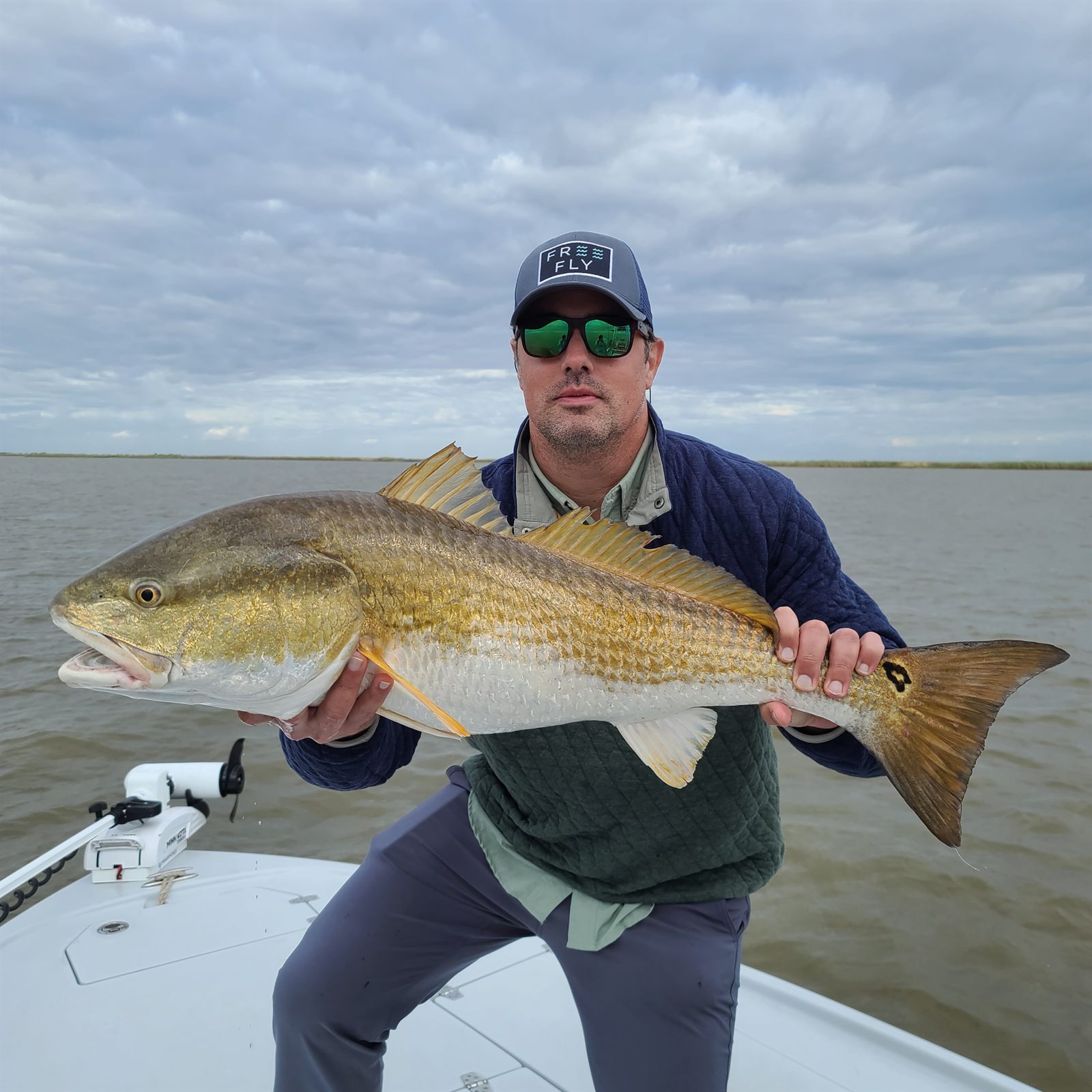
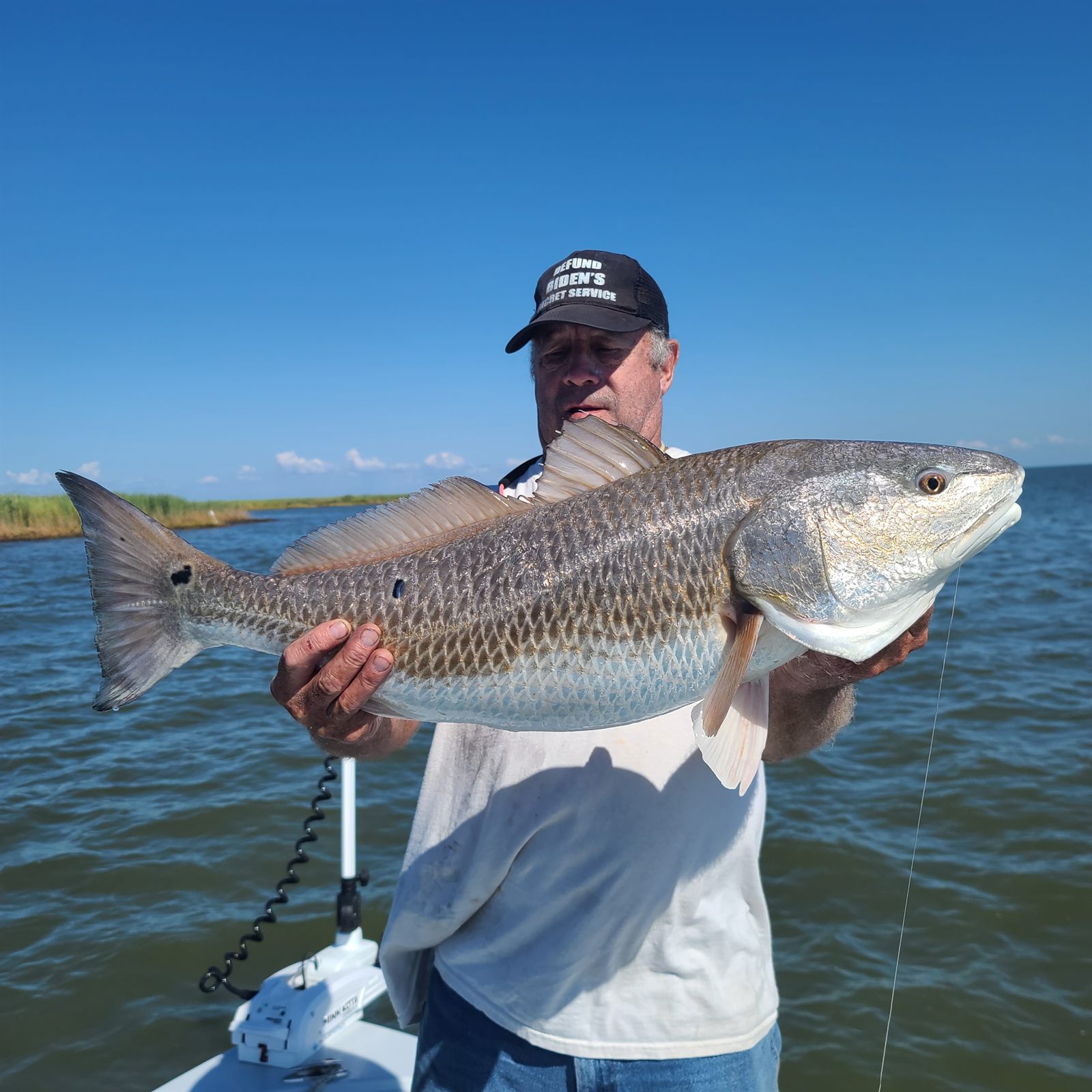
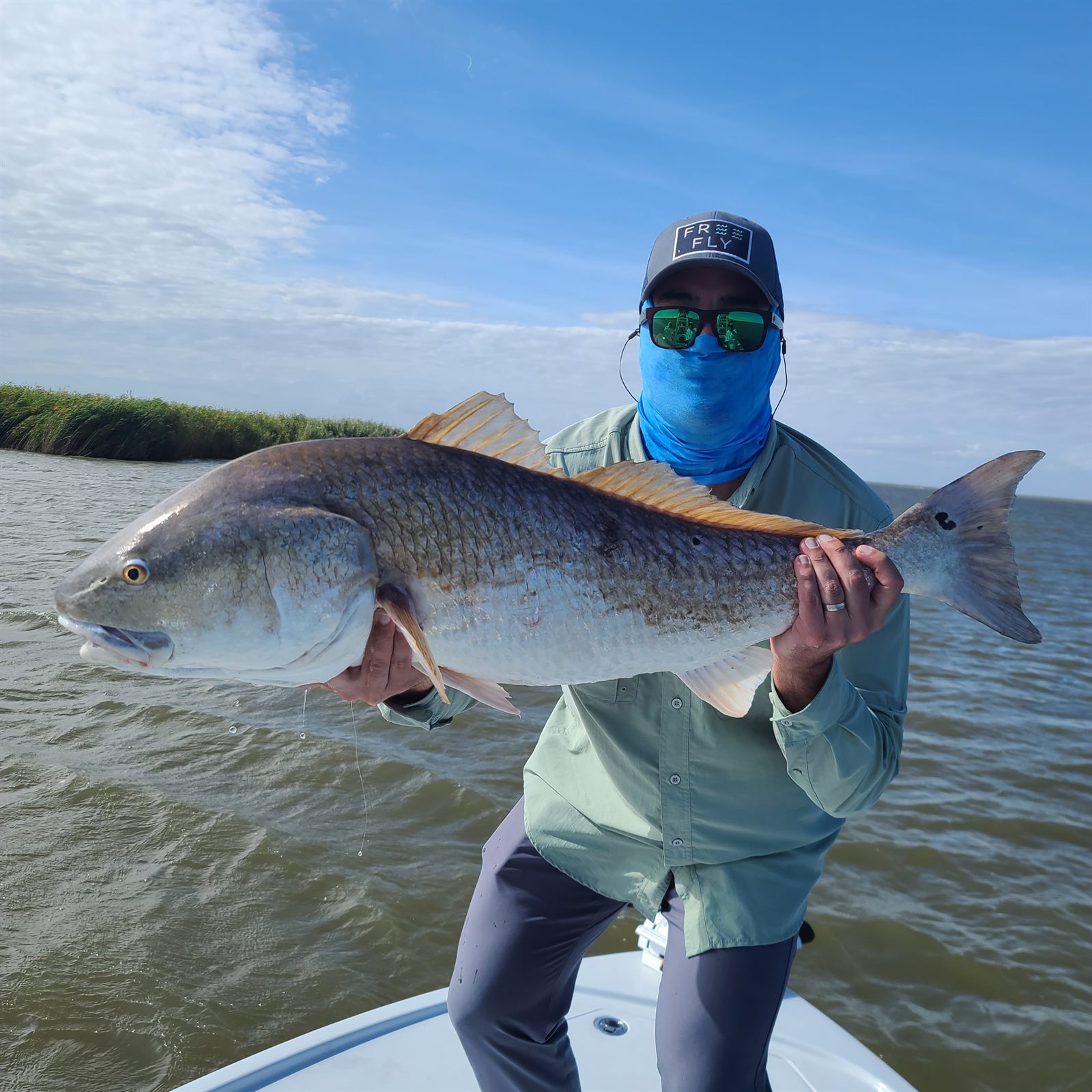
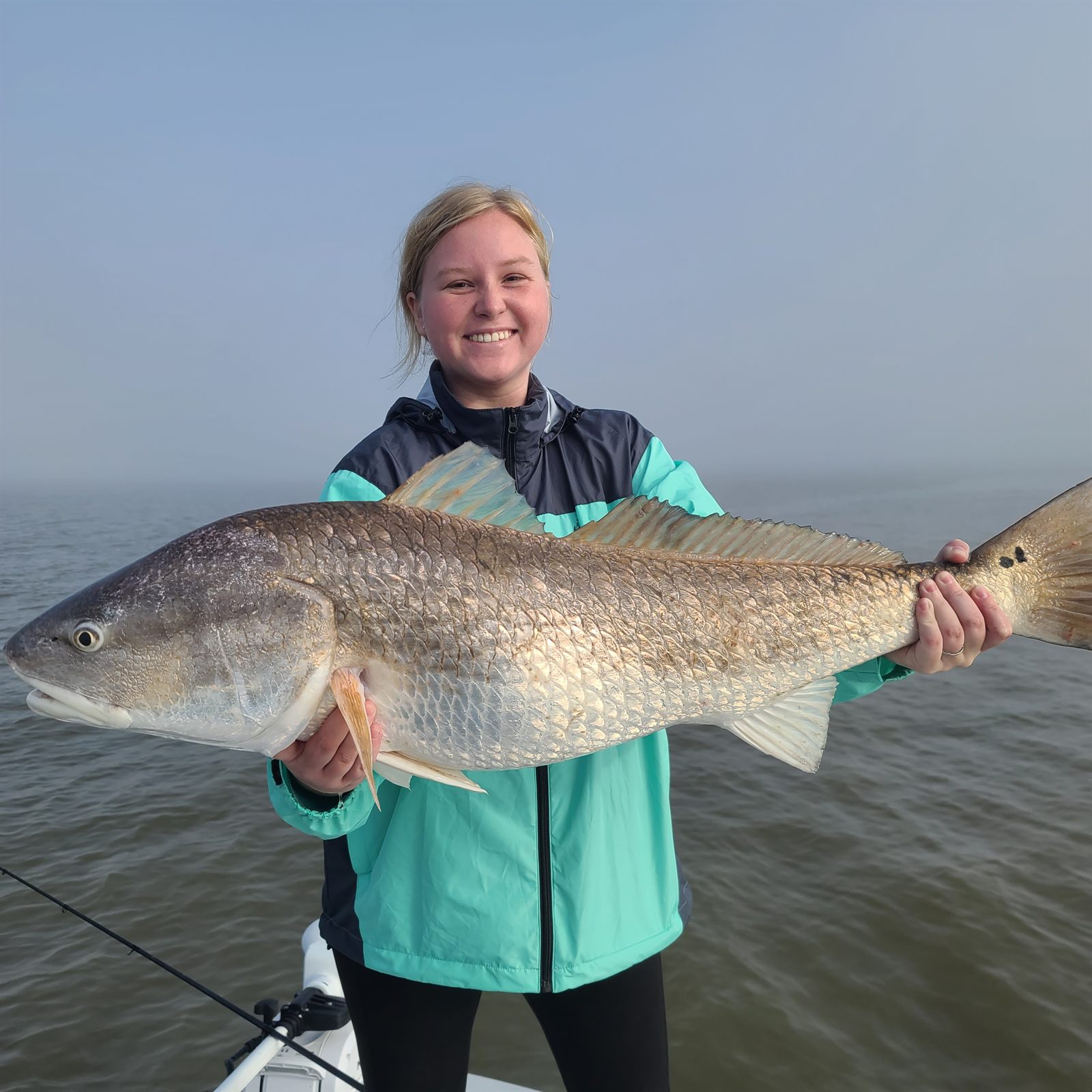
What if I told you that those flashy, high-dollar lures in your tackle box are often the reason you’re coming home with an empty cooler? It’s a hard truth, but in the muddy, grass-choked waters of Vermilion Bay and around Marsh Island, redfish rely on their sense of smell and vibration long before they ever spot your bait. If you’ve been struggling to find the best bait for redfish in louisiana marshes, you aren’t alone. Nearly 30% of fishing charters in the Gulf target these bronze beauties, but many anglers waste their day getting snagged in thick vegetation or using “pretty” lures that just don’t work in our unique ecosystem.
I know how it feels to watch a perfect morning slip away because you’re constantly clearing grass off your hook. That’s why I’ve put together this 2026 guide to help you dominate the marshes from Cypremort Point to East Cote Blanche Bay. You’ll learn exactly which live baits are worth the effort, which durable soft plastics can survive dozens of strikes, and how to rig everything weedless to stay in the strike zone. We’ll cover the latest 2026 regulations, including the four fish daily limit, so you can head out with total confidence. Let’s get your lines tight and your cooler full.
Key Takeaways
- Understand the redfish vacuum strike and why the Vermilion Bay ecosystem offers a richer forage base than other areas.
- Learn when to use live bait as an insurance policy and when artificial lures are better for covering vast marsh flats.
- Master seasonal shifts to ensure you always have the best bait for redfish in louisiana marshes during the spring and summer shrimp runs.
- Discover pro rigging secrets like weedless setups and popping cork techniques to fish heavy cover without the frustration of snagging.
- See how booking a guided trip provides a direct shortcut to local expertise and the exact tackle needed for success in the marsh.
Table of Contents
Understanding the Redfish Diet in South Louisiana Marshes
Redfish are the undisputed kings of the Louisiana marsh. Scientifically known as the Red drum (Sciaenops ocellatus), these copper beasts are opportunistic feeders that don’t just nibble; they inhale. They use a powerful vacuum-style strike to suck prey right into their mouths. Whether they’re rooting through the mud for crabs or chasing down mullet, their goal is simple: maximum calories for minimum effort. Finding the best bait for redfish in louisiana marshes starts with understanding this aggressive, bottom-oriented feeding behavior.
While other areas like Venice get plenty of attention, the ecosystem around Vermilion Bay and Cypremort Point offers a significantly richer and more diverse forage base. The massive influence of the Atchafalaya River pumps nutrient-rich freshwater into our system, creating a crawfish and crab heaven that you won’t find in saltier, more stagnant marshes. This constant flow keeps the bait moving and the redfish hungry for a fight.
The Vermilion Bay Ecosystem: From Marsh Island to Weeks Bay
Our local waters are a complex maze of weirs, canal mouths, and ancient oyster reefs. From the rugged edges of Marsh Island to the shallow flats of Weeks Bay, the redfish here have a massive buffet at their disposal. The freshwater mixing with the Gulf tides creates a unique bait profile. You’ll find everything from blue crabs and mud minnows to finger mullet and menhaden. Along the Cypremort Point shoreline, the redfish often cruise the shell banks looking for anything that kicks. If you want to catch them, you have to match the local hatch. We look for active schools of baitfish or “crawling” grass to know exactly where the reds are staging.
Why Scent and Vibration Trump Visuals
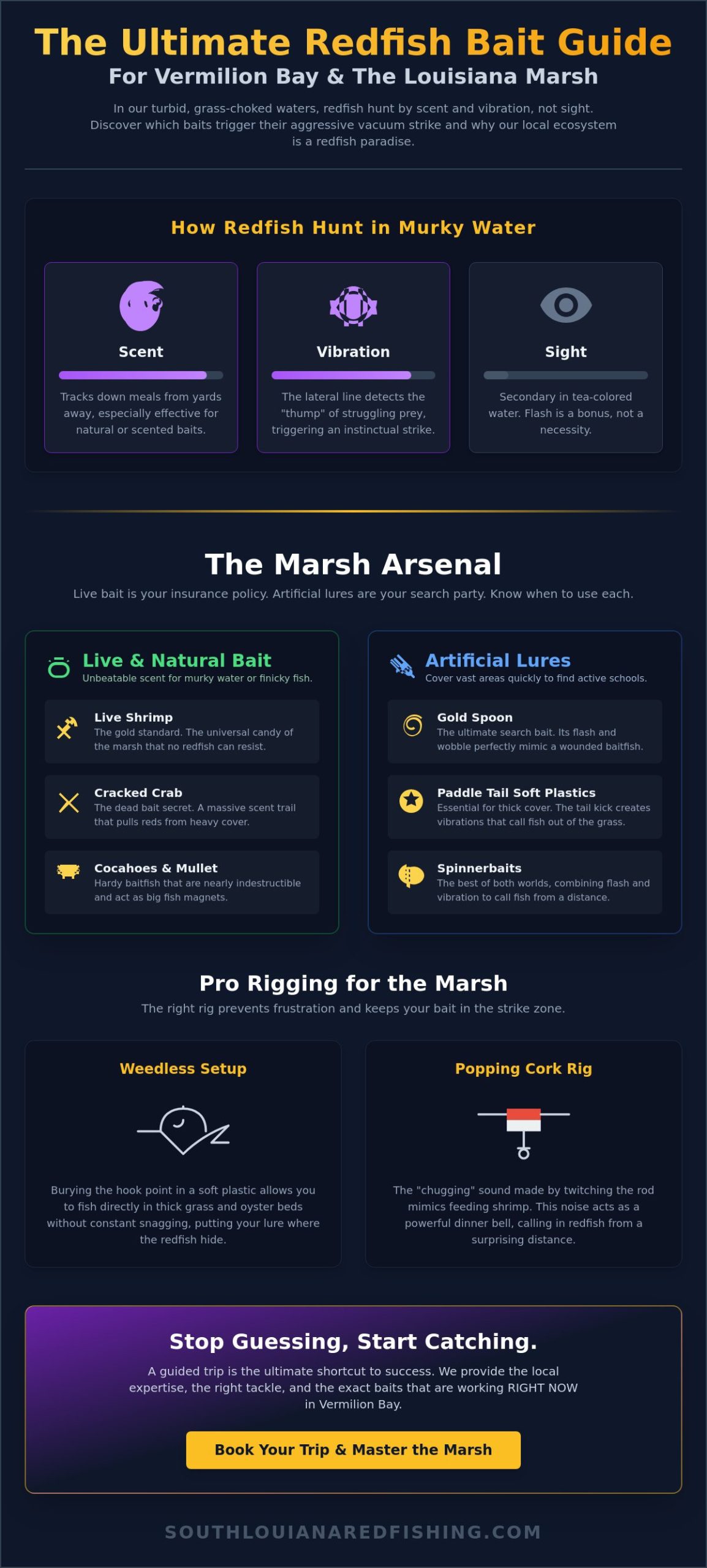
Don’t get fooled by those flashy, hand-painted lures designed for crystal clear water. In the turbid, tea-colored water of our deep marshes, a redfish can’t see more than a foot or two in front of its face. They rely on their lateral line to detect vibrations and their keen sense of smell to track down a meal. This is why thump and stink are your best friends when choosing the best bait for redfish in louisiana marshes. A lure that moves water or a bait that leaks scent will out-fish a visual lure every single time. In the thick marsh grass, vibration is the dinner bell that brings the predators running. We focus on baits that create a disturbance, making it impossible for a hungry red to ignore the offering.
Success here isn’t about having the most expensive gear. It’s about knowing how to trigger those sensory responses. When you’re fishing the weirs or the mouths of the canals, you need a bait that says “I’m here and I’m easy to catch.” That’s the secret to consistent hookups in our neck of the woods.
Live Bait vs. Artificial Lures: Winning the Marsh War
Choosing the best bait for redfish in louisiana marshes often feels like a gamble. Do you spend the money on a live well full of shrimp, or do you trust your casting arm with a gold spoon? If the water looks like chocolate milk after a heavy rain, that live bait insurance policy is worth every penny. Redfish use their noses to find a meal when they can’t see clearly. Nothing smells better to a hungry red than a fresh, kicking shrimp or a cracked blue crab. While artificials allow you to cover more ground, live bait is what turns a slow day into a productive one when the fish are finicky.
Top Live Baits: Shrimp, Cocahoes, and Finger Mullet
Live shrimp is the gold standard. It’s the universal candy of the marsh. Whether you’re fishing a weir or a canal mouth, everything eats shrimp. If you want something tougher, grab some cocahoes. These mummichogs are nearly indestructible. They’ll stay alive on the hook all day, even in the punishing summer heat of the Gulf coast. By late summer, finger mullet become the heavy hitters. These are big fish magnets. When the redfish move into the deeper passes near Marsh Island, a live mullet is often the only thing they’ll touch. Don’t overlook the dead bait secret, either. Fresh cracked crab is an absolute game-changer in the deep marsh grass. The scent trail it leaves is massive, pulling slot-sized reds from dozens of yards away.
The Power of Artificials: Spoons, Plastics, and Spinnerbaits
When you need to cover water and find active schools, artificials win every time. A classic gold spoon is the ultimate search bait for West Cote Blanche Bay. It creates the perfect mix of flash and vibration that mimics a wounded baitfish. For the thick stuff, soft plastics like paddle tails are essential. We prefer durable materials like ElaZtech that can handle multiple strikes from aggressive fish without tearing. Rig them weedless to dance through the grass without snagging. This allows you to reach the fish hiding in the middle of the vegetation where others can’t cast.
Spinnerbaits are another marsh staple that every angler should carry. The heavy thump of the blade alerts redfish in low visibility, making it much easier for them to track your lure. It mimics the vibration of a fleeing baitfish perfectly. If you’re ready to see how we rig these for maximum success, joining one of our guided fishing trips takes the guesswork out of your day on the water. Artificials offer incredible convenience since you don’t have to worry about keeping bait alive. However, having a mix of both ensures you’re ready for whatever the Louisiana marsh throws at you.
Seasonal Bait Strategies for Vermilion Bay & Cypremort Point
The Louisiana marsh is a living, breathing thing that changes with the calendar. If you want to consistently find the best bait for redfish in louisiana marshes, you have to follow the food. Unlike some other areas where patterns stay stagnant, our ecosystem around Cypremort Point and Vermilion Bay is driven by the massive migration of shrimp and finfish. Mastering these seasonal shifts is the difference between a legendary day and a long boat ride. You’ve got to be ready to pivot as the water temperature and salinity levels fluctuate.
Spring and Summer: Chasing the Shrimp Run
When the water warms in the spring, the brown shrimp return to the marsh, triggering a literal feeding frenzy. This is the time to look for “shrimp jumps” near the weirs of Marsh Island. If you see shrimp skipping across the surface, the redfish are right underneath them. A popping cork is your most lethal weapon during this migration. The clicking sound mimics the snap of a shrimp, drawing reds in from the thick grass. As we move into summer and the white shrimp run begins, you’ll need to adjust. The shrimp grow larger as the season progresses, so don’t be afraid to upsize your bait to match what the fish are seeing. It’s high-energy fishing that requires quick reflexes and a full live well. We often find the most aggressive strikes happen right as the tide begins to fall, pulling bait out of the shallow flats.
Fall and Winter: Transitioning to Finfish and Crabs
Fall in South Louisiana is often called the “Gold Rush” for a reason. By October, the shrimp are moving out and the finger mullet become the dominant forage. Redfish stack up at the mouths of canals and along the shell banks of West Cote Blanche Bay to gorge themselves before winter. This is when big, vibrating baits and live mullet really shine. The fish are trying to pack on weight, so they’re looking for a substantial meal that’s worth the effort of the chase.
When the cold snaps finally hit in winter, the marsh goes quiet and the water clears up. This is the time to slow everything down. Redfish move into the deeper canals of East Cote Blanche Bay to find stable temperatures. If the bite gets tough, switching to dead bait like cracked crab or a piece of mullet on the bottom is a pro move. The fish are less active in the cold, so you have to put the scent right on their noses to trigger a strike. It’s a game of patience, but the rewards are massive slot reds that are thick and healthy. Don’t rush your retrieve; let the bait do the work for you in the deeper pockets of water.
Rigging Your Bait for Success in the Louisiana Marsh
Finding the best bait for redfish in louisiana marshes is only half the battle. If your presentation is sloppy or your rig is constantly buried in the grass, you aren’t going to see many hookups. In our unique ecosystem around Cypremort Point and the surrounding bays, the way you rig your tackle determines whether you’re fighting a fish or a pile of marsh vegetation. We use a combination of noise and stealth to trigger those aggressive vacuum strikes we discussed earlier. You’ve got to be proactive with your gear to stay in the strike zone.
High-quality hardware makes a massive difference when you’re targeting heavy reds. We always recommend using fluorocarbon leader material. It’s more abrasion-resistant than monofilament, which is crucial when a big red tries to wrap you around an oyster reef or a barnacle-encrusted weir. When it comes to hooks, use circle hooks for your live shrimp or cocahoes to ensure a solid corner-of-the-mouth hookup every time. If you’re throwing plastics, a stout jig head is great for open water, but you’ll need something different for the thick stuff.
Mastering the Popping Cork for Inshore Success
The popping cork is the most effective tool in any Louisiana angler’s arsenal. To use it correctly, give your rod a sharp, downward snap to make the cork “chug” or “pop” across the surface. This mimics the sound of a feeding trout or an escaping shrimp, which draws redfish in from a distance. The rhythmic ‘clack’ of the beads against the cork acts as a literal dinner bell for redfish cruising the shallow flats. For most of our marsh shorelines, setting your leader depth between 18 and 24 inches is the absolute sweet spot to keep your bait suspended just above the grass line.
Weedless Rigs for Grassy Shorelines and Weirs
When the redfish are buried deep in the vegetation along the weirs of Marsh Island, a standard jig head will snag on every single cast. This is where rigging your soft plastics “Texas style” becomes essential. By burying the hook point back into the body of the plastic, you can drag your lure through the heaviest grass without catching a single blade. Weighted swimbait hooks are often better than jig heads here because the weight is distributed along the belly of the hook, which prevents the bait from spinning and keeps it tracking straight through the weeds. For a deeper dive into the gear we use on our boats, check out Louisiana Redfish: The Ultimate Guide.
Mastering these rigs will give you the confidence to cast into the places other people avoid. If you want to see these techniques in action and skip the learning curve, come join us for one of our guided fishing trips. We provide all the top-tier tackle and perfectly rigged baits so you can focus on the fight instead of your knots.
Why a Guided Trip is the Ultimate Bait Shortcut
You can spend hours researching the best bait for redfish in louisiana marshes, but nothing replaces thousands of days on the water. Capt. Troy Nash brings three generations of local heritage to every trip, providing a level of insight that no YouTube video or GPS can match. While a digital map can show you a canal, it won’t tell you which weir is holding bait after a heavy north wind or which oyster reef is currently stacked with hungry reds. We take the guesswork out of your adventure by providing the exact rods, reels, and perfectly rigged baits mentioned in this guide. You save money on expensive tackle and spend more time actually reeling in fish.
After a successful day on the flats, the adventure doesn’t have to end at the dock. The area surrounding Cypremort Point is the heart of Acadiana. You’re perfectly positioned to enjoy authentic boudin, cracklins, and world-famous seafood in nearby Lafayette. We don’t just sell a boat ride; we offer a gateway to the unique culture that makes South Louisiana a premier destination. Whether you’re a seasoned pro or a first-timer, we ensure you feel like part of the family from the moment you step on the deck.
The Advantage of a 3rd Generation Guide
Decades of tenure in Vermilion Bay mean we know the secret spots that don’t appear on standard maps. When the marsh tide is too low or the water gets too fresh, we pivot to the nearshore rigs and submerged oyster beds where the big reds hide. We navigate the complex weirs and shorelines of Marsh Island and Weeks Bay with the confidence that only comes from a lifetime of experience. This adaptability is what sets a professional charter apart from a solo outing. Explore our Guided Fishing Trips: Your South Louisiana Adventure to see how we turn a simple day of fishing into a world-class event.
Planning Your Cypremort Point Adventure
Choosing Cypremort Point State Park as your launch pad is a strategic move. It’s far more accessible and convenient than the long, stressful drives required to reach other areas of the state. You’ll spend less time in your truck and more time with a bent rod. For your day with South Louisiana Redfishing, just bring your 2026 Louisiana fishing license, some sunscreen, and a large ice chest for your catch. We handle the rigging, the baiting, and the local knowledge. Ready to hit the water? Visit the South Louisiana Redfishing Home page to secure your dates for the upcoming season. Let’s go catch some reds.
Ready to Claim Your Spot in the Louisiana Marsh?
Mastering the flats requires more than just a lucky cast. You’ve seen how matching the hatch and prioritizing scent and vibration can turn a slow morning into a legendary haul. Whether you’re popping a cork over the grass beds of Marsh Island or dragging a weedless plastic through the weirs, success comes down to preparation. Finding the best bait for redfish in louisiana marshes isn’t a guessing game when you understand the seasonal rhythms of Vermilion Bay and Cypremort Point. It’s about knowing exactly what those bronze beauties are hunting for at any given moment.
Don’t waste another weekend struggling with tangles or empty hooks. Capt. Troy Nash is a 3rd Generation Local Guide who specializes in these world-class waters. We provide all the top-tier bait and tackle you need, so you can skip the tackle shop and head straight to the strike zone. Our trips offer a level of expertise you won’t find in other areas, pairing a thrilling day on the water with the best Cajun hospitality around. Book Your South Louisiana Redfish Adventure with Capt. Troy Nash Today!
The reds are waiting in the thick stuff. Grab your hat and get ready for the trip of a lifetime.
Frequently Asked Questions
What is the absolute best bait for redfish in Louisiana?
Live shrimp is the undisputed champion for most anglers because it’s the universal candy of the marsh. However, many pros consider fresh cracked crab the best bait for redfish in louisiana marshes when targeting larger slot fish. The massive scent trail it leaves in the water is irresistible to redfish cruising the shallow flats near Marsh Island or the shell banks of Cypremort Point.
Do I need live bait to catch redfish in the marsh?
You don’t strictly need live bait, but it acts as a powerful insurance policy when the fish are finicky. Artificial lures like gold spoons or paddle tails allow you to cover vast stretches of the marsh quickly to find active schools. If the water is murky or the bite is slow, switching to live bait provides the scent advantage needed to trigger those vacuum strikes.
What color lure works best in muddy Louisiana water?
Darker colors like “black and blue” or “purple” create the strongest silhouette in turbid water. This makes it much easier for a redfish to track your lure in the muddy reaches of West Cote Blanche Bay. Gold and chartreuse are also excellent choices because they mimic the natural flash and vibration of crabs or croakers that redfish hunt in low visibility.
Is a gold spoon still effective for redfish in 2026?
The gold spoon remains one of the most effective tools in 2026 because its combination of vibration and flash is unmatched. It’s the ultimate search bait for covering the shallow shorelines and flats near Cypremort Point State Park. Every serious redfish angler should have this classic in their tackle box to find active fish across the Vermilion Bay system.
How do I keep my bait from getting stuck in the marsh grass?
Use a weedless rig to keep your hooks clear of the thick vegetation. Rigging your soft plastics Texas-style or using a weighted swimbait hook allows the lure to slide right over the grass without snagging. This technique is essential for successfully fishing the weirs and grassy shorelines where the biggest reds love to hide and ambush prey.
What is the best time of day to fish the Louisiana marsh?
Moving water is the most important factor for success regardless of the hour. A falling tide is particularly effective because it flushes shrimp and minnows out of the shallow marsh and into the mouths of canals where redfish wait. Early morning is usually best during the hot summer months, while mid-day can be more productive during the cooler winter months.
Can I catch redfish in the marsh during the winter?
You can absolutely catch redfish in the winter by targeting deeper water. As the temperature drops, these fish move into the deeper canals and holes of East Cote Blanche Bay to find stable conditions. Slow your presentation down and use “stinky” baits like mullet or crab to entice them when they are less active in the cold.
Why should I book a charter instead of fishing the marsh on my own?
Booking a guided fishing trip gives you an immediate advantage through local knowledge and professional equipment. Capt. Troy Nash provides the best bait for redfish in louisiana marshes along with decades of experience navigating the complex Vermilion Bay system. You’ll skip the expensive learning curve and go straight to the most productive spots while enjoying a world-class Cajun adventure.