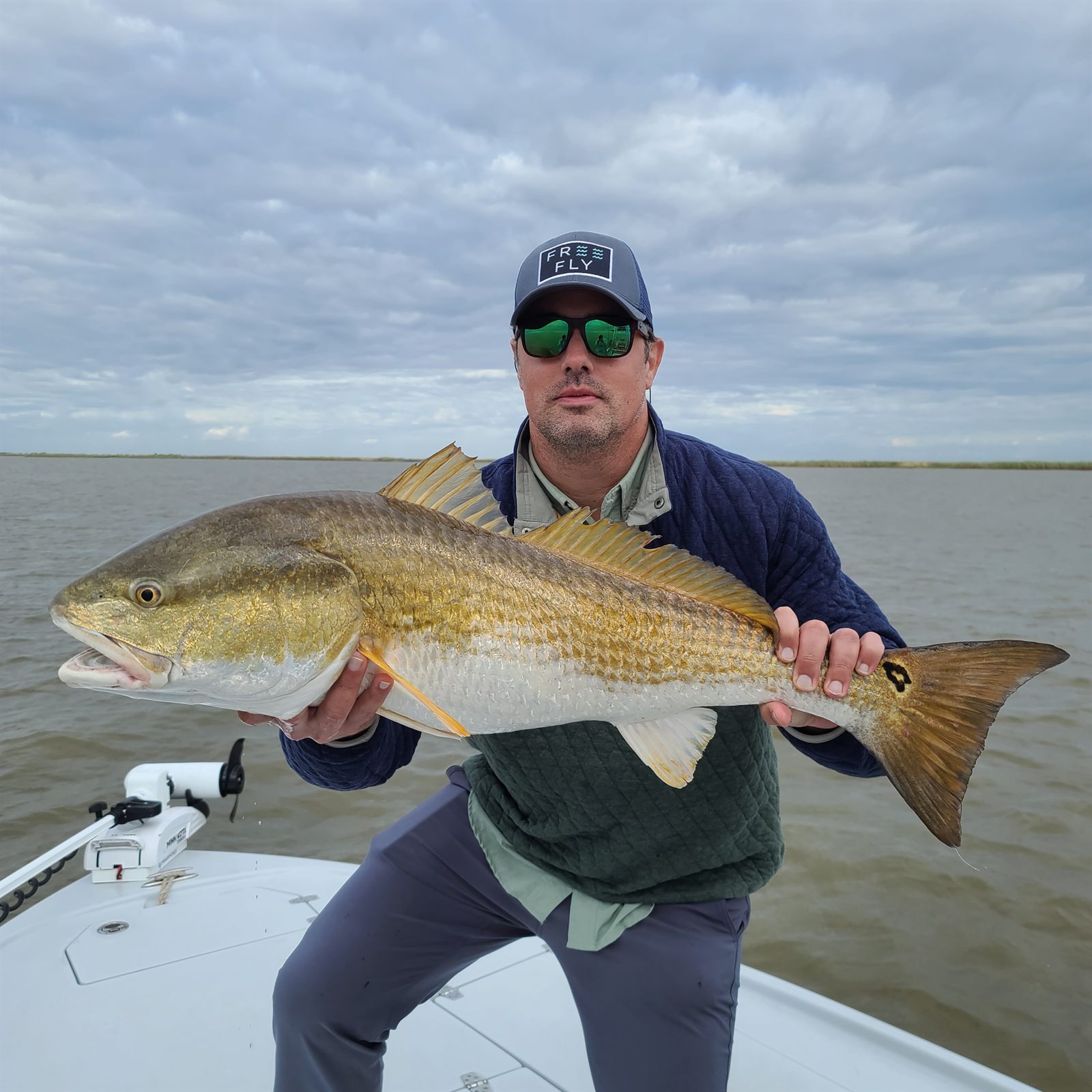
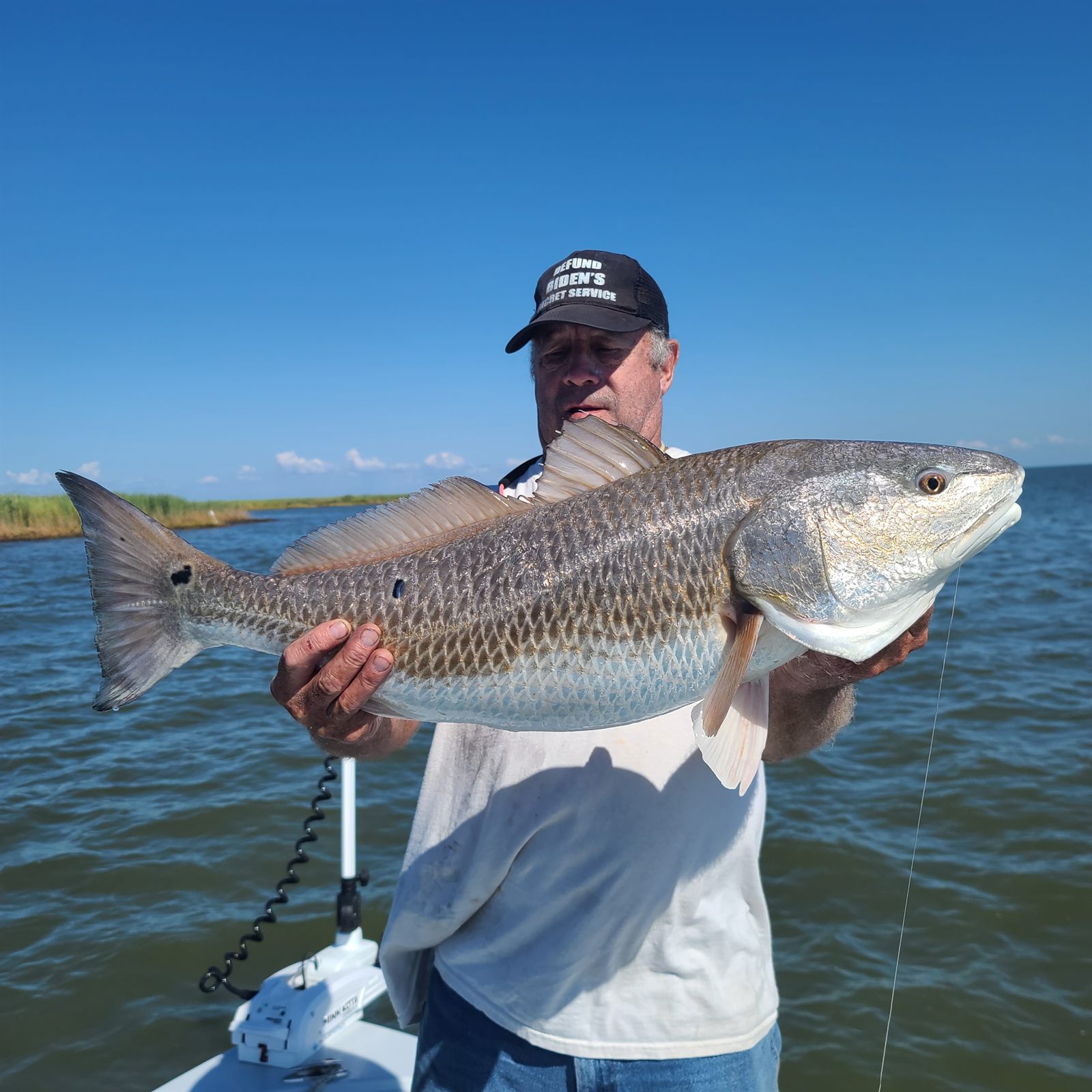
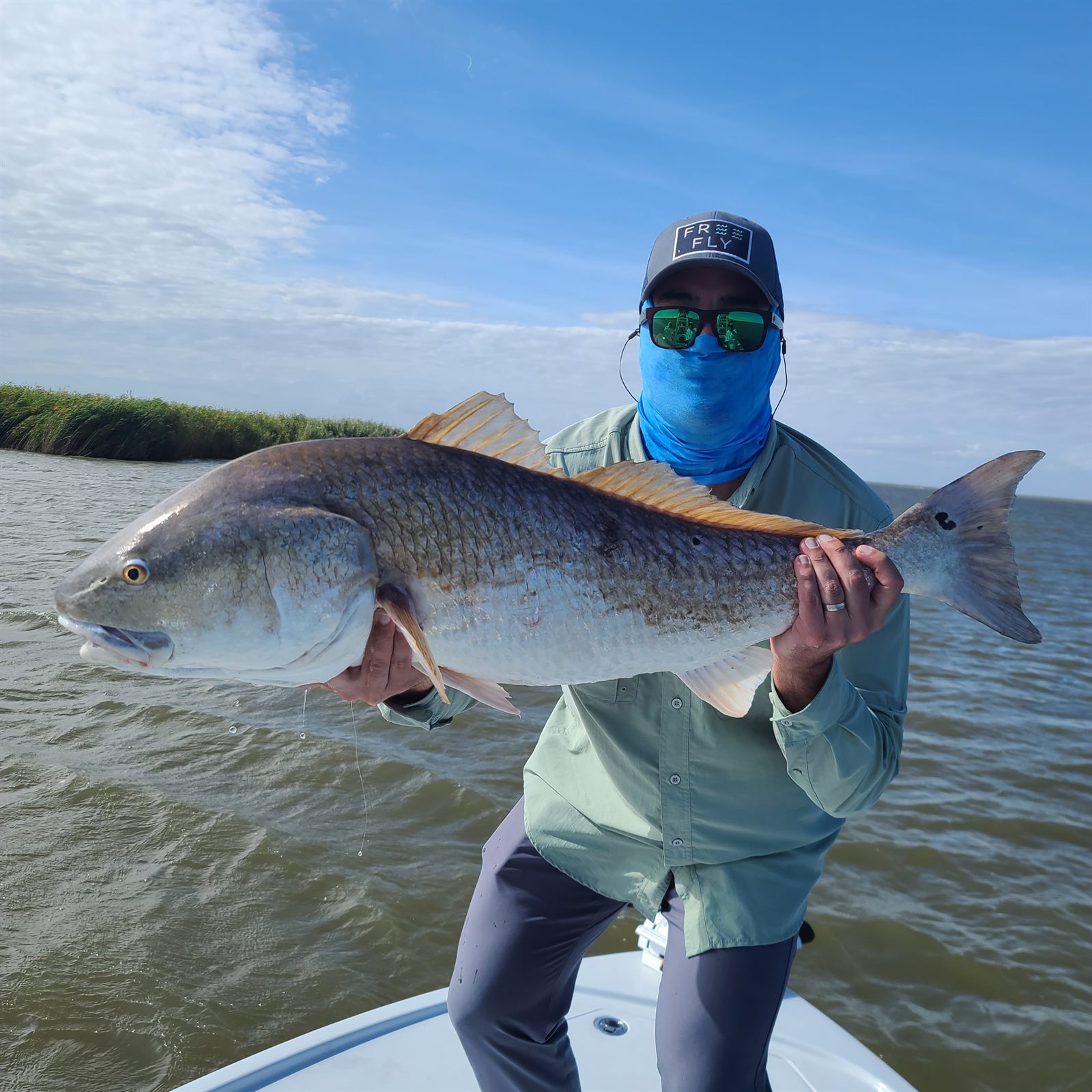
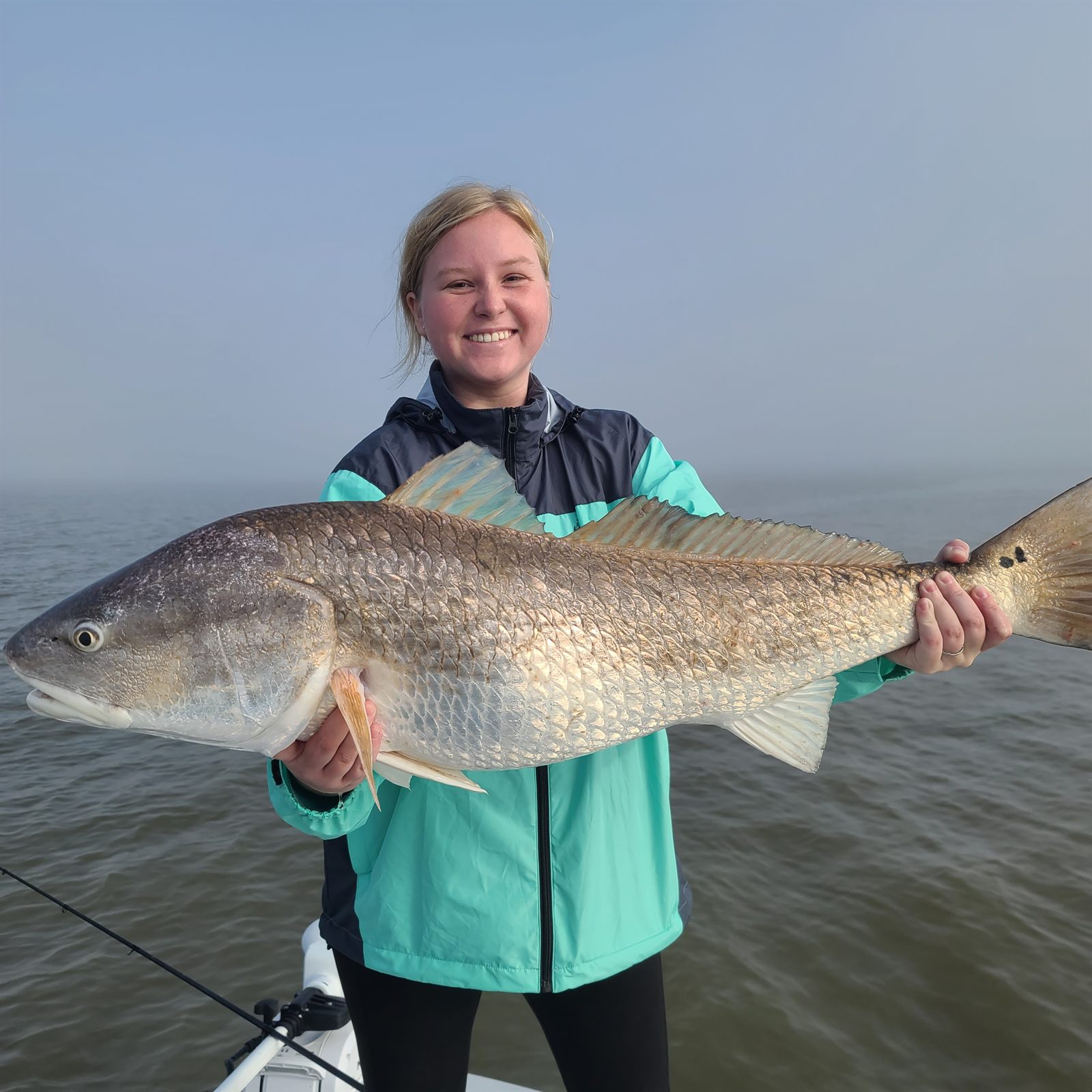
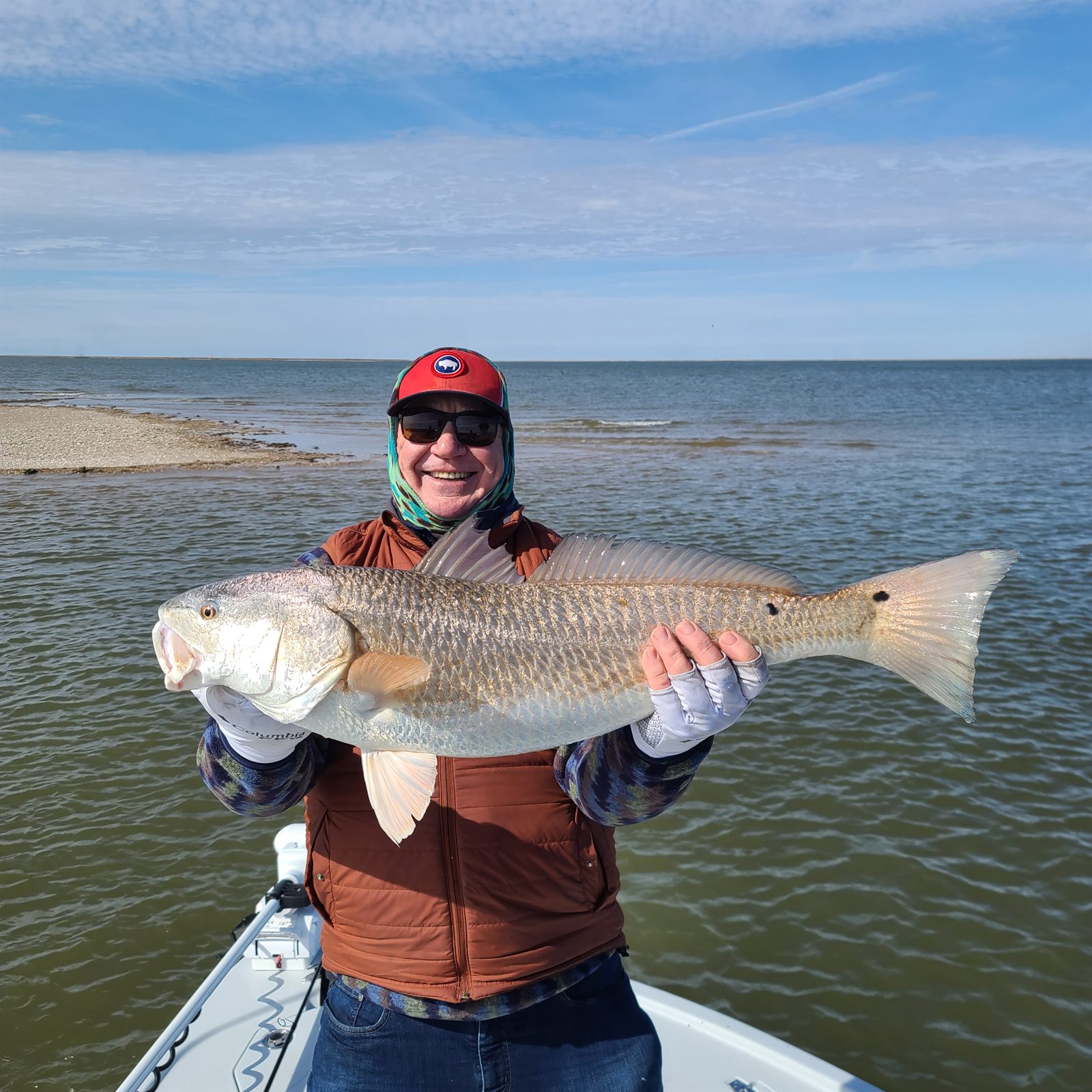
The most expensive mistake you can make in the South Louisiana marsh isn’t a lost prop; it’s a hundred dollars’ worth of live shrimp that dies in the livewell before you even reach the first weir. While many anglers believe “real” bait is the only way to fill a cooler, the truth is that the right plastic can out-fish the real thing when conditions get tough. When you are deciding between artificial lures vs live bait for redfish, the winner is usually determined by the tide, the water clarity, and how much heat the day is packing. We have all been there, staring at murky water and wondering if a piece of “fake” hardware can actually trigger a strike from a trophy red.
This guide will give you the confidence to choose the right tackle for your next trip to Cypremort Point or the flats of Marsh Island. You will learn how a professional guide handles both methods to ensure every client has a shot at the current four-fish daily limit. I am going to show you exactly which lure colors cut through the silt of Vermilion Bay and how to stop wasting money on bait that can’t survive the Louisiana sun. Get ready for a clear strategy that turns confusion into a successful day on the water.
Key Takeaways
- Master the “Scent Trail” strategy to lure trophy Redfish out of dense marsh grass and oyster beds using natural offerings.
- Increase your efficiency by learning how to cover more water with technical lures to find active fish faster than traditional methods.
- Resolve the artificial lures vs live bait for redfish debate by matching your tackle to the specific seasonal shifts in Vermilion Bay.
- Discover why a 3rd generation guide carries both options to ensure success across the weirs and canals of Cypremort Point.
- Learn to trigger aggressive predatory instincts using flash and vibration in the murky waters of the South Louisiana marsh.
Table of Contents
- The Great Redfish Debate: Artificial Lures vs. Live Bait in Vermilion Bay
- The Case for Live Bait: Why Natural Offerings Still Reign Supreme
- Mastering Artificial Lures: The Technical Edge for Aggressive Reds
- Weather, Water, and Seasonality: Choosing Your Weapon in the Marsh
- Experience the Best of Both Worlds with a Cypremort Point Pro
The Great Redfish Debate: Artificial Lures vs. Live Bait in Vermilion Bay
Vermilion Bay is more than just a body of water; it’s a legendary redfish factory where the marsh meets the Gulf of Mexico. Every canal, lake, and shoreline from Cypremort Point to the vast flats of Marsh Island holds the potential for a career-defining catch. Anglers visiting this region often find themselves locked in a psychological battle. One side swears by the undeniable power of a natural scent trail to bring fish to the boat. The other side hunts for the adrenaline-pumping “thump” of an aggressive strike on a moving plug. Deciding between artificial lures vs live bait for redfish isn’t just about what’s on your hook. It’s about your personal fishing style and how you want to experience the wild beauty of South Louisiana.
The winner of this debate usually changes with the tide and the thermometer. When the water is pushing through the weirs or crashing against the oyster reefs, the ecosystem becomes a high-speed buffet. Success depends on your ability to adapt to the current conditions. Whether you are launching from Cypremort Point State Park or exploring the deep interior marshes, understanding the local environment is the first step toward a heavy cooler. After a long day of battling marsh monsters, there is nothing quite like returning to Lafayette for world-class Cajun food to celebrate a successful trip.
Understanding the South Louisiana Redfish Diet
The Red drum (Sciaenops ocellatus) is a master of opportunity. In our local canals and lakes, their diet is a rotating menu of blue crabs, cocahoe minnows, and finger mullet. The unique salinity levels of Vermilion Bay, often influenced by freshwater drainage, make these fish particularly hardy and aggressive. Unlike redfish in other areas like Venice, our local populations are forced to be less picky. They follow the seasonal migrations of baitfish religiously. When the blue crabs are shedding or the minnows are thick in the weirs, your choice of bait must reflect that abundance to stand a chance.
Matching the Hatch in Cypremort Point Waters
Matching the hatch is critical when you are working the murky shorelines near Weeks Bay or the reefs adjacent to the Gulf. In these turbid waters, redfish rely heavily on their lateral lines to detect vibration and their keen sense of smell to locate food. While live shrimp is a classic equalizer for families, artificial lures allow you to cover vast stretches of marsh grass quickly. Our “marsh monsters” are built for the fight; they are often broader and more powerful than fish found in more protected coastal zones. Capt. Troy D. Nash has spent decades tracking these patterns, ensuring that every guided trip uses the most effective method for the specific hour and location.
The Case for Live Bait: Why Natural Offerings Still Reign Supreme
Nothing beats the raw power of a scent trail when you’re hunting redfish in the thickest marsh grass of West Cote Blanche Bay. While high-tech plastics have their place, there is a reason the old-timers still reach for the bait bucket. Redfish are notorious scavengers that use their sense of smell to navigate the turbid waters of the South Louisiana marsh. When you are weighing the pros of artificial lures vs live bait for redfish, the “scent trail” is the undisputed heavyweight champion. A live shrimp or a cracked crab sends out a dinner bell that can pull a hungry red from deep inside an oyster bed or a dense stand of grass where a lure might never be seen.
Live bait is the ultimate equalizer for families and new anglers visiting Cypremort Point. It takes the pressure off the cast and the retrieve. You don’t need a professional’s “twitch” to find success; you just need to put the bait in the right zone and let the fish do the work. The classic popping cork strategy remains a staple here. That rhythmic “chug” mimics the sound of feeding trout or crashing baitfish, drawing reds in to investigate the easy meal dangling below. It is a high-energy, visual way to fish that keeps everyone on the boat engaged and excited.
Success with natural offerings does come with a price. With the number of licensed shrimpers in Louisiana dropping significantly over the last few decades, the cost of quality live bait has climbed. You also face the challenge of keeping your investment alive. Maintaining a healthy baitwell in 90-degree heat is a full-time job. If you want to skip the stress of the bait shop and get straight to the action, booking a guided fishing trip with a pro who handles all the preparation is the smartest move you can make.
Top Live Baits for Inshore Success
- Live Shrimp: The gold standard for everything that swims in Vermilion Bay, including redfish and black drum.
- Finger Mullet and Cocahoe Minnows: These hardy baits are perfect for targeting aggressive reds near the Gulf reefs and Marsh Island.
- Cracked Crab: This is the secret weapon for landing heavy reds in the deeper canals and around the weirs.
When Live Bait is Non-Negotiable
There are days when the fish simply won’t chase. After a brutal Cajun winter cold front, redfish become lethargic and tuck deep into the mud. They won’t burn energy chasing a fast-moving spoon, but they can’t resist a piece of market shrimp sitting on their nose. Similarly, in heavily pressured areas near Cypremort Point State Park, fish can become “lure shy.” In these moments, or when a heavy rain turns the water to chocolate milk, the natural scent of live bait becomes your only reliable ticket to a four-fish limit.
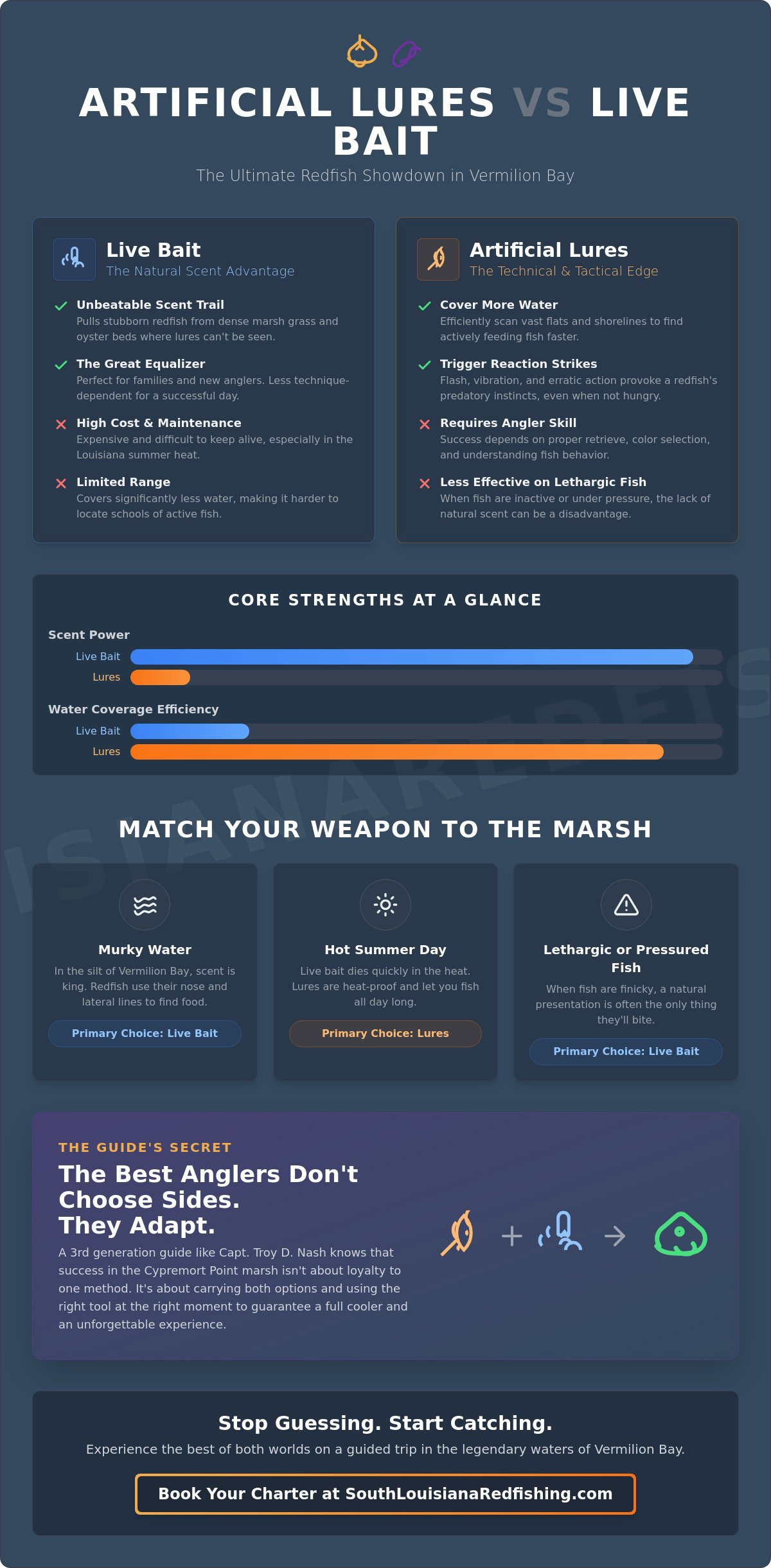
Mastering Artificial Lures: The Technical Edge for Aggressive Reds
While live bait relies on a redfish’s sense of smell, artificial lures weaponize their raw aggression. In the dynamic environment of Vermilion Bay, lures offer a technical edge that bait simply cannot match. It comes down to the “reaction strike.” When a flash of gold or a vibrating paddle tail darts past a redfish’s face, their predatory instinct takes over. They don’t have time to sniff the offering; they simply react. If you are debating artificial lures vs live bait for redfish, the winner is clear for those who want to actively hunt their target rather than waiting for the fish to find them.
Efficiency is the name of the game in the South Louisiana marsh. You can “burn” a bank with a spinnerbait or a spoon, covering miles of shoreline in the time it takes a bait-soaker to fish a single pocket. This high-speed approach allows you to locate active schools faster, which is critical when the tide is moving and the bite window is short. There is also a massive durability advantage. A single five-dollar soft plastic can survive twenty aggressive strikes. In contrast, ten dollars’ worth of live shrimp can be picked clean by bait-stealers in minutes, leaving you with an empty hook and a lighter wallet.
Soft Plastics and Topwaters: The Marsh Essentials
Success in Weeks Bay and Burns Point starts with the right profile. Matrix Shads and paddle tails are the versatile workhorses of our region. They mimic the erratic swimming motion of cocahoe minnows perfectly. Then there is the legendary gold spoon. This simple piece of hardware is a redfish’s worst nightmare in the shallow flats because it combines flash, vibration, and a weedless design. For the ultimate adrenaline rush, nothing beats a topwater plug. Watching a massive redfish “blow up” on a walk-the-dog lure through the early morning mist is a life-changing event for any angler.
Why Lures Win on Efficiency and Coverage
- Massive Range: You can cover three miles of marsh shoreline while a boat using live bait is still stuck on their first three hundred yards.
- Depth Control: By swapping jig head weights, you can target reds in the deep canals or the shallowest weirs with the same lure.
- Weedless Performance: High-quality lures allow you to cast directly into the heart of the marsh grass where the biggest reds hide, a feat impossible with a live shrimp on a treble hook.
The satisfaction of fooled a trophy fish with a piece of plastic is unmatched. It turns a casual outing into a skilled pursuit. Whether you are navigating the intricate canals of Marsh Island or the reefs near Cypremort Point, mastering these tools ensures you are always the aggressor on the water.
Weather, Water, and Seasonality: Choosing Your Weapon in the Marsh
The weather in South Louisiana doesn’t just dictate your comfort; it dictates the entire food chain. In the unique, often turbid waters of Vermilion Bay, the “muddy water” conditions require a specific approach that generic fishing blogs often ignore. The Cajun winter is a total game changer for local anglers. During the “winter drawdown,” strong North winds push water out of the marsh, leaving redfish stacked in the deeper bayou bends and canal holes. This is lure heaven. When the water is low and clear, a slow-crawled plastic or a heavy jig becomes the most lethal tool in your boat. When you are deciding between artificial lures vs live bait for redfish, the thermometer often makes the choice for you.
As the calendar flips to spring and summer, the arrival of shrimp changes the landscape. This is the era of the popping cork. The rhythmic “chug” and the scent of a live shrimp are nearly impossible for a redfish to pass up as they move along the shorelines of Cypremort Point. However, the summer heat is a brutal enemy of the bait bucket. Keeping shrimp alive in 90-degree weather is a struggle that can cut a trip short. Lures don’t die in the box, and they allow you to keep hunting even when the sun is high. By the time the fall “Bull Red” run hits the mouth of the bay near Marsh Island, both methods work with high intensity, but your success depends on reading the wind and tide correctly.
High Water vs. Low Water Strategies
The tide is the heartbeat of the marsh. On a high tide, redfish push deep into the grass to feast on crabs and minnows. This is prime territory for a live bait under a cork, as it allows you to dangle a meal right at the edge of the vegetation. Conversely, a low tide concentrates those fish in the deeper bends of canals and weirs. This is where artificials shine. You can bounce a lure along the bottom of a bayou bend in East or West Cote Blanche Bay and pick apart a school of reds that have nowhere else to hide. The tide moves. The fish follow. You should too.
Seasonal Shifts: From Summer Shrimp to Winter Plastics
Matching your lure color to the water clarity is a skill that separates the pros from the amateurs. In the stained, silty water of a typical Vermilion Bay summer, high-visibility colors like chartreuse or “electric chicken” provide the silhouette reds need to strike. During the winter clear-water window, switching to natural, translucent plastics allows for effective sight-fishing on the flats. Unlike the deep river channels in Venice, our shallow marsh requires a stealthy, adaptable approach. Ready to master these seasonal patterns? Book your guided fishing trip today to see how we handle the marsh in every condition.
Experience the Best of Both Worlds with a Cypremort Point Pro
The debate over artificial lures vs live bait for redfish often ends the moment you step onto a professional’s boat. Capt. Troy D. Nash doesn’t leave the dock hoping the fish like what he brought; he carries both because the marsh is unpredictable. This versatility is the pro’s secret to ensuring no client ever comes home empty-handed. While a solo angler might spend hours second-guessing their tackle box, a 3rd generation guide uses decades of deep-rooted expertise to make the call in seconds. We handle the preparation, the bait, and the tackle. You simply handle the rod and the rush of a massive redfish taking line.
Choosing a professional guided trip removes the stress of the “what-ifs.” You don’t have to worry about the bait dying in the heat or whether your lure color matches the silt levels of the day. We provide a masterclass in versatility, shifting from burning banks with gold spoons to soaking live bait near a productive weir as the conditions shift. It is about more than just catching fish; it is about witnessing the mastery of the South Louisiana marsh from someone who has lived it for thirty years. Why spend your day struggling with the learning curve when you can be guided by the best in the business?
Why a Guided Charter Beats the Learning Curve
Learning to “read” the marsh takes a lifetime. A seasoned pro identifies the subtle signs of feeding reds, from oily slicks on the surface to the specific way birds hover over a canal entrance. On our guided fishing trips, you get hands-on instruction that you won’t find in a manual. You will master the exact retrieve needed for a vibrating jig and learn the precise timing of a cork set when a redfish is being finicky. Navigating the complex, shallow waters of Marsh Island and the surrounding reefs requires a confident hand at the helm, ensuring your trip is as safe as it is productive.
Beyond the Catch: Cajun Culture and Lafayette Hospitality
A trip to Cypremort Point is a major life event, not just a casual outing. Positioned as the premier gateway to the best inshore fishing in the world, Cypremort Point State Park offers a world-class starting point for your adventure. Many of our clients use nearby Lafayette as their home base, enjoying the city’s legendary hospitality before heading to the marsh. After a day of battling marsh monsters, there is no better reward than a plate of authentic Cajun food. From the first cast in Vermilion Bay to the last bite of cracklin’ in town, we provide the ultimate South Louisiana experience. Ready to see the difference a pro makes? Book your guided fishing trip and let’s get on the water.
Claim Your Trophy in the Louisiana Marsh
The debate over artificial lures vs live bait for redfish doesn’t have to be a guessing game. Success in the wild reaches of Vermilion Bay and Marsh Island comes down to reading the water and being ready to pivot. You now understand how the Cajun winter favors slow-moving plastics and how the summer heat makes the scent of live bait nearly irresistible. Whether you are burning a gold spoon across a shallow flat or soaking shrimp near a productive weir, the right choice is simply the one that puts fish in the boat right now.
Capt. Troy Nash is a 3rd Generation local guide specializing in the world-class redfish populations of Vermilion Bay and Cypremort Point. We take the stress out of your adventure by providing all the high-quality tackle and fresh bait you need for a successful day on the water. You don’t have to worry about the details; you just have to be ready for the strike. Book Your South Louisiana Redfish Adventure with Capt. Troy Nash Today!
The marsh is calling, and those trophy reds are waiting for you. Let’s get out there and make your next fishing trip a legendary one.
Frequently Asked Questions
Is live bait better than artificial lures for Redfish?
Neither is strictly better, as the choice depends on the specific conditions of the day. Live bait offers a massive scent advantage in low visibility, while lures allow you to cover ground faster. When deciding between artificial lures vs live bait for redfish, consider the activity level of the fish. Lures trigger reaction strikes from aggressive reds, whereas live shrimp can save a slow day when the fish are lethargic or heavily pressured.
What is the best lure color for Redfish in murky Louisiana water?
High-contrast colors like chartreuse, orange, and electric chicken are the top choices for the silty waters of Vermilion Bay. Darker silhouettes like purple or black also work well because they stand out against the muddy bottom. In the marsh, redfish rely on vibration and silhouette more than fine detail. If the water clears up near Marsh Island, switch to natural baitfish patterns or translucent plastics to avoid spooking the fish in the shallows.
Can I catch Redfish with dead shrimp?
Yes, fresh dead shrimp is an incredibly effective bait for redfish, especially when they are feeding by scent. Redfish are natural scavengers that will happily take a market shrimp off the bottom of a canal or weir. While live shrimp provides more movement to attract trout, a piece of fresh dead shrimp on a lead head jig or under a popping cork is often all you need to land a limit of reds.
What size hook should I use for live bait Redfishing?
A 2/0 to 4/0 circle hook is the standard for most redfish in the South Louisiana marsh. This size is large enough to handle a powerful slot red while ensuring the hook sets in the corner of the mouth for a safe release. When using larger finger mullet or cracked crab near the Gulf reefs, you might step up to a 5/0 hook to accommodate the bulkier bait and target the massive bull reds.
Do I need a different rod for lures vs. live bait?
A medium-heavy fast-action spinning rod is versatile enough to handle both methods effectively. For lures, you want a sensitive tip to feel the thump of a strike and a strong backbone to set the hook. This same setup works perfectly for casting a popping cork and live shrimp. While specialized rods exist for each technique, a quality 7-foot rod is the workhorse of the Cypremort Point fleet for any skill level.
When is the best time of year to fish for Redfish in Vermilion Bay?
Redfish can be caught year-round in Vermilion Bay, but the fall months offer the most consistent action. From September through November, the bull reds move into the passes to spawn. Unlike the deep river passes of Venice, our shallow bay and marsh systems offer year-round access to schooling fish. Spring and summer are equally productive for slot reds as they follow the shrimp migrations into the interior marshes near Weeks Bay.
How do I keep my live shrimp alive in the Louisiana summer heat?
Oxygenation and temperature control are the keys to keeping bait alive when the Louisiana sun is at its peak. Use a high-quality aerator and consider adding a small frozen water bottle to your livewell to keep the water temperature from spiking. Change the water frequently to remove ammonia buildup. If you want to avoid this hassle entirely, our guided fishing trips include a fully maintained bait system so your shrimp stay frisky all day.
Are artificial lures more expensive than live bait in the long run?
Artificial lures are generally more cost-effective because a single five-dollar plastic can catch dozens of fish before it needs replacement. Live bait requires a recurring investment every trip, and the price of shrimp can be volatile. While lures have a higher upfront cost, the durability and the ability to cover more water when comparing artificial lures vs live bait for redfish make them the budget-friendly choice for frequent anglers in the long run.