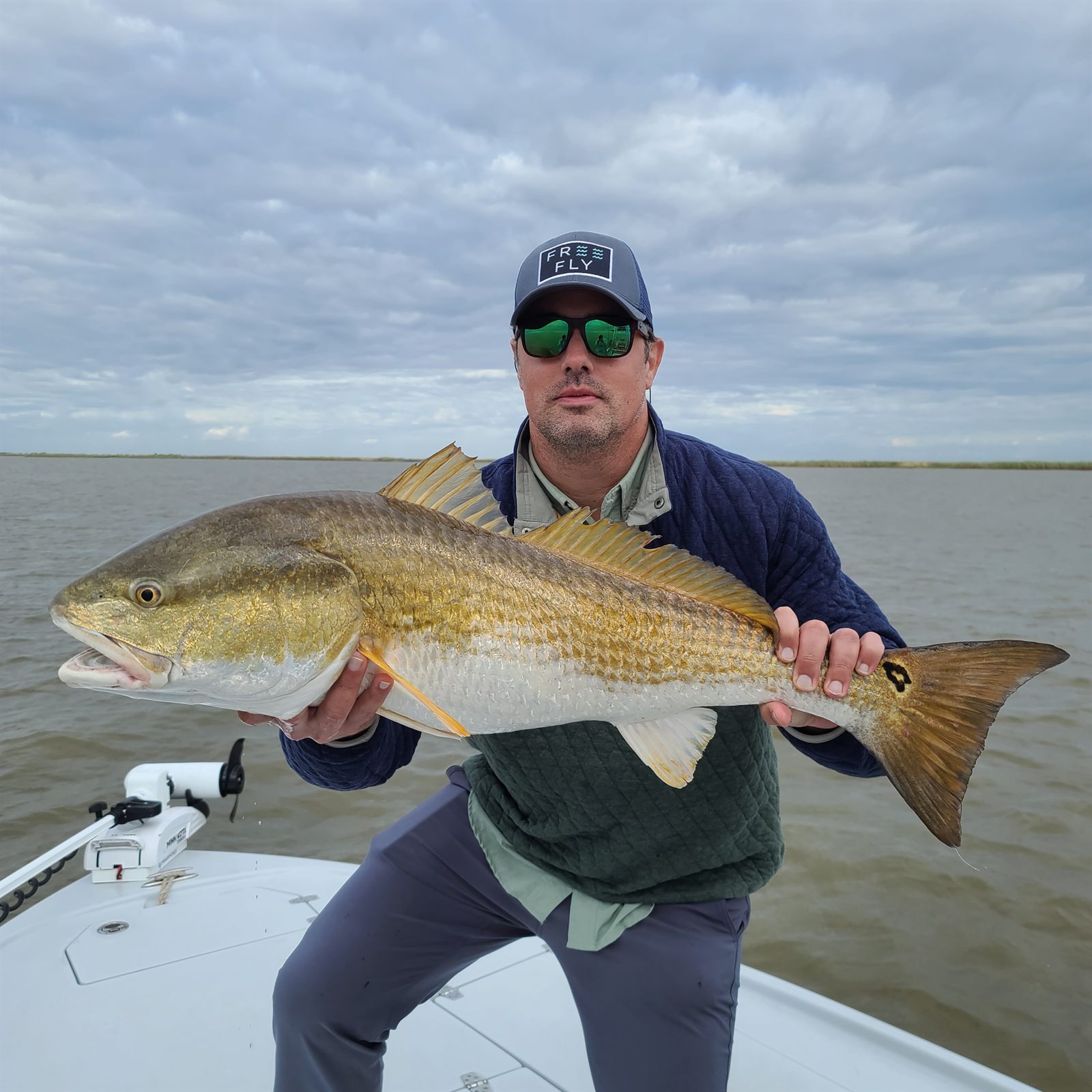
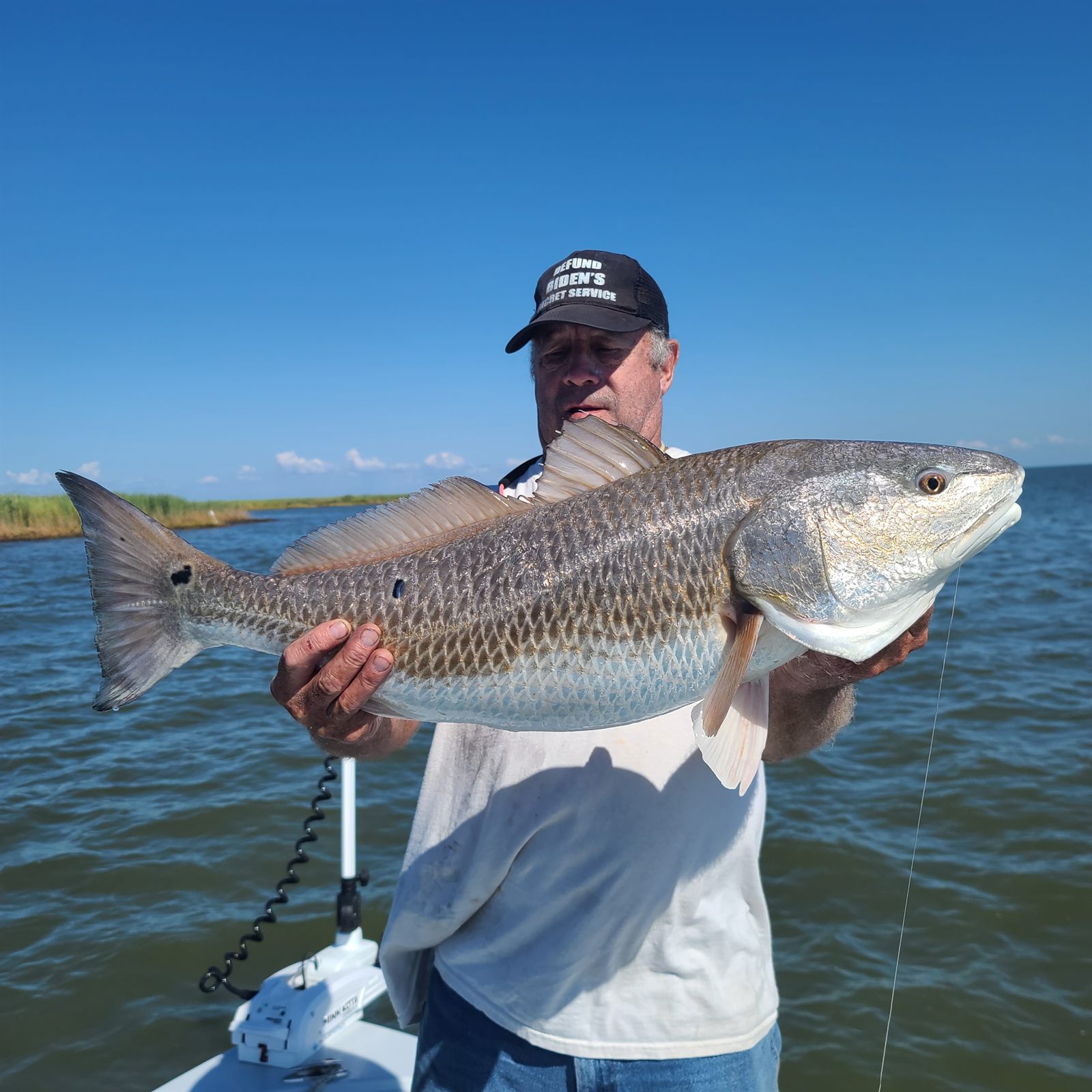
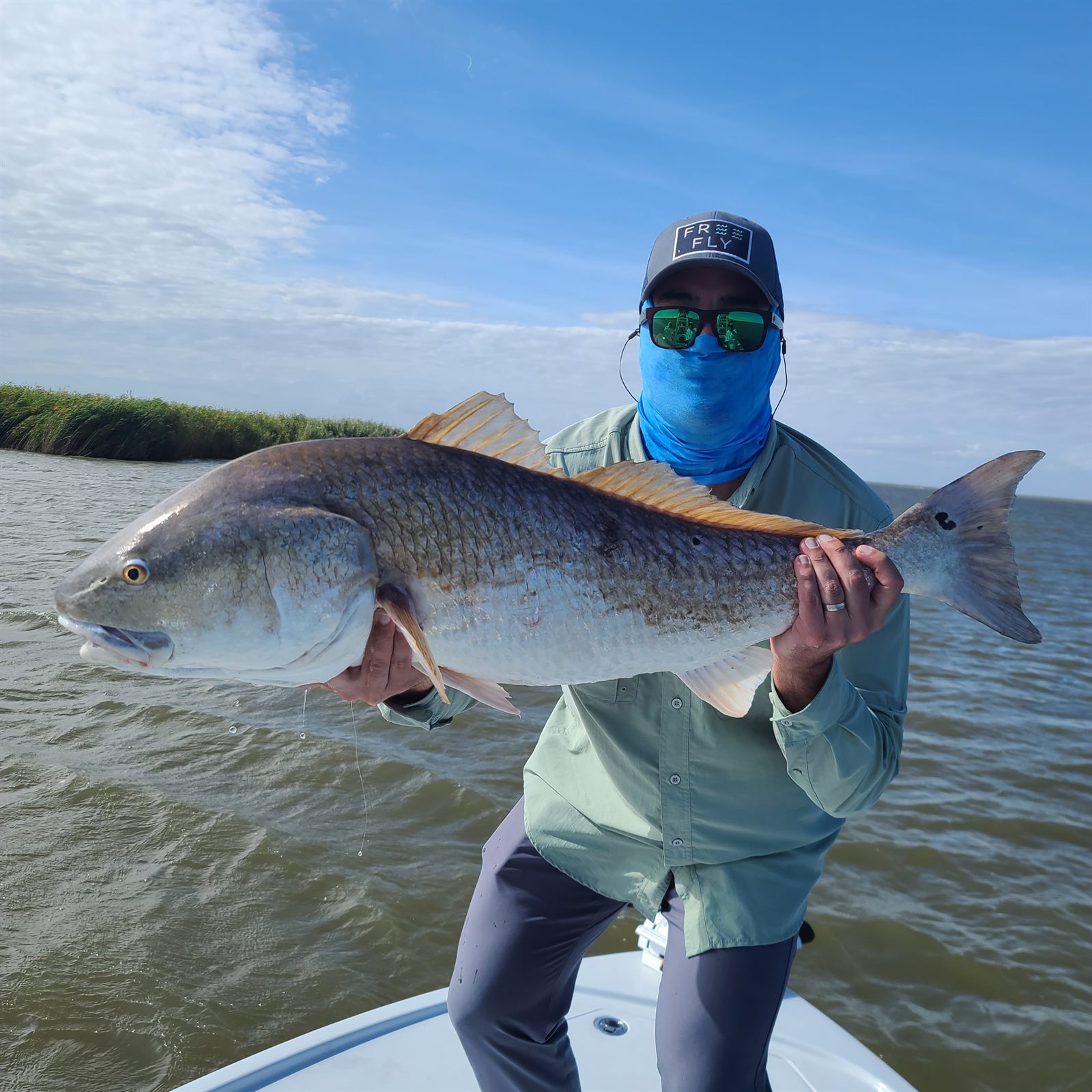
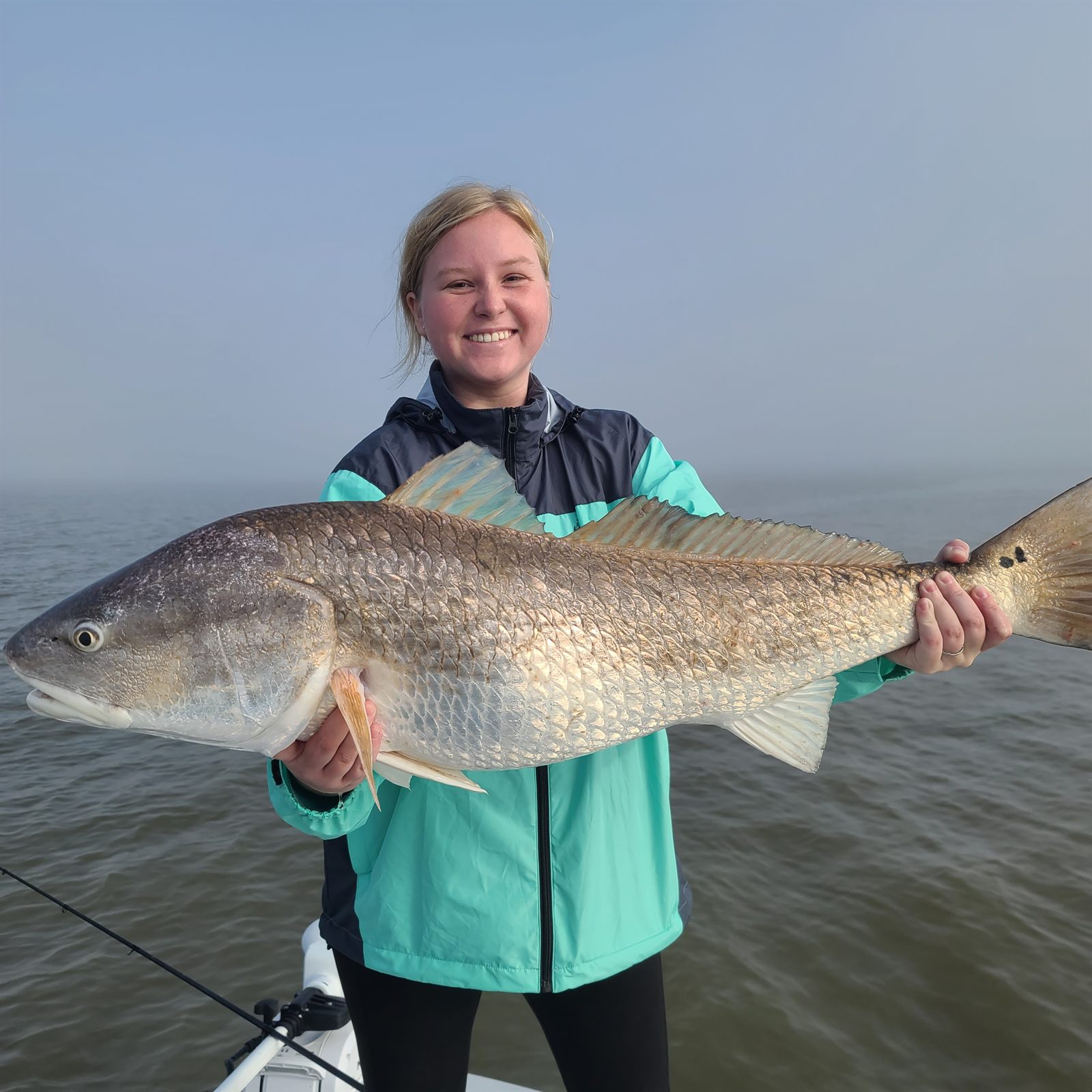
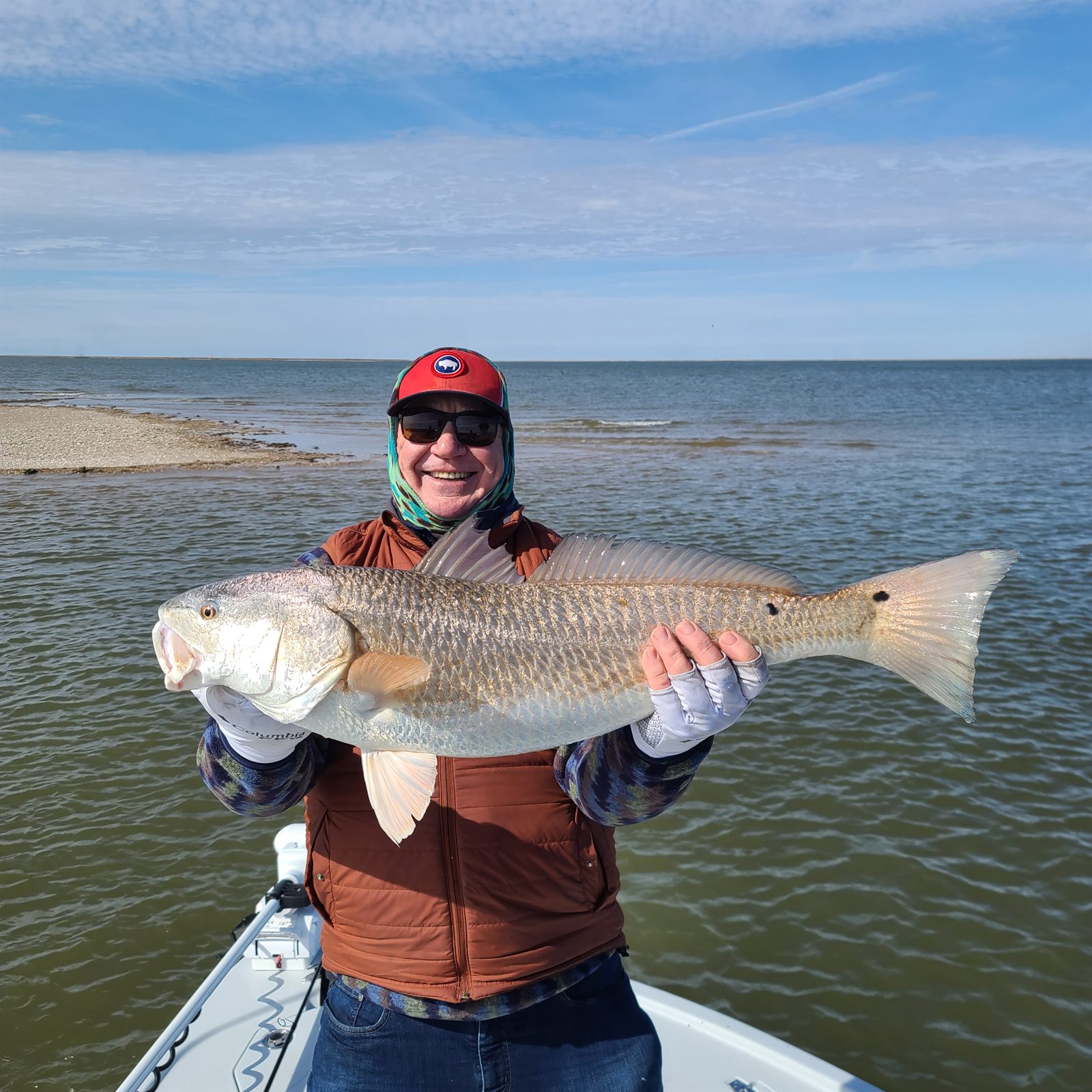
The dream of landing a giant bull red shouldn’t be overshadowed by the fear of spending your day leaning over the gunwale. Many anglers assume that a day on the water naturally comes with a side of nausea, but the truth is that avoiding seasickness on inshore charter trips is much easier than you think. With up to 20% of people experiencing motion sickness on boats according to the American Medical Association, it’s a common worry. Nobody wants to be the person who ruins an epic adventure for the rest of the group because they’re stuck feeling green. We understand that anxiety, especially when compared to the rougher conditions found in other areas like Venice.
You don’t have to sacrifice the thrill of the catch for a settled stomach. Inshore fishing in the protected marshes of Vermilion Bay and around Cypremort Point offers the perfect solution for those who want the action without the rolling swells of the deep sea. This guide will show you exactly why these shallow flats are your best bet for a comfortable experience. You’ll discover a practical checklist of pre-trip actions and clear advice on which medications actually work. We’ll give you the confidence to book your next trip with Captain Troy Nash and focus on the giant fish, not the waves.
Key Takeaways
- Understand the sensory conflict that causes motion sickness and how to stop your inner ear from rebelling against the boat’s movement.
- Discover why avoiding seasickness on inshore charter trips is much easier in the calm, shallow waters of Vermilion Bay than in the rolling swells of other areas.
- Learn the essential “Night Before” prep rules regarding hydration and Cajun cuisine to ensure your body is ready for an epic adventure.
- Master simple on-the-water tactics, such as horizon-tracking and boat positioning, to stay steady while you reel in speckled trout and bull reds.
- See how the local expertise of a veteran guide like Capt. Troy Nash keeps you in the most protected canals and bays for a smooth, successful ride.
Table of Contents
- Understanding Seasickness: Why Your Inner Ear Rebels
- Inshore vs. Offshore: Why Vermilion Bay is the Cure for Motion Sickness
- Pre-Trip Prep: How to Prime Your Body for an Epic Adventure
- On the Water Tactics: Staying Steady in the Louisiana Marsh
- Booking a Smooth Ride: Why Capt. Troy Nash is the Best Choice
Understanding Seasickness: Why Your Inner Ear Rebels
Your epic adventure in the Louisiana marsh shouldn’t be cut short by a queasy stomach. While the thrill of chasing giant bull reds is enough to get anyone’s heart racing, the physical reality of being on a boat can sometimes trigger a rebellion in your body. When you’re Understanding Seasickness, it’s vital to realize it isn’t just “all in your head” or a sign of weakness. It’s a physiological response to a disconnect between what you see and what you feel.
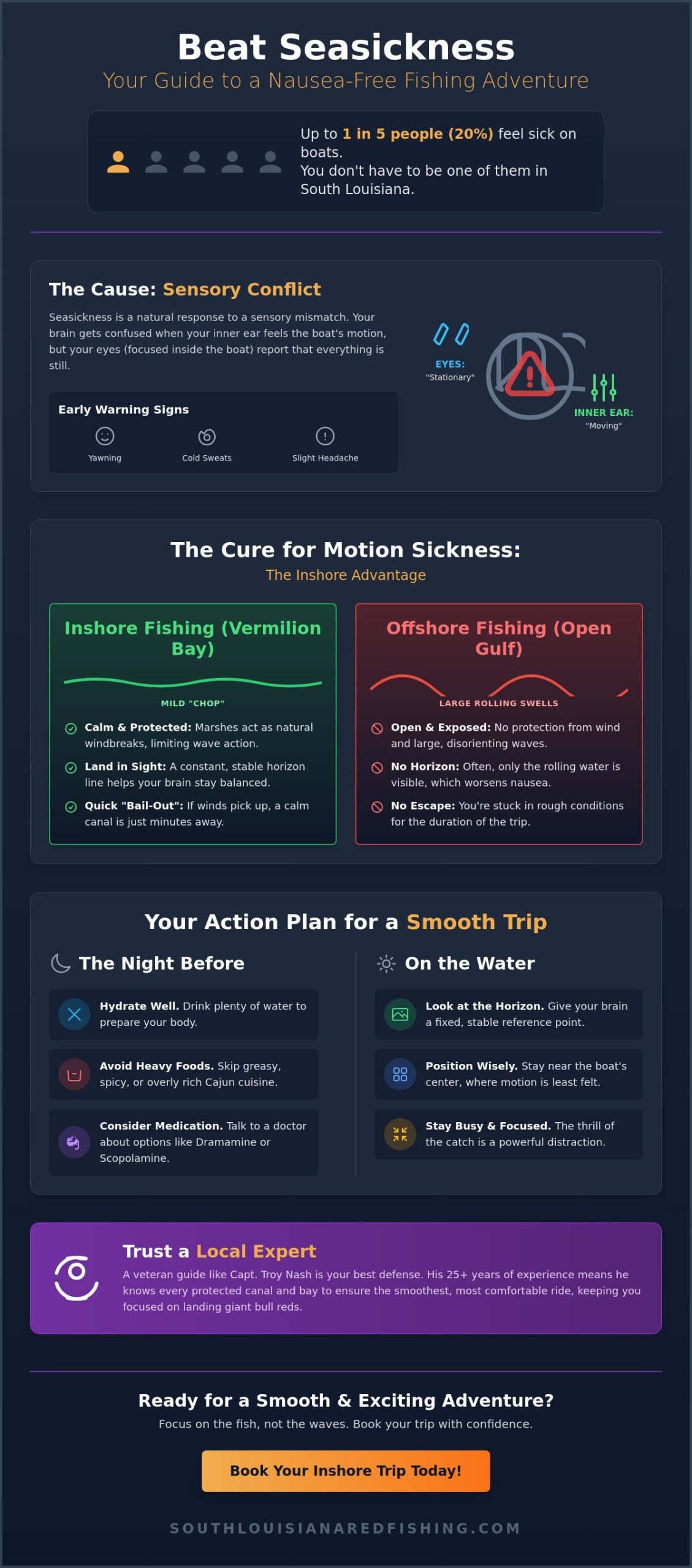
Sensory conflict is the primary cause of motion sickness, occurring when your brain receives contradictory data from your eyes and your inner ear. Imagine you’re standing on the deck of a boat in Vermilion Bay. Your inner ear feels the gentle sway of the water, but if you’re looking down at your tackle box or inside a cabin, your eyes tell your brain that everything is stationary. This confusion is what leads to that dreaded feeling. Avoiding seasickness on inshore charter trips starts with recognizing the very first signs. You might notice yourself yawning more than usual, developing a slight headache, or feeling a sudden cold sweat. These are the “yellow lights” your body flashes before the real trouble starts.
The Science of the Vestibular System
The real culprit lives deep inside your skull. Your vestibular system consists of tiny, fluid-filled canals in your inner ear that act like a biological level. As the boat moves, this fluid shifts, sending signals to your brain’s balance center about your orientation in space. Some people have more sensitive systems than others, which explains why your buddy might be fine while you’re feeling the “washing machine” effect. However, the shallow, protected waters of Cypremort Point and Cote Blanche Bay are much easier on the inner ear than the heavy swells found in other areas like Venice.
Psychological Factors: The Power of Suggestion
There’s a significant mental component to staying stable. If you spend the whole morning worrying about getting sick, you’re actually priming your brain to trigger that response. This is where the confidence of a veteran guide comes in. Captain Troy Nash has seen it all in over 25 years on the water, and his expert handling of the vessel ensures a smooth ride. He’s got you covered! The best way to beat the mental game is to stay busy. When you’re focused on the “thump” of a speckled trout hitting your line or looking out for the next oyster bed, your brain prioritizes the excitement of the catch over the minor movements of the boat. Experience the thrill, stay active, and let the Cajun sun and the promise of a limit of fish keep your mind on the adventure.
Inshore vs. Offshore: Why Vermilion Bay is the Cure for Motion Sickness
The open ocean can feel like a washing machine on a bad day. For many anglers, the thought of deep sea fishing brings up images of massive swells and hours spent staring at a bucket. If you’re worried about your stomach, avoiding seasickness on inshore charter trips is the ultimate game changer. Vermilion Bay and the surrounding Louisiana marsh offer a completely different experience. Instead of the deep-sea “heave” that causes your inner ear to rebel, these shallow waters remain remarkably stable. You get all the action of an epic adventure without the physical toll of the open Gulf.
Unlike other areas like Venice where you might spend hours running into open water, our trips keep land in sight. This visual connection to the shoreline provides a fixed point for your eyes, which is a key part of your Pre-Trip Prep and on-water strategy. If the wind does pick up, we have a “bail-out” factor that offshore boats simply can’t offer. We can reach calm, protected canals or leeward shorelines in just a few minutes. You’re never stuck in the rough stuff when you’re fishing the flats and bayous.
The Geography of Protection: Marshes and Bays
The endless banks and bayous of South Louisiana serve as a natural windbreak. Locations like Weeks Bay and East Cote Blanche Bay are shielded by land on multiple sides. This protection transforms potential swells into a minor “chop.” While a swell is a long, rolling wave that moves the entire boat up and down, a chop is just a surface ripple. Your stomach can handle a little chop, but it’s the rolling swells that usually cause trouble. Cypremort Point is the ideal launch for sensitive travelers because it puts you right in the heart of these protected zones immediately.
Nearshore vs. Deep Sea: A Stability Comparison
Nearshore fishing offers a perfect middle ground for those wanting a bit more variety. We can hit the closest oil rigs, oyster beds, and reefs without heading into the “blue water.” These areas are significantly more stable than the open ocean. Shorter travel times mean you spend less time in transit and more time catching some of the best Redfish fishing in the United States. While Venice is famous for its fishery, it often requires much longer runs through exposed water. Choosing an inshore or nearshore trip with Capt. Troy Nash ensures you stay in the calmest spots while still targeting giant bull reds and limits of trout. He’s got you covered!
Pre-Trip Prep: How to Prime Your Body for an Epic Adventure
Avoiding seasickness on inshore charter trips starts long before you pull into the parking lot at Cypremort Point. While we’ve discussed why the protected marshes are physically easier on your body, your internal chemistry plays a huge role too. Think of your body as a high-performance vessel; it needs the right fuel and maintenance to handle a day on the water. The “Night Before” Rule is simple but non-negotiable: prioritize hydration and sleep. If you’re dehydrated or exhausted, your brain struggles to resolve the minor sensory conflicts we mentioned earlier, making you much more vulnerable to feeling “off.”
South Louisiana is famous for its world-class cuisine, but you should navigate the menu carefully before your trip. Save the spicy crawfish boils, heavy seafood gumbo, and rich boudin for your post-fishing celebration in Lafayette. These heavy, acidic foods can sit in your stomach and cause reflux, which acts as a major trigger for nausea. According to the NOAA National Ocean Service’s guide to Understanding Seasickness, a settled stomach is one of your best defenses. Unlike the long, rough runs required in other areas like Venice, our trips are much smoother, but a belly full of spicy gumbo can make even a calm bay feel like a challenge.
The Angler’s Breakfast: What to Eat and Avoid
Don’t make the mistake of heading out on an empty stomach. A “neutral” stomach is your goal. Reach for dry toast, plain bagels, or saltine crackers to soak up excess stomach acid. Be wary of your morning caffeine routine. While a cup of coffee is fine for most, too much can act as a stimulant that increases your sensitivity to motion. Instead, embrace the power of ginger. Whether it’s ginger ale, snaps, or raw root, this plant is a scientifically backed remedy that settles the stomach naturally. It’s a trick South Louisiana Redfishing guides have relied on for years to keep guests in the game.
Medication and Patches: A Pro’s Perspective
If you know you’re prone to motion sickness, medication is a reliable tool when used correctly. The biggest error people make is taking a pill at the dock. You must respect the “2-hour window.” Most over-the-counter options need time to enter your bloodstream to be effective. For active anglers who want to stay sharp for the thump of a bull red, consider these three non-drowsy alternatives:
- Bonine (Meclizine): Often preferred over original Dramamine because it causes significantly less grogginess.
- Scopolamine Patches: A prescription-strength option that provides steady relief for up to 72 hours.
- Ginger Capsules: A completely natural, non-chemical way to suppress nausea without any side effects.
Always test your chosen medication at home before your charter date to ensure you don’t have an adverse reaction. Captain Troy Nash wants you focused on the thrill of the catch, not your stomach. A little pre-trip discipline ensures he’s got you covered!
On the Water Tactics: Staying Steady in the Louisiana Marsh
Once the engine cranks and your epic adventure begins, your focus should shift from preparation to active stability. Avoiding seasickness on inshore charter trips is often about making small, smart adjustments to how you move and where you look. Even in the relatively calm waters of Vermilion Bay, the boat’s motion is constant. Your first and most effective defense is to keep your eyes on a fixed point. Look at the distant shoreline of Marsh Island or the horizon line where the sky meets the marsh. This gives your brain the visual confirmation it needs to match the movement your inner ear is feeling.
Positioning yourself correctly on the vessel is equally important. Many people mistakenly think the back of the boat is the best spot, but the center of the boat is actually the pivot point where motion is minimized. Stay near the center console if you feel a bit shaky. Additionally, keep your head up. Avoid looking at your phone, reading, or trying to rig tackle while the boat is in motion. Looking down at a moving object while the boat is also moving is a fast track to sensory conflict. If you need a knot tied or a hook replaced, ask for help. He’s got you covered!
Communication is your best tool. Don’t wait until you’re already sick to say something. The moment you feel a cold sweat or a slight headache, tell your guide. We can adjust the boat’s speed, change our heading, or move to a more protected canal near Cypremort Point to give you a break. A quick adjustment can save your entire day on the water.
The Role of Your Captain in Comfort
Experience matters when it comes to a smooth ride. Captain Troy Nash is a 3rd generation guide with over 25 years of experience reading the “lay of the water.” He knows the smooth routes through the bayous and how to position the boat at a weir or oyster bed to minimize roll. Unlike guides in other areas like Venice who might just “tough it out” in open water, Capt. Troy prioritizes your comfort. He understands that a successful trip isn’t just about the fish; it’s about the quality of the experience. Book your smooth ride today with a veteran who knows how to keep you steady.
Immediate Remedies if Sickness Strikes
If you start to feel “off,” there are instant tricks to reset your system. Splash cold water on your face and the back of your neck. This provides a sensory shock that can often break the cycle of nausea. Stand up and face into the wind; the fresh air and the physical act of balancing your body can help significantly. Perhaps the most effective cure is the adrenaline rush of a “thump” on the line. Focusing on landing a giant bull red can actually distract your brain enough to cure mild nausea. There’s nothing like the thrill of the catch to make you forget about your stomach!
Booking a Smooth Ride: Why Capt. Troy Nash is the Best Choice
Your epic adventure begins the moment you step onto a pro-grade vessel specifically chosen for the shallow waters of the marsh. While we have covered the science and the physical prep, the final step in ensuring a comfortable day is choosing a guide who understands the water. At South Louisiana Redfishing, we don’t just head for the fish; we navigate based on the wind and tide to find the most stable routes. Avoiding seasickness on inshore charter trips is a primary focus for us, and our localized knowledge of Weeks Bay and Cote Blanche Bay allows us to find the calmest spots even when the breeze picks up.
Choosing Cypremort Point as your launch site puts you in the heart of a premier, family-friendly fishing destination. Unlike the high-stress environment of other areas like Venice, our trips are designed for relaxation and success. We provide all the high-end gear and expertise needed to land giant bull reds, so you can focus on the thrill of the strike rather than the logistics of the boat. Whether you are a seasoned pro or taking the kids out for their first trip, he’s got you covered!
Cajun Hospitality and Expert Guidance
There is a unique reassurance that comes with booking a 3rd generation, veteran guide. Captain Troy Nash brings over 25 years of full-time experience to every launch, prioritizing guest comfort above all else. This isn’t just about hitting a limit of speckled trout or redfish; it’s about the legendary Louisiana marsh experience. Our welcoming tone and expert boat handling make even the most nervous travelers feel at home. We believe a successful trip is measured by the smiles on deck and the memories made in the bayous.
Plan Your Trip Today
The fun doesn’t have to end when we return to the dock at Cypremort Point State Park. The surrounding area is rich with culture and incredible tourism activities. For a complete vacation plan, check out our guide on Lafayette things to do to find the best local spots. If you want to learn more about the variety of species and seasons we offer, browse our Louisiana fishing trips pillar for more info. Don’t let anxiety keep you on land when the bull reds are biting. Book your epic inshore adventure with Capt. Troy Nash today!
Step Aboard for Your Best Day on the Water
Don’t let the fear of a rolling stomach keep you away from the world class redfish action in Vermilion Bay. By choosing the protected flats of the Louisiana marsh over the heavy swells of other areas, you’ve already won half the battle. Mastering the art of avoiding seasickness on inshore charter trips is simply a matter of proper prep and trusting a seasoned guide to find the calmest routes through the bayous. You now have the tools to prepare your body, settle your mind, and focus on the thump of a giant bull red hitting your line.
Captain Troy Nash brings the confidence of a 3rd generation veteran guide with over 25 years of local experience to every trip. With over 100 5-star reviews from families and professional anglers alike, he knows exactly how to keep you comfortable while putting you on the fish. Everything you need for a successful day is ready and waiting at the dock. He’s got you covered! Your epic adventure is just a click away.
Experience the thrill of a comfortable inshore charter—Book Now!
The marsh is calling, and we can’t wait to help you land your next limit with a steady hand and a settled stomach.
Frequently Asked Questions
Is inshore fishing better for people who get seasick?
Yes, inshore fishing is significantly better for sensitive travelers because these waters are shallower and protected by land. This geography prevents the large, rolling swells found in deeper water that usually cause motion sickness. Avoiding seasickness on inshore charter trips is much easier in the calm flats and bayous of South Marsh Island. It’s a great way for you to experience the thrill of the catch without the physical toll of the open ocean.
Can I take Dramamine right before getting on the boat?
You shouldn’t wait until you’re at the dock, as most medications take at least one to two hours to fully enter your bloodstream. Timing is the most critical factor for a successful day. For the best results, take your chosen remedy before leaving your hotel in Lafayette. This ensures the medicine is active by the time we hit the water at Cypremort Point, keeping you steady for the whole trip.
What is the best thing to eat before a fishing charter?
A light, neutral meal like toast, a bagel, or plain crackers is the best choice for a settled stomach. These foods provide a buffer for stomach acid without being heavy or difficult to digest. Avoid greasy Cajun breakfasts or highly acidic juices, which can trigger nausea once the boat starts moving. Keeping your stomach neutral allows you to focus on the epic adventure of landing giant bull reds.
Will the captain turn back if I get sick?
Captain Troy Nash prioritizes guest comfort and will always work with you to find the best solution for your group. Because we fish inshore, we can usually reach calm, protected water in just a few minutes without ending the trip. We can tuck into a quiet canal or bayou to let your stomach settle. If you’re truly miserable, he’ll get you back to the dock safely. He’s got you covered!
Do wristbands for seasickness actually work?
Many anglers find relief using acupressure wristbands, though their effectiveness varies from person to person. These bands work by applying pressure to specific points on the wrist which is believed to suppress nausea. While they aren’t a guaranteed cure for everyone, they are a safe, drug free option to try. Combining them with the calm waters of Vermilion Bay often provides enough stability for a great day on the water.
Is Vermilion Bay calmer than the open Gulf of Mexico?
Yes, Vermilion Bay is much calmer because it is shielded by the surrounding marshland and Marsh Island. This natural protection prevents the massive “heave” of the open Gulf from reaching our fishing grounds. While you might encounter a minor surface chop on windy days, you won’t face the six foot swells common in other areas like Venice. This makes our local waters the premier spot for a smooth, comfortable ride.
How long do inshore fishing trips usually last?
A standard inshore fishing charter with Captain Troy Nash lasts approximately 8 hours for a full day of action. This timeframe gives us plenty of room to explore the endless banks and bayous for redfish and speckled trout. Because we launch from Cypremort Point, we reach the best spots quickly. You spend less time traveling and more time experiencing the thrill of the hunt in the legendary Louisiana marsh.
Can kids take motion sickness medication for a charter?
Many over the counter medications are safe for children, but you must consult with your pediatrician before the trip. Dosages for kids are different than for adults, and some formulas are specifically designed for younger travelers. Ensuring your little ones feel steady is key to a successful family trip. Once they’re comfortable, they can focus on catching their first bull red and enjoying the epic adventure on the water.