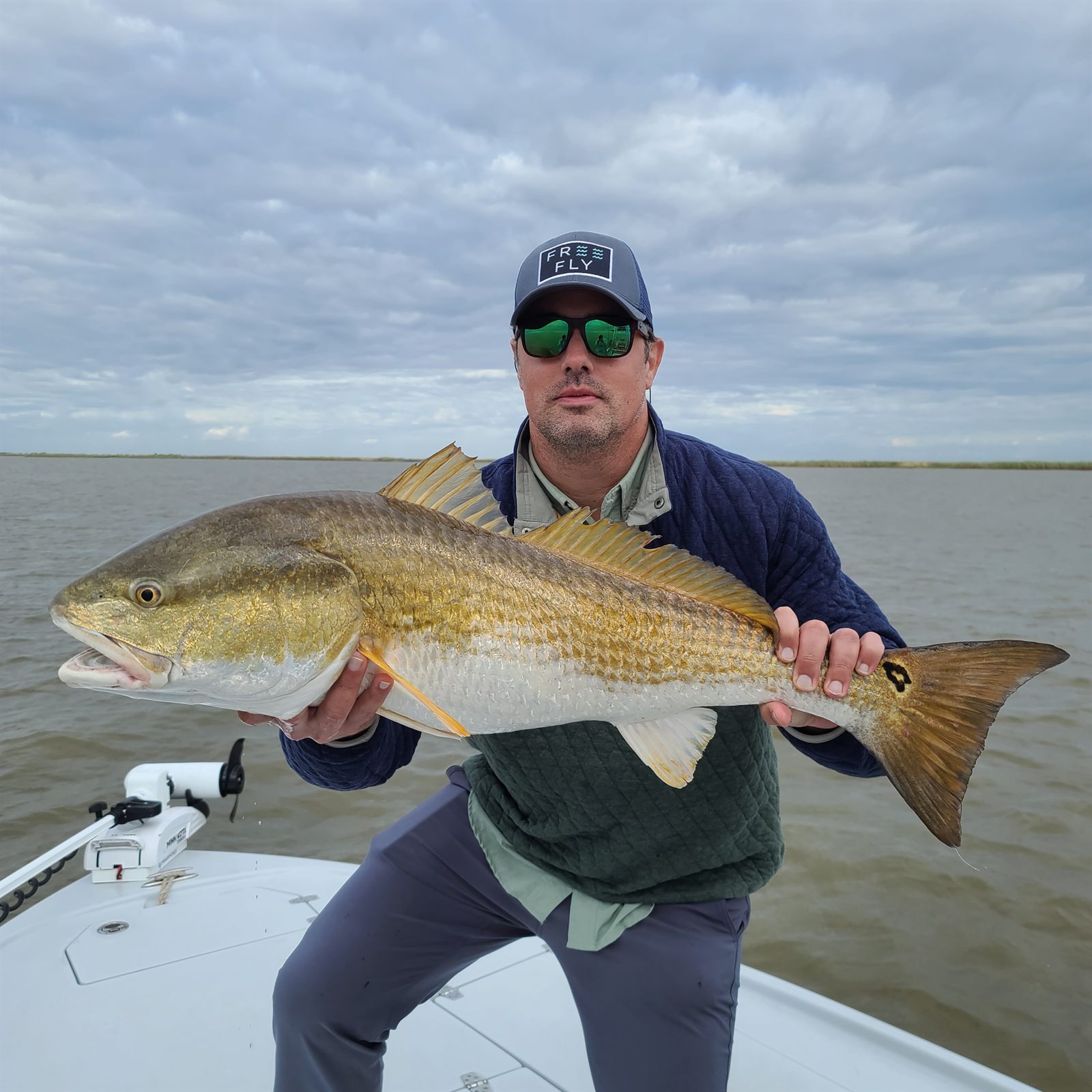
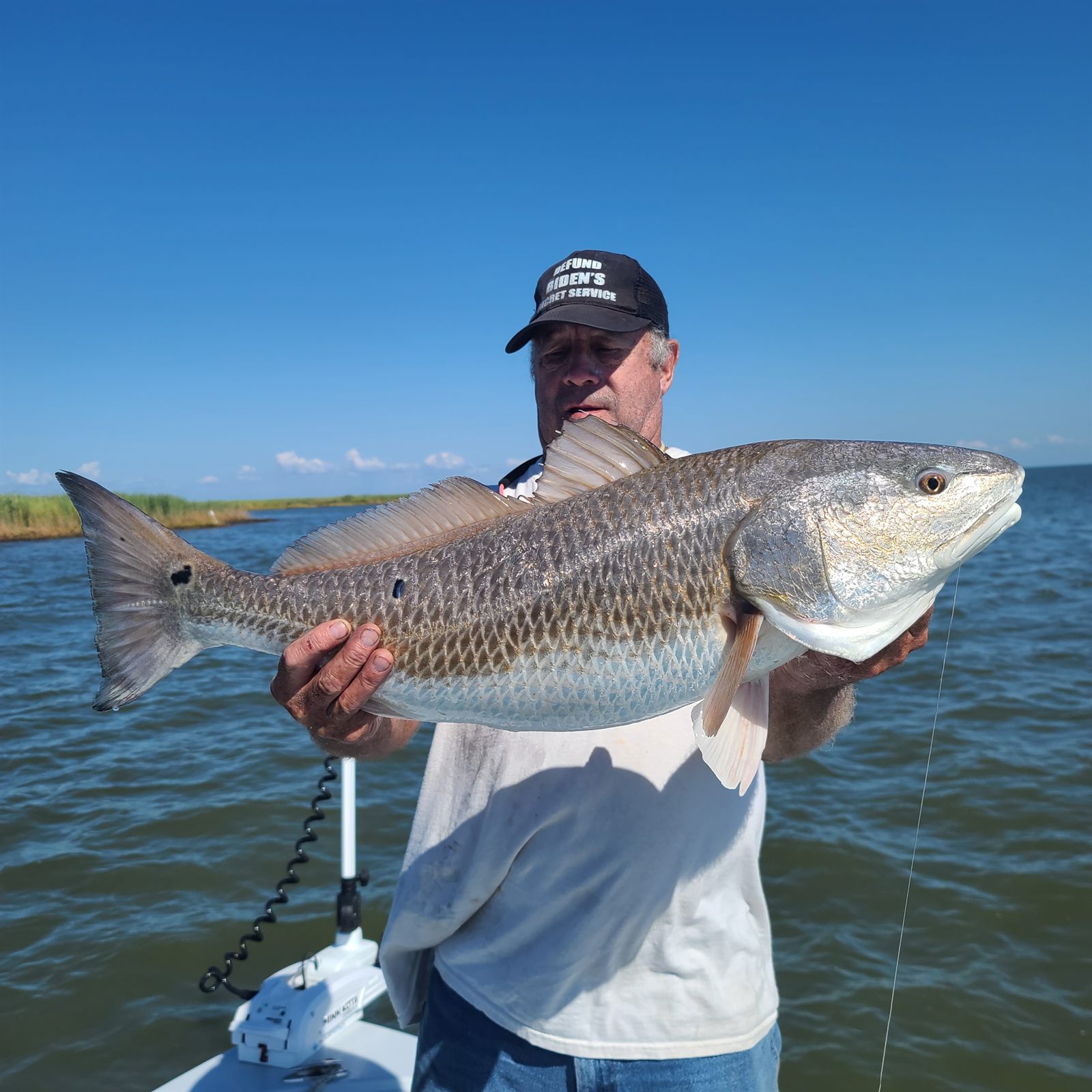
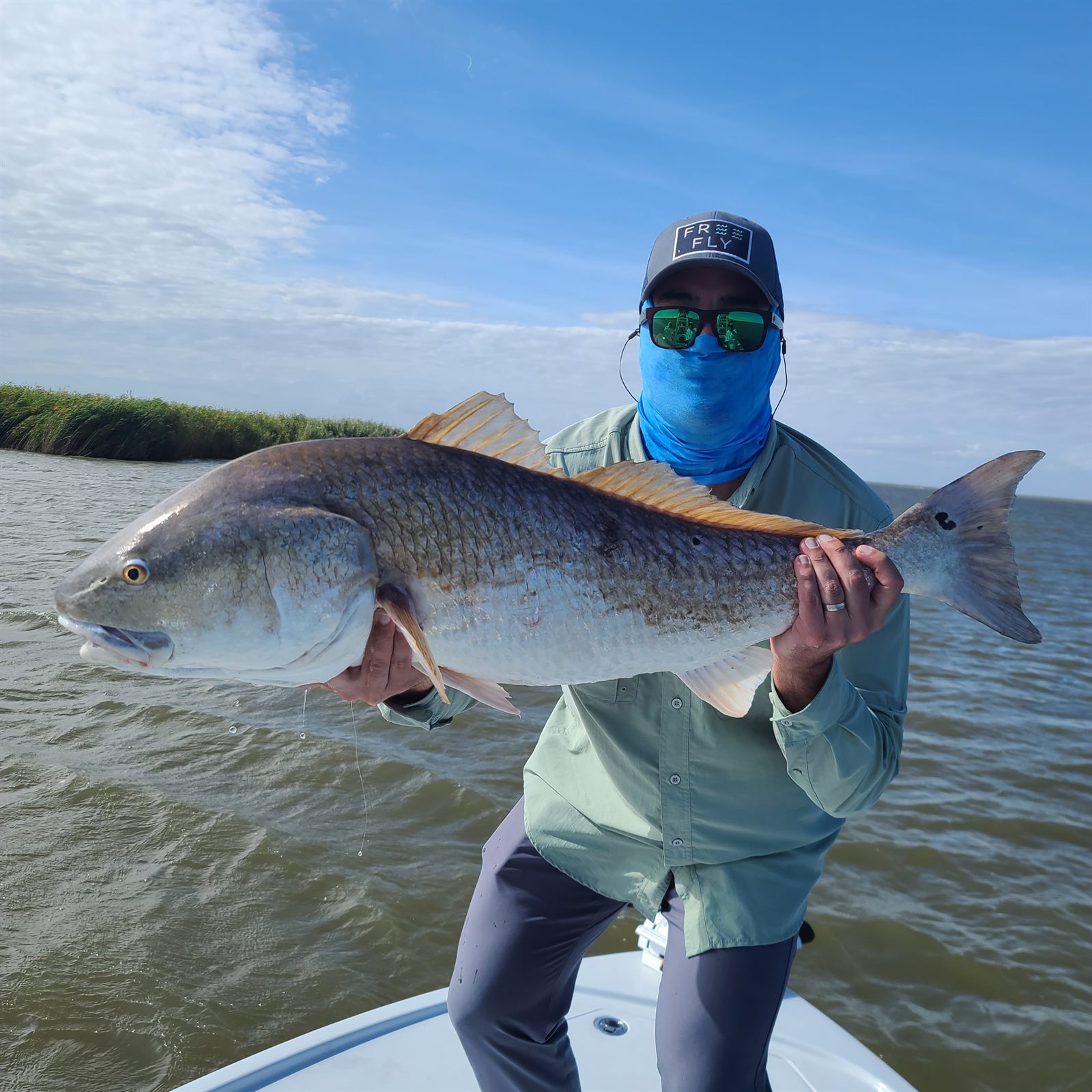
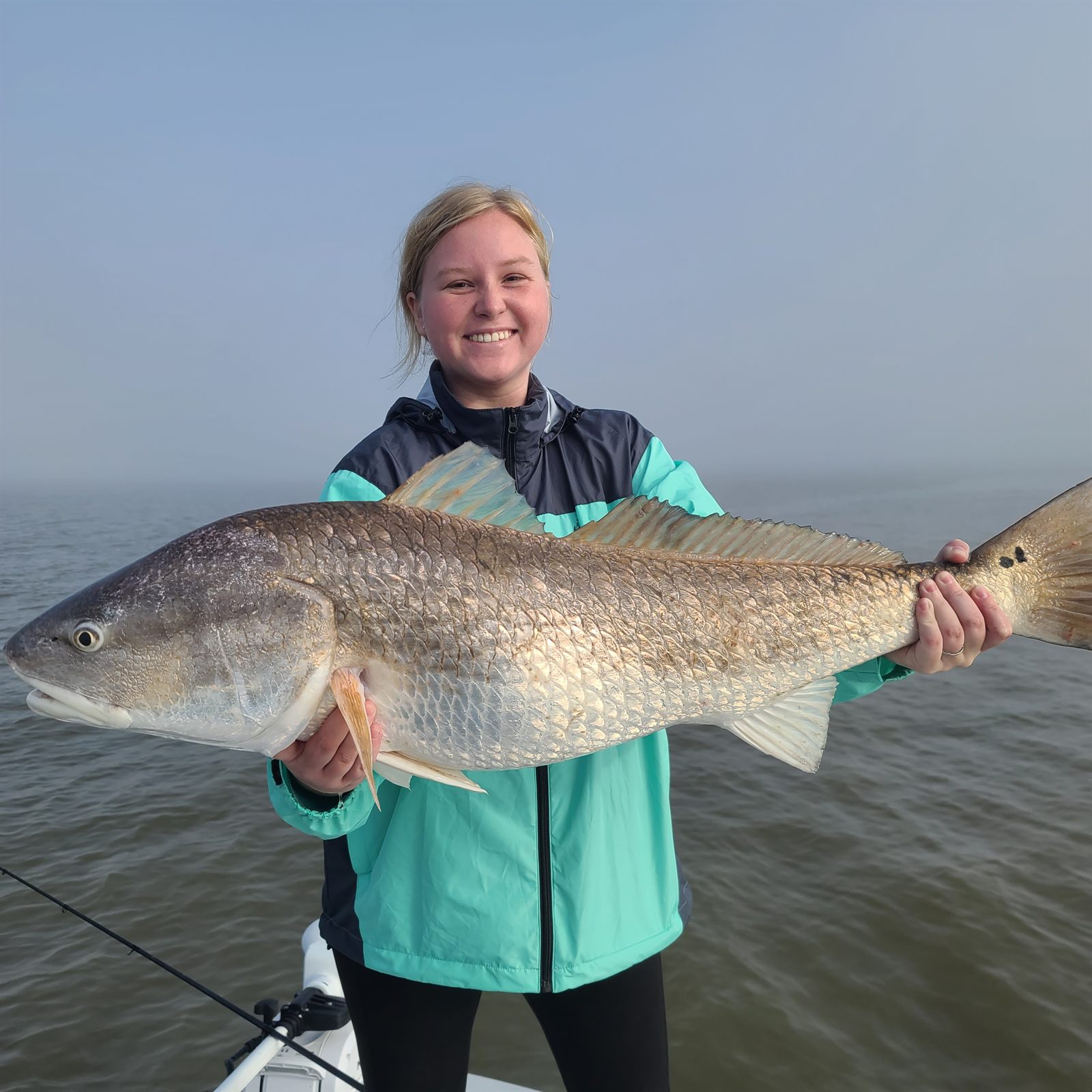
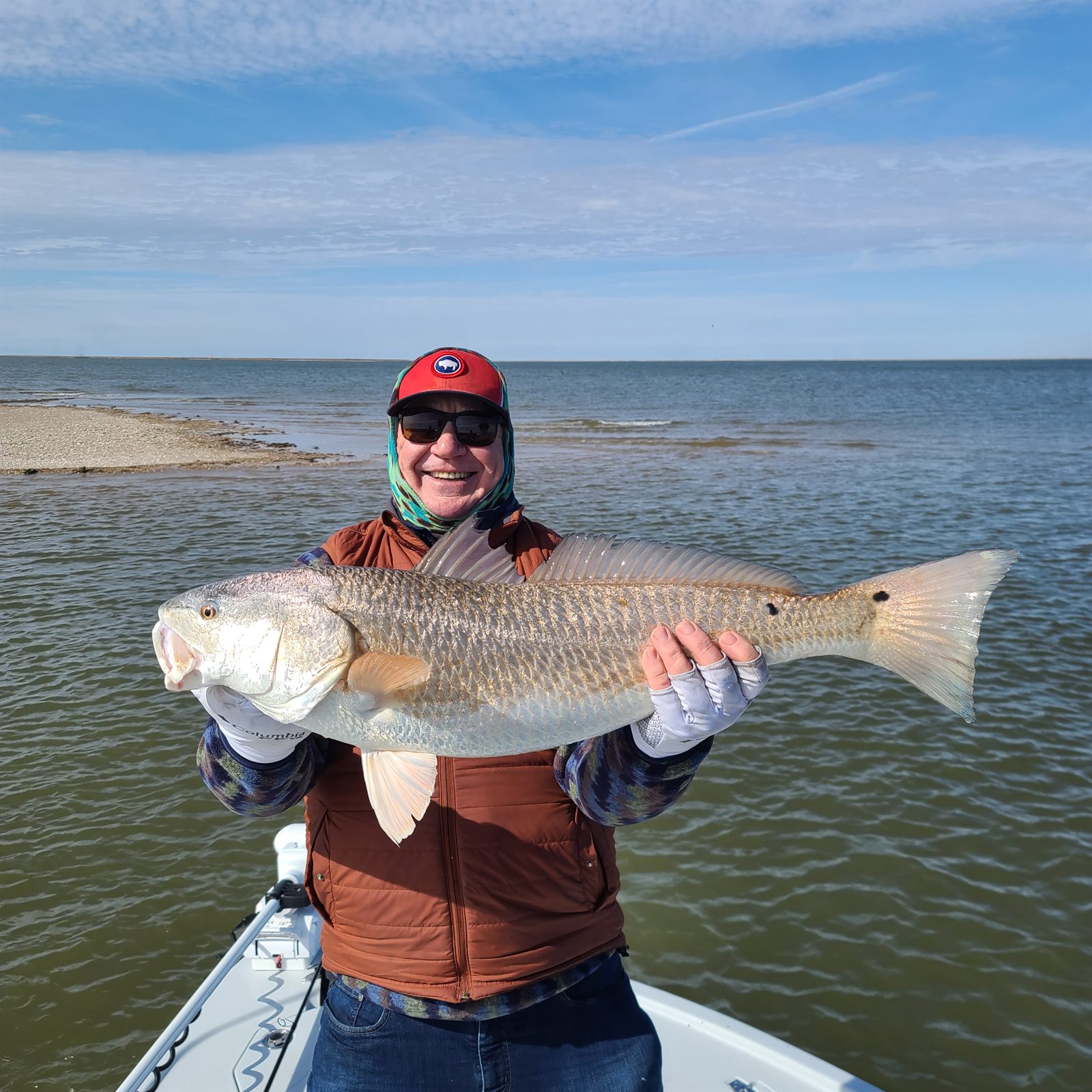
You don’t need a massive offshore vessel or a mountain of expensive gear to land a trophy Redfish. Many beginners think they have to brave the rough, deep sea to find success, but the truth is that the sheltered marshes of South Louisiana offer some of the most productive waters on the planet. If you’ve been hesitant about learning to fish in saltwater because you’re worried about seasickness or getting lost in the vast wetlands, you aren’t alone. It’s completely normal to feel overwhelmed by the technical side of tides and tackle when you’re just starting out.
This guide is designed to strip away the stress and show you exactly how to master the fundamentals in the target-rich waters of Vermilion Bay. We’ve spent decades navigating these local weirs and shorelines, and we’re here to share that multi-generational expertise with you. You’ll learn how to navigate the 2026 regulations, like the four-fish bag limit for Redfish, and understand how tide movements affect the bite at Cypremort Point. We will walk through everything from choosing the right bait for Weeks Bay to finding the perfect oyster beds near Marsh Island. By the time we’re done, you’ll be ready to catch your first Speckled Trout and enjoy a world-class day on the water.
Key Takeaways
- Discover why the calm marshes of Vermilion Bay serve as the premier world-class classroom for new anglers.
- Simplify your setup by learning to fish in saltwater with versatile spinning tackle rather than heavy, specialized deep-sea equipment.
- Save time and avoid seasickness by choosing the quick access and sheltered waters of Cypremort Point over long offshore hauls.
- Identify high-percentage spots like oyster reefs and marsh drains by understanding how shallow water temperatures drive fish movement.
- Eliminate months of trial and error by leveraging the multi-generational heritage and local knowledge of a professional guide.
Table of Contents
Mastering the Basics of Inshore Saltwater Fishing
Inshore fishing isn’t about battling giant waves or traveling hours away from the safety of land. It’s about targeting hard-fighting species in the shallow marshes, expansive bays, and grassy flats that define the South Louisiana coastline. For anyone interested in recreational fishing in this region, Vermilion Bay serves as the ultimate “nursery” for developing your skills. Unlike the long, expensive runs required for deep-sea trips in places like Venice, world-class action here happens just minutes from the launch at Cypremort Point State Park.
Learning to fish in saltwater is much more approachable when you’re surrounded by the nutrient-rich waters of West Cote Blanche Bay and the natural protection of Marsh Island. This massive ecosystem is teeming with life, providing a low-pressure environment where you can focus on your casting and hook sets rather than worrying about the logistics of the open ocean. You don’t need a massive boat or a professional-grade electronics suite to find success; you just need to understand the rhythm of the marsh.
Why Start in the Marsh Instead of the Ocean?
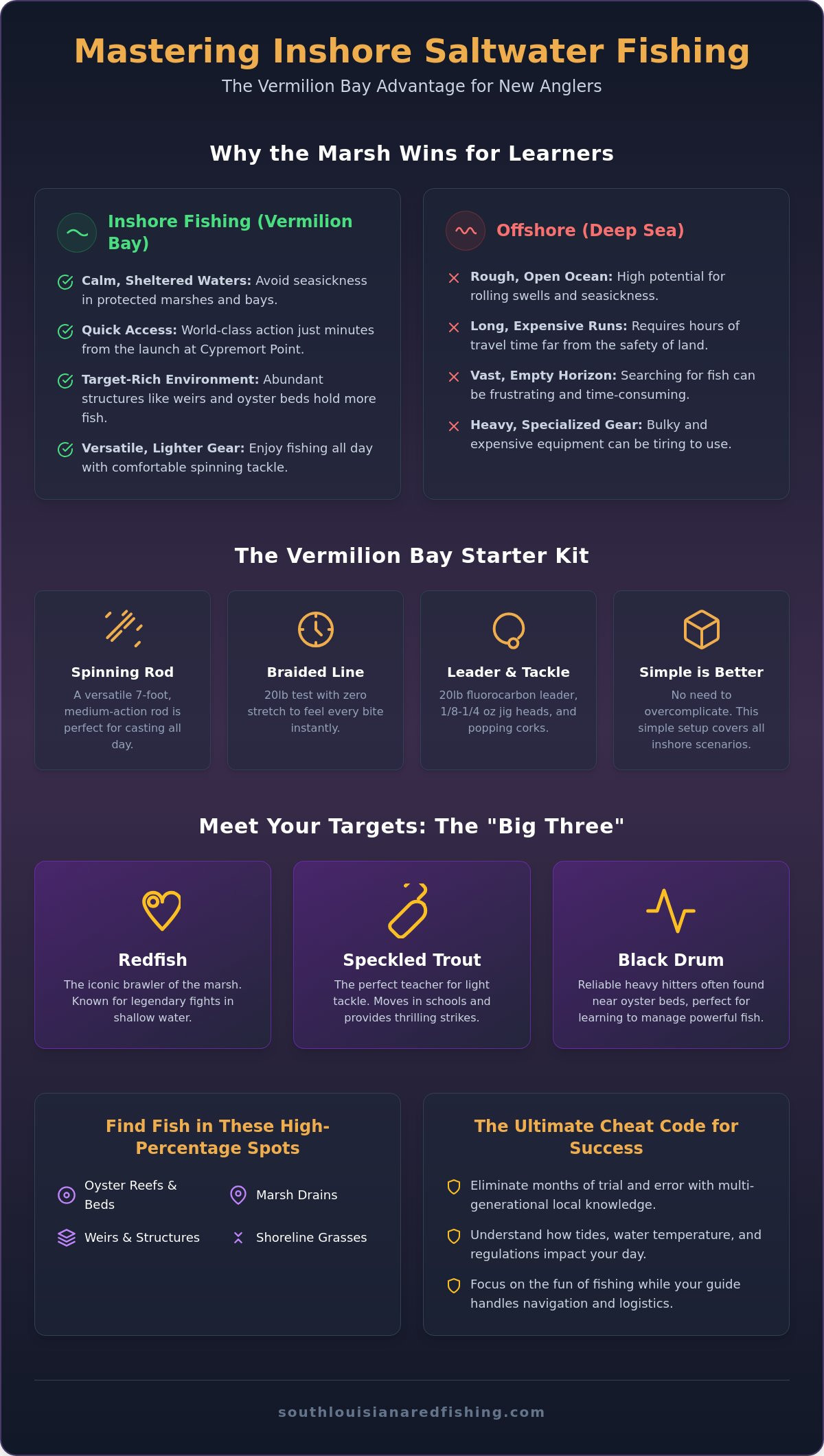
The most significant advantage for beginners is the water itself. The marshes and bays are naturally sheltered, which means you’ll enjoy calm, glass-like surfaces instead of the rolling swells that cause seasickness. You can leave the motion sickness pills at home. Additionally, the abundance of structure makes the “hunt” much simpler. Weirs, canal banks, and shoreline grasses provide obvious places where fish congregate. These high-density areas lead to more frequent bites, keeping the energy high and the frustration low for new anglers. You’ll spend your time catching fish, not searching for them in a vast, empty blue horizon.
The “Big Three” Species for Beginners
When you’re learning to fish in saltwater in South Louisiana, three specific species dominate the conversation. These fish are plentiful, aggressive, and incredibly fun to catch.
- Redfish: These are the iconic brawlers of the marsh. They love shallow water and put up a legendary fight that every angler should experience at least once.
- Speckled Trout: These are the perfect teachers for light-tackle techniques. They move in schools and provide a thrill when they hit a topwater lure or a jig.
- Black Drum: Often found near the oyster beds of East Cote Blanche Bay, these heavy hitters are reliable and provide a great introduction to managing a powerful fish on the line.
After a successful morning on the water, the adventure doesn’t stop at the dock. The proximity to Lafayette means you’re just a short drive away from some of the best Cajun food in the world. It’s a stress-free experience that combines world-class sport with the unique culture of Acadiana, making Vermilion Bay the premier choice for your first saltwater adventure.
The Essential Gear for Your First Saltwater Trip
Don’t let the glossy magazines fool you. You don’t need a heavy deep-sea broomstick or a reel that costs as much as a mortgage payment to start learning to fish in saltwater. In the marshes around Cypremort Point, we prioritize versatility and sensitivity. A 7-foot medium-action spinning rod is your best friend here. It’s light enough to cast all day without fatigue but has the backbone to turn a Bull Redfish away from the marsh grass. This setup is far more comfortable than the heavy-duty tackle used for offshore trips, where the gear alone can weigh you down before the first fish even bites.
Spool your reel with 20lb braided line. This is the industry standard for inshore fishing because it has zero stretch. When a Speckled Trout taps your lure in the stained waters of West Cote Blanche Bay, you’ll feel it instantly through the braid. Finish your rig with a 2-foot fluorocarbon leader. This clear line is nearly invisible to fish and provides the abrasion resistance needed when a Black Drum tries to rub you off on an oyster bed. It’s a simple, effective system that works across the entire region, from the weirs of Marsh Island to the shorelines of East Cote Blanche Bay.
Your tackle box doesn’t need to be overflowing. Focus on these essentials to keep your day stress-free:
- Popping Corks: These create noise and hold your bait at the perfect depth.
- Jig Heads: Stick with 1/8 oz to 1/4 oz weights for our shallow marsh water.
- Fluorocarbon Leader: Use 20lb test to stay stealthy and strong.
The Vermilion Bay Starter Kit
If you want the fastest route to a bent rod, use a popping cork. This simple tool suspends your bait at a specific depth and creates a splashing sound that mimics feeding fish, calling them in from the surrounding marsh. It’s the ultimate “cheat code” for beginners. Pair it with a 1/8 oz or 1/4 oz jig head. These lighter weights are perfect for the shallow flats of Weeks Bay, allowing your bait to flutter naturally without getting snagged in the mud. Using 20lb braided line is the industry standard for inshore because it offers the perfect balance of strength and casting distance.
Bait Selection: Live vs. Artificial
When you’re learning to fish in saltwater, bait selection is your most critical decision. Live shrimp are the undisputed gold standard in the marsh. Hook them through the “horn” on their head to keep them kicking and irresistible to predators. If you prefer the challenge of artificials, soft plastic paddle tails in white or chartreuse are legendary in Vermilion Bay. They mimic the small baitfish that Redfish hunt along the canal banks. For species like Black Drum, don’t be afraid to use “dead” shrimp on the bottom. Their keen sense of smell will lead them right to your hook. If you want to see these tools in action with a pro, consider booking one of our Guided Fishing Trips to flatten the learning curve.
Inshore vs. Offshore: Why the Marsh Wins for Learners
Many beginners assume that saltwater fishing requires a massive boat and a journey into the deep, blue horizon. That’s a common misconception that can make the sport feel intimidating and expensive. While offshore trips in other areas like Venice often involve a two-hour, bone-jarring ride just to reach the fishing grounds, the world-class marshes of Vermilion Bay are right at your fingertips. From the moment you leave the dock at Cypremort Point, you’re often just fifteen minutes away from your first cast. This proximity changes the entire dynamic of the day, turning a grueling expedition into a high-energy adventure.
Learning to fish in saltwater shouldn’t feel like a test of endurance. Inshore fishing offers incredible flexibility that deep-sea trips simply can’t match. Most offshore charters are all-day commitments with high fuel costs and strict seasonal windows. If you want to target Red Snapper or Grouper, you’re limited to very specific dates. In contrast, the “Big Three” of the marsh are available year-round. You can consult Louisiana’s official fishing regulations to see the generous limits and seasons for inshore species. This makes inshore trips far more cost-effective for families and beginners who want a successful day without the massive price tag of a Gulf run.
Comfort and Accessibility Factors
Safety and comfort are paramount when you’re just starting out. For many new anglers, the “land-in-sight” factor provides a huge sense of security. In the sheltered waters of Weeks Bay or East Cote Blanche Bay, you’re never far from the shoreline. This protection also means we can fish in conditions that would cancel an offshore trip. If the wind kicks up, we simply tuck into a canal or behind a marsh weir to find calm water. When the trip is over, you’re perfectly positioned to enjoy the amenities of Cypremort Point State Park or head back for a world-class Cajun dinner in Lafayette.
The Learning Curve
The actual mechanics of fishing are much easier to master in the marsh. Offshore “bottom fishing” often involves dropping a heavy weight and waiting for a tug, which doesn’t teach you much about fish behavior. Inshore fishing is active and engaging. You’ll learn to cast toward grass lines, work a popping cork, and feel the distinct “thump” of a Speckled Trout. Sight-fishing in the shallow flats of Cote Blanche Bay is an electric experience where you actually see the fish before you hook it. While deep sea trolling relies almost entirely on the boat’s movement to hook a fish, marsh fishing requires the angler to develop the technical skill of the presentation and the timing of the hook set.
Reading the Water: How to Find Fish in South Louisiana
Mastering the environment is the biggest hurdle when learning to fish in saltwater. In South Louisiana, we often refer to the shallow marsh as the “Cajun Microwave” because the sun heats that thin layer of water with incredible intensity. During the peak of summer, fish will retreat from the scorching flats into deeper holes or shaded canal banks to find cooler, oxygen-rich water. Conversely, on a chilly winter morning, those same flats act as a solar heater, attracting Redfish looking to warm up. Understanding this thermal dance is your first step toward becoming a consistent angler in Vermilion Bay.
Tide movement is the heartbeat of the marsh. We have a simple rule here: no movement, no fish. A moving tide acts like a dinner bell, pushing baitfish and shrimp through narrow openings and across points. When you’re out near Burns Point or navigating the weirs of Marsh Island, look for “nervous water” or ripples that indicate a strong current. This is where the predators wait to strike. If the water is stagnant, the bite will likely be slow, but once that tide starts to pull, the action can turn on in an instant.
The Importance of Moving Water
Positioning your boat is critical during tide changes. On an incoming tide, fish move with the water into the marsh to feed in the newly flooded grasses. On an outgoing tide, they congregate at the mouths of marsh drains. These drains act like a conveyor belt, delivering a steady stream of shrimp and minnows directly to the waiting Redfish and Speckled Trout. The weirs of Marsh Island are legendary for this effect. These man-made structures concentrate the flow, creating high-energy feeding zones that are perfect for beginners to target.
Identifying Marsh Structure
Success when learning to fish in saltwater often comes down to finding the right structure. In Cote Blanche Bay, oyster beds are the premier hotspots. These hard-bottom reefs provide cover for bait and are a favorite haunt for Speckled Trout. You can often spot them on a low tide or feel your jig head “tink” against the shells. Don’t overlook the shoreline pockets along the marsh edge, where Redfish wait in ambush. For those wanting a taste of something different, the nearshore oil rig pylons just outside the bay offer a beginner-friendly bridge to deeper water without the commitment of an offshore haul. These structures are magnets for Sheepshead and Spadefish, providing non-stop action.
Keep your eyes peeled for “signs of life” across the horizon. Diving gulls are a dead giveaway that trout are pushing bait to the surface. You might also see the bronze flash of a “tailing” Redfish in the shallows or the sudden explosion of a frightened shrimp. If you want to skip the guesswork and start catching immediately, book one of our Guided Fishing Trips and let a pro show you these hidden honey holes in person.
Booking a Pro: The Ultimate Cheat Code for Success
Learning to fish in saltwater shouldn’t be a frustrating game of trial and error. While you could spend months trying to figure out which weirs at Marsh Island hold fish during a falling tide, booking a professional guide is the ultimate shortcut to success. Think of a trip with Capt. Troy D. Nash as a high-intensity classroom on the water. You aren’t just paying for a boat ride; you’re investing in three generations of local knowledge that can’t be found in a YouTube video or a generic blog post. This heritage allows us to navigate the shifting sandbars and hidden oyster beds of Vermilion Bay with a level of confidence that only decades of professional tenure can provide.
A seasoned guide understands the subtle nuances that make or break a trip. Whether it’s knowing exactly which shoreline pocket in West Cote Blanche Bay is firing or having the right live bait ready before the sun even hits the horizon, that preparation ensures your day is productive and exciting. Unlike the high-stakes gamble of an expensive deep-sea trip where you might spend hours trolling for a single bite, our inshore charters focus on consistent action and technical mastery. We want you to leave the boat not just with a bag of fillets, but with the skills to catch fish on your own.
What to Look for in a Louisiana Fishing Guide
When you’re searching for the right partner for your adventure, prioritize local roots and tenure over a flashy boat or a low price tag. A true professional should offer an all-inclusive service that takes the weight off your shoulders. This means providing top-tier spinning tackle, fresh bait, and even handling the cleaning of your catch at the end of the day. You want a guide who is as passionate about your success as you are. For more tips on making the right choice, check out our guide on Choosing a Guide: 5 Signs of a True Pro.
Beyond the Boat: The Lafayette and Cypremort Connection
Your journey into the heart of Acadiana doesn’t end when we pull back into the dock at Cypremort Point. One of the greatest perks of fishing this region is our proximity to Lafayette, the culinary capital of the South. After a morning of catching Redfish, you can head into town to enjoy authentic Cajun food that is just as world-class as the fishing itself. From spicy boudin to fresh-shucked oysters, the flavors of the region are the perfect way to cap off a memorable day. It turns a simple outing into a significant life event that your family will talk about for years.
Plan your full itinerary by exploring these 21 Unforgettable Things to Do in Lafayette. Don’t wait for the next season to pass you by while you’re still sitting on the sidelines. Book your adventure with South Louisiana Redfishing today and start your journey toward becoming a confident saltwater angler in the most productive marshes on the planet.
Launch Your World-Class Saltwater Adventure
You’ve seen that the secret to success isn’t found in expensive deep-sea tackle or grueling boat rides. It’s about tapping into the rich, sheltered ecosystems of Vermilion Bay and Cypremort Point. By simplifying your gear and focusing on the aggressive Redfish and Speckled Trout of the marsh, you’re setting yourself up for a lifetime of excitement. Learning to fish in saltwater is a rewarding challenge, but you don’t have to tackle it alone. Leverage the 3rd generation expertise of a local professional to skip the frustration and get straight to the action in the most productive marshes on the planet.
We provide all the gear and bait necessary for a stress-free day on the water, ensuring you can focus on the thrill of the catch rather than the logistics. Whether you’re navigating the weirs of Marsh Island or exploring the oyster beds of Cote Blanche Bay, you’re in capable hands. Finish your day with the legendary Cajun flavors of Lafayette and make this adventure a significant life event for your family. The water is calling, and the fish are waiting for your first cast. Take the leap and start your new tradition today.
Book Your World-Class Vermilion Bay Adventure with Capt. Troy Today!
Frequently Asked Questions
Do I need a fishing license for a guided saltwater trip in Louisiana?
Yes, all anglers must possess a valid license. Louisiana residents need a Basic Freshwater license for $17 and a Saltwater license for $15. Non-residents have several convenient options, including a 3-day Charter Passenger license for just $20, which is the most popular choice for our guests. Remember that youth under the age of 18 are exempt from these requirements, making it even easier to get the whole family out on the water.
What is the best time of year for a beginner to fish Vermilion Bay?
Fall is the absolute gold standard for productivity and comfort in our marshes. As the water cools, Redfish and Speckled Trout enter a massive feeding frenzy, often congregating in large schools near marsh drains. Spring is also a fantastic window for action. While summer is hot, the early morning bites near Cypremort Point are legendary for their intensity, providing a thrilling experience before the midday heat settles in.
Is saltwater fishing harder than freshwater fishing?
Not at all, especially when you are learning to fish in saltwater within the protected bays of South Louisiana. While freshwater species can be finicky, marsh predators like Redfish are aggressive and strike hard. You don’t have to worry about the technical difficulties of deep-sea currents or heavy offshore gear here. The calm, shallow waters of Vermilion Bay provide a forgiving environment where you can master your casting and hook sets quickly.
What should I wear for a day of marsh fishing in South Louisiana?
Comfort and sun protection are your top priorities. We recommend light-colored, moisture-wicking clothing and a wide-brimmed hat to shield you from the intense Louisiana sun. Polarized sunglasses are a must-have tool for spotting “tailing” fish in the shallow flats of Cote Blanche Bay. Wear non-marking, rubber-soled shoes to maintain your footing on the deck, and always bring a light rain jacket just in case a quick coastal shower pops up.
Can children and families participate in these inshore charters?
Absolutely, we love hosting families and teaching the next generation of anglers. Our inshore trips are perfect for kids because we stay in the sheltered, calm waters of the bay where seasickness is never an issue. The high-action nature of the marsh keeps young minds engaged as they catch their first Speckled Trout. It’s a safe, welcoming environment where everyone from toddlers to grandparents can enjoy a world-class day on the water.
What happens if the weather is bad on the day of my trip?
Safety is our primary concern and we monitor conditions constantly. One of the best things about learning to fish in saltwater in our region is that the marsh offers plenty of “hiding spots” from the wind. We can often find productive, calm water in canals or behind Marsh Island even when other areas are too rough. If conditions are truly unsafe for travel, we will work with you to reschedule your adventure for a better day.
Do I get to keep the fish I catch in the marsh?
Yes, you can certainly take your catch home to enjoy. For the 2026 season, the daily bag limit for Redfish is 4 fish per person within an 18 to 27-inch slot. You can also keep up to 15 Speckled Trout per day. Our team will handle all the heavy lifting, including cleaning and bagging your fillets at the end of the trip. This makes it easy to head straight to a local restaurant for a “hook and cook” Cajun feast.
How much should I tip my fishing guide after the trip?
A standard tip for a professional fishing guide is typically 15% to 20% of the total trip cost. This is a common industry practice that rewards the guide for their extensive preparation, local expertise, and the hard work of cleaning your catch. It is a great way to show your appreciation for a safe, successful, and memorable journey through the South Louisiana marsh. We strive to ensure every guest feels they received world-class service worth every bit of that gesture.